Metronidazole for Amoebiasis: Dose, Course Length, Why a Second Drug Clears the Cysts, and Liver Abscess Signs

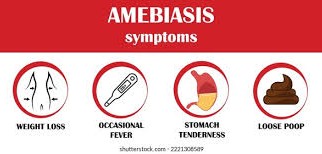

🦠 Amoebiasis is an infection of the bowel caused by a single-celled parasite, Entamoeba histolytica, and the first medicine most doctors reach for is metronidazole. That part is well known. What many patients are never told is that metronidazole alone often leaves the parasite alive inside the gut, so the cramps settle, the blood in the stool stops, and weeks later the infection returns or is passed on to someone at home. 🔍 This guide explains how amoebic colitis is confirmed, the usual adult doses and course length of metronidazole, why a second drug that works inside the bowel is needed afterwards, how an amoebic liver abscess shows up (sometimes months after a trip), which mistakes make the illness worse, and how to tell it apart from bacterial dysentery, giardiasis and worms.
🦠 What amoebiasis is, in plain words
💧 The parasite lives in two forms. The cyst is the hardy, infectious form: it passes out in stool, survives for weeks in water and soil, and is swallowed with contaminated food, water or hands. In the small bowel the cyst opens and releases the active form, the trophozoite, which settles in the large bowel. There it can live quietly on the surface, or it can eat into the lining, cause ulcers and bleeding, and in some people travel through the blood vessels to the liver. 📖 For a wider look at gut parasites in general, see intestinal parasites: causes, health impact and management. This article stays with one question: how amoebiasis is treated properly so that it does not come back.
🔬 Histolytica or dispar: why the lab wording matters
🧪 Under a microscope, E. histolytica looks the same as E. dispar and E. moshkovskii, relatives that usually live in the bowel without causing disease. A report that says only “Entamoeba cysts seen” does not prove you have amoebiasis. Doctors therefore prefer tests that name the species: a stool antigen test or a stool PCR. Blood tests for antibodies help in invasive disease and in liver abscess, but in people who grew up in areas where the parasite is common, the antibodies can stay positive for years after an old infection.
🧭 Four ways the infection shows up
🔎 The same parasite can cause very different pictures, and the treatment plan depends on which one you have. Most people never feel ill, a smaller group develops colitis, and a few develop disease outside the bowel.
🩸 Amoebic colitis or bacterial dysentery?
📆 Both cause bloody diarrhoea, but they tend to behave differently. Amoebic colitis usually builds up slowly over one to three weeks, often with little or no fever, while dysentery from Shigella or Campylobacter tends to start suddenly with high fever. These are only clues; a stool test decides.
| 🔎 Feature | 🦠 Amoebic colitis | 🧫 Bacterial dysentery |
|---|---|---|
| Onset | Gradual, over 1 to 3 weeks | Sudden, within hours to a day or two |
| Fever | Often mild or absent | Often high |
| Stools | Loose, with blood and mucus, sometimes on and off | Frequent, small, bloody |
| Time since exposure | Usually 2 to 4 weeks, can be longer | Usually 1 to 3 days |
| Usual medicine | Metronidazole, then a luminal agent | Azithromycin or ciprofloxacin when an antibiotic is needed |
📖 Ordinary watery diarrhoea without blood has a different plan; see acute diarrhea: when your digestive system needs fast support.
🧪 How the diagnosis is confirmed
📋 A doctor usually starts with the story: travel, water sources, people at home with similar symptoms, and how long the problem has lasted. One stool sample can miss the parasite, so two or three samples on different days are common.
💊 Why metronidazole comes first
🎯 Metronidazole belongs to the nitroimidazole family. Inside the parasite it is converted into reactive compounds that damage its DNA, and it kills the active trophozoites in the bowel wall and in the liver. It is absorbed almost completely from the gut into the blood, which is exactly why it works so well in tissue, and exactly why it leaves the bowel contents with a low concentration. Tinidazole, a close relative, is used in the same way in many countries and needs a shorter course. 📦 Metronidazole tablets are available as Flagyl (Metronidazole).
📋 Metronidazole dose and course length
📝 Doses below are the usual ranges used in adults with normal liver function. The exact dose and length are set by the doctor and depend on how severe the illness is, body weight and other medicines. Tablets are best taken with or just after food to reduce nausea, at evenly spaced times through the day.
| 🦠 Situation | 💊 Usual adult regimen | ➡️ Then |
|---|---|---|
| Amoebic colitis | Metronidazole 500 to 750 mg three times a day for 7 to 10 days | Luminal agent |
| Amoebic liver abscess | Metronidazole 750 mg three times a day for 7 to 10 days | Luminal agent |
| Alternative in many countries | Tinidazole 2 g once a day for 3 days (colitis) or 3 to 5 days (liver) | Luminal agent |
| Too sick to swallow | Metronidazole through a drip in hospital, then tablets | Luminal agent |
| Carrier, no symptoms, E. histolytica confirmed | No metronidazole needed | Luminal agent only |
👶 In children the dose is calculated by weight, commonly 35 to 50 mg per kg per day split into three doses, for 7 to 10 days. People with severe liver disease may need a lower dose, because the liver clears the drug.
⏱️ What to expect on treatment, day by day
🔁 Why a second drug is needed after metronidazole
📦 Because metronidazole is absorbed so well, parasites living in the bowel contents can survive the course and keep producing cysts. A person who stops after metronidazole may relapse, or may feel fine and still pass cysts to family members. Treatment guidelines therefore add a luminal agent, a medicine that stays inside the bowel and acts on the parasite there. It is usually started after the metronidazole course rather than at the same time, partly because both can upset the stomach.
🧴 Luminal agents compared
📋 Three luminal medicines are used around the world, and which one you get depends mostly on what is available locally. All three are poorly absorbed, so side effects stay mostly in the gut.
💡 Some combination tablets on the market pair diloxanide with metronidazole in one pill, but these are not available everywhere. Nitazoxanide, sold as Nizonide (Nitazoxanide), is approved for Giardia and Cryptosporidium and has shown activity against amoebae in some studies, but it is not a standard replacement for the two-step plan in invasive amoebiasis. A doctor may consider it in specific situations.
🤷 Carriers without symptoms
🧪 Many people learn they carry the parasite by chance, during a routine stool test, a work screening or after a family member falls ill. If the species is confirmed as E. histolytica, treatment with a luminal agent alone is usually advised even without symptoms, because carriers can develop invasive disease later and can infect others. Metronidazole is not needed here, since there is no tissue invasion to treat. If the lab finds only E. dispar, treatment is usually not needed.
💡 Food handlers, carers and nursery staff with confirmed E. histolytica may be asked to stay off work until treatment is complete and a follow-up stool test is clear. Rules differ by country and employer.
🫀 Amoebic liver abscess: the form that can appear months later
🔥 In a small share of people, trophozoites travel from the bowel to the liver through the portal vein and form a collection of dead liver tissue. Many patients with a liver abscess have no diarrhoea at the time, and the illness can start months or even years after the trip. It is seen more often in adult men. The classic picture is fever, sweats, pain under the right ribs that may spread to the right shoulder, pain on deep breathing, and tenderness when the liver is pressed.
Fever, pain under the right ribs
One or more round lesions in the liver
Amoebic antibodies, liver tests, blood count
Metronidazole, then luminal agent
🏥 Liver abscess treatment and when drainage is needed
💊 Most amoebic liver abscesses heal with medicine alone, without needle drainage, which sets them apart from bacterial abscesses. Fever often settles within a few days of starting metronidazole. Drainage is considered when the abscess is very large, when it sits in the left lobe close to the heart, when it threatens to burst, or when there is no improvement after several days of treatment. The cavity on ultrasound can take months to disappear, and that is expected; the scan is not a reason to keep taking tablets.
Metronidazole started, often in hospital
Fever and pain ease; review if not
Course completed, luminal agent added
Cavity slowly fills in on scans
⚠️ The steroid trap: when amoebic colitis is mistaken for IBD
🧐 Amoebic colitis can look very much like ulcerative colitis or Crohn disease: bloody diarrhoea, ulcers on colonoscopy, weight loss. If steroids are started for presumed inflammatory bowel disease while amoebae are present, the infection can spread fast and lead to severe colitis, perforation or toxic dilation of the colon. This is one of the most serious mistakes in this field.
⚠️ Before steroids or other immune-lowering drugs for new colitis:
🔹 Ask whether amoebiasis has been ruled out, especially after travel or migration from an area where it is common.
🔹 Stool antigen or PCR and biopsies from colonoscopy help separate the two.
🔹 People already on steroids or biologic drugs who develop bloody diarrhoea after a trip should report it promptly.
📖 How true ulcerative colitis flares are managed is covered in ulcerative colitis: how to stop a flare and stay in remission.
🚫 Why anti-diarrhoea tablets are a bad idea with blood in the stool
🛑 Loperamide, sold as Imodium (Loperamide), slows the bowel. That is helpful for watery traveller diarrhoea without fever, but with bloody stools or high fever it should not be used, because slowing the gut in invasive colitis can keep the organism in contact with the bowel wall and has been linked to severe complications. Fluids and oral rehydration salts are the safe first step while waiting for a diagnosis. For nausea that makes it hard to keep tablets down, a doctor may suggest a short course of an anti-sickness medicine such as Motilium (Domperidone), which has its own heart-related cautions and is not for everyone.
🍷 Alcohol and metronidazole
🍺 Labels for metronidazole advise no alcohol during the course and for at least 48 hours after the last tablet, and many doctors say 72 hours to be safe. Some people react with flushing, pounding heart, nausea, vomiting and headache. The size of this effect is debated, but there is no benefit in testing it, and alcohol also irritates an inflamed bowel. Hidden alcohol counts too: some cough syrups, mouthwashes and sauces contain it. The same rule applies to tinidazole, where the waiting time after the last dose is usually given as 72 hours. 📖 The same alcohol rule comes up with other metronidazole uses; see urogenital trichomoniasis.
😖 Side effects and how to handle them
💊 Most people finish the course without trouble. A bitter or metallic taste is the most typical complaint and goes away after the last dose. Taking tablets with food helps with nausea. Dark or reddish-brown urine is a harmless colour change from the drug.
🔗 Interactions to check before the first tablet
| 💊 Medicine or substance | 📝 What can happen |
|---|---|
| Warfarin | Stronger blood thinning; the INR is usually checked more often |
| Lithium | Lithium levels can rise; blood levels may need monitoring |
| Disulfiram | Confusion and psychotic reactions; should not be combined |
| Busulfan | Higher busulfan levels and more toxicity |
| Alcohol | Flushing, nausea, fast heartbeat |
| Medicines that prolong the QT interval | Caution in people with heart rhythm problems |
💡 Always mention every regular medicine, including herbal products, to the prescriber or pharmacist. People with a known allergy to metronidazole or tinidazole should not take either.
🤰 Pregnancy, breastfeeding and children
👶 Amoebic colitis in pregnancy can be serious and should be treated, not left alone. Metronidazole is widely used in pregnancy when needed, with many doctors preferring to avoid it in the first trimester if the illness allows waiting. For the luminal step, paromomycin is often chosen because very little is absorbed. During breastfeeding, metronidazole passes into milk; with high doses some doctors suggest a short pause in feeding or timing feeds around doses. In children the course is the same in principle, with doses set by weight and liquid forms where available. Dehydration happens faster in small children, so fluids come first.
🧩 Other causes that look similar, and their medicines
🔍 Several infections cause diarrhoea after travel, and each one has its own medicine, which is why guessing is risky. A stool test that names the organism saves time and avoids the wrong drug.
| 🦠 Cause | 📋 Typical clues | 💊 Usual treatment |
|---|---|---|
| Giardia | Greasy, foul stools, bloating, wind, no blood | Metronidazole, tinidazole or Nizonide (Nitazoxanide) |
| Shigella, Campylobacter | Sudden bloody diarrhoea, high fever | Zithromax (Azithromycin) or Cipro (Ciprofloxacin), depending on local resistance |
| Watery traveller diarrhoea | No blood, no high fever | Fluids; in some cases Rexigut (Rifaximin) |
| Intestinal worms | Belly discomfort, itching, worms or eggs in stool | Albenza (Albendazole) and other antiworm drugs |
| Post-infection bowel upset | Cramps and loose stools after the infection is cleared | Diet, time; antispasmodics such as Colospa (Mebeverine) |
📖 Mixed worm infections are covered in single or mixed intestinal worm infections, and long-lasting cramps after an infection in IBS with diarrhea: what helps and what is often missed. Rifaximin is not suitable for bloody diarrhoea or fever, because it stays in the gut and does not treat invasive infection.
🔄 If symptoms come back after treatment
🤔 Relapse after a course of metronidazole is most often a sign that the luminal step was skipped or not finished, or that someone at home is still passing cysts. Other possibilities are reinfection from the same water source, a second infection such as Giardia, or a different diagnosis altogether, such as inflammatory bowel disease or a bowel that is slow to settle after inflammation.
🏠 Household contacts and partners
👪 The parasite spreads from person to person through hands, shared food and close contact, and it can also spread through sexual contact that involves the anus. Testing other people at home is often more useful than repeating your own course.
🚰 Prevention when travelling and at home
🌍 The infection is common wherever drinking water and sewage are not well separated. Cysts resist the chlorine levels used in many water supplies, so boiling or proper filtering matters more than tablets added to water.
💡 There is no vaccine and no preventive tablet for amoebiasis. Taking metronidazole before or during a trip to prevent it is not recommended and only adds side effects.
🗿 Myths and facts about amoebiasis treatment
🚨 When to see a doctor
⛔ Get medical help the same day if:
🔹 There is blood in the stool, especially after travel or with weight loss.
🔹 You have fever with pain under the right ribs or in the right shoulder, even without diarrhoea.
🔹 Signs of dehydration appear: very little urine, dizziness on standing, dry mouth, confusion, or a child who is unusually sleepy.
🔹 The belly becomes swollen, hard or severely painful, or vomiting stops you keeping fluids down. These need emergency care.
🔹 There is no improvement after 3 to 5 days of treatment, or new numbness, confusion or a rash appears on metronidazole.
❓ Frequently asked questions
What is the usual metronidazole dose for amoebiasis?
For amoebic colitis in adults it is usually 500 to 750 mg three times a day for 7 to 10 days, and 750 mg three times a day for a liver abscess. The doctor sets the exact dose.
Is metronidazole enough on its own to cure amoebiasis?
Usually not. It kills the parasite in tissue, but cysts can survive in the bowel. A luminal agent such as paromomycin or diloxanide is given afterwards to clear them.
How fast does metronidazole work for amoebic dysentery?
Cramps and stool frequency often improve within 2 to 3 days, and blood usually stops within about 5 days. No improvement after 3 to 5 days needs a medical review.
Can I drink alcohol while taking metronidazole?
No. Avoid alcohol during the course and for at least 48 hours after the last tablet, as it can cause flushing, nausea and a fast heartbeat.
Do I need treatment if I carry amoebae but feel fine?
If the species is confirmed as E. histolytica, a luminal agent alone is usually advised. If only E. dispar is found, treatment is usually not needed.
What are the signs of an amoebic liver abscess?
Fever, sweats and pain under the right ribs, sometimes spreading to the right shoulder. Diarrhoea is often absent, and it can start months after travel.
Does an amoebic liver abscess need to be drained?
Most heal with metronidazole and a luminal agent alone. Drainage is considered for very large or left-lobe abscesses, a risk of rupture, or no response after several days.
Can I take loperamide for amoebic diarrhoea?
It is not advised when there is blood in the stool or a high fever, because slowing the bowel in invasive colitis can make things worse. Fluids come first.
Is metronidazole safe in pregnancy for amoebiasis?
It is widely used in pregnancy when needed, often avoided in the first trimester if possible. Paromomycin is commonly chosen for the luminal step.
Why did my amoebiasis come back after treatment?
Most often the luminal step was skipped, or someone at home still carries the parasite. Reinfection from water, another parasite or a different bowel disease are other causes.
📑 Sources and editorial
- 📘 National and international guidelines on the treatment of parasitic infections, including amoebiasis
- 💊 Official product information for metronidazole and tinidazole
- 🧪 Microbiology reviews on telling E. histolytica from E. dispar with antigen and PCR tests
- 🫀 Clinical reviews of amoebic liver abscess, including the role of drainage
- ⚠️ Case series of severe amoebic colitis after corticosteroid treatment
- 🌍 Travel medicine guidance on safe water and food
- 📖 Related reading: intestinal parasites, acute diarrhea, ulcerative colitis, intestinal worm infections, IBS with diarrhea
- 🛒 Related products: Flagyl (Metronidazole), Nizonide (Nitazoxanide), Zithromax (Azithromycin), Cipro (Ciprofloxacin), Albenza (Albendazole), Colospa (Mebeverine)
- 🩺 RXshop Editorial Team — reviewed by Emily Chen, MD — Internal medicine
Medical Disclaimer: The information in this article is for educational and informational purposes only and is not a substitute for professional medical advice, diagnosis, or treatment. Always seek guidance from a qualified healthcare provider with any questions you may have regarding a medical condition, and before starting, stopping or changing any medication.