Muscle Relaxants for a Stiff Back or Neck: Methocarbamol, Cyclobenzaprine and Tizanidine Compared, Plus Safety Rules

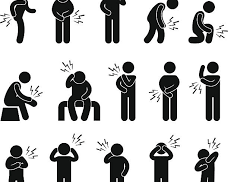
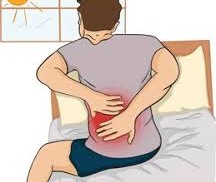
🧍 You wake up and the neck will not turn, or you bend to lift a box and the lower back locks into a hard, aching knot. The first idea for many people is a muscle relaxant. These tablets can take the edge off a bad week, but they do far less than the name promises, and they bring drowsiness, slower reactions and real risks for older adults and anyone who drinks or takes other sedating medicines. 🔍 This guide compares the four muscle relaxants people ask about most (methocarbamol, cyclobenzaprine, tizanidine and carisoprodol), explains what they really do inside the body, how long a sensible course lasts, why driving and alcohol are the two big traps, who should avoid them altogether, and which simple non-drug steps do most of the work for a stiff back or neck.
🧠 What a muscle relaxant actually does
💊 The name suggests a tablet that travels to the tight muscle and softens it. That is not how it works. Almost all oral muscle relaxants act in the brain and spinal cord, not in the muscle itself. They dampen the nerve reflexes that keep a muscle guarding, and they do it by producing general sedation. That is why the main effect you notice is often drowsiness.
📖 The spasm itself, and how a strained muscle gets stuck in a loop of pain and guarding, is covered in acute muscle pain and the spasm cycle. Here the focus is the tablets: which one, for how long, and when to leave them out.
🔎 Stiff back or neck: what kind of stiffness is it?
🧭 Muscle relaxants are used for very different problems, and the drug that fits one may be wrong for another. A sudden stiff neck after sleeping badly is not the same as the stiffness of a stroke or multiple sclerosis. Sorting out which one you have is the first step, because it decides whether a short course of a relaxant makes sense at all.
📖 Spasticity after a nerve injury is a different condition with its own medicines; see baclofen in practice: dose titration and why never to stop suddenly.
💊 The four drugs people ask about
📋 Several muscle relaxants exist, but four come up again and again in questions about back and neck pain. They belong to different drug families, so their side effects and dangers differ more than their shared label suggests.
🔵 Methocarbamol: the mild, short-acting choice
🕒 Methocarbamol has been used since the 1950s. It starts working within about 30 minutes and leaves the body quickly, so it is taken three or four times a day and wears off fast if it makes you too sleepy. That short action is an advantage for a short course: there is little hangover the next morning compared with longer-acting drugs. The usual adult pattern is a higher dose for the first two or three days (often 1500 mg four times a day on the label) and then a lower maintenance dose, with the whole course kept short.
- 📌 Common effects: drowsiness, dizziness, light-headedness, nausea, blurred vision
- 📌 Harmless but surprising: urine may turn brown, black or green and returns to normal after stopping
- 📌 Less likely than cyclobenzaprine to cause dry mouth or a racing heart
- 📌 Used with care in myasthenia gravis and in serious kidney or liver disease
💡 Methocarbamol is often described as one of the less sedating options, but less sedating is still sedating: the driving and alcohol rules below apply in full. RXshop stocks Robaxin (Methocarbamol) 500 mg tablets.
🟣 Cyclobenzaprine: effective but heavy
🧪 Cyclobenzaprine is chemically close to the tricyclic antidepressant amitriptyline. That family link explains both its effect and its problems: strong sedation, dry mouth, constipation, blurred vision and, in some people, a faster heartbeat. It stays in the body for about a day, so an evening dose can still slow you down the next morning. Typical adult doses are 5 mg three times a day, sometimes 10 mg.
🟢 Tizanidine: strong, short, and full of interactions
📉 Tizanidine works on alpha-2 receptors, the same family as the blood pressure drug clonidine. It was developed for spasticity and is also used for painful back spasm in many countries. Its biggest practical issues are low blood pressure, drowsiness and a short list of drugs that make it dangerous. A first dose of 2 mg, often at night, lets you see how it affects you; doses are usually kept low for back pain and spaced 6 to 8 hours apart, with no more than three doses a day.
📋 How it is usually taken
💊 Start at 2 mg, often at bedtime
⏱️ Effect peaks in 1 to 2 hours, lasts 3 to 6 hours
🍽️ Take it the same way each time, always with food or always without, because food changes how much is absorbed
⚠️ What to watch
📉 Dizziness on standing: blood pressure drop
😴 Drowsiness: common, dose related
🧪 Liver: enzyme rises, tested on longer use
🚫 Never with fluvoxamine or ciprofloxacin
🔁 After regular high doses: taper, do not stop suddenly
🟠 Carisoprodol: why many countries pulled it
🚩 Carisoprodol is changed in the liver into meprobamate, an old sedative with a well-known risk of dependence. European regulators recommended withdrawing carisoprodol in 2007 because the risk of misuse, intoxication and road accidents outweighed its modest benefit. When it is prescribed, the course is limited to two or three weeks, at doses such as 250 to 350 mg three times a day and at bedtime.
📊 Side by side: the four relaxants
🔍 The table puts the practical differences in one place. None of these drugs is clearly stronger than the others for back pain in trials; the choice is mostly about side effects, interactions and how the drug fits your day.
| 💊 Drug | ⏱️ Doses a day | 😴 Sedation | ⚠️ Main concern |
|---|---|---|---|
| Methocarbamol | 3 to 4 | Mild to moderate | Dizziness, harmless urine colour change |
| Cyclobenzaprine | 1 to 3 | Marked | Dry mouth, heart rhythm, serotonin drugs |
| Tizanidine | 1 to 3 | Marked | Low blood pressure, liver, fluvoxamine and ciprofloxacin |
| Carisoprodol | 3 to 4 | Marked | Dependence, withdrawal, misuse |
😴 How drowsy each one tends to make you
⚖️ How much benefit to expect
📐 Reviews of the trials paint a modest picture. In acute low back pain, non-benzodiazepine muscle relaxants give a small extra drop in pain compared with a dummy tablet, mostly in the first week or two, and the certainty of that evidence is low. At the same time, people on relaxants report more side effects, mainly drowsiness and dizziness. For back pain lasting more than three months, there is little good evidence that these drugs help at all.
⏳ Why the course stays short
📅 Most acute back and neck pain eases on its own over days to weeks. A relaxant is meant to help you move through the worst few days, not to run for months. The benefit seen in trials fades after the first week or two, while drowsiness, falls and, with some drugs, dependence become more of a problem the longer they are taken. Labels limit some of them to two or three weeks for this reason.
Pain at its worst; relaxant at night or as directed, heat, gentle walking
Reduce daytime doses; more movement, normal tasks
Most people stop the relaxant; continue walking and stretching
Still needing it? Time for a review, not a repeat prescription
🚗 Driving, machines and work
🚦 Muscle relaxants slow reaction time and judgement, sometimes without you feeling sleepy. Do not drive, cycle, operate machinery or work at height until you know how the tablet affects you, and not at all if you feel drowsy, dizzy or have blurred vision. In many countries, driving while impaired by a medicine is an offence in the same way as drink-driving, even when the medicine was prescribed.
🍷 Alcohol and other sedating medicines
⚠️ Alcohol adds its own sedation to the drug. The combination multiplies drowsiness, unsteadiness and slowed breathing. The safest rule is no alcohol at all while taking a muscle relaxant and for a day after the last dose of a longer-acting one.
Drowsy, slower reactions
Unsteady, poor judgement
Falls, confusion
Slowed breathing, overdose risk
🧪 Drug interactions that matter
📋 Before starting a relaxant, tell the pharmacist or doctor about every medicine, supplement and herbal product you take. Most problems come from a handful of predictable combinations.
| 💊 Combination | 📝 What can happen |
|---|---|
| Any relaxant with opioids, benzodiazepines, gabapentin or pregabalin | Heavy sedation and slowed breathing |
| Tizanidine with fluvoxamine or ciprofloxacin | Tizanidine levels rise sharply; dangerous fall in blood pressure. Not to be combined |
| Tizanidine with blood pressure tablets | Extra drop in pressure, fainting |
| Tizanidine with some oral contraceptives | Higher tizanidine levels; lower doses may be needed |
| Cyclobenzaprine with SSRIs, SNRIs, tramadol, MAO inhibitors | Serotonin syndrome: agitation, sweating, tremor, fever |
| Cyclobenzaprine with anticholinergic drugs | Constipation, urinary retention, confusion |
| Sedating antihistamines, sleeping tablets | Added drowsiness and falls |
👴 Older adults: why caution rises after 65
🧓 With age the body clears these drugs more slowly, and the brain becomes more sensitive to sedation. The widely used Beers list of medicines to avoid in older adults includes most muscle relaxants, because they are poorly tolerated, cause confusion and drowsiness, and have doubtful benefit at doses an older person can manage.
💡 For an older adult with a stiff back, heat, gentle movement and paracetamol or a topical anti-inflammatory gel are usually tried first.
🚫 Who should avoid muscle relaxants
💊 Pain relievers usually come first
🔥 For most stiff backs and necks, an anti-inflammatory painkiller does more than a relaxant and causes less drowsiness. Ibuprofen, naproxen or diclofenac taken regularly for a few days reduce pain and let you move, which is what speeds recovery. Paracetamol is gentler on the stomach but relieves back pain less well on its own. Anti-inflammatories are not for everyone: stomach ulcers, kidney disease, heart failure and some blood thinners are common reasons to avoid them. 📖 The full comparison is in which painkiller to choose and who should avoid NSAIDs.
🧴 For a stiff neck or a sore patch of the back, a gel such as Emulgel (Diclofenac) puts the drug where it hurts with far less in the bloodstream. For older adults and people who cannot take anti-inflammatory tablets, a gel plus Paracetamol (Acetaminophen) is often the safest starting point.
➕ Taking a relaxant with an anti-inflammatory
🤝 Some prescribers combine the two for the first few days of a severe spasm. Trials have not shown that adding a relaxant to an anti-inflammatory clearly improves recovery, while the side effects of both add up. It can make sense when pain is stopping sleep, used at night only, for a few nights. The stomach, kidney and heart warnings for anti-inflammatories still apply.
🔄 Baclofen and diazepam: why they are not the usual answer
🧠 Baclofen and diazepam are often called muscle relaxants too, but neither is a good routine choice for an ordinary stiff back or neck. Baclofen is designed for spasticity from multiple sclerosis or spinal cord injury; its sedation and the danger of stopping it suddenly make it a poor fit for a short back spasm. Diazepam is a benzodiazepine: trials in back pain have not shown a useful benefit, and it carries a real risk of dependence. Lioresal (Baclofen) has its place, but that place is neurological spasticity under specialist care.
🏃 Non-drug steps that do most of the work
💪 For acute back and neck pain, physician guidelines put simple physical measures first and tablets second. Staying active within comfort is the single most useful thing you can do; bed rest slows recovery.
📖 A week-by-week plan for a new episode of back pain, and the scans you probably do not need, are in back pain: what actually helps in the first six weeks.
🧣 A simple routine for a stiff neck
💻 A stiff neck after a night in an awkward position or long hours at a screen usually loosens within a few days. Gentle range-of-motion work, done little and often, beats one long stretching session. Stop if you feel pins and needles in the arm.
🌳 Which option fits you?
🛑 Stopping, and what to watch afterwards
📉 After a short course at ordinary doses, methocarbamol and cyclobenzaprine can usually just be stopped. Tizanidine and carisoprodol taken regularly for longer, or at higher doses, should be reduced gradually: stopping tizanidine suddenly can cause a rebound rise in blood pressure and a fast heartbeat, and stopping carisoprodol can cause anxiety, insomnia and, rarely, seizures.
🗿 Myths about muscle relaxants
🚨 When to see a doctor
⛔ Get urgent medical help if a stiff back or neck comes with:
🔹 Numbness around the genitals or buttocks, or new trouble passing urine or controlling the bowels.
🔹 Fever, severe headache, light sensitivity or a rash with a stiff neck.
🔹 Weakness or numbness spreading in the arms or legs.
🔹 Pain after a fall or accident, or pain with unexplained weight loss or a history of cancer.
🔹 On a relaxant: fainting, confusion, very slow breathing, yellow skin or dark urine with pale stools.
📖 Cramps and spasms that grip a muscle suddenly are explained in painful muscle spasms: when the body locks. Stiffness centred on the joints rather than the muscles is covered in joint pain relief that actually works.
❓ Frequently asked questions
What is the best medication for muscle stiffness in the back?
For a new stiff back, an anti-inflammatory such as ibuprofen or naproxen plus heat and movement is usually tried first. A short muscle relaxant course can be added if pain stops sleep.
Is methocarbamol better than cyclobenzaprine?
Neither has been shown to relieve back pain clearly better. Methocarbamol is shorter acting and often less sedating; cyclobenzaprine causes more drowsiness and dry mouth.
How long can I take a muscle relaxant?
For back or neck pain, usually no longer than 2 to 3 weeks. The benefit fades after the first week or two while side effects continue.
Can I drive while taking a muscle relaxant?
Not until you know how it affects you, and never if you feel drowsy, dizzy or have blurred vision. Driving while impaired by a medicine is an offence in many countries.
Can I drink alcohol with muscle relaxers?
No. Alcohol adds to drowsiness and unsteadiness and can slow breathing. Avoid it for the whole course.
Why did my urine change colour on methocarbamol?
Methocarbamol can turn urine brown, black or green. This is harmless and goes away after stopping the drug.
Is tizanidine safe with other medicines?
It must never be combined with fluvoxamine or ciprofloxacin, and it adds to blood pressure tablets and sedatives. Always check your full medicine list with a pharmacist.
Are muscle relaxants safe for older adults?
Most guides advise avoiding them after 65 because they cause falls, confusion and drowsiness. Heat, movement, paracetamol or a diclofenac gel are usually safer first steps.
Why is carisoprodol not available in Europe?
European regulators recommended withdrawing it in 2007 because of misuse, dependence and road accident risks that outweighed its modest benefit.
Do muscle relaxants help a stiff neck?
They may ease the first few nights of a severe spasm, but heat, gentle neck movements and an anti-inflammatory gel or tablet do most of the work.
📑 Sources and editorial
- 📘 Prescribing information for methocarbamol, cyclobenzaprine, tizanidine and carisoprodol
- 📊 Systematic reviews and meta-analyses of muscle relaxants in acute and chronic low back pain
- 🩺 Physician clinical guidelines on non-invasive treatment of acute and chronic low back pain
- 👴 Criteria on potentially inappropriate medicines in older adults (Beers list)
- ⚠️ European regulatory review of carisoprodol and its withdrawal
- 🧪 Drug interaction references for tizanidine, cyclobenzaprine and central nervous system depressants
- 📖 Related reading: acute muscle pain and the spasm cycle, back pain in the first six weeks, which painkiller to choose, baclofen in practice, painful muscle spasms
- 🛒 Related products: Robaxin (Methocarbamol), Zanaflex (Tizanidine), Tizan (Tizanidine), Naprosyn (Naproxen), Motrin (Ibuprofen), Emulgel (Diclofenac)
- 🩺 RXshop Editorial Team — reviewed by Sarah Mitchell, PharmD — Clinical Pharmacist
Medical Disclaimer: The information in this article is for educational and informational purposes only and is not a substitute for professional medical advice, diagnosis, or treatment. Always seek guidance from a qualified healthcare provider with any questions you may have regarding a medical condition, and before starting, stopping or changing any medication.