Osteoarthritis Flare-Up: Common Triggers, How Long It Lasts and a 7-Day Plan With Ice, Gels and a Short NSAID Course

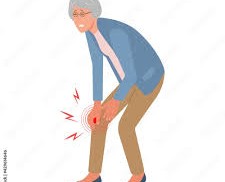

🦵 Most people with osteoarthritis know the pattern well. For weeks the knee, hip or hand is a background ache that can be managed, and then, after a long walk, a day of gardening or for no clear reason, it suddenly hurts much more, swells, stiffens and wakes them at night. This is an osteoarthritis flare: a short burst of extra pain and irritation in a joint that is already worn. 🔍 Flares are frightening because they feel like the joint has suddenly got worse, but most settle within days to a couple of weeks and do not mean the disease has jumped ahead. This guide explains what happens inside the joint during a flare, the usual triggers, how long it tends to last, how to tell it from gout or infection, and a practical 7-day plan that combines ice, relative rest, topical diclofenac gel and, when needed, a short course of an anti-inflammatory tablet such as celecoxib, together with the safety checks that make that course reasonable.
🔥 What an osteoarthritis flare actually is
🧠 Osteoarthritis is a slow change of the whole joint: the cartilage thins, the bone underneath thickens and grows small spurs, and the lining of the joint (the synovium) becomes irritable. Day to day, the pain level goes up and down. A flare is a period, usually lasting days, when pain, stiffness and often swelling rise clearly above your normal baseline. It is different from the slow worsening that happens over years. 📖 If you are not yet sure the joint problem is osteoarthritis rather than an inflammatory arthritis, read osteoarthritis vs rheumatoid arthritis first, because the treatment is very different.
🧬 Why a worn joint suddenly hurts more
🧪 Cartilage itself has no nerves, so the pain of a flare comes from the tissues around it. When a worn joint is overloaded, small fragments and chemical signals irritate the synovium, which swells and produces extra fluid. The capsule stretches, the bone under thin cartilage takes more pressure, and the nervous system turns up its sensitivity. That is why a flare feels warmer, fuller and more tender than the normal ache.
💡 This picture explains why the treatment of a flare has two parts: calm the irritated lining (cold, gel, anti-inflammatory tablet) and reduce the load for a short time without stopping movement. If pain stays high for weeks after the swelling has gone, the nervous system itself may be holding the pain; that pattern is explained in when the brain keeps the pain switch on.
⚡ The usual triggers
🔎 Many flares follow an obvious event, but many people cannot name any cause. Keeping a short note of what happened in the 48 hours before each flare often reveals a personal pattern that can be avoided next time.
⚖️ Long periods of sitting can also trigger stiffness that feels like a flare, and so can stopping a regular exercise routine for a few weeks. Both too much and too little movement can upset an arthritic joint, which is why the aim is a steady, moderate load rather than bursts of activity followed by rest.
⏳ How long a flare usually lasts
Peak pain, swelling, poor sleep
Swelling eases, walking improves
Close to the old baseline
Needs a doctor review
📉 Large or repeated effusions, a locked knee, or flares that come back every few weeks suggest that something more is going on, such as a torn meniscus fragment, crystal deposits or a change in alignment. Frequent flares are a reason to review the whole treatment plan, not only to repeat the same short course of tablets each time.
🔍 Flare or something else?
🩺 A hot, swollen joint is not always osteoarthritis. Gout, pseudogout and joint infection can look similar at first, and infection in particular needs urgent treatment. These clues help to tell them apart.
| 🔎 Problem | 📋 Typical clues | 🚦 What to do |
|---|---|---|
| Osteoarthritis flare | Known OA joint, builds over hours after activity, mild warmth, can still walk | Home plan, review if not better in 1 to 2 weeks |
| Gout | Very sudden, extreme pain overnight, red shiny skin, big toe, ankle or knee | See a doctor within a day or two |
| Pseudogout (CPPD) | Older person, knee or wrist, hot and swollen, can mimic infection | Doctor review, joint fluid test |
| Septic arthritis | Fever, feeling unwell, cannot bear weight or move the joint at all, joint replacement or recent injection | Same-day emergency care |
| Injury | Clear twist or fall, rapid swelling within hours, locking or giving way | Examination, sometimes imaging |
🧊 Ice or heat?
🌡️ Both are cheap, safe and useful, but they do different jobs. Cold suits the swollen, warm phase of a flare; heat suits stiffness without swelling. Many people use cold in the first days and switch to warmth as the joint settles.
🪑 Relative rest, not bed rest
🚶 Complete rest feels natural in a flare, but a joint kept still for days becomes stiffer and the surrounding muscles weaken quickly, which sets up the next flare. The goal is to cut back the activity that provoked the flare, roughly by half, while keeping the joint moving through a comfortable range several times a day. A walking stick held in the hand opposite the painful knee or hip takes a useful share of the load for a week or two.
📅 A 7-day flare plan
🗺️ The plan below is a common, conservative approach for an adult with known osteoarthritis and no red flags. The medicine steps assume you have already checked with a doctor or pharmacist that anti-inflammatory tablets are safe for you.
🧴 Topical diclofenac gel comes first for knees and hands
🧴 For joints close to the skin, such as the knee and the small joints of the hand, NSAID gels give pain relief that comes close to tablets in many people, with far less of the drug reaching the blood. That makes them the first medicine guidelines recommend for knee and hand osteoarthritis, and a sensible choice for older people and those with stomach or heart concerns. They help much less for the hip and spine, which lie too deep under muscle.
🛒 Common choices are Emulgel (Diclofenac) and Jonac (Diclofenac Gel). The main side effect is local skin redness or itch. People with asthma triggered by aspirin or NSAIDs should still ask a doctor before using a gel.
💊 Where paracetamol fits today
📉 Paracetamol was once the standard first tablet for osteoarthritis. Newer reviews show that its effect on osteoarthritis pain is small, often too small for people to notice, and long-term high doses carry liver risks. It is still reasonable for a short trial in people who cannot take NSAIDs, or as an add-on for a few days, but it should not be the only plan for a bad flare.
- 📌 Usual adult dose: 500 mg to 1 g up to four times a day, no more than 4 g in 24 hours
- 📌 Lower maximum for people who weigh under 50 kg, drink alcohol heavily or have liver disease
- 📌 Check cold and flu remedies, which often contain paracetamol too
- 📌 Option: Paracetamol (Acetaminophen)
💊 A short course of an oral NSAID
🎯 When gel and cold are not enough, an oral anti-inflammatory is the most effective tablet for an osteoarthritis flare. The rule is the lowest dose that works, for the shortest time, taken with food, usually for days rather than weeks. The traditional NSAIDs below all work in a similar way; they differ mainly in how often they are taken and in their side effect profile.
⚠️ Never take two NSAIDs at the same time, and remember that many over-the-counter cold remedies and pain products also contain ibuprofen or aspirin. For a broader look at choosing between pain relievers, see which painkiller to choose and who should avoid NSAIDs.
🎯 Celecoxib for a flare: dose, timing and why it is chosen
🛡️ Celecoxib is a COX-2 selective NSAID. It blocks the enzyme that drives inflammation and pain while sparing much of the enzyme that protects the stomach lining. In trials it relieves osteoarthritis pain about as well as traditional NSAIDs, with fewer stomach ulcers and bleeds, which is why doctors often choose it for people who need an oral anti-inflammatory and have a raised stomach risk. It does not thin the blood like aspirin, so it does not protect the heart, and its effect on the heart and kidneys is broadly similar to other NSAIDs at usual doses.
📋 How it is commonly used in osteoarthritis
💊 200 mg once a day, or 100 mg twice a day
🍽️ With or without food; with food if the stomach is sensitive
⏱️ Pain relief usually within a few hours, fuller effect over several days
⚠️ Before the first capsule
❌ Allergy to sulfonamides (sulfa drugs): do not take
❌ Active ulcer or recent bleed: do not take
➖ Heart disease or stroke: doctor decision
➖ Kidney disease, high blood pressure: doctor decision
📆 For a flare, many doctors suggest a fixed course of 5 to 7 days, then stopping or stepping down to the gel alone. If you still need celecoxib every day after 2 to 3 weeks, the flare has become ongoing pain and the plan should be reviewed, including blood pressure and kidney checks. A separate guide covers the long-term trade-offs of celecoxib for knee and hip osteoarthritis.
💊 Etoricoxib: the other COX-2 option
💡 Etoricoxib works in the same way as celecoxib and is taken once a day. For osteoarthritis the usual dose is 30 mg once daily, raised to 60 mg if needed; higher doses are reserved for other conditions and short periods. It can raise blood pressure more than some other NSAIDs, so it is not used when blood pressure is not well controlled, and blood pressure should be checked within a couple of weeks of starting. The brand option is Arcoxia (Etoricoxib).
⚖️ Comparing the flare options side by side
| 💊 Option | ✅ Strengths | ⚠️ Watch for |
|---|---|---|
| Diclofenac gel | Knee and hand, very low blood levels, suits older people | Skin irritation; weak for hip |
| Paracetamol | Few interactions, safe in most heart and stomach conditions | Small effect; liver limits |
| Ibuprofen, naproxen | Effective, cheap, flexible dosing | Stomach, kidneys, blood pressure |
| Diclofenac, meloxicam tablets | Strong effect, fewer daily doses (meloxicam) | Heart risk (diclofenac), stomach |
| Celecoxib | Fewer stomach ulcers than older NSAIDs, once or twice daily | Sulfa allergy, heart and kidney cautions |
| Etoricoxib | Once daily, stomach-friendlier | Raises blood pressure, not in uncontrolled hypertension |
🛡️ Protecting the stomach
🧪 All oral NSAIDs can cause indigestion, ulcers and bleeding, and the risk rises with age and dose. A stomach-protecting medicine (a proton pump inhibitor such as omeprazole) is usually added when one or more of the risk factors below are present, even for a short course.
❤️ Heart, kidneys and blood pressure
🩺 NSAIDs, including COX-2 drugs, cause the body to hold salt and water and reduce blood flow to the kidneys. In healthy adults a 5 to 7 day course is usually well tolerated, but in some groups even a short course can cause real harm.
| 🚫 Situation | 📝 Why caution or avoidance |
|---|---|
| Heart failure | Fluid retention can tip it into decline |
| Recent heart attack, stroke or heart bypass surgery | Higher risk of clotting events |
| Chronic kidney disease | Can reduce kidney function further |
| Uncontrolled high blood pressure | NSAIDs can raise it further |
| Dehydration, vomiting, diarrhoea | Raises the risk of sudden kidney injury; pause the NSAID |
| Pregnancy from 20 weeks | Effects on the baby kidneys and heart; avoid unless a doctor advises |
🔀 Medicines that clash with NSAIDs
💉 When a steroid injection is considered
🏥 If a knee flare is severe, the joint is full of fluid, or tablets are not safe, a doctor may draw off the fluid and inject a corticosteroid into the joint. Relief often starts within a few days and typically lasts a few weeks, sometimes up to two or three months. It is a tool for a bad flare, not a regular treatment, because repeated injections may speed up cartilage loss.
🚶 Getting moving again after the flare
💪 The weeks after a flare are the best time to prevent the next one. Muscle strength around the knee and hip is one of the strongest predictors of how often flares happen, and strength is lost quickly during a week of rest. Build back gradually: first daily walking at a comfortable pace, then strengthening exercises, then the activity that triggered the flare, at a lower volume than before.
📈 A simple pacing rule works for most people: increase walking time or exercise load by no more than about 10 to 20 percent per week, and keep a rest day after a heavier day. Swimming, water exercise and cycling on a stationary bike load the joint less than running or long hill walks.
🏋️ Exercises that calm rather than provoke
📖 More home exercises and non-drug measures for painful joints are covered in joint pain relief that actually works. A physiotherapist can adapt the programme if a particular movement keeps provoking pain.
🧭 Not better by day 3? A simple decision path
🛑 Preventing the next flare
📋 Flares cannot be prevented completely, but people who keep regular exercise, a steady weight and a plan ready for the first day of a flare tend to have fewer and shorter episodes. Every kilogram of body weight lost takes roughly four kilograms of load off the knee with each step, so even a modest weight loss changes the joint load over a day of walking.
Strength exercises two to three times a week, even when the joint is quiet
Spread heavy jobs over several days, take sitting breaks
Cushioned shoes, a stick on long walks, avoid deep kneeling
Cold pack, gel and an agreed tablet plan at home
📖 Pain that sits around the shoulder or other joint rather than inside it may be periarthritis, which is managed differently; see periarthritis: when joint support structures become inflamed.
🗿 Myths about osteoarthritis flares
🚨 When to see a doctor
⛔ Get urgent care the same day if:
🔹 The joint is hot, red and swollen and you have a fever or feel unwell, or you have a joint replacement in that joint.
🔹 You cannot bear any weight or move the joint at all.
🔹 You notice black stools, vomiting blood, chest pain or sudden breathlessness while on an NSAID.
⚠️ Book a routine visit if: the flare is not clearly better after 1 to 2 weeks, flares come back every few weeks, the knee locks or gives way, or you need an anti-inflammatory tablet most days.
❓ Frequently asked questions
How long does an osteoarthritis flare last?
Most flares settle within a few days to two weeks. A flare that is not clearly better after two weeks should be checked by a doctor.
What triggers an osteoarthritis flare?
Common triggers are sudden overuse, a new exercise, kneeling or stairs, a minor twist, poor sleep and stress. Many flares have no clear cause.
Should I use ice or heat for an arthritis flare?
Use cold for a warm, swollen joint in the first days, for 15 to 20 minutes at a time. Use warmth for stiffness once the swelling has gone.
Is diclofenac gel as good as tablets for knee osteoarthritis?
For many people with knee or hand osteoarthritis it comes close, with much less drug in the blood. It works poorly for the hip.
What is the usual celecoxib dose for an osteoarthritis flare?
Usually 200 mg once a day or 100 mg twice a day, for the shortest time needed, often 5 to 7 days for a flare, after checking it is safe for you.
Is celecoxib safer than ibuprofen?
It causes fewer stomach ulcers and bleeds. Its heart and kidney cautions are broadly similar to other NSAIDs at usual doses.
Who should not take celecoxib?
People with a sulfonamide allergy, an active ulcer or bleed, severe heart failure, recent heart bypass surgery, or asthma triggered by NSAIDs. Kidney and heart disease need a doctor decision.
Should I rest completely during a flare?
No. Cut back the activity that caused it, roughly by half, but keep the joint moving gently several times a day to avoid stiffness and muscle loss.
When is a steroid injection used for a flare?
For a severe knee flare with a lot of fluid, or when tablets are not safe. Relief usually lasts weeks, and injections in one joint are limited to a few per year.
How can I tell a flare from gout or infection?
Gout comes on very suddenly with extreme pain and red skin. Infection brings fever, feeling unwell and inability to move the joint, and needs same-day care.
📑 Sources and editorial
- 📘 Clinical guidelines on the management of osteoarthritis of the knee, hip and hand
- 💊 Product information for celecoxib, etoricoxib, diclofenac, ibuprofen, naproxen, meloxicam and paracetamol
- 🧴 Systematic reviews of topical NSAIDs for musculoskeletal and osteoarthritis pain
- 🛡️ Large outcome trials comparing the stomach, heart and kidney safety of COX-2 inhibitors and traditional NSAIDs
- 💉 Reviews of intra-articular corticosteroid injection in knee osteoarthritis
- 🏋️ Exercise therapy and weight management studies in hip and knee osteoarthritis
- 📖 Related reading: osteoarthritis vs rheumatoid arthritis, which painkiller to choose, joint pain relief that actually works, when the brain keeps the pain switch on, periarthritis
- 🛒 Related products: Celeheal (Celecoxib), Celebrex (Celecoxib), Arcoxia (Etoricoxib), Emulgel (Diclofenac), Jonac (Diclofenac Gel), Voltaren (Diclofenac), Mobic (Meloxicam), Naprosyn (Naproxen), Motrin (Ibuprofen), Paracetamol (Acetaminophen)
- 🩺 RXshop Editorial Team — reviewed by Emily Chen, MD — Internal medicine
Medical Disclaimer: The information in this article is for educational and informational purposes only and is not a substitute for professional medical advice, diagnosis, or treatment. Always seek guidance from a qualified healthcare provider with any questions you may have regarding a medical condition, and before starting, stopping or changing any medication.