Prednisolone for Rheumatoid Arthritis: Bridging Doses While Methotrexate Starts, Flare Courses and Bone Protection

🦴 Prednisolone is often the first medicine that makes a person with rheumatoid arthritis feel human again. Within a day or two the morning stiffness loosens, swollen knuckles go down and a cup of coffee can be lifted without wincing. That speed is exactly why it needs a plan: prednisolone is excellent at calming inflamed joints, but it is a poor long-term answer to the disease. 🔍 This guide looks only at the steroid side of rheumatoid arthritis treatment: why doctors use a short low-dose course while methotrexate or another DMARD is starting to work, what a typical dose and taper look like, how flare courses and joint injections differ, why the last 5 mg is the hardest to drop, and how to protect the bones, blood sugar, stomach and eyes while it is being taken.
📍 Where prednisolone fits in rheumatoid arthritis
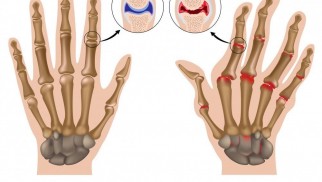
🧬 Rheumatoid arthritis is an autoimmune disease in which the immune system attacks the lining of the joints, the synovium. Left alone, that inflamed lining grows into the bone and cartilage and erodes them, often within the first two years. The drugs that actually slow this damage are the disease-modifying drugs (DMARDs), such as methotrexate, leflunomide and sulfasalazine. Their weakness is that they are slow. Prednisolone has the opposite profile: it works in hours to days but does not change the long-term course much once it is stopped. Used together, the steroid covers the gap and the DMARD does the long job. 📖 For the disease itself, its causes and the full treatment picture, see rheumatoid arthritis: causes, symptoms and treatment. This article stays with the steroid questions people ask most.
⚙️ How prednisolone calms an inflamed joint
🔬 Prednisolone is a synthetic version of cortisol, the stress hormone made by the adrenal glands. Inside immune cells it switches off the genes that produce inflammatory messengers such as interleukin-6 and TNF, and it reduces the number of white cells that travel into the joint. The result is less fluid, less swelling and less stiffness, usually noticeable within one to two days. The same broad action is the reason for its side effects: it also changes how the body handles sugar, salt, bone and infection.
💡 Prednisolone and prednisone are close relatives. Prednisone is converted to prednisolone in the liver, and milligram for milligram the two are treated as equal in rheumatology. In this article, a dose written as 10 mg means 10 mg of either. Tablets such as Deltasone (Prednisolone) and Predniheal (Prednisolone) come in several strengths, which makes small steps during a taper easier.
🧩 Four ways steroids are used in rheumatoid arthritis
📋 International rheumatology guidance says the same thing in different words: steroids should be used at the lowest dose for the shortest time, and a plan to stop should exist from the first prescription. The first three uses fit that rule easily. The fourth is a compromise that some people end up with, and it is worth reviewing at every visit rather than accepting as permanent.
🌉 Bridging: covering the gap until methotrexate works
⏳ Methotrexate, the usual first DMARD, is taken once a week and needs roughly 6 to 12 weeks to show its full effect, sometimes longer while the dose is built up. In early rheumatoid arthritis those weeks matter, because active inflammation is eroding the joints and the person may be unable to work. A bridging course of prednisolone gives relief during that window and is then tapered away as the DMARD takes over. 📖 How methotrexate is started and why the dose is weekly, not daily, is covered in the weekly methotrexate rule and treat to target, and the first three months after diagnosis in early rheumatoid arthritis: the first twelve weeks.
DMARD and prednisolone start together
Steroid gives most of the relief
Dose stepped down as DMARD builds
Off steroid, DMARD alone
📏 Typical bridging doses
💊 There is no single schedule, and the prescriber adjusts it to weight, disease activity and other illnesses. Most bridging courses start somewhere between 10 and 20 mg a day and are reduced over a few months, while some clinics use a higher starting dose for a short time or a single intramuscular injection instead. The table shows common ranges, not a prescription.
| 📋 Situation | 💊 Usual daily dose | ⏳ Usual length |
|---|---|---|
| Bridging at diagnosis | 10 to 20 mg to start, then stepped down | About 2 to 3 months in total |
| Bridging when switching DMARD | 5 to 15 mg | Until the new drug works, often 6 to 12 weeks |
| Short flare course | 10 to 30 mg | 1 to 3 weeks, often with a quick taper |
| Long-term low dose | 5 mg or less | Reviewed every visit |
💡 Doses are almost always taken once a day in the morning. A higher dose does not mean faster joint protection; it only means faster symptom relief and more side effects. The goal is the lowest dose that makes daily life manageable while the DMARD gets to work.
🪜 What a taper can look like
📝 A written schedule on the fridge helps more than people expect. Most taper mistakes are simple confusion about which week it is, especially when two tablet strengths are in the house. Marking each day on a calendar, or using a weekly pill box, prevents double doses and missed steps.
🔥 Flare courses: when a short burst makes sense
📆 Even when rheumatoid arthritis is well controlled, flares happen: after an infection, a stressful period, a missed few weeks of methotrexate or for no clear reason. A short course of prednisolone can settle a flare quickly, but frequent flares are a signal to review the DMARD, not a reason to keep repeating bursts. A useful rule many rheumatology nurses use is that needing more than two or three steroid courses in a year means the baseline treatment is not doing enough.
⚠️ One joint that is suddenly hot, very swollen and painful, especially with fever, is different. That can be an infected joint or gout, and steroid could make an infection worse. 📖 How to tell these apart in the first two days is explained in hot swollen joint: gout, septic arthritis or inflammatory flare.
💉 Injection or tablets?
🎯 When only one or two joints are flaring, a steroid injection straight into the joint often works better than tablets, because the medicine stays where it is needed. An injection into the buttock muscle is another option that gives a gradually fading dose over several weeks and avoids the need to remember a taper. Each route has its trade-offs.
⚖️ Why the dose and the duration both matter
📊 Side effects of prednisolone grow with the daily dose and with the number of months it is taken. A two-week course of 20 mg and a two-year course of 7.5 mg carry very different risks, even though the first looks bigger on paper. Bone loss, cataracts, weight gain and diabetes are mostly problems of long use, while sleep, mood and blood sugar changes can appear within days.
🚧 Stuck at 5 mg: why the last milligrams are the hardest
🤔 Many people taper from 15 mg to 5 mg without trouble and then find that every attempt to go lower brings back aching and stiffness. There are two different reasons for this, and they need opposite answers. Sometimes the arthritis is still active and the steroid is hiding it. Other times the joints are quiet, but the body has not yet restarted its own cortisol, which causes fatigue, low mood and diffuse aches that feel like a flare.
→ Arthritis still active
→ Review or change the DMARD, then try again
→ Likely steroid withdrawal
→ Slower steps, such as 1 mg a month, sometimes a morning cortisol test
→ Possible adrenal insufficiency
→ Contact a doctor the same day
📖 Tapering after long-term use, adrenal suppression and sick day rules are covered in detail in stopping prednisolone after long-term use. If a person truly cannot get below 5 mg after a stronger DMARD has been tried, staying on the lowest dose that works is acceptable, as long as bones, eyes, blood pressure and sugar are being checked.
📋 Side effects and when they tend to appear
💡 Most short-term effects fade within weeks of stopping. The long-term ones, bone loss in particular, are easier to prevent than to reverse, which is why the protection steps below should start early rather than after the first fracture.
🦴 Protecting the bones
📉 Steroids reduce the activity of bone-building cells and increase calcium loss through the kidneys. Bone loss is fastest in the first months of treatment, and fracture risk rises within three to six months, before a scan would show much change. Rheumatoid arthritis itself also thins bone, and so does the inactivity that painful joints cause, so people with RA on steroid start from a weaker position. Bone protection is usually reviewed for anyone expected to take 2.5 mg or more a day for three months or longer.
💊 Fosamax (Alendronate) is commonly taken as 70 mg once a week. It must be swallowed first thing in the morning on an empty stomach with a full glass of plain water, staying upright for at least 30 minutes before food, drinks or other tablets, including the prednisolone. It is not suitable for people who cannot sit or stand upright for that time, have certain problems of the oesophagus, or have low blood calcium or poor kidney function. Dental work should be mentioned to the dentist. 📖 More on bone loss in general: osteoporosis and menopause.
🩸 Blood sugar and blood pressure
🍬 Prednisolone makes the liver release more glucose and the muscles respond less to insulin. With a morning dose, blood sugar typically rises from late morning and peaks in the afternoon and evening, so a fasting test before breakfast can look normal while afternoon values are high. People with diabetes often need their treatment adjusted while on steroid, and people with prediabetes may develop steroid-induced diabetes, which usually settles when the dose falls.
Check sugar in the afternoon or before the evening meal, not only fasting
Ask for a sugar test, even without known diabetes
Salt and fluid retention can push it up; check it at home if already treated
🥗 A diet lower in salt and quick sugars helps more than people expect during a steroid course. Swapping sweet drinks and white bread for water, vegetables and protein softens both the sugar rise and the appetite surge that prednisolone causes.
🍽️ The stomach: when a PPI is added
🔥 Prednisolone alone causes indigestion in some people, but the real stomach risk comes from combining it with anti-inflammatory painkillers. Steroid plus an NSAID such as ibuprofen, naproxen or diclofenac raises the risk of a stomach ulcer or bleed clearly above either drug alone. In rheumatoid arthritis that combination is common, so many prescribers add a proton pump inhibitor (PPI) when both are used, and in people over 65 or with a past ulcer.
| 💊 PPI | 📋 Usual protective dose | ⏰ When |
|---|---|---|
| Prilosec (Omeprazole) | 20 mg once daily | 30 to 60 minutes before breakfast |
| Protonix (Pantoprazole) | 20 to 40 mg once daily | Before breakfast |
⚠️ Black or tarry stools, vomiting blood or material like coffee grounds, or sudden severe stomach pain need urgent medical care. Steroids can mask the usual warning pain of an ulcer, so these signs should never be put down to indigestion.
👁️ Eyes, skin, muscles, mood and sleep
💬 It helps to tell family members that steroid can change mood. A partner who knows to expect irritability is more likely to notice when it goes beyond the usual, and any thoughts of self-harm or confusion need prompt medical attention.
🦠 Infections and vaccines
🌡️ Prednisolone weakens the immune response, and the risk adds to that of methotrexate or a JAK inhibitor. It can also hide the usual signs of infection, so a mild fever or cough deserves more attention than usual. The risk is higher at doses above about 10 mg and with longer courses.
- 📌 Check that flu, pneumococcal and COVID vaccines are up to date, ideally before starting or early in the course
- 📌 Live vaccines (such as yellow fever and some older shingles vaccines) are usually avoided at higher steroid doses; the non-live shingles vaccine is preferred
- 📌 Tell the doctor about contact with chickenpox or shingles if you have never had chickenpox
- 📌 Hepatitis B and tuberculosis are often screened before stronger immune treatment is added
📝 How to take prednisolone well
🔀 Interactions that matter
| 💊 Medicine | 📝 What can happen |
|---|---|
| NSAIDs (ibuprofen, naproxen, diclofenac, etoricoxib) | Higher risk of stomach ulcer and bleeding; a PPI is often added |
| Warfarin | INR can change; more frequent checks at the start and end of a course |
| Diabetes medicines and insulin | Weaker effect because steroid raises sugar; doses often need adjusting |
| Water tablets (furosemide, thiazides) | Lower potassium, which can cause cramps and heart rhythm changes |
| Rifampicin, carbamazepine, phenytoin | Speed up steroid breakdown, so prednisolone works less |
| Ritonavir, cobicistat, ketoconazole, clarithromycin | Slow breakdown and increase steroid levels and side effects |
| Fluoroquinolone antibiotics (ciprofloxacin, levofloxacin) | Higher risk of tendon rupture, especially in older people |
| Live vaccines | Avoided at higher doses because of weaker immune response |
🧪 Methotrexate and prednisolone are routinely used together and do not interact in a dangerous way. The combination simply adds up the infection risk, which is one more reason to keep the steroid course short.
🚫 Who needs extra care
| ⚠️ Situation | 📋 Why it matters |
|---|---|
| Active untreated infection | Steroid can make it spread; treat the infection first |
| Diabetes | Sugar rises, sometimes sharply; plan monitoring before the first dose |
| Osteoporosis or past fragility fracture | Bone loss adds to existing weakness; bone treatment is usually started |
| Past stomach ulcer | Higher bleeding risk, especially with NSAIDs |
| Glaucoma or cataract | Steroid can raise eye pressure and speed cataract |
| Heart failure or hard-to-control blood pressure | Salt and fluid retention |
| History of severe depression or psychosis | Mood changes can be stronger |
💊 The DMARDs that let the steroid go
🎯 The way off prednisolone is through a DMARD that controls the disease on its own. Which one is chosen depends on disease activity, other health problems, plans for pregnancy and how quickly relief is needed. Hydroxychloroquine is another mild option often combined with the drugs below. 📖 How these drugs compare and what comes next when one is not enough: when methotrexate is not enough.
💡 Once a DMARD is doing its job, the steroid dose usually falls without a fight, because there is no longer active inflammation for it to hold back. That is the clearest sign that the bridge has done its work.
💊 Painkillers alongside the steroid
🤕 Pain in rheumatoid arthritis has two parts: inflammation, which steroid and DMARDs treat, and wear or damage in joints that were hurt before treatment started. Painkillers ease symptoms but do not protect the joints, so they are a support, not a replacement for the DMARD. Paracetamol is the gentlest choice. NSAIDs such as Arcoxia (Etoricoxib) help morning stiffness, but together with prednisolone they need stomach protection, and they are used with caution in people with heart disease, kidney problems or high blood pressure.
Paracetamol, warm showers in the morning, gentle movement, splints at night
NSAIDs plus steroid only with a PPI and for the shortest time
Two NSAIDs together, or NSAIDs with a past ulcer without advice
🛑 Stopping safely and the adrenal glands
🧬 While prednisolone is taken every day, the brain tells the adrenal glands to make less cortisol, because the tablet is doing the job. After about three weeks of daily use, stopping suddenly can leave the body short of cortisol, which causes weakness, dizziness, nausea, low blood pressure and, in severe cases, an adrenal crisis. A gradual taper gives the glands time to wake up.
🧭 Sick day rules for anyone on daily steroid longer than three weeks:
🔹 With fever, a bad infection or after an injury, the steroid dose often needs to be temporarily raised; ask the doctor for a written plan in advance.
🔹 If vomiting means the tablet cannot be kept down, seek medical help the same day.
🔹 Before surgery or a procedure, tell the team about the steroid so extra cover can be given.
🗿 Myths and facts about steroids in RA
🤰 Pregnancy and breastfeeding
👶 Pregnancy changes the treatment plan in rheumatoid arthritis, because methotrexate and leflunomide must be stopped well before conception. Prednisolone is one of the steroids preferred in pregnancy, since most of it is broken down by the placenta before it reaches the baby. It is often used at the lowest effective dose, together with drugs considered compatible with pregnancy such as sulfasalazine or hydroxychloroquine. Higher doses can raise the risk of gestational diabetes and high blood pressure, so they are monitored closely. Prednisolone passes into breast milk only in small amounts, and usual doses are generally considered compatible with breastfeeding.
📅 Leflunomide stays in the body for a long time after stopping. Anyone planning a pregnancy after leflunomide needs a washout procedure prescribed by the doctor, and methotrexate is usually stopped about three months before trying to conceive.
🚨 When to see a doctor
⛔ Get medical help the same day or urgently if:
🔹 You have a fever, chills, a spreading red patch of skin or a cough with breathlessness while on steroid.
🔹 One joint becomes suddenly hot, very swollen and too painful to move, especially with fever.
🔹 You pass black stools, vomit blood or have sudden severe stomach pain.
🔹 You feel faint, very weak, confused or are vomiting and cannot keep tablets down after weeks of steroid.
🔹 Vision suddenly blurs, or you have eye pain with redness.
🔹 You notice severe mood changes, confusion or thoughts of self-harm.
📆 Book a routine review if you have needed more than two or three steroid courses in a year, cannot get below 5 mg, or have been on steroid for three months without a bone protection plan. These are signs the overall treatment needs adjusting. 📖 If joint pain does not fit rheumatoid arthritis at all, osteoarthritis vs rheumatoid arthritis and psoriatic arthritis vs rheumatoid arthritis explain the differences.
❓ Frequently asked questions
Why is prednisolone given with methotrexate for rheumatoid arthritis?
Methotrexate needs about 6 to 12 weeks to work. Prednisolone relieves pain and swelling within days and covers that gap, then it is tapered off.
What is a usual prednisolone dose for rheumatoid arthritis?
Bridging courses often start at 10 to 20 mg a day and are reduced over a few months. Long-term doses, if needed, are kept at 5 mg or less.
How long can I stay on prednisolone for RA?
Guidelines aim to taper a bridging course off within about three months. Longer use is possible at a low dose but needs regular checks of bones, eyes, sugar and blood pressure.
Why do my joints hurt when I go below 5 mg?
Either the arthritis is still active and needs a stronger DMARD, or the body is adjusting to less steroid. Swollen joints point to the disease; tiredness without swelling often points to the taper.
Should prednisolone be taken in the morning?
Yes, usually once a day with breakfast. This matches the natural cortisol rhythm, causes less sleep trouble and less suppression of the adrenal glands.
Do I need bone protection on prednisolone?
It is usually reviewed if you take 2.5 mg or more for three months or longer. Calcium, vitamin D and often a bisphosphonate such as alendronate are used.
Can I take ibuprofen with prednisolone?
Only with medical advice. The combination raises the risk of stomach ulcers and bleeding, so a PPI such as omeprazole is often added and the NSAID kept short.
Is a steroid injection better than tablets for a flare?
For one or two joints, an injection into the joint often works better and exposes the body to less steroid. Tablets suit flares in many joints.
Can I stop prednisolone suddenly if I feel better?
Not after more than about three weeks of daily use. Stopping suddenly can cause withdrawal and adrenal insufficiency, so follow the taper your prescriber wrote.
Is prednisolone safe in pregnancy with rheumatoid arthritis?
It is one of the preferred steroids in pregnancy because the placenta breaks most of it down. It is used at the lowest effective dose with close monitoring.
📑 Sources and editorial
- 📘 International recommendations for the management of rheumatoid arthritis with DMARDs and glucocorticoids
- 🦴 Clinical guidelines on prevention and treatment of glucocorticoid-induced osteoporosis
- 💊 Product information for prednisolone, methotrexate, leflunomide, sulfasalazine, baricitinib and alendronate
- 🧪 Endocrinology guidance on glucocorticoid withdrawal, adrenal insufficiency and sick day rules
- 🩸 Reviews of steroid-induced hyperglycaemia and its monitoring
- 🍽️ Gastroenterology guidance on ulcer prevention with NSAIDs and corticosteroids
- 🤰 Rheumatology guidance on antirheumatic drugs in pregnancy and breastfeeding
- 📖 Related reading: rheumatoid arthritis: causes, symptoms and treatment, the weekly methotrexate rule, when methotrexate is not enough, stopping prednisolone after long-term use
- 🛒 Related products: Deltasone (Prednisolone), Predniheal (Prednisolone), Methotrexate (Methotrexate), Arava (Leflunomide), Azulfidine (Sulfasalazine), Olumiant (Baricitinib), Fosamax (Alendronate), Prilosec (Omeprazole), Protonix (Pantoprazole), Arcoxia (Etoricoxib)
- 🩺 RXshop Editorial Team — reviewed by Emily Chen, MD — Internal medicine
Medical Disclaimer: The information in this article is for educational and informational purposes only and is not a substitute for professional medical advice, diagnosis, or treatment. Always seek guidance from a qualified healthcare provider with any questions you may have regarding a medical condition, and before starting, stopping or changing any medication.