Sudden Hives in Adults: Virus, New Medicine or Food, How Long Acute Urticaria Lasts and Which Antihistamine Helps


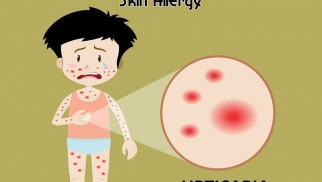
🔴 Hives that appear out of nowhere are frightening. One evening there is an itchy red welt on the arm, by morning there are raised patches on the chest, back and thighs, and they seem to move around the body hour by hour. In most adults this is acute urticaria: a short episode of hives that settles within days or a few weeks and does not come back. 🔍 The real questions people ask are practical ones. Was it the antibiotic, the cold I had last week, the prawns at dinner or the ibuprofen I took for a headache? Which antihistamine should I take, how much, and for how long? When is a steroid course needed, where does an older medicine such as cyproheptadine fit, and which signs mean this is no longer a skin problem but an emergency? This guide answers those questions step by step, with the triggers that matter in adults and a plain treatment plan.
🧩 What acute urticaria is, and what it is not
🧬 Urticaria is the medical word for hives: raised, itchy, pale or red swellings of the skin called wheals, often with a red flare around them. Acute urticaria means the episode has lasted less than six weeks. It can be a single day of rash after a wasp sting or three weeks of hives that come and go after a viral infection. What makes it different from other rashes is the behaviour of each spot: it rises quickly, itches more than it hurts, and disappears without a mark, while new spots appear somewhere else.
🧐 Several other skin problems are mistaken for hives. Eczema is dry and scaly, a drug rash from an antibiotic is usually flat and stays put for days, and insect bites stay in one spot. If a single welt lasts longer than a day, burns rather than itches, or leaves a bruise-like stain when it fades, it is not ordinary urticaria and a doctor should look at it, because inflammation of the small vessels (urticarial vasculitis) can look similar at first.
🔬 How a single hive forms and fades
🧪 Mast cells sit in the skin like small stores packed with histamine. When they are switched on, the histamine makes nearby capillaries leaky, so fluid seeps into the upper skin and forms the swelling, while nerve endings fire and produce the itch. This is why antihistamines are the core treatment: they block the receptor that histamine acts on in the skin. It also explains why the rash looks dramatic but usually causes no lasting harm: once the fluid is absorbed, the skin is exactly as it was.
🚦 Hives, angioedema or anaphylaxis: know the three levels
⚠️ The same mast cell reaction can stay in the skin or spread through the body. Most acute hives stay at the first level, but it is worth knowing what the next two look like.
📖 Swelling without hives, especially in people taking an ACE inhibitor blood pressure tablet, is a different mechanism and does not respond well to antihistamines. It is explained in allergic angioedema: causes, symptoms and treatment.
🗂️ The usual triggers in adults
🔎 In children, a viral infection is behind most acute hives. In adults the picture is more mixed: infections, medicines and foods all play a part, and in a large share of episodes no single cause is ever proven. The trigger that people suspect first is often not the real one.
🤧 Hives during or after a cold or other virus
🦠 Viral infections are one of the most common identified causes of acute hives at any age. The rash often starts a few days into the illness or even after the fever has gone, and it can keep coming back for one to three weeks while the immune system settles. It is not contagious and it does not mean an allergy to anything. Hepatitis, glandular fever and some throat infections can do the same thing, and so can a urinary or dental infection in adults. 💡 The main practical point is timing. If hives began while you were already ill, the infection is a more likely cause than whatever you ate or took that day, even though the tablet you started is the easier thing to blame.
💊 Hives after starting a new medicine
📋 Medicines can cause hives in two ways. A true allergy involves antibodies and usually appears within minutes to a few hours of a dose, sometimes after several days on a new course. Other drugs release histamine directly from mast cells without any allergy, or push the body towards hives through their effect on chemical pathways. The second group often causes hives only at higher doses or in people who already have sensitive skin.
| 💊 Medicine group | 🧬 How it causes hives | 📝 What to know |
|---|---|---|
| Penicillins, cephalosporins | True allergy in some people | Often blamed wrongly when a virus was the cause; testing can clear the label |
| Aspirin, ibuprofen, naproxen, diclofenac | Pathway effect, not antibodies | Can start hives or make any hives worse; cross-reaction between them is common |
| Codeine, morphine | Direct histamine release | Itch and flushing after a dose; not always a true allergy |
| X-ray contrast dye | Direct mast cell activation | Tell the radiology team before any future scan |
| Sulfonamide antibiotics | Allergy or delayed reaction | Stop and seek advice; rash with fever or blisters is urgent |
⛔ Never restart a medicine that you think caused hives without speaking to a doctor first. A second exposure can produce a stronger reaction than the first. Write the name of the drug, the dose and the time between the dose and the rash, because those three facts are what an allergy specialist needs later.
🧪 Antibiotic or virus? Sorting out the usual mix-up
🤔 A very common story: a sore throat, a course of amoxicillin, then hives on day four or five. Many people who carry a penicillin allergy label from an episode like this turn out not to be allergic when they are tested later. The label matters, because it pushes doctors towards broader and less suitable antibiotics for the rest of life.
💡 If you were told you are allergic to penicillin after a rash like this, ask your doctor whether an allergy assessment is possible. It is usually done with skin tests and, when those are negative, a supervised test dose.
💊 Painkillers that make hives worse
🔥 Anti-inflammatory painkillers deserve their own section, because people take them for the headache or aches of a viral illness and then wonder why the rash got worse. Aspirin and the classic anti-inflammatories can both trigger hives and intensify hives that started for another reason. The reaction is not caused by antibodies, so it tends to happen with every drug in the group, not just one brand.
🦐 Food, stings and contact: what the timing tells you
⏰ Food allergy is the cause most people suspect and one of the less common causes of acute hives in adults. A true food allergy reaction starts within minutes and almost always within two hours of eating, and it happens every time that food is eaten. Hives that appear the next morning, or that come and go for a week regardless of diet, are very unlikely to be a food allergy, so long elimination diets are rarely useful. Stings give hives within minutes; latex reactions follow contact with gloves or balloons; some plants and animal saliva cause hives only where they touched the skin.
❓ When no cause is found
🧩 It is frustrating, but common, for an episode of acute hives to have no identifiable trigger at all. This does not mean that a serious illness is hiding behind the rash. In an otherwise healthy adult whose hives settle within a few weeks, a missing cause is the normal outcome, not a failure of the doctor. Stress, poor sleep, alcohol, heat and tight clothing do not usually start hives on their own, but they can make an active episode itch more and last longer, which is why they appear in almost every list of home advice.
📝 Does acute urticaria need tests?
🧪 Guidelines agree that routine blood tests and broad allergy panels are not needed for a typical episode of acute hives. They rarely change treatment and they often produce weak positive results that lead people to avoid foods for no reason. Tests are useful when the story points to a clear trigger.
💊 Step one: a daily non-sedating antihistamine
✅ The first treatment for acute hives is the same in every major guideline: a second-generation, non-sedating antihistamine taken every day until the hives have gone. These medicines block histamine in the skin but enter the brain much less than older antihistamines, so most people can work and drive normally. They start to act within one to three hours of the first tablet.
📖 How these tablets compare with sprays and eye drops for nose and eye allergy is covered in allergy medicine compared: tablets, sprays and eye drops.
📆 How to take it: every day, not only when it itches
🕒 The most common reason an antihistamine seems to fail in acute hives is the way it is taken. A tablet swallowed only when a new welt appears is always one step behind the histamine. Taken at the same time every day, it keeps the receptors blocked so new wheals form less often and itch less.
📈 When one tablet a day is not enough
📊 If hives still break through after several days of a standard dose, specialist guidelines allow the dose of a non-sedating antihistamine to be raised, up to four times the usual amount, under medical supervision. This is off-label, but it is a well established step in urticaria care and it is usually safer than adding an older sedating drug. Your doctor may also switch to a different antihistamine, because some people respond better to one molecule than another.
📖 Up-dosing in hives that keep coming back with lip and eyelid swelling is explained in detail in recurring angioedema with hives: the daily antihistamine plan.
🌙 Where cyproheptadine fits
💊 Cyproheptadine is an older, first-generation antihistamine that also blocks serotonin. It has been used for itchy skin conditions and hives for decades. In acute urticaria it is not the first choice, but it can help when itching keeps a person awake at night, because it is sedating, or when a doctor wants an alternative in someone who did not tolerate the newer tablets. It has a particular history of use in cold-induced hives, which is covered in hives from cold, scratching, heat or pressure.
📋 How it is commonly used
💊 Adults usually start with 4 mg, often at bedtime, increased to 4 mg three times a day if needed
📏 The usual adult range is 4 to 20 mg a day, with 32 mg a day as the label maximum
⏳ Used for the short period while hives are active
⚠️ What to expect
😴 Drowsiness: common, may last into the next morning
🍽️ Appetite: often increased, weight gain with longer use
💧 Dry mouth, constipation: common
🚽 Urine retention: possible in men with an enlarged prostate
🚗 Driving: avoid until you know how it affects you
⛔ Cyproheptadine should not be taken with MAO inhibitor antidepressants, and it is used with care in glaucoma, urinary retention, an enlarged prostate, asthma attacks and in older adults, who are more prone to confusion and falls. Because it blocks serotonin, it can weaken the effect of SSRI antidepressants, so people on those medicines should check with their prescriber. Alcohol and other sleep medicines add to the drowsiness.
😴 Other sedating options at night: hydroxyzine and promethazine
🛏️ Some doctors combine a non-sedating antihistamine in the morning with a sedating one at night for the first few days of a severe flare, when itching ruins sleep. Hydroxyzine is the sedating antihistamine most often used for itchy skin, usually 10 to 25 mg at bedtime in adults, with a daily maximum of 100 mg in adults and lower doses in older people. It can affect the heart rhythm (QT interval), so it is avoided in people with heart rhythm problems or on other drugs that do the same. Promethazine is another older option with strong sedation.
Night itch, scratching in sleep, anxiety about the rash
Morning grogginess, slower reactions, dry mouth
💡 Sedating antihistamines are a short bridge for bad nights, not a daily long-term plan. Once the hives calm down, the non-sedating tablet alone is usually enough.
🧪 Famotidine as an add-on
🔬 Histamine acts on more than one receptor. The H1 receptor drives most of the itch and swelling, but blood vessels in the skin also carry H2 receptors, the same type found in the stomach. For this reason some doctors add an H2 blocker such as famotidine to an antihistamine in hard-to-control acute hives, particularly in emergency settings. The extra benefit is modest and not every guideline recommends it, but the medicine is well tolerated, so it is sometimes used for a short period. A usual adult dose is 20 mg twice a day. 💊 Option: Pepcid (Famotidine).
💪 Short prednisolone courses
💉 A steroid tablet calms the whole mast cell reaction rather than just blocking histamine. For a severe episode of acute hives, especially with angioedema, a doctor may prescribe a short course of prednisolone for a few days, generally no longer than about ten days, alongside the antihistamine. The dose is set by the doctor, commonly in the range of 20 to 40 mg a day in adults. A course this short usually does not need a slow taper.
⚠️ Even a few days of prednisolone can cause poor sleep, mood swings, increased appetite and higher blood sugar, so people with diabetes need to check their readings more often. Take it in the morning with food. Option: Deltasone (Prednisolone), used only on a prescription that matches your situation.
📊 The treatment options side by side
| 💊 Medicine | 📏 Usual adult dose | 😴 Drowsiness | 🎯 Role in acute hives |
|---|---|---|---|
| Cetirizine | 10 mg once daily | Low | First line |
| Fexofenadine | 180 mg once daily | Very low | First line |
| Desloratadine | 5 mg once daily | Very low | First line |
| Bilastine | 20 mg once daily, empty stomach | Very low | First line |
| Cyproheptadine | 4 mg up to three times daily | High | Night itch, alternative |
| Hydroxyzine | 10 to 25 mg at night | High | Short-term night use |
| Famotidine | 20 mg twice daily | None | Optional add-on |
| Prednisolone | Set by doctor, few days | None (may disturb sleep) | Severe flare only |
💡 Doses in the table are typical adult doses for orientation, not a personal prescription. Kidney or liver disease, age and other medicines can change the right dose.
🛁 Calming the skin at home
🚫 What to avoid while the rash is active
🔥 A few everyday things make an active episode worse. None of them is usually the cause, but avoiding them for a week or two often makes the difference between a bearable rash and a miserable one.
👥 Pregnancy, older adults and drivers
🤰 Hives can appear for the first time in pregnancy, and the itch is often worse at night. Loratadine and cetirizine have the largest body of safety data in pregnancy and are the usual choices, while older sedating antihistamines are generally kept for occasional use near the end of pregnancy only on medical advice. In breastfeeding, the non-sedating tablets are preferred too. 📖 More detail in allergy medicine in pregnancy and breastfeeding.
🧭 Points for specific groups:
🔹 Older adults: avoid cyproheptadine, hydroxyzine and promethazine where possible; they raise the risk of confusion, constipation, urine retention and falls.
🔹 Kidney disease: cetirizine and some other antihistamines need a lower dose.
🔹 Drivers and machine operators: choose fexofenadine, desloratadine or bilastine, and do not drive after a sedating antihistamine until you know how you react.
🔹 Heart rhythm problems: mention them before hydroxyzine is prescribed.
📅 A typical course, week by week
New wheals appear, worst itch, antihistamine started
Fewer new spots, mostly evening crops
Occasional wheal, then none
Antihistamine stopped
🔁 If hives last beyond six weeks
📆 When hives keep appearing on most days for more than six weeks, the diagnosis changes to chronic urticaria. This is a different condition with its own plan: daily treatment for months, regular review, and specialist medicines when tablets are not enough. It is not caused by an ongoing food allergy in most people, and it often settles on its own over one to several years.
📖 For people who end up on a daily tablet for months, long-term safety and stopping are covered in taking an antihistamine every day: long-term safety and switching.
🗿 Myths and facts about sudden hives
🚨 When to see a doctor
⛔ Call emergency services now if hives come with:
🔹 Swelling of the tongue or throat, a hoarse voice, trouble swallowing or breathing, or wheeze.
🔹 Dizziness, fainting, a racing pulse, vomiting or severe stomach cramps, especially minutes after a sting, food or medicine.
🔹 If you carry an adrenaline auto-injector, use it first and then call for help.
⚠️ See a doctor the same day or soon if:
🔹 Lips, eyelids or hands swell, even without breathing trouble.
🔹 The rash comes with fever, joint pain, blisters, peeling or sores in the mouth.
🔹 Single wheals last longer than 24 hours or leave bruising.
🔹 Hives started after a new medicine, or have not improved after a week of daily antihistamine.
💡 If you are unsure, it is always safer to be seen. A doctor who sees the rash and hears the timeline can usually tell within minutes whether it is ordinary hives or something that needs more attention.
❓ Frequently asked questions
How long does acute urticaria last?
Most episodes settle within a few days to two or three weeks. By definition, acute urticaria lasts less than six weeks; longer than that is called chronic urticaria.
Can a cold or virus cause hives in adults?
Yes. Viral infections are one of the most common identified causes. The hives can start during the illness or after it and can come and go for one to three weeks.
Which antihistamine is best for sudden hives?
A non-sedating antihistamine such as cetirizine, fexofenadine, desloratadine or bilastine, taken once a day every day, is the standard first treatment.
How long should I keep taking the antihistamine?
Take it daily while hives are appearing and for a few days to a week after the last one, then stop. Restart the same way if they return.
Is cyproheptadine good for hives?
It is an older sedating antihistamine that can ease night itch or serve as an alternative, but non-sedating tablets are the first choice because they cause less drowsiness.
Can ibuprofen make hives worse?
Yes. Ibuprofen, aspirin and other anti-inflammatory painkillers can trigger hives or make them spread. Paracetamol is usually a better choice for pain while the rash is active.
Do I need allergy tests after one episode of hives?
Usually not. Tests help when hives appeared soon after a specific food, sting or medicine, but broad allergy panels are not recommended for typical acute hives.
When are steroids used for hives?
A short prednisolone course of a few days may be prescribed for a severe flare, especially with facial swelling. Steroids are not a long-term treatment for hives.
Are hives contagious?
No. Hives are a reaction of the skin and cannot be passed to others, even when a viral infection triggered them.
When are hives an emergency?
When they come with throat or tongue swelling, breathing trouble, wheeze, faintness or vomiting. Call emergency services and use adrenaline if you carry it.
📑 Sources and editorial
- 📘 International guidelines on the definition, classification, diagnosis and management of urticaria
- 🧪 Reviews of causes of acute urticaria in adults and children, including infections and medicines
- 💊 Product information for cetirizine, fexofenadine, desloratadine, bilastine, cyproheptadine, hydroxyzine, famotidine and prednisolone
- 🔬 Studies of antihistamine up-dosing and of short oral steroid courses in acute urticaria
- 🛡️ Allergy society guidance on penicillin allergy labels and drug allergy testing
- 🚨 Emergency medicine guidance on recognising and treating anaphylaxis
- 📖 Related reading: recurring angioedema with hives, inducible urticaria, allergic angioedema, allergy medicine compared
- 🛒 Related products: Periactin (Cyproheptadine), Zyrtec (Cetirizine), Allegra (Fexofenadine), Clarinex (Desloratadine), Billargic (Bilastine), Atarax (Hydroxyzine), Pepcid (Famotidine), Deltasone (Prednisolone)
- 🩺 RXshop Editorial Team — reviewed by Emily Chen, MD — Internal medicine
Medical Disclaimer: The information in this article is for educational and informational purposes only and is not a substitute for professional medical advice, diagnosis, or treatment. Always seek guidance from a qualified healthcare provider with any questions you may have regarding a medical condition, and before starting, stopping or changing any medication.