Understanding Alzheimer's Disease - Complete Guide to Symptoms, Stages, Diagnosis and Dementia Treatment Options
Alzheimer's disease affects an estimated 55 million people worldwide and represents the 6th leading cause of death in developed nations. Every 3 seconds, someone in the world develops dementia, and by 2050 the global number of cases is projected to exceed 139 million. Despite decades of research, the disease remains incurable, but effective treatments can substantially slow cognitive decline, maintain independence, and improve quality of life. This comprehensive guide covers the medical basis of Alzheimer's disease and related dementias, warning signs and progression stages, diagnostic approaches, current FDA-approved medications including cholinesterase inhibitors (Aricept, Exelon) and NMDA receptor antagonists (Namenda), promising new anti-amyloid therapies, non-medication interventions, and practical guidance for patients, families, and caregivers navigating this challenging condition.
🧠 Understanding Alzheimer's Disease
Alzheimer's disease is a progressive neurodegenerative disorder that gradually destroys memory, thinking skills, and eventually the ability to carry out simple tasks. It is the most common cause of dementia, accounting for approximately 60-80 percent of all dementia cases worldwide.
The disease was first described in 1906 by German psychiatrist Dr. Alois Alzheimer, who identified characteristic brain changes during autopsy of a 51-year-old woman who had died with severe memory loss and behavioral changes. His discovery of amyloid plaques and neurofibrillary tangles established the pathological hallmarks that still define the disease today.
Key facts about Alzheimer's disease:
- Progressive - symptoms worsen over years, typically 4-20 years from diagnosis to death
- Irreversible - no cure exists, but treatments can slow progression
- Fatal - eventually affects breathing, swallowing, and other vital functions
- Distinct from normal aging - not simply memory decline from getting older
- Age-related but not caused by aging alone - about 6 percent of cases are early-onset (before age 65)
- Multifactorial - complex interaction of genetics, environment, and lifestyle
- Neurobiological basis - characterized by amyloid plaques and tau tangles in brain tissue
Dementia vs Alzheimer's: These terms are often confused. Dementia is an umbrella term describing symptoms of cognitive decline severe enough to interfere with daily life. Alzheimer's disease is a specific cause of dementia, but not the only one. Understanding the difference matters because different dementia causes may respond to different treatments.
📊 Alzheimer's and Dementia Statistics
| Statistic | Number | Notes |
|---|---|---|
| Global dementia cases | 55 million | Projected 139 million by 2050 |
| Alzheimer's proportion | 60-80 percent | Most common dementia type |
| US cases | Approximately 6.7 million | Age 65 and older |
| Age 65-74 prevalence | 3-5 percent | Risk begins increasing |
| Age 75-84 prevalence | 13-17 percent | Risk substantially higher |
| Age 85+ prevalence | 32-50 percent | Nearly half of oldest old |
| Women affected | Approximately 2/3 of cases | Longer life expectancy factor |
| Early-onset cases | Approximately 6 percent | Before age 65 diagnosis |
| New cases every year | Approximately 10 million globally | One new case every 3 seconds |
| Unpaid caregiver hours (US) | 18+ billion hours yearly | Approximately $340 billion value |
| Annual US healthcare cost | Approximately $345 billion | Growing rapidly with aging population |
🧬 Types of Dementia Beyond Alzheimer's
While Alzheimer's is most common, several other dementia types have different characteristics, causes, and treatment considerations. Accurate diagnosis matters for optimal management.
Vascular Dementia
Vascular dementia is the second most common form, accounting for approximately 10 percent of dementia cases. It results from reduced blood flow to the brain, often following strokes (large or many small). Symptoms may appear suddenly after a stroke and progress in step-wise fashion. Cognitive symptoms often include difficulties with planning, judgment, and processing speed rather than the memory-first pattern of Alzheimer's. Prevention through cardiovascular risk management is critical.
Lewy Body Dementia
Lewy body dementia (LBD) affects approximately 1.4 million Americans and includes both dementia with Lewy bodies and Parkinson's disease dementia. Distinctive features include visual hallucinations, fluctuating cognition, movement problems similar to Parkinson's, sleep disturbances (REM sleep behavior disorder), and sensitivity to antipsychotic medications. Cholinesterase inhibitors like Exelon (Rivastigmine) can be particularly beneficial for LBD cognitive symptoms.
Frontotemporal Dementia
Frontotemporal dementia (FTD) affects frontal and temporal brain lobes causing dramatic personality changes, behavioral disturbances, and language problems. Unlike Alzheimer's, memory is often relatively preserved early. Onset typically earlier (age 45-64) than Alzheimer's. Currently no FDA-approved treatments specifically for FTD.
Mixed Dementia
Many patients, particularly the elderly, have mixed dementia - typically Alzheimer's plus vascular changes. Estimated 40-50 percent of Alzheimer's cases have significant vascular contributions. This affects treatment approach and prognosis.
Other Rare Dementias
- Creutzfeldt-Jakob disease - rare rapid-progression prion disease
- Huntington's disease - genetic disorder with movement and cognitive symptoms
- Normal pressure hydrocephalus - potentially reversible with treatment
- Wernicke-Korsakoff syndrome - thiamine deficiency related to alcoholism
- HIV-associated dementia - complication of untreated HIV
- Chronic traumatic encephalopathy (CTE) - repeated head trauma
🚩 Warning Signs and Early Symptoms
Early recognition allows earlier treatment initiation and better outcomes. The Alzheimer's Association identifies 10 warning signs distinguishing Alzheimer's from typical age-related changes.
10 Warning Signs of Alzheimer's:
- Memory loss disrupting daily life - forgetting recently learned information, important dates, asking same questions repeatedly
- Challenges in planning or solving problems - difficulty following recipes, tracking bills, concentrating
- Difficulty completing familiar tasks - trouble driving to familiar location, managing budget, remembering rules of favorite game
- Confusion with time or place - losing track of dates, seasons, passage of time; forgetting where they are or how they got there
- Trouble understanding visual images or spatial relationships - reading difficulty, judging distance, determining color, driving problems
- New problems with words in speaking or writing - trouble following or joining conversations, stopping in middle of conversation, struggling with vocabulary
- Misplacing things and losing ability to retrace steps - putting things in unusual places, unable to go back and find them, accusations of stealing
- Decreased or poor judgment - poor financial decisions, less attention to grooming and cleanliness
- Withdrawal from work or social activities - removing themselves from hobbies, social events, work projects
- Changes in mood and personality - becoming confused, suspicious, depressed, fearful, anxious in familiar situations
Normal Aging vs Alzheimer's
Distinguishing normal age-related changes from Alzheimer's symptoms is essential:
| Behavior | Normal Aging | Alzheimer's Warning Sign |
|---|---|---|
| Forgetting things | Occasionally forgetting names or appointments but remembering later | Frequently forgetting recently learned information without recall |
| Managing finances | Making occasional error in checkbook | Unable to manage monthly bills, understand math |
| Task completion | Occasionally needing help with new technology | Trouble with familiar tasks like driving to well-known place |
| Time/date awareness | Confused about day but figuring it out | Losing track of dates, seasons, years passing |
| Finding words | Sometimes struggling for right word | Trouble following conversations, unusual word substitutions |
| Placing items | Occasionally misplacing items | Placing items in illogical locations, unable to retrace |
| Judgment/decisions | Making occasional bad decision | Repeated poor judgment about money, hygiene, safety |
📋 Stages of Alzheimer's Progression
Alzheimer's progresses through predictable stages, though pace varies considerably between individuals. Understanding stages helps families plan care and set realistic expectations.
Pre-clinical Stage
Brain changes begin 10-20 years before symptoms appear. Amyloid plaques and tau tangles accumulate silently. Advanced imaging and biomarkers can now detect these changes but no treatments currently prevent progression.
Mild Cognitive Impairment (MCI)
Mild Cognitive Impairment represents transition between normal aging and dementia. Memory and thinking problems noticeable but not severe enough to interfere with daily activities. Approximately 10-15 percent progress to Alzheimer's annually. Not all MCI progresses to dementia - some remain stable or even improve.
Mild Alzheimer's Disease
Mild stage characteristics (early diagnosis):
- Memory lapses affecting daily activities
- Difficulty with complex tasks (finances, planning meals)
- Getting lost in familiar places
- Trouble finding right words
- Personality changes - withdrawal, mood swings
- Still able to live independently with support
- MMSE score: approximately 21-26
- Duration: typically 2-4 years
- Cholinesterase inhibitors first-line treatment
Moderate Alzheimer's Disease
Moderate stage characteristics:
- Increased memory loss and confusion
- Recognition problems with family and friends
- Difficulty learning new things
- Wandering behavior common
- Personality and behavioral changes intensify
- Sleep disturbances
- Assistance needed with daily activities (dressing, hygiene)
- MMSE score: approximately 10-20
- Duration: typically 2-10 years (longest stage)
- Combination therapy often used (cholinesterase inhibitor + memantine)
Severe Alzheimer's Disease
Severe stage characteristics (late):
- Loss of ability to respond to environment
- Loss of ability to speak
- Loss of physical function (walking, sitting, swallowing)
- Complete dependence for all care
- Vulnerability to infections especially pneumonia
- MMSE score: below 10
- Duration: typically 1-3 years
- Focus shifts to comfort care
- Consider hospice services
🧬 Risk Factors for Alzheimer's Disease
Unmodifiable Risk Factors
- Age - single strongest risk factor; risk doubles every 5 years after 65
- Family history - having parent or sibling with Alzheimer's increases risk
- Genetics - APOE-e4 gene variant substantially increases risk; rare familial Alzheimer's genes (APP, PSEN1, PSEN2)
- Female sex - women have higher lifetime risk
- Down syndrome - dramatically increased risk due to APP gene on chromosome 21
- Race/ethnicity - African Americans and Hispanics have higher risk than whites in US studies
Modifiable Risk Factors
Risk factors that can be modified:
- Hearing loss - untreated hearing loss substantially increases dementia risk
- Traumatic brain injury - moderate to severe TBI
- Hypertension - especially midlife high blood pressure
- Excessive alcohol consumption - more than 21 units weekly
- Obesity - particularly midlife obesity
- Smoking - contributes to cerebrovascular disease
- Depression - late-life depression especially
- Social isolation - reduced social engagement
- Physical inactivity - sedentary lifestyle
- Diabetes - both type 1 and type 2
- Air pollution - long-term exposure
- Low education - fewer years of formal education
- Poor sleep quality - especially untreated sleep apnea
The Lancet Commission 2020 estimated that addressing these 12 modifiable factors could potentially prevent or delay 40 percent of dementia cases. Prevention efforts should begin in midlife or earlier.
🔬 What Happens in the Alzheimer's Brain
Alzheimer's disease involves specific pathological changes that gradually destroy brain tissue and disrupt cognitive function. Understanding these changes explains why medications work and why current treatments cannot cure the disease.
Amyloid Plaques
Beta-amyloid plaques are abnormal accumulations of protein fragments between nerve cells. These fragments come from normal larger amyloid precursor proteins (APP) that get abnormally cleaved. Plaques begin forming decades before symptoms appear. They may disrupt cell-to-cell communication and trigger inflammatory responses.
Neurofibrillary Tangles
Tau tangles are twisted fibers of hyperphosphorylated tau protein that accumulate inside neurons. Normal tau helps maintain microtubule structure needed for cellular transport. Abnormal tau disrupts this transport system, ultimately causing neuronal death. Tangles first appear in memory centers (hippocampus) and spread outward as disease progresses.
Neurotransmitter Dysfunction
Alzheimer's progressively destroys neurons that produce acetylcholine - a neurotransmitter crucial for memory, learning, and cognition. This depletion is central to symptom development and is the primary target of cholinesterase inhibitor medications. Later stages also involve glutamate excitotoxicity - excessive glutamate activity damaging neurons, which is where NMDA receptor antagonists like memantine work.
Brain Atrophy
Over years to decades, neurons die and brain tissue shrinks (atrophy). Areas affected first include the hippocampus (memory), then spreading to cerebral cortex (language, judgment, complex thinking). Brain volume can decrease by 5 percent per year in Alzheimer's compared to less than 1 percent in normal aging.
🔍 How Alzheimer's is Diagnosed
Alzheimer's diagnosis has evolved substantially with new biomarker tests but still relies on comprehensive clinical evaluation. Early accurate diagnosis enables timely treatment and planning.
Clinical Assessment
- Medical history - detailed cognitive symptom timeline from patient and family
- Physical examination - ruling out other conditions
- Cognitive testing - MMSE, MoCA, or comprehensive neuropsychological testing
- Depression screening - depression can mimic dementia
- Medication review - some medications cause cognitive symptoms
- Family/caregiver input - crucial for accurate symptom timeline
Laboratory Tests
Blood work rules out reversible causes: thyroid dysfunction, B12 deficiency, vitamin D deficiency, infections (syphilis, HIV), metabolic problems (kidney/liver dysfunction), and other conditions that can cause cognitive symptoms.
Brain Imaging
Imaging in Alzheimer's evaluation:
- MRI or CT scan - rules out stroke, tumor, hydrocephalus; shows brain atrophy
- PET amyloid imaging - detects amyloid plaques in brain
- PET tau imaging - detects tau tangles (newer, less available)
- FDG-PET - shows brain metabolism patterns
Biomarker Tests
- Cerebrospinal fluid analysis - measures amyloid and tau proteins; requires spinal tap
- Blood biomarkers - newer tests measuring amyloid and tau proteins in blood (rapidly evolving)
- Genetic testing - APOE-e4 status; familial Alzheimer's genes if strong family history
Definitive diagnosis traditionally required autopsy examination of brain tissue. Modern biomarker tests now allow high-confidence diagnosis during life, particularly important as new anti-amyloid treatments become available.
💊 FDA-Approved Alzheimer's Medications
Two main classes of medications have broad FDA approval for symptomatic Alzheimer's treatment: cholinesterase inhibitors and NMDA receptor antagonists. These medications do not cure or halt Alzheimer's but can slow cognitive decline, maintain function, and preserve quality of life.
Cholinesterase Inhibitors
The most commonly prescribed Alzheimer's medications, cholinesterase inhibitors work by blocking the enzyme that breaks down acetylcholine, increasing availability of this critical neurotransmitter in the brain. They are considered first-line therapy for mild-to-moderate Alzheimer's disease.
Available cholinesterase inhibitors on rxshop.md:
- Aricept (Donepezil) - Most commonly prescribed; once-daily dosing; approved for all Alzheimer's stages
- Exelon (Rivastigmine) - Also approved for Parkinson's disease dementia; available as oral capsules or transdermal patch
Typical benefit window: 6-12 months of cognitive stabilization or modest improvement, then continued but slower decline vs untreated course.
How Cholinesterase Inhibitors Work
- Normally, enzyme acetylcholinesterase breaks down acetylcholine after neurotransmission
- In Alzheimer's, cells producing acetylcholine gradually die
- Cholinesterase inhibitors block the breakdown enzyme
- Available acetylcholine remains active longer at synapses
- Improves communication between remaining functional neurons
- Modest cognitive benefits result
Common Side Effects of Cholinesterase Inhibitors
- Gastrointestinal: nausea, vomiting, diarrhea, loss of appetite (most common)
- Weight loss - can be significant, monitor nutrition
- Muscle cramps especially in legs
- Insomnia or vivid dreams
- Bradycardia (slow heart rate) - monitor pulse
- Increased urination
- Side effects often improve after first 4-6 weeks of use
- Take with food to reduce GI effects
NMDA Receptor Antagonist - Memantine
Memantine works through a completely different mechanism than cholinesterase inhibitors. It regulates glutamate activity to protect neurons from excitotoxic damage.
Memantine on rxshop.md:
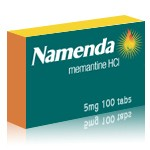
- Namenda (Memantine) - Approved for moderate-to-severe Alzheimer's disease
Typical use: Often added to a cholinesterase inhibitor in moderate-to-severe stages for synergistic benefit through complementary mechanisms.
How Memantine Works
- In Alzheimer's brain, excessive glutamate causes chronic overstimulation of NMDA receptors
- This chronic overstimulation damages and eventually kills neurons (excitotoxicity)
- Memantine partially blocks NMDA receptors during pathological overstimulation
- Normal glutamate signaling for learning and memory continues
- Excessive glutamate signaling reduced
- Neurons protected from excitotoxic damage
- Cognitive function preserved better
Memantine Side Effects
Generally better tolerated than cholinesterase inhibitors. Common side effects include headache, dizziness, confusion (paradoxical), constipation, and hypertension. Serious side effects rare. Titration schedule minimizes side effects during initiation.
🤝 Combination Therapy Approach
Because cholinesterase inhibitors and memantine work through different mechanisms, combination therapy offers additive benefits, particularly in moderate-to-severe Alzheimer's. Research shows combination treatment provides:
- Greater cognitive stabilization than either drug alone
- Better preservation of daily functional abilities
- Reduced behavioral symptoms (agitation, aggression)
- Delayed progression to severe stage
- Possibly delayed nursing home placement
Typical combination approach: Start with a cholinesterase inhibitor (Aricept or Exelon) in early stages. Add Namenda (Memantine) when disease progresses to moderate stage (MMSE typically below 20). Continue both medications as long as tolerated and providing benefit.
🆕 New Anti-Amyloid Therapies
Recent years have brought first disease-modifying treatments for Alzheimer's - medications targeting underlying amyloid pathology rather than just symptoms. These represent major advances but come with limitations and controversies.
Aducanumab (Aduhelm)
First anti-amyloid monoclonal antibody granted FDA accelerated approval in 2021. Controversial approval due to unclear clinical benefit despite amyloid plaque reduction. Discontinued in 2024 due to limited clinical adoption.
Lecanemab (Leqembi)
FDA-approved 2023 for mild cognitive impairment and mild Alzheimer's disease. Clinical trials showed statistically significant slowing of cognitive decline. Administered by IV infusion every 2 weeks. Requires MRI monitoring for brain swelling and bleeding side effects. Expensive treatment requiring specialized centers.
Donanemab (Kisunla)
FDA-approved 2024 for mild cognitive impairment and mild Alzheimer's disease. Similar mechanism to lecanemab. Monthly IV infusions. Similar monitoring requirements and side effect concerns.
Considerations for New Therapies
- Only for early Alzheimer's - not effective in moderate or severe stages
- Requires confirmed amyloid biomarkers before treatment
- Significant side effects - brain swelling (ARIA-E) and microbleeds (ARIA-H)
- Requires specialized medical centers for administration and monitoring
- Expensive - annual costs $26,000+ before facility fees
- Modest clinical benefit - slows decline rather than reversing
- APOE-e4 carriers have higher side effect risk
🧠 Non-Medication Interventions
While medications provide modest benefits, comprehensive Alzheimer's care includes non-pharmacological interventions supporting cognition, behavior, and quality of life.
Evidence-based non-drug interventions:
- Cognitive stimulation therapy - structured group activities improving cognition
- Regular physical exercise - aerobic exercise 3-5 times weekly improves cognition
- Music therapy - particularly effective for behavioral symptoms and mood
- Art therapy - engaging creative expression
- Reminiscence therapy - discussing past events with memory aids
- Reality orientation - regular cues about time, place, person
- Environmental modifications - safe, structured living spaces
- Social engagement - regular interaction with family, friends, groups
- Occupational therapy - adapting daily activities to abilities
- Sleep hygiene - consistent schedule, dark environment
- Adequate hydration and nutrition - preventing common problems
MIND Diet
The MIND diet (Mediterranean-DASH Intervention for Neurodegenerative Delay) combines elements of Mediterranean and DASH diets. Emphasizes green leafy vegetables, berries, whole grains, olive oil, nuts, fish, and moderate wine while limiting red meat, butter, cheese, sweets, and fried food. Research shows adherence associated with 53 percent reduced Alzheimer's risk in those who follow it strictly.
Caregiver Considerations
Alzheimer's is a family disease affecting not just the patient but everyone around them. Family caregivers provide the majority of care in most cases, with substantial physical, emotional, and financial impact.
Caregiver Burden
- Physical exhaustion from constant care demands
- Depression rates 2-3x higher than non-caregivers
- Chronic stress and health decline
- Financial strain from lost income and care costs
- Social isolation as care demands limit outside activities
- Grief - watching loved one gradually disappear
- Anticipatory grief - mourning while person still alive
Essential Caregiver Support
- Respite care services allowing breaks
- Adult day programs providing structured activities
- In-home aide services for personal care
- Support groups (Alzheimer's Association local chapters)
- Caregiver counseling or therapy
- Family meetings to share care responsibilities
- Financial planning and elder law consultation
- Advance care planning discussions
- Regular medical care for caregiver's own health
📄 Legal and Financial Planning
Essential planning topics after diagnosis:
- Advance directives - healthcare wishes, living will
- Durable power of attorney for healthcare
- Durable power of attorney for finances
- Will and estate planning or updates
- Long-term care insurance options while still eligible
- Medicaid planning for eventual long-term care
- Retirement account and benefit designations
- Housing decisions - staying home, moving to assisted living
- Driving cessation planning
- Guardianship considerations if capacity lost without planning
Timing matters: Legal documents require decision-making capacity to be valid. Complete planning while patient can meaningfully participate in decisions. Consultation with elder law attorney recommended.
🤔 Common Myths About Alzheimer's
- Myth: Memory loss is a normal part of aging
- Fact: Some cognitive changes are normal with aging, but Alzheimer's involves distinct pathological changes that disrupt daily life. Persistent memory problems interfering with normal activities are not typical aging.
- Myth: Alzheimer's only affects the elderly
- Fact: Approximately 6 percent of cases are early-onset (before age 65). Some hereditary forms can appear in 30s or 40s.
- Myth: Alzheimer's is not fatal
- Fact: Alzheimer's is the 6th leading cause of death in the US. Complications from advanced Alzheimer's including pneumonia, malnutrition, and infections typically cause death.
- Myth: Nothing can be done for Alzheimer's
- Fact: While no cure exists, medications like cholinesterase inhibitors and memantine can slow progression. New anti-amyloid therapies may slow disease. Non-medication interventions substantially improve quality of life.
- Myth: If parents had Alzheimer's, I will definitely get it
- Fact: Having a first-degree relative increases risk but does not guarantee development. Most Alzheimer's is not directly inherited. Only rare familial forms (5 percent) are strongly genetic.
- Myth: Aluminum, mercury fillings, or aspartame cause Alzheimer's
- Fact: Extensive research has debunked these purported causes. No scientific evidence supports these theories.
- Myth: Supplements can prevent or reverse Alzheimer's
- Fact: No supplement has been proven to prevent, treat, or reverse Alzheimer's despite marketing claims. Some may have modest supportive benefit but cannot replace medical treatment.
🚨 When to Seek Medical Evaluation
Seek evaluation for these warning signs:
- Memory problems affecting daily activities
- Getting lost in familiar places
- Difficulty following recipes or completing familiar tasks
- Poor judgment leading to financial or safety concerns
- Personality changes noticed by family members
- Withdrawal from social activities
- Language difficulties beyond occasional word-finding
- Rapid cognitive change (suggests different cause)
- New confusion or hallucinations
- Concern from family members
Early evaluation matters: Early diagnosis allows treatment initiation when medications work best, legal/financial planning while patient can participate, connection to support resources, and time to prepare family and caregivers.
🌟 Key Takeaways for Alzheimer's Management
Essential points to remember:
- Alzheimer's is a progressive neurodegenerative disease affecting 55 million people globally
- Most common cause of dementia - accounts for 60-80 percent of cases
- Distinct pathological changes: amyloid plaques and tau tangles in brain tissue
- Progresses through predictable stages over 4-20 years
- Age is strongest risk factor - prevalence doubles every 5 years after 65
- Up to 40 percent of dementia cases may be preventable through addressing modifiable risk factors
- 10 warning signs help distinguish from normal aging
- Comprehensive diagnosis includes clinical assessment, cognitive testing, imaging, biomarkers
- Cholinesterase inhibitors (Aricept, Exelon) first-line for mild-to-moderate stages
- Memantine (Namenda) added in moderate-to-severe stages for synergistic benefit
- Combination therapy provides better outcomes than single medication
- New anti-amyloid therapies offer disease-modification for early stages
- Non-medication interventions substantially improve quality of life
- MIND diet, exercise, cognitive engagement, social activity all beneficial
- Caregivers face substantial burden requiring support and self-care
- Legal and financial planning essential early after diagnosis
- Early evaluation and treatment initiation improve outcomes
- No cure yet, but effective management maintains function and dignity
Important Medical Disclaimer: This educational guide provides general information about Alzheimer's disease and dementia and does not constitute individualized medical advice. Every patient situation is unique and requires evaluation by qualified healthcare providers including neurologists, geriatricians, or memory clinic specialists before starting any Alzheimer's medication or care plan. Alzheimer's diagnosis requires comprehensive clinical assessment including detailed history, cognitive testing, laboratory studies, brain imaging, and increasingly biomarker testing. Cholinesterase inhibitors including donepezil (Aricept) and rivastigmine (Exelon) carry potential side effects including gastrointestinal problems, weight loss, bradycardia, syncope, and drug interactions requiring medical monitoring. Memantine (Namenda) is generally better tolerated but requires appropriate titration and monitoring. Combination therapy decisions should be individualized. New anti-amyloid therapies (lecanemab, donanemab) require specialized centers, biomarker confirmation, and MRI monitoring for serious side effects. Never start, stop, or adjust Alzheimer's medications without professional guidance. Comprehensive care includes medication management, non-pharmacological interventions, caregiver support, safety planning, and advance care planning. Symptoms mimicking Alzheimer's may result from reversible conditions (thyroid disease, vitamin deficiencies, medication side effects, depression) requiring different treatment. Early evaluation provides best outcomes. Regular follow-up with healthcare team essential throughout disease course. The information provided here should complement but never replace direct professional medical guidance from your healthcare providers.
More Alzheimers Dementia Medications