Eye Drops Guide — Glaucoma, Antibiotic, Anti-Inflammatory Medications
Eye drops are among the most commonly used medications worldwide, treating conditions ranging from mild irritation to serious diseases that can cause blindness. Applied directly to the eye surface, they provide targeted therapy with minimal systemic effects. This comprehensive guide covers the major eye drop categories including glaucoma medications (Xalatan (Latanoprost)), antibiotic eye drops (Tobaren (Tobramycin)), and anti-inflammatory NSAID eye drops (Acular LS (Ketorolac)) - along with proper application techniques and safety information.
👁 Understanding the Eye
The eye is a remarkably complex organ - the human eye can detect over 10 million different colors, distinguish thousands of shades of gray, and adapt to light levels ranging from starlit nights to bright sunshine. This precision requires the coordinated function of multiple structures, each susceptible to disease and injury.
Key structures include:
- Cornea - clear front covering
- Conjunctiva - membrane covering white of eye and inside eyelids
- Iris - colored ring controlling pupil
- Pupil - opening that lets in light
- Lens - focuses light
- Retina - light-sensitive back layer
- Optic nerve - transmits images to brain
- Aqueous humor - clear fluid in front of eye
- Vitreous humor - gel filling middle of eye
Key facts about eye health:
- 2.2 billion people have vision impairment globally
- 1 billion cases preventable or unaddressed
- Glaucoma affects 76 million worldwide
- Dry eye affects up to 50 percent of adults
- Cataracts remain leading cause of blindness globally
- Eye drops are cornerstone treatment for many conditions
- Regular eye exams critical for early detection
- Vision loss preventable in most cases with early care
📊 Eye Disease Statistics
| Condition | Global Impact |
|---|---|
| Vision impairment (any) | Approximately 2.2 billion people |
| Blindness | Approximately 43 million people |
| Cataract | Approximately 94 million |
| Glaucoma | Approximately 76 million |
| Age-related macular degeneration | Approximately 8 million |
| Diabetic retinopathy | Approximately 3 million |
| Bacterial conjunctivitis (US annually) | Approximately 6 million cases |
| Dry eye disease | Up to 50 percent of adults |
| Allergic conjunctivitis | 10-30 percent of population |
| Cataract surgeries yearly | Approximately 20 million globally |
💊 Types of Eye Drops
Eye drops fall into several major categories based on their purpose and mechanism of action.
| Category | Use | Prescription Required |
|---|---|---|
| Glaucoma medications | Lower eye pressure | Yes |
| Antibiotic drops | Bacterial infections | Yes |
| Antiviral drops | Herpes and other viral infections | Yes |
| Corticosteroid drops | Severe inflammation | Yes |
| NSAID drops | Inflammation without steroids | Yes |
| Antihistamine drops | Allergies | Some OTC, some Rx |
| Lubricating drops | Dry eyes | OTC mostly |
| Decongestant drops | Redness relief | OTC |
| Diagnostic drops | Dilate pupils, examine eye | Applied by professional |
👀 Glaucoma - Xalatan (Latanoprost)
Glaucoma is a group of eye diseases that damage the optic nerve, usually caused by abnormally high pressure in the eye. Often called the "silent thief of sight" because vision loss is gradual and irreversible.
About Glaucoma
- 76 million people affected worldwide
- Leading cause of blindness
- Most cases preventable with treatment
- Types: open-angle (most common), angle-closure, normal-tension
- Often asymptomatic until advanced
- Regular eye exams essential
Xalatan (Latanoprost)
Xalatan (Latanoprost 0.05%) is a prostaglandin analog - first-line therapy for glaucoma worldwide.
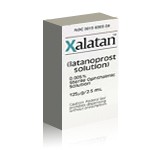
How Latanoprost Works
- Prostaglandin F2-alpha analog
- Increases uveoscleral outflow of aqueous humor
- Lowers intraocular pressure 25-33 percent
- Effective for open-angle glaucoma
- Once-daily dosing (evening preferred)
- Onset within 3-4 hours; peak at 8-12 hours
Uses
- Primary open-angle glaucoma
- Ocular hypertension
- Some cases of angle-closure glaucoma (after treatment)
- Various secondary glaucomas
Advantages
- Once-daily dosing (best adherence)
- Excellent pressure-lowering effect
- Well-tolerated systemically
- Better adherence than beta-blockers
- No cardiac or respiratory contraindications
Xalatan side effects:
- Iris color change - increased brown pigmentation (may be permanent)
- Eyelash growth - longer, thicker, darker
- Periorbital skin darkening
- Conjunctival hyperemia (redness)
- Foreign body sensation
- Eye itching
- Blurred vision initially
- Rare: cystoid macular edema
- Rare: reactivation of herpes keratitis

💊 Antibiotic Eye Drops - Tobaren (Tobramycin)
Tobaren (Tobramycin 0.3%) is an aminoglycoside antibiotic eye drop used for bacterial eye infections.
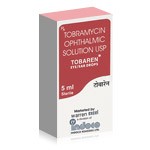
How Tobramycin Works
- Aminoglycoside antibiotic
- Inhibits bacterial protein synthesis (30S ribosome)
- Bactericidal action
- Broad-spectrum coverage
- Excellent penetration to eye surface
- Minimal systemic absorption
Effective Against
- Staphylococcus aureus
- Streptococcus species
- Pseudomonas aeruginosa
- Haemophilus influenzae
- Escherichia coli
- Neisseria species
- Many other gram-negative bacteria
Uses
- Bacterial conjunctivitis (pink eye - bacterial type)
- Blepharitis (eyelid inflammation)
- Keratitis (corneal infection)
- Post-surgical infection prevention
- Contact lens-related infections
- Corneal ulcers
Typical Dosing
- Mild-moderate: 1-2 drops every 4 hours
- Severe: 2 drops every 30-60 minutes
- Then taper as improvement occurs
- Continue 48 hours after symptoms resolve
- Full course 5-7 days typically
Bacterial vs Viral Conjunctivitis
| Feature | Bacterial | Viral |
|---|---|---|
| Discharge | Thick, yellow-green | Watery, clear |
| Eyes stuck shut | Common (morning) | Less common |
| Both eyes affected | Often one at first | Usually both |
| Cold symptoms | Usually no | Often yes |
| Treatment | Antibiotic drops | Usually resolves alone |

💊 Anti-Inflammatory NSAID Drops - Acular LS (Ketorolac)
Acular LS (Ketorolac 0.4%) is an NSAID eye drop for pain and inflammation.
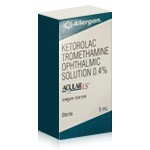
How Ketorolac Works
- Non-steroidal anti-inflammatory drug (NSAID)
- Inhibits cyclooxygenase (COX) enzymes
- Reduces prostaglandin production
- Decreases inflammation
- Reduces pain
- Different from corticosteroids - no immune suppression
Uses
- Post-cataract surgery inflammation
- Post-refractive surgery (LASIK) pain
- Seasonal allergic conjunctivitis
- Corneal abrasion pain
- Cystoid macular edema prevention
- Pain from photorefractive keratectomy
Advantages Over Steroid Drops
- No increase in eye pressure
- No cataract formation risk
- Does not delay wound healing (much)
- No immune suppression
- Fewer serious ocular side effects
- Can be used long-term more safely
Considerations
Acular LS considerations:
- Burning/stinging on application (common)
- Blurred vision briefly after application
- Eye redness
- Corneal thinning with prolonged use (rare)
- Aspirin/NSAID allergy consideration
- Can slow wound healing (small effect)
- Systemic absorption minimal

💧 How to Apply Eye Drops Properly
Proper application technique ensures medication reaches the eye and prevents contamination.
Step-by-Step Instructions
- Wash your hands thoroughly with soap and water
- Check the bottle - correct medication, not expired, no visible particles
- Shake if directed - some suspensions require shaking
- Tilt head back or lie down
- Pull down lower eyelid to create small pocket
- Hold bottle 1-2 cm above eye - do NOT touch eye or lashes
- Squeeze one drop into pocket
- Close eye gently - do not squeeze shut
- Apply pressure to inner corner of eye near nose for 1-2 minutes (punctal occlusion) - reduces systemic absorption
- Wipe away excess with clean tissue
- Wait 5 minutes before next drop if using multiple medications
- Replace cap immediately
Common Mistakes to Avoid
- Touching eye or eyelashes with bottle tip
- Blinking excessively (rubs drop out)
- Squeezing eyes shut tight
- Not waiting between different drops
- Not shaking suspensions
- Sharing bottles
- Using expired medications
- Failing to properly dispose after treatment
Punctal Occlusion Technique
Pressing the inner corner of the eye after applying drops:
- Blocks tear drainage duct
- Keeps medication in eye longer
- Reduces systemic absorption
- Especially important for glaucoma drops (Xalatan)
- Reduces side effects
- Enhances effectiveness
🌫 Preservatives in Eye Drops
Most multi-dose eye drop bottles contain preservatives to prevent contamination. However, preservatives can irritate sensitive eyes.
Common Preservatives
- Benzalkonium chloride (BAK) - most common
- Polyquaternium-1 (Polyquad)
- Sodium perborate
- Purite
- OcuPure
Preservative-Free Options
- Single-use vials - individual dose containers
- Sterile without preservatives
- Better for sensitive eyes
- Better for long-term use
- Higher cost
- Need for multiple daily doses
Who Should Use Preservative-Free
- Long-term glaucoma patients
- Multiple daily eye drop users
- Dry eye disease
- Contact lens wearers
- Sensitive or allergic eyes
- Post-surgery use
- Children
👀 Common Eye Conditions
Dry Eye Disease
Affects up to 50 percent of adults. Causes burning, itching, blurred vision, and foreign body sensation.
- Aqueous deficient or evaporative
- More common with age
- Digital device use increases risk
- Multiple treatment options
- Preservative-free lubricants often preferred
Allergic Conjunctivitis
Affects 10-30 percent of population. Symptoms include itching, redness, tearing, and swollen eyelids.
- Seasonal or perennial
- Antihistamine drops help
- Mast cell stabilizers for chronic use
- Avoid triggers
- Cool compresses help
Bacterial Conjunctivitis
- Contagious
- Purulent discharge
- Responds to antibiotics like Tobaren
- Usually resolves in 5-7 days
- Hand hygiene essential
Post-Surgical Care
- Cataract surgery - common
- LASIK - refractive surgery
- Multiple drops usually prescribed
- Antibiotic drops prevent infection
- NSAID drops like Acular LS reduce inflammation
- Steroid drops sometimes added
⚠ Eye Drop Side Effects and Safety
Common Side Effects
Common eye drop effects:
- Burning or stinging on application
- Blurred vision briefly
- Redness
- Foreign body sensation
- Tearing
- Taste changes (drops drain to throat)
- Photosensitivity some medications
Serious Reactions (Report Immediately)
Seek immediate attention:
- Severe eye pain
- Vision loss or significant changes
- Signs of severe allergic reaction
- Persistent severe redness
- Discharge worsening
- Eyelid swelling severe
- Signs of infection worsening
- Halos around lights
Systemic Effects
- Beta-blocker drops - can affect heart, breathing
- Alpha-agonist drops - fatigue, dry mouth
- Punctal occlusion reduces systemic absorption
- Elderly more susceptible
👩 Special Populations
Contact Lens Wearers
- Remove contacts before applying most drops
- Wait 15 minutes before reinserting
- Some drops can be used with contacts (check with doctor)
- Preservative-free preferred with contacts
- Certain drops damage contact lenses
Pregnancy
- Minimal systemic absorption
- Most drops considered safe
- Latanoprost typically avoided
- Discuss all medications with doctor
- Punctal occlusion recommended
Children
- Special techniques for application
- Ophthalmologist involvement
- Age-appropriate dosing
- Watch for systemic effects
- Some drops contraindicated in young children
Elderly
- Multiple eye conditions common
- Vision, dexterity issues
- May need help with application
- Multiple medications increase interaction risk
- Cognitive issues affect adherence
🤔 Common Myths About Eye Drops
- Myth: All eye drops are essentially the same
- Fact: Eye drops vary dramatically - from simple lubricants to potent medications like Xalatan. Using wrong type can harm eyes.
- Myth: You can use eye drops as long as you have them
- Fact: Most eye drops must be discarded 4 weeks after opening. Preservative-free drops within 24 hours. Contamination risk increases significantly.
- Myth: OTC redness drops fix eye problems
- Fact: Redness drops constrict blood vessels but do not treat underlying causes. Overuse causes rebound redness. Should only be used briefly.
- Myth: Pink eye always needs antibiotic drops
- Fact: Most conjunctivitis is viral and resolves without antibiotics. Only bacterial pink eye responds to antibiotics like Tobaren.
- Myth: Glaucoma drops can be stopped when eyes feel fine
- Fact: Glaucoma is asymptomatic until vision loss. Stopping drops causes progressive irreversible damage. Lifelong treatment essential.
- Myth: Sharing eye drops with family is fine
- Fact: NEVER share eye drops. Spreads infections. Different eye conditions need different treatments.
🚨 When to See a Doctor
EMERGENCY - seek immediate care for:
- Sudden vision loss
- Severe eye pain
- Chemical exposure to eye
- Eye trauma or injury
- Halos around lights (possible glaucoma attack)
- Sudden appearance of floaters or flashes
- Curtain-like vision loss
- Loss of peripheral vision suddenly
See doctor promptly for:
- Persistent eye pain or discomfort
- Purulent (yellow/green) discharge
- Redness not improving in 48 hours
- Vision changes
- Persistent tearing
- Foreign body sensation persistent
- Persistent itching
- Dry eye affecting quality of life
- Regular glaucoma follow-up
- Annual eye exams
Regular Eye Exam Schedule
- Children: at birth, 6 months, 3 years, then annually
- Adults 20-39: every 2-3 years
- Adults 40-64: every 1-2 years
- Adults 65+: annually
- Diabetics: annually or as directed
- Glaucoma suspects: more frequent
🌟 Key Takeaways
Essential points about eye drops:
- Multiple categories treat different conditions
- Glaucoma: Xalatan (Latanoprost) - first-line, once daily
- Antibiotics: Tobaren (Tobramycin) - bacterial infections
- NSAIDs: Acular LS (Ketorolac) - inflammation without steroids
- Proper application technique essential
- Punctal occlusion enhances effect, reduces side effects
- Wait 5 minutes between different drops
- Never share bottles
- Discard after 4 weeks opening
- Regular eye exams critical
- Glaucoma treatment lifelong
- Contact lens considerations important
- Emergency signs must be recognized
- Preservative-free options for sensitive eyes
- Modern treatments prevent most blindness
Important Medical Disclaimer: This educational guide provides general information about eye drops and eye conditions and does not constitute individualized medical advice. Eye drops require appropriate prescription and diagnosis by qualified eye care professionals (ophthalmologists or optometrists). Glaucoma is progressive and vision loss irreversible - requires lifelong medication adherence. Latanoprost (Xalatan) can cause permanent iris color change, eyelash growth, and periorbital skin darkening. Antibiotic eye drops like tobramycin should only be used for confirmed bacterial infections - overuse contributes to antibiotic resistance. NSAID eye drops like ketorolac must be used cautiously due to corneal effects with prolonged use. Contact lens wearers require special considerations. Never share eye drops between people. Never use expired drops or drops with visible contamination. Regular eye examinations essential for early detection of serious conditions - many eye diseases asymptomatic until advanced. Emergency signs including sudden vision loss, severe pain, chemical exposure, or trauma require immediate evaluation. Systemic absorption possible with eye drops - beta-blocker drops can affect heart and breathing; punctal occlusion minimizes systemic absorption. Special populations including contact lens wearers, pregnant women, children, and elderly require specialized approaches. Information here should complement but never replace direct professional guidance from qualified eye care specialists.
More Eye Care Medications


