Buy Imodium (Loperamide) Online - Fast Acting Antidiarrheal Generic for Acute Chronic and Travel Diarrhea

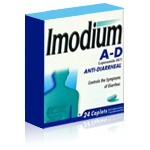
Imodium (Loperamide) stands as the most widely recognized antidiarrheal medication worldwide, providing rapid and reliable control of acute, chronic, and travelers' diarrhea symptoms. As a uniquely peripherally-acting mu-opioid receptor agonist, Imodium works directly on opioid receptors in the intestinal wall to slow bowel motility and reduce fluid secretion — without crossing the blood-brain barrier or causing the central nervous system effects of systemic opioids. The 2 mg capsules and tablets deliver fast-acting symptom control with decades of clinical use across hundreds of millions of patients globally.
Loperamide works through selective binding to mu-opioid receptors in the myenteric plexus of the small and large intestine. This binding inhibits the release of acetylcholine and prostaglandins, dramatically slowing peristalsis (forward propulsion) while simultaneously reducing intestinal fluid secretion and enhancing water absorption from intestinal contents. The medication is actively pumped out of the brain by P-glycoprotein at the blood-brain barrier, preventing the euphoric and sedative effects associated with centrally-acting opioids. The result: stool frequency reduces by 50-80% within hours, stool consistency improves substantially, urgency decreases, and dehydration risk drops as fluid loss controls.
Imodium serves multiple distinct diarrhea presentations effectively. For acute diarrhea from viral, bacterial (non-invasive), food-related, or stress causes, single-dose use provides rapid symptom relief. For travelers' diarrhea the medication allows continuation of travel activities while preventing dehydration. For chronic diarrhea from irritable bowel syndrome (IBS-D), inflammatory bowel disease, and functional bowel disorders, scheduled or as-needed dosing provides daily symptom control. Imodium particularly benefits patients with ileostomy by reducing fluid output, those with short bowel syndrome, and patients experiencing chemotherapy-induced diarrhea.
Imodium works rapidly with onset within 1 hour and maximum effect at 5 hours. Initial dose is 4 mg (2 capsules), followed by 2 mg after each loose stool up to maximum 16 mg/day. The medication reaches peak blood concentrations within 2.5-5 hours and shows 9-14 hour half-life. Generic loperamide from quality manufacturers provides identical therapeutic effects to brand Imodium at substantially lower cost. The active ingredient remains chemically identical to original Janssen / Johnson & Johnson formulation across both branded and generic versions of this established antidiarrheal therapy.
Free prescription
Discrete packaging
Have questions?
Quality Assurance
- Acute Diarrhea: Sudden onset diarrhea from viral bacterial food or stress causes lasting less than 2 weeks;
- Chronic Diarrhea: Persistent diarrhea lasting more than 4 weeks requiring ongoing symptomatic management;
- Travelers Diarrhea: Diarrhea acquired during travel particularly to developing regions causing trip disruption;
- Loose Stools: Watery or semi-formed stools indicating excessive intestinal motility or secretion;
- Diarrhea Urgency: Sudden urgent need to defecate often unable to delay causing social and functional limitations;
- Frequent Bowel Movements: Abnormally increased stool frequency from various functional or inflammatory causes;
- IBS Diarrhea: Diarrhea-predominant irritable bowel syndrome requiring as-needed or scheduled antidiarrheal therapy;
- IBS-D Predominant: Subtype of IBS with frequent loose stools urgency and abdominal discomfort;
- Inflammatory Bowel Disease Diarrhea: Symptomatic management of diarrhea in Crohns disease and ulcerative colitis between flares;
- Functional Diarrhea: Chronic diarrhea without identifiable structural cause requiring symptomatic management;
- High Ileostomy Output: Excessive output from ileostomy reduces with loperamide allowing better fluid balance;
- Short Bowel Syndrome: Patients with reduced intestinal length benefit from motility slowing to improve absorption;
- Chemotherapy Induced Diarrhea: Diarrhea from cancer chemotherapy particularly irinotecan and fluoropyrimidines;
- Food Related Diarrhea: Diarrhea triggered by food intolerance lactose or other dietary causes;
- Stress Induced Diarrhea: Diarrhea triggered by anxiety or stress affecting intestinal motility patterns;
- Viral Gastroenteritis: Self-limited viral diarrheal illness where symptom control improves comfort during recovery;
- Pediatric Diarrhea: Treatment for children over 6 years with diarrhea per appropriate dosing guidelines;
- Diabetic Autonomic Diarrhea: Chronic diarrhea from diabetic autonomic neuropathy affecting intestinal motility;
- Antidiarrheal Therapy: Therapeutic approach controlling diarrhea symptoms through motility and fluid balance management.
- Less Loose Stools: Stool consistency improves from watery to formed within 24 hours of starting treatment;
- Less Bowel Movement Frequency: Daily bowel movement count drops significantly allowing normal daily activities;
- Less Diarrhea Urgency: Sudden urgent need to defecate decreases allowing normal travel and social activities;
- Faster Symptom Relief: Effect begins within 1 hour with maximum benefit at 5 hours post-dose;
- Less Intestinal Fluid Loss: Reduced intestinal secretion preserves body fluids and prevents dehydration;
- Less Dehydration Risk: Stopping diarrhea preserves body water and electrolytes preventing dangerous dehydration;
- Better Nutrient Absorption: Slowed transit allows intestines to absorb nutrients vitamins and minerals more effectively;
- Better Travel Comfort: Travelers continue planned activities without disruption from acute diarrhea episodes;
- Less IBS Diarrhea Symptoms: IBS-D patients regain bowel control with as-needed or scheduled dosing improving daily function;
- Less IBD Diarrhea Episodes: Crohns and ulcerative colitis patients gain symptomatic relief between flares;
- Less Ileostomy Output Volume: Ileostomy fluid output reduces substantially allowing better hydration and pouch management;
- Better Short Bowel Absorption: Short bowel syndrome patients improve nutrient absorption through slower transit time;
- Less Chemotherapy Diarrhea: Chemotherapy-induced diarrhea responds to loperamide allowing treatment continuation;
- Less Stress Diarrhea: Stress and anxiety-induced diarrhea episodes resolve with rapid as-needed dosing;
- Better Daily Function: Ability to work travel and socialize returns as diarrhea no longer disrupts daily routines;
- Less Anal Discomfort: Anal irritation and soreness from frequent loose stools resolves as bowel movements normalize;
- No Central Nervous System Effects: Peripheral action avoids sedation euphoria or other systemic opioid effects of older antidiarrheals;
- Convenient Dosing: Standard 4 mg initial dose then 2 mg after each loose stool fits any schedule and severity;
- Better Quality of Life: Daily wellbeing improves dramatically as chronic or acute diarrhea no longer limits travel work or social activities.
Generic Imodium (Loperamide 2 mg) Medication guide:
💊 What Imodium and Loperamide Are
Imodium is the original Janssen brand name for loperamide, an antidiarrheal first synthesized in 1969, approved by the FDA in 1976, and switched from prescription to over-the-counter sale in 1988. Loperamide is one of the few mu-opioid receptor agonists that stays almost entirely in the gut at therapeutic doses. That peripheral restriction is what makes it useful for diarrhea without producing the sedation, euphoria or respiratory depression that systemic opioids cause.
🎯 What loperamide does and where it belongs
Loperamide slows intestinal peristalsis, lengthens transit time and allows the gut more time to reabsorb water and electrolytes. The result is firmer, less frequent stool and less urgency. It is a symptomatic drug: it does not kill pathogens, does not fix inflammation and does not treat underlying disease. The clinical footprint reflects this - loperamide is excellent at reducing stool frequency and volume, and poor at any disease where symptom reduction would mask a problem that needs treatment on its own merits.
| Category | Typical use | Caveat |
|---|---|---|
| Acute watery diarrhea in adults | Symptomatic relief, 2-4 mg per episode | Stop if blood, fever, or no improvement in 48 hours |
| Travellers diarrhea | Adjunct to antibiotic (azithromycin or rifaximin) | Avoid as monotherapy in moderate-severe illness |
| IBS-D | First-line symptomatic control of urgency and frequency | Titrated to effect; often very low effective dose |
| Short bowel syndrome, ileostomy output | Chronic use at higher doses to reduce output | Specialist supervision; often combined with other agents |
| Chemotherapy-induced diarrhea | Standardised dose-escalation algorithm | NCCN protocol for irinotecan-related diarrhea |
| Invasive bacterial diarrhea, C. difficile, dysentery | Not used | Contraindicated - risk of toxic megacolon and prolonged pathogen clearance |
💊 How Imodium is supplied
Standard adult formulations are 2 mg capsules and 2 mg caplets, available OTC in most markets. Oral liquid (1 mg/5 mL) is used for pediatric dosing where loperamide is appropriate. Combination products add simethicone (Imodium Multi-Symptom Relief) for gas-related cramping, or diphenoxylate-atropine (Lomotil) is used as a prescription alternative that is similar in action but subject to tighter regulation because of its potential for abuse.
🗺️ How this guide is organized
The next ten sections walk through each clinical setting (acute diarrhea, travellers diarrhea, IBS-D, inflammatory bowel disease, short bowel syndrome, ileostomy output, chemotherapy-induced diarrhea, microscopic colitis, dysentery red flags, C. difficile contraindication). Sections 13 to 17 cover mechanism, dosing and formulations. Sections 18 to 24 focus on side effects, cardiac risk and interactions, with full sections dedicated to the 2016 FDA cardiac safety warning and the loperamide abuse epidemic that drove it. The last nine sections cover special populations, storage, contraindications and when to seek medical care.
💧 Acute Diarrhea Treatment with Imodium
Acute diarrhea in otherwise healthy adults is overwhelmingly self-limited. Most episodes resolve within 48 to 72 hours without any treatment at all. Loperamide shortens the discomfort by reducing stool frequency and urgency, but it is a comfort drug for most clients rather than a disease-modifying one. Knowing when it helps and when it hurts matters.
🎯 When loperamide helps
The classical candidate is an adult with watery non-bloody diarrhea, no fever above 38.5 degrees Celsius, no severe abdominal pain, no systemic illness and no recent antibiotic exposure. These clients benefit from loperamide because it reduces the number of trips to the bathroom, lets them sleep, lets them travel home from work, and does not interfere with the normal clearance of the usual viral culprits (norovirus, rotavirus, mild bacterial gastroenteritis).
🚨 When to avoid loperamide
Red flags that point away from loperamide
Bloody or black stool. Fever above 38.5 degrees Celsius. Severe abdominal pain or distension. Recent antibiotic use (C. difficile risk). Signs of dehydration beyond mild. Age under 2 years. Any suspicion of invasive bacterial infection (Shigella, Salmonella, Campylobacter, EHEC). Loperamide in these settings can prolong infection, drive toxic megacolon or precipitate hemolytic uremic syndrome with E. coli O157.
📊 Standard adult dosing
| Step | Dose |
|---|---|
| Initial dose | 4 mg (two 2 mg capsules) after first loose stool |
| Subsequent doses | 2 mg (one capsule) after each loose stool |
| Maximum per day | 16 mg (OTC label limits to 8 mg/day without physician guidance) |
| Duration | Up to 48 hours OTC; longer only under medical direction |
💧 What matters more than loperamide
Rehydration is the actual intervention that moves outcomes in acute diarrhea. Oral rehydration solution replaces water and electrolytes lost in watery stool. Loperamide reduces the number of trips but does not restore the fluid balance that drives dizziness, fatigue and tachycardia. Any client with meaningful acute diarrhea should prioritise fluids over antidiarrheal medication, and anyone who looks dehydrated clinically needs more than oral intake can provide.
💡 Practical rule: loperamide is for symptom relief in a stable client with watery, non-bloody, non-febrile diarrhea. If any red flag is present, hold loperamide and arrange evaluation. If improvement does not occur within 48 hours of appropriate use, stop and seek medical care.
✈️ Travelers Diarrhea Loperamide Protocol
Travellers diarrhea affects 30 to 70 percent of travellers to high-risk destinations in the first two weeks of travel. The dominant causes are enterotoxigenic and enteroaggregative E. coli, followed by Campylobacter in Southeast Asia and Giardia in longer trips. Loperamide has a specific, evidence-based role here that is different from its role in acute domestic diarrhea.
🎯 The modern protocol
The International Society of Travel Medicine 2017 guideline stratifies travellers diarrhea by severity and tailors the response. Mild diarrhea (manageable, no interference with planned activities) is treated with loperamide alone or with bismuth subsalicylate. Moderate diarrhea (distressing, interferes with activities) is treated with a single-dose antibiotic plus loperamide. Severe diarrhea (incapacitating, fever, bloody stool) warrants antibiotic therapy without loperamide and medical evaluation.
| Severity | Regimen |
|---|---|
| Mild | Loperamide 4 mg start, then 2 mg per loose stool (max 8 mg/day) |
| Moderate | Azithromycin 1 g once OR levofloxacin 500 mg once OR rifaximin 200 mg TID x 3 days, PLUS loperamide |
| Severe (dysenteric) | Azithromycin 1 g once (preferred for invasive pathogens); loperamide avoided |
🔬 Why loperamide plus antibiotic works
Combination studies in the 1990s showed that loperamide added to a single-dose antibiotic reduced the duration of moderate travellers diarrhea from roughly 24 hours (antibiotic alone) to under 6 hours. The antibiotic clears the pathogen; loperamide controls symptoms during that clearance. This is the strongest evidence base for combining an antimotility drug with antimicrobial therapy anywhere in gastroenterology.
🌍 Regional considerations
Azithromycin is the preferred antibiotic in Southeast Asia and India because fluoroquinolone resistance in Campylobacter and Shigella is now the rule rather than the exception. Rifaximin works for noninvasive E. coli but not for invasive pathogens. Levofloxacin remains reasonable in Latin America and sub-Saharan Africa where resistance has climbed less. Local epidemiology changes year to year; the ISTM website and CDC Yellow Book carry current recommendations.
📋 What travellers should carry
A pretrip kit containing oral rehydration salts, a short-course antibiotic prescription appropriate for the destination, loperamide, and simple pain relief covers almost all travellers diarrhea scenarios. Travellers should know when to use each component - antibiotic plus loperamide for moderate illness, oral rehydration throughout, and medical care for severe disease, bloody stool, high fever or inability to maintain hydration.
🔄 IBS-D Chronic Loperamide Use
Irritable bowel syndrome with diarrhea (IBS-D) is a chronic functional disorder characterised by recurrent abdominal pain plus loose or frequent stool, in the absence of structural disease. Loperamide is the first-line symptomatic therapy for the diarrheal component in both ACG and BSG guidelines. It does not touch the pain or bloating components, but it reliably reduces stool frequency and urgency.
🎯 Where loperamide fits in IBS-D
IBS-D treatment is layered. Dietary modification (low FODMAP, soluble fibre) and stress management are the baseline. Loperamide controls stool frequency. Antispasmodics (hyoscine, mebeverine) manage cramping. Low-dose tricyclics or SSRIs address pain and bowel-brain axis dysfunction. Newer agents (rifaximin, eluxadoline, alosetron) are reserved for refractory cases. Loperamide sits at the symptomatic foundation of this stack.
📊 Chronic IBS-D dosing
IBS-D clients are often exquisitely sensitive to small loperamide doses. Many control symptoms adequately with 1 mg once or twice daily rather than the OTC acute-diarrhea doses. The dose is titrated to produce formed stool without causing constipation. A pragmatic starting point is 2 mg once daily, adjusting up to 2 mg two or three times a day or down to 1 mg (half capsule or liquid form) once daily.
| Approach | Typical range |
|---|---|
| Scheduled daily use | 1-4 mg/day in divided doses |
| As-needed before predictable triggers | 2 mg 30-60 min before meal, event, travel |
| Postprandial-pattern IBS-D | 2 mg before breakfast and lunch |
| Occasional flare only | 2-4 mg at symptom onset |
🔬 Why loperamide is safe long-term in IBS-D
IBS-D is one of the few indications where chronic loperamide use is well established. Decades of clinical experience and small randomised trials show maintained efficacy without tolerance, no evidence of CNS opioid effects at IBS doses, and no significant long-term safety signal. The 2016 FDA cardiac warning applies to high-dose misuse, not to the fractional doses typical in IBS-D management.
🤝 Combining with other IBS-D therapies
Loperamide combines freely with antispasmodics and low-dose tricyclics without pharmacologic conflict. Eluxadoline is itself a mixed opioid agonist/antagonist and should not be stacked with loperamide. Rifaximin can be used before or after loperamide titration; the two work by different mechanisms and are complementary. Clients who respond poorly to loperamide should be reassessed - bile acid diarrhea, microscopic colitis and small intestinal bacterial overgrowth can mimic IBS-D and respond to different therapies.
⚠️ Inflammatory Bowel Disease Caution
Inflammatory bowel disease (IBD) - Crohns disease and ulcerative colitis - presents with diarrhea that is often indistinguishable at first glance from functional causes. Loperamide can relieve symptoms in stable IBD, but it carries real risks in active flares and in colitis. The use case is narrower than in IBS-D and requires understanding of what the disease is doing before symptomatic therapy is layered on.
🎯 Stable disease versus active flare
In quiescent IBD or in Crohns disease with limited small-bowel involvement, loperamide can be used safely to control residual stool frequency after inflammation is controlled by appropriate IBD therapy. In active moderate-to-severe disease, loperamide can mask the clinical signal that the disease is worsening and - in colitis - raises the risk of toxic megacolon by paralyzing an already inflamed colon.
🚨 Toxic megacolon risk
In active colitis - ulcerative colitis flare, severe Crohns colitis, infectious colitis - antimotility drugs can precipitate toxic megacolon: non-obstructive colonic dilatation, systemic toxicity and risk of perforation. This is a surgical emergency with substantial mortality. Loperamide is contraindicated in active colitis and in any client with bloody diarrhea and systemic illness until the diagnosis is clear.
📊 Where loperamide fits in IBD
| Clinical setting | Loperamide role |
|---|---|
| Active ulcerative colitis flare | Contraindicated |
| Active severe Crohns colitis | Avoid |
| Stable Crohns disease with small-bowel involvement, residual loose stool | Appropriate - titrate to effect |
| Post-ileostomy Crohns | Important - see Section 7 |
| Post-colectomy with ileoanal pouch | Often needed to control pouch output |
| Bile acid diarrhea after terminal ileal resection | Add to bile acid sequestrant if needed |
👩⚕️ Coordination with the gastroenterologist
Chronic loperamide use in IBD should always be visible to the treating gastroenterologist. Changes in dose requirement often reflect changes in disease activity. A client whose stable 2 mg BID loperamide dose suddenly stops working probably has a flare and needs IBD therapy escalation, not more loperamide. This is one of the most important clinical signals in long-term IBD management, and it is lost if loperamide is used silently.
🤗 Living with chronic IBD and loperamide
Many IBD clients in long-term remission use low-dose loperamide to manage daily life, work, travel and family routine. Done thoughtfully, with periodic reassessment of underlying disease activity, this is appropriate and improves quality of life substantially. The caution is not against loperamide in IBD generally - it is against loperamide in active colitis specifically, and against using loperamide to paper over worsening disease.
🏥 Short Bowel Syndrome Loperamide Role
Short bowel syndrome occurs after extensive small-bowel resection, most often for Crohns disease, mesenteric ischemia, radiation enteritis or necrotizing enterocolitis in neonates. Clients lose the surface area needed to absorb water, electrolytes and nutrients, which produces high-output diarrhea and risks dehydration, electrolyte derangement and malnutrition. Loperamide at higher-than-OTC doses is a cornerstone of medical management.
🎯 What loperamide does for short bowel
Slowing intestinal transit is the single most useful intervention for the remaining bowel. Longer contact time between luminal contents and absorptive surface improves water, electrolyte and nutrient uptake. Loperamide achieves this with far less sedation and dependence risk than codeine or diphenoxylate-atropine, which were older alternatives. Modern short bowel management uses loperamide as first-line antimotility therapy, often at doses well above OTC labels.
📊 Short bowel dosing
| Approach | Dose range |
|---|---|
| Standard short bowel adult | 4 mg four times daily (16 mg/day) |
| High-output clients | Up to 24-32 mg/day under specialist supervision |
| Timing | 30-60 minutes before meals and at bedtime |
| Second-line add-on | Diphenoxylate-atropine; codeine; octreotide |
🤝 The broader medical regimen
Loperamide is part of a larger approach: oral rehydration tailored to the sodium and glucose content the remaining jejunum needs, PPI therapy to reduce gastric secretion volume, bile acid sequestrants when the terminal ileum has been resected, and glucagon-like peptide-2 analogues (teduglutide) for refractory high output. Parenteral nutrition is reserved for clients whose remaining bowel cannot support enteral feeding even with full medical therapy.
🔬 Why the FDA warning does not change short bowel practice
The 2016 cardiac safety signal came from clients taking massive single doses (often 50-100 or more capsules at a time) for opioid high. Short bowel clients take 8-16 doses daily of 2 mg each, with plasma levels that remain modest because of ongoing GI absorption and clearance. The cardiac risk in appropriately supervised short bowel therapy is low and the benefit (preserving enteral autonomy and avoiding TPN complications) is high. Specialists continue to prescribe higher-than-OTC loperamide confidently in this setting.
💡 Specialist supervision is the key. Short bowel management requires nutritional support, biochemistry monitoring and dose titration that are outside the OTC use case. Loperamide works, but as part of a coordinated regimen, not alone.
🧷 Ileostomy Output Management with Loperamide
Clients with an ileostomy or a high-output jejunostomy face a daily balance between adequate hydration and manageable output. Normal ileostomy output is 500 to 800 mL per day; high-output stomas (above 1.5 to 2 L per day) drive electrolyte losses, kidney stress and quality-of-life problems. Loperamide at scheduled, higher-than-OTC doses is the first-line medical response.
🎯 The target output
Ileostomy clients aim for formed to porridge-consistency output under 1.5 L per day. Looser or higher-volume output means dehydration risk and electrolyte losses, particularly sodium and magnesium. Loperamide slows transit, allows the remaining small bowel to reabsorb more water, and thickens stoma output in the process.
📊 Scheduled dosing for ileostomy management
| Scenario | Typical regimen |
|---|---|
| Standard ileostomy, moderate output | 2-4 mg QID (8-16 mg/day), 30-60 min before meals and bedtime |
| High-output stoma | 4-8 mg QID (16-32 mg/day) under specialist supervision |
| Jejunostomy | Higher doses with octreotide, PPI and tailored rehydration |
| Pouchitis after IPAA | Loperamide for symptom control plus antibiotics for inflammation |
💧 Hydration strategy
Loperamide alone does not fix fluid loss - it only shrinks it. Clients with high-output stomas need a tailored oral rehydration strategy. Hypotonic drinks (water, tea) paradoxically increase output in jejunostomy clients by producing a glucose-free electrolyte gradient that drives secretion. A St Marks solution or similar glucose-sodium-potassium mix is often prescribed. Nutrition and dietetic support matters as much as the drug regimen.
🤝 Combination therapy
When loperamide alone is not enough, specialists add codeine (which crosses the blood-brain barrier and causes sedation but has additional antimotility effect), PPI (reduces gastric secretion volume), octreotide (reduces pancreatic and intestinal secretion in jejunostomy clients), and GLP-2 analogues (teduglutide for severe refractory cases). Choice depends on anatomy, output volume and client-specific tolerability.
👨⚕️ Who manages this
Ileostomy and short bowel management is specialist territory - gastroenterology, colorectal surgery and intestinal rehabilitation teams typically direct therapy. OTC loperamide alone is not adequate for high-output stomas. Clients should have a defined output target, a titration plan and a route to adjust therapy when output changes with illness, diet or stress.
💊 Chemotherapy Induced Diarrhea Loperamide
Chemotherapy-induced diarrhea (CID) is a predictable adverse effect of many cytotoxic regimens, particularly those containing irinotecan and 5-fluorouracil. Severe CID interrupts cancer therapy, causes dehydration and electrolyte derangement, and in some cases is lethal. The NCCN guideline includes a standardised loperamide dose-escalation protocol that has become routine oncology practice.
🎯 Irinotecan-induced diarrhea
Irinotecan causes two distinct diarrhea syndromes. Early-onset (within 24 hours of infusion) is cholinergic, mediated by acetylcholine release from irinotecan itself, and responds to atropine. Late-onset (3 to 11 days after infusion) is the clinically important form, caused by direct intestinal epithelial damage from the active metabolite SN-38. Late-onset diarrhea is where high-dose loperamide protocols live.
📊 NCCN loperamide protocol
| Step | Dose |
|---|---|
| Initial dose at first loose stool | 4 mg |
| Then | 2 mg every 2 hours during the day |
| Overnight | 4 mg every 4 hours |
| Continue until | 12 hours without a loose stool |
| If diarrhea persists past 24 hours | Add oral fluoroquinolone for neutropenic risk; consider hospitalisation |
| If diarrhea persists past 48 hours | Hospitalise, IV fluids, consider octreotide |
🔬 Why these higher doses are used
CID can reach 10 to 20 bowel movements a day. OTC-level dosing is inadequate. The NCCN high-dose protocol produces plasma loperamide levels still well below the cardiac-toxicity threshold seen in overdose cases, and oncology clients are under active monitoring. The risk-benefit shifts strongly toward aggressive antimotility therapy when the alternative is treatment interruption or severe dehydration during active chemotherapy.
🤝 What else goes with it
Oral rehydration throughout. Electrolyte monitoring (potassium, magnesium). Antimicrobials when fever or neutropenia is present. Octreotide subcutaneously if diarrhea persists past 48 hours of maximal loperamide. Dose reduction or treatment delay of the responsible chemotherapy agent in the next cycle. Pharmacogenetic testing for UGT1A1 polymorphisms in clients with severe irinotecan toxicity.
🚨 Hospitalisation triggers
Grade 3-4 diarrhea on CTCAE scale, fever, neutropenia, orthostatic hypotension, dehydration unresponsive to oral intake, or diarrhea persisting beyond 48 hours of high-dose loperamide. Oncology-trained inpatient management is essential at that point.
🔬 Microscopic Colitis Treatment Options
Microscopic colitis is a chronic inflammatory bowel disease that produces watery non-bloody diarrhea in older adults, with a normal-looking colon on endoscopy and inflammation visible only on biopsy. Two subtypes exist: collagenous colitis (thickened subepithelial collagen band) and lymphocytic colitis (increased intraepithelial lymphocytes). Both respond to targeted therapy. Loperamide has a specific role.
🎯 Where loperamide fits
Loperamide is appropriate first-line for mild microscopic colitis (2 to 4 watery stools per day without significant impact on quality of life). It controls stool frequency and urgency without treating the underlying inflammation. Many clients remain stable on loperamide alone for years. Clients with moderate-severe disease (over 4 stools per day, nocturnal stools, incontinence, significant quality-of-life impact) usually need budesonide as disease-modifying therapy with loperamide as adjunct.
📊 Treatment layering
| Severity | First-line |
|---|---|
| Mild (2-4 stools/day, tolerable) | Loperamide 2-4 mg once or twice daily; stop offending drug |
| Moderate (over 4 stools/day, affecting activities) | Oral budesonide 9 mg daily x 8 weeks, then taper; loperamide as adjunct |
| Severe or refractory | Budesonide maintenance; immunomodulators; biologics in rare cases |
📋 The medication review that matters
Microscopic colitis is strongly associated with specific drugs. Discontinuing them is often the single most useful step before any pharmacotherapy. Common offenders include NSAIDs, PPIs (particularly lansoprazole), SSRIs, statins and some cholinesterase inhibitors. Every new microscopic colitis diagnosis deserves a careful medication review and trial discontinuation of plausible culprits before escalating to budesonide.
🤗 Long-term outlook
Many clients with mild microscopic colitis maintained on scheduled low-dose loperamide have stable symptoms for years. Those requiring budesonide often relapse when it is stopped and are maintained on the lowest effective dose. Loperamide can continue indefinitely in this group, with periodic reassessment to confirm it is still needed. Unlike IBD, there is no evidence that microscopic colitis progresses to colorectal cancer, so long-term symptom-directed therapy is reasonable.
🚨 Acute Dysentery Red Flag Signs
Dysenteric diarrhea is a different clinical animal from the watery non-bloody kind. It involves invasion of the colonic mucosa by bacterial or protozoal pathogens, which produce blood, mucus, fever and tenesmus. Loperamide in this setting can be dangerous. Recognising the warning signs matters because it is the single most important decision point in self-directed antidiarrheal therapy.
🚨 The red flag symptoms
Stop and seek evaluation
Blood or mucus in stool. Fever above 38.5 degrees Celsius. Severe abdominal pain. Tenesmus (painful urge to defecate without producing stool). Signs of dehydration beyond mild. Recent travel to high-risk regions with these symptoms. Any of these means loperamide is probably contraindicated and a provider needs to evaluate.
🎯 What is causing it
| Pathogen | Clinical clue |
|---|---|
| Shigella | Dysentery with fever, high-risk travel or outbreak |
| Salmonella | Fever, abdominal pain, possible bacteremia |
| Campylobacter | Bloody diarrhea, undercooked poultry, Southeast Asia travel |
| Enterohemorrhagic E. coli (O157:H7, STEC) | Bloody diarrhea, no fever; HUS risk |
| Clostridioides difficile | Recent antibiotic use, hospitalisation |
| Entamoeba histolytica | Travel history, chronic bloody diarrhea, liver abscess |
🔬 Why loperamide is bad here
In invasive bacterial dysentery, slowing peristalsis prolongs pathogen contact with the colonic mucosa, extends systemic illness, and in Shigella and EHEC specifically increases the risk of complications. In EHEC O157:H7 infection, loperamide is associated with higher rates of hemolytic uremic syndrome, particularly in children. In C. difficile, antimotility drugs raise toxic megacolon risk. The risk-benefit for loperamide in true dysentery is firmly negative.
👨⚕️ What to do instead
Stool studies (culture plus multiplex PCR panel where available) identify the pathogen. Empiric antibiotic therapy is appropriate in severe dysentery and in travellers with high suspicion of Shigella or Campylobacter. EHEC infection is managed with aggressive rehydration and avoidance of both antibiotics and antimotility agents. Rehydration remains the universal cornerstone across all dysentery cases.
🚫 C. difficile Absolute Contraindication
Clostridioides difficile infection (CDI) deserves its own section because loperamide is absolutely contraindicated in suspected or confirmed CDI, and the clinical scenario is common enough that a wrong decision happens regularly. Recognizing CDI and reflexively avoiding antimotility therapy is one of the simplest high-value rules in antidiarrheal care.
🎯 Who is at risk
CDI classically follows recent antibiotic exposure (within the previous 90 days), with the strongest associations being clindamycin, cephalosporins, fluoroquinolones and broad-spectrum beta-lactams. Age over 65, recent hospitalisation, PPI use, immunosuppression and inflammatory bowel disease all raise risk. The presentation ranges from mild watery diarrhea with cramping to fulminant pseudomembranous colitis with ileus, toxic megacolon and shock.
🚫 Why loperamide is contraindicated
Toxic megacolon risk
In active CDI, the toxins A and B damage the colonic epithelium. Normal peristalsis helps clear toxins and bacteria from the lumen. Loperamide paralyzes the inflamed colon, allows toxin accumulation, and raises the risk of toxic megacolon - a surgical emergency with substantial mortality. IDSA guidelines explicitly prohibit antimotility agents in CDI.
🤔 When to suspect CDI
- Diarrhea during or within 90 days of antibiotic therapy
- Recent hospitalisation or healthcare exposure
- Watery non-bloody diarrhea with cramping, often with fever
- Elderly or immunocompromised client
- Diarrhea refractory to usual symptomatic measures
Any of these should trigger stool testing for C. difficile toxin and avoidance of loperamide pending results.
💊 What is used instead
CDI treatment is oral vancomycin (125 mg four times daily for 10 days) or fidaxomicin (200 mg twice daily for 10 days) as first-line therapy per IDSA/SHEA 2021 guidelines. Metronidazole is now reserve therapy. Symptomatic rehydration and electrolyte support are universal. Antimotility drugs including loperamide are off the table for the duration of active infection and typically until symptoms resolve plus a safety margin.
🔁 After recovery
Clients who recover from CDI often have residual loose stool for weeks from post-infectious irritable bowel. Loperamide becomes appropriate again once CDI is cleared, inflammation has resolved and testing confirms clearance where clinically indicated. The absolute prohibition applies to active or suspected infection, not to post-infectious symptoms.
👶 Pediatric Age Restrictions Loperamide
Loperamide use in children is tightly restricted because the therapeutic window is narrower, the risk-benefit balance for self-limited childhood diarrhea is unfavourable, and OTC loperamide has been associated with serious adverse events in young children. Age cutoffs vary by jurisdiction but the overall approach is conservative.
🚫 Age restrictions
| Age | Status |
|---|---|
| Under 2 years | Absolutely contraindicated; serious adverse events including death reported |
| 2 to 6 years | Prescription-only in most jurisdictions; specialist supervision required |
| 6 to 12 years | OTC in some jurisdictions, prescription in others; weight-based dosing |
| Over 12 years | Adult OTC dosing applies |
👶 Why young children are vulnerable
Infants and toddlers have higher body-water fraction and faster dehydration kinetics than older children, so they decompensate faster from the diarrheal illness itself. They are also at higher risk of paralytic ileus from loperamide and of CNS penetration if P-glycoprotein function is immature or disrupted, which can produce respiratory depression. These factors combine to make the drug substantially more dangerous in this age group.
💧 What should be used instead
Oral rehydration solution is the cornerstone of childhood diarrhea management worldwide. Zinc supplementation reduces duration and severity in children in resource-limited settings. Probiotics (Lactobacillus GG, Saccharomyces boulardii) have modest benefit. Early refeeding with normal diet shortens recovery. These are the WHO-recommended interventions and they displace antimotility therapy almost entirely in pediatric care.
📊 When loperamide is used in pediatrics
Specialist use occurs in children with short bowel syndrome, chronic diarrhea from inflammatory or motility disorders, ileostomy output management, and chemotherapy-induced diarrhea in older children. In these settings loperamide is dosed by weight (typically 0.08-0.24 mg/kg/day in divided doses, maximum 2 mg per dose), under specialist supervision, with monitoring for ileus and other adverse effects.
👶 The core pediatric rule
Do not give loperamide to a child under 2 years of age under any circumstances. For older children, use oral rehydration first; reserve loperamide for specific chronic conditions under specialist direction, not for ordinary acute viral gastroenteritis.
🧬 How Loperamide Slows the Gut
Loperamide is a mu-opioid receptor agonist that acts almost exclusively in the gut at therapeutic doses. That peripheral restriction is not an accident of the molecule but a product of two biological barriers that keep it out of the central nervous system - and it is what makes loperamide useful for diarrhea without producing opioid high.
🧬 The direct action in the gut
Loperamide binds mu-opioid receptors on neurons of the myenteric plexus - the network that controls intestinal peristalsis. This reduces the frequency and amplitude of propulsive contractions, prolongs transit time, and allows the gut more time to reabsorb water and electrolytes. It also increases anal sphincter tone, which reduces urgency and incontinence. These effects are the clinical actions that reduce stool frequency and improve consistency.
🚫 Why loperamide stays out of the brain
| Barrier | What it does |
|---|---|
| P-glycoprotein efflux pump (MDR1/ABCB1) at the blood-brain barrier | Actively pumps loperamide back out of CNS endothelial cells into blood |
| Extensive first-pass hepatic metabolism (CYP2C8, CYP3A4) | Reduces systemic bioavailability to roughly 0.3 percent |
| Low oral absorption | Most loperamide stays in the gut lumen where it acts locally |
At therapeutic doses, these mechanisms keep brain levels of loperamide below the threshold for mu-opioid activation. Clients get the antidiarrheal effect without euphoria, sedation or respiratory depression.
💀 What goes wrong at high doses
Saturation of P-glycoprotein by overwhelming oral doses lets loperamide into the CNS and produces opioid high. This is the mechanism behind the loperamide abuse epidemic covered in Section 21. The same saturation lets loperamide reach cardiac tissue in concentrations high enough to block hERG potassium channels, prolong the QT interval and precipitate torsades de pointes. Section 20 covers the cardiac story.
🔬 Drugs that break the barrier
Any drug that inhibits P-glycoprotein or CYP3A4 can raise loperamide CNS and plasma exposure. Quinidine, ritonavir, ketoconazole, verapamil, cyclosporine and clarithromycin have all been documented. Section 22 covers interactions in detail. The practical point is that loperamide safety at therapeutic doses depends on P-glycoprotein; anything that compromises that protection shifts the risk.
💡 Practical takeaway: loperamide is safe at therapeutic doses because of two active biological barriers. Those barriers have limits. Respecting the dose is the single most important thing a client can do to stay within the safe zone.
📏 Imodium 2 mg Standard Dosing
Loperamide dosing varies substantially by indication and by whether it is being used over the counter or under medical direction. The 2 mg capsule or caplet is the standard unit across most formulations. This section pulls the common adult doses into one place.
📏 Adult dosing by indication
| Indication | Initial dose | Subsequent / maintenance | Max daily |
|---|---|---|---|
| Acute diarrhea (OTC) | 4 mg after first loose stool | 2 mg after each loose stool | 8 mg OTC label; 16 mg under medical direction |
| Travellers diarrhea | 4 mg at first stool | 2 mg per loose stool | 8 mg (co-administered with antibiotic) |
| IBS-D | 2 mg once daily | Titrate 1-2 mg BID or TID | Rarely over 8 mg/day |
| Chronic diarrhea / microscopic colitis | 2 mg once or twice daily | Titrate to effect | 16 mg/day under direction |
| Short bowel / ileostomy | 2-4 mg before meals and bedtime | Titrate to output | 16-32 mg/day under specialist |
| Chemotherapy-induced diarrhea (NCCN) | 4 mg at first stool | 2 mg every 2 h; 4 mg every 4 h overnight | Until 12 h stool-free; hospitalise if persistent |
🔢 The OTC ceiling
OTC labels in the US cap self-directed loperamide at 8 mg per day and 48 hours of use. The underlying therapeutic maximum is 16 mg per day, which some medical indications respect and some (short bowel, CID) exceed. The gap between OTC and medical ceilings exists because self-directed use carries higher risk of misdiagnosis (loperamide for undiagnosed CDI, for example) and because supervised dosing allows monitoring that OTC use cannot provide.
🕛 Timing with meals and triggers
For scheduled dosing in IBS-D and chronic diarrhea, taking loperamide 30 to 60 minutes before meals captures the postprandial reflex that triggers symptoms in many clients. For ileostomy management, before-meal and bedtime dosing works similarly. For acute diarrhea, dosing is reactive - after each loose stool rather than on a schedule.
👩⚕️ Renal and hepatic considerations
Loperamide is extensively metabolised in the liver and excreted largely in bile and faeces. Renal impairment does not require dose adjustment. Hepatic impairment can increase plasma loperamide exposure substantially - in severe liver disease, careful dose reduction and monitoring for CNS or cardiac effects is appropriate. Clients on potent CYP3A4 or P-glycoprotein inhibitors should also be considered for dose reduction, covered in Section 22.
🔢 Maximum Daily Dose Loperamide
The maximum daily dose of loperamide is a layered concept rather than a single number. There is an OTC-label limit, a therapeutic ceiling in medical use, and a toxicity threshold at which cardiac events become likely. Clients and prescribers should understand all three.
🔢 The three ceilings
| Ceiling | Dose | Context |
|---|---|---|
| OTC self-directed | 8 mg/day | Over the counter, 48-hour limit, acute use only |
| Therapeutic medical | 16 mg/day | Standard upper limit for most prescribed indications |
| Specialist high-dose | 24-32 mg/day | Short bowel, high-output stoma, NCCN CID protocol; supervised |
| Cardiac risk zone | Above 60 mg/day | Most QT prolongation and torsades cases involve this range or higher |
| Reported abuse doses | 100-400 mg/day | Opioid self-management misuse; associated with fatal arrhythmias |
🚨 Why the OTC ceiling is low
OTC labels cap use at 8 mg per day and 48 hours because self-directed use carries elevated risk of using loperamide for the wrong indication. The most common wrong indication is undiagnosed CDI after a recent antibiotic course. A short course at a modest dose caps the harm if the diagnosis turns out to be wrong, and encourages medical evaluation if symptoms persist beyond the self-care window.
👩⚕️ When higher doses are appropriate
Chronic conditions - short bowel syndrome, high-output ileostomy, chemotherapy-induced diarrhea - require doses above the OTC ceiling. These are directed by specialists, use scheduled rather than reactive dosing, incorporate monitoring for ileus and cardiac effects, and include oral rehydration or parenteral fluid support. The dose-response is real and the benefit at these higher doses is substantial.
💀 Why dose-ceiling matters so much
Unlike many antidiarrheals, loperamide has a steep dose-toxicity curve at high doses. Below 16 mg/day the drug is safe for essentially all adult clients. Above 40-60 mg/day cardiac events become documented. Above 100 mg/day they become expected. The reason is saturation of P-glycoprotein and CYP3A4, which allows loperamide to accumulate in cardiac tissue and block hERG potassium channels. The jump from safe to dangerous is a factor of 5 to 10 over the maximum therapeutic dose - which is why FDA restricted package sizes to make overdose logistically harder.
🏷️ US package restrictions
Following the 2016 and 2018 FDA Drug Safety Communications, loperamide OTC products in the US are limited to short-course quantities (typically 48 to 72 capsules per package), and larger packages require tamper-evident blister packaging. These are deliberate friction points to make high-dose misuse harder for clients attempting opioid self-management.
💊 Capsules Tablets and Liquid Formulations
Loperamide formulations are chosen primarily for client preference and age-related swallowing ability. Pharmacokinetics are similar across formulations - loperamide is minimally absorbed from any oral route and its onset depends on gastric emptying and intestinal transit rather than route of administration.
💊 Standard adult formulations
| Formulation | Strength | Notes |
|---|---|---|
| Hard gelatin capsule | 2 mg | Original and most common; swallow whole |
| Caplet / tablet | 2 mg | Equivalent to capsule; often smaller |
| Chewable tablet | 2 mg | Easier for clients with swallowing difficulty |
| Orally disintegrating tablet | 2 mg | Dissolves on tongue; useful for travel without water |
| Oral liquid / suspension | 1 mg per 5 mL | Primary pediatric formulation when loperamide is used |
💊 Combination products
Imodium Multi-Symptom Relief adds simethicone 125 mg to loperamide 2 mg, aimed at acute diarrhea with gas and bloating. The simethicone is pharmacologically inert for diarrhea itself but reduces symptomatic gas discomfort. This product does not expand the loperamide ceiling - it is still 8 mg per day OTC - but it treats both symptoms with one dose.
Lomotil (diphenoxylate 2.5 mg plus atropine 0.025 mg per tablet) is a prescription alternative covered in Section 32. Diphenoxylate is an opioid with higher abuse potential than loperamide, which is why the small atropine component is added as a deterrent.
🌍 International availability
Loperamide 2 mg is widely available OTC across the EU, Canada, Australia, and most of South America and Asia. The specific brand names vary - Imodium, Diar-Aid, Diamode and generic loperamide are common. Pack sizes vary with jurisdiction, and some countries restrict OTC pack sizes similarly to the US while others do not. Travellers should carry enough for their trip from a familiar supply rather than relying on overseas purchase.
🍜 Taking it with food or without
Loperamide can be taken with or without food. Food does not meaningfully alter the already low absorption. For scheduled use in IBS-D or short bowel, dosing 30 to 60 minutes before meals captures the postprandial trigger for many clients. For acute diarrhea, dosing is reactive to each loose stool regardless of meal timing.
👶 Pediatric liquid considerations
The 1 mg per 5 mL liquid formulation is used for weight-based dosing in children where loperamide is appropriate (usually over 6 years, for specific chronic conditions). Compounded flavourings can mask taste. Measuring syringes are more accurate than kitchen spoons. Pediatric use remains specialist-directed, not an OTC decision - Section 12 and Section 26 cover pediatric considerations.
⏱️ Onset Duration of Action
Loperamide starts to work within an hour of an oral dose, reaches full effect within 4 to 6 hours, and provides antidiarrheal action for 8 to 12 hours. Those numbers set the practical rhythm of dosing - how soon to expect benefit, when to consider a second dose, and when to switch strategies if nothing is happening.
⏱️ Onset and peak
After an oral dose, loperamide reaches peak plasma concentration at 4 to 5 hours, though the clinical antidiarrheal effect begins within 30 to 60 minutes. The early effect comes from direct action on myenteric neurons in the proximal small bowel, before systemic peak levels are reached. Clients should feel reduced urgency and increasing stool consistency within an hour of a first dose for acute diarrhea.
🕛 Duration of effect
A single 2 mg dose provides meaningful antidiarrheal effect for roughly 8 to 12 hours. The elimination half-life is about 10 hours. In chronic conditions dosed two to three times daily, steady-state is reached within a day or two and symptom control becomes more predictable than during the first dose.
🤔 When to expect what
| Setting | Expected timeline |
|---|---|
| Acute diarrhea | Reduced urgency within 1 h; stool consistency improves over 4-6 h |
| Travellers diarrhea with antibiotic | Symptom resolution within 6-12 h on combined therapy |
| IBS-D | Day-to-day improvement over first week of scheduled use |
| Chemotherapy-induced diarrhea | Response within 24 h; escalate if not |
| Short bowel / ileostomy | Output reduction over days as scheduled dosing takes hold |
🔙 When to stop and reassess
For OTC acute diarrhea, stopping at 48 hours is standard - either symptoms have resolved or medical evaluation is needed. For scheduled IBS-D use, a stable titration may continue indefinitely with periodic reassessment. For CID, the drug is tapered once stools return to baseline. For short bowel and ileostomy, loperamide becomes part of a lifelong management regimen that is adjusted but rarely stopped.
🚨 If nothing happens
Failure of a reasonable loperamide dose to improve symptoms is a signal, not a reason for more drug. The possibilities include wrong diagnosis (CDI, dysentery, IBD flare, bile acid diarrhea), high-output state exceeding what loperamide can control, or need for a different mechanism (bile acid sequestrant, octreotide, antispasmodic). Medical evaluation at that point is more valuable than dose escalation.
🍷 Alcohol and Loperamide Interaction
Loperamide does not have a true pharmacokinetic interaction with alcohol - unlike metronidazole, there is no acetaldehyde reaction. But the clinical scenarios in which loperamide and alcohol come together are worth thinking through, because both affect the gut and together they can worsen symptoms or mask a worsening problem.
🍷 What happens if someone drinks on loperamide
At therapeutic doses, loperamide does not cross the blood-brain barrier meaningfully, so it does not add to alcohol-related CNS depression. There is no disulfiram-like reaction and no clinically important pharmacokinetic interaction. A client taking standard OTC loperamide for acute diarrhea and consuming moderate alcohol will not have an acute drug interaction.
🤔 Where it still matters
- Alcohol itself worsens diarrhea - it is a direct gut irritant, speeds colonic transit, and triggers morning diarrhea in heavy drinkers. Loperamide controls the symptom but does nothing for the cause.
- Alcohol in travellers diarrhea settings commonly comes with contaminated ice, water or food. Loperamide for the diarrhea plus continued alcohol does not help identify the underlying infection.
- In chronic alcohol use, loperamide may mask the diarrhea component of alcoholic enteropathy or exocrine pancreatic insufficiency, both of which need different management.
- In acute alcohol intoxication, loperamide at high doses or combined with other sedating agents could theoretically add to CNS effects, but this is rare at OTC doses.
🚨 High-dose misuse scenario
Dangerous combination
At the massive doses associated with loperamide abuse (Section 21), the drug enters the CNS and heart. Combining this with alcohol or other CNS depressants adds respiratory depression risk to an already elevated cardiac risk. This is a specific concern for clients using loperamide for opioid self-management, not a concern for typical OTC use.
👩⚕️ Practical advice
For standard OTC loperamide use, no alcohol restriction is needed beyond common sense. For scheduled chronic use (IBS-D, microscopic colitis), moderate alcohol is compatible. For high-dose medical use (short bowel, CID), alcohol should be discussed with the treating team because the broader clinical picture - hepatic function, nutritional status, concurrent medications - matters more than the loperamide-alcohol interaction itself.
🚽 Common Side Effects and Constipation
At therapeutic doses, loperamide is one of the better-tolerated gastrointestinal drugs. Most clients report nothing more than the intended effect - fewer, firmer stools. The side effects that do occur are predictable extensions of the mechanism, and the most common one is simply too much of a good thing.
🚽 The dominant side effect: constipation
Loperamide slows peristalsis. Overshooting that effect produces constipation, which affects roughly 5 to 15 percent of clients on therapeutic doses and more at the top of the dosing range. For acute diarrhea use this resolves rapidly once the drug is stopped. For chronic use the dose can be titrated downward until stool consistency and frequency are normalised.
📊 Common and uncommon effects
| Effect | Approximate rate | Comment |
|---|---|---|
| Constipation | 5-15% | Dose-related; resolves with dose reduction |
| Abdominal cramping | 3-5% | Often part of the underlying condition rather than drug |
| Nausea | 2-3% | Mild and transient |
| Dizziness | 1-2% | Uncommon at therapeutic doses |
| Dry mouth | 1-2% | Mild |
| Rash, pruritus | Under 1% | Hypersensitivity; discontinue |
| Paralytic ileus | Rare but serious | Watch for in children, IBD, dehydration |
| Toxic megacolon | Rare, high risk in colitis | Covered in Sections 5 and 11 |
🤔 Paralytic ileus - the real concern
When slowing the gut goes too far
Loperamide can over-slow the gut to the point of ileus - absent peristalsis, abdominal distension, inability to pass flatus, nausea and vomiting. This is uncommon in healthy adults at standard doses but more likely in young children, dehydrated clients, those with underlying motility disorders and those with inflammatory bowel disease. Any client developing distension or vomiting on loperamide should stop the drug and seek evaluation.
💀 What is not an ordinary side effect
Palpitations, chest pain, fainting, seizures, severe drowsiness - these are not expected adverse effects at therapeutic loperamide doses. If they occur, cardiac toxicity (Section 20) or high-dose exposure needs to be considered immediately. The threshold for medical evaluation is low because the differential includes life-threatening arrhythmia.
🔙 Managing the common ones
Constipation on scheduled loperamide responds to dose reduction, splitting doses, or adding a mild osmotic laxative like polyethylene glycol if the balance point is hard to find. Nausea and dizziness usually resolve as the drug reaches steady state. Any skin reaction should prompt discontinuation and consideration of alternative antidiarrheal agents.
🩸 Loperamide Cardiac Toxicity QT Warning
Loperamide is a safe drug at therapeutic doses and a potentially lethal drug at high doses. The 2016 FDA Drug Safety Communication on serious cardiac events was the defining regulatory event of the modern loperamide era, and understanding it matters for every clinician and client who uses the drug.
🎯 What the FDA warned about
Between the late 2000s and 2016, the FDA documented a rising pattern of QT interval prolongation, torsades de pointes, cardiac arrest and sudden death associated with loperamide. Nearly all cases involved doses far above the maximum therapeutic ceiling - typically 50 mg to several hundred mg per day. The signal came largely from clients using loperamide for opioid withdrawal self-management (covered in Section 21), but included therapeutic high-dose misuse as well.
🔬 The mechanism
At supratherapeutic doses, loperamide reaches cardiac myocytes in concentrations high enough to block the hERG potassium channel. hERG blockade prolongs ventricular repolarization, visible on the ECG as a prolonged QT interval. QT prolongation increases the risk of torsades de pointes - a polymorphic ventricular tachycardia that can degenerate into ventricular fibrillation. Loperamide can also block cardiac sodium channels at very high levels, which produces QRS widening and conduction block in a Brugada-like pattern.
📊 Dose-risk relationship
| Daily dose | Approximate cardiac risk |
|---|---|
| Up to 16 mg (OTC and therapeutic range) | Essentially none in healthy adults |
| 16-32 mg (supervised high-dose use) | Low; appropriate specialist settings monitor for signs |
| 32-60 mg | Rising; QT prolongation reported |
| 60-200 mg | Substantial QT prolongation, torsades documented |
| Above 200 mg | High cardiac arrest risk; fatalities reported |
🚨 Factors that lower the threshold
Several factors can produce cardiac toxicity at lower-than-expected doses:
- P-glycoprotein inhibitors (quinidine, verapamil, cyclosporine) - allow loperamide to accumulate in heart and brain
- CYP3A4 inhibitors (ketoconazole, clarithromycin, ritonavir) - raise plasma loperamide levels
- Other QT-prolonging drugs (methadone, ondansetron, some antipsychotics) - additive risk
- Congenital long QT syndrome
- Electrolyte abnormalities (hypokalemia, hypomagnesemia)
- Structural heart disease
🏷️ What changed
The 2018 FDA follow-up communication led to package-size restrictions and tamper-resistant blister packaging for US OTC loperamide. Clinicians were alerted to watch for abuse patterns and to consider loperamide in the differential for unexplained QT prolongation. Pharmacists were asked to flag large purchases. These friction points reduced but did not eliminate high-dose misuse.
💀 What to do about cardiac symptoms
Any client on loperamide developing palpitations, syncope, chest pain or seizures should stop the drug and seek emergency evaluation. The ECG findings - QT prolongation, QRS widening, torsades - can resolve with discontinuation but may require active cardiac support including magnesium, isoproterenol or overdrive pacing in the acute setting.
💀 Loperamide Abuse and Opioid High
The reason loperamide carries a cardiac safety warning is not that therapeutic use is dangerous - it is that loperamide became a target drug of opioid misuse. Understanding this story clarifies why the regulatory response has been so vigorous and why clinicians, pharmacists and families should know the signs of misuse.
🎯 How loperamide became an opioid-abuse target
Loperamide is a mu-opioid agonist. At therapeutic doses it does not cross the blood-brain barrier because P-glycoprotein pumps it back out. At massive doses - typically 50 to 100 or more 2 mg capsules at a time - the P-glycoprotein transporter saturates, loperamide reaches the CNS, and clients experience an opioid high similar to that of other mu-agonists. Online communities began sharing this information in the early 2010s, framing loperamide as the poor mans methadone.
💀 The clinical consequences
The same high doses that produce CNS opioid effects produce cardiac effects. hERG blockade prolongs QT. Sodium channel blockade widens QRS. Torsades de pointes, ventricular fibrillation and sudden death are documented at the doses required to achieve euphoria. Reports to US poison centres multiplied through the mid-2010s, with multiple fatalities. The abuse pattern often overlapped with other substance use (benzodiazepines, methadone, kratom), adding sedation and polypharmacy to the cardiac risk.
🔢 Dose patterns in abuse
| Pattern | Daily dose range |
|---|---|
| Opioid withdrawal self-management | 50-200 mg/day |
| Euphoric effect targeting | 100-400 mg/day |
| Opioid replacement use | Chronic 100+ mg/day over months to years |
These doses are 10 to 50 times therapeutic ceilings. The scale of ingestion required (literally dozens to hundreds of capsules at once) is what drove the US package-size restrictions.
🤔 Signs of loperamide misuse
- Large or frequent purchases of OTC loperamide packages
- Mention of using loperamide for anxiety, sleep, or opioid cravings rather than diarrhea
- Unexplained ECG abnormalities (QT prolongation, QRS widening) in a client with no obvious cardiac disease
- Opioid withdrawal history or active opioid use disorder
- Unexplained syncope or cardiac arrest in otherwise healthy young clients
🤝 The therapeutic response
Clients using loperamide for opioid self-management need treatment of the underlying opioid use disorder, not just loperamide discontinuation. Medications for opioid use disorder - buprenorphine, methadone, or extended-release naltrexone - are the evidence-based response. Harm reduction, naloxone access and addiction medicine referral all have a role. Simply taking the loperamide away without addressing the underlying need does not resolve the clinical problem.
👩⚕️ For clinicians and pharmacists
Any client with persistent diarrhea and large or escalating loperamide use deserves a brief conversation about the indication. Any young client with unexplained QT prolongation deserves a question about loperamide. The signal is often there if someone looks for it, and early intervention with appropriate addiction treatment is substantially more successful than waiting for a cardiac arrest to be the presenting event.
🔗 Loperamide Drug Interactions Overview
Loperamide has a well-defined set of pharmacokinetic interactions driven by two mechanisms: inhibition of P-glycoprotein (which normally keeps loperamide out of the brain and heart) and inhibition of CYP3A4 and CYP2C8 (which metabolize it). Clinically important interactions all route through one of these pathways.
📊 Interactions that matter
| Interacting drug | Effect | Mechanism |
|---|---|---|
| Quinidine | Marked rise in CNS and cardiac loperamide; opioid effects; QT prolongation | P-glycoprotein inhibition |
| Ritonavir and other HIV protease inhibitors | Elevated loperamide levels | P-glycoprotein and CYP3A4 inhibition |
| Ketoconazole, itraconazole | Elevated levels | CYP3A4 and P-gp inhibition |
| Clarithromycin, erythromycin | Elevated levels; QT additive | CYP3A4 inhibition |
| Verapamil, diltiazem | Elevated levels | P-glycoprotein inhibition |
| Cyclosporine, tacrolimus | Elevated levels | P-glycoprotein inhibition |
| Other QT-prolonging drugs | Additive torsades risk | Pharmacodynamic |
| Opioid analgesics | Covered in Section 23 | Pharmacodynamic additive |
| Rifampin, carbamazepine | Reduced loperamide levels | CYP and P-gp induction |
🚫 The quinidine case
The clearest clinical demonstration that loperamide safety depends on P-glycoprotein came from the Sadeque et al. 2000 study, in which healthy volunteers given a single 16 mg loperamide dose plus quinidine (a potent P-gp inhibitor) developed respiratory depression indistinguishable from systemic opioid exposure. Loperamide alone at the same dose produced nothing of the sort. This is why P-gp inhibitors are the single most important interaction category for loperamide.
💓 QT-prolonging drug stacking
Loperamide at supratherapeutic doses prolongs QT. Combining therapeutic loperamide with other QT-prolonging drugs (methadone, ondansetron, haloperidol, certain antiarrhythmics, some antidepressants) can create cumulative risk, particularly in high-dose or long-course settings. For OTC acute diarrhea the issue is minor. For chronic high-dose use (short bowel, CID), a careful review of QT-prolonging co-medications and electrolyte status is appropriate.
🤝 Interactions that are not meaningful
Loperamide does not have important interactions with warfarin, DOACs, metformin, statins, beta blockers, ACE inhibitors, ARBs, SSRIs or most common antibiotics (outside of CYP3A4-inhibiting macrolides). It does not interact with alcohol pharmacokinetically. It does not affect hormonal contraception. Most clients on standard long-term medications can take OTC loperamide safely for acute diarrhea without needing dose adjustments elsewhere.
💉 Combining Loperamide with Opioid Analgesics
Combining loperamide with systemic opioid analgesics - oxycodone, hydrocodone, morphine, tramadol - deserves its own treatment because it comes up often and the risk is specific. The two drug classes do not have a classical pharmacokinetic interaction, but they share receptors and side-effect profiles in ways that matter.
🎯 The two concerns
First, additive opioid-induced constipation. Systemic opioids already slow gut motility and produce constipation in most clients. Adding loperamide to acute diarrhea in a client already on chronic opioids can produce severe constipation or ileus, especially at the OTC dose range intended for an opioid-naive gut. Second, if loperamide is being misused at high doses together with systemic opioids, the cardiac and CNS risks compound.
📊 Clinical scenarios
| Scenario | Approach |
|---|---|
| Chronic opioid client with new acute diarrhea | Loperamide usable at reduced dose with vigilance for ileus; prefer rehydration first |
| Postoperative client with transient diarrhea | Loperamide reasonable short-term; watch for cumulative constipation |
| Palliative care with opioid-related diarrhea paradox | Address underlying cause (laxative overshoot, bacterial overgrowth) rather than add loperamide |
| Opioid use disorder client seeking loperamide | High-risk scenario; see Section 21 |
| Methadone maintenance plus loperamide | QT additive risk; use short course and lowest effective dose |
🚨 The methadone-loperamide combination
Specific concern
Methadone itself prolongs QT in a dose-dependent manner. Clients on methadone maintenance who take even therapeutic-dose loperamide add a second QT-prolonging drug to the regimen. For acute brief use this is low-risk. For chronic high-dose loperamide (short bowel, high-output stoma) the combination warrants ECG monitoring and consideration of alternative antidiarrheal strategies.
💡 Opioid-induced constipation versus diarrhea
Clients on chronic opioids who develop apparent diarrhea often actually have overflow around impaction - loose stool leaking past a hard bolus of constipated stool. Loperamide here makes things worse. The correct response is bowel disimpaction and a scheduled laxative regimen (polyethylene glycol, senna, or peripherally-acting mu-opioid antagonists like naldemedine), not an antidiarrheal.
👩⚕️ Practical rule
If a client on any chronic opioid develops new diarrhea, think carefully before reaching for loperamide. Is this overflow? Is it a C. difficile infection (common in opioid use disorder populations)? Is it a drug-related effect from a new medication? Loperamide is appropriate only when the diagnosis is clear and the gut is not already struggling with the opioid load.
⏰ Missed Dose and Overdose Advice
Loperamide is dosed reactively in acute diarrhea and on a schedule in chronic conditions. The approach to missed doses and overdose differs between these settings, and overdose in particular has a specific profile that is worth knowing because the mechanism is different from most drug overdoses.
⏰ Missed doses
For acute diarrhea use, missed doses are not a meaningful concept - loperamide is taken after loose stools as needed, not on a schedule. For scheduled chronic use (IBS-D, microscopic colitis, short bowel), a missed dose is taken when remembered if it is within a few hours of the scheduled time; otherwise the dose is skipped and the next regular dose taken at the normal time. Doubling the next dose is not recommended because the duration of action is long enough that a single skipped dose rarely produces breakthrough symptoms.
💀 Overdose patterns
| Scenario | Typical dose | Clinical picture |
|---|---|---|
| Accidental pediatric ingestion | Several capsules | CNS depression; respiratory depression possible; ileus |
| Therapeutic error (adult) | 20-40 mg in a day | Constipation, mild cardiac effects possible |
| Suicidal ingestion | Variable, often massive | Cardiac arrhythmia, CNS depression, respiratory arrest |
| Opioid self-management misuse | 50-400 mg chronic | QT prolongation, torsades, sudden death |
🚨 Overdose management
Emergency approach
Loperamide overdose management is primarily supportive. Activated charcoal within an hour of ingestion for large overdoses. Continuous ECG monitoring with attention to QT interval and QRS width. Correction of electrolytes - potassium, magnesium. Naloxone can reverse CNS and respiratory depression but requires repeated or infusion dosing because loperamide elimination is slow. Magnesium sulfate IV for torsades. Isoproterenol or overdrive pacing for refractory torsades. Sodium bicarbonate for QRS widening. Clients with QT prolongation need prolonged monitoring - 24 to 72 hours - because of the long elimination half-life.
👶 Pediatric accidental ingestion
A toddler who finds a bottle of loperamide can ingest a dangerous dose quickly because the drug is tasteless and the capsules are small. Even five or six 2 mg capsules can produce clinically important CNS and respiratory effects in a 10-15 kg child because P-glycoprotein function is immature. Pediatric suspected overdose always warrants poison control contact and ED evaluation. This is one of the main reasons for the under-2 absolute contraindication covered in Section 12.
🕛 Why monitoring is prolonged
Loperamide has a long elimination half-life (10 hours) and large volume of distribution. Peak cardiac effects can occur hours after ingestion, and torsades can emerge or recur long after the initial clinical presentation. Standard poison centre protocols recommend continuous ECG monitoring for at least 24 hours after a known or suspected large overdose, extending longer if QT prolongation is present.
📆 Long Term Chronic Diarrhea Use
Chronic daily loperamide use is well-established in several conditions - IBS-D, microscopic colitis, short bowel syndrome, ileostomy management, chronic bile acid diarrhea. The safety profile over years of use is favourable at therapeutic doses, but a few considerations apply that do not come up in acute use.
📆 What chronic use looks like
Clients with IBS-D often take 1 to 4 mg per day for years. Clients with microscopic colitis take similar doses as symptomatic therapy. Short bowel and ileostomy clients may use 16 to 32 mg per day indefinitely. Over decades there is no accumulation, no clear long-term organ toxicity, and no significant tolerance for the antidiarrheal effect. Many clients maintain the same stable dose for years without needing escalation.
🤔 What to watch for over time
- Escalating dose requirement - possible flare of underlying disease (IBD, microscopic colitis), bacterial overgrowth, new bile acid diarrhea, or development of a different problem on top
- Development of constipation at previously stable dose - often reflects dietary or lifestyle change
- New QT-prolonging co-medication - review interaction risk
- Development of cardiac disease - may shift risk-benefit of chronic high-dose use
- Pregnancy planning - covered in Section 27
📊 Periodic reassessment
Chronic loperamide users benefit from annual review of ongoing need and dose. IBS-D often changes over years - some clients can taper off entirely with dietary stabilisation; others develop more complex functional overlap requiring different therapy. Microscopic colitis clients may need to confirm continued diagnosis if symptoms change. Short bowel clients benefit from ongoing nutritional and specialist input.
🚫 What is not seen with chronic use
| Concern | Chronic therapeutic loperamide reality |
|---|---|
| Dependence | Not reported at therapeutic doses |
| Tolerance | Minimal; stable long-term dose typical |
| Organ toxicity (liver, kidney) | Not reported at therapeutic doses |
| Cognitive effects | None (does not cross blood-brain barrier at therapeutic doses) |
| Cardiac effects | None at therapeutic doses; monitor at high doses |
| Opioid-like withdrawal on stopping | Not reported in therapeutic use |
🔁 Stopping chronic use
Loperamide can be stopped without taper in most therapeutic chronic-use settings. Clients with IBS-D often resume typical symptom pattern on stopping; chronic diarrhea clients return to baseline output. There is no classical opioid withdrawal syndrome at therapeutic doses because loperamide does not reach the CNS meaningfully. Clients who have been using high doses (either prescribed for short bowel or in misuse scenarios) may have a different pattern and should discontinue under medical direction.
💡 Core principle: at therapeutic doses, chronic loperamide is one of the safer long-term GI drugs. The risk-benefit at the dose-response ceiling (above 16 mg/day) requires more active monitoring, and the risk at misuse-level doses is substantial.
🧒 Pediatric Dosing Beyond Age 6
Beyond the under-2 absolute contraindication and the general caution in young children, loperamide has a defined role in children over 6 years for specific indications. This section covers pediatric dosing where the drug is appropriate - essentially always under specialist direction, rarely as self-directed OTC therapy.
🎯 When loperamide is used in children
- Chronic diarrhea in short bowel syndrome, especially after resection for necrotizing enterocolitis
- Chemotherapy-induced diarrhea in pediatric oncology
- Ileostomy or jejunostomy output management
- Severe IBS-D or functional diarrhea in older children and adolescents
- Specific refractory conditions under specialist supervision
Routine use for acute viral gastroenteritis is not recommended at any pediatric age because the benefit is small and the risks (ileus, dehydration masking, complications with EHEC) are real.
📊 Weight-based dosing when loperamide is appropriate
| Age / weight | Dose |
|---|---|
| 6-8 years (20-30 kg) | 2 mg first dose, 1 mg after each loose stool, max 4-6 mg/day |
| 9-11 years (30-45 kg) | 2 mg first dose, 1-2 mg per loose stool, max 6-8 mg/day |
| 12 years and over | Adult dosing (4 mg start, 2 mg per loose stool, max 8-16 mg/day) |
| Chronic conditions | 0.08-0.24 mg/kg/day in divided doses, specialist supervised |
👶 Younger child specialist use
Specialist pediatric gastroenterologists sometimes use loperamide in children aged 2 to 6 years for specific chronic conditions - short bowel syndrome, high-output ileostomy, severe refractory diarrhea - at carefully weight-adjusted doses. This is prescription-only in most jurisdictions and should never be substituted with OTC product self-administration.
💧 Rehydration remains the priority
What matters most in pediatric diarrhea
Oral rehydration solution is the WHO-recommended intervention for pediatric diarrhea worldwide and the single highest-value action a parent can take. Zinc supplementation shortens duration in resource-limited settings. Early refeeding with normal diet speeds recovery. Probiotics have modest benefit. Loperamide sits far down the pediatric algorithm, used only when a specialist decides the risk-benefit is favourable for a specific child.
👩⚕️ When to seek pediatric medical care
A child with diarrhea plus any of these warrants medical evaluation rather than OTC therapy: age under 2, bloody stool, fever above 38.5 Celsius, signs of dehydration (reduced urine, dry mouth, lethargy, sunken fontanelle in infants), persistence beyond 48 hours, inability to maintain oral intake, or recent antibiotic exposure. Pediatric diarrhea is rarely a scenario where OTC loperamide is the right answer.
🤰 Pregnancy Category C Loperamide
Loperamide is FDA Pregnancy Category C, reflecting limited human data and some animal findings at supratherapeutic doses. Clinical experience across decades of OTC use suggests it is reasonably safe for occasional use in pregnancy, but caution and alternatives apply where possible, particularly in the first trimester.
👶 What the evidence shows
Observational data on first-trimester loperamide exposure include tens of thousands of pregnancies without a consistent teratogenicity signal. One Scandinavian cohort suggested a small increase in major malformations with first-trimester use, but this has not been replicated in other large datasets. Animal studies at doses far above human therapeutic ceilings have shown fetal effects, but the clinical relevance of these findings to standard human use is unclear.
📊 Practical approach
| Scenario | Approach |
|---|---|
| Acute travellers diarrhea in late pregnancy | Loperamide reasonable short-term with rehydration |
| Severe diarrhea in any trimester | Short loperamide course reasonable if infection excluded |
| Chronic IBS-D on background loperamide, planned pregnancy | Consider dose reduction or trial off before conception |
| Short bowel or ileostomy in pregnancy | Continue loperamide under specialist supervision; benefit outweighs theoretical risk |
| First-trimester incidental exposure | Reassure; evidence does not support teratogenicity |
💧 What matters more in pregnancy diarrhea
Dehydration in pregnancy affects maternal and fetal wellbeing substantially. The underlying diarrheal illness - whether viral gastroenteritis, bacterial infection, or a complication of IBD - usually poses more risk than brief loperamide use. Oral rehydration remains the priority. Infectious causes should be identified and managed appropriately. Loperamide is a symptomatic tool, not the main intervention.
👩⚕️ Discussion with the obstetric provider
Pregnant clients with new diarrhea or chronic diarrhea planning to use loperamide should discuss it with their obstetric or GI provider. For brief acute use (24 to 48 hours) in later pregnancy with rehydration, loperamide is widely considered acceptable. For chronic use through pregnancy (short bowel, severe IBD), the risk-benefit shifts toward continuing therapy because untreated high-output diarrhea threatens maternal nutrition and hydration.
🎯 Pregnancy-specific red flags
Diarrhea in pregnancy with fever, abdominal pain or bloody stool warrants prompt evaluation rather than loperamide. Listeria infection is a specific concern because of fetal morbidity and mortality risk. Any suspected foodborne illness in pregnancy benefits from medical input. Chronic diarrhea developing or worsening during pregnancy is unusual and deserves obstetric and GI assessment rather than symptomatic suppression.
🍼 Breastfeeding and Loperamide Milk Transfer
Loperamide passes into breast milk at very low concentrations because its oral absorption is already minimal and most of what reaches plasma stays bound to protein. Expert resources rate it as compatible with breastfeeding, and clinical use in nursing clients does not require interruption of feeding.
🍼 What the exposure looks like
A nursing client taking standard loperamide (4-8 mg per day) produces an infant exposure estimated at well under 0.1 percent of the weight-adjusted maternal dose - far below what would produce any clinical effect in the infant. The LactMed database categorises loperamide as usually compatible with breastfeeding and no adverse infant effects have been documented in the literature from standard adult doses.
👶 What to watch for
With low exposure and no established adverse effect pattern, routine infant monitoring during maternal loperamide use is not needed. Reasonable attention to feeding, weight gain and general wellbeing is adequate. Any unusual sedation, poor feeding or constipation in the breastfed infant would warrant evaluation but is unlikely to be related to standard-dose maternal loperamide.
📊 Scenarios
| Scenario | Approach |
|---|---|
| Acute postpartum diarrhea | Loperamide reasonable short-term; continue nursing |
| Travellers diarrhea while breastfeeding | Loperamide plus antibiotic as appropriate; nurse normally |
| Chronic IBS-D on background loperamide | Continue; dose typically low |
| Short bowel or high-output stoma | Continue specialist regimen; benefits outweigh very low infant exposure |
| High-dose misuse | Different concern; nursing adjusted around clinical risk, not routine lactation guidance |
🤝 Reassurance for new mothers
Postpartum clients often ask whether they must interrupt breastfeeding to take an OTC diarrhea medication. For loperamide, the answer is no. The combination of minimal absorption, high protein binding and the natural barrier that limits transfer into milk makes it one of the safer OTC drugs during lactation. The acute diarrheal illness itself - with its dehydration and electrolyte losses - is usually a bigger concern for maternal wellbeing (and therefore for the nursing dyad) than the drug.
🧓 Elderly Clients and Loperamide
Elderly clients use loperamide frequently and generally tolerate it well. A few age-related considerations shift practice slightly - polypharmacy raises interaction risk, underlying conditions change the differential for diarrhea, and the consequences of ileus or constipation are more serious in older clients.
🧓 Why diarrhea in older adults deserves careful thought
Older adults have a higher baseline incidence of C. difficile infection because of more frequent antibiotic exposure, hospitalisation and PPI use. New diarrhea in an older client with recent healthcare contact should trigger CDI consideration before loperamide is used. Age-related slower colonic transit also means that loperamide-induced constipation is more clinically significant - impaction, obstruction and ileus are real risks.
📊 Practical adjustments in older adults
| Factor | Adjustment |
|---|---|
| Polypharmacy | Check for CYP3A4 and P-gp inhibitors (verapamil, diltiazem, azoles, macrolides) |
| QT-prolonging co-medications | Review methadone, haloperidol, ondansetron, antidepressants |
| Baseline constipation tendency | Start at lower loperamide dose, titrate carefully |
| Recent antibiotic exposure | Consider CDI before using loperamide |
| Dementia or cognitive impairment | Family or caregiver involvement in dosing decisions |
| Dehydration | More rapid than in younger adults; prioritise rehydration |
🤔 The CDI consideration
High-value rule in older adults
Any older client with new diarrhea and recent antibiotic exposure in the past 90 days deserves CDI testing before loperamide is used. The reflex to reach for OTC loperamide can mask or worsen CDI in exactly the population where CDI mortality is highest. A brief delay for stool testing is appropriate.
🚽 Overflow diarrhea versus true diarrhea
Older clients with chronic constipation and faecal impaction can present with apparent diarrhea that is actually liquid stool leaking past a hard fecal plug. Loperamide here makes the problem substantially worse. Rectal examination showing fecal impaction, or an abdominal film showing retained stool, redirects care from antidiarrheal therapy to disimpaction and a bowel regimen. This is a common but easy-to-miss scenario in elderly care.
💧 Dehydration cost is higher
Older adults become dehydrated faster and recover slower. Loperamide helps reduce fluid losses but does not fix them. Oral rehydration solution matters more here, not less. Any older client who looks dry clinically - dry mucous membranes, orthostasis, reduced urine output, altered mental status - benefits from assessment and often from IV rehydration beyond what oral intake can provide.
📦 Storage and OTC Availability
Loperamide storage is simple and the OTC status is unusually variable across jurisdictions. Pack size and dispensing restrictions are a byproduct of the 2016-2018 FDA actions on cardiac safety and vary across markets.
📦 Storage requirements
| Formulation | Storage |
|---|---|
| Capsules, caplets, chewables | Room temperature (15-30°C), original blister or bottle, away from light and humidity |
| Orally disintegrating tablets | Original foil pack; do not transfer to pill organiser; protect from moisture |
| Liquid suspension | Room temperature; shake before use; discard after labeled shelf life |
🏷️ Prescription status by region
Loperamide 2 mg is OTC in the United States, Canada, European Union, United Kingdom, Australia and most of Latin America and Asia. US packages are limited in size and use tamper-resistant blister packaging. Some European countries limit pack size to roughly 20 doses for self-selection with larger packs requiring pharmacist consultation. In some jurisdictions it is behind-the-counter requiring pharmacist consultation but not a prescription.
🌍 International travel
Travellers can carry OTC loperamide across most borders without issue, in original packaging. Replacing it abroad is straightforward in most high- and middle-income markets, though brand names vary. For clients on scheduled chronic loperamide (short bowel, ileostomy), carrying enough for the trip plus a buffer is standard practice because specific formulations may not be available at destination.
👶 Child safety storage
Store securely
Loperamide is tasteless and the capsules are small - accidental ingestion by toddlers is a documented hazard with serious consequences at even modest pediatric overdose levels. Store in child-resistant packaging, in high locations, away from food and candy. US blister packaging helps, bottles should always have child-resistant caps engaged.
👒 Disposal
Unused loperamide can be returned to a pharmacy take-back program where available. Household disposal mixed with coffee grounds or cat litter in a sealed container is acceptable per FDA guidance. Flushing is discouraged. For clients discontinuing chronic loperamide, leftover supply does not need special handling but should still be kept out of reach of children until disposed of properly.
💰 Cost and generics
Generic loperamide is one of the cheapest OTC medications in most markets. Brand Imodium costs more but offers no clinical advantage over generic. Pack-size restrictions in the US sometimes make large purchases through online or chain pharmacies the economical option for clients on long-term scheduled dosing, but large purchases should always be documented with the treating clinician to avoid the appearance of misuse behaviour and to ensure appropriate ongoing supervision.
🚫 Imodium Contraindications and Warnings
Loperamide contraindications are specific and clinically meaningful. Unlike many drugs where the contraindication list is theoretical, the loperamide list reflects real clinical scenarios where antimotility therapy has produced serious harm. Respecting these is one of the highest-value safety practices in antidiarrheal care.
🚫 Absolute contraindications
Do not use loperamide
- Children under 2 years of age
- Suspected or confirmed Clostridioides difficile infection or pseudomembranous colitis
- Acute ulcerative colitis flare
- Bacterial dysentery with blood, fever and systemic illness (Shigella, Salmonella, Campylobacter)
- Enterohemorrhagic E. coli (O157:H7 and other STEC strains)
- Known loperamide hypersensitivity
- Paralytic ileus or bowel obstruction
⚠️ Warnings and precautions
| Condition | Consideration |
|---|---|
| Age 2-6 years | Prescription only; specialist supervision |
| Hepatic impairment | Reduced metabolism; use lower doses and monitor |
| Concurrent P-glycoprotein inhibitors (quinidine, verapamil, cyclosporine, azoles) | Elevated loperamide levels; dose adjustment or alternative agent |
| Concurrent CYP3A4 inhibitors (macrolides, azoles, protease inhibitors) | Elevated loperamide levels |
| Concurrent QT-prolonging drugs (methadone, haloperidol, ondansetron) | Additive torsades risk at high doses |
| Congenital long QT syndrome | Avoid high doses; monitor ECG |
| Known opioid use disorder | Risk of misuse; use with addiction medicine coordination |
| Severe dehydration | Prioritise rehydration; loperamide secondary |
💀 Overdose summary
Loperamide overdose is a cardiac emergency more than a classical opioid overdose. QT prolongation, QRS widening, torsades, syncope and sudden cardiac arrest are the main concerns. Naloxone reverses CNS and respiratory effects but does not address the cardiac component. Continuous ECG monitoring, electrolyte correction, magnesium for torsades, and extended observation (24-72 hours) are standard. Section 24 covers the full overdose approach.
🤝 What to tell your pharmacist
When purchasing or being prescribed loperamide, pharmacists benefit from knowing: current medications (particularly cardiovascular drugs and antifungals), history of liver disease, cardiac history including long QT, pregnancy status, breastfeeding status, and the indication (acute diarrhea, chronic, travel). This brief information catches most of the interactions and precautions that matter.
👨⚕️ When to involve a doctor
Any client needing loperamide beyond 48 hours of OTC use, any client with the warning conditions above, pediatric use beyond simple acute scenarios, or any symptoms suggesting cardiac effects (palpitations, syncope, chest pain) warrants medical evaluation rather than continued self-directed therapy. Section 33 covers when to seek care in detail.
🔄 Switching to Diphenoxylate Atropine
Diphenoxylate-atropine (Lomotil) is the main prescription alternative to loperamide for antidiarrheal use. Both drugs are mu-opioid agonists acting at the gut, but their pharmacology, regulatory status and clinical niches differ. Understanding when to consider switching helps clients and clinicians use each drug appropriately.
⚖️ Head-to-head comparison
| Feature | Loperamide (Imodium) | Diphenoxylate-atropine (Lomotil) |
|---|---|---|
| CNS penetration | Minimal at therapeutic doses | Modest; mild euphoria possible |
| Onset | 30-60 min | 45-60 min |
| Duration | 8-12 h | 4-6 h |
| Typical dose | 4 mg start, 2 mg per stool | 5 mg (2 tablets) QID initially, titrate down |
| Abuse potential | Low at therapeutic doses; cardiac at misuse doses | Higher; schedule V in US |
| OTC availability | Yes | Prescription only (schedule V) |
| Cardiac risk at high doses | Significant QT prolongation | Not the primary concern; respiratory depression more typical |
| Atropine component | None | Deliberate low-dose atropine as abuse deterrent |
🔄 When switching makes sense
- Loperamide-refractory diarrhea at maximum therapeutic dose - diphenoxylate adds a second antimotility mechanism
- Clients with history of loperamide misuse - diphenoxylate under scheduled dispensing provides tighter control
- Chronic high-output stoma where loperamide alone is insufficient - diphenoxylate often added rather than substituted
- Loperamide hypersensitivity (rare)
- Clients on QT-prolonging regimens for whom loperamide at high dose is concerning
🎯 The atropine deterrent
Diphenoxylate is a schedule V controlled substance because of its opioid pharmacology and historical abuse pattern. The low-dose atropine added to Lomotil is pharmacologically trivial at therapeutic doses but produces unpleasant anticholinergic effects (dry mouth, blurred vision, flushing, urinary retention) when the drug is taken at abuse doses. This is a deliberate deterrent to discourage recreational use.
⚠️ What to watch for with diphenoxylate
Compared with loperamide, diphenoxylate causes more CNS effects at standard doses - mild drowsiness, dizziness, sometimes euphoria. Overdose produces classic opioid respiratory depression (reversible with naloxone) rather than the cardiac picture that characterises loperamide overdose. Pediatric accidental ingestion is particularly dangerous and requires naloxone, often with repeated dosing because of long duration.
🤝 Other alternatives worth knowing
Beyond diphenoxylate-atropine, specific antidiarrheal roles exist for bile acid sequestrants (cholestyramine, colestipol, colesevelam) in bile acid diarrhea, octreotide for high-output stomas and secretory tumors, and eluxadoline for IBS-D. These are not loperamide equivalents - they treat specific pathophysiology - but they expand the toolkit when loperamide alone is not enough.
👨⚕️ When to Seek Medical Care
Knowing when to put loperamide down and reach for the phone is the single most important rule for self-directed antidiarrheal care. Most acute diarrhea resolves without medical input; a specific set of warning features reliably identifies the subset that does not, and recognising them saves lives.
🚨 Red flags that need medical care
Stop loperamide and seek care
- Blood or black tarry stool
- Fever above 38.5 degrees Celsius
- Severe abdominal pain or distension
- Signs of dehydration (dizziness on standing, reduced urine, dry mouth, confusion)
- Diarrhea persisting over 48 hours on OTC therapy
- Age under 2, or over 70 with significant comorbidity
- Recent antibiotic use (within 90 days) suggesting possible CDI
- Recent travel to high-risk regions with persistent symptoms
- Pregnancy with severe or persistent diarrhea
- Any palpitations, chest pain, syncope or seizures while taking loperamide
📋 When OTC loperamide is appropriate
Healthy adult, watery non-bloody diarrhea without fever, mild symptoms, able to maintain oral hydration, less than 48 hours of illness, no recent antibiotic exposure, no travel risk - this is the ideal OTC loperamide client. The drug does what it is supposed to do and the risk-benefit is firmly favourable.
👩⚕️ When to involve a specialist
- Chronic diarrhea lasting more than 4 weeks
- Need for loperamide doses above OTC ceiling (above 8 mg/day) on an ongoing basis
- Suspected or confirmed inflammatory bowel disease
- Short bowel syndrome, ileostomy or chronic high-output stoma
- Chemotherapy-induced diarrhea
- Refractory IBS-D despite dietary modification and OTC loperamide
- Any suggestion of microscopic colitis (chronic watery diarrhea in older adults)
- Any suggestion of bile acid diarrhea (particularly post-cholecystectomy or terminal ileal disease)
🚨 Emergency scenarios
Call emergency services for sudden syncope, chest pain, severe abdominal pain with distension and inability to pass flatus, signs of toxic megacolon (fever, tachycardia, distension in a client with colitis), significant hematochezia, or any cardiac arrhythmia symptom in a client on loperamide. These are not scenarios for OTC management or wait-and-see approaches.
💡 The core self-care principle
Loperamide is a comfort drug for self-limited diarrhea. It is not a treatment for infection, inflammation or structural disease. When the picture does not fit uncomplicated acute viral or mild bacterial diarrhea in an otherwise healthy adult - at that moment medical evaluation is more valuable than continuing to escalate OTC therapy. The threshold to call a provider should be low. The cost of unnecessary consultation is far less than the cost of masking a serious underlying problem with symptomatic suppression.
Imodium — Frequently Asked Questions
-
What is Imodium (Loperamide)?
Imodium is a medication used to treat sudden diarrhea, including travelers diarrhea. -
How does Imodium work?
It works by slowing down gut movement, reducing stool frequency, and making stools less watery. -
When should I take Imodium?
Take it at the onset of diarrhea symptoms. Follow the dosage instructions on the package or your doctors advice. -
Can Imodium cure diarrhea?
It treats symptoms but doesn't address the underlying cause of diarrhea. -
What are the side effects of Imodium?
Common side effects include constipation, dizziness, and a dry mouth. -
Is Imodium safe for children?
It should not be used in children under 2 years old. For older children, follow pediatricians advice. -
Can pregnant women take Imodium?
Consult your doctor before taking Imodium during pregnancy.
See all Imodium questions (33)
📚 Drug Description Sources:
The information in this Imodium (loperamide) guide is compiled from authoritative pharmaceutical, medical, and regulatory sources covering antidiarrheal therapy, functional and inflammatory bowel disease, travellers diarrhea protocols, chemotherapy-induced diarrhea management, and the cardiac safety signals that reshaped loperamide labeling in the last decade.
🏛️ Regulatory and government agencies
- FDA (US Food and Drug Administration) - loperamide first approved 1976 under the Imodium brand; moved from prescription to OTC in 1988; 2016 and 2018 Drug Safety Communications on serious cardiac events at high doses, which led to package-size limits and tamper-resistant blister packaging in the US
- WHO (World Health Organization) - loperamide on the Essential Medicines List for adult use; WHO guidance recommends against its use in children under five with acute diarrhea because of safety concerns
- CDC (US Centers for Disease Control and Prevention) - Yellow Book travel health recommendations covering loperamide as adjunct to antibiotic therapy in travellers diarrhea
- EMA (European Medicines Agency) - 2017 referral and labeling updates on cardiac risk with high-dose or misused loperamide; harmonised product information across EU
- Health Canada - Imodium Product Monograph including pediatric age restrictions and cardiac warnings
- DailyMed (NIH/NLM) - current structured product labeling for Imodium capsules, caplets and liquid formulations
📚 Professional societies and clinical guidelines
- American College of Gastroenterology Clinical Guideline on Chronic Diarrhea (Smalley et al. 2019) - evaluates loperamide positioning in functional, bile acid, and secretory chronic diarrhea
- ACG Monograph on Management of Irritable Bowel Syndrome (Lacy et al. 2021) - loperamide as first-line symptomatic therapy for IBS-D alongside dietary modification
- International Society of Travel Medicine Guidelines on Travellers Diarrhea (Riddle et al. 2017) - endorses loperamide plus azithromycin or rifaximin for moderate-to-severe travel-related diarrhea
- IDSA/SHEA C. difficile Guidelines - explicit contraindication against antimotility agents in suspected or confirmed C. difficile infection due to toxic megacolon risk
- NCCN Guidelines on Management of Cancer Therapy-Induced Diarrhea - standardised loperamide dose escalation algorithms for CTCAE Grade 1-2 diarrhea
- British Society of Gastroenterology Guidelines on IBS - loperamide recommended as the first-line antidiarrheal in UK practice
- American Society of Health-System Pharmacists - loperamide monograph with dosing, monitoring and safety recommendations
🔬 Landmark clinical research
- Niemegeers et al. 1974 (Janssen Pharmaceutica) - original pharmacology work identifying loperamide as a peripherally restricted mu-opioid receptor agonist that slows gut motility without CNS penetration at therapeutic doses
- DuPont and Hornick 1973 landmark cholera trials - established the modern framework for treating secretory diarrhea with oral rehydration and antimotility adjuncts
- Steffen et al. 1990s travel medicine trials - demonstrated that combining loperamide with an antibiotic cuts the duration of moderate travellers diarrhea roughly in half compared to either agent alone
- Lacy and Chey IBS-D randomized trials - established loperamide response patterns in IBS-D and the dose-finding strategy used clinically today
- Marzella and Nelson 2016 (Annals of Emergency Medicine) - reviewed loperamide-associated QT prolongation and torsades de pointes cases that triggered the FDA label changes
- Vakkalanka et al. 2017 cohort studies - documented the pattern of loperamide misuse for opioid withdrawal self-management and the associated cardiac arrests
- Camilleri gastric and intestinal motility research - decades of work at Mayo Clinic defining how motility-modifying drugs including loperamide fit into chronic diarrhea therapy
- NCCN cancer-induced diarrhea trials (1990s-2010s) - high-dose loperamide algorithms for irinotecan-induced diarrhea that remain standard oncology practice
📖 Medical references and textbooks
- Sleisenger and Fordtran Gastrointestinal and Liver Disease - diarrhea pathophysiology and antimotility therapy chapters
- Harrison Principles of Internal Medicine - acute and chronic diarrhea evaluation and treatment
- Goodman and Gilman Pharmacological Basis of Therapeutics - opioid pharmacology including peripherally restricted agents like loperamide
- Katzung Basic and Clinical Pharmacology - mu-opioid receptor pharmacology and P-glycoprotein efflux explaining loperamide safety profile
- Mandell, Douglas and Bennett Principles and Practice of Infectious Diseases - travellers diarrhea and infectious diarrhea chapters
- UpToDate - loperamide monograph and topic reviews on acute diarrhea in adults, IBS-D, and chemotherapy-induced diarrhea
- Lexicomp and Micromedex - comprehensive drug interactions, cardiac risk factors, and pediatric dosing
- Rome IV Diagnostic Criteria for Functional Gastrointestinal Disorders - IBS-D classification and treatment algorithm
Note: This information is educational and does not replace consultation with qualified healthcare providers. Individual medical circumstances vary substantially. Always follow prescriber instructions and report concerns promptly.
🩺 Medical Expert Review:
Content reviewed for accuracy by gastroenterology, travel medicine, GI motility, and toxicology authorities with particular expertise in acute and chronic diarrhea management, travellers diarrhea protocols, irritable bowel syndrome, and the cardiac safety profile of loperamide at high doses. The following experts represent authoritative research and clinical practice perspectives on Imodium use across more than four decades of clinical experience and the modern safety era.
Prof. Herbert L. DuPont, MD
Mary W. Kelsey Chair in Medical Sciences, UTHealth School of Public Health; Director, Center for Infectious Diseases, UT Houston — Houston, USA
Prof. DuPont has defined modern travellers diarrhea research across four decades. His randomized trials established the role of loperamide as an adjunct to short-course antibiotics and anchored the current International Society of Travel Medicine guideline recommendations. His cholera and infectious diarrhea work with Richard Hornick in the 1970s remains foundational.
Prof. Michael Camilleri, MD
Atherton and Winifred W. Bean Professor; Professor of Medicine, Pharmacology and Physiology, Mayo Clinic — Rochester, USA
Prof. Camilleri has published extensively on gastric and intestinal motility, bile acid diarrhea, and the pharmacology of agents that modulate transit. His work on how mu-opioid agonism in the enteric nervous system translates into clinical diarrhea control shaped the current understanding of where loperamide fits in chronic diarrhea therapy.
Prof. Lawrence R. Schiller, MD
Clinical Professor of Internal Medicine, Baylor University Medical Center — Dallas, USA
Prof. Schiller is an internationally recognised authority on chronic diarrhea evaluation, including the comparative efficacy of loperamide, diphenoxylate-atropine and other antidiarrheal agents. His writing anchors the ACG chronic diarrhea algorithm and the practical use of titrated loperamide in secretory and functional diarrhea.
Prof. Lin Chang, MD
Vice-Chief, Vatche and Tamar Manoukian Division of Digestive Diseases, UCLA; Co-Director, G. Oppenheimer Center for Neurobiology of Stress and Resilience — Los Angeles, USA
Prof. Chang has led decades of research on irritable bowel syndrome, sex differences in GI function and brain-gut interactions. Her work shaped the Rome IV criteria and the IBS-D treatment algorithm in which loperamide remains the first-line symptomatic therapy for stool frequency and urgency.
Prof. Lewis S. Nelson, MD
Professor and Chair of Emergency Medicine, Rutgers New Jersey Medical School; Chief of the Division of Medical Toxicology — Newark, USA
Prof. Nelson has published extensively on opioid toxicology and on the cardiac complications of loperamide misuse. His editorial and clinical work accompanied the 2016 FDA Drug Safety Communication on QT prolongation and torsades de pointes that reshaped loperamide labeling, package size and OTC availability.
Disclosure: Expert names and credentials are cited for educational reference. This content is not endorsed by named experts. Content prepared by RXshop editorial team based on published literature and clinical guidelines.
More Gastrointestinal Medications