Baby Breathing While Asleep: What Is Normal, What Is Apnoea and When to Call for Help



Few things keep new parents awake like watching a sleeping baby breathe. The chest rises fast, then slows, then stops for a few seconds, and then starts again with a little sigh. To an anxious parent at three in the morning, it looks alarming.
Most of the time, it is completely normal. A newborn's breathing control is still maturing, and irregular breathing with short pauses is expected in the first months of life. True apnoea, where breathing stops for longer or causes colour change, is much less common and has recognisable signs.
This guide explains what normal baby breathing looks like, how to tell periodic breathing from apnoea, which babies are at higher risk, how to keep sleep safe, and exactly when to call for help.
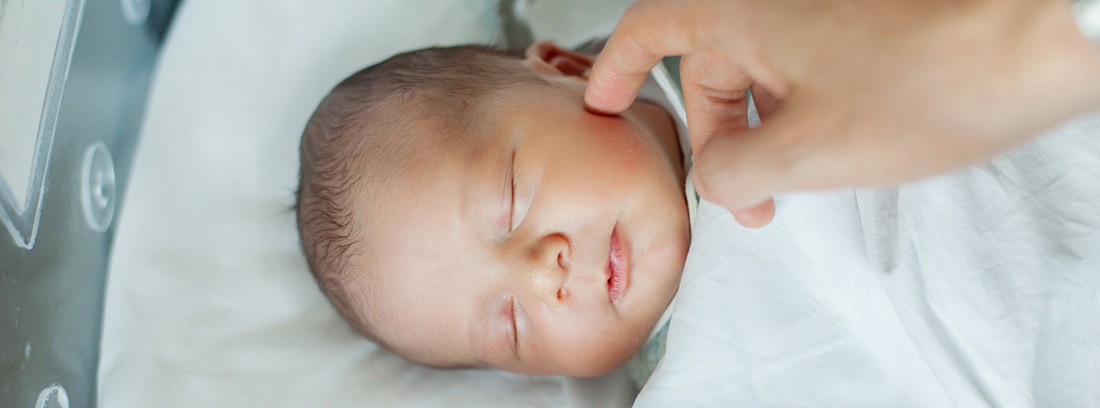
👶 What normal newborn breathing looks like
Babies breathe much faster than adults, mostly through the nose, and less regularly. In a healthy newborn at rest you can expect:
| Feature | Normal in the first months |
|---|---|
| Breathing rate | About 30 to 60 breaths a minute while awake and calm; slower in deep sleep |
| Rhythm | Irregular: bursts of fast breathing, then slower breathing, then short pauses |
| Pauses | Up to about 10 seconds, followed by normal breathing on its own |
| Sounds | Snuffles, whistles and gentle grunts from small, narrow nasal passages |
| Colour | Stays pink; hands and feet may look slightly bluish when cold, which is normal |
To count breaths, watch the tummy rather than the chest for a full minute while the baby is calm or asleep. Counting for only 15 seconds is misleading, because the rhythm changes so much.
🔄 Periodic breathing: normal pauses
Periodic breathing is the name for the pattern that frightens so many parents. The baby breathes normally, then pauses for 5 to 10 seconds, then breathes rapidly for a few seconds, and the cycle repeats. It is most noticeable in active sleep, the lighter stage when eyelids flutter and limbs twitch.
It happens because the part of the brain that controls breathing is not yet fully mature. It is common in all newborns, even more so in babies born early, and it fades over the first few months. The baby's colour stays normal throughout, and breathing restarts without any help.
⚠️ When a pause is apnoea
Apnoea in babies means a pause in breathing lasting 20 seconds or more, or a shorter pause that comes with colour change, a slow heart rate, or floppiness.
| Periodic breathing | Apnoea | |
|---|---|---|
| Length of pause | Under about 10 seconds | 20 seconds or more, or shorter with other signs |
| Colour | Stays pink | May turn pale, grey or blue around the lips |
| Muscle tone | Normal | May go limp or floppy |
| Restarting | On its own | May need stimulation to restart |
| Who has it | Almost all newborns | Mainly premature babies, or babies who are unwell |
🚨 Call for help immediately if
🔴 Call emergency services if your baby:
- stops breathing for 20 seconds or more, or does not restart on their own
- turns blue or grey around the lips, tongue or face
- goes limp or floppy, or is very hard to wake
- is struggling to breathe: the skin sucks in between the ribs or below the breastbone, the nostrils flare, or the head bobs with each breath
- makes a grunting noise with every breath and seems unwell
- has pauses together with a fever, poor feeding or unusual sleepiness, especially under three months
If a baby is not breathing, start infant CPR while help is on the way. Learning infant CPR before or soon after birth is one of the best things parents can do.
📋 Causes of real apnoea
When a baby does have true apnoea, doctors look for a cause. The most common are:
- Prematurity
- Apnoea of prematurity is very common in babies born before about 34 weeks. It is monitored and treated in the neonatal unit, often with caffeine, and usually resolves by around the original due date or a few weeks later.
- Infection
- In young babies, apnoea can be an early sign of serious infection, including bronchiolitis and whooping cough, sometimes before fever or cough appear.
- Reflux and choking
- Milk coming back up can cause a brief pause and gagging during or after feeds. It usually settles quickly when the baby is held upright.
- Blocked airway
- Enlarged tonsils and adenoids cause obstructive sleep apnoea in older babies and toddlers, with loud snoring, gasping and restless sleep. The same condition in adults is covered in our guide to sleep apnoea.
- Other causes
- Low blood sugar, anaemia, seizures, heart problems and some medicines given to the mother before birth.
📝 After a frightening episode: BRUE
Sometimes a baby has a short episode, usually under a minute, where they suddenly change colour, stop breathing or go floppy and then recover completely. Doctors call this a brief resolved unexplained event, or BRUE. Any such episode needs same-day medical assessment. Many turn out to be low-risk, especially in babies over two months who were born at term and have had only one episode, but it is important to check for infection, reflux, seizures and heart rhythm problems.
If this happens, note the time, how long it lasted, the baby's colour and tone, what they were doing, and what helped. A phone video of anything recurring is very useful to the doctor.
🛏️ Safe sleep: what reduces risk
Periodic breathing is not dangerous. Sudden infant death is a separate and rare tragedy, and a few simple habits reduce its risk substantially.
| Do | Avoid |
|---|---|
| Place your baby on their back for every sleep, day and night | Tummy or side sleeping until the baby rolls over confidently on their own |
| Firm, flat mattress in a cot or crib with a fitted sheet | Pillows, bumpers, soft toys, loose blankets, sofas and armchairs |
| Room-share in the parents' room for at least the first six months | Sharing a bed after drinking alcohol, taking sedating medicines or smoking, or with a premature or low birth weight baby |
| Keep the baby smoke-free, before and after birth | Overheating: no hats indoors while sleeping; keep the room comfortably cool |
| Breastfeed if you can, and offer a dummy at sleep time once feeding is established | Weighted blankets, sleep positioners and inclined sleepers |
📱 Should I use a breathing monitor?
Home breathing and oxygen monitors sold to parents have not been shown to prevent sudden infant death in healthy babies, and false alarms can cause a great deal of anxiety. Some babies, such as premature babies discharged with apnoea or those with certain medical conditions, are sent home with a medical monitor on a doctor's advice. For healthy babies, safe sleep habits matter far more than any gadget.
🤮 Noisy breathing that is usually harmless
- Snuffly nose — newborns have narrow nasal passages. Saline drops and gentle suction help feeding when stuffy
- Grunting in sleep — occasional grunts while settling are normal; constant grunting with every breath is not
- Hiccups — very common and harmless
- Squeaky breathing that is worse on the back — often laryngomalacia, a floppy voice box that most babies outgrow; mention it to the doctor, especially if feeding is difficult
📞 When to see a doctor
- Any episode of colour change, floppiness or a long pause — same day, even if the baby recovered
- Breathing faster than 60 breaths a minute at rest, or working hard to breathe
- Fever in a baby under three months — urgently
- Loud snoring with pauses and gasping in an older baby or toddler
- Poor feeding, fewer wet nappies or unusual sleepiness
- A premature baby whose pauses seem to be getting longer or more frequent at home
Fainting and breath-holding spells in toddlers are a different thing, explained in our guide to fainting in children. Head injury from shaking, which can also cause breathing problems, is covered in our guide to shaken baby syndrome.
❓ Frequently asked questions
Is it normal for my newborn to stop breathing for a few seconds?
Yes. Pauses of up to about 10 seconds, followed by normal or faster breathing, are called periodic breathing and are normal in the first months. The baby stays pink and restarts breathing on their own.
How fast should a newborn breathe?
About 30 to 60 breaths a minute when awake and calm, and slower in deep sleep. Count by watching the tummy for a full minute, because the rhythm changes.
What is the difference between periodic breathing and apnoea?
Periodic breathing involves short pauses under about 10 seconds with normal colour and no help needed. Apnoea is a pause of 20 seconds or more, or a shorter pause with colour change, a slow heart rate or floppiness.
When should I call an ambulance for my baby's breathing?
If breathing stops for 20 seconds or more, the baby turns blue or grey, goes limp, is struggling to breathe with sucking in between the ribs, or grunts with every breath and seems unwell.
What is apnoea of prematurity?
Pauses in breathing common in babies born before about 34 weeks, because breathing control is immature. It is monitored in the neonatal unit, often treated with caffeine, and usually resolves around the original due date or a few weeks later.
Why does my baby grunt while sleeping?
Occasional grunts while settling or passing wind are normal. Grunting with every breath, especially with fast breathing or poor colour, can mean breathing difficulty and needs urgent assessment.
Do baby breathing monitors prevent SIDS?
They have not been shown to prevent sudden infant death in healthy babies. Back sleeping on a firm flat surface, room-sharing, a smoke-free home and avoiding overheating reduce risk much more.
What is a BRUE?
A brief resolved unexplained event: a short episode where a baby suddenly changes colour, stops breathing or goes floppy and then fully recovers. It needs same-day medical assessment to check for causes such as infection, reflux or seizures.
When does periodic breathing stop?
It becomes less frequent over the first few months as breathing control matures, and usually fades by around six months. It lasts longer in babies born early.
Can babies have sleep apnoea like adults?
Yes, older babies and toddlers can have obstructive sleep apnoea, usually from enlarged tonsils and adenoids, with loud snoring, gasping and restless sleep. It should be assessed by a doctor.
📑 Sources and editorial
- Paediatric guidance on normal neonatal breathing and periodic breathing
- Clinical guidance on apnoea of prematurity and caffeine treatment
- Clinical practice guideline on brief resolved unexplained events in infants
- Safe sleep recommendations for reducing the risk of sudden infant death
- Statements on home cardiorespiratory monitors in healthy infants
- Related reading: sleep apnoea, fainting in children, shaken baby syndrome
- RXshop Editorial Team — reviewed by Anita Sharma, MD, OB-GYN
Medical Disclaimer: The information in this article is for educational and informational purposes only and is not a substitute for professional medical advice, diagnosis, or treatment. Always seek guidance from a qualified healthcare provider with any questions you may have regarding a medical condition, and before starting, stopping or changing any medication.