Buy Valtrex (Valacyclovir) Online — GSK Standard Anti-Herpes Antiviral for Herpes Zoster (Shingles), Genital Herpes & Cold Sores (HSV-2 Transmission Reduction)

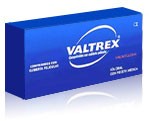
Valtrex is the original brand-name formulation of Valacyclovir — one of the most widely prescribed anti-herpes antiviral medications globally and the modern oral standard for herpes simplex virus (HSV) and varicella-zoster virus (VZV) infections. Developed by GlaxoSmithKline (GSK) and FDA-approved since 1995, Valtrex is distinguished by its significantly higher oral bioavailability compared to acyclovir — making it the preferred oral antiviral for herpes zoster (shingles), genital herpes, and cold sores. Listed on the WHO Model List of Essential Medicines, Valacyclovir is uniquely FDA-approved for reduction of HSV-2 sexual transmission with suppressive therapy.
The active ingredient is Valacyclovir Hydrochloride, an L-valyl ester prodrug of acyclovir. After oral administration, Valacyclovir is rapidly hydrolyzed by valacyclovir hydrolase to acyclovir, achieving ~55% bioavailability — 3-5x better than acyclovir itself (15-30%). Acyclovir is then phosphorylated by viral thymidine kinase (TK) to its active triphosphate, which selectively inhibits viral DNA polymerase. TK-dependent activation provides excellent selectivity for virus-infected cells.
Valtrex is FDA-approved for acute herpes zoster (shingles) in immunocompetent adults, recurrent genital herpes (HSV-2) treatment, suppression of recurrent genital herpes (including reduction of sexual transmission), cold sores (orolabial herpes — single-day regimen), recurrent mucocutaneous HSV in HIV-positive patients, and chickenpox in immunocompetent pediatric patients (2+ years). Off-label uses include Bell's palsy adjunct, herpes simplex keratitis, HSV prophylaxis in immunocompromised, and CMV prophylaxis in transplant patients (high dose).
The medication is available as Valtrex 500 mg and 1 g (1000 mg) tablets. Standard adult dosing varies by indication: herpes zoster 1 g three times daily for 7 days, recurrent genital herpes 500 mg BID for 3 days, genital herpes suppression 500 mg once daily, cold sores 2 g BID for 1 day (single-day regimen), and HSV in HIV+ 1 g BID for 5-10 days.
Critical safety considerations include generally excellent tolerability — most common side effects are mild headache, nausea, fatigue. Important concerns: acute renal failure (especially in dehydration, elderly, or high doses), rare thrombotic thrombocytopenic purpura/hemolytic uremic syndrome (TTP/HUS) in immunocompromised patients, CNS side effects (encephalopathy, hallucinations, confusion) in elderly and renal impairment, mandatory renal dose adjustment for CrCl below 50 mL/min.
Free prescription
Discrete packaging
Have questions?
Quality Assurance
- Acute Shingles Treatment: For acute shingles within 72 hours of rash onset (1 g three times daily x 7 days);
- Postherpetic Neuralgia Reduction: Reduces incidence of post-herpetic neuralgia following shingles;
- Recurrent Genital Herpes: FDA-approved for recurrent genital herpes (HSV-2) treatment (500 mg BID x 3 days);
- Genital Herpes Suppression: FDA-approved for chronic suppression of recurrent genital herpes (500 mg once daily);
- HSV Transmission Reduction FDA: FDA-approved for reduction of HSV-2 sexual transmission — signature unique indication;
- Orolabial Herpes / Cold Sores: FDA-approved for recurrent orolabial herpes/cold sores (HSV-1) — single-day 2 g BID regimen;
- Cold Sore Single Day Regimen: Convenient single-day 2 g BID regimen for recurrent cold sores;
- HSV HIV Positive Patients: FDA-approved for recurrent mucocutaneous HSV in HIV-positive patients (1 g BID);
- Chickenpox Pediatric: FDA-approved for chickenpox (varicella) in immunocompetent pediatric patients 2+ years;
- First Episode Genital Herpes: For first-episode genital herpes (1 g BID x 10 days);
- Herpes Simplex Keratitis: Off-label for herpes simplex keratitis (with ophthalmology specialist);
- Eczema Herpeticum: Off-label for eczema herpeticum (HSV infection in atopic dermatitis);
- HSV Encephalitis Step Down: Off-label oral step-down after IV acyclovir for HSV encephalitis;
- HSV Immunocompromised: Off-label for HSV infection in immunocompromised patients;
- CMV Prophylaxis Transplant: Off-label high-dose for CMV prophylaxis in transplant patients;
- Bell Palsy HSV Reactivation: Off-label adjunct for Bell's palsy associated with HSV reactivation;
- HSV Whitlow: Off-label for herpetic whitlow (HSV finger infection);
- HSV Pregnancy Suppression: For HSV suppression late in pregnancy to reduce neonatal HSV transmission;
- Recurrent HSV Suppression: For chronic suppression in patients with frequent HSV recurrences;
- Renal Dose Adjusted HSV: Renal dose adjustment for CrCl below 50 mL/min — flexible dosing in renal impairment.
- Less Shingles Pain: Reduction in acute shingles pain duration and severity;
- Less Postherpetic Neuralgia: Reduces incidence and severity of post-herpetic neuralgia following shingles;
- Faster Shingles Rash Resolution: Accelerates herpes zoster rash crusting and resolution;
- Less Genital Herpes Episode Duration: Shortens duration of recurrent genital herpes episodes;
- Less Genital Herpes Symptoms: Reduces severity of genital herpes recurrence symptoms;
- Faster Genital Herpes Healing: Accelerates lesion healing in recurrent genital herpes;
- Less Genital Herpes Frequency: Suppressive therapy significantly reduces recurrence frequency;
- Less HSV-2 Sexual Transmission: FDA-approved reduction in HSV-2 sexual transmission to partners — signature unique benefit;
- Less Cold Sore Duration: Single-day 2 g BID regimen effectively reduces cold sore episode duration;
- Faster Cold Sore Healing: Accelerates cold sore lesion healing with convenient single-day regimen;
- Less HSV Viral Shedding: Reduces viral shedding in recurrent HSV-1/HSV-2 infections;
- Less HIV-HSV Severity: Effective treatment of recurrent mucocutaneous HSV in HIV-positive patients;
- Less Chickenpox Severity: FDA-approved reduction in chickenpox severity in pediatric patients (2+ years);
- Less Neonatal HSV Risk: Off-label suppression late in pregnancy reduces neonatal HSV transmission;
- Better Daily Function: Return to normal daily activities with faster healing of herpes episodes;
- Better Quality of Life: Substantial quality of life improvement through reduced HSV recurrence frequency and severity;
- Less Psychological Distress HSV: Reduces psychological distress associated with recurrent genital herpes;
- Better Sexual Health: Reduces interference with sexual relationships from HSV recurrences;
- Excellent Tolerability: Generally excellent tolerability with minimal side effects;
- Brand Valtrex: Original GlaxoSmithKline brand of Valacyclovir with established global clinical reputation since 1995;
- Generic Valacyclovir: Affordable generic versions expand global access to gold-standard anti-herpes therapy;
- Acyclovir L Valyl Prodrug: L-valyl ester prodrug of acyclovir with superior oral bioavailability;
- 55 Percent Oral Bioavailability: ~55% oral bioavailability vs 15-30% for acyclovir — 3-5x improvement;
- Anti Herpes Antiviral: Foundational anti-herpes antiviral medication;
- Nucleoside Analog Antiviral: Foundational nucleoside analog antiviral class;
- Viral DNA Polymerase Inhibition: Viral DNA polymerase inhibition mechanism — selective for infected cells via TK activation;
- Selective Virus Infected Cells: TK-dependent activation provides selectivity for virus-infected cells — excellent safety profile;
- Shingles First Line Oral: First-line oral therapy for acute herpes zoster (shingles) in immunocompetent adults;
- Genital Herpes Standard: Standard therapy for recurrent genital herpes treatment and suppression;
- Cold Sore Standard: Standard therapy for recurrent orolabial herpes/cold sores with convenient single-day regimen;
- HSV Transmission Reduction FDA: Uniquely FDA-approved for reduction of HSV-2 sexual transmission — signature distinction;
- Pediatric Chickenpox FDA: FDA-approved for pediatric chickenpox (varicella) treatment from age 2 years;
- Convenient Twice Daily: Twice-daily dosing for most indications — fewer doses than acyclovir's 5x daily;
- WHO Essential Medicine: Listed on the WHO Model List of Essential Medicines;
- 25 Plus Year Anti Herpes History: Extensive real-world safety and efficacy data since 1995 across hundreds of millions of patient courses.
Generic Valtrex (Valacyclovir 500 mg) Medication guide:
📖 What Is Valtrex Cipla Valacyclovir Herpes Antiviral
💊 Valtrex is the widely used oral valacyclovir hydrochloride - an antiviral medication that has transformed herpes simplex virus (HSV) and varicella-zoster virus (VZV) management since its FDA approval on June 23, 1995. Originally developed by Glaxo Wellcome (later merged into GlaxoSmithKline) as an improved prodrug of the earlier antiviral acyclovir, Valtrex delivered substantially better oral bioavailability that enabled convenient once-daily to three-times-daily dosing. The Valtrex product available on RXshop is the Cipla Limited generic version.
🧪 Valacyclovir is a guanosine nucleoside analog prodrug. After oral absorption, it undergoes rapid first-pass hydrolysis to acyclovir plus the amino acid L-valine. The released acyclovir is then selectively phosphorylated by viral thymidine kinase in HSV or VZV infected cells, achieving selective antiviral activity while sparing uninfected cells. This mechanism-based specificity underlies the drug excellent tolerability profile and clean therapeutic index.
📇 Valtrex product snapshot
| Generic name | Valacyclovir hydrochloride |
| Chemical class | L-valyl ester prodrug of acyclovir; guanosine nucleoside analog |
| Innovator origin | Glaxo Wellcome; subsequently GlaxoSmithKline (GSK) after 2000 merger |
| Cipla generic sponsor | Cipla Limited (Mumbai, India) - the version available on RXshop |
| FDA approval | June 23, 1995 (HSV and VZV indications); HSV-2 transmission reduction indication added 2003 |
| Formulations | Valtrex 500 mg and 1000 mg film-coated caplets |
| Typical adult dose | Indication-specific: 500 mg once daily (suppression) to 1000 mg three times daily (shingles) |
| Bioavailability advantage | Approximately 54% (valacyclovir) vs 15-30% (oral acyclovir) - major improvement enabling convenient dosing |
| Modern primary indications | Genital herpes (HSV-2), cold sores (HSV-1), shingles (VZV), chickenpox (VZV), HSV-2 sexual transmission reduction |
| Tolerability signature | Well-tolerated; nausea and headache most common; low overall adverse effect burden |
✅ Modern positioning: valacyclovir has become the first-line antiviral for HSV and VZV in adult clinical practice globally. Its convenient dosing (compared to the 5-times-daily oral acyclovir that preceded it) has made valacyclovir the preferred option for both episodic and suppressive HSV therapy. For shingles, valacyclovir provides equivalent efficacy to acyclovir with three-times-daily dosing rather than 5-times-daily. Valtrex remains on the WHO Model List of Essential Medicines for HSV and VZV management.
🌟 Unique labeled indication: Valtrex is the only antiviral with a specific FDA-labeled indication for reducing HSV-2 sexual transmission to susceptible partners. This unique indication - added in 2003 based on the landmark Corey 2004 NEJM trial - reflects Valtrex distinctive role in HSV public health beyond simply treating symptomatic outbreaks.
📜 History from Glaxo Wellcome 1995 to Cipla Generic
📜 The story of valacyclovir represents a classic example of medicinal chemistry improving upon a successful predecessor drug. Acyclovir - the parent compound - had already established selective antiherpes activity in the late 1970s and early 1980s through Gertrude Elion Nobel Prize-winning research at Burroughs Wellcome. Valacyclovir emerged as a targeted prodrug improvement designed specifically to overcome acyclovir poor oral bioavailability while preserving its mechanism-based safety.
📅 Valacyclovir historical journey
🧪 1974-1978 - Acyclovir discovery — Gertrude Elion and Howard Schaeffer at Burroughs Wellcome synthesize and characterize acyclovir - the first selective antiherpes agent. Acyclovir demonstrates unique viral thymidine kinase-dependent selectivity. Elion later shares the 1988 Nobel Prize in Physiology or Medicine partly for this work.
💊 1982 - Zovirax (acyclovir) FDA approval — IV acyclovir approved 1982; oral acyclovir 1985; topical formulations following. Establishes selective antiviral therapy paradigm. Poor oral bioavailability (15-30%) requires 5-times-daily dosing - practical limitation for chronic suppression therapy.
🔬 Late 1980s-early 1990s - Prodrug development — Glaxo Wellcome medicinal chemists including Lilia M. Beauchamp and colleagues develop valacyclovir - the L-valyl ester prodrug of acyclovir. Structure designed for enhanced intestinal peptide transporter (PEPT1) absorption followed by rapid hydrolysis to release acyclovir systemically.
📊 1992 - Beauchamp et al. publication — Landmark publication describing valacyclovir prodrug design, absorption via PEPT1, and hydrolysis kinetics. Establishes approximately 54% oral bioavailability - roughly 3-4x improvement over parent acyclovir - enabling once-daily to three-times-daily dosing.
📅 June 23, 1995 - Valtrex FDA approval — Valtrex approved by FDA for herpes zoster (shingles) treatment. Approval based on Beutner et al. 1995 pivotal trial showing valacyclovir non-inferior to acyclovir with three-times-daily rather than five-times-daily dosing.
🗓️ 1996 - Genital herpes indication — FDA extends Valtrex approval to genital herpes treatment and suppression. Multiple registration trials support both initial episode and recurrent episode indications, plus daily suppression for frequent recurrences.
🔱 2000 - GlaxoSmithKline formation — Glaxo Wellcome and SmithKline Beecham merge to form GlaxoSmithKline (GSK). Valtrex becomes central component of the GSK antiviral portfolio alongside Zovirax (acyclovir), Combivir, and other antiretrovirals.
💄 2002 - Herpes labialis indication — FDA approves Valtrex for cold sores (herpes labialis) based on Tyring et al. 2000 pivotal trial. One-day 2000 mg twice daily regimen becomes new standard for herpes labialis treatment.
💔 2003 - Sexual transmission reduction indication — Landmark FDA approval of Valtrex 500 mg once daily for reducing HSV-2 sexual transmission to susceptible partners. This unique indication - based on Corey et al. 2004 NEJM landmark trial - remains the only such labeled indication for any antiviral medication.
🔶 2007 - Boxed warning removed — FDA removes historical boxed warning for thrombotic thrombocytopenic purpura/hemolytic uremic syndrome (TTP/HUS) in immunocompromised patients as inadequately supported by subsequent evidence. Warnings remain in label but as standard warnings rather than boxed.
💰 2009 - Generic valacyclovir launches — US patent expires; multiple generic manufacturers including Cipla, Ranbaxy, Teva, and others launch generic valacyclovir. Prices decline dramatically. Cipla generic Valtrex becomes widely available including on RXshop.
🌍 Present - Global mainstay — Valacyclovir remains one of the most prescribed antiviral medications globally. WHO Essential Medicines status continues. Cipla and other generic manufacturers support affordable global access.
🌟 Historical significance beyond the drug itself: valacyclovir represents the successful application of prodrug medicinal chemistry to overcome an oral bioavailability limitation in an otherwise successful drug. The design approach - amino acid ester leveraging intestinal peptide transporters - has since been applied to other drugs. Beauchamp and colleagues at Glaxo Wellcome demonstrated how targeted structural modification could transform a 5-times-daily inconvenient antiviral into a practical once-to-three-times-daily therapy.
🧪 Chemistry L-Valyl Ester Prodrug of Acyclovir
🧪 Valacyclovir is chemically a L-valyl ester prodrug of acyclovir. The molecule combines the acyclovir parent structure - an acyclic guanosine analog with an incomplete ribose sugar - with the natural amino acid L-valine attached as an ester at the 5-prime hydroxyl position. This structural design was engineered specifically to exploit intestinal peptide transporters (PEPT1) for enhanced absorption.
⚗️ Valacyclovir chemical characteristics
| IUPAC name | 2-[(2-amino-6-oxo-1H-purin-9-yl)methoxy]ethyl (2S)-2-amino-3-methylbutanoate hydrochloride |
| Molecular formula | C13H20N6O4 (free base); C13H20N6O4 HCl (hydrochloride salt) |
| Molecular weight | 324.34 g/mol (free base); 360.80 g/mol (hydrochloride) |
| Physical form | White to nearly white powder |
| Aqueous solubility | Approximately 174 mg/mL at 25 C (soluble as hydrochloride salt) |
| Chemical class | L-valyl ester prodrug of acyclovir (guanosine nucleoside analog) |
| Key design feature | L-valine ester enables intestinal peptide transporter (PEPT1) uptake |
| Active metabolite | Acyclovir (via first-pass hydrolysis by valacyclovir hydrolase) |
| Related compounds | Acyclovir (parent); ganciclovir (related structure); valganciclovir (analogous prodrug strategy for ganciclovir) |
🎯 Prodrug design significance
💎 The L-valine ester is the defining prodrug feature and represents brilliant application of medicinal chemistry. Several structural elements contribute to the design success:
🔑 PEPT1 substrate recognition — The L-valine amino acid moiety makes valacyclovir a substrate for intestinal peptide transporter PEPT1 (SLC15A1) - normally responsible for dipeptide and tripeptide absorption. This active transport mechanism achieves substantially higher absorption than the parent acyclovir which relies only on passive diffusion.
🔑 Rapid hydrolysis after absorption — After absorption, valacyclovir hydrolase (BPHL enzyme) in hepatic and intestinal tissues rapidly cleaves the ester bond releasing free acyclovir and L-valine. Conversion is essentially complete within the first-pass metabolism - very little intact valacyclovir reaches systemic circulation.
🔑 Same antiviral mechanism as acyclovir — Since valacyclovir is essentially just a delivery vehicle for acyclovir, all antiviral activity and mechanism-based selectivity is inherited unchanged. The prodrug is therapeutically equivalent to higher-dose acyclovir with simpler dosing.
🔑 Natural amino acid safety — Using natural L-valine as the ester component means the hydrolysis byproduct is a completely benign nutritional amino acid. No metabolite toxicity concerns from the prodrug component itself.
🔗 Related compounds and family: the prodrug strategy applied to valacyclovir was later applied to ganciclovir - producing valganciclovir for cytomegalovirus (CMV) with similar bioavailability improvement. The family of nucleoside analog prodrugs employing amino acid esters continues to expand.
📦 Valtrex formulations: Valtrex 500 mg and 1000 mg film-coated caplets. No liquid oral suspension is FDA-approved (though extemporaneous formulations can be compounded for pediatric use where tablet swallowing is difficult). Multiple generic valacyclovir formulations from Cipla and other manufacturers are available at accessible prices worldwide.
🌟 Cipla generic bioequivalence: Cipla generic valacyclovir has demonstrated bioequivalence to the innovator GSK Valtrex product through standard pharmacokinetic studies. Clinical outcomes with Cipla generic valacyclovir match innovator product performance in HSV and VZV therapy.
⚙️ Mechanism Bioconversion Chain Termination HSV VZV
⚙️ Valacyclovir mechanism operates through a beautiful two-stage cascade: prodrug bioconversion to acyclovir, followed by acyclovir selective phosphorylation and chain termination in HSV or VZV infected cells. Understanding this cascade explains both the antiviral selectivity and the excellent safety profile of Valtrex therapy.
🔬 Two-stage mechanism framework
💩 Stage 1a - PEPT1-mediated absorption — Ingested valacyclovir is actively transported across intestinal epithelium via PEPT1 (SLC15A1) peptide transporter. This active transport achieves approximately 54% bioavailability - substantially better than parent acyclovir passive diffusion (15-30%).
✂️ Stage 1b - Rapid hydrolysis to acyclovir — Valacyclovir hydrolase (BPHL enzyme) in intestinal and hepatic tissues rapidly cleaves the L-valine ester. Within minutes to first-pass, essentially all valacyclovir converts to acyclovir plus L-valine. Very little intact valacyclovir reaches systemic circulation.
🧩 Stage 2a - Selective viral thymidine kinase phosphorylation — Acyclovir diffuses into all cells (infected and uninfected) but only HSV or VZV thymidine kinase (TK) can efficiently phosphorylate acyclovir to acyclovir monophosphate. Uninfected cells lack this activity - acyclovir remains inactive in them. This is the key selectivity step.
🧪 Stage 2b - Cellular kinase conversion to triphosphate — Cellular guanylate kinase converts monophosphate to acyclovir diphosphate. Nucleoside diphosphate kinase and other cellular enzymes convert diphosphate to acyclovir triphosphate - the active antiviral species. Concentration in infected cells becomes much higher than uninfected cells.
💥 Stage 2c - Competition at viral DNA polymerase — Acyclovir triphosphate competes with natural deoxyguanosine triphosphate (dGTP) for incorporation into growing viral DNA strand by HSV or VZV DNA polymerase. Viral polymerase incorporates acyclovir preferentially.
❌ Stage 2d - Obligate chain termination — Once acyclovir is incorporated, the missing 3-prime hydroxyl on the sugar prevents further nucleotide addition. Viral DNA synthesis stops. The viral polymerase becomes trapped on the terminated strand - a form of "suicide inhibition" further enhancing the antiviral effect.
🎯 Selectivity and safety implications
🔑 The selectivity design produces remarkable clinical safety through several mechanisms:
- 🧩 Viral TK requirement - only HSV/VZV infected cells accumulate active drug; uninfected cells barely affected
- 🧬 Viral polymerase preference - acyclovir triphosphate is a much better substrate for viral DNA polymerase than cellular DNA polymerases
- 👤 Cellular sparing - normal human cell DNA replication is minimally affected
- 🧪 No mitochondrial toxicity - unlike some NRTIs for HIV, acyclovir does not meaningfully affect mitochondrial DNA polymerase gamma
- 🔱 No lipid solubility issues - moderate hydrophilicity means limited CNS penetration under normal conditions
This mechanism-based specificity underlies the excellent Valtrex tolerability profile with adverse effects being predominantly mild and self-limited.
🔬 HSV vs VZV activity differences: valacyclovir/acyclovir has strong HSV-1 and HSV-2 activity and moderate VZV activity - approximately 10-fold lower against VZV than HSV. This activity difference is why higher doses are needed for VZV indications (1000 mg three times daily for shingles vs 500 mg twice daily for genital herpes). Both viruses have compatible thymidine kinase for phosphorylation.
❌ What acyclovir/valacyclovir does not treat: no meaningful activity against cytomegalovirus (CMV), HHV-6, HHV-7, HHV-8, Epstein-Barr virus (EBV), HIV, HBV, HCV, influenza, or COVID-19. The narrow HSV/VZV spectrum focuses Valtrex specifically on these two viral families. CMV requires ganciclovir/valganciclovir; EBV requires no specific antiviral typically.
🔬 Resistance mechanism preview: HSV/VZV resistance to acyclovir emerges primarily through viral thymidine kinase mutations that reduce acyclovir phosphorylation. Resistance is rare in immunocompetent patients but more common in severely immunocompromised patients with prolonged treatment (see section 33).
🔬 Pharmacokinetics Improved Bioavailability Over Acyclovir
🔬 Valacyclovir pharmacokinetics are characterized by excellent oral absorption via PEPT1 transporter, rapid essentially-complete conversion to acyclovir, and renal elimination of the active drug. Understanding these PK parameters supports appropriate dosing and dose adjustment framework.
📊 Valacyclovir pharmacokinetic parameters
| Parameter | Value |
|---|---|
| Oral bioavailability of acyclovir (from valacyclovir) | Approximately 54% - a 3-4-fold improvement over oral acyclovir (15-30%) |
| Peak plasma concentration (Tmax) | 1.5-2.5 hours after oral valacyclovir dose (acyclovir peak) |
| Effect of food | Minimal effect on absorption - can be taken with or without food |
| Valacyclovir plasma persistence | Very brief - essentially all converted to acyclovir within first-pass |
| Volume of distribution (acyclovir) | Approximately 0.7 L/kg (widely distributed to tissues) |
| Plasma protein binding (acyclovir) | Approximately 9-33% (low binding) |
| Cerebrospinal fluid penetration | Approximately 50% of plasma concentration (moderate CNS penetration) |
| Plasma elimination half-life (acyclovir) | Approximately 2.5-3.3 hours in healthy adults |
| Half-life in elderly and renal impairment | Substantially prolonged - up to 14 hours in severe renal impairment |
| Primary metabolism | Valacyclovir hydrolase converts to acyclovir plus L-valine; minimal further metabolism |
| CYP450 involvement | Minimal - essentially no cytochrome P450 interactions |
| Elimination pathway | Renal excretion of acyclovir as unchanged drug and metabolites; glomerular filtration + active tubular secretion (via organic anion transporters) |
| Renal impairment consideration | Substantial accumulation with reduced renal function - dose adjustment essential |
🎯 Practical PK implications
- 📊 Bioavailability transformation - the 54% bioavailability enables the convenient 3-times-daily or twice-daily or once-daily dosing that acyclovir 5-times-daily could not achieve
- 🫀 Renal elimination critical - dose adjustment for reduced renal function is essential (see section 16); crystal nephropathy risk in dehydrated patients
- 👴 Elderly considerations - age-related renal decline substantially prolongs acyclovir half-life; enhanced monitoring required
- 🧪 Minimal CYP450 interactions - clean interaction profile compared to many other medications
- 💧 Hydration important - adequate hydration supports renal elimination and prevents crystal nephropathy
- 📈 Steady state rapid - given short half-life, steady-state achievement occurs within 2-3 doses
🕑 Convenience over acyclovir: the improved bioavailability means valacyclovir 1000 mg is roughly equivalent to acyclovir 800 mg for antiviral effect. This enables convenient dosing schedules impossible with acyclovir including once-daily suppression (500 mg or 1000 mg) for HSV and three-times-daily rather than five-times-daily for shingles.
📈 Multi-dose accumulation profile: despite short single-dose half-life (2.5-3.3 hours), the twice-daily to three-times-daily dosing maintains adequate acyclovir plasma concentrations for continuous antiviral effect. Steady-state achievement within 2-3 doses ensures rapid onset of full therapeutic effect.
📋 FDA Indications HSV VZV Comprehensive Framework
📋 Valtrex FDA-approved indications span the full range of HSV and VZV clinical scenarios plus the distinctive HSV-2 sexual transmission reduction indication. Understanding the complete indication framework supports appropriate clinical use across this broad therapeutic scope.
📋 FDA-approved indications framework
| Indication | Population | Approval |
|---|---|---|
| Herpes zoster (shingles) | Adults | 1995 (initial FDA approval) |
| Genital herpes - initial episode | Adults | 1996 |
| Genital herpes - recurrent episodes | Adults | 1996 |
| Genital herpes - chronic suppression | Adults; immunocompetent and HIV-infected | 1996 |
| Herpes labialis (cold sores) | Adults and pediatric 12+ years | 2002 |
| HSV-2 sexual transmission reduction | Adults; heterosexual serodiscordant couples | 2003 (unique labeled indication) |
| Chickenpox (varicella) | Pediatric 2-17 years | Various label extensions |
| Genital herpes suppression in HIV | HIV-infected adults | Specific HIV coinfection labeling |
🌟 The unique HSV-2 sexual transmission reduction indication
The HSV-2 sexual transmission reduction indication is Valtrex most distinctive labeled use. Based on the landmark Corey et al. 2004 NEJM trial, daily valacyclovir 500 mg reduces HSV-2 acquisition by susceptible partners in serodiscordant heterosexual couples by approximately 50%. This is the only antiviral medication with a specific FDA-labeled indication for reducing sexual transmission of a viral infection. This indication reflects Valtrex distinctive role in HSV public health beyond simply treating symptomatic outbreaks - it can help prevent HSV-2 acquisition in relationships where one partner is HSV-2 positive.
🌍 WHO Essential Medicines and global positioning: valacyclovir is on the WHO Model List of Essential Medicines for HSV and VZV treatment. WHO Prequalification of multiple generic valacyclovir manufacturers including Cipla supports global procurement. Valacyclovir is used in national HIV programs where HSV coinfection is common, given HSV coinfection can amplify HIV shedding.
🎯 Modern practice framework - broad clinical use: valacyclovir is widely prescribed across many clinical settings including primary care (cold sores, uncomplicated genital herpes), dermatology (recurrent HSV), infectious disease (complicated HSV/VZV), women's health (HSV suppression during pregnancy near delivery), and specialized care (immunocompromised HSV/VZV management).
❌ What valacyclovir does not treat: no meaningful activity against CMV, HHV-6/7/8, EBV, HIV, HBV, HCV, or non-herpesvirus infections. This narrow HSV/VZV spectrum focuses Valtrex specifically on these viral families. Modern CMV treatment uses ganciclovir/valganciclovir; EBV rarely warrants specific antiviral; HIV requires antiretroviral therapy.
🚭 Genital Herpes HSV-2 Treatment and Suppression
🚭 Genital herpes - primarily caused by HSV-2 but with increasing HSV-1 involvement in some populations - is one of the most common indications for Valtrex prescribing globally. Valacyclovir provides treatment for initial infection, episodic treatment of recurrences, and daily suppression to prevent recurrences.
🚭 Genital herpes clinical framework
📊 Epidemiology — HSV-2 infects approximately 13% of adults worldwide per WHO estimates, with substantial regional variation. In the US, approximately 12% of adults aged 14-49 are HSV-2 seropositive. Most infections are asymptomatic or unrecognized - many people with HSV-2 do not know they have it.
🔑 Initial episode treatment — First clinical HSV-2 outbreak - typically the most severe presentation with painful ulcers, systemic symptoms (fever, malaise, lymphadenopathy). Valacyclovir 1000 mg twice daily for 10 days reduces symptom duration, viral shedding, and lesion healing time. Start therapy within 72 hours of symptom onset when possible.
🔄 Episodic recurrent episode treatment — For recurrent outbreaks - typically less severe than initial episode. Valacyclovir 500 mg twice daily for 3 days is the standard regimen. Patient-initiated therapy at prodromal symptoms (tingling, itching) or early lesions provides best benefit. Duration of episode reduced by 1-2 days typically.
📅 Daily suppressive therapy — For patients with 6 or more recurrences per year or who prefer daily therapy to prevent outbreaks. Valacyclovir 500 mg or 1000 mg once daily. Reduces outbreak frequency by approximately 70-80%. Some patients experience complete outbreak suppression. Continuous therapy typically continues for years or life.
💔 Reduction of sexual transmission — Valacyclovir 500 mg once daily reduces HSV-2 acquisition by susceptible partners in serodiscordant heterosexual couples by approximately 50% (Corey 2004 NEJM). This unique FDA-labeled indication is specific to Valtrex. Discussed in detail in section 11.
👤 HIV-coinfected patients — HIV positive patients with HSV-2 recurrent outbreaks: valacyclovir 500 mg twice daily for suppression. Higher dosing than immunocompetent recommendations. HSV coinfection can increase HIV shedding and transmission risk - HSV suppression provides both direct HSV benefit and possible indirect HIV benefit.
👩 Pregnancy near delivery — Pregnant women with recurrent genital herpes: valacyclovir 500 mg twice daily starting at 36 weeks gestation until delivery to reduce recurrence risk and vaginal HSV shedding at delivery. Reduces need for cesarean delivery due to active HSV lesions. Standard practice per obstetric guidance.
🎯 Choosing suppression vs episodic strategy
- 📅 Suppression preferred for: frequent recurrences (6+/year), severe outbreaks, immunocompromise, desire to reduce transmission risk, near delivery in pregnancy
- 🔄 Episodic preferred for: infrequent outbreaks (fewer than 6/year), patient preference for treating only when symptomatic, financial considerations
- 🤝 Shared decision-making - discuss both approaches; patients often try both approaches and settle on preference
- 📈 Long-term suppression safe - trials extending to 10+ years show no cumulative safety concerns
🤝 Counseling essentials for genital herpes: important to counsel patients that valacyclovir controls but does not cure HSV-2 infection. Latent infection persists in sacral ganglia for life. Suppression reduces but does not eliminate transmission risk (asymptomatic shedding continues at reduced level). Barrier methods provide additional transmission risk reduction. Disclosure of HSV-2 status to sexual partners supports informed consent.
💓 Emotional and psychological support: HSV-2 diagnosis often causes substantial psychological distress including shame, depression, and relationship concerns. Compassionate counseling emphasizing that HSV-2 is common (13% of adults globally), manageable with therapy, and not defining of the person supports mental health. Referral to HSV support resources when appropriate.
🌍 Global access consideration: Cipla generic valacyclovir supports affordable HSV management in low- and middle-income countries where original Valtrex innovator pricing was prohibitive.
👄 Herpes Labialis Cold Sores Episodic Treatment
👄 Herpes labialis (cold sores) - typically caused by HSV-1 - is one of the most common human viral infections. Approximately 50-80% of adults have HSV-1 antibodies indicating past infection. Recurrent cold sores affect roughly 20-40% of HSV-1 seropositive individuals. Valacyclovir provides convenient one-day episodic treatment.
👄 Herpes labialis clinical framework
💥 Typical presentation — Recurrent cold sores usually appear on or near the lip vermillion border. Prodrome (tingling, burning, itching) 1-2 days before visible lesion. Progression from vesicles to ulcers to crusting to healing over 7-14 days typically. Triggers include sun exposure, stress, fever, menstruation, cold weather.
📅 Single-day episodic treatment — The FDA-approved regimen is valacyclovir 2000 mg orally twice daily for 1 day (4000 mg total over 12 hours). Total treatment is complete in one day. Based on Tyring et al. 2000 pivotal trial establishing the convenient single-day regimen.
🕑 Timing critical for maximum benefit — Best benefit when started at prodromal symptoms (tingling) before visible lesion. Modest benefit when started early in visible lesion stage. Limited benefit when started at fully developed lesion. Patient education about prodromal recognition is essential.
📊 Clinical benefits — Reduces episode duration by approximately 1 day when started early. Reduces lesion size and severity. Reduces frequency of progression to painful ulcerative lesions. Some patients experience aborted episodes (no visible lesion develops) when treatment started at prodrome.
👤 Adolescent use approved — FDA approval extends to pediatric patients age 12 years and older at same 2000 mg twice daily for 1 day dosing. Younger children with recurrent cold sores may receive lower doses under specialist guidance.
🔬 Chronic suppression — For patients with frequent debilitating cold sores (multiple per year), daily suppression may be considered. Valacyclovir 500 mg daily can reduce recurrences. Less commonly used than for genital herpes suppression given cold sores are typically less severe.
🎯 Patient counseling essentials
- 🕑 Recognize prodrome - tingling, burning, itching on lip 1-2 days before visible lesion is optimal time to start therapy
- 💊 Keep supply available - patients should have Valtrex on hand for rapid initiation at prodrome recognition
- ☀️ Sun protection - UV exposure is common trigger; sunscreen on lips (SPF 30+) helps prevent recurrences
- 💧 Stress management - stress reduction may reduce recurrence frequency for stress-triggered outbreaks
- 👤 Avoid kissing during outbreak - reduces transmission to partners and to other body sites including eyes
- 🤝 Do not share utensils, cups, lip products during active outbreaks
🔝 Alternative regimens: other regimens are available including famciclovir 1500 mg single dose (comparable efficacy to Valtrex 2000 mg twice daily for 1 day). Topical acyclovir cream provides modest benefit. Docosanol (Abreva) is OTC option with more limited efficacy. Valtrex oral regimen has strong evidence base and convenient dosing.
💀 Complications requiring attention: most cold sores heal without complication. Rare complications include herpes labialis dissemination in immunocompromised patients, HSV keratitis (severe eye infection from finger-to-eye transfer), erythema multiforme (allergic-like reaction), and rare secondary bacterial infection. Progressive or complicated presentations warrant specialist evaluation.
👤 Immunocompromised patients: immunocompromised patients (HIV, transplant recipients, chemotherapy) with cold sores may have more prolonged and severe episodes. Extended duration therapy (5-10 days) at higher doses may be appropriate. Specialist involvement supports individualized management.
💀 Shingles Herpes Zoster VZV Treatment Framework
💀 Herpes zoster (shingles) is caused by reactivation of latent varicella-zoster virus (VZV) - the same virus that causes chickenpox. VZV establishes latency in sensory ganglia after primary infection and can reactivate decades later. Valacyclovir is one of the first-line antivirals for shingles treatment and can substantially reduce the severity, duration, and risk of complications.
💀 Shingles clinical framework
💥 Typical presentation — Painful vesicular rash in a dermatomal distribution - typically unilateral, respecting the midline. Preceded by 2-4 days of dermatomal pain, tingling, or itching (prodromal phase). Rash progresses over 3-5 days from erythematous macules to vesicles to pustules to crusts. Healing over 2-4 weeks. Pain often severe.
📊 Epidemiology — Lifetime risk approximately 30% in general population. Incidence increases substantially with age - approximately 50% in adults reaching age 85. Risk factors include advancing age (over 50), immunocompromise (HIV, malignancy, transplant, immunosuppressive therapy), stress, and other factors.
💊 Standard treatment — Valacyclovir 1000 mg orally three times daily for 7 days. Higher doses than for HSV reflect the lower VZV thymidine kinase efficiency for acyclovir phosphorylation. Compare to acyclovir 800 mg five times daily for 7-10 days (equivalent but more inconvenient).
🕑 Timing critical — Antiviral benefit is maximal when started within 72 hours of rash onset. Some benefit may extend to 5-7 days after rash onset in patients with severe presentation or immunocompromise. Later initiation provides less benefit but may still be considered in specific scenarios.
📊 Clinical benefits — Reduces rash duration by 2-4 days. Reduces acute pain intensity and duration. Reduces risk of postherpetic neuralgia (PHN) - the most feared shingles complication. Reduces risk of dissemination to multiple dermatomes or systemic involvement.
💔 Postherpetic neuralgia (PHN) — Chronic severe neuropathic pain persisting after rash resolution. Affects approximately 10-15% of shingles patients overall - much higher in older adults (up to 30%+ in patients over 70). Antiviral therapy started within 72 hours reduces PHN risk substantially. PHN can persist for months to years and can be debilitating.
👁️ Herpes zoster ophthalmicus — Involves the trigeminal nerve V1 branch affecting eye and forehead. Requires urgent ophthalmology involvement due to risk of vision-threatening complications including keratitis, uveitis, and retinitis. Antiviral therapy essential and started urgently.
💀 Disseminated zoster — Severe presentation involving multiple dermatomes or systemic involvement. More common in immunocompromised patients. May require intravenous acyclovir rather than oral valacyclovir. Hospital admission typically appropriate.
🎯 Adjunctive therapy considerations
- 💉 Pain management - shingles pain can be severe; NSAIDs, acetaminophen, sometimes opioids for acute severe pain
- 🧠 Neuropathic pain agents - gabapentin, pregabalin, or amitriptyline for PHN or severe zoster pain
- 💉 Corticosteroids - considered in some cases (particularly severe pain) though evidence is mixed; not recommended in immunocompromised
- 🧴 Wound care - keep lesions clean and dry; avoid picking or scratching
- 💉 Vaccination for prevention - Shingrix vaccine dramatically reduces shingles risk in adults over 50 (see below)
🌟 Shingles vaccination (Shingrix) revolutionized prevention: Shingrix (recombinant zoster vaccine) approved 2017 provides over 90% efficacy in preventing shingles in adults 50+. Two-dose series. Vastly superior to the older Zostavax live vaccine. ACIP recommends Shingrix for all adults age 50 and older. Shingrix has become the mainstay of shingles prevention while valacyclovir treats established disease.
👤 Immunocompromised patients: patients with HIV, transplant, hematologic malignancy, or on immunosuppressive therapy may have severe, prolonged, or disseminated shingles. Higher doses, longer duration, or intravenous acyclovir may be needed. Specialist consultation typically appropriate.
🤝 Practical framework: for immunocompetent adults with typical dermatomal shingles: Valtrex 1000 mg three times daily for 7 days, start within 72 hours if possible. Adjunctive pain management. Consider corticosteroid based on severity. Refer to ophthalmology urgently if trigeminal V1 involvement. Discuss Shingrix for future prevention.
🧒 Chickenpox Varicella Pediatric and Adult Use
🧒 Chickenpox (varicella) is the primary VZV infection - typically an childhood disease though modern varicella vaccination has dramatically reduced pediatric incidence. Valacyclovir provides antiviral treatment for adolescents and adults with chickenpox and in specific pediatric scenarios.
🧒 Varicella clinical framework
💥 Typical presentation — Generalized vesicular rash starting on trunk and face, spreading to extremities. Vesicles at different stages simultaneously (macule, papule, vesicle, pustule, crust). Fever, malaise, headache. Duration typically 1-2 weeks with lesions at all stages of healing. Adults typically have more severe disease than children.
💉 Modern vaccination context — Varicella vaccination (Varivax) approved 1995 in US; standard childhood immunization since. Has dramatically reduced pediatric varicella incidence in vaccinated populations. Breakthrough cases in vaccinated individuals typically much milder. Countries without universal varicella vaccination still see substantial chickenpox in children.
🧒 Pediatric adolescent treatment — Valacyclovir 20 mg/kg three times daily for 5 days (maximum 1000 mg per dose) for adolescents ages 2-17 years. Start within 24 hours of rash onset for maximum benefit. Reduces duration and severity. Not routinely used in healthy young children with mild varicella.
👤 Adult treatment — Adult varicella is typically more severe than pediatric. Antiviral therapy generally recommended. Valacyclovir 1000 mg three times daily for 5-7 days or acyclovir equivalent. Start within 24 hours of rash onset. Reduces risk of complications including pneumonia, hepatitis, encephalitis.
⚠️ Higher-risk populations — Antiviral therapy specifically indicated for: adolescents and adults; immunocompromised patients (higher risk of complications); patients on chronic corticosteroids; patients with chronic pulmonary or skin conditions. In these populations, benefit from antiviral therapy is more pronounced.
🤰 Pregnancy considerations — Varicella in pregnancy carries risk of maternal pneumonia (severe), congenital varicella syndrome (if maternal infection in first 20 weeks), and neonatal varicella (if maternal rash within 5 days before or 2 days after delivery). Treatment individualized with specialist input; valacyclovir generally considered safe in pregnancy.
👶 Neonatal varicella — Newborn exposure to maternal varicella rash 5 days before to 2 days after delivery: varicella zoster immune globulin (VariZIG) plus antiviral therapy considered. Serious potentially fatal illness in newborns without maternal antibody protection.
⚠️ Varicella complications warranting attention
- 🫁 Secondary bacterial skin infection (Streptococcus, Staphylococcus) - common; requires antibiotic treatment
- 🫁 Varicella pneumonia - more common in adults and pregnant women; can be severe
- 🧠 Cerebellar ataxia - self-limited but concerning; typically resolves without treatment
- 🧠 Encephalitis - rare but serious; may require IV acyclovir
- 🪶 Hepatitis - typically mild; monitor transaminases
- 🧰 Reye syndrome - historical risk associated with aspirin use during varicella; avoid aspirin in children/adolescents with varicella
✅ Prevention primary goal: in countries with routine varicella vaccination, most children never develop chickenpox. Vaccination in childhood is preferred to natural infection. Adults who did not have chickenpox as child and are not vaccinated should be vaccinated. Post-exposure prophylaxis for susceptible immunocompromised patients uses VariZIG or antiviral therapy.
💓 Modern positioning: valacyclovir has an important but increasingly niche role in varicella treatment as vaccination has reduced pediatric varicella dramatically. Adult and immunocompromised varicella remain important indications. Modern varicella therapy uses valacyclovir preferentially over the historical acyclovir for its convenient dosing.
🤝 Practical framework: for healthy young children with mild chickenpox in vaccinated era: symptomatic care usually sufficient. For adolescents and adults, immunocompromised patients, and complicated cases: valacyclovir 20 mg/kg TID (pediatric) or 1000 mg TID (adult) for 5-7 days started within 24 hours of rash onset.
💔 HSV Suppression to Reduce Sexual Transmission
💔 The reduction of HSV-2 sexual transmission indication is Valtrex most distinctive labeled use - a public health intervention beyond simply treating symptomatic outbreaks. Based on the landmark Corey et al. 2004 NEJM trial, daily valacyclovir 500 mg reduces HSV-2 acquisition by susceptible partners in serodiscordant heterosexual couples. This is the only antiviral medication with a specific FDA-labeled indication for reducing sexual transmission of a viral infection.
💔 Sexual transmission reduction framework
📊 Corey 2004 NEJM landmark trial — Multi-center randomized double-blind placebo-controlled trial in 1484 heterosexual serodiscordant couples (one partner HSV-2 positive, other HSV-2 negative). Positive partners received valacyclovir 500 mg daily or placebo. Followed for 8 months. Primary outcome: HSV-2 acquisition by initially negative partner.
📊 Trial results — Approximately 50% reduction in overall HSV-2 acquisition. 77% reduction in symptomatic HSV-2 acquisition. HSV-2 shedding by index partner also substantially reduced. Study established basis for FDA-labeled indication and clinical use.
💊 FDA-approved regimen — Valacyclovir 500 mg once daily for the HSV-2 positive partner in serodiscordant heterosexual couples. Continuous long-term therapy. Combined with safer sex practices for additional protection.
👤 Population studied — The pivotal trial studied heterosexual couples in monogamous relationships. Efficacy in men who have sex with men (MSM), casual sexual encounters, or non-monogamous relationships was not specifically studied but is generally believed similar based on mechanistic considerations.
🤝 Combined prevention approach — Valacyclovir provides partial protection - approximately 50% reduction, not complete prevention. Should be combined with consistent condom use (provides additional protection), avoiding sex during active outbreaks, and partner disclosure/informed consent. This multi-component approach provides best transmission risk reduction.
💓 Not a substitute for standard prevention — Valacyclovir suppression does not eliminate transmission risk. Asymptomatic viral shedding continues at reduced levels. Patients must understand ongoing partial risk despite therapy. Should not lead to reduction in other safer sex practices.
🎯 Clinical implementation framework
- 👤 Serodiscordant couples counseling - discuss transmission risk with and without valacyclovir; both partners involved in decision-making
- 🤝 Informed consent for susceptible partner - susceptible partner should understand that valacyclovir provides partial not complete protection
- 💉 Baseline HSV-2 testing recommended for susceptible partner - to confirm truly negative before initiating strategy
- 💉 HIV testing recommended for both partners given HSV-2 amplifies HIV transmission
- 💓 Long-term commitment - transmission reduction requires continuous daily therapy indefinitely as long as risk exists
- 👤 Discuss disclosure ethics - some jurisdictions have HIV disclosure laws that may apply to HSV-2 in specific circumstances
🔬 Mechanism of transmission reduction: daily valacyclovir reduces frequency and quantity of asymptomatic HSV-2 viral shedding from the genital area of the infected partner. Asymptomatic shedding accounts for the majority of HSV-2 transmission - patients transmit HSV-2 much more often when they have no symptoms than during outbreaks. Reducing this shedding directly reduces exposure of the susceptible partner.
🤰 HSV-2 and pregnancy transmission context: in pregnant women with HSV-2 who are close to delivery, valacyclovir suppression starting at 36 weeks gestation reduces neonatal HSV transmission risk from vaginal delivery. This is a related but distinct application from sexual transmission reduction. Both applications reflect valacyclovir role in HSV public health.
🌍 Global public health context: HSV-2 infection affects approximately 13% of adults worldwide (WHO estimate) - about 500 million people. HSV-2 amplifies HIV transmission risk. Access to affordable valacyclovir supports both individual health and public health efforts to reduce HSV-2 and HIV transmission burden globally.
🤝 Public health considerations for policy: some public health experts have proposed considering valacyclovir suppression as a component of HIV prevention strategies in populations with high HSV-2/HIV coinfection. HSV suppression may modestly reduce HIV shedding and susceptibility. This is an area of ongoing research and policy consideration.
🌍 Modern Positioning and Cipla Generic Access
🌍 The Valtrex product available on RXshop is a Cipla Limited generic valacyclovir hydrochloride formulation. This section provides context for the Cipla generic HSV/VZV access framework and how it enables affordable Valtrex availability worldwide. Understanding this framework helps patients and clinicians appreciate how generic manufacturing has expanded HSV therapy access globally.
📈 Modern valacyclovir positioning framework
🌟 First-line HSV/VZV antiviral globally — Valacyclovir is the first-line oral antiviral for HSV and VZV in modern clinical practice worldwide. Preferred over acyclovir due to convenient dosing (twice daily rather than 5-times daily). Preferred over famciclovir in most settings due to broader indication approval and established evidence base.
💔 Genital herpes mainstay — Standard of care for genital herpes management. Multiple regimens available depending on scenario (initial episode, recurrent episode treatment, suppression, transmission reduction). Movement disorder specialists, primary care, dermatologists, women health providers all prescribe valacyclovir routinely.
💀 Shingles first-line therapy — Preferred first-line antiviral for shingles in immunocompetent adults. Three-times-daily 1000 mg for 7 days is standard regimen. Rapid initiation within 72 hours essential for optimal benefit.
👤 Well-tolerated well-established — Approximately 30 years of clinical experience since 1995 approval. Excellent safety profile in immunocompetent patients. Extensive pregnancy safety data supporting use throughout pregnancy including near delivery for HSV prevention.
🌟 Continued relevance despite Shingrix — Shingrix vaccine has dramatically reduced shingles incidence in vaccinated adults, but valacyclovir remains essential for treating breakthrough shingles in vaccinated adults and shingles in unvaccinated populations globally.
🌍 Resource-limited settings — Cipla and other Indian generic manufacturers make valacyclovir affordable in low- and middle-income countries. WHO Essential Medicines status supports procurement through UN agencies and national systems.
📈 Cipla generic access framework
🇮🇳 Cipla Limited overview — Founded 1935 by Khwaja Abdul Hamied; led by Yusuf Hamied from 1972 through 2013. One of the world largest generic pharmaceutical manufacturers with substantial antiviral portfolio spanning HIV medications, HCV medications, and HSV/VZV antivirals including valacyclovir.
💰 Access-oriented pricing — Cipla generic valacyclovir is available at accessible prices making both episodic HSV treatment and chronic suppression therapy affordable across global markets. This access-oriented pricing extends the Cipla legacy from HIV therapy to HSV/VZV management.
🏆 Quality frameworks — Cipla manufacturing facilities are approved by US FDA, EMA, WHO Prequalification, and multiple national regulatory authorities. Cipla generic valacyclovir has demonstrated bioequivalence to the innovator GSK Valtrex product. Clinical outcomes match innovator product performance.
🌍 Global distribution — Cipla generic valacyclovir is distributed through national procurement systems, pharmacy chains, and international access programs. This distribution framework has supported HSV/VZV programs across Africa, Asia, and Latin America where original Valtrex pricing was prohibitive.
📦 Consistent portfolio positioning — Cipla generic Valtrex is part of the same manufacturing framework that produces Cipla generic Hepcvir (sofosbuvir), Ribasure (ribavirin), Sustiva (efavirenz), Symmetrel (amantadine), and other RXshop-available Cipla products. Consistent quality framework across the portfolio supports confidence in Cipla generic medications.
📊 Bioequivalence validation: Cipla generic valacyclovir demonstrates bioequivalence to the innovator Valtrex product. Peak concentration, area under the curve, and time to peak concentration fall within the standard 80-125% bioequivalence limits accepted by regulators worldwide. Clinical outcomes with Cipla generic valacyclovir match innovator product performance in HSV and VZV management.
🌟 Future trajectory: as HSV-2 continues to affect approximately 500 million people globally and shingles remains a major consideration in aging populations, affordable valacyclovir access will remain essential. Cipla generic manufacturing supports this continued availability. Combination with expanding varicella vaccination (childhood) and Shingrix vaccination (adults 50+) creates comprehensive HSV/VZV management framework globally.
🤝 Global HSV management trajectory: the WHO estimates over 500 million people globally live with HSV-2 infection. Access to affordable symptomatic treatment and suppression therapy including valacyclovir is essential for these patients. Cipla generic manufacturing contributes to comprehensive HSV management particularly in low- and middle-income countries.
📊 Adult Dosing Framework Across Multiple Indications
📊 Valtrex adult dosing is indication-specific with substantial dose range - from 500 mg once daily (HSV-2 transmission reduction) to 1000 mg three times daily (shingles). Understanding the complete adult dosing framework across all indications supports optimal individualized therapy.
💊 Adult dosing across FDA-approved indications
| Indication | Dose | Duration |
|---|---|---|
| Genital herpes - initial episode | 1000 mg twice daily | 10 days |
| Genital herpes - recurrent episode | 500 mg twice daily | 3 days (patient-initiated at prodrome) |
| Genital herpes - chronic suppression | 500 mg or 1000 mg once daily | Continuous (typically years) |
| Genital herpes suppression in HIV | 500 mg twice daily | Continuous |
| HSV-2 transmission reduction | 500 mg once daily (positive partner) | Continuous while risk exists |
| Herpes labialis (cold sores) | 2000 mg twice daily | 1 day (12 hours total) - start at prodrome |
| Herpes zoster (shingles) | 1000 mg three times daily | 7 days (start within 72 hours of rash) |
| Chickenpox (adult) | 1000 mg three times daily | 5-7 days (start within 24 hours of rash) |
🎯 Practical dosing considerations
🕑 Timing critical for episodic therapy — Episodic HSV and shingles treatment benefit is maximal when started within 72 hours of symptom onset (or 24 hours for adult chickenpox). Patient education about early recognition and rapid initiation is essential.
📅 Patient-initiated therapy for recurrences — For recurrent genital herpes or cold sores, provide patient with supply of Valtrex plus clear instructions to initiate at first prodromal symptom. This patient-initiated approach maximizes rapid initiation benefit.
💧 Hydration important — Adequate hydration supports renal elimination of acyclovir and reduces crystal nephropathy risk. Counsel patients on adequate fluid intake during Valtrex therapy - particularly important with higher doses (shingles regimen).
🍽️ Food effect minimal — Valtrex can be taken with or without food. Food does not meaningfully affect absorption. Patients with nausea may prefer taking with food.
🫀 Renal dose adjustment essential — All Valtrex doses require adjustment for reduced renal function. See section 16 for detailed renal dose adjustment framework. This is the most important practical consideration for safe Valtrex prescribing.
🔴 Do not double up for missed doses — If patient misses dose, take as soon as remembered but skip if close to next dose. Do not double the dose to catch up - unnecessary and may increase adverse effect risk.
💓 Suppression duration decision framework: chronic suppression duration is individualized based on patient factors. Many patients continue indefinitely. Some clinicians recommend annual reassessment - stopping to see if recurrence pattern has changed. Others continue indefinitely if patient benefits and tolerates well. No fixed duration limit is required.
🏥 When to admit for IV therapy: severe or complicated HSV or VZV may require intravenous acyclovir rather than oral Valtrex. Scenarios include severe herpes zoster ophthalmicus, disseminated zoster, HSV encephalitis, severe HSV in immunocompromised patients, or when oral intake is impossible. Specialist consultation supports these decisions.
🤝 Adherence and counseling: for suppression indications, adherence is essential to maintain effect. Missed doses reduce protective benefit. Once-daily dosing improves adherence over multiple daily doses. Simple regimen and clear counseling support long-term adherence success.
🧒 Pediatric Dosing HSV VZV Considerations
🧒 Valtrex pediatric use spans chickenpox in children ages 2-17, herpes labialis (cold sores) in adolescents 12+, and off-label use for pediatric HSV/VZV scenarios. Pediatric dosing is weight-based with maximum doses aligned with adult equivalents.
👶 Pediatric dosing framework
🧒 Chickenpox (varicella) ages 2-17 — Valacyclovir 20 mg/kg three times daily for 5 days (maximum 1000 mg per dose). Start within 24 hours of rash onset for maximum benefit. Used selectively - not routinely for healthy young children with mild varicella; more commonly used for adolescents, severe cases, or high-risk pediatric patients.
👄 Herpes labialis ages 12+ — Valacyclovir 2000 mg orally twice daily for 1 day - same regimen as adult cold sore treatment. Adolescents with recurrent cold sores benefit from early prodromal initiation. Approved FDA indication.
👶 Neonatal HSV — Neonatal HSV requires intravenous acyclovir not oral valacyclovir given severity of neonatal disseminated disease. Duration typically 14-21 days IV therapy followed by oral acyclovir/valacyclovir suppression for 6 months per current guidelines. Specialist management essential.
💔 Pediatric HSV genital — Rare but occurs in sexually active adolescents. Dosing similar to adult recurrent HSV: valacyclovir 500 mg twice daily for 3 days or age-appropriate equivalent. Adolescent-friendly counseling essential.
💀 Pediatric shingles — Uncommon in children but can occur, particularly in immunocompromised. Dosing individualized based on age and weight. Specialist involvement typically appropriate given underlying immunocompromise consideration.
👤 Immunocompromised pediatric patients — Children with HIV, malignancy, transplant, or immunosuppressive therapy may need higher doses and longer duration. Individualized dosing under pediatric infectious disease specialist guidance.
💉 Practical pediatric considerations
💊 Tablet swallowing — Valtrex tablets are film-coated caplets - 500 mg and 1000 mg. Younger children may have difficulty swallowing tablets. Compounded oral suspension can be prepared by compounding pharmacy for children unable to swallow tablets.
🫀 Renal function in children — Pediatric dosing assumes normal age-appropriate renal function. In children with renal impairment, dose adjustment is required. Pediatric nephrology or infectious disease consultation supports these adjustments.
💧 Hydration especially important in children — Children may become dehydrated more readily during illness. Adequate oral hydration supports renal elimination and reduces crystal nephropathy risk. Encourage fluids during Valtrex therapy.
👶 Neonate through age 2 — FDA-approved oral valacyclovir indications do not extend below age 2. Neonatal and infant HSV/VZV management typically uses IV or oral acyclovir under specialist guidance. Off-label pediatric use of oral valacyclovir may occur based on individual clinical judgment.
💉 Varicella vaccination context — In countries with routine childhood varicella vaccination, most children never develop chickenpox. When breakthrough varicella occurs, it is typically milder and antiviral therapy may not be needed in healthy vaccinated children.
🌟 Weight-based dosing accuracy essential: pediatric dosing at 20 mg/kg TID for chickenpox requires careful weight-based calculation. Round to nearest whole tablet strength where feasible or use compounded suspension for precise dosing. Overdose in small children uses standard pediatric overdose management principles.
👤 Adolescent-specific considerations: adolescents with genital herpes need developmentally appropriate counseling - HSV-2 diagnosis in adolescence can cause substantial psychological impact. Confidentiality (where legally permissible in the jurisdiction), non-judgmental communication, and referral to appropriate resources support adolescent HSV care.
🤝 Family involvement in pediatric therapy: pediatric antiviral therapy typically involves family caregiver administration. Clear instructions to family - dosing, duration, adherence, warning signs to report - support successful pediatric treatment. Follow-up appointments allow monitoring of response and any adverse effects.
👴 Older Adult Considerations Renal Function Focus
👴 Older adults represent a major target population for Valtrex given shingles incidence rises dramatically with age. Effective and safe Valtrex use in older adults requires attention to age-related renal decline, hydration, and monitoring for elderly-specific adverse effects.
👤 Older adult considerations framework
💀 Shingles is the dominant indication in elderly — Shingles incidence rises sharply with age - approximately 50% of adults reaching age 85 will experience shingles. Valtrex is the most common oral antiviral prescribed for shingles treatment in elderly patients. Prompt initiation within 72 hours of rash is essential.
🫀 Age-related renal decline — Renal function declines predictably with age - even without diagnosed kidney disease. This substantially prolongs acyclovir elimination and increases plasma concentrations at any given dose. Estimated GFR should be calculated using Cockcroft-Gault or CKD-EPI equation and dose adjusted appropriately.
💔 PHN risk substantially elevated in elderly — Postherpetic neuralgia (PHN) - the chronic severe neuropathic pain after shingles - occurs in up to 30%+ of elderly shingles patients over age 70. Prompt Valtrex initiation within 72 hours of rash reduces PHN risk substantially. Adjunctive gabapentin or pregabalin often needed for acute pain and PHN prevention.
🧠 CNS effects more common in elderly — Elderly patients - particularly with reduced renal function - are at higher risk of neuropsychiatric adverse effects. Confusion, hallucinations, agitation, and delirium can occur with elevated acyclovir levels. Dose adjustment for renal function is critical to prevent these effects.
💧 Hydration challenges in elderly — Elderly patients often have impaired thirst perception and may be at higher risk of dehydration - especially during illness. Adequate hydration supports renal elimination of acyclovir. Encourage fluid intake and monitor for dehydration signs during Valtrex therapy.
🔬 Baseline renal assessment mandatory — Prior to Valtrex initiation in elderly patients, obtain baseline serum creatinine and calculate estimated GFR. Dose adjustment per label criteria. Reassess renal function during extended therapy if applicable.
💉 Vaccine considerations — Older adults should be counseled about Shingrix vaccination for future shingles prevention. Shingrix is recommended by ACIP for all adults age 50+. Even patients recovering from shingles should receive Shingrix at appropriate interval (typically wait until acute episode resolved plus additional interval).
👁️ Herpes zoster ophthalmicus in elderly
🚨 Herpes zoster ophthalmicus (HZO) - shingles involving the trigeminal nerve V1 branch affecting eye and forehead - is more common in elderly. Requires urgent ophthalmology involvement due to risk of vision-threatening complications including keratitis, uveitis, retinitis, acute retinal necrosis. Prompt Valtrex initiation plus specialist ophthalmology assessment essential.
👤 Frailty and comorbidity considerations: elderly patients with substantial frailty or multiple comorbidities may benefit from simplified regimens. Once-daily dosing where indication permits improves adherence in this population. Coordination with primary care and specialists supports safe management.
💉 Polypharmacy considerations: elderly patients often take multiple medications. Valtrex has a clean drug interaction profile (minimal CYP450 involvement) but drug interactions through renal transport should be considered - particularly concurrent nephrotoxic medications (NSAIDs, aminoglycosides). Medication review reduces polypharmacy-related risks.
💓 Genital HSV in older adults: older adults with recurrent genital HSV benefit from suppression therapy. Dose reduction may be needed for age-related renal function decline. Suppression regimen may be adjusted to 500 mg every other day or every 3 days for patients with substantial renal impairment - individualized based on clinical response and monitoring.
🤝 Practical elderly framework: for elderly shingles patient - assess renal function; dose adjust valacyclovir per label; ensure adequate hydration; monitor for CNS effects; provide adjunctive pain management; refer urgently to ophthalmology if V1 involvement; discuss future Shingrix vaccination. This structured approach supports safe and effective elderly Valtrex use.
🫀 Renal Impairment Dose Adjustment Framework
🫀 Renal impairment dose adjustment is the single most important safety consideration for Valtrex prescribing. Acyclovir (the active metabolite from valacyclovir) is eliminated almost entirely by the kidneys. Reduced renal function causes substantial accumulation, prolonged half-life, and increased risk of CNS and renal adverse effects at standard doses.
📊 FDA-labeled renal dose adjustments
| Indication | CrCl 30-49 mL/min | CrCl 10-29 mL/min | CrCl less than 10 mL/min |
|---|---|---|---|
| Genital herpes - initial episode | 1000 mg BID | 1000 mg once daily | 500 mg once daily |
| Genital herpes - recurrent episode | 500 mg BID | 500 mg once daily | 500 mg once daily |
| Genital herpes - suppression | 500-1000 mg once daily | 500 mg once daily or 500 mg every 48h | 500 mg every 48h or 500 mg every 72h |
| Herpes labialis (cold sores) | 1000 mg BID for 1 day | 500 mg BID for 1 day | 500 mg single dose |
| Herpes zoster (shingles) | 1000 mg BID | 1000 mg once daily | 500 mg once daily |
🔬 Why renal function matters so critically
📊 Elimination pathway — Acyclovir is eliminated almost entirely by kidneys through combined glomerular filtration and active tubular secretion. Approximately 62-91% appears unchanged in urine. Essentially no hepatic metabolism.
📈 Accumulation with reduced clearance — Reduced renal function causes substantial accumulation - plasma acyclovir concentrations rise proportionally. Half-life extends from ~3 hours (normal) to up to 14 hours in severe impairment.
🧠 CNS adverse effects — Elevated acyclovir levels can cause neurotoxicity - confusion, hallucinations, agitation, delirium, myoclonus, seizures. This is the primary concern with inadequate renal dose adjustment. Elderly and severely impaired patients most at risk.
🫀 Crystal nephropathy — Very high acyclovir plasma concentrations can cause crystal precipitation in renal tubules resulting in acute kidney injury. Adequate hydration and appropriate dosing prevent this complication.
📊 Estimated GFR calculation — Use Cockcroft-Gault or CKD-EPI equation to estimate creatinine clearance. Consider ideal body weight for obese patients. Reassess in patients with changing renal function.
💧 Hemodialysis and continuous renal replacement
🫀 Hemodialysis considerations - acyclovir is substantially removed by hemodialysis (approximately 33% during a 4-hour session). For patients on maintenance hemodialysis, dose should be administered after dialysis to maintain therapeutic levels. Peritoneal dialysis removes acyclovir less efficiently. Continuous renal replacement therapy (CRRT) requires individualized dosing typically at reduced doses with dialysis machine adjustment.
🚨 End-stage renal disease patients: ESRD patients require substantial dose reduction and extended dosing intervals. For suppression, doses may need to extend to every 48-72 hours. Nephrology or infectious disease consultation supports individualized ESRD dosing.
📊 Monitoring in renal impairment: patients with renal impairment on Valtrex should have periodic renal function monitoring during therapy - especially in extended suppression scenarios. Baseline serum creatinine, follow-up at 1-2 weeks then periodically. Any deterioration warrants dose reassessment.
🤝 Practical framework: before prescribing Valtrex - especially in elderly, chronic kidney disease, diabetes, hypertension patients - always calculate estimated GFR and adjust dose per label. Ensure adequate hydration. Monitor for CNS effects. Reassess renal function during therapy. This structured approach prevents the most common serious adverse effects of Valtrex therapy.
🪶 Hepatic Impairment Considerations for Valtrex
🪶 Unlike many medications, valacyclovir does not require dose adjustment for hepatic impairment in most clinical scenarios. This reflects the hepatic-sparing pharmacokinetic profile - minimal hepatic metabolism, no CYP450 involvement, and predominantly renal elimination.
🪶 Hepatic considerations framework
✅ No dose adjustment for mild-moderate hepatic impairment — Valacyclovir metabolism is predominantly via valacyclovir hydrolase (in intestinal and hepatic tissues, but not CYP450). Hepatic impairment has modest effect on hydrolysis rate - clinically insignificant in mild to moderate impairment. Standard dosing appropriate.
🗒️ Severe hepatic impairment (Child-Pugh C) — Limited pharmacokinetic data in severe hepatic impairment. Clinical experience suggests standard dosing generally appropriate. Use with clinical monitoring; caution in severely decompensated liver disease due to overall clinical fragility.
🫀 Hepatorenal syndrome — Patients with severe liver disease may develop hepatorenal syndrome - functional renal impairment despite normal kidney anatomy. In these patients, estimated GFR calculation is critical and dose adjustment based on functional renal capacity, not liver disease per se.
📈 Rare hepatic adverse effects — Valacyclovir has been rarely associated with transient transaminase elevations - usually mild and self-limited. Fulminant hepatic failure is exceedingly rare. Discussed in section 30.
👤 Chronic hepatitis B and C context — Valacyclovir has no antiviral activity against HBV or HCV. Patients with concurrent HBV or HCV plus HSV or VZV requiring valacyclovir treatment: valacyclovir does not treat the hepatitis virus. Concurrent hepatitis therapy managed separately.
🎯 Practical considerations for hepatic disease patients
🫀 Assess renal function — Hepatorenal syndrome, ascites diuretic use, and other liver disease factors can affect kidney function. Serum creatinine may underestimate renal impairment in cirrhosis due to reduced muscle mass. Consider using cystatin C or 24-hour urine collection for more accurate GFR estimation in cirrhotic patients.
💧 Hydration status — Cirrhotic patients on diuretics can develop rapid fluid status changes. Careful attention to hydration supports safe Valtrex use and prevents crystal nephropathy.
💉 Concurrent medications — Cirrhotic patients often take multiple medications including nephrotoxic agents (NSAIDs, diuretics, sometimes aminoglycosides). Comprehensive medication review supports safe Valtrex use.
👤 Immune status — Advanced liver disease may impair immune function, potentially affecting HSV or VZV clinical course. Consider clinical course of HSV/VZV infection and response to therapy in this context.
✅ Bottom line for hepatic considerations: valacyclovir is generally safe in hepatic impairment with no specific hepatic dose adjustment required. Focus attention instead on renal function assessment which may be affected by liver disease-related factors even without obvious kidney disease. Cirrhotic patients particularly benefit from careful renal function evaluation using accurate methods.
🤝 Compare to other antivirals: valacyclovir hepatic-sparing profile compares favorably to hepatitis-focused antivirals (which may have hepatic considerations relevant to their intended target virus) and to some HIV antiretrovirals that have significant CYP450 hepatic interactions. Valacyclovir clean hepatic profile makes it well-suited to patients with liver disease requiring HSV/VZV therapy.
🧬 Drug Interactions Renal Transport Framework
🧬 Valacyclovir has a remarkably clean drug interaction profile - minimal CYP450 involvement means essentially no metabolic drug interactions. The primary interaction concerns relate to renal transport competition and concurrent nephrotoxic medications. This clean interaction profile is one of the drug clinical strengths.
✅ Cyp450 non-interaction profile
🧪 Valacyclovir metabolism pathway — Valacyclovir hydrolase (BPHL enzyme) converts valacyclovir to acyclovir. Not a CYP450 substrate. Acyclovir itself is minimally metabolized - eliminated predominantly renally as unchanged drug.
✅ No CYP450 inhibition or induction — Valacyclovir and acyclovir do not inhibit or induce major CYP450 enzymes. This means Valtrex can be safely combined with medications metabolized by CYP450 without dose adjustment. Applies to CYP3A4, CYP2D6, CYP2C9, CYP2C19, and other clinically important enzymes.
🔑 Clinical implication — This clean CYP450 profile means Valtrex is compatible with essentially all medications from a metabolic perspective. Warfarin, statins, calcium channel blockers, opioids, antidepressants, antiepileptics - all can be safely combined with Valtrex without CYP450-mediated interaction concerns.
🫀 Renal transport interactions
🧬 Probenecid — Probenecid inhibits renal tubular secretion of acyclovir increasing plasma acyclovir levels approximately 2-fold. Combination generally not contraindicated but monitoring for CNS effects appropriate. Dose adjustment may be considered.
🧬 Cimetidine — Cimetidine may modestly inhibit acyclovir renal secretion. Small increase in acyclovir plasma levels observed. Generally clinically insignificant but consider in patients with borderline renal function.
🔬 Zidovudine — Zidovudine and acyclovir combination has been associated with lethargy in some studies. Historically noted for pharmacokinetic interaction - clinical significance uncertain. Both drugs may be co-prescribed in HIV coinfected patients with HSV.
🧬 Mycophenolate — Mycophenolate mofetil - immunosuppressant for transplant recipients - may compete for renal transport. Combination is common in transplant patients where both HSV/VZV prophylaxis and immunosuppression are needed. Standard use with monitoring.
⚠️ Nephrotoxicity considerations
💉 Aminoglycosides — Gentamicin, tobramycin, amikacin - concurrent use with high-dose valacyclovir may increase nephrotoxicity risk. Adequate hydration important. Consider dose adjustment for either agent.
💉 NSAIDs — Ibuprofen, naproxen, other NSAIDs - especially in elderly, dehydrated, or those with reduced renal function - concurrent use may increase nephrotoxicity risk. Consider alternative pain management or careful monitoring.
💉 Vancomycin — Concurrent use with high-dose IV vancomycin (particularly for severe infections) may increase nephrotoxicity risk. Monitor renal function.
💉 Contrast agents — Iodinated radiologic contrast agents can be nephrotoxic - particularly in patients with reduced renal function. Adequate hydration and delaying non-urgent contrast studies during high-dose Valtrex therapy in at-risk patients.
💉 Calcineurin inhibitors — Cyclosporine, tacrolimus - nephrotoxic; commonly used with valacyclovir in transplant recipients. Standard combination requires renal function monitoring but not contraindicated.
✅ Overall interaction summary: Valtrex has one of the cleanest interaction profiles of any commonly prescribed medication. Absence of CYP450 involvement means minimal interaction concerns with the vast majority of concomitant medications. Primary considerations are renal transport interactions and additive nephrotoxicity - both manageable with attention to renal function and hydration.
👤 Practical framework: before prescribing Valtrex, brief medication review checking for probenecid, aminoglycosides, high-dose NSAIDs, or other nephrotoxic combinations - especially in elderly or patients with existing renal impairment. In most cases, no special adjustments needed. This clean interaction profile makes Valtrex easy to prescribe safely across diverse polypharmacy scenarios.
🌍 Compared to other antivirals: valacyclovir clean interaction profile compares favorably to HIV antiretrovirals (many CYP450 interactions), antifungals (azole CYP450 interactions), and some HCV therapies (though modern DAA regimens have simpler profiles). Valacyclovir is particularly well-suited to polypharmacy scenarios - elderly patients, transplant recipients, cancer patients - where interaction concerns often complicate medication selection.
🤰 Pregnancy Considerations and Registry Data
🤰 Valacyclovir is widely used during pregnancy for HSV and VZV management with an extensive safety database supporting use throughout gestation. Multiple large registries and observational studies have found no increased risk of major birth defects with valacyclovir or acyclovir use in pregnancy.
👶 Pregnancy safety evidence
📊 Acyclovir-Valacyclovir Pregnancy Registry — Historical pregnancy registry maintained by GlaxoSmithKline from 1984-1999 documented over 1000 pregnancies exposed to acyclovir or valacyclovir. No increased rate of major birth defects above baseline population rate (approximately 3%).
📊 Danish nationwide cohort study — Pasternak and Hviid published in 2010 JAMA large nationwide Danish study of over 1800 first-trimester valacyclovir or acyclovir exposures. No increased major birth defect risk observed. Provided reassurance about first-trimester safety.
📊 Ongoing surveillance — Multiple additional cohort studies and case series continue to support valacyclovir safety in pregnancy. No teratogenic signal has emerged despite widespread use over 30+ years.
✅ Modern regulatory position — Valacyclovir can be used in pregnancy when clinically indicated. FDA replaced letter categories with narrative pregnancy sections; current label describes available safety data supporting use.
🤰 Pregnancy indications for Valtrex
💔 HSV suppression near delivery — Standard obstetric practice - pregnant women with recurrent genital HSV receive valacyclovir 500 mg twice daily starting at 36 weeks gestation continuing to delivery. Reduces recurrence risk and vaginal HSV shedding at delivery. Reduces need for cesarean delivery for active HSV lesions. ACOG guidance supports this practice.
💔 HSV genital initial episode in pregnancy — Initial HSV genital infection in pregnancy is more concerning than recurrent due to higher viremia and neonatal transmission risk. Valacyclovir treatment with standard adult dosing. Delivery planning based on when infection occurred and lesion status at delivery.
💀 Varicella in pregnancy — Pregnant varicella is higher risk than non-pregnant adult varicella - severe maternal disease, pneumonia, congenital varicella syndrome risk (first 20 weeks), neonatal varicella (rash 5 days before to 2 days after delivery). Antiviral treatment with valacyclovir generally used.
💀 Shingles in pregnancy — Shingles in pregnancy is uncommon (shingles reflects VZV reactivation, most pregnant-age women are past childhood chickenpox). When it occurs, valacyclovir treatment appropriate. No specific fetal risk from maternal shingles.
👄 Cold sores in pregnancy — Herpes labialis in pregnancy - self-limited condition. Valacyclovir treatment safe if desired though many pregnant women elect to allow spontaneous resolution given self-limited nature.
📝 Practical pregnancy prescribing framework
✅ Weight benefits vs risks — When HSV or VZV therapy is indicated in pregnancy, valacyclovir provides clear benefit with reassuring safety data. Under-treatment often riskier than treatment - particularly for genital HSV near delivery where suppression prevents neonatal HSV.
💓 Neonatal HSV prevention — Neonatal HSV is a devastating disease with high mortality and morbidity. Preventing maternal genital HSV recurrence at delivery is a key clinical goal. Valtrex suppression from 36 weeks substantially reduces this risk.
👤 Coordination with obstetrics — Valtrex use in pregnancy should be coordinated with obstetric provider. Timing of initiation, delivery planning, and postpartum considerations require obstetric input.
💉 No specific pregnancy dose adjustment — Standard dosing appropriate. Pregnancy does not require dose modifications beyond standard indication-based dosing. Renal function typically increases in pregnancy (higher GFR) so accumulation risk is reduced.
✅ Reassuring bottom line: valacyclovir has a well-established pregnancy safety profile supported by extensive registry and cohort data over 30+ years. Can be used when clinically indicated across all trimesters. The strong safety signal supports proactive use for HSV suppression near delivery to prevent neonatal HSV transmission.
🤝 Preconception counseling for HSV-positive women: women with known genital HSV planning pregnancy benefit from counseling about pregnancy management. Continued suppression during pregnancy may be considered. Delivery planning discussion. Coordination with obstetric provider from prenatal visits.
🍼 Breastfeeding Considerations for Valtrex
🍼 Valacyclovir is compatible with breastfeeding and widely used in nursing mothers with HSV or VZV indications. Acyclovir passes into breast milk in modest amounts but infant exposure is minimal and no adverse effects have been reported.
👶 Breastfeeding safety profile
📊 Acyclovir in breast milk — Acyclovir passes into breast milk in modest amounts. Milk-to-plasma ratio typically 0.6-4.0. However, absolute infant dose is very low - typically less than 1% of maternal weight-adjusted dose.
👶 Infant exposure minimal — Infant plasma acyclovir levels are essentially undetectable in most cases. Poor oral bioavailability of acyclovir contributes to low infant systemic exposure. No pharmacologically meaningful infant exposure from maternal Valtrex therapy.
✅ No reported adverse effects — No adverse effects in breastfed infants of mothers taking valacyclovir or acyclovir have been reported despite extensive use over 30+ years. Extensive clinical experience supports safety.
🌍 Professional society support — American Academy of Pediatrics considers acyclovir/valacyclovir compatible with breastfeeding. LactMed database provides ongoing surveillance and recommendations. WHO also considers valacyclovir compatible with breastfeeding.
💉 Standard dosing appropriate — No specific dose adjustment for breastfeeding. Standard indication-based dosing continues. Timing of breastfeeding relative to dose is not required given low infant exposure.
💓 Practical breastfeeding considerations
👄 HSV lesion location matters — Cover any breast, chest, or nipple HSV lesions to prevent direct infant contact with viral lesions. Direct contact with active HSV lesions is the transmission risk - not breast milk itself.
💔 Hand hygiene essential — Mothers with any active HSV lesions - particularly genital or oral - should practice meticulous hand hygiene before handling infant. Avoid touching lesions then infant without washing hands.
👄 No kissing infant during cold sores — Mothers with active herpes labialis (cold sores) should avoid kissing infant on mouth, face, or body until lesions are fully healed. Neonatal HSV infection from maternal cold sore can occur through direct contact.
💀 Maternal shingles considerations — Mothers with shingles may continue breastfeeding. Cover active zoster lesions to prevent infant contact. If lesions are on breast/chest, temporarily use expressed milk or pump and dump breast with lesions while continuing on unaffected breast.
💓 Maternal chickenpox — Adult varicella in nursing mother requires infectious disease consultation. Newborn without adequate maternal antibody protection may be at risk. VariZIG may be considered for exposed infant. Continued breastfeeding often possible with appropriate precautions.
🌍 Reassuring safety summary
👶 Amantadine in breast milk — Correction - not amantadine but acyclovir in breast milk from maternal valacyclovir is minimal. Infant exposure is far below therapeutic threshold. No infant monitoring is required.
👤 Manufacturer recommendations — Product labeling notes that valacyclovir passes into breast milk. Clinical guidance from professional societies (AAP, ACOG) supports use during breastfeeding based on extensive clinical experience beyond the label caution.
✅ Bottom line — Valacyclovir is compatible with breastfeeding. Mothers with HSV or VZV needing treatment can continue nursing safely. The key infant protection is preventing direct contact with active lesions, not medication avoidance.
💓 Postpartum HSV suppression: mothers who received Valtrex suppression during pregnancy (starting 36 weeks) may continue or discontinue postpartum. Individualized based on recurrence history and preference. Continued suppression during breastfeeding is safe and often continued if recurrent HSV pattern was present pre-pregnancy.
🤝 Practical framework: for nursing mother needing Valtrex therapy - standard dosing appropriate; continue breastfeeding; cover any HSV lesions especially on breast/chest; meticulous hand hygiene; no need for infant monitoring or feeding schedule adjustment. Straightforward compatibility.
📋 Common Adverse Effects Well-Tolerated Profile
📋 Valtrex is remarkably well-tolerated - one of its clinical strengths. Adverse effects are typically mild and self-limited. Most patients complete therapy without needing to discontinue or modify treatment. The excellent tolerability profile derives from mechanism-based selectivity that limits effects on uninfected cells.
📊 Common adverse effects overview
| Adverse effect | Frequency | Severity |
|---|---|---|
| Headache | Approximately 14% (most common) | Usually mild-moderate; self-limited |
| Nausea | Approximately 15% (most common) | Usually mild; may improve with food |
| Abdominal pain | Approximately 8-11% | Usually mild |
| Vomiting | Approximately 3-6% | Usually mild; may require dose adjustment |
| Diarrhea | Approximately 3-8% | Usually mild; supportive care |
| Dizziness | Approximately 3-4% | Mild; typically transient |
| Fatigue | Approximately 3-8% | Mild |
| Rash | Less than 3% | Usually mild; rare severe skin reactions (see section 29) |
| Elevated transaminases | Less than 5% | Usually mild and reversible |
🎯 Managing common adverse effects
🤢 Nausea — Most common. Usually mild. Taking Valtrex with food often reduces nausea. Small frequent snacks. Avoid strong odors and greasy foods during acute episodes. Antiemetic (ondansetron, metoclopramide) rarely needed for episodic Valtrex therapy.
🤕 Headache — Common. Usually mild-moderate. Acetaminophen preferred over NSAIDs in patients with renal considerations. Adequate hydration reduces headache frequency. Rest and standard headache measures.
💩 Diarrhea — Uncommon but may occur. Usually mild and self-limited. Supportive care with oral rehydration. Anti-diarrheal medications (loperamide) can be used if needed. Consider alternative etiology if severe or prolonged.
🤮 Vomiting — Uncommon. May affect ability to keep Valtrex down. Antiemetic support and hydration. In severe vomiting, IV acyclovir may be preferable temporarily. Reassess ability to tolerate oral therapy.
🥵 Dizziness/lightheadedness — Uncommon and mild. Adequate hydration helps. Rise slowly from lying/sitting position. Consider whether dose adjustment needed if patient has renal impairment.
😪 Fatigue — Common but often related to underlying HSV/VZV illness rather than Valtrex specifically. Usually improves as infection resolves. Adequate rest and hydration.
🎯 Well-tolerated profile in perspective
- 🔑 Most patients complete therapy - discontinuation for adverse effects is uncommon
- 🔑 Better tolerated than many antivirals - lower adverse effect burden than ribavirin, interferon, or some HIV medications
- 🔑 Mechanism-based selectivity means minimal effect on uninfected cells
- 🔑 Clean drug interaction profile means fewer interaction-related adverse effects
- 🔑 Excellent long-term tolerability supports use for years-long suppression
- 🔑 Serious adverse effects rare - mostly limited to renal/CNS with excessive dosing or inadequate renal adjustment
👤 Individual variation: some patients tolerate Valtrex without any noticeable effects; others experience mild nausea or headache. Adverse effect profile often improves after first few doses as patient adjusts. Individual variation is substantial - what troubles one patient may not affect another.
🤝 Practical counseling: counsel patients that most experience minimal or no adverse effects. Common effects (headache, mild nausea) typically resolve without treatment. Any severe effects, mental status changes, decreased urine output, or unusual symptoms warrant medical attention. Serious adverse effects will be discussed in detail in subsequent sections.
🚨 Valtrex Side Effects Navigation Guide
🚨 Understanding the Valtrex safety framework benefits from structured navigation of the specific adverse effect categories. This section provides an anchor navigation guide before detailed discussion in subsequent sections (23-33). Focus areas include renal considerations, CNS effects, historical boxed warning framework, immunocompromised considerations, and other specific effect categories.
🗺️ Valtrex adverse effect navigation map
🤢 Section 23 - Nausea, headache, common effects — The most common but least severe adverse effects. Predominantly mild and self-limited. Managed with supportive care. Rarely require dose modification.
🫀 Section 24 - Renal effects and crystal nephropathy — Critical safety consideration particularly with high doses, dehydration, or preexisting renal impairment. Includes crystal nephropathy pathophysiology, risk factors, prevention through hydration and dose adjustment, and management.
🧠 Section 25 - CNS effects and neuropsychiatric considerations — Rare but concerning adverse effects including confusion, hallucinations, delirium, tremor, agitation. Most often occur with elevated acyclovir levels from inadequate renal dose adjustment.
🩸 Section 26 - TTP/HUS historical boxed warning framework — Historical boxed warning removed in 2007 after evidence was found inadequate. Still noted in label as concerns in severely immunocompromised patients. Understanding the historical context and current status.
🛡️ Section 27 - Immunocompromised considerations — Special safety considerations in severely immunocompromised patients - advanced HIV/AIDS, transplant recipients, hematologic malignancy. Historical TTP/HUS reports occurred predominantly in these populations.
🧬 Section 28 - HIV coinfection considerations — HIV-infected patients with HSV are common target population. Considerations include dose adjustment, monitoring, drug interactions with antiretrovirals, and clinical management.
🧪 Section 29 - Skin reactions and cutaneous effects — Rare severe skin reactions including Stevens-Johnson syndrome and toxic epidermal necrolysis (very rare). More common mild skin effects (rash, pruritus). Recognition and management framework.
🪶 Section 30 - Hepatic effects — Uncommon transient transaminase elevations. Rare severe hepatic adverse effects. Monitoring approach in patients with baseline liver disease.
👴 Section 31 - Elderly-specific considerations — Elderly patients have elevated risk of both CNS effects and renal effects due to age-related renal decline and altered pharmacokinetics. Structured framework for elderly-specific management.
☠️ Section 32 - Overdose considerations — Overdose management approach. Acyclovir is dialyzable - hemodialysis can accelerate elimination in significant overdose. Supportive care principles.
🔬 Section 33 - HSV resistance framework — Antiviral resistance - rare in immunocompetent patients, more common with prolonged therapy in immunocompromised. Cross-resistance patterns with other antivirals. Clinical implications and alternative therapy.
🎯 Overall Valtrex safety framework
✅ Excellent overall tolerability — Valtrex is one of the best-tolerated antivirals in clinical practice. Most patients experience minimal or mild adverse effects. Long-term suppression tolerated well for years or decades.
🫀 Renal function is central to safety — The most important safety consideration is appropriate dose adjustment for renal function. Elderly patients, chronic kidney disease patients, and those with acute reduced renal function are at higher risk.
💧 Hydration protects against complications — Adequate hydration is a universal recommendation supporting renal elimination and reducing crystal nephropathy risk.
👤 Immunocompromised patients need special attention — Immunocompromised patients face somewhat elevated risk of some adverse effects. Additional monitoring appropriate.
💑 Reassuring for most patients — For the vast majority of Valtrex users - healthy adults with normal renal function taking standard doses - Valtrex is remarkably safe with predominantly mild self-limited adverse effects.
🤝 Clinical utility of this navigation: the following sections provide detailed information about each specific adverse effect category. This structured approach supports clinical decision-making about patient selection, monitoring, and management. Understanding the full safety framework enables optimal Valtrex use across the diverse patient populations who benefit from HSV/VZV therapy.
🤢 Nausea Headache and Common Effects
🤢 Nausea, headache, and other mild gastrointestinal and general effects are the most frequently reported Valtrex adverse effects. These effects are typically mild, self-limited, and manageable with supportive care. Understanding their characteristics and management supports patient counseling and treatment adherence.
🤢 Nausea and gastrointestinal effects
📊 Frequency — Nausea occurs in approximately 15% of Valtrex users - the most commonly reported adverse effect. Usually mild. More common with higher dose regimens (shingles 1000 mg TID, cold sore 2000 mg BID) than lower dose regimens (500 mg suppression).
🕐 Onset and duration — Nausea typically starts within hours of first dose and may improve after several doses as patient acclimates. May persist mildly throughout therapy in some patients.
🍽️ Management approach — Taking Valtrex with food or snack reduces nausea for many patients. Small frequent meals, avoiding strong odors, and staying upright after doses help. Ginger tea and other traditional nausea remedies acceptable adjuncts.
💉 Antiemetic use rare — Antiemetic medications (ondansetron, metoclopramide) are rarely needed for Valtrex-related nausea. Reserve for patients with severe nausea affecting ability to keep medication down or complete therapy.
🤮 Vomiting — Uncommon (~3-6%). If patient vomits within 30-60 minutes of dose, redose may be reasonable. If severe and persistent, may need alternative therapy or dose modification. Rule out other causes (concurrent illness, food-related).
💩 Diarrhea — Uncommon (~3-8%). Usually mild and self-limited. Supportive care with oral rehydration. Anti-diarrheal medications (loperamide) if needed. Consider alternative etiology (Clostridioides difficile if recent antibiotic use, viral gastroenteritis) if severe or prolonged.
🤕 Headache
📊 Frequency — Headache occurs in approximately 14% of Valtrex users - the second most common adverse effect. Usually mild to moderate intensity.
🕐 Character — Typically bilateral, mild-moderate, tension-type quality. Distinguish from shingles-related pain (unilateral, dermatomal, more severe) or HSV-related headache (often part of infection).
💊 First-line management — Acetaminophen preferred over NSAIDs given renal considerations with concurrent Valtrex. Standard dosing (500-1000 mg every 6 hours as needed) usually adequate.
💧 Hydration considerations — Adequate hydration supports acyclovir renal elimination and often reduces headache frequency. Encourage water intake throughout day.
🚨 Red flag headache features — Severe unusual headache, new focal neurological findings, confusion, or headache with mental status changes warrant evaluation for possible acyclovir CNS effects (see section 25). Prompt medical evaluation for these features.
😪 Other common general effects
😪 Fatigue — Reported in approximately 3-8%. Often difficult to separate from underlying HSV/VZV infection which itself causes fatigue. Usually improves as infection resolves. Adequate rest and hydration.
🥵 Dizziness — Uncommon (~3-4%). Usually mild. Rise slowly from lying/sitting position. Consider whether dose adjustment needed for renal function.
🫀 Abdominal pain — Reported in approximately 8-11%. Usually mild diffuse or crampy discomfort. Distinguish from more serious abdominal etiology if severe or persistent.
👀 Photophobia and mild visual complaints — Uncommon. Usually resolve with treatment completion. Persistent visual complaints warrant ophthalmologic evaluation.
👤 Individual variation is substantial: patients vary widely in their adverse effect experience. Many patients complete Valtrex therapy with no noticeable effects. Others experience mild transient nausea or headache. Serious adverse effects requiring discontinuation are uncommon.
🤝 Practical framework: counsel patients that mild transient nausea, headache, and gastrointestinal effects are the most common Valtrex experiences. Recommend taking with food if nauseous. Adequate hydration. Acetaminophen preferred for headache. Contact if severe effects, mental status changes, or unable to keep medication down. Reassure that most patients tolerate Valtrex well.
🫀 Renal Effects Crystal Nephropathy Framework
🫀 Renal effects are the most important safety category for Valtrex. Acyclovir - the active metabolite - is eliminated almost entirely by kidneys and can cause crystal nephropathy when very high plasma concentrations combined with dehydration cause acyclovir precipitation in renal tubules. Prevention through appropriate dosing and hydration is the mainstay of renal safety.
🔬 Crystal nephropathy pathophysiology
💧 Mechanism — Very high plasma acyclovir concentrations combined with dehydration cause acyclovir crystal precipitation in distal renal tubules. The crystals obstruct urine flow at the nephron level causing acute tubular injury and reduced glomerular filtration.
🔬 Risk factors — Crystal nephropathy risk is elevated by: dehydration, high doses (particularly IV rapid infusion, or oral overdose), preexisting renal impairment, elderly age, concurrent nephrotoxic medications, and reduced urine output.
📊 Frequency — Crystal nephropathy is uncommon with appropriate oral Valtrex dosing and adequate hydration. More common with rapid high-dose IV acyclovir administration. Substantially increased risk when renal dose adjustment is inadequate.
📈 Clinical presentation — Rising serum creatinine over hours to days. Reduced urine output. Sometimes flank pain. May be asymptomatic and detected only on laboratory monitoring.
🪶 Reversibility — Crystal nephropathy is typically reversible with drug discontinuation and hydration. Recovery over days to weeks. Rare cases of permanent renal impairment particularly in patients with baseline kidney disease or delayed recognition.
🛡️ Prevention framework
🫀 Appropriate dosing for renal function — Calculate estimated GFR before Valtrex initiation and adjust dose per label criteria. This is the single most important preventive measure. Reassess in patients with changing renal function.
💧 Adequate hydration essential — Encourage generous fluid intake during Valtrex therapy - particularly higher-dose regimens. Aim for good urine output. In hospitalized patients, ensure adequate IV fluids. Dehydration substantially increases crystal nephropathy risk.
👴 Elderly special attention — Elderly patients have age-related renal decline and impaired thirst perception. Enhanced attention to hydration and dose adjustment essential. Consider caregiver support for fluid intake.
💉 Avoid concurrent nephrotoxins — Where possible, avoid combining Valtrex with other nephrotoxic agents. If combination necessary (immunosuppressants in transplant, aminoglycosides for serious infection), monitor renal function closely.
📊 Baseline and monitoring labs — Baseline serum creatinine before extended Valtrex therapy or in at-risk patients. Repeat during therapy if clinical concern or extended course. Any deterioration warrants dose reassessment and evaluation.
🏥 Management of Valtrex-associated acute kidney injury
🔵 Discontinue Valtrex — Immediate discontinuation upon recognition of AKI. Consider alternative therapy if HSV/VZV treatment still needed (e.g., IV acyclovir with careful dosing, or clinical monitoring only).
💧 Aggressive hydration — IV normal saline hydration to maintain urine output and clear crystals. Careful volume management to avoid overload in elderly or heart failure patients.
🫀 Nephrology consultation — Consider nephrology consultation for significant AKI. Renal ultrasound to exclude other causes. Consider hemodialysis if severe AKI with clinical need for rapid acyclovir removal.
📊 Follow-up monitoring — Track serum creatinine trend to document recovery. Most patients recover baseline renal function over days to weeks. Persistent renal impairment warrants further nephrology evaluation.
🚨 High-risk populations warranting enhanced attention: elderly patients; chronic kidney disease patients; diabetes; hypertension with target organ effects; concurrent nephrotoxic medications; volume depletion (diarrhea, poor oral intake, aggressive diuresis); recent contrast studies; sepsis. Enhanced monitoring and hydration attention in these populations.
👤 IV vs oral distinction: crystal nephropathy is more common with IV acyclovir (particularly rapid infusion of high doses) than oral valacyclovir. Oral Valtrex at recommended doses with appropriate renal adjustment and hydration carries substantially lower crystal nephropathy risk than IV acyclovir. Rapid infusion recommendation is over 1 hour minimum for IV acyclovir.
🤝 Practical framework: for outpatient Valtrex prescribing - check renal function; dose adjust per label; counsel on hydration importance; brief medication review for nephrotoxin combinations; monitor renal function during extended therapy. Simple prevention strategy dramatically reduces renal complication risk. Most patients complete Valtrex therapy without any renal issues when this framework is followed.
🧠 CNS Effects and Neuropsychiatric Considerations
🧠 CNS adverse effects are uncommon but concerning Valtrex safety considerations. They occur predominantly with elevated acyclovir plasma concentrations from inadequate renal dose adjustment. Presentations range from mild confusion to serious neurotoxicity including delirium, hallucinations, myoclonus, and rarely seizures.
🧠 Acyclovir neurotoxicity spectrum
🧠 Confusion and cognitive impairment — Most common CNS effect. Ranges from mild concentration difficulties to significant cognitive changes. More common in elderly and renally impaired patients. Usually reversible with drug discontinuation and dose adjustment.
👁️ Hallucinations — Visual and sometimes auditory hallucinations - can occur with elevated acyclovir levels. Often frightening for patients. Typically resolve within days of drug discontinuation.
😰 Agitation and delirium — Delirium with disorientation, agitation, restlessness. May include psychiatric-like symptoms. More common in elderly with underlying cognitive vulnerability.
🤚 Tremor and myoclonus — Involuntary movements including tremor, twitching, myoclonic jerks. Can be prominent feature of acyclovir neurotoxicity in some patients.
🌊 Seizures — Rare but serious - seizures can occur with severe acyclovir neurotoxicity, particularly in patients with underlying seizure risk or severe accumulation. Requires urgent management.
😒 Somnolence and lethargy — Reduced level of consciousness ranging from mild drowsiness to obtundation in severe cases. Reversible with drug removal and time.
🔬 Risk factors for CNS toxicity
🫀 Reduced renal function — The primary risk factor. Inadequate dose adjustment for renal impairment causes acyclovir accumulation. Elderly and CKD patients particularly vulnerable.
👴 Advanced age — Elderly patients have age-related renal decline plus altered CNS drug sensitivity. Older brain is more susceptible to drug-induced neurotoxicity. Combination creates elevated risk.
📈 Excessive dosing — Overdose (accidental or intentional) or inadequate dose reduction cause elevated plasma levels. Higher-dose regimens (shingles TID) carry more risk than lower-dose regimens (suppression).
💉 IV acyclovir higher risk than oral — IV acyclovir - particularly rapid infusion of high doses - causes more CNS effects than oral valacyclovir. Oral bioavailability of ~54% self-limits acyclovir levels compared to IV administration.
👤 Comorbid conditions — Preexisting cognitive impairment, dementia, cerebrovascular disease, hepatic encephalopathy may lower threshold for acyclovir CNS effects. Also HIV encephalopathy in advanced AIDS.
💉 Concurrent CNS-active medications — Concurrent benzodiazepines, opioids, or other sedatives may amplify or complicate CNS effects.
🏥 Management framework
🔵 Immediate discontinuation — Stop Valtrex upon recognition of significant CNS effects. Confusion, hallucinations, myoclonus, or delirium require immediate medical evaluation.
🫀 Assess renal function — Check serum creatinine and estimated GFR. Consider whether renal dose adjustment was adequate. Correct dehydration if present.
💧 Hydration and supportive care — IV hydration if inpatient. Support ventilation, prevent falls, delirium precautions. Family involvement supports recovery.
🩸 Hemodialysis for severe cases — Hemodialysis effectively removes acyclovir and can accelerate recovery in severe neurotoxicity. Nephrology consultation for consideration in significant cases with elevated plasma levels or persistent symptoms.
📊 Rule out alternative causes — Delirium in elderly has many causes - infection, dehydration, other medications, metabolic derangements. Comprehensive evaluation ensures acyclovir is confirmed cause and treatable alternatives are not missed.
🪶 Recovery expectations — Most patients recover fully over days to weeks after drug discontinuation. Slower elimination in renal impairment means delayed recovery. Hemodialysis accelerates recovery in severe cases.
🌟 Prevention strategy summary: the vast majority of Valtrex CNS effects are preventable through appropriate renal dose adjustment. Elderly patients and those with renal impairment should have estimated GFR calculated before prescribing and dose adjusted per label. Adequate hydration supports renal elimination. This structured approach prevents most CNS complications.
🤝 Practical framework: counsel patients and families to watch for changes in mental status, hallucinations, unusual behavior, tremor, or unusual sleepiness. Report any of these promptly. Reassure that CNS effects are uncommon and reversible with drug discontinuation. Complete recovery is the typical outcome.
🩸 TTP HUS Historical Boxed Warning Framework
🩸 The historical TTP/HUS boxed warning represents an important chapter in Valtrex safety history. The warning - present from initial FDA approval - was removed in 2007 after subsequent evidence was found inadequate to support it. Understanding the historical context and current status supports informed prescribing.
📜 Historical context 1995-2007
📅 Initial FDA approval 1995 — Valtrex approved with boxed warning for thrombotic thrombocytopenic purpura (TTP) and hemolytic uremic syndrome (HUS) in immunocompromised patients. Warning based on early case reports and clinical trial observations in advanced HIV/AIDS and severely immunocompromised populations.
🔬 What TTP and HUS are — Thrombotic thrombocytopenic purpura (TTP) and hemolytic uremic syndrome (HUS) are related thrombotic microangiopathies characterized by:
- Microangiopathic hemolytic anemia
- Thrombocytopenia
- Acute kidney injury (predominates in HUS)
- Neurological changes (may predominate in TTP)
- Fever
- Can be life-threatening if untreated
👩 Early trial observations — In early trials of high-dose valacyclovir for CMV prophylaxis in advanced AIDS and transplant patients, cases of TTP/HUS-like syndromes were reported. This led to the initial boxed warning based on precautionary principle.
📊 Subsequent evidence review — Over years of clinical experience and additional research, evidence emerged that: (1) TTP/HUS in advanced HIV/AIDS could be related to underlying disease rather than valacyclovir; (2) causal relationship was not definitively established; (3) valacyclovir-attributable TTP/HUS at standard therapeutic doses was not clearly demonstrated.
📅 2007 - Boxed warning removed — FDA removed the boxed warning for TTP/HUS as inadequately supported. Warning language retained in the general warnings section but not at boxed warning level. This regulatory action reflected the accumulated evidence.
📋 Current label warning language
📝 Current position — Current Valtrex label notes that TTP/HUS - some resulting in death has occurred in patients with advanced HIV disease and allogeneic bone marrow transplant and renal transplant recipients participating in clinical trials of Valtrex at doses of 8 grams per day. This is much higher than standard therapeutic doses.
👤 Population context — Warning applies to severely immunocompromised patients - not general population. The specific advanced HIV, bone marrow transplant, and renal transplant populations at very high doses are the specific population at risk.
💊 Dose context — The 8 g/day dose mentioned in the warning is roughly 4-fold higher than standard maximum therapeutic doses (2 g/day for shingles). Very high dose regimens - not standard dosing - were the setting.
✅ Standard dose reassurance — At standard therapeutic doses in immunocompetent patients, TTP/HUS has not been demonstrated as a Valtrex adverse effect. Standard oral Valtrex regimens for HSV/VZV in the general population do not carry meaningful TTP/HUS risk.
🎯 Practical implications
✅ No concern for standard use — For the vast majority of Valtrex prescribing - HSV/VZV in immunocompetent adults, elderly, or moderately immunocompromised patients at standard doses - TTP/HUS is not a meaningful clinical concern. Prescribe with confidence.
👤 Enhanced caution in specific populations — In severely immunocompromised patients (advanced HIV/AIDS with low CD4 count, active bone marrow transplant, active solid organ transplant with heavy immunosuppression) receiving very high doses of valacyclovir, awareness of the historical TTP/HUS concern supports monitoring.
📊 Monitoring in high-risk scenarios — When high-dose Valtrex is used in severely immunocompromised patients: periodic CBC monitoring for thrombocytopenia and hemolytic anemia. Serum creatinine monitoring. Awareness of TTP/HUS clinical presentation for prompt recognition.
🚨 TTP/HUS recognition — Clinical features: thrombocytopenia, microangiopathic hemolytic anemia (schistocytes on smear), acute kidney injury, neurological changes, fever. Prompt hematology and nephrology consultation if suspected. Plasma exchange is life-saving treatment.
✅ Bottom line for modern prescribing: the historical TTP/HUS boxed warning has been removed and is not applicable to standard oral Valtrex use in typical patient populations. Continue to have awareness of the specific historical concern in severely immunocompromised patients at very high doses. For all other prescribing scenarios, TTP/HUS should not influence clinical decision-making.
🤝 Historical lesson: the TTP/HUS boxed warning represents how early precautionary warnings sometimes prove less clearly applicable upon subsequent evidence. Regulatory adjustment based on accumulated evidence is a normal part of pharmaceutical safety monitoring. Modern understanding supports confident standard Valtrex prescribing.
🛡️ Immunocompromised Patient Considerations
🛡️ Immunocompromised patients are common target populations for Valtrex given elevated HSV/VZV incidence and often more severe clinical courses. Understanding the specific considerations for this population supports optimal HSV/VZV management.
👤 Immunocompromised population categories
🧬 HIV/AIDS — HIV positive patients - particularly with low CD4 counts - are at elevated HSV/VZV risk. HSV coinfection is common. HSV can amplify HIV shedding. Valacyclovir routinely used for HSV episodic treatment and suppression in HIV. See section 28.
💛 Solid organ transplant — Kidney, liver, heart, lung transplant recipients on immunosuppressive therapy (calcineurin inhibitors, mycophenolate, corticosteroids). Elevated HSV/VZV risk and more severe disease if reactivation occurs.
🍄 Hematopoietic stem cell transplant — Bone marrow and stem cell transplant recipients have profound early immunosuppression. HSV reactivation common in first months post-transplant. Prophylactic acyclovir or valacyclovir standard.
🔱 Hematologic malignancy — Leukemia, lymphoma, multiple myeloma - active disease and treatment cause immunosuppression. Elevated HSV/VZV risk. Shingles particularly common.
🔬 Chemotherapy and biological therapy — Cancer patients on active chemotherapy have variable immunosuppression. Some regimens (fludarabine, alemtuzumab, bendamustine) cause profound T-cell depletion. HSV/VZV reactivation risk elevated.
💉 Corticosteroid therapy — Chronic high-dose corticosteroids (prednisone equivalent 20+ mg daily for weeks) cause immunosuppression. HSV/VZV reactivation risk elevated in autoimmune disease patients on chronic steroids.
🌟 Biological agents — TNF inhibitors, JAK inhibitors, B-cell depleting agents (rituximab) cause specific immunosuppression patterns. Some carry elevated HSV/VZV risk.
🎯 Clinical considerations in immunocompromised patients
📈 More severe disease presentation — Immunocompromised patients often have more severe HSV/VZV presentations - extensive lesions, prolonged viral shedding, delayed healing, higher risk of dissemination or complications.
💀 Disseminated infection risk — Disseminated shingles or HSV can occur in severely immunocompromised patients. IV acyclovir often needed rather than oral valacyclovir. Hospital admission and specialist consultation.
💊 Higher doses and longer duration — Extended treatment duration often needed. HSV suppression in HIV: 500 mg twice daily (higher than immunocompetent). Extended treatment (10-14 days) for severe HSV. Shingles may need longer than standard 7 days.
🔬 Resistance risk elevated — Antiviral resistance is more common in severely immunocompromised patients with prolonged treatment. TK-mutant HSV strains can emerge. See section 33 for resistance framework.
💉 Prophylaxis common practice — HSV/VZV prophylaxis with valacyclovir is common in stem cell transplant recipients, some solid organ transplant recipients, and other very-high-risk populations. Duration and dosing per specialty guidelines.
📊 Monitoring considerations — CBC monitoring for cytopenias - particularly in patients receiving high doses. Renal function monitoring given concurrent nephrotoxic medications common. Awareness of TTP/HUS historical concern for very high dose regimens.
🏥 Specific transplant considerations
🍄 Stem cell transplant — Standard practice includes acyclovir or valacyclovir HSV prophylaxis starting from conditioning through engraftment and often continuing 6-12 months. Reduces HSV reactivation and complications during profound immunosuppression phase.
💛 Solid organ transplant — HSV prophylaxis or CMV prophylaxis (with valganciclovir which also has HSV activity) common. Individualized by center protocols and patient risk factors.
💉 Drug interactions with immunosuppressants — Valacyclovir has minimal interaction with calcineurin inhibitors, mycophenolate, or mTOR inhibitors. Concurrent use is safe. Both may share renal transport pathways requiring hydration attention.
🌟 Balance of considerations: immunocompromised patients derive substantial benefit from valacyclovir therapy for HSV/VZV. The benefit generally outweighs the theoretical historical TTP/HUS concern. Enhanced monitoring and appropriate dose adjustments support safe effective use in these populations.
👤 Specialist involvement: infectious disease consultation often appropriate for complex immunocompromised HSV/VZV management. Transplant specialists, HIV specialists, and oncology teams typically involved in coordinated care.
🤝 Practical framework: for immunocompromised patient with HSV or VZV - individualized dose and duration; extended treatment often needed; monitor for treatment response and resistance if prolonged; CBC and renal function monitoring; awareness of dissemination risk; specialist involvement for severe or refractory cases. Structured approach optimizes outcomes.
🧬 HIV Coinfection Considerations
🧬 HIV positive patients represent an important population for Valtrex given elevated HSV coinfection prevalence and specific clinical considerations. HSV coinfection in HIV amplifies HIV shedding, may facilitate HIV transmission, and often causes more severe HSV outbreaks.
📊 HIV/HSV coinfection framework
📊 Prevalence — HSV-2 prevalence is substantially elevated in HIV positive populations. Estimates range from 50-90% of HIV positive individuals also being HSV-2 positive - much higher than general population 12-13%. HSV-2 and HIV share sexual transmission routes.
💔 Clinical presentation in HIV — HIV positive patients with HSV-2 often have more frequent recurrences, more severe outbreaks, prolonged lesion duration, and more asymptomatic shedding. As HIV progresses and CD4 count declines, HSV disease severity may increase.
🔬 HSV amplifies HIV shedding — Active HSV lesions increase HIV viral shedding from genital tract. This amplifies HIV transmission risk. HSV coinfection is a significant risk factor for HIV transmission in serodiscordant partnerships.
📈 HSV facilitates HIV acquisition — HSV-2 seropositivity approximately triples HIV acquisition risk in HIV-negative individuals exposed to HIV. HSV lesions provide portal of entry and inflammatory environment supporting HIV establishment.
👤 Public health implications — The HSV/HIV interaction creates public health rationale for HSV suppression in HIV-positive patients - potentially reducing HIV transmission along with the direct HSV benefit.
💊 Valacyclovir dosing in HIV coinfection
💔 HSV genital suppression — Valacyclovir 500 mg twice daily for HSV suppression in HIV positive patients - higher than immunocompetent dose (500-1000 mg once daily). Reflects more frequent recurrences and reactivation in HIV.
💔 HSV episodic treatment — Valacyclovir 1000 mg twice daily for 5-10 days for episodic HSV treatment in HIV positive patients. Duration extended over immunocompetent 3-day regimen.
💀 Shingles in HIV — Shingles occurs more frequently and can be more severe in HIV positive patients. Standard valacyclovir 1000 mg TID for 7-10 days. Severe or disseminated presentations may need IV acyclovir.
👄 Herpes labialis in HIV — Cold sores may be more severe or persistent. Standard dosing with extended duration if needed. Rare severe presentations warrant specialist consultation.
🧪 Drug interactions with antiretrovirals
✅ Clean interaction profile with modern ART — Valacyclovir has minimal interactions with modern antiretroviral therapy. Compatible with integrase inhibitors, NNRTIs, protease inhibitors, and NRTIs. No significant CYP450 interactions.
🔬 Zidovudine (AZT) historical — Historical reports of lethargy with high-dose acyclovir plus zidovudine. Modern zidovudine use limited; interaction not clinically significant at standard doses.
🫀 Tenofovir considerations — Tenofovir has some nephrotoxic potential particularly with tenofovir disoproxil fumarate (TDF). Combination with valacyclovir requires renal function monitoring but is generally safe. Tenofovir alafenamide (TAF) has better renal profile.
💊 Bictegravir/emtricitabine/tenofovir — Modern single-tablet regimens compatible with valacyclovir. No dose adjustment needed for either agent.
🎯 Clinical management considerations
🔬 Test for HSV in HIV positive patients — HSV-1 and HSV-2 serology testing appropriate for HIV positive patients even without HSV symptoms. Identifies coinfection and supports informed clinical management.
💔 HSV suppression consideration — HSV positive HIV positive patients often benefit from HSV suppression - reduces outbreak frequency, may reduce HIV shedding, and provides transmission risk reduction to partners. Individual patient factors inform decision.
👤 Sexual partner considerations — HSV suppression can be part of comprehensive approach in serodiscordant partnerships. Should be combined with other prevention including consistent condoms and pre-exposure prophylaxis (PrEP) for HIV-negative partners.
📈 Resistance monitoring — Antiviral resistance more common in HIV positive patients with extended therapy. If clinical failure occurs, consider resistance testing and alternative therapy (foscarnet, cidofovir).
👤 Specialist involvement: HIV positive patients benefit from HIV specialist involvement in HSV management for complex or refractory cases. Coordination between primary HIV care, infectious disease specialists, and other providers supports comprehensive management.
🌍 Global perspective: in resource-limited settings with high HIV/HSV coinfection burden, valacyclovir suppression can be an important tool. Cipla generic manufacturing supports affordability in these settings. WHO Essential Medicines status reflects this global importance.
🤝 Practical framework: for HIV positive patient with HSV - test HSV serology; discuss suppression benefits; use higher doses than immunocompetent (500 mg BID for suppression); coordinate with antiretroviral therapy; monitor renal function; extended treatment for outbreaks. Structured approach optimizes both HSV control and broader HIV care.
🧪 Skin Reactions and Cutaneous Effects
🧪 Skin reactions to Valtrex range from common mild rashes to very rare severe cutaneous adverse reactions. The mild reactions typically require only observation; the rare severe reactions require immediate discontinuation and specialist involvement. Understanding this spectrum supports patient safety.
📋 Skin reaction spectrum
🔴 Mild rash — Reported in less than 3% of patients. Usually mild erythematous or maculopapular. Non-itching or mildly itchy. Typically self-limited without treatment. Continue Valtrex with observation.
💥 Pruritus (itching) — Occasionally reported. Usually mild and self-limited. Antihistamines can provide symptom relief. Discontinue if severe or accompanying other reaction features.
🔴 Photosensitivity — Rare reports of photosensitivity reactions. Sun protection during therapy if photosensitive skin. Discontinue if significant reaction.
🔴 Alopecia — Rare reports of hair loss. Generally reversible after drug discontinuation. Usually mild.
🔴 Urticaria — Uncommon. Hives with itching. May reflect hypersensitivity. Discontinue if severe or associated with systemic symptoms.
🔴 Angioedema — Rare but concerning. Face, lip, tongue, or throat swelling - can compromise airway. Immediate discontinuation and emergency evaluation. Contraindication to future rechallenge.
🚨 Severe cutaneous adverse reactions (rare)
☠️ Stevens-Johnson syndrome (SJS) — Very rare but life-threatening skin reaction. Presents with painful erythematous mucocutaneous lesions, blisters, and epidermal detachment involving less than 10% of body surface. Requires immediate discontinuation, hospitalization, and specialist management.
☠️ Toxic epidermal necrolysis (TEN) — Extremely rare but often fatal. Similar to SJS but involves more than 30% of body surface. Extensive epidermal detachment. Burn unit or specialized ICU care.
🔬 DRESS syndrome — Drug reaction with eosinophilia and systemic symptoms. Rare. Presents with rash, fever, eosinophilia, lymphadenopathy, and internal organ involvement. Requires prompt recognition and management.
☠️ Erythema multiforme — Uncommon. Target-like lesions typically on extremities. Usually self-limited but can progress to SJS/TEN. Discontinue Valtrex if suspected.
🚨 Extremely rare frequency — SJS/TEN with Valtrex is exceedingly rare. Not on the major SJS/TEN causative drug lists. When rare cases occur, immediate discontinuation and rechallenge contraindicated permanently.
🛡️ Recognition and management
🚨 Warning signs to report — Patients should be counseled to report: extensive rash, painful skin lesions, blistering, mucosal involvement (mouth, eyes, genitals), fever with rash, facial swelling, or difficulty breathing. Any of these warrants immediate medical evaluation.
🔵 Immediate discontinuation — Suspicion of severe cutaneous reaction: stop Valtrex immediately. Do not continue while evaluating. Consider alternative HSV/VZV therapy if still indicated.
🏥 Hospital-based management — SJS, TEN, DRESS require hospitalization and specialist management. Dermatology, ophthalmology (if eye involvement), critical care, plastic surgery may be involved. Supportive care similar to burn management.
❌ No rechallenge — Patients with significant hypersensitivity reactions should never be rechallenged with valacyclovir or acyclovir. Add to allergy list. Alternative HSV therapy (foscarnet, cidofovir) for future need.
🔬 Cross-reactivity considerations — Hypersensitivity to acyclovir may indicate cross-reactivity to ganciclovir/valganciclovir (similar structure). Avoid these alternatives in hypersensitivity patients.
✅ Reassuring frequency: the vast majority of Valtrex users experience no skin reactions. Mild rashes when they occur are self-limited. Severe skin reactions (SJS, TEN, DRESS) are extremely rare - much less common than with many other medications. Valacyclovir is not typically listed among major causative drugs for these severe reactions.
👤 HSV lesions vs drug rash distinction: important to distinguish HSV/VZV disease lesions from drug rash. HSV/VZV lesions are typically dermatomal or genital and vesicular. Drug rash is more diffuse and morbilliform. Both require different management.
🤝 Practical framework: counsel patients about warning signs (extensive rash, blistering, mucosal involvement, fever, facial swelling). Report immediately if these occur. Reassure that severe skin reactions are extremely rare. Mild rashes usually self-limited. Adverse reaction monitoring is a shared responsibility between prescriber and patient.
🪶 Hepatic Effects and Monitoring Framework
🪶 Hepatic effects of Valtrex are uncommon and typically mild. Transient transaminase elevations are the most frequent hepatic finding, usually asymptomatic and reversible. Serious hepatotoxicity is very rare. Understanding the hepatic safety profile supports appropriate monitoring and management.
📊 Hepatic effect spectrum
🔴 Transient transaminase elevations — Mild AST and ALT elevations reported in less than 5% of patients. Usually asymptomatic. Detected only on laboratory monitoring. Typically resolve with continued or discontinued therapy.
🔴 Elevated bilirubin — Occasional mild hyperbilirubinemia. Usually asymptomatic. Rarely clinically significant.
🔴 Elevated alkaline phosphatase — Occasional mild elevations. Usually not clinically significant.
🪶 Symptomatic hepatitis — Rare. Presents with fatigue, abdominal discomfort, jaundice, dark urine. Usually resolves with drug discontinuation.
☠️ Fulminant hepatic failure — Exceedingly rare. Not typically associated with valacyclovir despite widespread use over decades. Severe cases warrant transplant hepatology consultation.
📋 Monitoring framework
📊 Routine monitoring not required — For standard short-course Valtrex use (episodic HSV, shingles, cold sores), routine baseline or follow-up liver testing is not required. Hepatic effects are uncommon and predominantly mild.
📊 Consider baseline in extended use — For chronic suppression therapy over months to years, some clinicians obtain baseline hepatic panel. Periodic monitoring not strictly required but reasonable in patients with baseline liver disease or concurrent hepatotoxic medications.
📊 Enhanced monitoring in specific scenarios — Baseline hepatic panel and periodic monitoring appropriate for: patients with baseline chronic liver disease (HBV, HCV, NAFLD, alcoholic liver disease); concurrent hepatotoxic medications (methotrexate, isoniazid, statins in some scenarios); severely immunocompromised patients on extended therapy.
🔴 Symptomatic monitoring — Investigate hepatic complaints during Valtrex therapy - fatigue, abdominal pain, jaundice, dark urine. Hepatic panel to evaluate. Discontinue if significant elevations.
🎯 Management of hepatic abnormalities
📊 Mild transaminase elevations — Less than 3 times upper limit of normal: usually continue Valtrex with monitoring. Often resolve without intervention.
📊 Moderate elevations — 3-5 times upper limit of normal: consider continued therapy with enhanced monitoring, or discontinue based on clinical scenario. Evaluate for alternative causes.
🔵 Significant elevations — Greater than 5 times upper limit of normal or symptomatic hepatitis: discontinue Valtrex. Comprehensive hepatic evaluation. Consider hepatology consultation.
🪶 Rule out alternative causes — Hepatic abnormalities have many causes. Evaluate for viral hepatitis (HBV, HCV, HEV), autoimmune hepatitis, drug-induced liver injury from concurrent medications, hepatic congestion, alcohol, NAFLD progression. Do not attribute to Valtrex without evaluation.
🪶 Rechallenge considerations — If Valtrex is discontinued for hepatic abnormalities that resolve: rechallenge with careful monitoring possible if HSV/VZV therapy still clinically needed. Some patients tolerate second course without recurrence. Alternative antivirals (famciclovir) available if needed.
💓 Underlying liver disease patients: patients with existing chronic liver disease (hepatitis, cirrhosis, NAFLD) can generally receive Valtrex when HSV/VZV therapy indicated. No specific dose adjustment for hepatic impairment (see section 17). Focus on renal function assessment and general clinical monitoring.
👤 Comparison to hepatitis-focused agents: valacyclovir hepatic profile compares favorably to some HCV antiviral therapies from earlier eras. Modern DAA regimens have better profiles. Valacyclovir has no meaningful antiviral activity against HBV or HCV - not a treatment for viral hepatitis.
🤝 Practical framework: for typical Valtrex prescribing - hepatic monitoring not routinely required; investigate symptomatic complaints; enhanced monitoring in patients with baseline liver disease; discontinue for significant elevations; evaluate for alternative causes. This structured approach supports safe use across the diverse patient populations receiving HSV/VZV therapy.
👴 Elderly-Specific Considerations for Valtrex
👴 Elderly patients receive Valtrex frequently given shingles dominant incidence in older adults. Elderly-specific considerations combine age-related pharmacokinetic changes, elevated risk of both renal and CNS adverse effects, and higher rates of drug interactions and comorbidities.
📊 Elderly-specific safety considerations
🫀 Age-related renal decline — Estimated GFR declines predictably with age even without diagnosed kidney disease - roughly 1 mL/min/year after age 30. By age 80, average GFR is 60-70% of young adult value. Dose adjustment essential.
🧠 Elevated CNS effects risk — Elderly brains more susceptible to drug-induced neurotoxicity. Combined with reduced renal clearance, elderly patients face substantially elevated risk of confusion, hallucinations, delirium, and other CNS effects from acyclovir accumulation.
💧 Hydration challenges — Elderly patients often have impaired thirst perception, medication-related fluid limitations, and reduced ability to communicate thirst. Dehydration is common - increases both renal and CNS toxicity risk.
💉 Polypharmacy considerations — Elderly patients typically take multiple medications - ACE inhibitors, ARBs, NSAIDs, diuretics often used concurrently affect renal function. Medication reconciliation important before Valtrex.
💀 PHN risk substantially elevated — Postherpetic neuralgia - the chronic severe neuropathic pain after shingles - occurs in up to 30%+ of elderly shingles patients. Prompt Valtrex initiation reduces but does not eliminate PHN risk.
👁️ HZO more common — Herpes zoster ophthalmicus - shingles involving trigeminal V1 - is more common in elderly. Requires urgent ophthalmology involvement.
💉 Practical elderly prescribing framework
📊 Baseline renal assessment — Calculate estimated GFR before Valtrex initiation using Cockcroft-Gault or CKD-EPI. Age-adjusted normal ranges. Consider actual weight and clinical scenario. Adjust dose per label.
💧 Emphasize hydration — Explicit counseling on adequate fluid intake. Involve family caregivers in hydration support. Consider daily fluid tracking. IV hydration if hospitalized.
💉 Review concurrent medications — Identify nephrotoxic combinations. Discuss NSAID limitation during Valtrex therapy. Consider temporary ACE inhibitor or ARB adjustment if severe illness with dehydration.
👤 Family involvement — Involve family or caregiver in medication management, hydration support, monitoring for mental status changes. Written instructions in large print helpful.
📊 Monitor during therapy — For extended therapy (chronic suppression), periodic renal function assessment. Watch for changes in cognitive status or unusual symptoms. Adjust dose if renal function changes.
🤕 Adjunctive pain management — Elderly shingles patients often need substantial pain support. Acetaminophen preferred first-line. Gabapentin or pregabalin for neuropathic pain. Cautious opioid use if needed. Avoid NSAIDs due to renal impact.
💉 Consider Shingrix vaccination — After acute shingles resolves, discuss Shingrix vaccination for future prevention. Timing typically 6-12 months after acute episode. All adults age 50+ recommended for Shingrix.
👤 Frailty considerations
👤 Assess overall frailty — Frail elderly patients - substantial functional decline, multiple comorbidities, limited physiologic reserve - warrant enhanced attention. Consider gerontology consultation for complex cases.
💉 Simplified regimens — Once-daily dosing (where indication permits) supports adherence. Blister packs or medication administration aids helpful. Family caregiver involvement critical.
🏥 Care coordination — Elderly patients with shingles often have multiple providers - primary care, geriatrics, ophthalmology if HZO, pain management for PHN. Care coordination supports optimal outcomes.
🏡 Home care considerations — Home health nursing for frail elderly with severe shingles may support wound care, medication administration, monitoring. Bridge between hospital and independent home management.
🌟 Reassurance about elderly use: despite elevated risk, the vast majority of elderly patients tolerate Valtrex well and benefit from HSV/VZV therapy. Attention to renal function, hydration, and monitoring produces safe effective outcomes. Elderly should not be denied appropriate antiviral therapy - benefits substantial.
🤝 Practical framework: for elderly patient with shingles or HSV - calculate GFR; adjust dose per label; counsel on hydration; involve family in support; review concurrent medications; provide adjunctive pain management; refer to ophthalmology if V1 involvement; discuss Shingrix after acute episode. Structured approach optimizes outcomes while minimizing risks.
☠️ Overdose Considerations and Management
☠️ Valacyclovir overdose - accidental or intentional - is uncommon but can cause significant toxicity. Understanding overdose presentation, mechanism-based effects, and management framework supports appropriate emergency response.
📊 Overdose presentation and mechanism
📈 Toxic effects mechanism — Overdose causes very high acyclovir plasma concentrations that overwhelm renal elimination capacity. The primary toxicities relate to acute kidney injury (crystal nephropathy) and CNS effects (confusion, delirium, seizures).
🫀 Renal toxicity — Acute kidney injury from crystal nephropathy is a primary concern. Rising serum creatinine over hours. Reduced urine output. Can be severe requiring dialysis in severe cases.
🧠 CNS toxicity — Neuropsychiatric effects including confusion, hallucinations, agitation, delirium, tremor, myoclonus, seizures. More severe with higher plasma levels. Older patients particularly vulnerable.
🤢 Gastrointestinal — Nausea, vomiting, abdominal pain typically present. Usually not the primary concern in overdose management.
❤️ Cardiovascular — Generally minimal direct cardiovascular effects. Hypotension possible from vomiting-related dehydration. No specific cardiac toxicity.
📊 Threshold for concern — Overdose severity varies by ingested amount, patient baseline renal function, and hydration status. Elderly, renal impaired, or dehydrated patients face lower toxicity threshold. Toxicity can occur at doses only modestly above therapeutic in these populations.
🏥 Management framework
🔵 Immediate assessment — Emergency evaluation upon overdose recognition or suspected. Assess airway, breathing, circulation. Neurological status. Vital signs. Establish IV access.
📊 Baseline laboratory studies — Serum creatinine, BUN, electrolytes, CBC, hepatic panel. Urinalysis for crystalluria evaluation. Consider acyclovir plasma level if available (rarely available urgently).
💧 IV hydration mainstay — Generous IV normal saline hydration to maintain urine output and clear crystals. Careful volume management in elderly or heart failure. Monitor urine output as key parameter.
🔵 Discontinue Valtrex — Obviously stop any further valacyclovir administration. Verify no additional home supply accessible. Address the reason for overdose if intentional.
🩸 Hemodialysis for severe cases — Hemodialysis effectively removes acyclovir - approximately 33% removal in 4-hour session. Indications include severe AKI, severe CNS toxicity, seizures, or very high acyclovir levels. Nephrology consultation for consideration.
🌊 Seizure management — Standard antiepileptic management if seizures occur. Benzodiazepines first-line. Address underlying acyclovir toxicity with hydration and consider dialysis.
🔵 Supportive care — Airway protection if severe CNS depression. Fall precautions. Delirium management. Monitor for progression or improvement.
👤 Intentional overdose — Intentional overdose warrants psychiatric evaluation. Address underlying mental health concerns. Safety assessment before discharge. Involuntary commitment if indicated per local law.
📈 Recovery expectations
🪶 Renal recovery — Most patients recover baseline renal function over days to weeks with appropriate management. Rare cases of persistent renal impairment particularly in patients with baseline kidney disease.
🧠 CNS recovery — CNS effects reversible with time as acyclovir clears. Full cognitive recovery typical over days. Hemodialysis accelerates recovery in severe cases.
⚕️ Long-term outcomes — Most patients recover completely from valacyclovir overdose with appropriate management. Fatalities from valacyclovir overdose alone are exceedingly rare. Multi-drug overdoses may have worse prognosis due to other agents.
💓 Follow-up considerations — Discharge with follow-up - primary care for renal function monitoring, psychiatry if intentional. Ensure any HSV/VZV needs are still addressed with appropriate alternative therapy if oral Valtrex was discontinued.
👤 Poison control resource: Poison control centers can provide expert consultation on Valtrex overdose management. Available 24/7. In the United States: 1-800-222-1222 (Poison Help). Similar resources available in most countries.
🤝 Prevention framework: for outpatient Valtrex prescribing - counsel patients on correct dosing; do not double up for missed doses; store safely away from children; discuss access considerations in patients with mental health concerns. Simple prevention reduces overdose occurrence.
🔬 HSV Resistance and Cross-Resistance Framework
🔬 HSV and VZV resistance to acyclovir is rare in immunocompetent patients but becomes an increasing concern in severely immunocompromised patients with prolonged therapy. Understanding resistance mechanisms, patterns, and management supports appropriate treatment when standard therapy fails.
🧪 Resistance mechanisms
🧬 TK-mutant HSV strains — Thymidine kinase (TK) mutations are the most common resistance mechanism. TK-deficient or TK-altered HSV cannot efficiently phosphorylate acyclovir, preventing conversion to the active triphosphate form. These strains are essentially unresponsive to acyclovir and valacyclovir.
🧬 TK mutations types — Include: (1) complete TK deficiency - no functional enzyme; (2) TK-altered - reduced activity or altered substrate specificity; (3) TK-partial - reduced but retained activity.
🧬 Viral DNA polymerase mutations — Rarely, mutations in viral DNA polymerase can also confer resistance. These may confer resistance to acyclovir even in the presence of active TK. Less common than TK mutations.
🔬 Emergence mechanism — Resistance emerges from viral quasispecies under drug selection pressure. Prolonged treatment with subtherapeutic drug levels or in patients with heavy viral loads (immunocompromised) provides the selection environment.
📊 Resistance epidemiology
✅ Immunocompetent patients — Resistance is very rare in immunocompetent patients - less than 1%. Even with years of suppression therapy, immunocompetent patients rarely develop clinically significant resistance.
🔴 Immunocompromised patients — Resistance rates 5-30%+ in severely immunocompromised patients with prolonged treatment. Advanced HIV/AIDS, hematopoietic stem cell transplant, and severe cellular immunodeficiency populations at highest risk.
🔴 Extended treatment duration — Prolonged continuous therapy in immunocompromised patients - weeks to months - creates the selection environment for resistance emergence.
🔴 Subtherapeutic dosing — Inadequate dosing or poor adherence can promote resistance by exposing virus to sub-inhibitory levels. Adequate dosing important for resistance prevention.
🔴 VZV resistance — Similar patterns for VZV - rare in immunocompetent, more common in prolonged treatment of immunocompromised. VZV requires higher doses making inadequate dosing more of a concern.
🔬 Cross-resistance patterns
🧪 Acyclovir - Valacyclovir cross-resistance — Complete cross-resistance since valacyclovir is prodrug of acyclovir. TK-mutant HSV resistant to acyclovir is also resistant to valacyclovir. No advantage to switching between these agents in resistance scenarios.
🧪 Famciclovir cross-resistance — Substantial cross-resistance. Famciclovir (penciclovir prodrug) requires the same viral TK for activation. Most acyclovir-resistant strains are also famciclovir-resistant.
🧪 Ganciclovir/valganciclovir — Some cross-resistance since ganciclovir also uses viral TK for phosphorylation. Not typically used as alternative for acyclovir-resistant HSV.
💉 Foscarnet — No cross-resistance - foscarnet works directly on viral DNA polymerase without requiring TK phosphorylation. Alternative for acyclovir-resistant HSV/VZV. IV administration only. Significant nephrotoxicity requires careful management.
💉 Cidofovir — No cross-resistance in most cases. Cidofovir monophosphate is directly active without viral kinase requirement. IV or intralesional use for severe resistant HSV. Significant nephrotoxicity.
🎯 Clinical management of suspected resistance
🔬 When to suspect — Poor clinical response to adequate valacyclovir dosing in a patient with previously responsive HSV/VZV, particularly in immunocompromised patient with extended prior therapy. Recurrent progressive lesions despite therapy.
📊 Diagnostic testing — Viral culture with resistance testing - phenotypic drug susceptibility testing. Available through specialty labs. Guides therapy selection.
💉 Alternative therapy - Foscarnet — Foscarnet IV is first-line alternative for confirmed acyclovir-resistant HSV/VZV. Requires hospitalization and IV access. Significant nephrotoxicity and electrolyte disturbances require careful monitoring.
💉 Alternative therapy - Cidofovir — Cidofovir reserved for foscarnet-refractory or intolerant cases. IV or topical/intralesional. Also nephrotoxic.
👤 Address underlying immunodeficiency — Improve immune function where possible - antiretroviral optimization in HIV, reduce immunosuppression if possible in transplant, treat underlying malignancy. Immune reconstitution supports HSV control.
✅ Reassurance for typical prescribing: resistance is not a meaningful clinical concern for the vast majority of Valtrex prescribing. Standard immunocompetent HSV/VZV treatment maintains high efficacy. Focus on appropriate dosing and duration supports both individual treatment success and resistance prevention.
🤝 Practical framework: for standard Valtrex prescribing in immunocompetent patients - resistance not a concern; standard dosing and duration; expect good clinical response. For immunocompromised patients with recurrent or refractory HSV/VZV - consider resistance if poor response despite adequate dosing; specialist consultation; resistance testing; foscarnet or cidofovir alternatives. Awareness supports appropriate management when needed.
📈 Monitoring Framework for Valtrex Therapy
📈 Valtrex monitoring is relatively minimal compared to many other medications reflecting the excellent safety profile in typical patient populations. The monitoring framework focuses on renal function assessment, appropriate dose adjustment, and clinical vigilance for uncommon adverse effects.
📊 Baseline monitoring
🫀 Renal function assessment — Serum creatinine and estimated GFR calculation before Valtrex initiation in: (1) elderly patients (age 65+); (2) known chronic kidney disease; (3) diabetes; (4) hypertension with target organ effects; (5) concurrent nephrotoxic medications; (6) any acute illness suggesting impaired renal function.
📊 When routine baseline not required — Healthy young adult for short-course episodic therapy (cold sores, occasional genital HSV, mild shingles) - baseline monitoring not routinely required unless risk factors present.
🪶 Hepatic panel — Not routinely required at baseline. Consider in patients with known chronic liver disease or concurrent hepatotoxic medications.
🧪 CBC — Not routinely required. Consider baseline in immunocompromised patients or those on high-dose extended therapy given historical TTP/HUS concerns.
👤 Clinical assessment — Comprehensive clinical assessment including medication reconciliation, HSV/VZV history, adherence potential, and patient understanding of therapy.
📅 During therapy monitoring
📊 Short-course therapy — For short-course episodic therapy (3-10 days) in immunocompetent patients: no routine monitoring during therapy. Follow-up if adverse effects occur.
📊 Extended suppression therapy — For chronic HSV suppression (indefinite duration): periodic renal function assessment - typically annually or as clinically indicated. More frequent if renal risk factors or changes.
📊 Immunocompromised patients — Enhanced monitoring including renal function, CBC, hepatic panel at intervals appropriate to clinical scenario. More frequent during high-dose or extended therapy.
📊 Clinical response monitoring — Assess clinical response to therapy - lesion healing, symptom resolution, absence of complications. Adequate response confirms appropriate therapy. Poor response prompts evaluation.
📊 Adverse effect monitoring — Ask about adverse effects at follow-up visits. Nausea, headache, dizziness, rash, mood changes, cognitive symptoms. Address any concerns.
🎯 Special population monitoring
👴 Elderly patients — Enhanced attention to renal function, hydration status, cognitive changes. Baseline and periodic renal assessment. Family/caregiver involvement. Monitor for CNS effects specifically.
🫀 Chronic kidney disease — Baseline renal assessment, dose adjust per label, more frequent monitoring during therapy. Consider nephrology consultation for advanced CKD.
🧬 HIV positive patients — Coordinate with HIV care. Monitor CD4 counts. Evaluate HSV treatment response given elevated recurrence rates. Consider resistance if refractory.
💛 Transplant patients — Coordinate with transplant team. Monitor renal function given concurrent immunosuppressants. HSV/VZV surveillance appropriate.
🤰 Pregnant patients — Coordinate with obstetric provider. Standard obstetric monitoring appropriate. No specific Valtrex-related pregnancy monitoring required.
📋 Follow-up framework
📅 Episodic therapy follow-up — Follow-up only if problems occur - poor treatment response, adverse effects, unusual symptoms. Otherwise typical episodic therapy completes without formal follow-up.
📅 Suppression therapy follow-up — Annual visits at minimum for patients on chronic suppression. Reassess outbreak pattern, side effects, need for continued therapy, and any changes in renal function or comorbidities.
📅 Prescription renewals — Renewal timing supports monitoring - annual renewal visits ensure continued appropriate use. Automatic refills without periodic assessment less optimal for chronic suppression.
📅 Escalation triggers — Escalate care for: poor treatment response; severe adverse effects; renal function changes; cognitive changes; complicated HSV/VZV presentations; immunocompromised patients with refractory disease.
✅ Overall monitoring philosophy: Valtrex requires minimal formal monitoring in typical prescribing scenarios. This reflects excellent safety profile. Focus attention on appropriate dose adjustment for renal function - the single most important safety measure. Enhanced monitoring in specific higher-risk populations.
🤝 Practical framework: for typical outpatient Valtrex - baseline renal assessment in appropriate patients; dose adjust per label; counsel on hydration and adverse effect awareness; follow-up only if problems occur; annual assessment for chronic suppression. Simple structured approach supports safe effective use across diverse patient populations.
📦 Storage and Patient Counseling for Valtrex
📦 Valtrex storage and patient counseling are essential components of safe effective therapy. Simple straightforward storage requirements combined with clear patient counseling support treatment success and safety.
📦 Storage requirements
🌡️ Temperature — Store at 15-25 C (59-77 F) - controlled room temperature. Do not refrigerate. Do not freeze. Brief excursions to 30 C acceptable.
💧 Moisture and humidity — Keep container tightly closed. Protect from moisture. Do not store in bathroom cabinet where humidity fluctuates. Kitchen or bedroom drawer preferred.
☀️ Light protection — Keep in original container which provides light protection. Avoid direct sunlight or high light exposure.
👶 Child safety — Store safely away from children. Child-resistant packaging supports safety. Prevent accidental pediatric ingestion.
📅 Expiration date — Do not use past expiration date. Discard properly. Expired medications may have reduced potency.
🗑️ Disposal — Dispose of unused or expired medication safely. Pharmacy take-back programs preferred. Do not flush unless specifically indicated. Consult local guidelines.
📝 Patient counseling essentials
💊 Dosing instructions — Clear written dosing instructions - dose, frequency, duration. Reinforce indication-specific dosing. For episodic therapy, emphasize starting at prodrome for maximum benefit.
💧 Hydration importance — Emphasize adequate fluid intake during therapy. Water, herbal tea, juice all acceptable. Particularly important for high-dose regimens and elderly.
🍽️ Food considerations — Can be taken with or without food. If nauseous, taking with food often helps. Consistent timing supports remembering doses.
🔵 Missed doses — Take missed dose as soon as remembered. Skip if close to next scheduled dose. Do not double up. Return to regular schedule.
🕑 Timing for suppression — For daily suppression, consistent daily timing supports adherence. Link to a daily routine (morning coffee, evening tooth brushing). Reminder alarms helpful.
📋 Complete the course — Complete full treatment course as prescribed even if symptoms improve early. Stopping early may allow HSV/VZV to progress or recur.
🎯 Warning signs to report
🔴 Mental status changes — Report confusion, hallucinations, unusual behavior, severe drowsiness. Particularly important for elderly patients and family caregivers.
🔴 Reduced urine output — Substantial reduction in urine output may indicate developing renal impairment. Report promptly.
🔴 Severe rash or blistering — Extensive rash, painful skin lesions, blistering, mucosal involvement, facial swelling. Discontinue and seek immediate care.
🔴 Persistent vomiting — Unable to keep medication down. May affect therapy success. May need alternative delivery route.
🔴 Signs of dehydration — Very dark urine, dizziness, extreme thirst, dry mouth. Increase fluid intake. Contact provider if unable to maintain hydration.
🔴 Poor treatment response — Symptoms worsening or not improving as expected. Contact provider for evaluation.
💓 Living with HSV counseling
🤝 HSV is common and manageable — Reassure patients that HSV is very common - 500 million people globally with HSV-2. Manageable with therapy. Not defining of the person.
👤 Partner disclosure — Discuss disclosing HSV status to sexual partners - allows informed consent. Some jurisdictions have legal considerations around STI disclosure.
💊 Transmission risk reduction — Suppression therapy plus consistent condoms plus avoiding sex during outbreaks substantially reduces transmission risk to partners.
💓 Emotional support — HSV diagnosis can cause psychological impact. Support groups, counseling, and educational resources available. Non-judgmental patient support essential.
🌟 Long-term outlook — Most people with HSV live full normal lives. Outbreaks often become less frequent over years. Suppression therapy can virtually eliminate outbreaks.
🤝 Practical framework: written instructions covering dosing, storage, hydration, warning signs, missed doses, and follow-up expectations. Reassure about excellent safety profile. Address questions and concerns. Encourage adherence for maximum benefit. Simple structured counseling supports treatment success.
🌍 Cipla generic access considerations: Cipla generic Valtrex provides affordable access to HSV/VZV therapy. Cost considerations often support treatment adherence and long-term suppression therapy where indicated. Discuss financial aspects with patients as part of overall care planning.
🚫 Valtrex Contraindications Absolute and Relative
🚫 Valtrex contraindications are limited - reflecting the drug excellent safety profile. Understanding absolute and relative contraindications supports appropriate patient selection and safe prescribing across the diverse populations who benefit from HSV/VZV therapy.
🔴 Absolute contraindications
💀 Hypersensitivity to valacyclovir or acyclovir — Prior severe hypersensitivity reaction (anaphylaxis, angioedema, Stevens-Johnson syndrome, toxic epidermal necrolysis, DRESS syndrome) attributed to valacyclovir or acyclovir is an absolute contraindication to rechallenge. Cross-reactivity may extend to related agents.
💀 Hypersensitivity to inactive ingredients — Severe hypersensitivity to excipients in Valtrex tablet formulation (crospovidone, magnesium stearate, microcrystalline cellulose, others) is contraindication. Rare but should be considered in reaction patterns.
💀 Cross-reactivity to related nucleoside analogs — Patients with severe reactions to acyclovir/valacyclovir should also avoid ganciclovir/valganciclovir given structural similarity and potential cross-reactivity. Careful consideration of alternative HSV/VZV therapy needed.
🔵 Relative contraindications and cautions
🫀 Severe renal impairment without dose adjustment — Severe renal impairment (CrCl less than 30 mL/min) is not a contraindication but requires substantial dose adjustment. Failure to adjust dose creates unacceptable risk of CNS and renal toxicity.
👤 Advanced HIV/AIDS with very high doses — Advanced HIV/AIDS and bone marrow transplant recipients receiving very high dose valacyclovir (8 g/day) historically associated with TTP/HUS. Not contraindicated at standard therapeutic doses. Enhanced monitoring appropriate for high-dose regimens.
👴 Elderly with cognitive impairment plus renal impairment — Enhanced caution - not contraindication but requires careful dose adjustment, hydration support, and monitoring for CNS effects. Family involvement supports safe use.
💧 Severe dehydration — Uncontrolled severe dehydration is a relative contraindication until hydration is restored. Crystal nephropathy risk substantially elevated in dehydrated state.
💉 Concurrent nephrotoxic medications — Enhanced caution with concurrent nephrotoxic medications (aminoglycosides, high-dose NSAIDs, cisplatin, amphotericin B). Monitor renal function closely.
🤰 Not a contraindication - pregnancy or breastfeeding — Pregnancy and breastfeeding are NOT contraindications. Extensive safety data support use when clinically indicated. Discussed in sections 19 and 20.
🔑 What is NOT a contraindication
✅ Concurrent HIV/AIDS — HIV positive patients including those with AIDS receive Valtrex routinely. Not a contraindication. Higher doses (500 mg BID for suppression) support HSV control.
✅ Concurrent hepatitis B or C — Not a contraindication. Valacyclovir has no antiviral activity against HBV/HCV but no specific hepatic contraindication.
✅ Mild to moderate renal impairment — Not a contraindication. Requires dose adjustment per label.
✅ Advanced age — Not a contraindication. Elderly patients frequently receive Valtrex. Enhanced monitoring for renal function.
✅ Cardiovascular disease — Not a contraindication. Valtrex has no significant direct cardiovascular effects. Standard use.
✅ Diabetes — Not a contraindication. Monitor renal function which may be affected by diabetes.
✅ Hepatitis B or C infection — Not a contraindication. Valacyclovir does not treat HBV or HCV. Concurrent management of hepatitis appropriate but not with valacyclovir.
✅ Family history of HSV/VZV complications — Not relevant to individual patient contraindication. Family history does not affect current Valtrex safety.
🎯 Practical patient selection framework
📋 Confirm HSV or VZV diagnosis — Ensure diagnosis is HSV or VZV - other viral infections do not respond to valacyclovir. Clinical diagnosis often sufficient for typical presentations; viral testing available for atypical cases.
👤 Screen for absolute contraindications — Prior hypersensitivity to acyclovir/valacyclovir - the primary absolute contraindication. Ask specifically.
🫀 Assess renal function — Calculate estimated GFR especially in elderly, CKD, diabetes, hypertension patients. Adjust dose per label.
💉 Review concurrent medications — Brief medication review for probenecid, concurrent nephrotoxins, other considerations. Most combinations safe.
💓 Discuss expectations — Discuss expected treatment course, adherence importance, warning signs to report, and follow-up plan. Set realistic expectations.
📈 Consider comprehensive care needs — Beyond antiviral therapy, consider pain management for shingles, psychological support for HSV, partner counseling for HSV-2, vaccination discussion. Comprehensive care supports optimal outcomes.
✅ Overall safety framework: Valtrex has limited absolute contraindications - primarily hypersensitivity. Relative contraindications and cautions are manageable with appropriate dose adjustment, hydration, monitoring, and clinical judgment. This favorable safety profile enables Valtrex use across diverse patient populations who benefit from HSV/VZV therapy.
👤 Compare to more restrictive alternatives: valacyclovir favorable contraindication profile compares favorably to foscarnet (significant nephrotoxicity, electrolyte disturbances), cidofovir (nephrotoxicity, ocular effects), and ganciclovir (myelosuppression). Valacyclovir is generally the safest and most tolerable option among the HSV/VZV antivirals for most patients.
🤝 Practical framework: for typical Valtrex prescribing scenarios - screen for hypersensitivity history; assess renal function; brief medication review; standard patient counseling; adjust dose as indicated. This structured approach supports safe effective use in the vast majority of patients who benefit from HSV/VZV therapy.
Valtrex — Frequently Asked Questions
-
What is Valtrex (Valacyclovir)?
Valtrex is a prescription medication containing valacyclovir, primarily used to treat herpes infections, including genital herpes, cold sores, and shingles. -
How Does Valtrex Work?
Valtrex works by converting into acyclovir in the body, inhibiting the growth and spread of the herpes virus. -
Is Valtrex a Cure for Herpes?
Valtrex is not a cure but helps control and manage herpes outbreaks, reducing symptoms and the frequency of recurrences. -
When Should I Take Valtrex?
Take Valtrex as prescribed by your healthcare provider, usually with food to improve absorption. -
What Types of Herpes Infections Does Valtrex Treat?
Valtrex is effective against genital herpes, cold sores (herpes labialis), and shingles (herpes zoster). -
Can Valtrex Be Used for Herpes Prevention?
Valtrex can be used to reduce the risk of herpes transmission and recurrent outbreaks. -
How Effective is Valtrex in Reducing Herpes Transmission?
Valtrex significantly reduces the risk of transmitting genital herpes to a partner.
See all Valtrex questions (30)
📚 Drug Description Sources:
The information in this Valtrex (valacyclovir hydrochloride) guide is compiled from authoritative pharmaceutical, medical, and regulatory sources covering valacyclovir clinical use as a prodrug of acyclovir, herpes simplex virus (HSV) and varicella-zoster virus (VZV) treatment guidelines, the historical GlaxoSmithKline development, and the modern Cipla generic access framework supporting global availability of this classic 1995-approved antiviral.
🏛️ Regulatory and government agencies
- FDA (US Food and Drug Administration) - Valtrex approval June 23, 1995 for HSV and VZV indications; subsequent label updates including HSV-2 suppression to reduce sexual transmission (2003); historical boxed warning for TTP/HUS in immunocompromised patients removed 2007 as inadequately supported
- CDC (Centers for Disease Control and Prevention) - HSV treatment guidance in STI Treatment Guidelines; shingles management guidance including antiviral therapy
- WHO (World Health Organization) - valacyclovir on WHO Model List of Essential Medicines; HSV management guidance
- EMA (European Medicines Agency) - valacyclovir European regulatory framework across HSV and VZV indications
- GlaxoSmithKline (originally Glaxo Wellcome) - innovator sponsor; valacyclovir developed as prodrug improvement over the original Glaxo acyclovir (Zovirax)
- Cipla Limited - Indian generic manufacturer, current sponsor of the Valtrex product available on RXshop
- DailyMed (NIH/NLM) - current valacyclovir prescribing information
📚 Professional societies and clinical guidelines
- Infectious Diseases Society of America (IDSA) - HSV and VZV clinical guidance; shingles vaccination recommendations
- CDC STI Treatment Guidelines - genital herpes management recommendations
- American Academy of Dermatology (AAD) - herpes labialis and shingles treatment guidance
- American Academy of Ophthalmology (AAO) - herpes zoster ophthalmicus management
- European Herpes Management Forum - European herpes management guidance
- International Herpes Management Forum (IHMF) - global herpes clinical guidance
- Advisory Committee on Immunization Practices (ACIP) - shingles vaccination context
🔬 Landmark clinical research
- Beauchamp et al. 1992 valacyclovir development - prodrug design achieving improved oral bioavailability over acyclovir
- Wald et al. 2002 valacyclovir HSV suppression trial - foundational evidence for daily suppression benefit
- Corey et al. 2004 HSV-2 sexual transmission reduction trial (NEJM) - landmark demonstration that daily valacyclovir reduces partner acquisition of HSV-2 by approximately 50%; led to unique FDA-labeled indication
- Beutner et al. 1995 shingles pivotal trial - established valacyclovir efficacy for herpes zoster
- Tyring et al. 2000 herpes labialis trial - established once-daily valacyclovir for cold sores
- Sacks et al. HSV clinical trial series - multiple valacyclovir studies from Canadian HSV research
- SHINGRIX vaccine trials (Cunningham 2016) - shingles vaccine efficacy context
- Reitano et al. 1998 international suppression trial - global HSV suppression evidence
- PIVOT trial and subsequent HSV genital herpes suppression studies - ongoing efficacy evidence
📖 Medical references and platforms
- Mandell Douglas and Bennett Principles and Practice of Infectious Diseases - herpes and varicella-zoster virus infections
- Whitley Textbook of Pediatric Infectious Diseases (Feigin) - pediatric HSV/VZV reference
- Fields Virology - HSV and VZV molecular biology and antiviral mechanisms
- Goodman and Gilman Pharmacological Basis of Therapeutics - antiviral pharmacology including valacyclovir
- Fitzpatrick Dermatology in General Medicine - HSV and VZV cutaneous manifestations
- UpToDate - valacyclovir monographs across HSV and VZV indications
- Lexicomp and Micromedex - drug interactions and dosing references
Note: This information is educational and does not replace consultation with qualified healthcare providers. Valacyclovir treatment planning requires clinical assessment given renal dose adjustment needs, specific indication-based dosing, and considerations for immunocompromised patients where additional monitoring applies.
🩺 Medical Expert Review:
Content reviewed for accuracy by herpes simplex virus (HSV) and varicella-zoster virus (VZV) authorities with expertise spanning valacyclovir clinical trials, HSV suppression research, and modern antiviral therapy positioning. The following experts represent authoritative international perspectives on valacyclovir role from its historic 1995 FDA approval through current clinical applications.
Prof. Anna Wald, MD, MPH
Professor of Medicine, Epidemiology, and Laboratory Medicine and Pathology; Director, UW Virology Research Clinic, University of Washington — Seattle, USA
Prof. Wald is an internationally recognized HSV clinical research authority. Her 2002 valacyclovir suppression trial and 2004 NEJM sexual transmission reduction study with Lawrence Corey established the evidence base for daily valacyclovir suppression and the unique FDA-labeled indication for reducing HSV-2 transmission to susceptible partners. She has been principal investigator on dozens of HSV clinical trials shaping modern antiviral therapy.
Prof. Richard J. Whitley, MD
Distinguished Professor of Pediatrics, Microbiology, Medicine, and Neurosurgery; Loeb Eminent Scholar Chair in Pediatrics, University of Alabama at Birmingham — Birmingham, USA
Prof. Whitley is one of the most influential HSV researchers globally with over five decades of contributions to HSV encephalitis, neonatal HSV, and antiviral therapy including foundational acyclovir and valacyclovir work. Past President of the Infectious Diseases Society of America (IDSA), he has led NIH-funded HSV research programs and shaped current HSV/VZV clinical practice standards.
Prof. Peter A. Leone, MD
Professor of Medicine, Division of Infectious Diseases, University of North Carolina at Chapel Hill School of Medicine — Chapel Hill, USA
Prof. Leone is a leading HSV and sexually transmitted infection authority whose research has substantially informed HSV clinical management, suppression therapy positioning, and STI clinical guidelines. He has served on multiple national HSV and STI guideline committees, contributing to CDC STI Treatment Guidelines and IDSA HSV guidance shaping current valacyclovir prescribing practice.
Prof. Adrian Mindel, MD, FRCP, FRACP
Emeritus Professor of Sexually Transmissible Diseases, Sydney Medical School, University of Sydney; former Head of the Sexually Transmissible Infections Research Centre — Sydney, Australia
Prof. Mindel is a highly respected international HSV clinical authority whose extensive research on HSV epidemiology, natural history, and suppression therapy has contributed to Australian, European, and international HSV clinical guidelines. His work over four decades has shaped understanding of HSV clinical management including valacyclovir positioning in modern practice.
Prof. Stephen L. Sacks, MD, FRCPC
Clinical Professor of Medicine (Infectious Diseases), University of British Columbia; Founder and former Director, Viridae Clinical Sciences — Vancouver, Canada
Prof. Sacks has been a leading Canadian HSV clinical researcher for over three decades. His work on valacyclovir clinical trials including herpes labialis and genital herpes suppression studies has substantially informed modern HSV therapy positioning. He has led major international HSV clinical trials and contributed to global HSV clinical guidance.
Disclosure: Expert names and credentials are cited for educational reference. This content is not endorsed by named experts. Content prepared by RXshop editorial team based on published literature and clinical guidelines.
More Antiviral Medications