Quetiapine as an Add-On for Major Depression: Who It Suits, the 150 to 300 mg Dose, Weight and Sugar Checks and Stopping


🧩 Many people with major depression take an antidepressant for two or three months, feel somewhat better, and then stall: sleep is still broken, the mornings are heavy, worry keeps coming back and work still feels like climbing a hill. At that point a doctor may suggest adding a small dose of quetiapine to the antidepressant instead of starting over with a new one. Quetiapine is best known as an antipsychotic, and many patients are alarmed when they read the leaflet. 📖 This guide explains why it is used in depression at all, who it suits, how the 150 to 300 mg add-on dose is built up, which side effects matter most (sleepiness, weight, blood sugar and blood fats), the checks that should be done, which medicines do not mix with it, and how long people usually stay on it before stopping slowly.
🧭 Where quetiapine fits in depression care
📋 Treatment of major depression usually starts with talking therapy, an antidepressant, or both. When the first antidepressant has been taken at a proper dose for long enough and has helped only partly, there are four broad routes: raise the dose, switch, add a second medicine, or add or change therapy. Quetiapine belongs to the third route: it is an add-on, given together with the antidepressant, not in place of it. 📖 The full decision between these routes is covered in when the first antidepressant does not work, and the condition itself in understanding major depressive disorder. This article goes deep on one add-on option and the practical questions people ask once it is on the table.
🧠 Why an antipsychotic can lift mood
🔬 The word “antipsychotic” describes the first use of the drug, not the only one. At the doses used in depression, quetiapine acts mostly through its breakdown product, norquetiapine, which blocks the reuptake of noradrenaline, much as some antidepressants do. It also blocks serotonin 5-HT2A receptors and partly stimulates 5-HT1A receptors, two actions linked to better mood and less anxiety. A strong block of histamine H1 receptors explains the sleepiness, which is welcome for some and a burden for others. Dopamine blocking, the main action in psychosis, is weaker at add-on doses, which is one reason movement side effects are less common than with older antipsychotics.
📜 What it is approved for in mood disorders
🌍 Approvals differ by country and by tablet type, which explains why two leaflets can say different things. The extended-release tablet (XR) is the form studied and licensed as an add-on to an antidepressant in major depression in the United States, the United Kingdom and much of Europe. Both forms are licensed for depressive episodes of bipolar disorder, and both are licensed for schizophrenia and mania at higher doses.
| 🏷️ Use | 💊 Form | 📏 Usual daily dose |
|---|---|---|
| Add-on in major depression | XR, once in the evening | 150 to 300 mg |
| Bipolar depression | IR or XR, at bedtime | 300 mg (some up to 600 mg) |
| Mania | IR or XR | 400 to 800 mg |
| Schizophrenia | IR or XR | 300 to 800 mg |
| Insomnia alone | Not licensed | Not recommended |
📖 For quetiapine in psychosis, with its slower build-up and higher doses, see quetiapine for schizophrenia: titration, IR vs XR and safety checks. In some countries the XR tablet may also be used alone for depression in specific situations, but that is a specialist decision.
✅ Who is usually offered it, and who is not
🔍 The add-on makes most sense when an antidepressant has clearly helped but not enough. It tends to be chosen when poor sleep, inner restlessness or anxiety are still prominent, because the calming effect works in its favour. It is a weaker fit for people who already struggle with weight, high blood sugar or daytime sleepiness.
🩺 Checks before the first tablet
📋 Because the main long-term risks are metabolic, a good start is a set of simple baseline measurements, so that any change later can be seen clearly. Many of these are done at a routine visit without special equipment. A medicine list is just as important as any blood test.
📈 How the add-on dose is built up
📏 The usual adult schedule is short. Quetiapine XR is started at 50 mg in the evening, raised to 150 mg after two days, and kept at 150 to 300 mg a day, depending on response and side effects. Some people do well on 150 mg and never need more; others are moved to 300 mg after a couple of weeks if mood is still flat. In older adults the build-up is slower, and 300 mg is usually not reached before about the fourth week.
⚖️ People often hear very different numbers for the same drug, which causes worry. The add-on dose in depression sits well below the doses used in psychosis, and well above the tiny doses some people take for sleep without a clear reason.
💊 XR or IR tablets: why the type matters
⏱️ Quetiapine comes as immediate-release (IR) and extended-release (XR) tablets. The depression add-on trials used the XR tablet, which releases the drug slowly over the night and the next day, so blood levels rise more gently and the peak sleepiness is smaller. IR tablets act fast and wear off sooner, which suits some uses but can cause a sharper drop in blood pressure after each dose. Switching between the two should be done with the prescriber, since milligram for milligram they do not feel the same.
🌙 Extended release (XR)
✅ Once a day, in the evening
✅ Smoother levels, less peak dizziness
✅ Licensed add-on form in depression
⚠️ Must be swallowed whole, not split or crushed
☀️ Immediate release (IR)
✅ Fast onset, often used at bedtime
✅ Licensed in bipolar depression
➖ Higher peaks, more next-day grogginess in some
➖ Often split into two doses at higher amounts
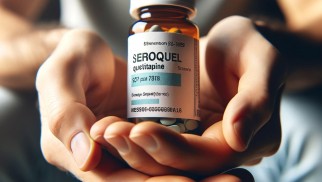
🛒 Quetiapine tablets are available as Seroquel (Quetiapine). Check the label for “XR” or “SR” before taking a new pack, as a mix-up between forms is a common cause of unexpected sleepiness.
🌙 Timing, food and the evening routine
🕒 The XR tablet works best when it becomes part of a steady evening routine. Taking it at the same time each evening, a few hours before the planned bedtime, cuts down on morning heaviness more than any other simple change. A heavy, fatty meal raises the amount absorbed, so the leaflet suggests taking XR on an empty stomach or with a light meal.
- 📌 Take it 2 to 3 hours before bed, for example at 8 pm for an 11 pm bedtime
- 📌 Swallow the XR tablet whole with water; do not chew, crush or split it
- 📌 Keep the antidepressant at its usual time; morning SSRIs stay in the morning
- 📌 A missed evening dose is skipped if it is already late at night; do not double the next one
- 📌 Grapefruit juice in large amounts can raise blood levels and is best avoided
📅 What the first weeks usually feel like
💭 Patients often expect a quick lift and are disappointed, or expect to feel drugged and are relieved. Sleep and anxiety often ease within the first week, while the mood effect is judged after about four to six weeks on a steady dose. Writing down a few daily scores for sleep, energy and mood makes the review far more useful than a vague “a bit better, I think”.
😴 Sleepiness and the morning hangover
🛌 Sleepiness is the most common side effect and the main reason people stop early. For most, it is worst in the first days and after each dose increase, then settles as the body adapts. If it does not, moving the tablet earlier in the evening, staying at 150 mg instead of 300 mg, or cutting caffeine late in the day often helps more than adding a stimulant. Persistent daytime sleepiness after the first month deserves a frank talk, since it affects work, driving and safety.
⚖️ Weight gain and appetite
🍔 Quetiapine raises appetite, especially for sweet and starchy food in the evening, and many people gain some weight. Most of the gain, if it happens, appears in the first two to three months, which is the best window to act. Among antipsychotics used in mood disorders, quetiapine sits in the middle: more gain than aripiprazole, less than olanzapine. Weighing once a week at home and noting waist size once a month gives early warning. A gain of 5% of starting weight or more is a common trigger for a review of diet, activity and the medicine itself.
Plan an early dinner and no snacks after the evening tablet
Weekly home weight, monthly waist
Review the plan, consider another add-on
🩸 Blood sugar, cholesterol and triglycerides
🧪 Weight is only the visible part. Quetiapine can raise fasting blood sugar, triglycerides and LDL cholesterol, sometimes even without much weight gain, and rarely it can tip someone into diabetes. These changes are silent, which is why scheduled blood tests matter more than how a person feels. Signs of high blood sugar, such as strong thirst, passing a lot of urine and blurred vision, need prompt testing.
| 📋 Check | 🟢 Baseline | 📅 Then |
|---|---|---|
| Weight and BMI | Yes | At 4, 8 and 12 weeks, then every 3 months |
| Waist size | Yes | Yearly, or sooner if weight rises |
| Blood pressure | Yes | At 12 weeks, then yearly |
| Fasting glucose or HbA1c | Yes | At 12 weeks, then yearly |
| Lipids | Yes | At 12 weeks, then at least yearly |
| Thyroid tests | If symptoms | If tiredness or weight change is unexplained |
💡 Quetiapine can lower thyroid hormone levels slightly. It rarely needs treatment, but it is worth knowing when tiredness persists despite improved mood.
😵 Dizziness on standing and the risk of falls
📉 Quetiapine relaxes blood vessels through alpha-1 receptors, so blood pressure can drop when a person stands up quickly. The effect is strongest in the first days, after a dose increase and in people over 65, and it is a common cause of night-time falls on the way to the bathroom. Sitting on the edge of the bed for a minute before standing, drinking enough fluid and getting up slowly at night cut the risk considerably. Fainting, or dizziness with chest pain or a racing heart, needs medical advice the same day.
⚠️ Restlessness, movements and rare serious reactions
🦵 At add-on doses, movement side effects are uncommon, but they are possible. A strong inner urge to keep moving, called akathisia, can be mistaken for worsening anxiety, and quetiapine can also make restless legs worse in the evening. Over months or years, any antipsychotic carries a small risk of tardive dyskinesia: repeated movements of the mouth, tongue or face that should always be reported early.
⚠️ Rare but important reactions to know by name:
🔹 Neuroleptic malignant syndrome: high fever, stiff muscles, confusion and sweating. This is an emergency.
🔹 Low white cell count: fever, sore throat or mouth ulcers that do not settle should prompt a blood test.
🔹 Severe constipation or difficulty passing urine: more likely in older people and with other drying medicines.
🔹 Serious skin reactions: spreading rash with blisters or fever needs urgent care.
💓 Heart rhythm and which antidepressant it is paired with
📈 Quetiapine slightly prolongs the QT interval on the ECG, and so do some antidepressants. On its own the effect is modest, but it adds up when two or more QT-prolonging medicines are combined, or when potassium or magnesium are low. This is why the base antidepressant matters, and why vomiting, diarrhoea or water tablets deserve attention.
| 💊 Base antidepressant | 💓 QT consideration with quetiapine |
|---|---|
| Sertraline | Low effect on QT; a common partner |
| Escitalopram | Dose-related effect; usual doses generally fine, ECG if other risks |
| Citalopram | Clearer dose-related effect; keep within dose limits (20 mg after 60) |
| Venlafaxine, duloxetine | Small effect; watch blood pressure with venlafaxine |
| Bupropion | Little QT effect; can counter sleepiness |
| Tricyclics | Additive QT, sedation and constipation; specialist use |
💊 The antidepressants it is most often added to
🤝 In the trials and in daily practice, quetiapine XR is added to SSRIs or SNRIs that have partly worked. The base medicine is kept at its full effective dose; the add-on does not replace it. Details on each of these are on the product pages below.
📖 Citalopram is also used, with more care over dose and heart rhythm; see Celexa (Citalopram). Early side effects of the base antidepressant itself are explained in antidepressant side effects in the first weeks.
🔍 Interactions that change quetiapine levels
🧪 Quetiapine is broken down mainly by the liver enzyme CYP3A4. Medicines that block this enzyme can raise quetiapine levels several-fold, and medicines that speed it up can make it almost useless. The US label advises cutting the dose to about one sixth with strong blockers and raising it up to fivefold with strong inducers, which shows how large the effect can be. Always mention quetiapine when a new antibiotic, antifungal or epilepsy drug is prescribed.
🍺 Alcohol, driving and daily safety
🚗 Practical rules while the dose is being found:
🔹 Do not drive or use machines until you know how the tablet affects you the next morning, usually after the first one to two weeks.
🔹 Alcohol adds to the sleepiness and the drop in blood pressure; keep it small or avoid it, and never use it to fall asleep.
🔹 Hot weather, saunas and heavy exercise can cause overheating and dizziness; drink enough water.
🔹 If someone in the household is at risk of overdose, keep only a small supply at home, since quetiapine with alcohol or other sedatives can be dangerous.
💡 Quetiapine is not addictive in the way sleeping pills or benzodiazepines are, but some people misuse it for its calming effect, especially with alcohol or other drugs. A doctor will want to know about any history of substance use before starting.
🛏️ Why low-dose quetiapine for sleep alone is discouraged
🌙 Many people are given 25 or 50 mg of quetiapine just to sleep. Sleep guidelines advise against this, because there is little good evidence for it and the metabolic and heart risks are present even at low doses. This is different from the add-on in depression, where the drug is treating the illness itself at a studied dose, with a monitoring plan. If insomnia is the main problem, therapy for insomnia, a review of the antidepressant and other options usually come first.
💭 A useful question to ask the prescriber: “Is this dose meant to treat my depression, or only to help me sleep?” If the answer is “only sleep”, it is fair to ask whether a different approach would carry fewer long-term risks.
🔹 A sedating antidepressant such as Remeron (Mirtazapine) at night is one alternative when depression and insomnia come together.
📋 How quetiapine compares with other add-ons
🧩 Quetiapine is one of several evidence-based ways to boost an antidepressant. No single add-on wins for everyone; the choice depends on the symptoms that remain and the side effects a person can live with. The table gives a plain overview.
| ➕ Add-on | 👍 Tends to suit | ⚠️ Main drawbacks |
|---|---|---|
| Quetiapine XR | Poor sleep, anxiety, agitation | Sleepiness, weight, sugar and lipids |
| Aripiprazole | Low energy, weight concerns | Restlessness (akathisia), less sedation |
| Lithium | Recurrent depression, suicide risk | Blood level checks, kidney and thyroid monitoring |
| Bupropion | Tiredness, sexual side effects of SSRIs | Insomnia, seizure risk at high doses |
| Mirtazapine | Insomnia, poor appetite | Weight gain, morning drowsiness |
| Olanzapine with fluoxetine | Hard-to-treat depression (licensed in the US) | The largest weight and sugar effect |
🔗 Options mentioned here include Lithobid (Lithium Carbonate), Wellbutrin (Bupropion) and Zyprexa (Olanzapine). Lithium needs its own monitoring plan, described in lithium blood levels, kidney and thyroid checks.
🌗 Bipolar depression is a different situation
🔎 A low mood that keeps returning after antidepressants, with periods of unusual energy, little need for sleep or rash spending in the past, can be bipolar disorder rather than major depression. In bipolar depression, quetiapine is used as a main treatment, often without an antidepressant, because antidepressants alone can trigger mania or rapid cycling in some people. The dose is also higher, usually 300 mg at bedtime. This is why a good doctor asks about past highs before adding anything. 📖 How to tell the two apart is covered in bipolar 2 or depression: how to tell and why it changes treatment.
⏳ How long people usually stay on it
📆 If the add-on works, stopping it too early carries a real risk of relapse. Most guidelines suggest keeping the combination that brought recovery for at least six to twelve months after a person feels well, then reviewing whether the add-on is still needed. People with several past episodes may stay on treatment longer. At each review the benefit is weighed against weight, blood results and daytime sleepiness.
Start, adjust dose, first mood review
Aim for full recovery, first blood checks
Stay well, monitor every few months
Review: keep, lower, or taper off
⏬ Stopping quetiapine safely
🛑 Stopping abruptly can cause rebound insomnia, nausea, vomiting, headache, sweating and irritability within a few days. A gradual taper over at least one to two weeks, and often longer after months of use, avoids most of this. A common pattern is to step down from 300 to 150 mg, then to 50 mg, then stop, with a week or more at each step. Sleep may be lighter for a while; this usually settles, but a return of low mood or anxiety is a reason to call the prescriber, not to push on.
👥 Older adults, young people and pregnancy
👴 In people over 65, dizziness, falls, constipation and confusion are more likely, so doses start lower and rise slowly. In older people with dementia, antipsychotics including quetiapine carry a higher risk of stroke and death, and they are avoided unless a specialist decides otherwise. In people under 25, all treatments for depression come with a warning about new or worse suicidal thoughts in the first weeks, so closer contact with the prescriber is wise. In pregnancy, decisions are individual: untreated depression has its own risks, and newborns exposed late in pregnancy can show short-lived sleepiness, feeding problems or tremor, so the birth team should know.
Start low, slower build-up, watch for falls
Extra check-ins on mood and suicidal thoughts
Plan with the doctor; tell the birth team
🗿 Myths about quetiapine in depression
🚨 When to see a doctor
⛔ Get urgent help if:
🔹 You have thoughts of harming yourself or feel you cannot keep yourself safe. Contact emergency services or a crisis line now.
🔹 High fever with stiff muscles and confusion, fainting, or a racing or irregular heartbeat.
🔹 Swelling of the face or throat, or a spreading rash with blisters.
🔹 Strong thirst, passing a lot of urine and blurred vision, which can mean very high blood sugar.
⚠️ Book a routine visit soon if: you feel sleepy all day after the first month, have gained 5% of your weight or more, notice repeated movements of the mouth or tongue, feel a constant urge to move, or have unusual energy and little need for sleep.
📖 A quick overview of the signs of depression, useful for family members, is in major depressive disorder: a snapshot.
❓ Frequently asked questions
Why would a doctor add quetiapine to my antidepressant?
It is used when an antidepressant has helped only partly. At 150 to 300 mg it adds antidepressant and calming effects, which often helps with sleep and anxiety.
What is the usual quetiapine dose for depression?
As an add-on, quetiapine XR usually starts at 50 mg in the evening for two days, then 150 mg, with a range of 150 to 300 mg a day.
How long does quetiapine take to work for depression?
Sleep and anxiety often improve within the first week. The effect on mood is usually judged after four to six weeks on a steady dose.
Does quetiapine cause weight gain?
It often raises appetite and can cause weight gain, mostly in the first two to three months. Regular weighing helps catch it early.
Which blood tests are needed on quetiapine?
Fasting glucose or HbA1c and blood fats at the start, at 12 weeks and then at least yearly, plus regular weight and blood pressure checks.
Is quetiapine XR better than IR for depression?
The add-on trials in major depression used the XR tablet once in the evening. It gives smoother levels and less peak dizziness than IR.
Can I drink alcohol while taking quetiapine?
Alcohol adds to sleepiness and low blood pressure. It is best kept small or avoided, and never used to help with sleep.
Is it safe to take quetiapine only for sleep?
Sleep guidelines advise against it, because evidence is weak and metabolic and heart risks exist even at low doses.
How long should I stay on quetiapine for depression?
If it works, usually at least six to twelve months after recovery, then a review with the doctor about tapering or continuing.
Can I stop quetiapine suddenly?
It is better not to. Sudden stopping can cause insomnia, nausea and headache. A taper over at least one to two weeks is usual.
📑 Sources and editorial
- 📘 Clinical guidelines on the treatment of depression and on next steps after a partial response
- 💊 Prescribing information for quetiapine immediate-release and extended-release tablets
- 🧪 Randomised trials of quetiapine XR added to antidepressants in major depressive disorder
- 🩸 Consensus guidance on metabolic monitoring for people taking antipsychotic medicines
- 💓 Reviews of QT prolongation and drug interactions with antipsychotics and antidepressants
- 🛏️ Sleep medicine guidelines on medicines for chronic insomnia
- 📖 Related reading: when the first antidepressant does not work, understanding major depressive disorder, quetiapine for schizophrenia, bipolar 2 or depression, antidepressant side effects
- 🛒 Related products: Seroquel (Quetiapine), Sertafine (Sertraline), Lexapro (Escitalopram), Effexor (Venlafaxine), Cymbalta (Duloxetine), Lithobid (Lithium Carbonate), Wellbutrin (Bupropion)
- 🩺 RXshop Editorial Team — reviewed by Thomas Walsh, MD — Psychiatrist
Medical Disclaimer: The information in this article is for educational and informational purposes only and is not a substitute for professional medical advice, diagnosis, or treatment. Always seek guidance from a qualified healthcare provider with any questions you may have regarding a medical condition, and before starting, stopping or changing any medication.