Glimepiride (Amaryl) and Low Blood Sugar: Starting Dose, Who Is Most at Risk, Warning Signs and How to Treat a Hypo


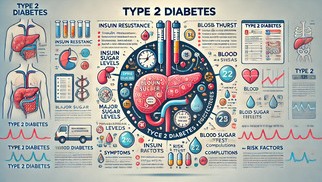
🩸 Glimepiride is one of the most widely used tablets for type 2 diabetes. It is cheap, taken once a day, and lowers HbA1c by roughly 1 to 1.5 percentage points in many people. Its main weakness is that it can push blood sugar too low, because it makes the pancreas release insulin whether or not food has arrived. 🔍 Most people on glimepiride never have a serious low, but almost every serious low on tablets happens on a sulfonylurea or on insulin. This guide explains how the dose is started and raised, who is most at risk (older adults, people with weak kidneys, people who skip meals or drink alcohol), the medicines that make lows more likely, how to recognise a low early, how to treat it with the 15-15 rule, why a glimepiride low can come back hours later, and when a change of medicine makes more sense than a lower dose.
🧬 Why glimepiride can push sugar too low
🔬 Glimepiride belongs to the sulfonylurea group. It binds to a receptor on the beta cells of the pancreas, closes a potassium channel and triggers the release of insulin. The key point is that this release does not depend on the level of sugar in the blood. When you eat, the extra insulin is useful. When you skip lunch, walk for two hours or drink alcohol on an empty stomach, the pancreas keeps releasing insulin anyway, and the sugar can fall below the safe range. Metformin, pioglitazone, DPP-4 inhibitors and SGLT2 inhibitors work in other ways and rarely cause lows on their own. 📖 If you want to understand what your readings mean first, see what your blood sugar numbers and HbA1c actually mean.
⚖️ How glimepiride compares on low blood sugar risk
📊 Among the sulfonylureas, glimepiride sits in the middle. It causes fewer lows than glibenclamide (glyburide), the older long-acting drug, and is roughly similar to gliclazide and glipizide. In a large heart safety trial that compared glimepiride with the DPP-4 inhibitor linagliptin, both drugs were equal for heart attacks and strokes, but low blood sugar was clearly more frequent on glimepiride. That is the trade-off: strong, cheap sugar lowering with a real but manageable hypo risk.
📈 The starting dose and how it is raised
💊 Glimepiride comes as 1, 2, 3 and 4 mg tablets. The usual adult start is 1 mg or 2 mg once a day, and people at higher risk of lows start at 1 mg. The dose is raised slowly, because the full effect of each step takes about a week to show in fasting readings. Most people are controlled on 1 to 4 mg; the label maximum is 8 mg in some countries and 6 mg in others, and doses above 4 mg add little extra lowering for most patients while raising the hypo risk.
📋 Glimepiride is available as Amaryl (Glimepiride) in several strengths, which makes small steps easy. Starting low and moving slowly prevents most early lows, especially in people whose sugar was only modestly raised.
🍳 Taking it with breakfast
⏰ Glimepiride is taken once a day, just before or with breakfast, or with the first main meal of the day. Its effect lasts about 24 hours, even though the drug itself clears faster, so one dose covers the day. The rules below are simple but they prevent the most common mistakes.
👥 Who is most at risk of lows
🔍 Lows on glimepiride are not random. They cluster in a few groups of people and a few situations, and knowing them lets the doctor pick a lower dose or a different drug from the start.
| ⚠️ Risk factor | 📝 Why it matters |
|---|---|
| Age over 65 | Weaker warning signs, slower recovery, more falls |
| Reduced kidney function | Active breakdown products build up |
| Irregular or small meals | Insulin released with no food to match it |
| Alcohol, especially without food | Stops the liver from releasing stored sugar |
| Unplanned or long exercise | Muscles take up extra sugar for hours |
| Recent weight loss or a good HbA1c | The same dose is now too strong |
| Combination with insulin | Two sources of insulin at once |
| Past severe low | The strongest single predictor of the next one |
👴 Older adults: why the rules are stricter
🧓 In people over 65, a low can look like confusion, unsteadiness or odd behaviour rather than sweating and shaking. A fall caused by a low can mean a broken hip, and repeated lows are linked to heart rhythm problems and worse memory. Geriatric prescribing guides advise caution with every sulfonylurea in older people and prefer drugs with a low hypo risk where possible. When a sulfonylurea is still the right choice, for cost or because others are not tolerated, the dose is kept low and the HbA1c target is relaxed.
🧭 Common adjustments for an older person on glimepiride:
🔹 Start at 1 mg and raise only after two weeks of readings without lows.
🔹 Aim for a softer HbA1c target, often around 7.5 to 8% in frail people, rather than chasing 6.5%.
🔹 Make sure a family member or carer knows the signs of a low and where the glucose tablets are kept.
🔹 Review the dose after any illness, hospital stay, weight loss or change of appetite.
🫘 Kidney function: glimepiride or glipizide?
🧪 Glimepiride is broken down in the liver, but its active breakdown products leave the body through the kidneys. When kidney function falls, they stay longer and the effect lasts longer, so lows become more likely and more drawn out. Glipizide is broken down to inactive products, which is why many doctors prefer it when the kidneys are weaker. 📖 How the kidneys change diabetes treatment is covered in diabetic kidney disease: the silent complication you can still stop.
💡 Glipizide is available as Glucotrol (Glipizide). A switch should be made by the prescriber with a fresh dose plan, not by swapping tablets at home, because the doses of the two drugs are not the same.
🍷 Alcohol, fasting and the liver
🍺 Between meals and at night, the liver keeps the blood sugar up by releasing stored sugar. Alcohol blocks this release for many hours, so a few drinks in the evening on glimepiride can lead to a low in the early morning, long after the last glass. The same thing happens with long fasts, religious fasting periods and very low carbohydrate diets started without telling the doctor. Serious liver disease reduces both the sugar store and the breakdown of the drug, and glimepiride is generally avoided there.
- 📌 Drink alcohol only with food, and keep to small amounts
- 📌 Have a carbohydrate snack before bed after drinking, and check sugar on waking
- 📌 Remember that the signs of a low and of being drunk look alike, so friends may miss it
- 📌 Plan any fasting period with the doctor in advance; the dose is often lowered or paused
💊 Medicines that raise the risk
🧪 Glimepiride is broken down mainly by the liver enzyme CYP2C9. Drugs that slow this enzyme raise glimepiride levels, and other drugs lower sugar by themselves or hide the warning signs. Always tell the pharmacist you take a sulfonylurea when a new medicine is started.
| 💊 Medicine | 📋 Effect | 🛠️ Usual action |
|---|---|---|
| Fluconazole, miconazole | Slow CYP2C9, raise glimepiride levels | Check sugar more often; dose may be lowered |
| Clarithromycin and some other antibiotics | Reports of lows when combined | Extra checks during the course |
| Fluoroquinolone antibiotics | Can cause both lows and highs | Close monitoring, especially in older people |
| Insulin | Adds its own lowering | Lower sulfonylurea dose or stop it |
| Beta blockers | Mask shaking and fast heartbeat | Learn other signs; check more often |
| High-dose aspirin, fibrates | Can add to the lowering effect | Watch readings after starting |
| Steroids, thiazide diuretics | Raise sugar; lows appear when they stop | Lower the dose when a steroid course ends |
💓 Beta blockers and hidden warning signs
🛡️ Many people with type 2 diabetes also take a beta blocker for blood pressure, angina or heart failure. Beta blockers dull the adrenaline signs of a low: the racing heart and the shaking hands. Sweating usually still happens, and hunger and confusion are not blocked. This is not a reason to stop a heart medicine, but it is a reason to check the sugar whenever you feel unusual, sweaty or muddled, rather than waiting for the classic tremor.
🚦 Recognising a low early
🔎 A low develops in stages. Treating it at the first stage is easy; at the last stage you need someone else to help you. Learn your own early signs, because they differ from person to person and can fade after years of diabetes.
Hunger, shaking, sweating, fast heartbeat, tingling lips
Poor concentration, blurred vision, irritability, slurred speech
Confusion, odd behaviour, unable to swallow safely
Seizure or loss of consciousness
📏 The numbers that define a low
📊 Diabetes guidelines use three levels. Level 1 is a warning, level 2 needs immediate treatment, and level 3 is defined by needing help from another person, whatever the meter shows.
🍬 How to treat a low: the 15-15 rule
⏱️ For a person who is awake and can swallow, the standard first aid is simple. Take about 15 g of fast-acting sugar, wait 15 minutes, check again, and repeat if the reading is still below 70 mg/dL. Chocolate, biscuits and nuts are poor choices for the first step, because fat slows the sugar down.
🥤 What 15 g of fast sugar looks like
🛍️ Keep one of these within reach at all times: in the car, the bag, the bedside drawer and at work. A low that is treated in the first five minutes rarely becomes a problem.
🔁 Why a glimepiride low can come back
⏳ With insulin injections, a low usually ends once the sugar is taken. With a sulfonylurea, the pancreas may keep releasing extra insulin for many hours, so the sugar can fall again after the juice has been used up. This is why a slow carbohydrate snack after the first fix matters, and why repeated checks are needed for the rest of the day or night. A severe low on a sulfonylurea, an overdose, or a low in a person with kidney disease is usually managed in hospital, where staff can give a continuous glucose drip and watch the sugar for a day or longer.
Snack, then checks every 1 to 2 hours
Call the doctor; skip the next dose until advised
Emergency department, even if you feel better
🆘 Severe lows: what family should know
🧭 If the person is confused, drowsy or unconscious:
🔹 Do not put food or drink in the mouth of someone who cannot swallow safely, because it can go into the lungs.
🔹 If glucagon has been prescribed (injection or nasal spray), give it as shown on the pack.
🔹 Turn the person on their side and call emergency services.
🔹 When they wake and can swallow, give fast sugar followed by a proper snack.
🔹 Tell the emergency team that the person takes glimepiride, because the low can return.
💡 Glucagon is prescribed mainly to people on insulin, but people on a sulfonylurea who have had a severe low should ask whether they need one too. It works by releasing sugar from the liver, so it may be less effective after heavy drinking.
🌙 Night-time lows
🛌 Lows during sleep are easy to miss. The clues often appear in the morning: nightmares, damp sheets, a headache on waking, or feeling hung over without having had a drink. Sometimes the morning reading is high after a night low, because the body releases stress hormones to correct it, and the dose then gets raised by mistake.
🏃 Exercise days
🚶 Exercise is good for diabetes, and the lowering effect can last into the next day. On glimepiride, the risk comes from long or unplanned activity: a day of gardening, a long hike, moving house or a first week at the gym. Check the sugar before starting; if it is below about 100 mg/dL (5.6 mmol/L), eat a carbohydrate snack first. Carry fast sugar, and check again after finishing and at bedtime. If regular exercise leads to repeated lows, that is a sign the dose can come down, which is good news, not a failure.
🚗 Driving and work
🚦 A low at the wheel slows reactions as much as alcohol. People on a sulfonylurea should check the sugar before driving and every two hours on long journeys. Many driving authorities advise not starting a drive unless the reading is above about 90 mg/dL (5 mmol/L), and stopping safely at the first sign of a low. The same caution applies to work at heights, with machinery or as a pilot or bus driver, where rules for sulfonylureas are often strict and must be checked with the licensing body or employer.
🤒 Sick days and missed meals
🍵 Vomiting, diarrhoea or a fever that stops you eating is a common cause of lows on glimepiride. Many sick day plans tell people to pause their sulfonylurea while they cannot eat normally, check sugar every 4 hours, and restart once meals are back. Metformin and SGLT2 inhibitors are also often paused during dehydrating illness for different reasons. 📖 The full sick day routine for metformin is explained in metformin and kidney function: when to pause the tablets.
🤝 Glimepiride in combination
➕ Glimepiride is most often added to metformin when metformin alone is not enough. Every partner drug changes the hypo picture: some add almost no risk, while insulin adds a lot. When a newer drug is added and readings improve, the glimepiride dose is often lowered at the same time to keep lows away. 📖 How drug pairs are chosen is covered in combination therapy of type 2 diabetes.
⚠️ Glimepiride is not combined with repaglinide, because both drugs push the pancreas in a similar way. Prandin (Repaglinide) is sometimes used instead of a sulfonylurea in people with irregular meals, since it is taken only when a meal is eaten.
💉 When insulin joins the plan
📉 Type 2 diabetes is a slowly progressive condition, and many people need insulin after some years. When basal insulin is started, the sulfonylurea is usually reduced or stopped, because the two together cause more lows and more weight gain. Some people keep a small dose of glimepiride during the first weeks of insulin and then stop it once the insulin dose is settled. 📖 Signs that the time for insulin has come are covered in will I need insulin for type 2 diabetes.
📋 Other side effects and who should not take it
⚖️ Apart from lows, glimepiride is usually well tolerated. Weight gain of 1 to 2 kg is common in the first months, partly because the body stops losing sugar in the urine. Less common effects are listed below.
| 📋 Issue | 📝 What to know |
|---|---|
| Weight gain | Usually small; often settles; partner drugs such as SGLT2 inhibitors can offset it |
| Stomach upset, nausea | Taking it with food helps |
| Skin rash, itching, sun sensitivity | Report a rash; use sun protection |
| Low sodium, blood count changes | Rare; found on routine blood tests |
| Type 1 diabetes or ketoacidosis | Not suitable; insulin is needed |
| Pregnancy and breastfeeding | Usually switched to insulin or metformin before conception |
| Severe liver or kidney disease | Generally avoided |
| G6PD deficiency | Risk of red cell breakdown; another drug is preferred |
| Allergy to sulfonylureas or sulfa drugs | Discuss with the prescriber before starting |
🔄 When a different medicine makes more sense
🩺 Lowering the dose fixes most hypo problems. When lows keep happening even on 1 mg, or the person cannot safely notice and treat them, a drug with a low hypo risk is usually the better choice. The table shows common reasons for a switch.
| 🔎 Situation | ✅ Often considered |
|---|---|
| Repeated lows despite a low dose | DPP-4 inhibitor, SGLT2 inhibitor, GLP-1 based treatment |
| Heart failure or kidney disease | SGLT2 inhibitor such as dapagliflozin |
| Weaker kidneys but sulfonylurea still wanted | Glipizide at a low dose |
| Irregular meals, shift work | Meal-time repaglinide, or a drug without hypo risk |
| Frail older adult living alone | Simplify: fewer drugs, softer target, no sulfonylurea if possible |
| HbA1c still high on full dose | Add or switch to basal insulin or a GLP-1 based treatment |
🗿 Myths about glimepiride and low sugar
🚨 When to see a doctor
⛔ Contact your doctor promptly if:
🔹 You have had two or more lows in a week, or any low that needed help from another person.
🔹 You no longer feel the early warning signs and only find lows on the meter.
🔹 You have started a new medicine, lost weight, or your eating has changed a lot.
🔹 You have been ill and unable to eat for more than a day.
🔹 You notice a rash, yellow skin or eyes, or unusual bruising.
🔹 Call emergency services for a low with confusion, seizure or unconsciousness, or after taking extra tablets by mistake.
📖 If tingling or burning in the feet is a problem alongside your sugar readings, see diabetic neuropathy: more than tingling. If metformin upsets your stomach and you are thinking of relying on glimepiride alone, read metformin side effects and how to avoid the stomach trouble first.
❓ Frequently asked questions
Can glimepiride cause low blood sugar?
Yes. It makes the pancreas release insulin whether or not you have eaten, so lows can happen after missed meals, alcohol or extra activity.
What is the usual starting dose of glimepiride?
Usually 1 or 2 mg once a day with breakfast. Older adults and people with reduced kidney function generally start at 1 mg.
What time of day should I take glimepiride?
Just before or with breakfast, or with the first main meal of the day. It is not usually taken at bedtime.
What should I do if I skip breakfast?
Take glimepiride with your first real meal instead. If you will not eat at all because you are ill, follow your sick day plan, which usually means skipping that dose.
How do I treat a low on glimepiride?
Take about 15 g of fast sugar, recheck after 15 minutes and repeat if still below 70 mg/dL. Then eat a snack and keep checking for several hours.
Why can a low come back after treatment?
Glimepiride can keep the pancreas releasing insulin for many hours, so sugar may fall again once the first quick sugar is used up.
Can I drink alcohol while taking glimepiride?
Small amounts with food are usually acceptable. Alcohol blocks sugar release from the liver and can cause a low many hours later, often overnight.
Is glimepiride safe with kidney disease?
It is used with care at low doses when kidney function is reduced and is usually avoided in severe kidney disease. Glipizide is often preferred.
Is glimepiride better than glipizide?
Both lower sugar well and have a similar risk of lows. Glimepiride is once daily; glipizide is often chosen when the kidneys are weaker.
Does glimepiride cause weight gain?
A gain of about 1 to 2 kg is common in the first months. Combining it with metformin or an SGLT2 inhibitor can limit this.
📑 Sources and editorial
- 📘 Prescribing information for glimepiride tablets, including dosing, kidney and liver advice
- 🩺 Diabetes association standards of care on classification and treatment of hypoglycaemia
- 🔬 Cardiovascular outcome trial comparing glimepiride with linagliptin
- 👴 Geriatric guidance on potentially inappropriate medicines in older adults
- 💊 Drug interaction references on CYP2C9 inhibitors and sulfonylureas
- 🚗 Driving licence guidance for people with diabetes on tablets that can cause hypoglycaemia
- 📖 Related reading: blood sugar numbers and HbA1c, repaglinide with metformin, will I need insulin, diabetic kidney disease
- 🛒 Related products: Amaryl (Glimepiride), Glucotrol (Glipizide), Glucophage (Metformin), Dapavel (Dapagliflozin), Sitasmart (Sitagliptin), Actos (Pioglitazone)
- 🩺 RXshop Editorial Team — reviewed by Daniel Kim, MD — Endocrinologist
Medical Disclaimer: The information in this article is for educational and informational purposes only and is not a substitute for professional medical advice, diagnosis, or treatment. Always seek guidance from a qualified healthcare provider with any questions you may have regarding a medical condition, and before starting, stopping or changing any medication.