Alcohol Withdrawal Timeline: Symptoms Hour by Hour, Danger Signs and What Clonidine Can and Cannot Treat

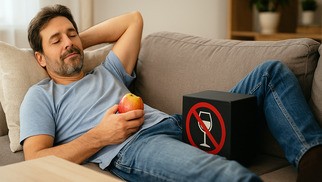

🍺 Alcohol withdrawal is one of the few withdrawal states that can kill. When a person who drinks heavily every day stops suddenly, the brain is left running too fast, and the symptoms follow a fairly predictable clock: shaky hands and sweating in the first hours, poor sleep and a racing heart on the first day, a risk of seizures in the first two days, and a small but real risk of delirium tremens from the second to the fourth day. 🧭 This guide walks through that timeline hour by hour, explains how doctors judge whether withdrawal is mild or dangerous, and looks closely at one medicine that is often asked about: clonidine, sold as Catapres. Clonidine calms the sweating, tremor, high blood pressure and fast pulse of withdrawal, but it does not prevent seizures or delirium, and knowing that difference is what keeps people safe.
🧠 Why stopping suddenly makes the brain overreact
🧪 Alcohol slows the brain down. It boosts GABA, the main calming signal, and blocks glutamate, the main exciting signal. After weeks or months of daily drinking, the brain adapts by turning GABA down and glutamate up, so that it can work normally with alcohol on board. Remove the alcohol overnight and those adaptations are still in place. The result is a nervous system with the brakes weakened and the accelerator pressed: anxiety, tremor, sweating, a fast pulse, high blood pressure, and in severe cases seizures and confusion. The stress hormone noradrenaline also surges, which is the part of the picture that clonidine targets.
👤 Who gets withdrawal and who does not
📊 Withdrawal is not about being a “bad” drinker. It happens to people whose bodies have become physically dependent, usually after drinking large amounts most days for weeks or longer. Someone who needs a drink in the morning to stop the shakes is already withdrawing every night.
⏱️ The withdrawal timeline hour by hour
📅 Every person is different, and the clock starts from the last drink, not from the moment the person decides to stop. Symptoms usually begin while there is still some alcohol in the blood, because the level is falling, not zero.
😰 The first day: shakes, sweats and a racing heart
🤝 The early stage is driven mostly by the noradrenaline surge, the same fight-or-flight system that fires in a panic attack. Hands shake when held out, the skin is damp, the heart pounds and sleep will not come. A drink would make all of this vanish within minutes, and that relief is what keeps people trapped in morning drinking.
👁️ Hallucinosis: seeing things with a clear mind
🕷️ Between about 12 and 48 hours, some people start to see insects on the wall, hear voices or feel something crawling on the skin. The key feature of alcoholic hallucinosis is that the person is otherwise alert and usually knows the experiences are not real. This is frightening but different from delirium tremens, where the person is confused. Hallucinosis still needs medical review, because it shows withdrawal is moderate or worse and can be a step on the way to delirium.
⚡ Withdrawal seizures: the 24-hour danger
🚨 Withdrawal seizures are usually generalised, with stiffening and jerking of the whole body, and they can come in a short cluster. They most often happen 6 to 48 hours after the last drink, sometimes before any other severe symptom has appeared. A seizure can be the very first sign that withdrawal is serious. People who have had a withdrawal seizure before, who have been through several detoxes, or who also take or have stopped sedatives are at the highest risk. A first seizure always needs hospital assessment to rule out a head injury, low blood sugar, low sodium or another cause.
Benzodiazepines, and to a degree carbamazepine
Clonidine, beta blockers, ondansetron
Gabapentin in severe withdrawal
🌀 Delirium tremens: the emergency stage
🔥 Delirium tremens, often called DTs, develops in a small minority of people in withdrawal, typically 2 to 4 days after the last drink. It combines confusion and disorientation with a racing heart, high blood pressure, fever, heavy sweating and frightening hallucinations. Without treatment it can cause dangerous heart rhythms, breathing problems and death. With intensive care, sedation, fluids and correction of salts and vitamins, most people recover, though the episode can last several days.
📋 How doctors measure severity
📝 In hospitals and detox units, staff score withdrawal every few hours with a checklist. The best known is the CIWA-Ar scale, which rates ten items: nausea, tremor, sweating, anxiety, agitation, touch, hearing and visual disturbances, headache, and orientation. The score guides how much sedative medicine a person needs and how often to check them. Cut-offs differ a little between hospitals, but the general idea is the same.
| 📊 CIWA-Ar score | 🌡️ Severity | 🩺 Usual approach |
|---|---|---|
| Below about 10 | Mild | Monitoring, fluids, vitamins; medicine may not be needed |
| About 10 to 18 | Moderate | Sedative medicine, often a benzodiazepine, with regular rescoring |
| Above about 18 | Severe | Inpatient care, frequent dosing, close watch for seizures and delirium |
| Confused or cannot answer | Delirium | Scale no longer valid; intensive or high-dependency care |
💡 This scoring is one reason clonidine is used with care. Because it lowers pulse, blood pressure, sweating and tremor, it can make the score look better than the brain actually is, and a team that relies only on the numbers may give too little of the medicine that prevents seizures.
📈 What raises the risk of a severe course
| ⚠️ Risk factor | 📝 Why it matters |
|---|---|
| Past withdrawal seizures or delirium | The strongest single predictor of another severe episode |
| Several previous detoxes | Each episode seems to sensitise the brain further |
| Older age | Slower clearance of alcohol and medicines, more heart and lung disease |
| Liver disease | Changes the choice and dose of sedatives |
| Infection, injury or surgery | Physical stress worsens withdrawal and can hide it |
| Low potassium, magnesium or platelets | Markers of heavy drinking linked to complications |
| Use of other sedatives | Mixed withdrawal can be longer and more dangerous |
🏥 Home detox or hospital: a decision path
🏠 Many people with mild withdrawal can safely stop at home, but only with a doctor who has assessed them, a sober adult staying with them, and daily check-ins. Anyone with risk factors from the table above needs a medically supervised setting from the start.
💊 Benzodiazepines: the main treatment
🛡️ Benzodiazepines act on the same GABA receptors as alcohol, so they replace the missing calming signal and are the only medicines with strong evidence for preventing both seizures and delirium tremens. Long-acting ones such as chlordiazepoxide and diazepam give a smooth, self-tapering effect. Shorter-acting lorazepam or oxazepam are preferred in older people and in liver disease. Because benzodiazepines are habit-forming and dangerous with alcohol, they are prescribed for a short course under supervision. RXshop does not sell them; they are mentioned because every other medicine here is measured against them.
⚖️ Where clonidine fits, and where it does not
💊 Catapres (Clonidine) is a blood pressure tablet that has been used in withdrawal from alcohol and opioids for decades. In alcohol withdrawal it is an add-on that eases the body symptoms, not a replacement for seizure protection. Studies comparing clonidine with benzodiazepines found it reduced tremor, sweating, pulse and blood pressure, but it does not stop seizures or delirium, and it should not be the only medicine in anyone at risk of them.
🏥 In practice, doctors add clonidine when blood pressure and pulse stay high despite adequate sedation, when they want to lower the total benzodiazepine dose, or in intensive care alongside other sedatives. It is a supporting player, chosen by the treating team, and it is most useful in people who already have high blood pressure.
🔬 How clonidine works
🧬 Clonidine sits on alpha-2 receptors, which act like a thermostat for the noradrenaline system. Switching them on tells nerve cells to release less noradrenaline, so the fight-or-flight signs of withdrawal quieten down. It does nothing to the GABA and glutamate imbalance that causes seizures, which is why its effect is limited to the body side of withdrawal. The same action explains its main side effects: tiredness, dizziness on standing, a dry mouth and a slow pulse.
📏 Clonidine doses, side effects and checks
📋 There is no single standard dose for withdrawal. Hospital protocols often use small oral doses, such as 0.1 mg two or three times a day, and skip a dose if the blood pressure or pulse fall below agreed limits. Tablets come in 0.1 mg and stronger strengths, and some units use skin patches. The dose and length of the course belong to the treating doctor, who will check blood pressure and pulse before each dose.
| 🚫 Situation | 📝 Why caution is needed |
|---|---|
| Low blood pressure or fainting | Clonidine lowers pressure further |
| Slow pulse or heart block | Can slow the heart dangerously |
| Dehydration from vomiting | Greater drop in pressure, risk of falls |
| Other sedatives or opioids | Added drowsiness and slower breathing |
| Beta blockers | Slower pulse and worse rebound if clonidine stops |
| Kidney disease | Clonidine is cleared by the kidneys; lower doses may be needed |
💤 Common side effects are drowsiness, dry mouth, constipation and dizziness when getting up. These are usually mild at withdrawal doses, but a person who feels faint, very slow or confused should have their pulse and blood pressure checked straight away.
🔄 Rebound: why clonidine must not stop suddenly
⚠️ Clonidine has its own withdrawal effect.
🔹 Stopping it abruptly after several days can cause rebound high blood pressure, a pounding heart, headache, agitation and sweating, which look very like alcohol withdrawal.
🔹 The dose is usually lowered over several days at the end of the course.
🔹 If a beta blocker is also taken, doctors normally stop the beta blocker first, then taper clonidine.
🔹 Never stop clonidine on your own because you feel better.
📖 If clonidine is part of long-term blood pressure treatment, the daily rules for living with these tablets, including sick days and missed doses, are covered in living with blood pressure tablets: side effects and sick-day rules.
💊 Other add-on medicines doctors use
🧪 Several other medicines can help in mild to moderate withdrawal or support a benzodiazepine plan. None of them is a do-it-yourself detox kit, and each has its own risks. They are used when a doctor wants to limit sedatives, treat an outpatient, or manage a particular symptom.
⚠️ Beta blockers such as propranolol or atenolol are sometimes added for a fast heart rate, but like clonidine they hide the warning signs of worsening withdrawal and give no protection against seizures, so they are not used on their own. Carbamazepine lowers the effect of many other medicines, including hormonal contraception, and gabapentin should not be combined with opioids without medical advice.
🤢 Nausea, vomiting and fluids
💧 Vomiting in the first days of withdrawal does more than make a person miserable. It causes dehydration, washes out potassium and magnesium, and stops tablets from working because they are brought back up. Small frequent sips of water or oral rehydration solution, plain food such as toast or rice, and an anti-sickness medicine help. Ondansetron is effective, but it can affect the heart rhythm, especially when potassium or magnesium is low, which is common in heavy drinkers, so doctors often check blood salts first. Vomiting blood, black stools or being unable to keep any fluid down for 12 hours are reasons to go to hospital.
🥦 Thiamine: the vitamin that protects the brain
🧠 Why every withdrawal plan includes vitamin B1
🔹 Heavy drinking blocks the absorption of thiamine and many drinkers eat poorly, so stores run low.
🔹 Severe deficiency causes Wernicke encephalopathy: confusion, unsteady walking and abnormal eye movements.
🔹 Untreated, it can lead to permanent memory loss known as Korsakoff syndrome.
🔹 Thiamine is given before or with any glucose drip, by mouth in low-risk people and by injection in high-risk ones.
📖 Long-term nerve damage from alcohol and poor nutrition, with tingling and burning in the feet, is covered in alcoholic neuropathy: causes, effects and treatment. Confusion during withdrawal should never be blamed on alcohol alone, because Wernicke encephalopathy and delirium tremens can look alike and both need urgent treatment.
📝 A supervised home detox, step by step
🏠 When a doctor agrees that home is safe, the plan usually follows a simple structure. The single most important rule is that someone sober is present and knows when to call for help.
🌙 After the first week: lingering symptoms
😴 The acute storm passes within a week for most people, but the brain takes longer to rebalance. Poor sleep, low mood, irritability and anxiety can continue for weeks or months, a pattern sometimes called protracted or post-acute withdrawal. They are a common trigger for relapse. Knowing they are expected, and that they fade, helps people hold on.
Acute withdrawal, medical care
Broken sleep, tiredness, craving
Mood and sleep slowly improve
Energy, memory and focus return
📖 Depression that starts or worsens around heavy drinking is common and treatable; see alcoholic depression and how it is treated. For insomnia after detox without habit-forming pills, see trazodone for sleep and what else works for insomnia.
🛡️ After detox: medicines that help prevent relapse
🎯 Detox treats the body; it does not treat the drinking. Without a plan for the weeks after, most people return to alcohol, and each return sets up another withdrawal. Medicines that reduce craving or make drinking unpleasant are underused, even though they are simple tablets that can be started once withdrawal settles.
💊 Naltrexone
🧠 Reduces the reward and craving from alcohol; usually 50 mg once a day
⚠️ Not with opioid painkillers; liver tests advised
✅ ReVia (Naltrexone), Lodonak (Naltrexone), Nodict (Naltrexone)
🚫 Disulfiram
🤢 Causes flushing, nausea and palpitations if alcohol is taken
⚠️ Start only after at least 12 to 24 hours without alcohol; avoid in heart disease
📖 A full comparison of naltrexone, acamprosate and disulfiram, including who each suits, is in medicines to stop or cut down drinking. Counselling, peer support groups and treating any depression or anxiety work best alongside these medicines.
🔥 Kindling: why each withdrawal can be worse
📈 Doctors have long noticed that people who go through repeated cycles of heavy drinking and stopping tend to have harsher withdrawal each time. This is called kindling: every episode seems to make the brain more excitable, raising the risk of seizures and delirium in the next one. A person who has “done it alone before” without problems is not guaranteed the same next time.
Often mild: shakes, sweats, poor sleep
Hallucinations, higher blood pressure
Higher risk of seizures and delirium
🗿 Myths about alcohol withdrawal
🔢 Key numbers to remember
🚨 When to see a doctor or call an ambulance
⛔ Call emergency services now if, during withdrawal, there is:
🔹 A seizure of any kind, even a short one.
🔹 Confusion, not knowing where they are, or not recognising people.
🔹 Hallucinations with fever, heavy sweating or a very fast pulse.
🔹 Chest pain, fainting, vomiting blood or being unable to keep fluids down.
🔹 Unsteady walking with confusion or abnormal eye movements, which may be Wernicke encephalopathy.
🔹 Thoughts of suicide or self-harm.
📞 See a doctor before stopping if you drink daily, have morning shakes, or have had withdrawal before.
📖 The longer-term rewards of staying sober, from blood pressure to sleep and liver health, are summarised in the most important benefits of giving up alcohol.
❓ Frequently asked questions
How soon do alcohol withdrawal symptoms start?
Usually 6 to 24 hours after the last drink, often while some alcohol is still in the blood. They tend to peak between 24 and 72 hours.
How long does alcohol withdrawal last?
The acute phase usually lasts 5 to 7 days. Poor sleep, anxiety and low mood can continue for weeks or months afterwards.
When is the risk of seizures highest?
Between 6 and 48 hours after the last drink, most often around 24 hours. A seizure can be the first serious sign.
What is delirium tremens?
It is the most severe form of withdrawal, with confusion, fever, a racing heart and hallucinations, usually 2 to 4 days after stopping. It is a medical emergency.
Does clonidine help with alcohol withdrawal?
It reduces sweating, tremor, high blood pressure and a fast pulse. It does not prevent seizures or delirium tremens, so it is used as an add-on.
Can clonidine replace benzodiazepines in detox?
Not in anyone at risk of seizures or delirium. Benzodiazepines remain the main treatment; clonidine may lower the dose needed.
Can I stop clonidine as soon as withdrawal is over?
No. Stopping suddenly can cause rebound high blood pressure and agitation. The dose is usually lowered over several days.
Is it safe to stop drinking at home?
For mild withdrawal with a doctor plan and a sober helper, often yes. People with past seizures, delirium or serious illness need supervised care.
Why is thiamine given during withdrawal?
Heavy drinking lowers vitamin B1. Thiamine prevents Wernicke encephalopathy, a brain disorder that causes confusion and unsteady walking.
What helps prevent relapse after detox?
Naltrexone, acamprosate or disulfiram, together with counselling and peer support, lower the chance of returning to heavy drinking.
📑 Sources and editorial
- 📘 Clinical guidelines on the assessment and management of alcohol withdrawal syndrome
- 📋 Validation studies of the CIWA-Ar withdrawal scale
- 💊 Reviews and trials of benzodiazepines, clonidine, gabapentin and carbamazepine in alcohol withdrawal
- 🧠 Neurobiology reviews of GABA, glutamate and noradrenaline changes in alcohol dependence and kindling
- 🥦 Guidance on thiamine and the prevention of Wernicke encephalopathy
- 📄 Official prescribing information for clonidine, ondansetron, naltrexone and disulfiram
- 📖 Related reading: medicines to stop or cut down drinking, alcoholic depression, alcoholic neuropathy, living with blood pressure tablets
- 🛒 Related products: Catapres (Clonidine), Neurontin (Gabapentin), Tegretol (Carbamazepine), Zofran (Ondansetron), ReVia (Naltrexone), Antabuse (Disulfiram)
- 🩺 RXshop Editorial Team — reviewed by Thomas Walsh, MD — Psychiatrist
Medical Disclaimer: The information in this article is for educational and informational purposes only and is not a substitute for professional medical advice, diagnosis, or treatment. Always seek guidance from a qualified healthcare provider with any questions you may have regarding a medical condition, and before starting, stopping or changing any medication.