Clonidine for Opioid Withdrawal: Which Symptoms It Eases, How It Is Dosed, Blood Pressure Checks and Comfort Medicines

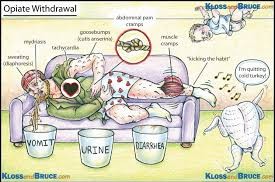
💊 Clonidine is a blood pressure tablet that has been used for decades to take the edge off opioid withdrawal. It does not stop withdrawal and it does not reduce cravings, but it can calm the storm of sweating, restlessness, anxiety, runny nose and racing heart that makes the first days so hard to get through. 🔍 Many people searching for “clonidine for withdrawal” want plain answers: which symptoms it helps, how it is dosed, why the blood pressure has to be checked before each tablet, how long to take it, what to add for diarrhea, vomiting, aches and sleepless nights, and what to do once the acute phase is over. This guide answers those questions in order, and it is honest about the limits: for most people with opioid dependence, buprenorphine or methadone work better than any withdrawal plan, and the days after detox carry a real risk of overdose.
🧬 What clonidine actually does in withdrawal
🧠 Opioids slow down a cluster of nerve cells in the brainstem called the locus coeruleus, which drives the “fight or flight” system. Over weeks of regular use, these cells adapt and fire harder to push back. When the opioid is stopped, the brake is gone and this system races, flooding the body with noradrenaline. Clonidine is an alpha-2 agonist: it switches on receptors that tell these same cells to quiet down. That is why it eases the symptoms that come from overactive nerves, and why it lowers blood pressure and pulse at the same time. 📋 It is approved as a blood pressure medicine, and its use in withdrawal is long established in addiction medicine, though in many countries it is technically off-label for this purpose.
⚡ Why withdrawal feels the way it does
💦 The noradrenaline surge explains the sweating, goosebumps, yawning, tearing, runny nose, dilated pupils, fast heart and the restless, jittery feeling. Other symptoms come from different pathways and respond poorly to clonidine: gut cramps and diarrhea come from opioid receptors in the bowel waking up, muscle and bone aches from changes in pain processing, and cravings and low mood from the reward system. That is why a clonidine plan nearly always includes a few other medicines aimed at specific symptoms.
⚖️ Symptoms clonidine eases, and those it does not
💡 People often expect clonidine to make withdrawal painless and feel let down on day two. A fair expectation is that it turns severe days into hard but manageable ones, especially for the jittery, sweaty, anxious part.
🧭 Where clonidine fits among the options
📊 Clonidine is one of several tools, and it is not the strongest. Opioid agonist treatment with buprenorphine or methadone relieves withdrawal far more completely and is the first choice in current guidelines for people with opioid use disorder, because it also cuts cravings, relapse and death. Clonidine is chosen when a person wants to stop opioids completely, when agonist treatment is not available or not wanted, or after a short course of prescribed painkillers.
| 💊 Option | 📋 How it works | 📝 Main point |
|---|---|---|
| Buprenorphine | Partial opioid agonist | Relieves withdrawal and cravings; used for detox or long-term |
| Methadone | Full opioid agonist, long acting | Given through licensed programs; strong effect on relapse |
| Lofexidine | Alpha-2 agonist | Approved specifically for withdrawal; somewhat less drop in blood pressure; costly |
| Clonidine | Alpha-2 agonist | Cheap and widely available; needs blood pressure checks |
| Symptom medicines | Target single symptoms | Added to any of the above for gut, pain, sleep |
🗓️ The withdrawal timeline by opioid type
⏳ The speed of withdrawal depends on how long the opioid stays in the body. Short-acting drugs such as heroin, oxycodone, hydrocodone and morphine cause an early, intense and shorter withdrawal; long-acting ones such as methadone start later and drag on for longer. Fentanyl is short acting in the blood but builds up in fat tissue with heavy use, so its withdrawal can start later and last longer than expected.
Yawning, sweating, runny nose, anxiety
Peak: cramps, diarrhea, vomiting, aches
Physical symptoms fade
Poor sleep, low energy, cravings
📏 Measuring severity: the COWS score
🩺 Clinics measure withdrawal with the Clinical Opiate Withdrawal Scale (COWS), which scores eleven signs such as pulse, sweating, restlessness, pupil size, bone aches, runny nose, gut upset, tremor, yawning, anxiety and goosebumps. The score guides when to give medicine and whether home care is still safe. It is also used to decide when buprenorphine can be started without triggering a sudden, worse withdrawal.
💊 How clonidine is usually dosed
📋 Doses are set by the prescriber and depend on body weight, starting blood pressure and the setting. Most plans start low, give the medicine in small doses spread through the day, and hold a dose whenever blood pressure or pulse runs low. The steps below describe a common pattern, not a self-treatment recipe.
📦 Clonidine comes as 0.1 mg, 0.2 mg and 0.3 mg tablets, and also as skin patches used for blood pressure. Catapres (Clonidine) tablets are the form most often used in withdrawal plans, because small doses can be adjusted hour by hour.
🩺 Blood pressure and pulse checks before each dose
📉 The main risk of clonidine is a drop in blood pressure that causes dizziness or fainting, especially when standing up quickly, and a slow pulse. For this reason, most plans ask for a reading before every dose and give clear rules for holding it. A simple home blood pressure monitor with a pulse reading is enough.
⏰ A sample day on a clonidine plan
📉 Tapering clonidine off without rebound
⚠️ After several days of regular use, stopping clonidine suddenly can cause rebound high blood pressure, headache, a pounding heart and agitation, which can feel like withdrawal coming back. The risk is higher with larger doses and in people who also take a beta blocker. A short taper avoids this.
😵 Side effects to expect
💡 Less common effects include constipation once the diarrhea settles, headache, tiredness the next day and vivid dreams. Fainting, chest pain, a pulse below 50 or confusion need urgent medical help. Because clonidine is sedating, it is unsafe to drive or operate machinery during a withdrawal course.
🚫 Who should not take clonidine for withdrawal
| 🚫 Situation | 📝 Why |
|---|---|
| Low blood pressure or fainting spells | Clonidine lowers it further |
| Slow heart rate or heart block | Risk of a dangerously slow pulse |
| Recent heart attack or severe heart disease | Swings in blood pressure are poorly tolerated |
| Severe kidney disease | Clonidine builds up; lower doses needed |
| Pregnancy | Opioid agonist treatment is preferred to withdrawal |
| Severe dehydration | Fluids first, then reassess |
📋 Older adults and people with depression also need extra care: clonidine can worsen low mood in some people, and falls are a real danger for anyone who becomes dizzy at night.
🔗 Interactions that matter
🔎 Clonidine adds to the effect of anything else that lowers blood pressure or causes sleepiness. The most dangerous combinations during withdrawal are with sedatives and with a second alpha-2 drug.
| 💊 Combined with | ⚠️ Risk |
|---|---|
| Tizanidine or lofexidine | Same drug family: much deeper drop in blood pressure; not combined |
| Beta blockers, calcium channel blockers | Slow pulse; stronger rebound if clonidine is stopped suddenly |
| Other blood pressure medicines | Low blood pressure and fainting |
| Benzodiazepines, sleeping tablets, alcohol | Heavy sedation, slowed breathing when opioids are also present |
| Opioids (if relapse occurs) | More sedation and risk of overdose |
| Tricyclic antidepressants | Can weaken the effect of clonidine |
🧰 Comfort medicines used alongside clonidine
💊 Doctors usually add a handful of short-term medicines that target the symptoms clonidine leaves behind. Each is taken only as needed and only for the acute days.
🚽 Diarrhea and stomach cramps
💩 When opioids leave the body, the bowel speeds up sharply. Loperamide slows the gut and is the usual choice: typically 4 mg after the first loose stool and 2 mg after each further one, within the daily limit on the pack or set by the doctor. It acts on opioid receptors in the gut wall and, at normal doses, does not reach the brain. ⚠️ Taking very large amounts of loperamide to self-treat withdrawal has caused serious heart rhythm problems and deaths, so the dose limit is a safety line, not a suggestion. Cramps often ease with a warm water bottle on the belly, and small, plain meals such as rice, bananas, toast and broth are easier on the gut than fatty food.
🤢 Nausea and vomiting
💧 Vomiting is the symptom most likely to turn a home withdrawal into an emergency, because it causes dehydration and makes it impossible to keep tablets down. Ondansetron, 4 to 8 mg up to every 8 hours as prescribed, is widely used and does not cause drowsiness. It can prolong the QT interval on the heart tracing, so people with heart rhythm problems or on other QT-prolonging drugs need advice first. Sipping small amounts of an oral rehydration drink every few minutes works better than drinking a large glass at once.
🦵 Muscle aches, bone pain and restless legs
🤕 Deep aching in the back, legs and joints is common at the peak. Ibuprofen 400 mg every 6 to 8 hours with food, or naproxen, eases the aches for most people, as long as there is no stomach ulcer, kidney disease or bleeding problem. Paracetamol is an alternative. For painful muscle spasm, methocarbamol is a sedating muscle relaxant that can be added for a few days. ⚠️ Tizanidine, such as Zanaflex (Tizanidine), belongs to the same alpha-2 family as clonidine. Some clinicians use it instead of clonidine, but the two are not taken together, because the fall in blood pressure can be severe. Restless legs at night often respond to a warm bath, gentle stretching and walking.
🌙 Anxiety and sleepless nights
🛏️ Clonidine itself helps sleep in the first nights, but insomnia often outlasts the physical symptoms. Hydroxyzine, an antihistamine with calming effects, is often used for anxiety and sleep because it carries no risk of dependence; trazodone at a low dose at bedtime is another common choice. Both add drowsiness to clonidine and can make standing up dizzying, so the first dose should be taken in bed and the person should rise slowly at night. 🚫 Benzodiazepines are generally avoided at home, because combined with any opioid relapse they sharply raise the risk of fatal overdose. More on non-addictive options: anxiety medication compared, and which ones are non-addictive, and trazodone for sleep and what else works for insomnia.
🥣 Fluids, food and home care
🌳 Home or supervised withdrawal?
🤰 Special situations
🧭 Situations that change the plan:
🔹 Pregnancy: withdrawal raises stress on the baby and the risk of relapse. Buprenorphine or methadone are recommended instead of detox.
🔹 Fentanyl use: withdrawal can be delayed and long, and starting buprenorphine is more complex. Specialist advice is worth getting early.
🔹 Coming off methadone: slow dose reduction over weeks to months is usually better than stopping and covering with clonidine.
🔹 Alcohol or benzodiazepine use at the same time: these withdrawals can cause seizures and delirium, which opioid withdrawal does not. They need medical supervision.
🔹 Chronic pain: stopping opioids should be planned with the pain specialist, often as a gradual taper.
📖 Alcohol withdrawal has a different and more dangerous course; see alcohol withdrawal timeline and what clonidine can and cannot treat. Cannabis withdrawal is milder but common: marijuana withdrawal syndrome.
⚠️ The overdose risk after detox
🚨 This is the most important safety point in any withdrawal plan. Within days of stopping, tolerance falls, while the memory of the old dose stays. A person who relapses and takes their usual amount can stop breathing. The weeks after leaving a detox unit or prison are among the highest-risk periods for fatal overdose, and fentanyl in the street supply has made this risk much worse.
🛡️ Reduce the danger:
🔹 Keep naloxone at home and make sure family or friends know where it is.
🔹 Agree on a plan for the weeks after detox: buprenorphine, methadone, naltrexone, counselling, or a mix.
🔹 If a relapse happens, never use alone, and start with a much smaller amount than before.
🔹 Mixing opioids with alcohol, benzodiazepines or sleeping tablets multiplies the risk.
🛡️ What comes after: naltrexone for relapse prevention
🔒 Naltrexone blocks opioid receptors for about a day per tablet, so opioids taken on top of it have little effect. It must be started only after the body is clear of opioids, usually 7 to 10 days after the last short-acting opioid and 10 to 14 days or more after methadone or buprenorphine; taken too early it triggers sudden, severe withdrawal. Doctors often confirm with a urine test, and sometimes with a small naloxone test dose. Oral naltrexone is usually 50 mg once a day; a monthly injection exists and is easier to stick with. It works best for people who are motivated and have someone supporting daily doses.
💡 Because naltrexone blocks opioid painkillers, people taking it should carry a card or note saying so, in case of an accident or surgery. The same medicine is used for alcohol problems; see medicines to stop or cut down drinking.
🗿 Myths about clonidine and opioid withdrawal
🚨 When to see a doctor urgently
⛔ Get medical help the same day, or call emergency services, if:
🔹 Vomiting or diarrhea means you cannot keep fluids down for more than 12 to 24 hours, or you pass very little urine.
🔹 You faint, have chest pain, or your pulse stays below 50.
🔹 Confusion, a seizure, hallucinations or high fever appear, which suggest something other than opioid withdrawal.
🔹 You are pregnant and withdrawal has started.
🔹 Someone is very drowsy, breathing slowly or cannot be woken after a relapse: give naloxone and call emergency services.
🔹 You have thoughts of harming yourself. Contact a crisis line or emergency services now.
❓ Frequently asked questions
Does clonidine help with opioid withdrawal?
Yes, it eases sweating, anxiety, restlessness, runny nose and a racing heart. It does little for cravings, aches and diarrhea, so other medicines are usually added.
How much clonidine is used for withdrawal?
A common pattern is 0.1 mg, sometimes 0.2 mg, every 6 to 8 hours, with each dose held if blood pressure or pulse is low. The prescriber sets the daily limit.
How long does it take clonidine to work?
Tablets usually start to help within 30 to 60 minutes, with the main effect lasting several hours, which is why doses are repeated through the day.
How many days should clonidine be taken?
Usually through the acute phase, about 4 to 7 days for short-acting opioids and longer after methadone, followed by a taper over 2 to 4 days.
Can I stop clonidine suddenly?
It is better not to. After several days of use, a sudden stop can cause rebound high blood pressure, headache and agitation. A short taper avoids this.
Is clonidine addictive?
It does not cause a high or opioid-type dependence, but the body gets used to it, which is why it is tapered. Misuse to boost opioids has been reported.
Is clonidine better than buprenorphine for withdrawal?
No. Buprenorphine relieves withdrawal more completely and also reduces cravings and relapse. Clonidine is used when opioid-based treatment is not wanted or available.
Can clonidine and tizanidine be taken together?
They are not combined, because both are alpha-2 agonists and together can cause a severe drop in blood pressure and a slow pulse.
What helps diarrhea during opioid withdrawal?
Loperamide at standard doses, fluids with salts and plain food. Very high doses of loperamide are dangerous for the heart and must be avoided.
When can naltrexone be started after withdrawal?
Usually 7 to 10 days after the last short-acting opioid and 10 to 14 days or more after methadone or buprenorphine, to avoid sudden severe withdrawal.
📑 Sources and editorial
- 📘 National clinical guidelines on the management of opioid withdrawal and opioid use disorder
- 💊 Prescribing information for clonidine, lofexidine, loperamide, ondansetron and naltrexone
- 🔬 Systematic reviews comparing alpha-2 agonists with buprenorphine and methadone for withdrawal
- 🩺 Validation studies of the Clinical Opiate Withdrawal Scale (COWS)
- ⚠️ Regulatory safety warnings on high-dose loperamide and cardiac effects
- 🛡️ Public health guidance on overdose risk after detox and naloxone distribution
- 📖 Related reading: alcohol withdrawal timeline, medicines to stop or cut down drinking, anxiety medication compared, trazodone for sleep
- 🛒 Related products: Catapres (Clonidine), Imodium (Loperamide), Zofran (Ondansetron), Motrin (Ibuprofen), Atarax (Hydroxyzine), ReVia (Naltrexone)
- 🩺 RXshop Editorial Team — reviewed by Thomas Walsh, MD — Psychiatrist
Medical Disclaimer: The information in this article is for educational and informational purposes only and is not a substitute for professional medical advice, diagnosis, or treatment. Always seek guidance from a qualified healthcare provider with any questions you may have regarding a medical condition, and before starting, stopping or changing any medication.