Celecoxib for Knee and Hip Osteoarthritis: Where It Fits, Stomach and Heart Trade-offs, and Safer Steps Before Tablets


🦵 A sore knee on the stairs, a stiff hip when getting out of the car, a joint that aches by evening and loosens again after a night of rest. That is the daily picture of osteoarthritis, and sooner or later most people with it ask the same question: is it time for a stronger anti-inflammatory tablet such as celecoxib, and what does it cost the stomach, the heart and the kidneys? 🧭 This guide walks through osteoarthritis pain relief for the knee and hip in the order doctors actually use it: exercise, weight, gels, then oral anti-inflammatories, with celecoxib and its trade-offs explained in plain terms, then injections and surgery. The aim is simple. You should finish knowing which step you are on, what the next step is, and which warning signs mean stop.
🧭 Where celecoxib fits in osteoarthritis care
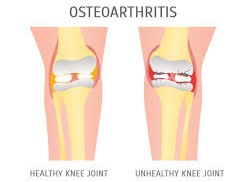
🦴 Osteoarthritis is a slow change in the whole joint: the cartilage thins, the bone underneath thickens, small bony spurs grow at the edges, and the lining of the joint can become mildly inflamed during flares. No tablet rebuilds cartilage, so every medicine in this guide treats pain and stiffness, not the joint itself. If you are not yet sure your pain is osteoarthritis rather than an inflammatory arthritis, read osteoarthritis or rheumatoid arthritis: which joints, which timing first, because the treatment paths are very different.
💊 Celecoxib, sold as Celebrex (Celecoxib), is an oral non-steroidal anti-inflammatory drug (NSAID) of the COX-2 selective type. It sits in the middle of the ladder: after the low-risk steps, before injections and surgery. It is a good tool for the right person, at the lowest dose that works, with the stomach, heart and kidneys checked first.
🪜 The step-by-step ladder
📋 Guidelines from rheumatology and orthopaedic societies differ in detail but agree on the order. The first steps are the ones with the best long-term results and almost no side effects, and medicines are added on top of them, never instead of them.
🏃 Step 1: exercise is a treatment, not advice
💪 Strong thigh and hip muscles act as shock absorbers and guide the joint through a cleaner path. In trials, structured exercise reduces knee osteoarthritis pain by about as much as an anti-inflammatory tablet, and the benefit lasts as long as the exercise continues. Mild pain during exercise that settles within a day is acceptable; swelling that lasts into the next day means the dose was too high.
⚖️ Step 2: weight and load on the joint
📉 For the knee, body weight is multiplied with every step. A commonly quoted figure from gait studies is that each kilogram lost takes roughly four kilograms of load off the knee per step. Over thousands of steps a day, that adds up fast. Losing 5 to 10% of body weight often produces a noticeable drop in knee pain, and larger losses help more. The hip benefits less clearly, but weight loss still improves walking and general fitness. A realistic plan is covered in weight loss: when strategy meets science.
🧴 Step 3: gel first for the knee
🧴 Topical NSAIDs such as diclofenac gel reach the joint tissues under the skin while only a small fraction of the drug enters the bloodstream, so the stomach, kidney and heart risks of tablets largely fall away. For knee and hand osteoarthritis they are the recommended first medicine, ahead of any tablet. Options in stock include Emulgel (Diclofenac) and Jonac (Diclofenac Gel), usually applied up to four times a day as directed on the pack. The full story of which joints a gel can and cannot reach is in joint pain relief that actually works.
💡 This is the reason hip osteoarthritis reaches the oral NSAID step sooner than knee osteoarthritis. For the hip, the realistic medicine choices are tablets and, later, an injection guided by imaging.
💊 Paracetamol: why it slipped down the list
📉 For years paracetamol was the standard first tablet for osteoarthritis. Larger reviews later showed that its benefit for knee and hip osteoarthritis pain is small, often too small for patients to notice, and several guidelines no longer recommend it on its own as routine treatment. It still has a place: it is gentle on the stomach, does not raise blood pressure and suits many people who cannot take NSAIDs. Paracetamol 500mg taken regularly for a short spell, or combined with a gel, is reasonable. The limit is no more than 4 g a day, and less in people with liver disease, heavy drinking or low body weight.
🧪 How NSAIDs work and what COX-2 selective means
🔬 All NSAIDs block cyclooxygenase (COX) enzymes, which make prostaglandins. Prostaglandins drive pain and swelling in the joint, but they also protect the stomach lining, keep blood flowing to the kidneys and help balance clotting. Celecoxib mainly blocks COX-2, the form linked to inflammation, and spares COX-1, the form that protects the stomach. That is the source of its main advantage and also of its limits.
⚖️ In practice, celecoxib relieves osteoarthritis pain about as well as standard doses of naproxen, ibuprofen or diclofenac. It is not a stronger painkiller. What changes is the risk profile, and that is the reason to choose it or not.
📋 Celecoxib dosing for osteoarthritis
| 📋 Point | ✅ Usual practice |
|---|---|
| Osteoarthritis dose | 200 mg once a day, or 100 mg twice a day |
| Starting dose in higher risk | 100 mg a day, raised only if needed |
| Food | Can be taken with or without food; with food is kinder if the stomach is sensitive |
| Onset | Pain relief within hours; steady effect over several days |
| Moderate liver impairment | Dose usually halved; avoided in severe liver disease |
| Slow CYP2C9 metabolisers | Lower starting dose, as the drug builds up |
| Review point | If there is no useful benefit after about 2 weeks, stop and rethink |
💡 Many people with osteoarthritis do not need a tablet every day. Taking celecoxib during flares, or on days with planned activity, keeps the total dose low, and a lower total dose means lower risk. A lower-cost equivalent, Celeheal (Celecoxib), contains the same active substance.
📅 The first two weeks on celecoxib
Pain eases within hours of a dose
Stiffness and night pain settle
Check blood pressure, ankles, stomach
Decide: keep, lower or stop
📝 A short pain and activity diary helps here. Score pain from 0 to 10 and note what you managed that day, such as the stairs, a walk or a shopping trip. After two weeks the diary shows whether the tablet is earning its risk.
🛡️ The stomach trade-off
🩸 Traditional NSAIDs can cause indigestion, stomach ulcers and bleeding, sometimes without any warning pain, especially in older people. Celecoxib causes clearly fewer ulcers and bleeds than traditional NSAIDs, which is its main reason to exist. The advantage shrinks, however, when it is combined with low-dose aspirin, and the risk is not zero even on its own.
🧯 When to add a stomach protector
🛡️ A proton pump inhibitor (PPI) cuts acid and lowers the chance of an NSAID ulcer. People with a past ulcer or bleed, or several risk factors, should have one alongside any oral NSAID, including celecoxib. Common choices are Prilosec (Omeprazole) 20 mg once daily or Nexium (Esomeprazole) 20 mg once daily, taken before breakfast.
❤️ The heart trade-off
🫀 All NSAIDs, both selective and traditional, slightly raise the risk of heart attack and stroke, more so at high doses and in people who already have heart disease. Celecoxib at usual osteoarthritis doses does not appear to carry more heart risk than ibuprofen or naproxen: in the large PRECISION trial of people with arthritis and raised heart risk, moderate-dose celecoxib was no worse than those two drugs for heart events and caused fewer stomach problems. That result is reassuring, but it does not make any NSAID safe for a person with recent heart disease.
⚠️ Heart and circulation: when celecoxib is usually avoided
🔹 Heart attack, stent or bypass surgery, especially in the recent past.
🔹 Stroke or mini-stroke, or narrowed leg arteries with pain on walking.
🔹 Heart failure with breathlessness or swollen ankles.
🔹 The days around heart bypass surgery, where it is contraindicated.
🩸 Blood pressure and fluid
📈 NSAIDs make the kidneys hold on to salt and water. That can raise blood pressure by a few points and cause ankle swelling, and it can blunt the effect of blood pressure tablets. Celecoxib shares this effect, and etoricoxib tends to raise blood pressure more. Anyone with treated hypertension should check their readings in the first week or two after starting, and again after any dose change. The wider topic of blood pressure tablets and the medicines that disturb them is covered in living with blood pressure tablets.
🫘 The kidney trade-off
💧 Prostaglandins keep blood flowing to the kidneys when the body is short of fluid. Blocking them is mostly harmless in healthy kidneys but can cause sudden kidney injury in people who are dehydrated, older or on certain blood pressure medicines. Doctors describe a dangerous combination of three drug types that should be avoided together:
🤒 Pause celecoxib on any day with vomiting, diarrhoea or high fever, when the body is losing fluid, and restart once eating and drinking normally. People with known kidney disease should have a blood test before starting and after a few weeks, and those with severe kidney impairment should not take it at all.
💊 Celecoxib and the other oral options
🧮 There is no single best NSAID for osteoarthritis. Each one balances pain relief, stomach risk, heart risk and convenience a little differently, and the right one depends on the person in front of the doctor.
📊 Side by side: doses and main concerns
| 💊 Drug | 📋 Usual adult dose for osteoarthritis | 🩸 Stomach | ❤️ Heart and blood pressure |
|---|---|---|---|
| Celecoxib | 200 mg once daily or 100 mg twice daily | Lower risk | Similar to other NSAIDs at usual doses |
| Naproxen | 250 to 500 mg twice daily | Higher risk | Often seen as the more neutral traditional NSAID |
| Ibuprofen | 400 mg up to three times daily | Moderate at low doses | Risk rises at high doses; may blunt aspirin |
| Meloxicam | 7.5 to 15 mg once daily | Moderate | Class risk |
| Etoricoxib | 30 to 60 mg once daily | Lower risk | Raises blood pressure more |
| Diclofenac gel | Applied to the joint up to four times daily | Very low | Very low |
🚫 Never take two NSAIDs together, for example celecoxib plus an over-the-counter ibuprofen for a bad day. It adds risk without adding much relief. Using a gel on the knee while on a tablet is also best agreed with a doctor. For a broader comparison of everyday painkillers, see which painkiller to choose and who should avoid NSAIDs.
🧭 Choosing by your risk profile
🚫 Who should not take celecoxib
| 🚫 Situation | 📝 Why |
|---|---|
| Allergy to sulfonamides | Celecoxib contains a sulfonamide group; allergic reactions are possible |
| Asthma, hives or swelling after aspirin or another NSAID | Risk of a serious reaction |
| Active ulcer or bleeding from the gut | Can worsen bleeding |
| Established heart disease, stroke, heart failure | Raised risk of clots and fluid overload |
| Severe kidney or liver impairment | Can cause further damage |
| Pregnancy from about 20 weeks | Can harm the kidneys and heart circulation of the baby |
| Inflammatory bowel disease in a flare | May worsen the bowel |
🔗 Interactions to check before starting
👵 A safety checklist for people over 65
👴 Osteoarthritis is most common after 60, and so are the conditions that make NSAIDs risky. Older people can still use celecoxib, but the checks matter more.
💉 Injections and surgery
💉 When tablets are unsuitable or not enough, injections can help a flare. A steroid injection into the knee or hip usually eases pain for a few weeks, sometimes a few months, and is often used to get through a bad spell or to make exercise possible. Repeated injections into the same joint are spaced out, commonly no more than every 3 months.
| 💉 Option | ⏳ How long it helps | 📝 Notes |
|---|---|---|
| Steroid injection | Weeks, sometimes a few months | Good for flares; hip injections are usually guided by ultrasound or X-ray |
| Hyaluronic acid | Variable | Evidence mixed; benefit uncertain |
| Platelet-rich plasma | Uncertain | Still under study; often private cost |
| Joint replacement | Many years | For severe pain and poor function despite other steps |
🏥 Knee and hip replacements are among the most successful operations in medicine. The right time to discuss surgery is when pain and stiffness keep limiting daily life despite good use of the earlier steps, not when an X-ray looks bad. X-ray changes and symptoms often do not match.
🧠 Duloxetine when pain persists
🧠 In long-standing osteoarthritis the nervous system can become more sensitive, so pain is felt more strongly than the joint damage alone explains. Duloxetine, an antidepressant that also dampens pain signals, is an option for persistent knee osteoarthritis pain, especially when NSAIDs are unsuitable. It is usually started at 30 mg once daily for a week, then 60 mg. Cymbalta (Duloxetine) is the best-known brand. More on why pain can outlast its cause is in when the brain keeps the pain switch on.
🧭 What to know about duloxetine for joint pain:
🔹 Nausea, dry mouth and tiredness are common in the first weeks and often fade.
🔹 Combined with an NSAID it raises bleeding risk, so a stomach protector is often added.
🔹 It should not be stopped suddenly; the dose is reduced gradually.
🗿 Myths about osteoarthritis pain relief
📋 Key numbers to remember
🚨 When to see a doctor
⛔ Get urgent medical help if:
🔹 You pass black, tarry stools, vomit blood or material like coffee grounds, or feel faint while on an NSAID.
🔹 You have chest pain, sudden breathlessness, weakness of one side of the body or slurred speech.
🔹 A single joint becomes hot, red and very painful with fever; this can be infection and needs same-day care.
🔹 You notice much less urine, sudden swelling of the legs, or a rash with blisters or peeling skin.
📆 Book a routine appointment if pain is waking you most nights, if you have needed an oral NSAID for more than a few weeks, or if walking distance keeps shrinking despite the steps above.
❓ Frequently asked questions
Is celecoxib good for knee osteoarthritis?
Yes, it relieves knee and hip osteoarthritis pain about as well as other NSAIDs, with fewer stomach ulcers. For the knee, a diclofenac gel is usually tried first.
What is the usual celecoxib dose for osteoarthritis?
Usually 200 mg once a day or 100 mg twice a day. People at higher risk often start at 100 mg a day.
Is celecoxib safer for the stomach than ibuprofen or naproxen?
Yes, it causes fewer ulcers and bleeds, but the advantage shrinks with low-dose aspirin. People with a past ulcer may still need a stomach protector.
Does celecoxib increase the risk of heart attack?
All oral NSAIDs slightly raise heart risk. At usual doses celecoxib appears no riskier than ibuprofen or naproxen, but people with heart disease should avoid it.
Can I take celecoxib every day for arthritis?
Some people do, under regular review of blood pressure, kidneys and stomach. Many manage with the lowest dose taken during flares only.
Who should not take celecoxib?
People with sulfonamide allergy, aspirin-sensitive asthma, an active ulcer, established heart disease or stroke, severe kidney or liver disease, or pregnancy from about 20 weeks.
Should I take omeprazole with celecoxib?
A proton pump inhibitor such as omeprazole is advised for people aged 65 or more, with a past ulcer, or also taking aspirin, steroids, SSRIs or blood thinners.
Does paracetamol work for osteoarthritis?
Its benefit for knee and hip osteoarthritis is small. It remains an option for people who cannot take NSAIDs, at no more than 4 g a day.
Do diclofenac gels work for hip arthritis?
Rarely, because the hip lies too deep under muscle for a gel to reach. Gels work best on the knee, hand, ankle and foot.
How long does a knee steroid injection last?
Usually a few weeks, sometimes a few months. Injections into one joint are normally spaced at least 3 months apart.
📑 Sources and editorial
- 📘 Rheumatology and orthopaedic guidelines on management of knee and hip osteoarthritis
- 🏃 Systematic reviews of exercise therapy and weight loss in knee osteoarthritis
- 🧴 Reviews of topical NSAIDs for osteoarthritis pain
- 💊 Product information for celecoxib, naproxen, meloxicam, etoricoxib and duloxetine
- ❤️ Large randomised trial comparing heart and stomach safety of celecoxib, ibuprofen and naproxen in arthritis
- 🛡️ Gastroenterology guidance on preventing NSAID-related ulcers
- 📖 Related reading: joint pain relief that actually works, which painkiller to choose, osteoarthritis or rheumatoid arthritis, when the brain keeps the pain switch on
- 🛒 Related products: Celebrex (Celecoxib), Celeheal (Celecoxib), Emulgel (Diclofenac), Naprosyn (Naproxen), Mobic (Meloxicam), Prilosec (Omeprazole)
- 🩺 RXshop Editorial Team — reviewed by Emily Chen, MD, MPH — Internal Medicine Specialist
Medical Disclaimer: The information in this article is for educational and informational purposes only and is not a substitute for professional medical advice, diagnosis, or treatment. Always seek guidance from a qualified healthcare provider with any questions you may have regarding a medical condition, and before starting, stopping or changing any medication.