Cryptosporidiosis With HIV or a Weak Immune System: Why Diarrhea Becomes Chronic and Where Nitazoxanide Falls Short


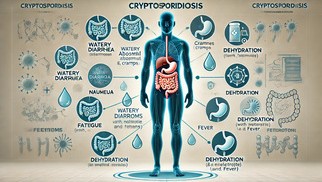
🛡️ In a healthy adult, cryptosporidiosis is a miserable but short illness: one to two weeks of watery diarrhea, then the immune system clears the parasite on its own. When the immune system is weak, the same parasite can stay in the gut for months, cause several litres of watery stool a day, spread into the bile ducts and wear the body down until weight, strength and blood salts fall away. 🔍 This happens most often in people with untreated HIV and a low CD4 count, but also after an organ transplant, during chemotherapy, on high-dose steroids or biologic drugs, and in a few inherited immune disorders. This guide explains why the infection behaves so differently in these groups, how it is found, why nitazoxanide on its own often falls short, why rebuilding the immune system is the treatment that really ends the infection, and how to protect fluids, nutrition, other medicines and the rest of the household along the way.
🧬 Why a weak immune system changes everything
🧫 Cryptosporidium is a tiny parasite that lives inside the cells lining the small intestine. In a person with normal immunity, T cells (especially CD4 helper cells) and the chemical signal interferon gamma are what finally push it out. Without them, the parasite keeps cycling: it multiplies inside gut cells, releases new forms that reinfect neighbouring cells, and even produces thin-walled oocysts that hatch inside the same person. That internal reinfection is why a single exposure can turn into an illness that never ends on its own. 📖 The everyday form of the infection, after a pool, a lake or a farm visit, is covered in Cryptosporidium diarrhea after swimming or a farm visit. This article starts where that one stops: the patient whose body cannot finish the job.
👥 Who is at risk of the severe form
📋 Doctors use the word immunocompromised loosely, but for this parasite the risk depends mainly on how well T cells work. A person with well-controlled HIV on treatment and a normal CD4 count usually gets the same short illness as anyone else. A person with HIV who has never been diagnosed, or who stopped treatment, is a different story.
💡 Pregnancy, diabetes and older age on their own do not usually lead to the chronic form, although dehydration hits these groups harder. What matters most is the cell-based immune response, so the question a doctor asks is often simply: what is your latest CD4 count, or which immune-lowering medicines do you take?
📉 CD4 count and what to expect
🧪 In people with HIV, the CD4 count is the best single guide to how the infection will behave. The lower the count, the longer and heavier the diarrhea, and the higher the chance of spread to the bile ducts. The ranges below are the ones clinicians use as a rough map, not exact cut-offs.
📊 Four patterns doctors see
📖 Before modern HIV treatment, doctors described several distinct patterns in people with AIDS, and they are still seen today in people who are diagnosed late. Recognising the pattern helps judge how urgent the situation is, especially the cholera-like form, which can drain a person of fluid within a day or two.
💧 Symptoms that come with all four patterns are cramping, bloating, nausea, low appetite and tiredness. Fever is often mild or absent, which can make the illness look less serious than it is. Blood in the stool is unusual and points towards a second infection.
🫀 Beyond the gut: bile ducts and pancreas
🧭 At very low CD4 counts the parasite can climb from the small intestine into the bile ducts and gallbladder. This causes a condition called AIDS cholangiopathy: inflammation and narrowing of the bile ducts that looks like sclerosing cholangitis on a scan. The same picture is seen in children with CD40 ligand deficiency, an inherited immune disorder in which repeated Cryptosporidium infection is a well-known cause of long-term liver damage.
🏥 These problems are assessed with ultrasound, MRI of the bile ducts (MRCP) or an endoscopic procedure, and some patients need a small cut or stent to open the outlet of the bile duct. Lasting improvement again depends on immune recovery, since the parasite cannot be cleared from the ducts by drugs alone.
🔀 Cryptosporidium or Cryptococcus?
🤔 The names sound almost the same, both are classic infections of advanced HIV, and they are often confused in conversation and even in medical notes. They are entirely different organisms that affect different organs and need different medicines. A person with a very low CD4 count can, unfortunately, have both at the same time.
💊 For cryptococcal meningitis, the first weeks of treatment are given in hospital, and long-term tablets such as Fluconaz (Fluconazole) follow afterwards to stop it from returning. Fluconazole has no effect on Cryptosporidium, and nitazoxanide has no effect on Cryptococcus. 📖 More on how yeasts differ from each other: yeast-like fungi: Candida, Malassezia and Cryptococcus.
🧪 Testing: why a routine stool test can miss it
🔬 Many laboratories do not look for Cryptosporidium in a standard ova and parasite examination unless the doctor asks for it by name. The oocysts are very small and need a special stain, an antigen test or a molecular test to be seen. For someone with weak immunity and diarrhea that has lasted more than a week, it is reasonable to ask whether Cryptosporidium has been included.
🧫 Other causes of long diarrhea to rule out
🔍 Chronic diarrhea in a person with weak immunity has a long list of possible causes, and two infections at once are common. Finding Cryptosporidium does not end the search if the picture does not fit, for example if there is blood, high fever or pain in a different place.
| 🔎 Cause | 📋 Typical clues | 💊 Usual treatment |
|---|---|---|
| Cystoisospora | Watery diarrhea much like Cryptosporidium, travel to tropics | Co-trimoxazole |
| Microsporidia | Chronic watery diarrhea at very low CD4 counts | Depends on species; immune recovery |
| Cyclospora | Long watery diarrhea after imported produce | Co-trimoxazole |
| Giardia | Greasy, foul-smelling stool, bloating, wind | Nitazoxanide, metronidazole or tinidazole |
| Cytomegalovirus colitis | Bloody diarrhea, pain, fever, CD4 below 50 | Antiviral drugs in hospital |
| Mycobacterium avium complex | Fever, night sweats, weight loss, anaemia | Combination antibiotics |
| Clostridioides difficile | After antibiotics or hospital stay | Specific antibiotics |
| Medicine side effects | Started after a new drug, no infection found | Review the medicine list |
📖 Giardia is a frequent companion and needs its own approach; see giardiasis treatment: nitazoxanide or metronidazole. Metronidazole, sold as Flagyl (Metronidazole), works well for Giardia and amoebae but does not treat Cryptosporidium, so a person who does not improve on it may simply have the wrong diagnosis.
🎯 The treatment that really ends it: immune recovery
🛡️ Every major guideline on this infection makes the same point: no tablet reliably clears Cryptosporidium from a person whose immune system cannot help. What does work is giving the immune system back its strength. In HIV that means effective antiretroviral therapy. After a transplant or during cancer care it means lowering immune-suppressing drugs when this is safe. Once T cells recover, the diarrhea usually fades, often completely.
💊 Starting HIV treatment during the diarrhea
⏱️ For people with HIV and cryptosporidiosis, antiretroviral therapy is started as soon as possible, ideally within days of diagnosis. Unlike some other infections of advanced HIV, there is no reason to wait. Many modern first-line regimens are built around dolutegravir, often as one tablet a day. 📖 How a first regimen is chosen and what to expect in the first year: starting HIV treatment: the first regimen and the first year.
⚠️ Heavy diarrhea raises a fair question: will the HIV tablets be absorbed? Usually enough is absorbed to start lowering the viral load, and stopping treatment because of diarrhea is the wrong move. If vomiting means doses keep coming back up, the HIV clinic should know the same day, as anti-sickness medicine, a different formulation or a short hospital stay may be needed. A viral load check a few weeks after starting shows whether the drugs are working.
🔄 When HIV treatment is not working
🧪 Some people develop cryptosporidiosis while already on HIV treatment. That is a sign the regimen is not controlling the virus, most often because doses are missed, because of drug interactions, or because of resistance. The response is to find out why: an honest talk about adherence, a viral load test, a resistance test and a medicine review. 📖 How regimens are changed and what resistance means: HIV regimens: switching treatment, viral blips and drug resistance.
- 📌 Dolutegravir and minerals: antacids, iron, calcium, magnesium and zinc supplements bind it in the gut; take dolutegravir 2 hours before or 6 hours after them, or together with food if the label allows
- 📌 Some seizure medicines, rifampicin and the herbal remedy St John wort lower levels of several HIV drugs
- 📌 Missed doses during the worst days of diarrhea should be discussed with the clinic, not quietly skipped
- 📌 A rising CD4 count is the clearest sign the gut infection will eventually clear
💊 Nitazoxanide: what it can and cannot do
🧪 Nitazoxanide is the only medicine licensed specifically for diarrhea caused by Cryptosporidium. It blocks an enzyme the parasite needs to make energy. In people with normal immunity, a three-day course shortens the illness and reduces how long oocysts are shed. In people with advanced HIV, the official product information states that it has not been shown to be better than placebo when used alone. That does not mean it is useless: many specialists still give it alongside HIV treatment or reduced immune suppression, because some patients clearly improve faster.
🛒 Nitazoxanide is available as Nizonide (Nitazoxanide). It is the medicine of choice for the parasite itself, but in this patient group it works as a helper to immune recovery, not as a replacement for it.
📋 How nitazoxanide is taken
⚖️ Other drugs that have been tried
📚 Before nitazoxanide, and in cases where it fails, doctors have tried several other medicines. None of them works reliably on its own, and they are used only by specialists, sometimes in combination, when immune recovery is slow or impossible.
| 💊 Medicine | 📝 What is known |
|---|---|
| Paromomycin | Poorly absorbed antibiotic that stays in the gut; modest and inconsistent benefit in trials |
| Azithromycin | Small studies with mixed results, sometimes combined with paromomycin; see Zithromax (Azithromycin) |
| Metronidazole, tinidazole | Treat Giardia and amoebae; no useful effect on Cryptosporidium |
| Fluconazole | Antifungal; no effect on this parasite |
| Octreotide | Hormone-like drug that can reduce very high stool volumes; hospital use only |
🔬 Research is looking for new drugs that act on the parasite in the gut wall, but at present the standard approach remains nitazoxanide plus immune recovery plus good supportive care.
🫀 After an organ transplant
🏥 In transplant recipients, cryptosporidiosis brings a special problem. Diarrhea can raise blood levels of tacrolimus, one of the main anti-rejection drugs, probably because a damaged gut lining handles the drug differently. High levels can harm the kidneys and cause tremor or confusion, while the infection itself can cause dehydration that strains a transplanted kidney even more. 📖 Living with these medicines and the infection risks they bring: living on immunosuppressants: monitoring, infection and vaccines.
🎗️ Cancer treatment, steroids and biologic drugs
💉 People on chemotherapy for leukaemia or lymphoma, after a stem cell transplant, or on long courses of high-dose steroids are also at risk of a long illness. Some biologic drugs and other immune-lowering treatments for inflammatory disease can do the same, although most people on them who catch Cryptosporidium recover normally. The cancer or rheumatology team weighs the risk of pausing treatment against the risk of the infection.
🧭 What this means in practice:
🔹 Tell the oncology or rheumatology team about any diarrhea that lasts more than a few days during treatment.
🔹 Ask for a stool test that includes Cryptosporidium, not only bacteria.
🔹 Do not stop steroids suddenly: after long use this can cause a dangerous drop in natural cortisol made by the body.
🔹 Ask whether a planned dose of chemotherapy or a biologic should be delayed until the infection settles.
💧 Fluids and salts come first
🚰 Whatever the cause of the weak immunity, dehydration and loss of salts are what make cryptosporidiosis dangerous in the short term. Oral rehydration solution, which contains a measured balance of sugar and salts, is absorbed even by an inflamed gut and works better than water, juice or sports drinks. People who cannot keep up with their losses, or who have low potassium or sodium on blood tests, need fluids by drip.
🛑 Medicines that ease the diarrhea and nausea
💊 In cryptosporidiosis without fever or blood in the stool, doctors often allow an anti-diarrheal medicine to reduce stool volume, especially in the chronic form, where losses can be exhausting. Loperamide, sold as Imodium (Loperamide), slows the gut and gives more time for fluid to be absorbed. It does not treat the parasite.
📋 Loperamide
💊 Usually 4 mg first, then 2 mg after each loose stool
🚫 Daily maximum on prescription 16 mg; lower on shop packs
⚠️ Not with fever, blood in stool or a swollen belly
❤️ Very high doses can disturb heart rhythm
🤢 Ondansetron
💊 Helps nausea and vomiting so fluids and tablets stay down
⏱️ Works within about half an hour
⚠️ Can prolong the QT interval; care with low potassium
💡 Low potassium and magnesium from long diarrhea add to the heart rhythm risk of both medicines, so blood salts are worth checking before high or repeated doses. In hospital, very heavy diarrhea is sometimes treated with stronger agents such as octreotide or opioid preparations under supervision.
🍽️ Eating through chronic diarrhea
🍞 Weight loss is one of the most damaging parts of the chronic form. Eating should continue even while diarrhea goes on: the gut still absorbs a good share of nutrients, and starvation slows healing of the gut lining. Small, frequent meals tend to be better tolerated than large ones.
📊 A dietitian can help when weight keeps falling. Nutrition drinks, vitamin and mineral supplements and, rarely, feeding by drip are used in severe cases. Remember the timing rule with dolutegravir if any supplement contains iron, calcium, magnesium or zinc.
📦 Making sure other medicines still work
🤔 Fast gut transit and watery stools can reduce the absorption of tablets that need time in the gut. Most medicines are absorbed well enough, but a few deserve extra attention during weeks of heavy diarrhea.
⏳ What recovery looks like
Fluids, salts, symptom control, treatment started
Viral load falling; stools often less frequent
CD4 rising; diarrhea fading, weight returning
Infection cleared in most people who stay on treatment
📈 The pace varies. Some people notice a change within two weeks, others only after a couple of months, and bile duct damage can take longer to settle. A steady fall in stool frequency, more energy and weight gain are the signs that things are on track.
🛡️ Prevention for people with weak immunity
💧 Cryptosporidium oocysts survive for days in properly chlorinated pool water and are not killed by alcohol hand gel. For someone with a low CD4 count or on strong immune-lowering drugs, prevention is worth taking seriously, because each new infection can mean months of illness.
🏠 Protecting the rest of the household
👪 A person with chronic cryptosporidiosis can shed oocysts for as long as the infection lasts, and for some weeks after the diarrhea ends. Household members with normal immunity usually get only a short illness, but anyone else in the home with weak immunity, a young baby or an elderly relative needs protecting.
Soap and water for everyone, separate hand towels for the ill person
Soiled clothes and bedding washed on a hot cycle and dried fully
Ordinary bleach is not reliable; hydrogen peroxide cleaners work better
No swimming until 2 weeks after the diarrhea has fully stopped
The ill person should not prepare food for others while symptomatic
Food handlers, carers and childcare staff stay off until 48 hours after the last episode
🗿 Myths and facts
🚨 When to see a doctor
⛔ Seek medical care the same day if you have weak immunity and:
🔹 Watery diarrhea has lasted more than 7 days, or keeps coming back.
🔹 You pass very large volumes, feel dizzy on standing, or pass little or dark urine.
🔹 You cannot keep fluids or your HIV or transplant medicines down.
🔹 You have pain under the right ribs, yellow skin or eyes, or fever with chills.
🔹 There is blood in the stool, high fever or severe belly pain, which suggest another infection.
🔹 You are confused, very weak or fainting. In that case, call emergency services.
📞 If you are on HIV treatment, a transplant drug or chemotherapy, contact the team that manages it, not only a general clinic, so that drug levels, doses and timing can be reviewed together with the infection.
❓ Frequently asked questions
Why is cryptosporidiosis worse in people with HIV?
CD4 T cells are needed to clear the parasite. When the count is low, the parasite keeps reinfecting the gut and the diarrhea can last for months.
At what CD4 count is cryptosporidiosis dangerous?
The risk of chronic, severe illness rises below 100 cells/mm3, and spread to the bile ducts is most likely below 50.
Does nitazoxanide work if my immune system is weak?
It works less well. On its own it has not beaten placebo in advanced HIV, but given with HIV treatment or reduced immune drugs it can help recovery.
How long is nitazoxanide taken in weak immunity?
Longer than the usual 3 days. In HIV it is often 500 to 1000 mg twice daily for about 14 days, with food, as set by the doctor.
Should HIV treatment wait until the diarrhea is over?
No. HIV treatment should start as soon as possible, because immune recovery is the main way the infection clears.
What is the difference between Cryptosporidium and Cryptococcus?
Cryptosporidium is a gut parasite that causes watery diarrhea. Cryptococcus is a fungus that causes meningitis and is treated with antifungal drugs.
Can I take loperamide for Cryptosporidium diarrhea?
Often yes, if there is no fever or blood in the stool. It reduces stool volume but does not treat the parasite. Ask your doctor about the dose.
Why do transplant doctors check tacrolimus levels during diarrhea?
Diarrhea can raise tacrolimus levels in the blood, which can harm the kidneys. The dose may need adjusting until the gut settles.
Does metronidazole treat Cryptosporidium?
No. Metronidazole treats Giardia and amoebae but has no useful effect on Cryptosporidium.
How can people with weak immunity avoid Cryptosporidium?
Wash hands with soap, do not swallow pool or lake water, boil or filter doubtful water, avoid young farm animals and unpasteurised milk, and stay on effective HIV treatment.
📑 Sources and editorial
- 📘 Guidelines on prevention and treatment of opportunistic infections in adults with HIV
- 🫀 Transplant infectious disease guidance on parasitic diarrhea in organ recipients
- 💊 Prescribing information for nitazoxanide, loperamide, ondansetron and dolutegravir
- 🔬 Reviews of Cryptosporidium biology, diagnosis and treatment trials
- 🧪 Laboratory guidance on stool testing for Cryptosporidium and other parasites
- 💧 Public health guidance on safe drinking water, pools and outbreak control
- 📖 Related reading: Cryptosporidium diarrhea after swimming, giardiasis treatment, starting HIV treatment, HIV regimens and drug resistance, living on immunosuppressants, yeast-like fungi
- 🛒 Related products: Nizonide (Nitazoxanide), Viropil (Dolutegravir + Lamivudine + Tenofovir), Xapavir (Dolutegravir), Epivir (Lamivudine), Imodium (Loperamide), Zofran (Ondansetron)
- 🩺 RXshop Editorial Team — reviewed by Emily Chen, MD — Internal Medicine Specialist