Exercise-Induced Asthma: Albuterol Before Sport, the Right Warm-Up, Cold Air and When Breathlessness Means Poor Control


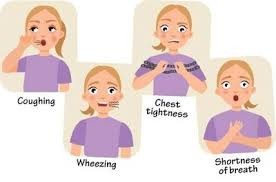
🏃 A few minutes after a run, a football match or a cold morning cycle, the chest feels tight, a dry cough starts and breathing turns into a whistle. For many people with asthma, exercise is the most reliable trigger they have, and for some it is the only one. 🔍 Doctors call it exercise-induced bronchoconstriction (EIB), and most people know it as exercise-induced asthma. It is very treatable, and it should not keep anyone out of sport. This guide explains why exercise narrows the airways, what the typical timing looks like, how it is confirmed and told apart from look-alikes, how to use an albuterol inhaler before training, why needing that inhaler every day is a warning sign, which daily preventers help, and how warm-ups, sport choice and cold-weather habits cut symptoms further.
🏃 What exercise-induced bronchoconstriction is
🫁 EIB is a short-lived narrowing of the airways that is set off by physical effort. The muscle around the bronchial tubes tightens and the lining swells, so less air moves in and out, especially on the way out. In most people it happens on top of known asthma, and it is one of the clearest signs that the airways are still inflamed. A smaller group, often athletes in endurance and winter sports, have exercise symptoms without other asthma features. 📖 For the bigger picture of asthma treatment, see why a reliever inhaler alone is not an asthma plan. This article stays with one question: what to do when exercise is what sets the chest off.
🌬️ Why dry, cold air sets it off
🔥 During hard exercise a person breathes through the mouth, fast and deep, and the nose no longer warms and moistens the air. The airway lining loses water and heat, and that drying is the main trigger, not the effort itself. The lining becomes slightly salty, and mast cells and other cells release histamine, leukotrienes and prostaglandins. These substances tighten the airway muscle within minutes. This is why the same run feels very different in a cold, dry January wind and on a warm, humid summer evening.
🧪 Anything that adds irritation on top makes it worse: pollen, traffic fumes, smoke, chlorine by-products in indoor pools and the dry cold air of ice rinks. A recent cold or chest infection also leaves the airways twitchy for several weeks, so exercise symptoms often flare after a virus even in people who are usually fine.
⏱️ The timing of a typical episode
📆 The timing is one of the most useful clues. Symptoms usually start toward the end of exercise or in the first minutes after stopping, not at the very start, and they peak about 5 to 15 minutes after the effort ends. Without treatment they settle on their own within 30 to 60 minutes in most people. Short bursts of a few minutes rarely cause trouble; steady effort for 6 to 8 minutes or more at high intensity is the classic trigger.
Airways often open slightly
Drying of the lining builds up
Tightness, cough, wheeze peak
Breathing returns to normal
📋 Symptoms that point to EIB
🔎 The signs are often less dramatic than an asthma attack, which is why they get blamed on being unfit. A dry cough after sport is the most common symptom and the one most often missed, especially in teenagers who simply say they hate running.
🤔 Other clues include a sore or burning chest after a cold-weather run, mucus after training, and needing much longer to recover than team-mates. Symptoms that come with hives, lip swelling or dizziness are not EIB and need urgent medical help, because they can be exercise-related anaphylaxis.
⚖️ EIB on top of asthma, or EIB alone?
🧭 The difference matters because the treatment is different. When exercise symptoms are part of wider asthma, the answer is a daily anti-inflammatory inhaler, not just a puff before sport. When exercise is the only trigger and lung tests are normal at rest, a pre-exercise reliever may be enough, at least at first.
🧪 How EIB is confirmed
🩺 Symptoms alone are a poor guide: many people who think they have exercise asthma do not, and some who have it never notice. The diagnosis is made by showing a measurable drop in lung function after a trigger, usually a fall of 10% or more in the amount of air blown out in the first second (FEV1). 📖 The tests themselves are explained in how asthma is diagnosed and what the tests show.
🔄 Look-alikes: when it is not asthma
🔍 If a reliever inhaler does not help, the diagnosis deserves a second look. Several conditions cause breathlessness with exercise and do not respond to asthma medicines at all.
| 🔎 Condition | 📋 Clues | 🧪 Usual check |
|---|---|---|
| Exercise-induced laryngeal obstruction | Noisy breathing IN, throat tightness, peaks at maximum effort, gone within minutes of stopping | Camera view of the larynx during exercise |
| Low fitness | Breathless in proportion to effort, no cough or wheeze, quick recovery | Normal lung tests, fitness test |
| Dysfunctional breathing | Sighing, air hunger, tingling fingers, often with anxiety | Breathing pattern assessment |
| Heart problems | Chest pain, palpitations, fainting during exercise | ECG, heart scan |
| Exercise-induced anaphylaxis | Itching, hives, swelling, sometimes after a specific food before exercise | Allergy assessment, urgent care |
| Reflux | Burning chest, sour taste, worse after a meal before sport | Trial of reflux treatment |
⚠️ Chest pain, fainting or a racing irregular heartbeat during exercise should never be treated as asthma at home. These need a heart check before any further hard training.
💊 How albuterol protects the airways
💨 Albuterol, also called salbutamol, is a short-acting beta-2 agonist. It relaxes the smooth muscle around the airways within minutes, and taken before exercise it blocks most of the narrowing before it starts. It is the same medicine sold as Ventolin (Albuterol), Proventil (Albuterol Sulfate) and Asthalin (Generic Albuterol). These brands contain the same active drug; the differences are the manufacturer, the inhaler body and the price.
📏 Dose and timing of the pre-exercise puff
⏰ The usual adult advice on the label is short. Two puffs, taken 15 to 30 minutes before exercise, from a metered-dose inhaler that gives 100 micrograms per puff (labelled 90 micrograms in the US). The same inhaler is then carried during the session in case symptoms break through. Children use the same idea with a spacer and the dose their doctor gives.
💡 If symptoms return during a match or a long run despite the pre-exercise dose, stop, sit upright, take two more puffs and wait a few minutes before deciding whether to carry on. Pushing through a tight chest rarely ends well and often turns a mild episode into a long one.
✅ Inhaler technique before training
🎯 A pre-exercise dose only works if it reaches the lungs. Most people use a metered-dose inhaler too fast, so a large share of the dose lands on the back of the throat. A spacer fixes most of that, and it fits easily in a sports bag. 📖 The full step-by-step technique is covered in asthma inhalers: preventer, reliever and the technique that doubles the dose.
⚠️ Why daily pre-exercise albuterol is a warning sign
📉 Using albuterol before every daily training session seems harmless, but it has two problems. First, regular daily use makes the airways less responsive to its protective effect, so each dose blocks less of the narrowing. Second, if exercise symptoms appear on most days, the airways are almost certainly inflamed, and a reliever alone leaves that untreated. Current asthma guidance no longer recommends treating teenagers and adults with a short-acting reliever alone.
📌 Signs that a pre-exercise puff is not enough:
🔹 You need albuterol before exercise on most days, or more than two or three times a week for any reason.
🔹 Symptoms break through even after the pre-exercise dose.
🔹 You also cough or wheeze at night, with colds or around pets and pollen.
🔹 You get through more than one reliever inhaler in a month.
🧭 When exercise symptoms mean poor asthma control
🤔 A simple decision path helps sort out what to discuss with a doctor. The more often exercise causes trouble, and the more other triggers there are, the stronger the case for daily treatment.
→ Pre-exercise albuterol, warm-up, review in a few months
→ Add a daily inhaled steroid or a steroid-containing reliever
→ Step up daily treatment and arrange a full asthma review
→ Reconsider the diagnosis: throat, heart, fitness, breathing pattern
🛡️ Daily preventers that reduce exercise symptoms
📆 Inhaled corticosteroids calm the inflammation in the airway lining. Taken every day for several weeks, they reduce how much the airways narrow with exercise, and they cut the risk of serious attacks. The pre-exercise reliever often becomes optional or is needed much less often. Low doses are enough for most people with mild asthma.
💡 Rinsing the mouth and spitting after each steroid dose lowers the risk of oral thrush and a hoarse voice. A long-acting reliever such as salmeterol must always be taken with an inhaled steroid, never alone; the reasons are explained in salmeterol and combination inhalers for asthma.
🔁 Steroid-containing relievers: a newer approach
🆕 International asthma guidance now prefers, for many teenagers and adults, a reliever that contains a steroid: low-dose budesonide with formoterol, used as needed and also before exercise. Each time the person reaches for relief, they get a small anti-inflammatory dose as well. In studies of mild asthma this approach reduced severe attacks compared with albuterol alone, and it protected against exercise symptoms about as well as a daily steroid. Whether it suits a particular person, and which device to use, is a decision for the prescriber; it is mentioned here so readers know the option exists.
💊 Montelukast: where it fits, and its warning
🧪 Montelukast blocks leukotrienes, one of the chemicals released when the airway lining dries out. It can reduce exercise symptoms and is taken as a tablet, which some people find easier than an inhaler. The adult dose is 10 mg once a day; for occasional exercise it can be taken as a single dose at least 2 hours before activity, but not as an extra dose on top of a daily one. It works in some people and not in others, so the effect is judged after a few weeks.
🧠 Mood and sleep warning:
🔹 Montelukast carries a boxed warning for neuropsychiatric effects: vivid dreams, sleep problems, agitation, low mood and, rarely, suicidal thoughts.
🔹 Because of this, regulators advise keeping it for people who do not do well on other options, rather than using it first for mild symptoms.
🔹 Anyone who notices changes in mood or behaviour on Singulair (Montelukast) should stop it and speak to a doctor promptly.
🔥 The warm-up and the refractory period
💪 A warm-up is not only for the muscles. Many people with EIB have a refractory period: after one bout of exercise, the airways react much less to the next one for up to 2 to 3 hours. A planned warm-up with short bursts of higher intensity can use that window, so the main session triggers fewer symptoms. It does not work for everyone, but it costs nothing and can be combined with the pre-exercise inhaler.
❄️ Cold weather, pools and pollen days
🧣 The environment changes how hard the airways are hit. Breathing through the nose when possible and covering the mouth with a scarf or mask in cold weather warm and moisten the air before it reaches the lungs. On high pollen or high pollution days, training indoors or early in the morning can help.
| 🌍 Setting | ⚠️ Why it is harder | ✅ Practical step |
|---|---|---|
| Cold, dry winter air | Drier air dries the airway lining faster | Scarf or cold-air mask, longer warm-up |
| Ice rinks | Very cold air, sometimes engine fumes from resurfacing machines | Pre-exercise inhaler, good ventilation |
| Indoor pools | Chlorine by-products irritate the airways | Well-ventilated pools, avoid crowded late sessions |
| High pollen days | Allergic inflammation adds to the drying trigger | Train indoors, treat hay fever, shower after |
| Busy roads | Traffic fumes and fine particles | Parks, side streets, early morning |
🏊 Sports that are easier and harder on the airways
🏅 No sport is off limits for someone with well-controlled asthma, and there are world-class athletes in almost every discipline who use inhalers. Still, sports with long, continuous, hard breathing in cold or dry air are the most demanding, while stop-start sports in warm air are the gentlest place to start.
🤧 Allergies as a hidden exercise trigger
🌼 Many people notice their exercise symptoms get worse in spring or summer. Allergic rhinitis and asthma travel together, and a blocked nose forces mouth breathing, which sends drier air straight to the chest. Treating hay fever properly with a non-drowsy antihistamine such as Allegra (Fexofenadine) or Zyrtec (Cetirizine), or with a steroid nasal spray, often makes outdoor training easier. Antihistamines do not treat the airway narrowing itself, so the asthma plan stays in place. 📖 Timing allergy treatment to the pollen season is covered in seasonal allergies: pollen calendar and treatment timing.
🧒 Children and school sport
🏫 In children, EIB is often the first sign of asthma, and it often hides behind phrases like “he just is not sporty” or “she always coughs after PE”. A child who stops, coughs or sits out regularly during sport deserves an asthma assessment. Once diagnosed, a child should be able to join in fully.
Reliever and spacer kept with the child or the PE teacher, labelled
Teachers and coaches know the dose and the danger signs
If the reliever is needed at most PE lessons, the daily treatment needs a review
🏅 Competitive athletes and anti-doping rules
📜 Athletes who compete under anti-doping rules can usually use their asthma inhalers. Inhaled albuterol is permitted within set limits, currently up to 1600 micrograms over 24 hours, with no more than 600 micrograms over any 8 hours; that is far above the usual two-puff pre-exercise dose. Inhaled corticosteroids are permitted, and montelukast is not on the prohibited list. Some long-acting relievers have their own limits, and higher doses may require a therapeutic use exemption with documented lung tests. The prohibited list is updated every year, so athletes should check the current version with their sports federation or team doctor before a competition.
🚫 Albuterol side effects and who needs caution
💓 At the usual dose, most people notice nothing except easier breathing. The common side effects are a fine tremor of the hands, a faster heartbeat, nervousness and headache, usually for less than an hour. Very high doses can lower blood potassium and cause palpitations, which is another reason why heavy reliever use needs a review rather than more puffs.
| ⚠️ Situation | 📝 Why it matters |
|---|---|
| Non-selective beta blockers (propranolol and similar) | Block the effect of albuterol and can trigger severe narrowing in asthma |
| Heart rhythm problems, angina | Albuterol can speed the heart; doses should be agreed with a doctor |
| Overactive thyroid | Tremor and palpitations can be stronger |
| Diuretics, high-dose steroids | Can add to a drop in potassium with heavy albuterol use |
| Diabetes | High doses may raise blood sugar slightly |
| Allergy to albuterol or the inhaler ingredients | Do not use; ask for an alternative |
💡 Rarely, a reliever puff causes sudden worsening of wheeze instead of relief, called paradoxical bronchospasm. If breathing gets worse right after a dose, stop using that inhaler and get medical help.
🗿 Myths about asthma and exercise
📝 Putting it together: a plan for training days
🗂️ The pieces fit into a short routine. Most people with EIB do well once the daily control is right and a few habits around exercise become automatic.
🚨 When to see a doctor
⛔ Get emergency help now if:
🔹 Breathing is very hard, you cannot finish a sentence, or lips or fingertips look blue or grey.
🔹 The reliever does not help, or relief lasts less than an hour.
🔹 Breathing problems come with hives, swelling of the lips or throat, or fainting.
🔹 There is chest pain, a racing irregular heartbeat or collapse during exercise.
🩺 Book a routine appointment if exercise symptoms are new, you have never had lung tests, you need the reliever before sport on most days, or a child regularly sits out of PE.
❓ Frequently asked questions
What is exercise-induced bronchoconstriction?
It is a short narrowing of the airways triggered by exercise, mainly by breathing large amounts of dry or cold air. It causes cough, wheeze and chest tightness that peak a few minutes after stopping.
How long before exercise should I use albuterol?
The usual advice is two puffs 15 to 30 minutes before exercise. Protection against exercise symptoms lasts about 2 to 3 hours.
Is it safe to use albuterol before every workout?
Occasional use is fine. Needing it before exercise on most days usually means the asthma needs a daily preventer, and regular daily use also weakens its protective effect.
Can you have exercise-induced asthma without having asthma?
Yes. Some people, often endurance and winter athletes, have airway narrowing only with exercise and normal lung tests at rest. Most people with EIB do have underlying asthma.
How is exercise-induced asthma diagnosed?
By measuring lung function before and after a trigger such as an exercise or mannitol challenge. A fall of 10% or more in FEV1 confirms it.
Why does cold air make my asthma worse when I run?
Cold air holds little moisture, so the airway lining dries out faster. That drying releases chemicals that tighten the airway muscle.
Does a warm-up help exercise-induced asthma?
Often yes. Many people have a refractory period after a warm-up with short bursts, during which the airways react less to exercise for up to 2 to 3 hours.
Is montelukast good for exercise-induced asthma?
It helps some people, but it carries a warning for mood and sleep side effects. It is usually kept for people who do not do well on inhaled options.
Are Ventolin, Proventil and Asthalin the same medicine?
Yes. All contain albuterol, also called salbutamol. They differ in manufacturer, inhaler design and price, not in the active drug.
Can athletes use albuterol in competition?
Inhaled albuterol is permitted within set daily limits under current anti-doping rules. Athletes should check the yearly prohibited list with their federation.
📑 Sources and editorial
- 📘 International and national asthma management guidelines, including recommendations on reliever and preventer use
- 🫁 Clinical practice guidance on exercise-induced bronchoconstriction from respiratory societies
- 💊 Official prescribing information for albuterol, fluticasone, budesonide, ciclesonide, fluticasone with salmeterol and montelukast
- ⚠️ Regulatory safety communications on neuropsychiatric effects of montelukast
- 🏅 The current anti-doping prohibited list and guidance for athletes with asthma
- 🔬 Reviews of exercise-induced laryngeal obstruction and other look-alikes of asthma
- 📖 Related reading: asthma inhalers and technique, how asthma is diagnosed, why a reliever alone is not a plan, salmeterol and combination inhalers, seasonal allergies
- 🛒 Related products: Ventolin (Albuterol), Asthalin (Generic Albuterol), Proventil (Albuterol Sulfate), Flovent (Fluticasone Propionate), Pulmicort (Budesonide), Ciclohale (Ciclesonide), Advair Diskus (Fluticasone + Salmeterol), Singulair (Montelukast)
- 🩺 RXshop Editorial Team — reviewed by Emily Chen, MD — Internal Medicine
Medical Disclaimer: The information in this article is for educational and informational purposes only and is not a substitute for professional medical advice, diagnosis, or treatment. Always seek guidance from a qualified healthcare provider with any questions you may have regarding a medical condition, and before starting, stopping or changing any medication.