Buy Labmox (Generic Amoxicillin) Online — Affordable Aminopenicillin Antibiotic for Ear, Throat, Sinus & Dental Infections

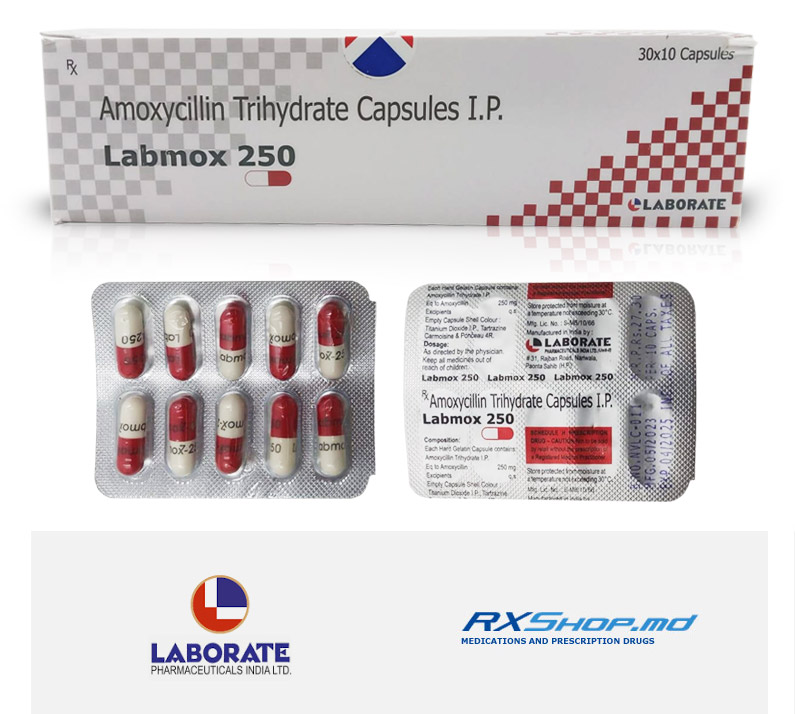
Labmox is an affordable generic Amoxicillin antibiotic manufactured to international quality standards — providing the same broad-spectrum aminopenicillin therapy as branded Amoxil at a significantly lower cost. Amoxicillin is one of the most widely-prescribed antibiotics in the world and remains the gold-standard first-line antibiotic for many common bacterial infections, particularly in pediatric practice where its excellent safety profile and pleasant-tasting suspensions make it the most-recommended antibiotic for children worldwide.
The active ingredient is Amoxicillin, which works by inhibiting bacterial cell wall synthesis through binding to penicillin-binding proteins (PBPs) on the bacterial cell membrane. By blocking the cross-linking of peptidoglycan layers that give bacteria structural integrity, Amoxicillin causes bacterial cell lysis and death. This β-lactam mechanism is selectively toxic to bacteria because human cells lack cell walls.
Amoxicillin offers excellent activity against many Gram-positive bacteria including Streptococcus pyogenes, Streptococcus pneumoniae, methicillin-sensitive Staphylococcus aureus, and various streptococcal species, as well as useful Gram-negative coverage against Haemophilus influenzae (non-β-lactamase producing), Neisseria, and select E. coli strains.
Labmox is widely used for treatment of acute otitis media, acute bacterial sinusitis, streptococcal pharyngitis (strep throat), tonsillitis, community-acquired pneumonia, urinary tract infections, dental infections, and various pediatric bacterial infections. It is also used as part of triple therapy for Helicobacter pylori eradication, early Lyme disease treatment, and bacterial endocarditis prophylaxis before dental procedures.
The medication is available in standard formulations: 250 mg and 500 mg capsules, oral suspensions for pediatric use, and chewable tablets. Standard adult dosing is 500 mg every 8 hours or 875 mg every 12 hours. Pediatric dosing is weight-based at 25-50 mg/kg/day in divided doses.
Common side effects include mild diarrhea, nausea, and rash. Amoxicillin allergy occurs in approximately 1-5% of patients. Labmox provides affordable global access to this essential aminopenicillin antibiotic through quality Indian manufacturing meeting international bioequivalence standards.
Free prescription
Discrete packaging
Have questions?
Quality Assurance

- Recurrent Otitis Media Suppression: Low-dose suppressive therapy for recurrent pediatric otitis media;
- Pediatric Tonsillitis: For pediatric bacterial tonsillitis caused by Group A Streptococcus;
- Mild Tonsillitis Pediatric: For mild pediatric tonsillitis where outpatient oral therapy is appropriate;
- Mild Pharyngitis Adult: For mild adult streptococcal pharyngitis with confirmed strep diagnosis;
- Streptococcal Carrier Eradication: For Group A Streptococcus carriage eradication in family contacts;
- Recurrent Tonsillitis: For recurrent streptococcal tonsillitis where penicillin alternatives are needed;
- Mild Sinusitis Adult: For mild acute bacterial sinusitis in adults — first-line outpatient therapy;
- Recurrent Sinusitis Adult: For recurrent adult acute bacterial sinusitis with susceptible pathogens;
- Pediatric Sinusitis: For pediatric acute bacterial sinusitis with H. influenzae or S. pneumoniae;
- Routine Outpatient Pneumonia: For mild routine outpatient community-acquired pneumonia in healthy adults;
- Pediatric Bronchitis Bacterial: For pediatric bacterial bronchitis caused by susceptible respiratory pathogens;
- Mild Outpatient Skin Infection: For mild outpatient skin infections caused by susceptible streptococcal organisms;
- Erysipelas Mild: For mild erysipelas caused by Streptococcus pyogenes in outpatient settings;
- Impetigo Pediatric: For pediatric impetigo caused by Streptococcus pyogenes;
- Pediatric Cellulitis Mild: For mild pediatric cellulitis where outpatient oral therapy is appropriate;
- Recurrent UTI Suppression: Low-dose daily suppressive therapy for recurrent UTI prevention in women;
- Pregnancy Mild UTI: For mild UTI during pregnancy — pregnancy-safe first-line oral therapy;
- Lactational UTI: For UTI during lactation — breastfeeding-compatible therapy;
- Pediatric Dental Procedure Prophylaxis: Pre-dental procedure prophylaxis in pediatric high-risk cardiac patients;
- Pediatric Endocarditis Prophylaxis: Single-dose pre-procedure prophylaxis for pediatric high-risk endocarditis;
- Pediatric Lyme Disease: For pediatric early Lyme disease in children under 8 where doxycycline is contraindicated;
- Travel Antibiotic Supply: Affordable travel antibiotic supply for family medicine kit and international travel;
- Family Medicine Kit: Affordable supply for family medicine kit covering common bacterial infections.
- Less Ear Pain: Rapid relief from otitis media pain in children;
- Less Throat Pain: Resolution of strep throat pain enabling return to normal activities;
- Less Sinus Pain: Reduction in facial pressure and pain of sinusitis;
- Less Cough: Resolution of productive cough in bacterial pneumonia and bronchitis;
- Better Breathing: Improvement in dyspnea as bacterial respiratory infection resolves;
- Better Wound Healing: Skin infections heal as bacterial colonization clears;
- Less Tooth Pain: Resolution of dental abscess pain following antibiotic therapy;
- Less Burning Urination: Resolution of dysuria in UTI within 24-48 hours;
- Better Energy: Recovery from fatigue and malaise as bacterial infection clears;
- Better Appetite: Restoration of normal appetite as systemic infection resolves;
- Better Sleep: Resolution of nighttime ear pain in children — valuable for parents and child;
- Faster Recovery: Most patients show clinical improvement within 48-72 hours of starting therapy;
- Better Daily Function: Return to school, work, and normal activities;
- Brand Labmox: Affordable Indian generic Amoxicillin with international quality manufacturing standards;
- Generic Amoxicillin: Affordable generic Amoxicillin expanding global access to foundational antibiotic therapy;
- Amoxil Equivalent: Same Amoxicillin molecule as original branded Amoxil — bioequivalent therapeutic profile;
- Aminopenicillin Antibiotic: Broad-spectrum aminopenicillin class with improved oral bioavailability over older penicillins;
- Beta Lactam Antibiotic: Foundational β-lactam mechanism — safe and effective bacterial cell wall inhibitor;
- First Line Pediatric Antibiotic: Most-recommended antibiotic in pediatric practice across multiple international guidelines;
- Pediatric Suspension Amoxicillin: Pleasant-tasting liquid formulations support accurate weight-based dosing in young children;
- High Oral Bioavailability: Approximately 95% oral absorption supports reliable oral therapy without parenteral administration;
- Family Antibiotic Supply: Affordable supply for entire family covering common bacterial infections across age groups;
- Travel Friendly Antibiotic: Stable storage makes Labmox ideal for travel and emergency antibiotic supply;
- Strep Throat Treatment: First-line for streptococcal pharyngitis — prevents rheumatic fever and post-streptococcal complications;
- Ear Infection Treatment: First-line for acute otitis media in pediatric practice — most common bacterial infection in children;
- Sinusitis Treatment: First-line antibiotic for acute bacterial sinusitis per international rhinology guidelines;
- Pneumonia Treatment: First-line outpatient therapy for community-acquired pneumonia in adults and children;
- Dental Antibiotic: First-line for dental abscesses and odontogenic infections per dental association guidelines;
- H Pylori Triple Therapy: Foundation component of PPI-based triple therapy for Helicobacter pylori eradication;
- Pregnancy Safe Antibiotic: Considered safe and first-line for bacterial infections during pregnancy when therapy is needed;
- Breastfeeding Safe Antibiotic: Safe during lactation in routine clinical practice;
- Endocarditis Prophylaxis Therapy: Standard pre-dental procedure antibiotic for high-risk cardiac patients;
- WHO Essential Medicine: Listed on the WHO Model List of Essential Medicines as a foundational antibiotic;
- Indian Quality Manufacturing: Indian manufacturing meeting international quality standards and bioequivalence requirements;
- Most Affordable Antibiotic: One of the most cost-effective antibiotics globally — supports access in resource-limited settings;
- Long Term Storage Antibiotic: Stable shelf life supports family medicine kit and emergency antibiotic storage;
- Generally Well Tolerated: Most patients tolerate well — mild diarrhea is the most common side effect;
- Penicillin Allergy Caution: Approximately 1-5% incidence of Amoxicillin allergy — avoid in penicillin-allergic patients;
- Stable Storage: Capsules and tablets stable at room temperature — oral suspension requires refrigeration after reconstitution;
- Globally Available: One of the most internationally recognised antibiotics, familiar to clinicians worldwide.
Generic Labmox (Amoxicillin 250 mg) Medication guide:
📖 What is Labmox and where amoxicillin fits in modern practice
Labmox is the brand name used by Lupin Pharmaceuticals for amoxicillin, a broad-spectrum aminopenicillin antibiotic. Amoxicillin remains one of the most widely prescribed oral antibiotics in the world and sits on the WHO Essential Medicines List as an Access-group agent for primary care.
🔑 Key facts at a glance
- Class: aminopenicillin (semisynthetic penicillin derivative)
- Mechanism: irreversible penicillin-binding protein inhibition, halting bacterial cell wall assembly
- Oral bioavailability: 74 to 92 percent — among the highest of any beta-lactam
- Half-life: approximately 1 hour
- Common strengths: 250 mg, 500 mg, 875 mg tablets, chewable tablets, oral suspension
- Dosing frequency: two or three times daily depending on indication
- Pregnancy category: B — among the safest antibiotics during pregnancy
Amoxicillin is the first-line first choice for several of the most common bacterial infections in outpatient practice: streptococcal pharyngitis, acute otitis media in children, uncomplicated acute bacterial sinusitis, and community-acquired pneumonia in healthy adults without comorbidities. It is also a core component of Helicobacter pylori eradication therapy and the American Heart Association's recommended agent for endocarditis dental prophylaxis.
✅ Why amoxicillin remains a workhorse
Universal availability, low cost, oral formulation, excellent tolerability profile, category B pregnancy safety, and reliable coverage of the most common community pathogens have kept amoxicillin at the top of primary care prescribing worldwide. Even as newer agents proliferate, no other oral antibiotic combines this breadth of use with such a mature safety record.
🕑 From the 1972 Beecham launch to today generic era
Amoxicillin was developed by researchers at Beecham Laboratories in the United Kingdom in the late 1960s as an improvement over ampicillin. FDA approval followed in 1972 under NDA 050482 for Beecham. Over the following decades amoxicillin moved from proprietary product to universally generic status.
| Year | Milestone |
|---|---|
| Late 1960s | Beecham Laboratories UK develops amoxicillin as an improved ampicillin analog with better oral absorption |
| 1972 | FDA approval NDA 050482 for amoxicillin capsules |
| 1970s | Amoxicillin quickly becomes preferred aminopenicillin due to higher bioavailability and less food-effect than ampicillin |
| 1980s | Amoxicillin-clavulanate combination expands spectrum against beta-lactamase producing bacteria |
| Mid-1980s | Multiple generic manufacturers begin producing amoxicillin globally |
| 1990s onwards | Amoxicillin becomes core H. pylori triple therapy component alongside PPI and clarithromycin |
| 2000s | AAP and IDSA reaffirm high-dose amoxicillin as first-line for pediatric AOM and adult pharyngitis |
| Present | Lupin Pharmaceuticals produces amoxicillin under Labmox brand for international markets |
🧪 What amoxicillin improved over ampicillin
Amoxicillin's single structural difference from ampicillin — a para-hydroxyl group on the phenyl side chain — substantially increased oral bioavailability from 30 to 55 percent for ampicillin to 74 to 92 percent for amoxicillin. This allowed reliable dosing without regard to meals and lower total daily doses. Ampicillin remains available primarily as an IV agent; amoxicillin became the dominant oral aminopenicillin.
⚙️ How amoxicillin blocks bacterial cell wall assembly
Amoxicillin, like all beta-lactam antibiotics, works by blocking bacterial cell wall assembly. Growing bacteria continuously build and remodel a mesh of cross-linked peptidoglycan around the cell. When that mesh cannot be cross-linked, the cell ruptures under its own osmotic pressure.
🧬 The molecular story in four steps
- Amoxicillin diffuses through the outer membrane and reaches the periplasm where cell wall assembly occurs
- The beta-lactam ring binds to penicillin-binding proteins (PBPs) that catalyse the final cross-linking of peptidoglycan strands
- The bond is irreversible — PBPs cannot regain function while amoxicillin is bound
- Autolysins continue degrading cell wall without new synthesis, and the cell lyses
This bactericidal mechanism requires actively dividing bacteria. Amoxicillin has no effect on dormant organisms or intracellular pathogens that lack the target PBPs. This is why amoxicillin is generally ineffective against Mycobacterium tuberculosis, Chlamydia species, and intracellular parasites.
🔬 PK/PD target: T>MIC
Amoxicillin activity is time-dependent rather than concentration-dependent. What matters for cure is the fraction of the dosing interval during which serum free-drug concentration exceeds the pathogen's minimum inhibitory concentration (MIC). Target is typically T>MIC of 40 to 50 percent for beta-lactams. This is why amoxicillin is dosed two or three times daily rather than once daily.
Resistance to amoxicillin arises through three main mechanisms:
🔴 Resistance mechanisms
- Beta-lactamase production
- Most common. Bacteria produce enzymes (TEM-1, SHV-1, ESBLs) that hydrolyse the beta-lactam ring. Blocked by clavulanate in Augmentin combinations.
- Altered PBPs
- Pneumococci, MRSA, and Enterococcus faecium develop PBPs with lower binding affinity for beta-lactams. Higher amoxicillin doses can sometimes overcome moderate-affinity change (penicillin-intermediate pneumococcus).
- Efflux and impermeability
- Gram-negative organisms reduce amoxicillin uptake or actively pump it out. Contributes to resistance in E. coli, Klebsiella, and Pseudomonas.
🧬 Amoxicillin among the penicillins: base, ampicillin, and combinations
To understand where amoxicillin fits, it helps to see the whole penicillin family and how each subclass differs in spectrum, oral availability, and clinical role.
| Subclass | Examples | Primary role |
|---|---|---|
| Natural penicillins | Penicillin G IV, penicillin V oral | Strep pharyngitis, syphilis, rheumatic fever prophylaxis |
| Aminopenicillins | Amoxicillin, ampicillin | AOM, sinusitis, CAP, UTI, H. pylori, endocarditis prophylaxis |
| Anti-staph penicillins | Nafcillin, oxacillin, dicloxacillin | MSSA infections (skin, bone, endocarditis) |
| Anti-pseudomonal penicillins | Piperacillin, ticarcillin | Hospital gram-negative infections, febrile neutropenia |
| Beta-lactamase combinations | Amox-clav, pip-tazo | Broader spectrum with beta-lactamase resistant coverage |
🔗 Amoxicillin versus penicillin V for strep pharyngitis
Both agents are effective for group A streptococcal pharyngitis and are considered equivalent in IDSA guidelines. Amoxicillin is more often chosen because of better palatability of the pediatric suspension, once or twice-daily dosing feasibility, and lower cost. Penicillin V remains the theoretical narrow-spectrum first choice; amoxicillin remains the practical first choice in most US and international practice.
⚖️ Amoxicillin versus amoxicillin-clavulanate
Adding clavulanate broadens amoxicillin's spectrum to include beta-lactamase producing organisms: H. influenzae, Moraxella catarrhalis, MSSA, anaerobes, and some Enterobacteriaceae. However, clavulanate adds meaningful diarrhea burden (10 to 30 percent) and CDI risk. Stewardship-minded prescribing reserves amox-clav for indications where beta-lactamase organisms are likely (bite wounds, recurrent otitis, chronic sinusitis) and uses plain amoxicillin whenever possible.
🦠 What organisms amoxicillin reliably covers
Amoxicillin has a moderately broad but predictable spectrum: strong against streptococci and enterococci, moderate against non-beta-lactamase gram-negatives, and no activity against most modern hospital pathogens.
✅ Reliable coverage
- Group A Streptococcus (Streptococcus pyogenes) — pharyngitis, cellulitis
- Group B, C, G Streptococcus
- Streptococcus pneumoniae — penicillin-susceptible strains, and penicillin-intermediate at high dose
- Viridans streptococci — endocarditis
- Enterococcus faecalis — UTI, some endocarditis
- Listeria monocytogenes — meningitis coadministration
- Helicobacter pylori — core triple/quadruple therapy component
- Non-beta-lactamase Haemophilus influenzae (about 60 to 75 percent of strains)
- Susceptible Escherichia coli (rates falling)
- Salmonella, Shigella — if susceptible
⛔ No reliable coverage
- MSSA — most strains produce beta-lactamase
- MRSA — altered PBP2a
- Beta-lactamase producing H. influenzae — roughly 25 to 40 percent of strains
- Moraxella catarrhalis — nearly all strains produce beta-lactamase
- ESBL-producing gram-negatives
- Klebsiella pneumoniae — intrinsic resistance in most strains
- Pseudomonas aeruginosa — intrinsic resistance
- Anaerobes below diaphragm (Bacteroides fragilis) — beta-lactamase producing
- Atypicals: Mycoplasma, Chlamydia, Legionella
- MDRO and carbapenemase producers
🧪 Coverage strategy
Amoxicillin is a gram-positive workhorse with variable gram-negative reach. Its lack of beta-lactamase stability limits use where H. influenzae or Moraxella beta-lactamase producers are likely (sinusitis, chronic bronchitis exacerbation) — those indications favor amox-clav. Its lack of atypical coverage means empirical CAP monotherapy is limited to healthy adults without comorbidities where pneumococcus is the dominant expected pathogen.
💉 Absorption, distribution, and the one-hour half-life
Amoxicillin's pharmacokinetics are one of the reasons it dominates aminopenicillin prescribing: high oral bioavailability, food-independent absorption, and predictable distribution to tissues where common infections occur.
| PK parameter | Value |
|---|---|
| Oral bioavailability | 74 to 92 percent |
| Food effect | Minimal — can take with or without food |
| Time to peak (Cmax) | 1 to 2 hours after oral dose |
| Serum peak (500 mg dose) | 6 to 8 mcg/mL |
| Serum peak (875 mg dose) | 10 to 14 mcg/mL |
| Protein binding | 17 to 20 percent (low) |
| Volume of distribution | 0.3 to 0.4 L/kg |
| Serum half-life (normal renal) | Approximately 1 hour |
| Half-life in ESRD | 7 to 20 hours |
| Renal excretion | 60 to 70 percent unchanged in urine |
| Metabolism | Minimal hepatic; not CYP substrate |
🌐 Tissue distribution highlights
- Middle ear fluid
- Achieves 2 to 4 mcg/mL — well above pneumococcal MIC even for penicillin-intermediate strains at 90 mg/kg/day pediatric dosing
- Sinus mucosa
- Concentrations exceed serum levels 30 to 50 percent — effective at high dose against pneumococcus
- Urine
- Concentrations 300 to 1000 mcg/mL — far above UTI pathogen MIC
- Bile
- Concentrations 2 to 3 times serum — adequate for biliary tract infection
- CSF
- Poor (5 to 10 percent serum) — not adequate for meningitis without high-dose IV
- Gastric mucosa
- Concentrations sufficient for H. pylori eradication with PPI co-administration
🏥 FDA-approved indications for amoxicillin
Amoxicillin's US Package Insert lists a defined set of FDA-approved indications. These indications are supported by controlled trial data and remain the framework for prescribing.
🎯 FDA-approved indications for amoxicillin
- Streptococcal pharyngitis — group A streptococcal tonsillopharyngitis
- Acute otitis media — caused by Streptococcus pneumoniae, non-beta-lactamase H. influenzae
- Acute bacterial sinusitis — same pathogens plus streptococci
- Lower respiratory tract infection — including community-acquired pneumonia due to susceptible pneumococcus
- Skin and skin structure infection — streptococcal cellulitis
- Urinary tract infection — due to susceptible E. coli, Proteus mirabilis, Enterococcus faecalis
- H. pylori eradication — combination therapy with PPI and clarithromycin (or as part of quadruple therapy)
- Post-exposure anthrax prophylaxis and treatment — adjunct combination therapy
- Endocarditis prophylaxis — per AHA guidelines, single 2 g dose before high-risk dental procedures
🧪 Guidelines that shape modern use
- IDSA 2012 GAS pharyngitis: amoxicillin (or penicillin V) first-line
- AAP 2013 AOM: amoxicillin 90 mg/kg/day first-line for uncomplicated cases
- IDSA 2012 sinusitis: amoxicillin or amox-clav first-line, high-dose amoxicillin acceptable
- ATS-IDSA 2019 CAP: amoxicillin first-line outpatient monotherapy in healthy adults
- ACG H. pylori: amoxicillin core component of triple, quadruple, and concomitant therapy
- AHA 2007/2021 endocarditis prophylaxis: amoxicillin 2 g single dose first-line
⚠️ Off-label but supported uses
- Early localised Lyme disease (as alternative to doxycycline)
- Pediatric UTI in select cases
- Actinomycosis long course
- Salmonella and Shigella when susceptible
- Erysipeloid
👄 Streptococcal pharyngitis: amoxicillin as first-line first choice
Group A streptococcal (GAS) pharyngitis is the classic and most enduring indication for amoxicillin. The IDSA 2012 guideline (Shulman et al) makes amoxicillin (or penicillin V) the first-line first choice.
| Population | Standard dosing | Duration |
|---|---|---|
| Adult | 500 mg BID or 1000 mg once daily | 10 days |
| Pediatric | 50 mg/kg/day once daily (max 1000 mg) or 25 mg/kg BID | 10 days |
| Adolescent | 50 mg/kg/day once daily (max 1000 mg) | 10 days |
✅ Why amoxicillin over penicillin V
- Once-daily dosing feasibility for the 1000 mg regimen — better adherence
- Better palatability of amoxicillin suspension compared to penicillin V suspension
- Wider availability and lower cost in many regions
- Reliable pharmacokinetics not affected by meals unlike penicillin V
- Equivalent bacteriologic and clinical cure rates in meta-analyses
🔴 Amoxicillin rash in infectious mononucleosis
Prescribing amoxicillin to a patient with unrecognised infectious mononucleosis (EBV) causes a florid maculopapular rash in 80 to 100 percent of cases. This is NOT a true amoxicillin allergy — it is an EBV-related phenomenon — but is often mislabelled as penicillin allergy for life. In adolescents and young adults with pharyngitis, consider mono screening before prescribing amoxicillin, especially if symptoms include fatigue, lymphadenopathy, and splenomegaly.
Duration matters. The 10-day course is not arbitrary — shorter courses show acceptable clinical resolution but higher bacteriologic relapse and higher risk of subsequent rheumatic fever. In non-anaphylactic penicillin allergy, cephalexin or cefadroxil 10-day course is preferred alternative. For anaphylactic penicillin allergy, azithromycin 5-day course or clindamycin 10-day course.
👂 Acute otitis media: the AAP first-line recommendation
Acute otitis media (AOM) is the most common bacterial infection of childhood. The AAP 2013 clinical practice guideline (Lieberthal et al) established amoxicillin 90 mg/kg/day divided BID as first-line for uncomplicated AOM in children who have not received amoxicillin in the past 30 days and have no concurrent purulent conjunctivitis.
| Age or scenario | Recommended duration |
|---|---|
| Under 2 years | 10 days |
| 2 to 5 years | 7 days |
| 6 years and older | 5 to 7 days |
| Recurrent AOM or perforation | 10 days |
🎯 Why 90 mg/kg/day, not 40 mg/kg/day
Rising prevalence of penicillin-intermediate Streptococcus pneumoniae in the late 1990s led AAP to move away from standard-dose amoxicillin (40 mg/kg/day) to high-dose 90 mg/kg/day. At this dose, middle ear fluid concentrations exceed the MIC of even penicillin-intermediate pneumococcus for the required duration. Below this dose, treatment failure with intermediate pneumococcus is common.
⛔ When to choose amox-clav instead
- Amoxicillin use within the past 30 days
- Concurrent purulent conjunctivitis (H. influenzae association)
- Amoxicillin treatment failure within 48 to 72 hours
- History of recurrent AOM with amoxicillin resistance
- Chronic middle ear disease
🧪 Watchful waiting option
AAP 2013 supports observation without antibiotics for 48 to 72 hours in children over 24 months with non-severe unilateral AOM and reliable follow-up. Antibiotic is prescribed if symptoms fail to improve. Studies show similar long-term outcomes with modest reduction in antibiotic exposure. Amoxicillin remains the first choice when antibiotic is initiated.
🖨️ Acute bacterial sinusitis in adults and children
Acute bacterial sinusitis (ABS) is distinguished from viral upper respiratory infection by symptom duration ≥ 10 days without improvement, severe symptoms including fever ≥ 39 C and purulent nasal discharge for ≥ 3 days, or double sickening (initial improvement followed by worsening).
| Guideline | First-line recommendation |
|---|---|
| IDSA 2012 adult ABS | Amoxicillin-clavulanate preferred; high-dose amoxicillin acceptable if low resistance risk |
| AAP pediatric ABS | Amoxicillin 90 mg/kg/day first-line for uncomplicated cases |
| AAO-HNS adult | Amoxicillin or amoxicillin-clavulanate |
📋 Adult amoxicillin dosing for ABS
- Standard: 500 mg TID or 875 mg BID
- High-dose: 1000 mg TID (for penicillin-intermediate pneumococcus risk)
- Duration: 5 to 10 days — shorter courses (5 to 7 days) acceptable for uncomplicated cases
🔬 When plain amoxicillin fails for ABS
Because up to 30 percent of adult ABS involves beta-lactamase-producing H. influenzae or Moraxella catarrhalis, plain amoxicillin failure is a known clinical scenario. Escalation to amox-clav (or, in penicillin allergy, doxycycline or levofloxacin) is standard second-line. IDSA prefers amox-clav as first-line specifically to preempt this failure pattern; AAP retains amoxicillin monotherapy first-line in most pediatric cases because pneumococcus dominates that population.
✅ Watchful waiting for uncomplicated ABS
Both AAO-HNS and IDSA endorse observation for 3 to 7 days without antibiotics for adult uncomplicated ABS with reliable follow-up. Many mild cases resolve without antibiotics. Amoxicillin should be reserved for definite bacterial ABS by clinical criteria, not routine viral upper respiratory infection.
🚻 Urinary tract infection role today
Amoxicillin's UTI role has narrowed considerably over the past 20 years. Community E. coli resistance to amoxicillin now exceeds 30 to 50 percent in most regions, making empirical amoxicillin monotherapy inappropriate for uncomplicated cystitis in the general population.
| UTI scenario | Amoxicillin role |
|---|---|
| Uncomplicated cystitis (adult, non-pregnant) | Not first-line — nitrofurantoin, fosfomycin, TMP-SMX preferred |
| Cystitis in pregnancy | Acceptable if susceptibility confirmed — category B safe |
| Asymptomatic bacteriuria in pregnancy | First-line if isolate susceptible |
| Enterococcus faecalis UTI | First-line — intrinsically susceptible |
| Pediatric cystitis | Empirical role only if local E. coli susceptibility > 80 percent |
| Pyelonephritis | Not empirical — only after susceptibility confirmed |
📋 Adult UTI dosing when susceptibility confirmed
- 500 mg TID for 5 to 7 days for cystitis
- 875 mg BID for 10 to 14 days for pyelonephritis
- Take with plenty of water
- Follow-up urine culture recommended in pregnancy
🫑 Enterococcus faecalis UTI — a niche where amoxicillin shines
Enterococci are intrinsically susceptible to amoxicillin but resistant to cephalosporins, fluoroquinolones (unreliably), and TMP-SMX (variably). When urine culture shows E. faecalis, amoxicillin becomes the preferred oral option. This is an important stewardship benefit in nursing home populations and post-catheterisation UTIs where enterococci are more common.
🧫 H. pylori eradication as part of triple therapy
Amoxicillin has been a core component of Helicobacter pylori eradication regimens since PPI-based triple therapy was standardised in the 1990s. Its role has expanded further with quadruple and concomitant regimens as clarithromycin resistance has risen.
| Regimen | Components | Duration |
|---|---|---|
| Standard triple | PPI BID + amoxicillin 1 g BID + clarithromycin 500 mg BID | 14 days |
| Concomitant | PPI BID + amoxicillin 1 g BID + clarithromycin 500 mg BID + metronidazole 500 mg BID | 10 to 14 days |
| Sequential | Days 1 to 5: PPI + amoxicillin. Days 6 to 10: PPI + clarithromycin + metronidazole | 10 days |
| Levofloxacin-based salvage | PPI BID + amoxicillin 1 g BID + levofloxacin 500 mg daily | 10 to 14 days |
| Vonoprazan-based dual | Vonoprazan 20 mg BID + amoxicillin 1 g TID | 14 days |
🧫 Why amoxicillin is central to H. pylori regimens
- H. pylori resistance to amoxicillin remains very low globally (under 3 percent in most regions)
- Bactericidal against actively dividing organisms
- PPI co-administration raises gastric pH, increasing amoxicillin activity
- Excellent safety profile allows two-week courses
- Low cost supports first-line use in resource-limited settings
- Reliable oral bioavailability
🧪 What to know about eradication success
Eradication rates with standard triple therapy have fallen from over 90 percent in the 1990s to 70 to 80 percent in many regions, driven primarily by rising clarithromycin resistance — not amoxicillin resistance. When possible, susceptibility testing should guide regimen choice. Post-treatment confirmation by urea breath test or stool antigen 4 to 8 weeks after finishing therapy is standard.
⚠️ H. pylori regimen practical points
- Adherence over 14 days is challenging — adverse effects reach 30 to 40 percent
- Diarrhea, metallic taste (metronidazole), and altered taste are common
- Do not stop early — failed courses select for resistance and are harder to salvage
- Repeat eradication should use different agents from the failed regimen
- Amoxicillin allergy triggers substitution with metronidazole or tetracycline in bismuth quadruple
💊 Adult dosing: 500 mg TID or 875 mg BID
Adult amoxicillin dosing has settled into two mainstream regimens: 500 mg three times daily or 875 mg twice daily. Both give equivalent T>MIC exposure for most pathogens; the choice comes down to adherence, cost, and formulation availability.
| Indication | Adult regimen | Duration |
|---|---|---|
| Strep pharyngitis | 500 mg BID or 1000 mg once daily | 10 days |
| Acute bacterial sinusitis | 500 mg TID or 875 mg BID (1000 mg TID high-dose) | 5 to 10 days |
| Community-acquired pneumonia | 1000 mg TID | 5 to 7 days |
| Cystitis (susceptibility confirmed) | 500 mg TID | 5 to 7 days |
| Skin infection (strep cellulitis) | 500 mg TID | 5 to 7 days |
| H. pylori (triple therapy) | 1000 mg BID | 14 days |
| Endocarditis dental prophylaxis | 2000 mg single dose 30 to 60 min before procedure | Single dose |
| Anthrax post-exposure prophylaxis | 500 mg TID (when susceptible) | 60 days |
🤔 BID vs TID: which to pick
- 875 mg BID: better adherence, fewer pill-taking events, higher peak concentration — suits most outpatient use
- 500 mg TID: lower peak, more sustained T>MIC coverage, better for pathogens near the MIC breakpoint
- 1000 mg TID: high-dose for CAP (pneumococcus MIC creep) or high-dose sinusitis
- 1000 mg BID: standard for H. pylori regimens (PPI potentiation reduces need for higher exposure)
🍴 Administration
- Take with or without food — no meaningful food effect
- Swallow tablets whole, or use chewable formulations if swallowing difficult
- Take with a full glass of water
- Space doses as evenly as practical (roughly 8 hours for TID, 12 hours for BID)
- Complete the full course even if symptoms resolve early
👶 Pediatric dosing and the taste of amoxicillin
Pediatric amoxicillin dosing is weight-based, delivered mostly as oral suspension for children under 6 years, and calibrated by indication.
| Indication | Pediatric dosing | Max daily dose |
|---|---|---|
| GAS pharyngitis | 50 mg/kg/day once daily or divided BID | 1000 mg |
| Acute otitis media | 90 mg/kg/day divided BID | 4000 mg |
| Acute bacterial sinusitis | 45 to 90 mg/kg/day divided BID or TID | 4000 mg |
| Community-acquired pneumonia | 90 mg/kg/day divided BID or TID | 4000 mg |
| Endocarditis prophylaxis | 50 mg/kg single dose (max 2 g) 30 to 60 min pre-procedure | 2000 mg |
| Cystitis pediatric | 25 to 50 mg/kg/day divided BID or TID | 1500 mg |
| Neonatal < 3 months | 20 to 30 mg/kg/day divided BID (max 30 mg/kg/day) | Weight-based |
👶 Suspension strengths available
- 125 mg per 5 mL
- 200 mg per 5 mL
- 250 mg per 5 mL
- 400 mg per 5 mL
- Chewable tablets 125 mg, 250 mg, 400 mg
🍬 Palatability is a real clinical variable
Amoxicillin oral suspension is widely considered one of the most palatable pediatric antibiotics available — frequently described as sweet with a mild banana or bubblegum flavor. This is a genuine adherence advantage over penicillin V (bitter), erythromycin (very bitter), and clindamycin (extremely bitter). For parents dealing with a sick child, amoxicillin's taste profile often determines whether a full course is actually completed.
📏 Practical parent-facing tips
- Shake the bottle well before each dose — suspension separates
- Use the calibrated oral syringe or dosing cup, not a household spoon
- Refrigerated suspension is more palatable and stable
- If a dose is spat out immediately, redose; if more than 15 minutes have passed, skip
- Discard reconstituted suspension after 14 days
🍃 Renal and hepatic considerations
Amoxicillin is predominantly renally eliminated (60 to 70 percent unchanged in urine) with minimal hepatic metabolism. Dose adjustment is required for moderate to severe renal impairment; hepatic impairment does not require adjustment.
| Creatinine clearance (mL/min) | Amoxicillin dose adjustment |
|---|---|
| Above 30 | No adjustment |
| 10 to 30 | Standard dose every 12 hours |
| Below 10 | Standard dose every 24 hours |
| Hemodialysis | Standard dose every 24 hours; give supplemental dose after dialysis |
| Peritoneal dialysis | Standard dose every 24 hours; no supplemental dose |
| CRRT | Standard dose every 8 to 12 hours based on filter flow |
⚠️ Amoxicillin 875 mg formulation and renal impairment
The 875 mg tablet is not recommended for patients with CrCl below 30 mL/min. In severe renal impairment, use 500 mg or lower formulations with appropriate interval extension. This is especially important because 875 mg tablets are the standard adult BID formulation and easy to overlook in renal patients.
🔴 Beta-lactam encephalopathy in severe renal impairment
Failure to adjust amoxicillin dose in severe renal impairment can lead to beta-lactam encephalopathy: confusion, myoclonus, and rarely seizures. Elderly patients with unrecognised renal function decline are particularly at risk. Baseline creatinine and CrCl estimation before prescribing extended courses in patients over 65 is prudent.
✅ Hepatic impairment
Amoxicillin does not require dose adjustment for hepatic impairment. Cholestatic hepatitis and hepatocellular injury are rare but reported (see section 24). Baseline LFTs are prudent for extended courses (over 14 days) but not required for short outpatient courses.
💥 Drug interactions and warnings
Amoxicillin has a very clean drug-interaction profile compared with macrolides, fluoroquinolones, or fluconazole. It is not a CYP substrate or inhibitor. The interactions that matter clinically are few but important.
🔴 Clinically significant interactions
- Warfarin
- Amoxicillin may modestly raise INR through vitamin K flora disruption. Check INR day 3 to 5 during any extended amoxicillin course in warfarin patients.
- Probenecid
- Probenecid blocks amoxicillin tubular secretion, roughly doubling serum concentration and half-life. This was historically exploited to raise amoxicillin exposure (single-dose gonorrhea prophylaxis). Consider dose reduction if co-administered chronically.
- Methotrexate
- Amoxicillin may reduce methotrexate renal clearance, raising serum levels. Monitor for methotrexate toxicity during co-administration; consider dose reduction.
- Allopurinol
- Increases risk of skin rash to about 20 percent in co-treated patients — higher than either drug alone. Not a contraindication but worth counselling patients about.
- Live oral typhoid vaccine
- Amoxicillin may inactivate the vaccine. Space at least 3 days after finishing amoxicillin course.
💡 Interactions often mentioned but modest
- Oral contraceptives: theoretical reduction in efficacy through gut flora disruption. Modern evidence suggests the effect is very small or absent for amoxicillin (unlike rifampin). Additional contraceptive precaution during the course is prudent but not mandatory.
- Tetracyclines: theoretical antagonism through bacteriostatic-bactericidal interference. Clinically minor but avoid concurrent use where possible.
- Digoxin: amoxicillin may increase serum digoxin levels in some patients through gut flora disruption. Monitor levels in patients on chronic digoxin.
✅ No CYP interactions
Amoxicillin is not metabolised by CYP450 enzymes and is not an inducer or inhibitor. This makes it particularly favourable in patients on complex regimens including statins, calcium channel blockers, immunosuppressants, and antiretrovirals — all common CYP-interaction pain points with macrolides and azole antifungals.
🤰 Pregnancy and lactation safety
Amoxicillin is FDA Pregnancy Category B and is among the most widely used and best-characterised antibiotics in pregnancy.
✅ Pregnancy safety profile
- Category B — no adequate human studies but animal studies show no fetal harm
- Extensive post-marketing observational data across five decades without evidence of teratogenicity
- First-line for pregnancy UTI (susceptibility-guided), asymptomatic bacteriuria, and sinusitis
- Acceptable for pregnancy pharyngitis, community-acquired pneumonia (with macrolide if atypical suspicion)
- Preferred over TMP-SMX (first trimester and near term), fluoroquinolones, and tetracyclines
- Passes into breast milk in low concentrations (about 0.1 to 1 percent of maternal dose)
| Pregnancy indication | Amoxicillin role |
|---|---|
| Asymptomatic bacteriuria | First-line if isolate susceptible |
| Cystitis | First-line if isolate susceptible |
| Pyelonephritis (outpatient) | Only after susceptibility confirmed; consider IV ceftriaxone first |
| Sinusitis, otitis, pharyngitis | First-line for bacterial infection |
| Community-acquired pneumonia | Acceptable; add macrolide if atypical suspicion |
| GBS intrapartum prophylaxis (penicillin substitute) | Ampicillin IV preferred; amoxicillin oral not routinely used |
| PPROM latency antibiotics | Component of ampicillin + erythromycin regimen (some centres substitute amoxicillin later) |
👶 Lactation
Amoxicillin is compatible with breastfeeding per LactMed. Infant milk exposure is minimal. Rare infant effects include mild transient diarrhea, oral thrush, or rash. No dose adjustment for the mother is required. Watch for infant signs and be prepared to discuss reassurance if maternal concern.
🔗 Labmox versus other amoxicillin brands
Amoxicillin is one of the most heavily generic antibiotics on the market. Labmox is Lupin Pharmaceuticals' branded generic. Other prominent brand and generic versions include Amoxil, Trimox, Moxatag, DisperMox (now discontinued), and dozens of other international brand names.
| Brand | Manufacturer | Notes |
|---|---|---|
| Labmox | Lupin Pharmaceuticals | India-based generic manufacturer, widely distributed internationally |
| Amoxil | GlaxoSmithKline | Original Beecham brand, now largely generic |
| Trimox | Sandoz (was Bristol-Myers Squibb) | US brand, largely generic |
| Moxatag | Various | Extended-release 775 mg once-daily formulation for GAS pharyngitis |
| DisperMox | Ranbaxy (discontinued) | Dispersible tablet, no longer marketed |
| Numerous international generics | Multiple | Sumox, Amoxin, Amoclan, dozens of others |
🔗 What matters when comparing brands
- Active ingredient identical across all approved generics — amoxicillin trihydrate
- Bioequivalence is required by regulatory agencies (FDA, EMA, CDSCO India)
- Differences are in excipients, tablet coating, and suspension flavour
- Suspension palatability differs meaningfully between manufacturers (relevant for pediatric adherence)
- Lupin (Labmox), Cipla, Ranbaxy, Sandoz, Teva, and Aurobindo are among the largest global generic manufacturers
🌐 Lupin Pharmaceuticals background
Lupin is one of the largest Indian pharmaceutical manufacturers, headquartered in Mumbai. It produces generic and branded generic medications for domestic Indian and international markets across multiple therapeutic categories including antibiotics, cardiovascular, and CNS agents. Labmox is one of its long-established amoxicillin lines, available in tablets, capsules, chewable tablets, and oral suspension formulations.
🤔 Common adverse effects
Amoxicillin is one of the best-tolerated systemic antibiotics available. Most patients complete a full course without significant adverse effects. Common effects are typically mild and self-limited.
| Adverse effect | Approximate frequency | Management |
|---|---|---|
| Diarrhea (mild) | 5 to 10 percent | Hydration, probiotic, resolves after course |
| Nausea | 2 to 5 percent | Take with food, usually mild |
| Vomiting | 1 to 3 percent | Usually early in course, often self-limiting |
| Abdominal discomfort | 2 to 5 percent | Take with food |
| Non-allergic rash | 2 to 8 percent | See section 21 |
| Vulvovaginal candidiasis | 3 to 5 percent (women) | Topical azole or single-dose oral fluconazole |
| Oral thrush | 1 to 2 percent | Nystatin swish and swallow |
| Headache | 1 to 3 percent | Usually mild, self-limited |
| Positive Coombs test | Uncommon | Usually asymptomatic, resolves after course |
| Tooth staining (suspension) | Rare, reversible | Brush after doses, use straw |
📋 Adherence-supporting counselling
- Mild GI symptoms usually improve within 24 to 48 hours — do not stop the course early
- Take with food if nausea develops
- Small amount of live-culture yogurt during the course may reduce diarrhea
- Vaginal symptoms in women often respond to single-dose oral fluconazole
- Contact prescriber if severe or bloody diarrhea, extensive rash, or breathing difficulty develops
🧪 What makes amoxicillin so well tolerated
Amoxicillin's tolerability advantages are structural: no QT prolongation, no photosensitivity, no significant CNS effects at therapeutic doses, no hepatic metabolism concerns, and low CDI signal compared with broader agents. It is why amoxicillin remains prescribable across the entire age span from neonates to nonagenarians without population-specific safety concerns beyond renal dose adjustment.
🧫 Diarrhea and the modest CDI signal
Amoxicillin-associated diarrhea occurs in 5 to 10 percent of courses. Most cases are mild, self-limited, and driven by gut flora disruption rather than by Clostridioides difficile infection. However, amoxicillin remains a recognised CDI trigger — less than clindamycin or fluoroquinolones, but more than penicillin V.
🧫 Diarrhea gradient of severity
- Mild self-limited diarrhea (most common)
- 3 to 4 loose stools per day, no blood, no fever, resolves during or shortly after course. Manage with hydration, dietary modification, and probiotic consideration.
- Moderate diarrhea
- 5 to 8 loose stools per day, sometimes cramping. Consider whether course completion is worth continuing; contact prescriber.
- Severe or bloody diarrhea, fever
- Stop amoxicillin and evaluate for C. difficile infection. Stool CDI toxin test, hospitalisation may be needed. This can develop during the course or up to 8 weeks after finishing.
| Antibiotic | Relative CDI risk |
|---|---|
| Penicillin V, ampicillin | Low |
| Amoxicillin | Low to moderate |
| First-gen cephalosporins | Moderate |
| Amoxicillin-clavulanate | Moderate |
| Third-gen cephalosporins | High |
| Fluoroquinolones | High |
| Clindamycin | Highest (BLACK BOX) |
🔴 Populations at elevated CDI risk on amoxicillin
- Adults over 65, especially with prior CDI or nursing home stay
- Recent hospitalisation or long-term care residence
- Concurrent proton pump inhibitor (particularly relevant in H. pylori regimens)
- Prior antibiotic exposure in the last 8 weeks
- Inflammatory bowel disease
- Immunocompromise
✅ Practical counselling
Warn patients that severe, watery, bloody, or fever-associated diarrhea developing during or within 8 weeks after amoxicillin warrants clinical evaluation for CDI — even after the course is finished. Avoid loperamide until CDI is ruled out; it can worsen toxic megacolon.
🌸 Amoxicillin rash and mono: what it means
Rash during amoxicillin therapy has two distinct patterns with entirely different clinical meaning. Confusing them leads to lifelong mislabelling of patients as penicillin-allergic when they may have no true allergy at all.
🌸 Pattern 1: Non-allergic maculopapular rash
- Onset day 5 to 10 of course, sometimes after course completion
- Widespread flat pink or red macules and papules, often symmetric
- No urticaria, no wheezing, no angioedema, no mucous membrane involvement
- Not itchy or only mildly itchy
- Self-limited — resolves in days to a week after stopping (or even if continued)
- NOT a true type I IgE-mediated allergy
- Amoxicillin rechallenge is often safe, but confirmatory allergy assessment is preferred
🔴 Pattern 2: True IgE-mediated allergic reaction
- Onset within minutes to 4 hours after a dose
- Urticaria (raised itchy welts), sometimes with angioedema
- Wheezing, throat tightness, hypotension in severe cases (anaphylaxis)
- Requires immediate epinephrine and lifetime penicillin avoidance
- Cephalosporin cross-reactivity 1 to 2 percent for first-gen; consider non-beta-lactam alternative
- Refer to allergist for confirmation and possible desensitisation planning
🩹 The mononucleosis rash phenomenon
Prescribing amoxicillin to a patient with unrecognised infectious mononucleosis (EBV) causes a florid maculopapular rash in 80 to 100 percent of cases. Rash appears day 5 to 10, is widespread, may be intensely erythematous, and can be alarming in appearance. It is not a true amoxicillin allergy — it is EBV-driven immunopathology — and rechallenge with amoxicillin after mono resolution is usually uneventful. Nonetheless, most patients get labelled as penicillin-allergic for life.
📋 De-labelling as stewardship strategy
Patients labelled "penicillin allergy" from childhood amoxicillin rash without specific reaction detail are frequent candidates for allergist evaluation and de-labelling. Skin testing plus graded oral challenge safely removes the label in the majority. This is worth pursuing before pregnancy, planned surgery, recurrent infection, or any planned prolonged antibiotic exposure.
❗ Severe adverse effects reference
Severe adverse effects with amoxicillin are rare but require immediate recognition and drug discontinuation. Awareness of these presentations allows early intervention.
🔴 Serious adverse effects requiring immediate discontinuation
- Anaphylaxis
- Rapid onset (minutes) of hives, angioedema, wheezing, hypotension. Immediate epinephrine, emergency care. Lifetime penicillin class avoidance.
- Stevens-Johnson syndrome / TEN
- Severe mucocutaneous reaction with skin sloughing and mucous membrane involvement. Burn-centre transfer. Lifetime beta-lactam avoidance.
- DRESS syndrome
- Drug reaction with eosinophilia and systemic symptoms — extensive rash, facial oedema, fever, organ involvement, eosinophilia. Onset 2 to 8 weeks in. Lifetime class avoidance.
- Acute interstitial nephritis
- Fever, rash, eosinophilia with acute kidney injury. See section 25.
- C. difficile colitis
- Severe or bloody diarrhea with fever. Can develop during or up to 8 weeks after course.
- Cholestatic hepatitis
- Rare with plain amoxicillin (more common with amox-clav). Jaundice, dark urine, RUQ pain.
- Serum sickness-like reaction
- Fever, arthralgia, rash, lymphadenopathy at 1 to 2 weeks. Discontinuation and supportive care.
- Beta-lactam encephalopathy
- Confusion, myoclonus, rarely seizures in severe renal impairment with unadjusted dose.
📋 Warning symptoms to counsel patients about
- Hives, wheezing, throat tightness, difficulty breathing — emergency care
- Extensive rash, especially with facial swelling or mouth blisters — stop drug, urgent care
- Severe or bloody diarrhea, fever — contact prescriber, avoid loperamide
- Jaundice, dark urine, right upper quadrant pain — stop drug, contact prescriber
- Confusion or muscle twitching (particularly in elderly with kidney problems) — urgent evaluation
- Any warning sign up to 8 weeks after course — take amoxicillin history seriously
🧪 Overall safety context
Amoxicillin's serious adverse effect rate is among the lowest of any oral antibiotic. The single most important area for clinical vigilance is identifying true type I allergy versus non-allergic rash to avoid unnecessary lifelong penicillin labelling — a mislabelling that leads to worse outcomes, higher costs, and broader antibiotic use across a patient's lifetime.
🔴 Anaphylaxis and true penicillin allergy
True IgE-mediated penicillin allergy is uncommon in the general population — overwhelming majority of "penicillin allergy" labels do not reflect true type I hypersensitivity. But when true anaphylaxis does occur, it is a life-threatening emergency.
🔴 Anaphylaxis features
- Onset within minutes to 4 hours after a dose
- Urticaria (raised itchy welts), often generalised
- Angioedema of face, lips, tongue, throat
- Wheezing, throat tightness, stridor, breathing difficulty
- Hypotension, tachycardia, sometimes syncope
- GI symptoms: cramping, vomiting, diarrhea
- Can progress to cardiovascular collapse in minutes
💉 Immediate management
- Epinephrine IM 0.3 to 0.5 mg (adult) or 0.01 mg/kg (pediatric), anterolateral thigh, repeat every 5 to 15 minutes as needed
- Call emergency services immediately
- Position supine with legs elevated if hypotensive
- Oxygen and IV fluid resuscitation
- H1 and H2 antihistamines and IV corticosteroids as second-line
- Observe for 4 to 8 hours minimum (biphasic reaction risk)
- Prescribe epinephrine auto-injector at discharge
- Refer to allergist for confirmation
| Reaction history | Future antibiotic implication |
|---|---|
| Anaphylaxis to amoxicillin | Lifetime penicillin avoidance; cephalosporin caution |
| Urticaria alone during past course | Allergist evaluation; probable class avoidance |
| Non-allergic maculopapular rash | Likely safe rechallenge; de-labelling candidate |
| Childhood "allergy" no detail available | De-labelling candidate via allergist |
| Prior SJS, TEN, DRESS | Absolute lifetime beta-lactam avoidance |
✅ The de-labelling opportunity
Between 90 and 95 percent of adults carrying a "penicillin allergy" label have no true allergy on formal testing. Skin testing plus graded oral challenge safely removes the label in most. This is worth pursuing before pregnancy, planned surgery, recurrent infection, or any anticipated antibiotic exposure — because true penicillin-allergic patients receive worse-outcome broader agents (vancomycin, fluoroquinolones) and have more CDI, MRSA colonisation, and surgical site infections over their lifetimes.
💛 Rare hepatotoxicity and blood dyscrasias
Amoxicillin hepatotoxicity is rare. Cholestatic hepatitis, hepatocellular injury, and rare blood dyscrasias have all been reported but at very low rates compared with amoxicillin-clavulanate, where clavulanate is the dominant hepatotoxic component.
💛 Hepatotoxicity recognition
- Jaundice, dark urine, pale stools
- Right upper quadrant discomfort
- Unexplained fatigue, appetite loss
- Pruritus without visible rash
- Onset typically 1 to 4 weeks after starting; sometimes after course completion
- Amoxicillin-clavulanate causes cholestatic hepatitis roughly 10 times more often than plain amoxicillin
| Blood dyscrasia | Frequency and pattern |
|---|---|
| Positive direct Coombs test | Uncommon, usually asymptomatic, reversible |
| Thrombocytopenia | Rare, reversible with discontinuation |
| Leukopenia and neutropenia | Very rare, reversible |
| Hemolytic anemia | Extremely rare, drug-immune mediated |
| Prolonged prothrombin time | Through gut vitamin K flora disruption |
🔬 Laboratory monitoring
Baseline LFTs and CBC before amoxicillin are not required for standard outpatient courses. For extended courses (over 14 days) — H. pylori quadruple, endocarditis suppression, chronic infection — baseline plus mid-course monitoring is prudent. Most cases of amoxicillin-associated hepatitis resolve fully within 2 to 6 weeks of discontinuation.
🔬 Interstitial nephritis and crystalluria
Acute interstitial nephritis (AIN) is a rare but classic beta-lactam adverse effect. It can occur with any penicillin including amoxicillin. Recognition is important because AIN causes progressive renal injury if the drug is continued.
🔴 Classic AIN triad (present in only 10 to 30 percent)
- Fever — low-grade, sometimes intermittent
- Rash — often maculopapular
- Peripheral eosinophilia — on CBC differential
Additional findings: acute kidney injury with rising creatinine, sterile pyuria, mild proteinuria, sometimes microscopic hematuria, urinary eosinophils (variable sensitivity).
📋 When to suspect AIN
- Unexplained creatinine rise during or shortly after amoxicillin course
- New peripheral eosinophilia in a patient on amoxicillin
- Rash appearing with fever and any renal changes
- Sterile pyuria in the setting of amoxicillin exposure
- Onset typically 1 to 3 weeks into course
🩹 Management
- Discontinue amoxicillin immediately
- Nephrology consultation
- Renal biopsy considered if diagnosis uncertain
- Corticosteroids often prescribed if severe or prolonged
- Most cases resolve fully within weeks; some progress to chronic interstitial nephritis
- Lifetime beta-lactam avoidance for confirmed AIN
💧 Crystalluria consideration
Very high-dose IV amoxicillin (rare in modern practice) can cause crystalluria. Oral amoxicillin at standard doses does not cause meaningful crystalluria. Adequate hydration during any amoxicillin course is a general good-practice recommendation, particularly in patients with concentrated urine or dehydration.
🦷 Endocarditis prophylaxis: the 2 g single dose
Amoxicillin is the American Heart Association's first-line agent for endocarditis dental prophylaxis in patients at high risk. The 2007 guideline (Wilson et al) narrowed the indication to a small group and simplified dosing to a single 2 g dose 30 to 60 minutes before the procedure. This was reaffirmed in the 2021 focused update.
🦷 Who qualifies for endocarditis prophylaxis (2021 AHA)
- Prosthetic cardiac valve or prosthetic material for valve repair
- Prior infective endocarditis
- Congenital heart disease: unrepaired cyanotic, repaired with residual defect, repaired within 6 months of prosthetic material
- Cardiac transplant recipient with valvulopathy
| Situation | Regimen |
|---|---|
| Adult, oral, no allergy | Amoxicillin 2 g PO 30 to 60 min pre-procedure |
| Pediatric, oral, no allergy | Amoxicillin 50 mg/kg PO (max 2 g) pre-procedure |
| Cannot take oral | Ampicillin 2 g IV/IM (50 mg/kg pediatric) or cefazolin 1 g IV/IM |
| Non-anaphylactic penicillin allergy, oral | Cephalexin 2 g PO or cefadroxil 2 g PO |
| Anaphylactic penicillin allergy, oral | Azithromycin or clarithromycin 500 mg PO, or doxycycline 100 mg PO |
🧪 When prophylaxis is indicated
- Dental procedures involving manipulation of gingival tissue or periapical region
- Perforation of oral mucosa
- Extractions, periodontal procedures, root canal instrumentation past apex
- NOT required for routine cleaning, injections through non-infected tissue, or restorative procedures
✅ Why single-dose is enough
The 2 g dose achieves peak serum concentration exceeding 20 mcg/mL by 1 to 2 hours — far above the MIC of viridans streptococci and Enterococcus faecalis for the entire duration of bacteremia risk after a dental procedure. Extended courses are unnecessary and add adverse effect burden without benefit.
⚖️ Amoxicillin versus penicillin V for strep
Amoxicillin and penicillin V are considered equivalent first-line for group A streptococcal pharyngitis by IDSA. The clinical choice comes down to practical factors.
| Dimension | Amoxicillin (Labmox) | Penicillin V |
|---|---|---|
| GAS pharyngitis efficacy | Equivalent | Equivalent |
| Bioavailability | 74 to 92 percent | 55 to 75 percent |
| Food effect | Minimal | Reduced absorption with food |
| Adult dosing frequency | Once or twice daily | Three or four times daily |
| Duration | 10 days | 10 days |
| Pediatric suspension taste | Sweet, well accepted | Bitter, often refused |
| Spectrum | Broader (includes E. coli, H. flu) | Narrow gram-positive |
| Cost | Very low | Very low |
| Stewardship narrowness | Broader — small stewardship penalty | Narrower — theoretical stewardship win |
🎯 Bottom line
Amoxicillin dominates strep pharyngitis prescribing because of adherence advantages (fewer daily doses, food-independent, palatable pediatric suspension). Penicillin V remains the theoretical narrow-spectrum first choice but the practical constraints (QID, food effect, taste) tilt real-world prescribing toward amoxicillin.
⚖️ Amoxicillin versus Keflex for pharyngitis
Amoxicillin and cephalexin (Keflex) are frequently substituted for one another. Understanding when each fits best is important for penicillin-allergic patients and for specific indications.
| Dimension | Amoxicillin | Keflex |
|---|---|---|
| Class | Aminopenicillin | 1st-gen cephalosporin |
| GAS pharyngitis | First-line first choice | First-line alternative in penicillin allergy |
| Otitis media | First-line 90 mg/kg | Not preferred |
| MSSA skin infection | Not reliable (beta-lactamase) | First-line |
| Enterococcus UTI | First-line | Intrinsic resistance |
| H. pylori | Core component | No role |
| Endocarditis prophylaxis | First-line (2 g single dose) | Alternative in non-anaphylactic penicillin allergy |
| Pregnancy safety | Category B | Category B |
| Dosing frequency | BID or TID | QID |
| Penicillin allergy usable | No | Yes (non-anaphylactic) |
🎯 Decision framework
Choose amoxicillin for streptococcal pharyngitis, otitis media, sinusitis, community-acquired pneumonia, pregnancy UTI, H. pylori, and endocarditis prophylaxis. Choose Keflex for MSSA skin and soft tissue infection, non-anaphylactic penicillin-allergic patients with streptococcal indications, and situations where staphylococcal coverage matters.
⚖️ Amoxicillin versus azithromycin for CAP
The 2019 ATS-IDSA CAP guideline changed community-acquired pneumonia prescribing. For healthy adults without comorbidities, amoxicillin is now first-line monotherapy — a departure from years of azithromycin dominance driven by rising macrolide resistance in pneumococcus.
| Dimension | Amoxicillin | Azithromycin |
|---|---|---|
| Pneumococcus (typical CAP) | Excellent (susceptibility permitting) | Regional resistance up to 30 to 50 percent |
| H. influenzae | Variable (beta-lactamase issue) | Good |
| Atypicals (Mycoplasma, Legionella, Chlamydia) | None | Good |
| CAP first-line (healthy adult) | 2019 ATS-IDSA first-line | Second-line monotherapy in most regions |
| CAP with comorbidities | Combined with macrolide or doxycycline for atypical coverage | Monotherapy only if used with beta-lactam |
| QT prolongation | None | Modest signal |
| CDI risk | Low to moderate | Moderate |
| Dosing | 1000 mg TID for 5 to 7 days | 500 mg day 1 then 250 mg daily 4 more days |
🧪 The 2019 shift explained
The 2019 ATS-IDSA guideline downgraded azithromycin monotherapy for CAP because pneumococcal resistance to macrolides exceeded 30 percent in many regions. Amoxicillin (or amox-clav in comorbid patients) plus doxycycline or a macrolide for atypical coverage where suspected became the preferred approach. Amoxicillin monotherapy is sufficient for healthy adults without atypical risk factors.
✅ Practical CAP framework
Healthy adult outpatient CAP: amoxicillin 1 g TID monotherapy for 5 to 7 days. Adult with comorbidity or atypical suspicion: amoxicillin plus doxycycline or macrolide. Failure: reassess for atypical pathogen, drug-resistant pneumococcus, or non-CAP diagnosis.
⚖️ Amoxicillin versus Bactrim for UTI
Amoxicillin and TMP-SMX (Bactrim) are both used for UTI but occupy very different niches in modern practice.
| Dimension | Amoxicillin | Bactrim |
|---|---|---|
| Community E. coli susceptibility | 50 to 70 percent (falling) | 70 to 85 percent (regional) |
| Uncomplicated cystitis first-line | No | Yes (3-day course) |
| Cystitis in pregnancy | First-line if susceptible | Avoid 1st trimester, near term |
| Enterococcus UTI | First-line | Variable susceptibility |
| Sulfa allergy | Safe | Contraindicated |
| Renal effects | Minimal (dose adjust) | Creatinine rise, hyperkalemia |
| Warfarin interaction | Modest | Strong (INR rise 2 to 5) |
| Course length | 5 to 7 days cystitis | 3 days cystitis |
🎯 When each fits
For non-pregnant adults with uncomplicated cystitis: Bactrim preferred where regional E. coli susceptibility exceeds 80 percent, or nitrofurantoin / fosfomycin as sulfa-free alternatives. For pregnancy, sulfa allergy, elderly with hyperkalemia risk, or enterococcal UTI: amoxicillin preferred when susceptibility confirmed.
🔄 When to choose an alternative
Amoxicillin has strong first-line roles but there are scenarios where an alternative agent gives better efficacy, safety, or spectrum fit.
⛔ Do not use amoxicillin — alternatives mandatory
- Prior anaphylaxis to any penicillin
- Prior amoxicillin-induced SJS, TEN, or DRESS
- Prior amoxicillin-induced acute interstitial nephritis
- MRSA infection — use TMP-SMX, doxycycline, or clindamycin
- Pseudomonas infection — no activity
- ESBL-producing gram-negative infection — use ertapenem or fosfomycin
- Atypical pneumonia (Mycoplasma, Legionella, Chlamydia) — use macrolide or doxycycline
- Bacterial meningitis (as monotherapy) — poor CSF penetration at oral doses
- Purulent SSTI with MSSA suspicion — use cephalexin or dicloxacillin
🟡 Reconsider amoxicillin — a better alternative may exist
- Adult ABS with high H. flu risk — amoxicillin-clavulanate preferred
- Chronic bronchitis exacerbation — amox-clav or macrolide preferred
- Bite wound — amox-clav for anaerobe and Pasteurella coverage
- Uncomplicated cystitis in non-pregnant adult — nitrofurantoin, fosfomycin, TMP-SMX preferred
- H. pylori after clarithromycin failure — bismuth quadruple with amoxicillin + metronidazole + tetracycline instead
- Recent amoxicillin use for the same indication — consider alternate class
✅ Where amoxicillin remains genuinely first-line
Group A streptococcal pharyngitis, pediatric acute otitis media, pediatric acute bacterial sinusitis, community-acquired pneumonia in healthy adults, H. pylori eradication (as core component), pregnancy UTI (susceptibility confirmed), asymptomatic bacteriuria in pregnancy, enterococcal UTI, AHA endocarditis dental prophylaxis, and early localised Lyme disease as tetracycline alternative in children under 8 or pregnancy.
📦 Storage and stability
Amoxicillin solid forms are straightforward to store. The reconstituted suspension has a short refrigerated shelf life, which is why it is dispensed as powder and mixed at the pharmacy.
| Formulation | Storage | Shelf after opening |
|---|---|---|
| 250, 500 mg capsule or tablet | Room temperature 15 to 25 C, dry | Until printed expiry |
| 875 mg tablet | Room temperature | Until printed expiry |
| Chewable tablet | Room temperature, dry | Until printed expiry |
| Powder for suspension (unopened) | Room temperature | Until printed expiry |
| Reconstituted suspension | Refrigerate 2 to 8 C preferred | 14 days |
📦 Storage rules
- Store capsules and tablets in original blister or bottle to protect from moisture and light
- Do not refrigerate solid oral forms
- Reconstituted suspension: shake well before each dose, discard after 14 days
- Refrigeration improves suspension palatability as well as stability
- Discard past printed expiry date
- Keep out of reach of children — especially sweetened pediatric suspension
⏰ Missed dose management
Missed dose rules for amoxicillin follow the standard pattern for time-dependent beta-lactams: take the missed dose if it is soon after the scheduled time, otherwise skip and resume normal schedule. Never double-dose.
⏰ Rule by regimen
- Three times daily (every 8 hours)
- If less than 4 hours late, take now and shift schedule forward. Otherwise skip and resume next scheduled dose.
- Twice daily (every 12 hours)
- If less than 6 hours late, take now and shift. Otherwise skip.
- Once daily (extended-release, prophylaxis)
- If less than 12 hours late, take now. Otherwise skip and resume next day.
- Single-dose endocarditis prophylaxis
- If missed pre-procedure, take within 2 hours after procedure start if practical.
⚠️ Do not double-dose
Taking two doses close together does not improve cure and can raise adverse effect burden per interval. If two consecutive doses missed, resume single dosing and contact prescriber for critical infection contexts (endocarditis prophylaxis, H. pylori regimens).
💡 Adherence supports
- Anchor doses to routine meals and bedtime
- Set phone alarms for TID regimens (8 am, 2 pm, 8 pm or similar)
- Use a weekly pill organiser
- For pediatric suspension: keep dosing schedule visible on fridge, use calibrated syringe
- For H. pylori 14-day quadruple: warn about adherence challenge from the outset
👵 Geriatric considerations
Amoxicillin is among the most geriatric-friendly antibiotics available. Its main concern in older patients is renal dose adjustment, which becomes critical below CrCl 30 mL/min.
✅ Why amoxicillin suits older adults
- No QT prolongation — safer in complex polypharmacy
- No CYP metabolism — minimal drug-drug interactions
- No photosensitivity, no oesophagitis, no cardiac signal
- Excellent tolerability profile
- Long safety record spanning five decades
- Low cost supports formulary preference
- Category B pregnancy safety extends to reassuring older-adult profile
👵 Amplified risks in the elderly
- Renal function decline: baseline lower reserve, need for dose adjustment below CrCl 30
- 875 mg tablet contraindicated below CrCl 30 — easy to overlook
- Beta-lactam encephalopathy risk in unrecognised severe renal impairment
- Warfarin interaction more prevalent in elderly with atrial fibrillation
- Multiple penicillin allergy labels in medical record without documentation
- CDI recurrence risk from baseline microbiome instability
| Geriatric prescribing check | Action |
|---|---|
| Estimate GFR before prescribing | Use Cockcroft-Gault; adjust dose and formulation |
| Review medication list | Warfarin plan; probenecid dose consideration; methotrexate caution |
| Verify allergy documentation | Undocumented labels — refer for de-labelling |
| Assess CDI history and PPI use | Consider alternative if prior CDI on concurrent PPI |
| Counsel on warning signs | Rash, severe diarrhea, confusion — stop and contact clinic |
💰 Cost, generic availability, and future outlook
Amoxicillin has been generic for decades and remains among the least expensive oral antibiotics globally. The Labmox brand from Lupin provides one of many affordable generic options.
| Antibiotic (10-day course) | Course cost USD |
|---|---|
| Amoxicillin (Labmox) | 5 to 15 |
| Amoxicillin-clavulanate | 10 to 40 |
| Penicillin V | 5 to 15 |
| Cephalexin | 8 to 25 |
| Cefdinir | 30 to 90 |
| Azithromycin | 10 to 30 |
| Doxycycline | 5 to 25 |
💰 Cost accessibility
Amoxicillin is among the most affordable oral antibiotics available worldwide. WHO Essential Medicines List inclusion, universal generic manufacturing, and long patent expiry keep prices at rock bottom in every US and international market. Labmox and other Lupin-brand generics are among the low-cost options widely distributed in international markets.
🔭 Future outlook
- Enduring first-line role
- IDSA GAS pharyngitis, AAP AOM, IDSA sinusitis (pediatric), ATS-IDSA CAP (healthy adult), ACG H. pylori core, AHA endocarditis prophylaxis — all keep amoxicillin central to primary care.
- Rising community E. coli resistance
- Community E. coli resistance to amoxicillin now exceeds 30 to 50 percent in most regions. UTI role narrows accordingly, but pregnancy UTI and enterococcal UTI niches persist.
- Vonoprazan-based H. pylori dual therapy
- The 2022 FDA approval of vonoprazan + amoxicillin dual therapy represents a significant amoxicillin revival in H. pylori eradication. Higher gastric pH from vonoprazan potentiates amoxicillin activity, enabling clarithromycin-free dual regimens.
- Stewardship favourability
- As stewardship pressure grows, narrow amoxicillin is increasingly preferred over amoxicillin-clavulanate for uncomplicated indications where beta-lactamase organisms are less likely.
- Enduring essential status
- WHO Essential Medicines List inclusion, universal generic availability, and category B pregnancy safety keep amoxicillin central to primary care globally.
⛔ Absolute contraindications and precautions
Final consolidation of all situations where amoxicillin must not be used, or must be used only with specific safeguards.
⛔ Absolute contraindications — do not prescribe
- Prior anaphylaxis to any penicillin
- Lifetime penicillin class avoidance. Use non-beta-lactam alternative. Cephalosporin cross-reactivity 1 to 2 percent for first-generation — discuss individually.
- Prior amoxicillin-induced SJS or TEN
- Lifetime absolute avoidance of amoxicillin and often all beta-lactams.
- Prior amoxicillin-induced DRESS syndrome
- Recurrence risk high, class avoidance.
- Prior amoxicillin-induced acute interstitial nephritis
- Lifetime avoidance; consider class avoidance.
- Prior amoxicillin-induced hepatotoxicity
- Class avoidance.
🟡 Relative contraindications and cautions
- Any prior C. difficile infection
- Amplified CDI recurrence risk. Choose alternative if possible.
- Severe renal impairment (CrCl below 30)
- Dose adjustment mandatory. 875 mg tablet contraindicated. Failure to adjust risks beta-lactam encephalopathy.
- Non-anaphylactic penicillin allergy label
- Discuss risk-benefit; strongly consider allergy assessment for de-labelling.
- Concurrent warfarin therapy
- Plan INR checks day 3 to 5 during and after therapy.
- Concurrent probenecid
- Consider dose reduction due to doubled half-life.
- Concurrent methotrexate
- Monitor for methotrexate toxicity during co-administration.
- Concurrent allopurinol
- Elevated rash risk; not a contraindication.
- Infectious mononucleosis suspicion
- Very high rash risk; screen with mono spot before prescribing if presentation suggests EBV.
- Live oral typhoid vaccine scheduled
- Space vaccine at least 3 days after finishing amoxicillin.
- Phenylketonuria (some chewable tablets)
- Some chewable formulations contain aspartame — check product labelling.
| Warning sign during therapy | Action |
|---|---|
| Hives, wheezing, throat tightness, hypotension | Stop drug immediately, epinephrine, emergency care |
| Extensive rash, facial oedema, fever, eosinophilia | Stop drug, assess for DRESS, allergy urgent |
| Skin sloughing with mucous membrane involvement | Stop drug, burn-centre transfer, dermatology emergency |
| Fever + rash + eosinophilia + creatinine rise | Stop drug, evaluate for acute interstitial nephritis |
| Bloody or profuse watery diarrhea, fever | Stop drug, stool C. difficile toxin test, treat if positive |
| Jaundice, dark urine, right upper quadrant pain | Stop drug, LFTs, hepatology if severe |
| Confusion, myoclonus in renal impairment | Consider beta-lactam encephalopathy, reassess dose |
| Any warning sign up to 8 weeks after course | Take amoxicillin history seriously (CDI window) |
📋 Populations requiring extra vigilance
- Adults over 65 with renal function decline (dose adjustment essential; avoid 875 mg tablet below CrCl 30)
- Nursing home residents with elevated CDI baseline
- Immunocompromised patients
- Patients with inflammatory bowel disease
- Patients with prior C. difficile infection
- Patients on warfarin, probenecid, methotrexate, or live oral vaccines
- Adolescents and young adults with pharyngitis (mono screening reduces false allergy labelling)
- Patients with prior amoxicillin rash of unclear character — refer for de-labelling before further prescribing
Used within these boundaries, amoxicillin remains one of the most versatile, stewardship-friendly, and cost-effective oral antibiotics available — the workhorse first-line for streptococcal pharyngitis, pediatric acute otitis media, acute bacterial sinusitis, community-acquired pneumonia in healthy adults, H. pylori eradication, and endocarditis dental prophylaxis. Five decades of clinical use with an outstanding safety profile validate its enduring central role in primary care globally, and Labmox provides an affordable generic form of this essential medication.
Labmox — Frequently Asked Questions
-
What is Amoxicillin (Labmox)?
Amoxicillin (Labmox) is a broad-spectrum antibiotic used to treat various bacterial infections, including ear, nose, throat, urinary tract, and skin infections. -
How does Amoxicillin work?
It works by inhibiting the growth of bacteria by preventing the formation of bacterial cell walls, which are essential for their survival. -
What types of infections is Amoxicillin used to treat?
It's effective against a range of infections, such as strep throat, pneumonia, ear infections, and more. -
Can Amoxicillin treat viral infections like the flu?
No, Amoxicillin is ineffective against viral infections such as the cold or flu. -
How should I take Amoxicillin?
Follow your healthcare provider's instructions. It can be taken with or without food, usually every 8 or 12 hours. -
What if I miss a dose of Amoxicillin?
Take the missed dose as soon as you remember. Skip it if it's almost time for your next scheduled dose. -
Can Amoxicillin cause side effects?
Yes, potential side effects include nausea, vomiting, diarrhea, and allergic reactions.
📚 Drug Description Sources:
Evidence supporting Labmox (amoxicillin, Lupin) draws on FDA regulatory documentation dating to the 1972 approval of amoxicillin by Beecham, foundational aminopenicillin pharmacology research, and modern IDSA, AAP, ATS, and AHA guidelines covering streptococcal pharyngitis, acute otitis media, acute bacterial sinusitis, community-acquired pneumonia, urinary tract infection, H. pylori eradication, and endocarditis dental prophylaxis. Every citation below documents an aspect referenced in this medication guide.
🏛️ Regulatory documentation
- FDA NDA 050482 amoxicillin capsules, Beecham Laboratories (later SmithKline Beecham and GlaxoSmithKline), 1972.
- WHO Essential Medicines List Access group inclusion for amoxicillin as core primary care antibiotic.
- Multiple generic manufacturers approved worldwide since the mid-1980s. Lupin Pharmaceuticals produces amoxicillin under the Labmox brand for international markets.
- US Package Insert current revision covering dosing across pharyngitis, otitis media, sinusitis, UTI, H. pylori, and endocarditis prophylaxis indications.
- Extensive human safety data from more than five decades of global use across all age groups.
📚 Clinical guidelines
- IDSA Group A Streptococcal Pharyngitis Guidelines (Shulman et al, Clin Infect Dis 2012;55:e86) — amoxicillin as first-line first choice for GAS pharyngitis.
- AAP Acute Otitis Media Guidelines (Lieberthal et al, Pediatrics 2013;131:e964) — amoxicillin 90 mg/kg/day as first-line for uncomplicated AOM.
- IDSA Acute Bacterial Sinusitis Guidelines (Chow et al, Clin Infect Dis 2012) — high-dose amoxicillin or amoxicillin-clavulanate as first-line.
- ATS-IDSA Community-Acquired Pneumonia Guidelines (Metlay et al, Am J Respir Crit Care Med 2019;200:e45) — amoxicillin as first-line outpatient CAP monotherapy in healthy adults.
- American College of Gastroenterology H. pylori Guidelines — amoxicillin as core component of triple, quadruple, and concomitant therapy regimens.
- American Heart Association Endocarditis Prophylaxis Guidelines (Wilson et al 2007, updated 2021) — amoxicillin 2 g single dose as first-line dental prophylaxis.
🧪 Pharmacology research
- Rolinson GN, Sutherland R. Semisynthetic penicillins. Adv Pharmacol Chemother 1973;11:151 — foundational amoxicillin pharmacology from the Beecham team.
- Sutherland R et al. Original characterisation of amoxicillin oral bioavailability at 74 to 92 percent, superior to ampicillin.
- Todd PA, Benfield P. Amoxicillin/clavulanic acid pharmacokinetic and clinical review. Drugs 1990;39:264 — comprehensive PK/PD reference.
- Andes DR, Craig WA. Pharmacodynamics of beta-lactams: T>MIC target 40-50 percent — dosing frequency rationale for amoxicillin.
- Malaty HM. Amoxicillin resistance in Helicobacter pylori and factors affecting eradication rates.
🩺 Condition-focused references
- Casey JR, Pichichero ME. Meta-analyses of amoxicillin versus penicillin for streptococcal pharyngitis showing similar cure rates with better tolerability.
- Kozyrskyj AL et al. Systematic reviews of AOM treatment duration and dose showing 90 mg/kg/day amoxicillin superiority for penicillin-intermediate pneumococcus.
- Fashner J et al. Amoxicillin-based CAP outcomes reviews for the 2019 ATS-IDSA guideline update.
- Graham DY et al. Rational H. pylori therapy reviews establishing amoxicillin as core component across quadruple regimens.
- Wilson W et al. Prevention of infective endocarditis AHA guidelines. Circulation 2007;116:1736 — amoxicillin 2 g single dose as first-line dental prophylaxis.
🩺 Medical Expert Review:
Below are five clinicians whose peer-reviewed work directly informs the modern use of amoxicillin for its principal indications: pediatric respiratory infection, community-acquired pneumonia, pediatric pharmacokinetics, Helicobacter pylori eradication, and MSSA and pneumococcal infection research.
Ravi Jhaveri, MD, FIDSA, FPIDS
Ann & Robert H. Lurie Children Hospital of Chicago, Northwestern University Feinberg School of Medicine — Chicago, Illinois, USA
Dr Jhaveri is a leading US authority on pediatric respiratory tract infection diagnosis and treatment. His research directly informs the current AAP framework where amoxicillin is first-line for acute otitis media, streptococcal pharyngitis, and uncomplicated acute bacterial sinusitis in pediatric patients, with high-dose 90 mg/kg/day regimens for penicillin-intermediate pneumococcus.
Samir S. Shah, MD, MSCE, FAAP
Cincinnati Children Hospital Medical Center, University of Cincinnati College of Medicine — Cincinnati, Ohio, USA
Dr Shah has led the definitive US pediatric community-acquired pneumonia outcome studies including the CAP-IT trial and multiple health-services research projects. His work supports amoxicillin at 90 mg/kg/day divided BID or TID as first-line for pediatric outpatient CAP, with equivalent outcomes to older TID-only regimens and better adherence.
Michael Cohen-Wolkowiez, MD, PhD
Duke Clinical Research Institute, Duke University School of Medicine — Durham, North Carolina, USA
Dr Cohen-Wolkowiez directs the leading US pediatric antibiotic pharmacokinetics program, characterising drug exposure in premature neonates through adolescents. His research on amoxicillin dosing in preterm infants, term newborns, and complex pediatric populations establishes the age-specific dose adjustments that shape modern pediatric prescribing guidelines.
David Y. Graham, MD, MACG
Baylor College of Medicine, Michael E. DeBakey Veterans Affairs Medical Center — Houston, Texas, USA
Dr Graham is one of the world's leading authorities on Helicobacter pylori diagnosis and eradication. His research over three decades established the amoxicillin-based triple, quadruple, and concomitant therapy regimens that remain first-line for peptic ulcer disease and gastric MALT lymphoma treatment worldwide.
C. Buddy Creech, MD, MPH, FPIDS
Vanderbilt University Medical Center, Vanderbilt Vaccine Research Program — Nashville, Tennessee, USA
Dr Creech directs the Vanderbilt Vaccine Research Program with focus on Streptococcus pneumoniae and Staphylococcus aureus infection outcomes. His research on pneumococcal disease epidemiology and MSSA skin and soft tissue infection informs amoxicillin's role for penicillin-susceptible pneumococcal infections and MSSA when penicillin family agents are appropriate.
More Antibiotics Medications