Ovarian Cancer: Early Symptoms Women Miss, CA-125 and Scans, Surgery, Chemotherapy and Where Letrozole or Tamoxifen Fit


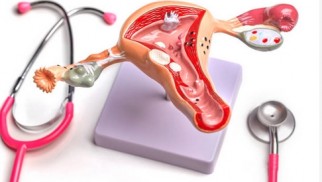
🎗️ Ovarian cancer has a reputation as a silent disease, but that is only half true. Most women do have symptoms before the diagnosis; the problem is that the symptoms look like everyday stomach trouble: bloating, feeling full after a few bites, a dull ache low in the belly, needing to pass urine more often. These signs get blamed on diet, stress, age or irritable bowel for months. 🔍 This guide explains which symptoms deserve a closer look and when, what the CA-125 blood test and ultrasound can and cannot show, how surgery and platinum chemotherapy work, how the side effects are handled at home, and where tablets such as letrozole, tamoxifen and low-dose oral cyclophosphamide fit in, because they do have a real but specific role in some types of ovarian cancer and in recurrence.
🔬 What ovarian cancer is, and why it is found late
🧬 Ovarian cancer is a group of cancers that start in the ovaries, the fallopian tubes or the lining of the abdomen called the peritoneum. Doctors now know that many of the most common, aggressive ovarian cancers actually begin in the end of the fallopian tube and only later settle on the ovary. The ovaries sit deep in the pelvis with plenty of room around them, so a tumour can grow and shed cells into the abdominal fluid long before it presses on anything. That is why the disease often spreads across the lining of the belly before the first clear symptom appears.
🧩 Not one disease: the main types
📚 The word “ovarian cancer” covers several diseases that behave very differently. The type seen under the microscope decides the treatment far more than the name of the organ. About 9 in 10 cases are epithelial cancers, which start in the surface cells. Germ cell tumours and sex cord stromal tumours are rarer and often affect younger women.
| 🧬 Type | 📋 How it behaves | 💊 Where tablets fit |
|---|---|---|
| High-grade serous | The most common type; grows fast, usually found late, responds well to platinum at first | Mainly chemotherapy and PARP inhibitors; hormone tablets only in selected recurrences |
| Low-grade serous | Rarer, slower, often in younger women; responds less to chemotherapy | Letrozole or anastrozole are a real option, often as maintenance |
| Endometrioid and clear cell | Often linked to endometriosis; often found earlier | Hormone therapy sometimes for endometrioid type with receptors |
| Mucinous | Can be very large; must be told apart from bowel cancer spread | Rarely |
| Granulosa cell (stromal) | Makes hormones; can cause bleeding after menopause; may recur years later | Aromatase inhibitors used in recurrence |
| Germ cell | Teenagers and young women; highly curable with chemotherapy | No |
🚩 The early symptoms women miss
🤔 Large studies of women before diagnosis found that four symptoms stand out. What makes them suspicious is not the symptom itself but the pattern: new, persistent and frequent, especially in a woman over 50. A bloated evening after a heavy meal means nothing. A belly that stays swollen most days for three weeks, with less appetite, is a different story.
📋 Other signs that can belong to the picture: a change in bowel habit that is new after the age of 50, back pain, unexplained tiredness, weight loss despite a swelling belly, clothes getting tight at the waist, and bleeding after the menopause. Women who have never had irritable bowel syndrome should be careful with a first diagnosis of it after 50, because true irritable bowel rarely starts at that age.
📆 The 12 times a month rule
📝 Several guidelines use a simple threshold: symptoms that happen more than 12 times a month, or that persist for more than three weeks, deserve a CA-125 test and an ultrasound, particularly after 50. A short symptom diary turns a vague feeling into something a doctor can act on.
⚠️ Who is at higher risk
📊 Most women who develop ovarian cancer have no obvious risk factor apart from age. The strongest known risk is an inherited gene change, followed by age and a family history of ovarian, breast, bowel or womb cancer. Other factors raise the risk only a little.
📖 Endometriosis is linked mainly to the clear cell and endometrioid types. The condition itself and its hormone treatment are covered in endometriosis: when hormones drive pain.
🧬 BRCA, Lynch and family history
👪 About 1 in 5 women with high-grade serous ovarian cancer carries an inherited gene change, most often in BRCA1 or BRCA2. For that reason many countries now offer genetic testing to every woman diagnosed with epithelial ovarian cancer, whatever her family history. The result matters twice: it guides treatment (PARP inhibitors work best in BRCA carriers) and it lets sisters, daughters and brothers get tested too.
🛡️ What lowers the risk
💊 One of the best-proven protective factors is surprising to many women: the combined contraceptive pill lowers the risk of ovarian cancer, and the protection grows with each year of use and lasts for decades after stopping. Fewer ovulations mean fewer cycles of damage and repair on the ovary and tube. Pregnancy and breastfeeding work in a similar way. The pill is not prescribed for this purpose alone, but for a woman who needs contraception anyway it is a welcome extra, and BRCA carriers often discuss it with their specialist. A standard combined pill such as Ovral-L (Norgestrel and Ethinyl Estradiol) needs a check of blood pressure, migraine with aura, smoking and clot history first.
Lower risk, larger with longer use
Each pregnancy lowers risk
Offered during other pelvic surgery
Tubes and ovaries in gene carriers
🚫 Why there is no screening test for everyone
🧪 It seems logical to check every woman each year with CA-125 and an ultrasound. Large trials that did exactly this found more cancers, but did not save lives overall, and many healthy women had operations for harmless cysts. For that reason no country runs routine ovarian screening for women at average risk. The safer path is to know the symptoms, act on them early, and offer genetic testing and preventive surgery to women at high risk.
🩸 CA-125: what the number can and cannot tell
📈 CA-125 is a protein released by cells lining the abdomen and pelvis. The usual cut-off is 35 units per millilitre. A raised level is a reason to look further, not a diagnosis, and a normal level does not rule cancer out: about half of early-stage cancers do not raise it. Its real strength comes after diagnosis, when the trend tells the team whether treatment is working.
🖥️ Ultrasound, CT and the path to diagnosis
🔍 The first scan is usually a transvaginal ultrasound, which shows the size of the ovaries, whether a cyst is simple and fluid-filled or has solid parts, and whether there is free fluid. Doctors combine the ultrasound features, CA-125 and menopause status into a risk score that decides who needs a specialist gynaecological oncology team.
📍 Stages in plain words
Only in one or both ovaries or tubes
Spread within the pelvis
Lining of the abdomen or nearby lymph nodes
Outside the abdomen, liver or lung
🔪 Surgery: the first big step
🏥 For most women surgery is the foundation of treatment. The aim is called debulking or cytoreduction: removing every visible trace of cancer, because women left with no visible disease live clearly longer. The operation usually removes the womb, both tubes and ovaries, the omentum (a fatty apron in the belly), and any deposits on the bowel or abdominal lining. Lymph nodes are sampled in early disease to stage it properly.
📅 When the cancer is widespread or the woman is too unwell for a long operation, doctors often give three cycles of chemotherapy first, then operate, then give three more. This is called neoadjuvant chemotherapy with interval surgery, and in suitable cases it gives similar results with fewer complications. Young women with an early, low-risk tumour who still want children can sometimes keep the womb and one ovary.
💉 Chemotherapy: carboplatin and paclitaxel
⏱️ The standard first chemotherapy for epithelial ovarian cancer is carboplatin with paclitaxel, given into a vein every three weeks for six cycles. Most women respond: CA-125 falls, fluid in the belly dries up and appetite returns. Some centres give paclitaxel weekly, and some add heated chemotherapy into the abdomen during interval surgery. Before paclitaxel came into use, cyclophosphamide given with cisplatin was the standard pairing, which is why cyclophosphamide still appears in older treatment lists.
🤢 Getting through chemo: the nausea plan
💊 Carboplatin causes moderate nausea, and paclitaxel adds little. Modern anti-sickness medicine has made vomiting much less common, but it works best when taken on schedule, not when nausea is already bad. A typical plan uses an anti-sickness drug and a steroid on the day of treatment, sometimes with a third medicine, and tablets at home for the next few days.
🌡️ Other side effects and when to call
🚨 The most dangerous chemotherapy side effect is infection when white cells are low, usually 7 to 14 days after each cycle. A temperature of 38 degrees Celsius or higher during chemotherapy is an emergency, even if you feel fairly well, because an infection can turn into sepsis within hours.
| ⚠️ Symptom | 📝 What to do |
|---|---|
| Fever 38 C or above, shivering | Call the 24-hour chemo line now; do not wait until morning |
| Tingling or numb fingers and toes | Report at each visit; the dose may be reduced to prevent lasting damage |
| Rash, flushing, breathlessness during a drip | Tell the nurse at once; possible drug allergy |
| Swollen, painful calf or sudden breathlessness | Same-day assessment for a blood clot |
| Bruising, nosebleeds, tiny red spots | Platelet check needed |
| Belly swelling with vomiting and no bowel opening | Urgent assessment for bowel blockage |
🩸 Cancer and pelvic surgery both raise the risk of blood clots in the legs and lungs; many women receive injections to thin the blood for some weeks after the operation. Warning signs and treatment are described in treatment and prevention of thrombosis and embolism.
💎 Maintenance: PARP inhibitors and bevacizumab
🧬 After the first chemotherapy many women now take a tablet for months or years to keep the cancer asleep. PARP inhibitors such as olaparib and niraparib are the biggest advance in ovarian cancer in decades, especially for women with a BRCA change or a tumour with a repair defect called HRD. They block the way cancer cells mend their DNA. These drugs are given only through specialist oncology care, with regular blood counts, because they can lower blood cells and cause tiredness and nausea.
🔄 When the cancer comes back
📈 Even after an excellent response, advanced ovarian cancer often returns, sometimes first as a slowly rising CA-125 without symptoms. The main thing that decides the next step is the time since the last platinum chemotherapy. Recurrence is now treated as a long-term condition in many women, with several lines of treatment over years.
💊 Hormone tablets in ovarian cancer: who they are for
🧪 Many ovarian cancers carry oestrogen receptors, especially the low-grade serous, endometrioid and granulosa cell types. For these tumours, cutting the oestrogen supply can slow growth with far fewer side effects than chemotherapy. After the menopause, and after removal of the ovaries, most oestrogen is made in fat and muscle by an enzyme called aromatase. Letrozole and anastrozole block that enzyme; tamoxifen blocks the receptor on the cancer cell itself. Hormone tablets are not a replacement for surgery and platinum in high-grade disease, but they have four honest uses.
📌 In high-grade serous cancer the response to hormone tablets is modest: a minority of women see CA-125 fall, more see the disease stay stable for a while, and a receptor test on the tumour helps predict who may benefit. In low-grade serous cancer the evidence is stronger, and trials are now testing letrozole alone against chemotherapy followed by letrozole after surgery.
⚖️ Letrozole, anastrozole and tamoxifen compared
| 💊 Tablet | 📏 Usual dose | ✅ Main points | ⚠️ Main side effects |
|---|---|---|---|
| Femara (Letrozole) | 2.5 mg once a day | Most studied in low-grade serous ovarian cancer | Hot flushes, joint aches, bone thinning, raised cholesterol |
| Arimidex (Anastrozole) | 1 mg once a day | Same class; a switch can help if one is poorly tolerated | Similar to letrozole |
| Nolvadex (Tamoxifen) | 20 mg once or twice a day | Works before or after menopause; helps bones | Hot flushes, blood clots, leg cramps, vaginal discharge |
💡 Aromatase inhibitors only work when the ovaries are no longer producing oestrogen, which is the case after surgery or menopause. Tamoxifen should not be combined with strong blockers of the liver enzyme CYP2D6, such as paroxetine or fluoxetine, and it is avoided in women with a past clot. The same three tablets are the backbone of breast cancer hormone therapy, explained in more depth in breast cancer hormone therapy: tamoxifen and aromatase inhibitors.
🦴 Living on an aromatase inhibitor: bones and joints
🦴 Letrozole and anastrozole push oestrogen close to zero, and bone needs oestrogen. Women on long-term treatment lose bone faster, so a bone density scan at the start and every one to two years is sensible. Calcium, vitamin D, weight-bearing exercise and stopping smoking all help. When bone density is low, a weekly bisphosphonate such as Fosamax (Alendronate) 70 mg is a common choice; it is taken on an empty stomach with a full glass of water, staying upright for 30 minutes.
📖 Joint aches usually appear in the first months, are worse in the morning and often ease with movement and simple painkillers. More on protecting bones after oestrogen falls: osteoporosis and menopause.
💊 Oral cyclophosphamide: a low daily dose in recurrence
🕒 Metronomic chemotherapy means giving a small dose of a drug every day instead of a large dose every few weeks. Low-dose oral cyclophosphamide, often 50 mg once a day, is used in recurrent and platinum-resistant ovarian cancer, sometimes together with bevacizumab. It seems to work partly by starving the tumour of new blood vessels and partly by calming immune cells that protect the cancer. For many women it means tablets at home instead of hospital drips, with mild side effects. Doses are set by the oncologist; Cytoxan (Cyclophosphamide) is the tablet used.
❓ Why hydroxyurea is not an ovarian cancer drug
🔎 Older web pages sometimes list hydroxyurea next to ovarian cancer, and the previous version of this page did too. Hydroxyurea is not part of modern ovarian cancer treatment; it was tested decades ago with little benefit. Its real uses are blood disorders: chronic myeloid leukaemia in some situations, polycythaemia vera, essential thrombocythaemia and sickle cell disease. Hydrea (Hydroxyurea) remains an important medicine for those conditions, which is why this updated guide points to letrozole, tamoxifen and cyclophosphamide instead, the tablets that actually have a place in ovarian cancer care.
🔥 Surgical menopause and HRT questions
🌡️ Removing both ovaries before natural menopause brings on menopause overnight: hot flushes, night sweats, poor sleep, vaginal dryness and faster bone loss. Whether hormone replacement is safe depends on the cancer type. For many women with high-grade serous, germ cell or early-stage cancers, studies have not shown that HRT makes the cancer return sooner, and it can greatly improve quality of life. For low-grade serous, some endometrioid and granulosa cell tumours, which can be fuelled by oestrogen, HRT is usually avoided.
High-grade serous, germ cell, BRCA carriers after preventive surgery
Endometrioid, clear cell
Low-grade serous, granulosa cell
📖 Non-hormonal ways to manage flushes and sleep problems are listed in menopause symptom relief: practical comfort and clear choices.
📅 Follow-up after treatment
📋 After treatment ends, women are seen regularly for an examination, a talk about symptoms and usually a CA-125. Routine scans are not always needed; new symptoms matter more than the calendar. Many women find the days before each check-up the hardest, a feeling often called scanxiety, and support groups and specialist nurses help with that.
Every 3 months
Every 4 to 6 months
Every 6 months
Yearly or open access
🗿 Myths and facts about ovarian cancer
🚨 When to see a doctor
⛔ Book an appointment within days if:
🔹 Bloating, feeling full quickly, pelvic pain or urinary urgency happen most days for three weeks or more than 12 times a month.
🔹 You are over 50 and have new bowel symptoms, unexplained weight loss or tiredness.
🔹 You have any bleeding after the menopause.
🔹 Close relatives had ovarian, breast, bowel or womb cancer, especially at a young age: ask about genetic counselling.
🚨 Go to emergency care now for a rapidly swelling belly with vomiting and no bowel opening, sudden severe pelvic pain, breathlessness, or fever of 38 C during chemotherapy.
📖 Pelvic pain with cysts in younger women is often caused by benign conditions such as polycystic ovaries; see polycystic ovary. Breast lumps and changes that are usually harmless are covered in fibrocystic breast changes.
❓ Frequently asked questions
What are the first signs of ovarian cancer?
Persistent bloating, feeling full quickly, pain in the pelvis or lower belly, and needing to pass urine more often. They matter when they are new and happen most days.
Can a blood test detect ovarian cancer?
CA-125 can point towards it, but it is raised by many harmless conditions and is normal in about half of early cancers. It is always combined with an ultrasound.
Does a smear test find ovarian cancer?
No. The cervical smear checks only the cervix. Ovarian cancer is looked for with CA-125 and a pelvic ultrasound when symptoms suggest it.
What is the main treatment for ovarian cancer?
Surgery to remove all visible cancer plus carboplatin and paclitaxel chemotherapy, often followed by maintenance with a PARP inhibitor or bevacizumab.
Is letrozole used for ovarian cancer?
Yes, in selected cases: low-grade serous cancer, some recurrences with a slowly rising CA-125, granulosa cell tumours and women who cannot have more chemotherapy. The usual dose is 2.5 mg a day.
Can tamoxifen treat ovarian cancer?
Tamoxifen is used in some recurrent ovarian cancers, especially when the tumour has oestrogen receptors. It is a gentler option chosen by the oncologist, not a first treatment.
What is oral metronomic cyclophosphamide?
A small daily dose of cyclophosphamide tablets, often 50 mg, used in recurrent ovarian cancer. It is taken at home, with plenty of fluid and regular blood counts.
Does the contraceptive pill lower ovarian cancer risk?
Yes. The combined pill lowers the risk, the protection grows with years of use and it lasts for many years after stopping.
Should every woman with ovarian cancer have a gene test?
Many guidelines recommend BRCA testing for every woman with epithelial ovarian cancer, because it guides treatment and helps relatives.
Can I take HRT after ovarian cancer?
It depends on the type. HRT is often possible after high-grade serous or germ cell cancer but is usually avoided in low-grade serous and granulosa cell tumours.
📑 Sources and editorial
- 📘 National clinical guidelines on recognition and initial management of suspected ovarian cancer
- 🏥 International gynaecological oncology guidelines on surgery, chemotherapy and maintenance treatment
- 🧪 Large randomised trials of ovarian cancer screening in women at average risk
- 🧬 Studies of BRCA1, BRCA2 and Lynch syndrome cancer risk and risk-reducing surgery
- 💊 Reviews of endocrine therapy and metronomic oral cyclophosphamide in ovarian cancer
- 🤢 Antiemetic guidelines for chemotherapy-induced nausea and vomiting
- 📖 Related reading: breast cancer hormone therapy, endometriosis, menopause symptom relief, thrombosis and embolism, osteoporosis and menopause
- 🛒 Related products: Femara (Letrozole), Arimidex (Anastrozole), Nolvadex (Tamoxifen), Cytoxan (Cyclophosphamide), Zofran (Ondansetron), Fosamax (Alendronate)
- 🩺 RXshop Editorial Team — reviewed by Anita Sharma, MD — OB/GYN
Medical Disclaimer: The information in this article is for educational and informational purposes only and is not a substitute for professional medical advice, diagnosis, or treatment. Always seek guidance from a qualified healthcare provider with any questions you may have regarding a medical condition, and before starting, stopping or changing any medication.