How to Take Antibiotic Tablets Correctly: Food and Dairy Timing, Antacids, Alcohol, Missed Doses and Stopping Early

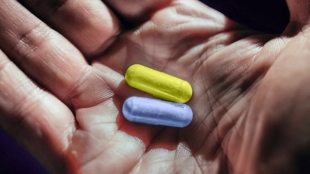
💊 Most people leave the doctor or the pharmacy with a box of antibiotic tablets and a label that says “twice daily”. That is often all the guidance they get. Yet the same tablet can work well or poorly depending on what it is swallowed with, how the doses are spaced and what happens when one is missed. 🔍 A glass of milk can block a large part of a ciprofloxacin dose, an antacid taken at the wrong time can do the same to doxycycline, and one beer can make metronidazole a miserable experience. This guide is a practical handbook for the days you actually take the course: which antibiotics need food and which need an empty stomach, how far to keep them from dairy, antacids, iron and vitamins, what alcohol really does, what to do after a missed dose or vomiting, and what the current advice says about stopping early. It closes with the side effects that need a doctor and the ones that do not.
🧭 Why the way you take it matters
🔬 An antibiotic only works if enough of it reaches the infected tissue and stays there long enough to kill bacteria or stop them from multiplying. Every step between the box and the infection can lose part of the dose: a tablet that dissolves next to calcium, a stomach that empties too fast, a dose that comes four hours late, or a course stopped on day two because the fever went away. Some losses are small and do not matter. Others are large enough to leave the infection half treated, which is exactly the situation in which bacteria that are a little more resistant survive and take over. 📖 For the basics of which infections need an antibiotic at all, see respiratory tract infections: when the cough needs treatment.
💡 The good news is that the rules are short. For most common antibiotics there are only three questions to answer: food or no food, what to keep apart from the tablet, and how to space the doses. The rest of this guide goes through those questions drug by drug, then covers alcohol, missed doses and side effects.
🍽️ With food or on an empty stomach
📋 Food affects antibiotics in two different ways. For some drugs, a meal slows absorption or binds the drug, so the label asks for an empty stomach. For others, food barely changes absorption but protects the stomach from nausea, which is the most common reason people skip doses. A few, such as nitrofurantoin and amoxicillin with clavulanate, are actually better taken with a meal. 💡 “Empty stomach” on a label usually means one hour before a meal or two hours after it.
| 💊 Antibiotic | 🍽️ Food rule | 📝 Practical note |
|---|---|---|
| Amoxicillin | With or without food | Choose whatever keeps the stomach calm |
| Amoxicillin with clavulanate | At the start of a meal | Less nausea and diarrhea from the clavulanate part |
| Cephalexin | With or without food | Spread four daily doses evenly |
| Azithromycin tablets | With or without food | Food can ease stomach upset |
| Clarithromycin | With or without food; extended-release with food | Metallic taste is common |
| Doxycycline | Can be taken with food | Full glass of water, stay upright |
| Tetracycline | Empty stomach | Strongly blocked by dairy and minerals |
| Ciprofloxacin, levofloxacin | With or without a meal | Not with dairy or fortified juice alone |
| Nitrofurantoin | With food | Better absorbed and less nausea |
| Metronidazole | With or after food | Less nausea; no alcohol at all |
📖 Your own pack leaflet always has the last word, because extended-release versions and liquid forms sometimes follow different rules from the plain tablet.
🥛 Milk, yogurt and calcium-fortified juice
🧬 Two antibiotic families stick to calcium, magnesium, iron, zinc and aluminium in the gut: the tetracyclines (tetracycline, doxycycline, minocycline) and the fluoroquinolones (ciprofloxacin, levofloxacin, moxifloxacin, ofloxacin, norfloxacin). The drug and the mineral form a complex that the gut wall cannot absorb. The tablet goes in, but a large part of it simply passes through and leaves the body unused. This process is called chelation, and it is the single most common food interaction with antibiotics.
💡 The difference between a meal and a glass of milk matters. With ciprofloxacin, labels allow a normal meal that includes dairy, but warn against dairy products or fortified juice taken on their own with the tablet. Plain tetracycline is the strictest: it needs an empty stomach and no dairy at all around the dose. Doxycycline and minocycline are affected less than tetracycline, but keeping milk two hours away is still the simple, safe habit. 📖 Amoxicillin, cephalexin, azithromycin and metronidazole do not chelate and can be taken alongside dairy.
🧴 Antacids, iron, zinc and multivitamins: the spacing rule
🧪 Mineral supplements and antacids are a much bigger problem than food, because they deliver large amounts of the very metals that bind the drug. An antacid tablet or an iron pill taken together with ciprofloxacin or doxycycline can cut the absorbed dose so much that the course may fail. The fix is not to stop the supplement for a week if you need it, but to space the two.
Ciprofloxacin with water or breakfast
Iron, calcium or multivitamin
Second ciprofloxacin dose
No antacid within 2 hours before the dose
💡 Acid-lowering tablets such as omeprazole or famotidine do not contain these metals and do not bind fluoroquinolones, so they are a different story. The spacing rule is about the minerals, not about the heartburn itself.
🧪 Ciprofloxacin and levofloxacin in daily life
💊 Fluoroquinolones such as Cipro (Ciprofloxacin) and Levaquin (Levofloxacin) are absorbed very well when taken correctly, so well that the tablet can replace a drip in many hospital patients. That is also why the mineral rule matters so much: you are protecting a drug that otherwise works almost as well by mouth as by vein. Ciprofloxacin is usually taken twice a day, about 12 hours apart; levofloxacin once a day at the same time. Levofloxacin labels ask for a 2-hour gap from antacids and minerals on either side.
☕ Ciprofloxacin slows the breakdown of caffeine, so usual amounts of coffee can feel stronger, with jitteriness, a racing heart or poor sleep. Cutting back for the course is a simple fix. It also raises blood levels of tizanidine, a muscle relaxant, so far that the combination is not allowed, and it can raise theophylline levels.
⚠️ Fluoroquinolone warnings worth knowing before day one:
🔹 Tendon pain or swelling, most often in the heel (Achilles tendon). The risk is higher over 60, with steroid tablets and after a kidney, heart or lung transplant. Stop the drug and rest the leg if it happens.
🔹 Tingling, burning or numbness in the hands or feet.
🔹 Sudden severe chest, back or belly pain, a rare sign of a problem with the aorta.
🔹 Confusion, anxiety or poor sleep, especially in older adults, and swings in blood sugar in people with diabetes.
📖 Because of these effects, regulators now ask doctors to keep fluoroquinolones for infections where other antibiotics do not fit. If you were prescribed one, there is usually a good reason, and the warnings are about knowing the signs, not about refusing the drug.
💧 Doxycycline: water, standing up and sunlight
🧪 Vibramycin (Doxycycline) is used for chest infections, acne, Lyme disease, chlamydia and malaria prevention, so many people take it for weeks. Its most avoidable side effect is a painful ulcer in the food pipe when a tablet gets stuck and dissolves against the lining. This happens mostly when the dose is swallowed with a sip of water just before lying down.
☀️ Doxycycline also makes the skin burn in the sun much faster than usual. A sunburn that appears after a short walk is a typical reaction, not bad luck. High-factor sunscreen, a hat and covered arms help, and tanning beds are best avoided during the course. Tetracyclines are not used in pregnancy or in young children because they affect developing teeth and bones. Its cousin minocycline follows the same mineral rule and can cause dizziness in the first days.
🍷 Alcohol: which antibiotics truly clash
🤔 The popular rule “no alcohol with any antibiotic” is stricter than the science. For most common antibiotics, a moderate drink does not stop the drug from working. Alcohol still has good reasons to be limited: it worsens nausea, dizziness and poor sleep, it can dehydrate you, and it slows recovery from the infection itself. But only a few antibiotics produce a real, sometimes dangerous reaction.
⏳ Metronidazole and the 48 to 72 hour rule
🚫 Flagyl (Metronidazole) treats bacterial vaginosis, trichomoniasis, dental abscesses, some bowel infections and parasites such as giardia. Combined with alcohol, it can cause flushing, a pounding headache, a fast heartbeat, nausea and vomiting, a reaction similar to the one used deliberately in alcohol-aversion treatment. The reaction is unpleasant rather than usually dangerous, but it can be severe in people with heart disease.
💡 Metronidazole also leaves a metallic taste, can darken the urine, and strongly increases the effect of warfarin. Anyone on warfarin needs an INR check when a course starts. 📖 If metronidazole is used for a vaginal infection, a thrush flare can follow, which is common after many antibiotics.
🧀 Linezolid and aged cheese
🧪 Linox (Linezolid) is a reserve antibiotic for resistant staphylococcal and enterococcal infections. It mildly blocks the enzyme that breaks down tyramine, a substance found in aged and fermented foods, so large amounts of these foods can push blood pressure up. Normal portions of most foods are fine, but very large amounts of the items below are best avoided during the course.
Mature cheddar, blue cheese, parmesan in large amounts
Draft and home-brewed beer carry the most tyramine
Salami, soy sauce, sauerkraut, yeast extract spreads
⚠️ The more important linezolid interaction is with antidepressants. Together with SSRIs, SNRIs and some other mood medicines, linezolid can trigger serotonin syndrome, with agitation, sweating, fever, muscle twitching and diarrhea. A doctor should know every mood medicine you take before linezolid is started. Courses longer than two weeks also need blood counts, because linezolid can lower platelets.
⏰ Spacing the doses through the day
📈 Antibiotics are given at fixed intervals so that the level in the blood never falls too far before the next dose. “Three times a day” really means every 8 hours, not breakfast, lunch and dinner squeezed into ten waking hours. In practice, a rough schedule that fits your sleep is fine; nobody needs an alarm at 3 a.m. for a common infection unless the doctor asks for it.
💡 Penicillins and cephalosporins, such as Amoxil (Amoxicillin) and Keflex (Cephalexin), kill best when the level stays above a threshold for most of the day, so even spacing matters most for them. Azithromycin, by contrast, stays in the tissues for days, which is why a 3 or 5 day course keeps working after the last tablet.
📆 What to do if you miss a dose
🤔 A missed dose is common and rarely a disaster. The universal rule is simple: never take two doses at once to make up for a forgotten one. A double dose raises side effects without adding much benefit. What to do depends on how close the next dose is.
📱 A phone alarm, a pill box or keeping the box next to the toothbrush are the methods that work best in practice. For one-off doses, such as a single azithromycin or fosfomycin dose, a missed or vomited dose should be discussed with a pharmacist, because there is no next tablet to fall back on.
🤢 Vomiting or diarrhea soon after a dose
💧 If you vomit within about 30 to 60 minutes of swallowing a tablet, much of it may not have been absorbed. Many pharmacists advise repeating the dose once if the tablet is visible or the vomiting came within half an hour, while vomiting several hours later usually needs no repeat. Rules vary between drugs, so a quick call to a pharmacist is the safest step. Repeated vomiting means the antibiotic cannot work by mouth and a doctor needs to know the same day.
💡 Making nausea less likely:
🔹 Take antibiotics that allow it with food, especially amoxicillin with clavulanate, metronidazole and nitrofurantoin.
🔹 Sip water through the day and keep meals small and plain.
🔹 Ask whether a different form, such as a once-daily tablet, would suit you better than four doses a day.
🏁 Finishing the course or stopping early
📜 For decades, the message was always to finish the whole course, even after feeling better. Research over the last ten years has shown that for many common infections, shorter courses work as well as longer ones, and that taking antibiotics longer than needed adds side effects and resistance without adding cure. That is why many courses today are 5 days instead of 7 to 10.
🧭 What this means for you:
🔹 The course length you were given already reflects current advice for your infection. Take it as prescribed.
🔹 Do not stop on your own because you feel better on day two; early improvement is when the remaining bacteria are still being cleared.
🔹 If you feel completely well and wonder whether you still need the last days, ask the prescriber. Some infections, such as strep throat, tuberculosis and bone infections, truly need the full time.
🔹 If you stop because of a side effect, tell the doctor so that a replacement can be chosen.
📏 Typical course lengths today
| 🩺 Infection (adults, uncomplicated) | 📅 Usual length | 💊 Common choice |
|---|---|---|
| Bladder infection in women | 3 to 5 days | Nitrofurantoin, trimethoprim |
| Community chest infection | About 5 days | Amoxicillin, doxycycline |
| Strep throat | 10 days | Penicillin or amoxicillin |
| Cellulitis | 5 to 7 days | Flucloxacillin, cephalexin |
| Acute bacterial sinusitis | About 5 days | Amoxicillin or amoxicillin with clavulanate |
| H. pylori eradication | 14 days | Two antibiotics plus an acid blocker |
📖 These are typical patterns, not instructions; the doctor adjusts the drug and duration to the patient, local resistance and the severity of the illness. Bladder infections and their usual treatments are covered in urinary tract infections and how they are treated, and skin infections in cellulitis and skin infections: what needs an antibiotic. 💊 For bladder infections, Macrobid (Nitrofurantoin) is taken with food and may turn the urine dark yellow or brown, which is harmless.
🔁 Medicines that interact with common antibiotics
📋 Food is only half of the story. Some of the most serious antibiotic problems come from medicines you already take for something else, because a short course can push their levels up or down within days. Show the pharmacist your full list, including supplements, before the first dose.
| 💊 Your regular medicine | 🧪 Antibiotics to watch | ⚠️ What can happen |
|---|---|---|
| Warfarin | Metronidazole, co-trimoxazole, clarithromycin, fluoroquinolones | INR rises, bleeding risk |
| Simvastatin, lovastatin | Clarithromycin, erythromycin | Muscle damage; statin usually paused |
| Methotrexate | Co-trimoxazole, trimethoprim | Dangerous drop in blood counts |
| ACE inhibitors, spironolactone | Co-trimoxazole, trimethoprim | High potassium |
| SSRIs and similar antidepressants | Linezolid | Serotonin syndrome |
| Heart rhythm drugs, some antipsychotics | Macrolides, fluoroquinolones | QT prolongation, irregular heartbeat |
| Tizanidine, theophylline | Ciprofloxacin | Much higher levels, low blood pressure |
| Hormonal contraception | Rifampicin, rifabutin | Contraception may fail |
💡 Biaxin (Clarithromycin) is the antibiotic with the longest interaction list among the common ones, because it blocks a major liver enzyme. Zithromax (Azithromycin) blocks it much less, which is one reason it is often chosen for people on many medicines. Bactrim (Sulfamethoxazole/Trimethoprim) needs care with warfarin, methotrexate and potassium-raising drugs, and plenty of fluids during the course.
🌸 Antibiotics and the contraceptive pill
🔎 Many people still believe that every antibiotic weakens the pill. Current guidance says that common antibiotics such as amoxicillin, doxycycline, azithromycin and ciprofloxacin do not reduce the effect of hormonal contraception. The clear exceptions are rifampicin and rifabutin, which speed up the breakdown of contraceptive hormones and need extra protection during the course and for 28 days after. The other real risk is indirect: vomiting or severe diarrhea can stop the pill from being absorbed, and then the usual missed-pill rules apply.
🦠 Diarrhea, probiotics and C. difficile
💩 Antibiotics do not only hit the bacteria causing the infection. They also thin out the normal gut flora, which is why loose stools are one of the most common side effects. Mild diarrhea that starts during the course and settles within a few days of the last dose is usually harmless. 📖 For how the normal gut bacteria protect you, see bacteria living in the intestine and their functions.
🧫 Probiotics have modest evidence for reducing antibiotic-associated diarrhea in some groups. If you use one, take it at least 2 hours away from the antibiotic dose, so that the antibiotic does not simply kill the live bacteria in the capsule. People with a very weak immune system or a central line should ask before taking probiotics. The higher risk of C. difficile is linked to clindamycin, broad-spectrum cephalosporins, fluoroquinolones and amoxicillin with clavulanate, recent hospital stays and age over 65.
🤧 Allergy or side effect?
📋 Many people carry a “penicillin allergy” label from childhood that was never confirmed. Most people who report a penicillin allergy turn out not to be allergic when they are properly tested, and a false label pushes doctors toward broader, less suitable antibiotics. Telling a true allergy apart from an ordinary side effect is worth the effort.
| 🔍 Feature | 🚨 Likely allergy | 😐 Likely side effect |
|---|---|---|
| Skin | Raised itchy hives, swelling of lips or eyes | No rash, or a flat rash days later with a viral illness |
| Timing | Minutes to a few hours after a dose | Builds slowly over days |
| Breathing | Wheeze, throat tightness, hoarse voice | Normal |
| Gut | Sometimes cramps with the other signs | Nausea, loose stools on their own |
| What to do | Stop the drug, urgent help if breathing or swelling | Usually continue; ask the pharmacist |
⚠️ A rare but serious reaction starts with fever, sore eyes and mouth, then a painful rash with blisters or peeling skin. This is an emergency, whatever antibiotic you take. Write down the name of any antibiotic that caused a reaction and the exact symptoms, so that future doctors can judge whether it was a true allergy.
👵 Older adults, kidneys, pregnancy and breastfeeding
📋 Most antibiotics leave the body through the kidneys. When kidney function is reduced, doses of drugs such as ciprofloxacin, levofloxacin, co-trimoxazole and cephalexin are often lowered, and nitrofurantoin is avoided when function is clearly reduced because it works poorly and causes more side effects. Older adults are also more sensitive to tendon problems, confusion and heart rhythm effects.
Ask for a kidney check if no recent blood test; watch for confusion and tendon pain
Penicillins and cephalosporins are widely used; tetracyclines are avoided
Many antibiotics are compatible; the baby may get loose stools or thrush
💡 Never take an antibiotic in pregnancy that was prescribed for someone else or left over from before. The choice depends on the stage of pregnancy, and several common drugs are avoided at certain weeks.
🗑️ Leftovers, sharing and storage
🛡️ Why careful use protects you, not only the world
🌍 Antibiotic resistance is often described as a global problem, which makes it sound distant. In reality, the person most affected by a poorly taken course is usually the patient: resistant bacteria that survive in your own gut, skin or bladder are the ones most likely to cause your next infection. After a course, resistant strains can remain in the body for weeks to months, which is one reason doctors ask about recent antibiotics before choosing a new one.
📖 Viral infections such as colds, most sore throats and most coughs do not respond to antibiotics at all. When an ear or tooth hurts, the question of whether an antibiotic helps is often more complex than it seems; see ear pain in adults and when it needs an antibiotic and tooth infection: what antibiotics can and cannot do.
🏷️ Quick rules for the antibiotics in this guide
🗿 Myths about taking antibiotics
🚨 When to get medical help
⛔ Contact a doctor or emergency services if, during or after a course:
🔹 Your lips, tongue or throat swell, you wheeze, or hives spread fast.
🔹 You get a blistering or peeling rash, sore eyes or mouth ulcers with fever.
🔹 Watery diarrhea comes 3 or more times a day, or there is blood, fever or strong cramps, even weeks after the course.
🔹 A tendon suddenly hurts or swells on a fluoroquinolone, or you feel sudden severe chest, back or belly pain.
🔹 You cannot keep doses down because of vomiting.
🔹 The infection is clearly worse after 48 to 72 hours, or not better at all when the course ends.
📖 For questions about mixing antibiotics with other daily medicines, see the pharmacy note on modafinil and antibiotics, which covers clarithromycin and other enzyme-blocking drugs.
❓ Frequently asked questions
Can I drink milk with antibiotics?
With amoxicillin, cephalexin, azithromycin and metronidazole, yes. With doxycycline, tetracycline, ciprofloxacin and levofloxacin, keep milk and calcium-fortified drinks about 2 hours away from the dose.
How long after an antacid can I take ciprofloxacin?
Take ciprofloxacin at least 2 hours before or 6 hours after antacids and supplements that contain calcium, magnesium, aluminium, iron or zinc.
What should I do if I miss an antibiotic dose?
Take it as soon as you remember, unless the next dose is nearly due. In that case skip it and continue as normal. Never take two doses at once.
Can I drink alcohol while taking antibiotics?
With metronidazole and tinidazole, no; with linezolid, avoid tap beer and red wine. With most other antibiotics a small drink does not stop the drug working, but alcohol can worsen side effects and slow recovery.
How long after metronidazole can I drink alcohol?
Wait at least 48 hours after the last tablet, and 72 hours to be safer. For tinidazole the gap is 72 hours.
Do I have to finish the antibiotic course if I feel better?
Take the course as prescribed. Many courses are already short. If you feel fully well and want to stop early, ask the prescriber first, because some infections need the full time.
Do antibiotics stop the birth control pill from working?
Most do not. Rifampicin and rifabutin do, and need extra contraception during and for 28 days after. Vomiting or severe diarrhea can also reduce pill absorption.
Why must I stay upright after taking doxycycline?
A tablet that sticks in the food pipe can cause a painful ulcer. A full glass of water and staying upright for 30 minutes prevent this.
Should I take probiotics with antibiotics?
Some people find they reduce loose stools. If you use one, take it at least 2 hours away from the antibiotic. People with a weak immune system should ask a doctor first.
What if I vomit after taking an antibiotic?
If vomiting comes within about 30 minutes or the tablet is visible, the dose is often repeated once. Ask a pharmacist, and see a doctor if you cannot keep doses down.
📑 Sources and editorial
- 📘 Prescribing information for ciprofloxacin, levofloxacin, doxycycline, metronidazole, linezolid, nitrofurantoin and amoxicillin with clavulanate
- ⚠️ Regulatory safety communications on fluoroquinolone tendon, nerve and aortic effects
- 🔬 Clinical trials and reviews comparing short and long antibiotic courses for common infections
- 💊 Drug interaction references used by pharmacists for antibiotics and chronic medicines
- 🌸 Contraception guidance on drug interactions with hormonal methods
- 🦠 Clinical guidance on antibiotic-associated diarrhea and Clostridioides difficile infection
- 📖 Related reading: urinary tract infections, cellulitis and skin infections, tooth infection and antibiotics, ear pain in adults, gut bacteria
- 🛒 Related products: Cipro (Ciprofloxacin), Vibramycin (Doxycycline), Augmentin (Amoxicillin + Clavulanate), Flagyl (Metronidazole), Zithromax (Azithromycin), Levaquin (Levofloxacin)
- 🩺 RXshop Editorial Team — reviewed by Sarah Mitchell, PharmD — Clinical Pharmacist
Medical Disclaimer: The information in this article is for educational and informational purposes only and is not a substitute for professional medical advice, diagnosis, or treatment. Always seek guidance from a qualified healthcare provider with any questions you may have regarding a medical condition, and before starting, stopping or changing any medication.