Altitude Sickness and Acetazolamide: Prevention Dose, Side Effects, Red Flags and Why Descent Always Comes First

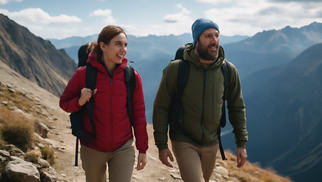

🏔️ Every year many trekkers, skiers and tourists fly into high mountain towns or start a climb with a packet of acetazolamide in their bag and only a rough idea of how to use it. Acetazolamide is the best studied tablet for preventing altitude sickness, but it works only as part of a plan that puts slow ascent and descent first. 🔍 This guide covers how the drug speeds up acclimatization, who actually needs it, the usual prevention dose of 125 mg twice daily, when to start and stop, why fingers tingle and fizzy drinks taste flat, what a sulfa allergy means for you, and the warning signs of high altitude pulmonary edema (HAPE) and high altitude cerebral edema (HACE), where dexamethasone and nifedipine take over and the only real cure is going down.
🏔️ Three forms of altitude illness
📖 Altitude illness is a group of problems caused by lower oxygen pressure in the air above roughly 2500 metres (about 8200 feet). Acute mountain sickness (AMS) is the common, usually mild form, while HAPE and HACE are rare but can kill within hours. AMS feels like a hangover: headache, poor appetite, nausea, tiredness and broken sleep, usually starting 6 to 12 hours after arrival. HACE is the severe end of the same process; HAPE is a separate lung problem that can appear without AMS.
🌬️ Why thin air makes people ill
🧪 The share of oxygen in the air stays close to 21% at every height, but the air pressure falls as you climb. At 3500 metres each breath carries roughly a third less oxygen than at sea level. The body answers by breathing faster, raising the heart rate and, over weeks, making more red blood cells: acclimatization. When the climb outpaces it, fluid shifts in the brain and lungs produce symptoms.
🌙 Breathing at night is the weak point. During sleep the drive to breathe drops, and many people at altitude develop periodic breathing: a few deep breaths, then a pause, then a gasp. Oxygen levels fall lowest at night, which is why symptoms are often worst on waking. People who already have breathing problems during sleep can be affected more; see obstructive sleep apnea and the night breathing trap.
🎯 Who is at higher risk
📊 Fitness does not protect against altitude sickness. The two strongest predictors are the speed of ascent and a past episode of altitude illness. Guidelines group trips into three levels of risk.
🚶 Slow ascent: the first prevention tool
📋 No tablet replaces a sensible itinerary. Once above 3000 metres, the height where you sleep should rise by no more than about 500 metres a day, with an extra rest night every three to four days. Daytime climbs to a higher point are fine as long as you come back down to sleep, the old rule of “climb high, sleep low”.
💊 How acetazolamide speeds acclimatization
🔬 Acetazolamide blocks an enzyme called carbonic anhydrase in the kidneys. The kidneys then pass more bicarbonate into the urine, the blood becomes slightly more acidic, and the brain responds by increasing breathing. In effect, the drug pushes the body through the change it would make on its own over several days, and night breathing becomes more regular.
📖 Acetazolamide has other medical uses too: it lowers pressure inside the eye in some types of glaucoma, reduces fluid around the brain in idiopathic intracranial hypertension, and is sometimes used in epilepsy. See chronic open angle glaucoma and intracranial hypertension. The tablet sold for altitude is the same medicine, Diamox (Acetazolamide), used at a lower dose.
🧭 Do you need a prevention tablet?
📏 The prevention dose: 125 mg twice daily
⚖️ Older advice often recommended 250 mg twice daily or even more. Current wilderness medicine guidelines recommend 125 mg every 12 hours for adults, because studies found it prevents AMS about as well as higher doses with fewer side effects. In practice that means half of a 250 mg tablet in the morning and half in the evening. Children are dosed by weight, usually around 1.25 mg per kilogram twice daily up to the adult dose, and only on a doctor plan.
📋 Usual prevention plan
💊 125 mg by mouth every 12 hours
🍽️ With food if it upsets the stomach
💧 Normal fluid intake, enough to keep urine pale
📊 What it does and does not do
✅ Lowers the chance of AMS on a fast ascent
✅ Improves sleep breathing at altitude
➖ Some people still get AMS on the tablet
❌ Does not prevent HAPE reliably or allow a reckless climb
📅 When to start and when to stop
⏰ Most guidelines suggest starting the day before the ascent, which gives the kidneys time to shift the blood chemistry before you reach height. Starting on the morning of the ascent still helps. The tablet is continued while you are climbing and is usually stopped once you start to descend, or after two to three days at the highest altitude when the body has adjusted.
Test dose at home if you have sulfa concerns
First 125 mg dose, then every 12 hours
Continue twice daily, keep to ascent rules
Stop after 2 to 3 days at height or once going down
🩺 Prevention dose and treatment dose are different
📐 When AMS has already started, the dose used is higher. For mild to moderate AMS, adults usually take 250 mg every 12 hours together with rest and no further ascent. If the person improves, the climb can continue after symptoms have gone. If symptoms get worse, descent comes first.
| 📋 Situation | 💊 Acetazolamide (adult) | ➕ Other steps |
|---|---|---|
| Prevention, moderate or high risk | 125 mg every 12 hours | Slow ascent, rest days |
| Mild AMS | 250 mg every 12 hours may be added | Stop climbing, rest, pain relief |
| Moderate AMS | 250 mg every 12 hours | No ascent, consider descent, dexamethasone if worse |
| HACE or HAPE | Not the main treatment | Descent, oxygen, dexamethasone or nifedipine |
🖐️ Tingling in fingers, toes and face
⚡ The side effect almost everyone notices is pins and needles, called paresthesia. It is harmless, caused by the same chemistry shift that makes the drug work, and it fades after the tablets are stopped. It tends to come and go, often in the fingertips, toes or around the lips, and it is more common at 250 mg doses than at 125 mg.
- 📌 Usually starts within the first day or two
- 📌 Can be stronger in cold hands, which can be confusing on a mountain
- 📌 Numbness on one side of the body, weakness or slurred speech are NOT a drug effect and need urgent help
- 📌 If tingling is very unpleasant, a doctor may lower the dose rather than stop it
🥤 Flat fizzy drinks and more trips to the toilet
🍺 One of the odder effects: beer, cola and sparkling water taste flat or metallic while you take acetazolamide. The taste buds use the same carbonic anhydrase enzyme to sense the fizz of carbon dioxide, and the drug blocks it. Nothing is wrong with the drink, and taste returns to normal a few days after stopping.
🚻 Acetazolamide is a mild diuretic, so you will pass urine more often, especially in the first days. This is one reason to avoid taking the evening dose too late. Drink enough to keep urine pale, but there is no need to force huge amounts of water; overdrinking can lower blood sodium and does not prevent AMS.
⚠️ Other side effects to know
| 📋 Side effect | 📊 How common | 📝 What to do |
|---|---|---|
| Tingling, more urine, altered taste | Common | Usually tolerated; dose can be lowered |
| Nausea, loss of appetite, tiredness | Fairly common | Take with food; can overlap with AMS |
| Drowsiness or blurred vision | Less common | Care on exposed terrain |
| Skin rash | Uncommon | Stop and seek advice |
| Kidney stone pain | Rare with short courses | Stop, seek medical help |
| Severe skin reaction or blood disorder | Very rare | Emergency care |
📖 People with a history of kidney stones should mention it before starting, since acetazolamide can make some stones more likely. More on stones: kidney stones, what passes on its own and what does not.
🧬 The sulfa allergy question
🔎 Acetazolamide is a sulfonamide, but not a sulfonamide antibiotic such as sulfamethoxazole. Cross-reaction between antibiotic sulfa drugs and non-antibiotic sulfonamides appears to be uncommon, and many people with a vague “sulfa allergy” label take acetazolamide without trouble. The risk is not zero, though, and the answer depends on what the original reaction was.
🔹 Past anaphylaxis, severe blistering rash or Stevens-Johnson syndrome after any sulfa drug: acetazolamide is generally avoided; dexamethasone and a slow ascent are the usual alternatives.
🔹 Mild rash years ago, or label without detail: many doctors suggest a trial dose at home, two to four weeks before travel, close to medical help.
🔹 No known allergy: a trial dose is still useful to learn how the tingling and taste change feel before you are on the mountain.
🚫 Who should not take it, and drug interactions
🤕 Recognising AMS on the mountain
🔍 AMS is diagnosed by a headache at altitude plus at least one other symptom. Any illness at altitude should be treated as altitude illness until proven otherwise, rather than blamed on a cold, food or tiredness. Groups that check every member each morning catch problems earlier.
🫁 HAPE red flags: fluid in the lungs
🚨 HAPE usually appears on the second to fourth night at a new height. The first sign is often a drop in exercise ability: the person falls behind, then becomes breathless even at rest. A dry cough turns wet, and in late stages the sputum can be pink and frothy. Lips may turn blue. HAPE causes most deaths from altitude illness, and it can develop in people who had no headache at all.
| 🔎 Sign | 🤕 AMS | 🫁 HAPE | 🧠 HACE |
|---|---|---|---|
| Headache | Yes | Not always | Severe |
| Breathless at rest | No | Yes | Sometimes |
| Cough, wet chest | No | Yes | No |
| Confusion, drowsiness | No | Late | Yes |
| Unsteady walk | No | No | Yes, key sign |
| First step | Stop and rest | Descend, oxygen | Descend, oxygen, dexamethasone |
🧠 HACE red flags: the heel-to-toe test
🚶 HACE is swelling of the brain. Loss of balance (ataxia) is the classic early sign, and it can be checked in a minute. Confusion, odd behaviour, extreme sleepiness or a person who will not get out of the tent are also danger signs. Without descent, HACE can lead to coma within hours.
⬇️ Descent always comes first
🛤️ Medicines buy time; going down cures. A descent of 300 to 1000 metres, or until symptoms clearly improve, is the main treatment for HAPE and HACE and for AMS that gets worse. If darkness, weather or terrain make descent impossible right away, oxygen, a portable hyperbaric bag and medicines are used until it can happen. A sick person should never descend alone.
💉 Dexamethasone: the rescue steroid
🧪 Dexamethasone is a strong steroid that reduces swelling in the brain. It treats symptoms of AMS and HACE effectively, but unlike acetazolamide it does not speed acclimatization, so symptoms can return when it is stopped at the same height. That is why it is mainly a rescue drug for moderate or severe AMS and HACE, used together with descent. In HACE it is often started with 8 mg and then 4 mg every six hours.
📋 Dexamethasone can also be used for prevention, usually 2 mg every six hours or 4 mg every 12 hours, by people who cannot take acetazolamide, and by some rescue teams flown straight to high altitude. Prevention courses are kept short, usually no longer than about 10 days, because of steroid side effects such as high blood sugar, mood changes, stomach irritation and sleep problems. People with diabetes need particular care.
🫀 Nifedipine and HAPE
💡 In HAPE, low oxygen makes the blood vessels of the lungs clamp down unevenly, pressure in the lung circulation rises, and fluid leaks into the air sacs. Nifedipine relaxes these vessels and lowers lung artery pressure. For people who have had HAPE before, a slow release form, 30 mg every 12 hours, is often started the day before ascent and continued until descent. As treatment it is an add-on when oxygen and descent are not available, not a replacement.
⚠️ Nifedipine can lower blood pressure and cause dizziness, flushing, headache and ankle swelling. It should not be combined with sildenafil or tadalafil, which some doctors use as alternatives for HAPE prevention, because blood pressure can fall too far. People already on blood pressure tablets should plan doses with their doctor; see arterial hypertension.
💊 Relief for headache, nausea and poor sleep
🤕 Headache at altitude responds to ordinary painkillers. Ibuprofen has also been shown to lower the chance of AMS when taken during the ascent, though less reliably than acetazolamide, and it can irritate the stomach. Paracetamol is gentler on the stomach. Nausea may need an antiemetic so that the person can eat and drink. Sleeping pills that depress breathing should be avoided at altitude, and alcohol has the same problem.
📖 Road sickness is covered in the motion sickness survival guide. If nausea starts after arrival at height, think of AMS first.
🗿 Myths about altitude sickness and Diamox
🎒 Altitude travel checklist
🚨 When to get medical help
⛔ Start descent and seek help urgently if:
🔹 Someone is breathless at rest, has a wet cough, or coughs up pink frothy sputum.
🔹 Someone is confused, very drowsy or cannot walk heel to toe in a straight line.
🔹 Headache and vomiting get worse despite rest and painkillers.
🔹 On acetazolamide you develop a spreading rash, blisters, facial swelling or trouble breathing, which may be an allergic reaction.
🔹 After returning home, chest pain, breathlessness or a severe headache continue.
❓ Frequently asked questions
What is the usual acetazolamide dose to prevent altitude sickness?
For adults, current guidelines recommend 125 mg every 12 hours. Higher doses do not prevent AMS much better and cause more side effects.
When should I start taking acetazolamide before a climb?
Usually the day before ascent. It is continued while climbing and stopped after two to three days at the highest altitude or once descent begins.
Why do my fingers tingle on acetazolamide?
Tingling is a common, harmless effect of the chemistry change the drug causes. It fades after stopping, and a lower dose often reduces it.
Why do fizzy drinks taste flat on acetazolamide?
The taste buds use carbonic anhydrase to sense carbonation, and the drug blocks it. Taste returns to normal a few days after the last dose.
Can I take acetazolamide if I have a sulfa allergy?
Cross-reaction is uncommon, but people with past anaphylaxis or a severe skin reaction to sulfa drugs should avoid it. Others may try a test dose at home with medical advice.
Does acetazolamide prevent HAPE and HACE?
It lowers the chance of AMS and may reduce HACE risk, but it is not reliable against HAPE. Slow ascent and quick descent remain essential.
What are the warning signs of HAPE?
Falling behind, breathlessness at rest, a cough that becomes wet, chest tightness and blue lips. These need descent and oxygen without delay.
How is dexamethasone used for altitude sickness?
It treats moderate to severe AMS and HACE alongside descent, and can prevent AMS in people who cannot take acetazolamide. It does not speed acclimatization.
Who needs nifedipine for altitude?
Mainly people who have had HAPE before, as prevention, and people with HAPE when descent or oxygen is delayed. It should not be combined with sildenafil or tadalafil.
Can I keep climbing if I feel better on acetazolamide?
Only once all symptoms have gone, and at a slow pace. If symptoms return or worsen, stop and go down.
📑 Sources and editorial
- 📘 Wilderness medicine clinical practice guidelines on prevention and treatment of acute altitude illness
- 🌍 Travel medicine guidance on altitude risk categories and ascent rates
- 💊 Prescribing information for acetazolamide, dexamethasone and nifedipine
- 🔬 Randomised trials and meta-analyses comparing acetazolamide doses for AMS prevention
- 🧬 Reviews of cross-reactivity between sulfonamide antibiotics and non-antibiotic sulfonamides
- 🫁 Reviews of the pathophysiology and treatment of HAPE and HACE
- 📖 Related reading: motion sickness survival guide, obstructive sleep apnea, COPD flare-ups, open angle glaucoma, kidney stones
- 🛒 Related products: Diamox (Acetazolamide), Adalat (Nifedipine), Motrin (Ibuprofen), Paracetamol (Acetaminophen), Zofran (Ondansetron), Dramamine (Dimenhydrinate), Restfine (Melatonin)
- 🩺 RXshop Editorial Team — reviewed by Emily Chen, MD — Internal medicine
Medical Disclaimer: The information in this article is for educational and informational purposes only and is not a substitute for professional medical advice, diagnosis, or treatment. Always seek guidance from a qualified healthcare provider with any questions you may have regarding a medical condition, and before starting, stopping or changing any medication.