Amitriptyline for Anxiety: When a Low Dose Makes Sense, Why It Is Not a First-Line Choice and the Safer Alternatives


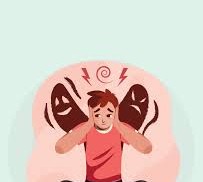
🤔 Many people with constant worry are surprised when a doctor mentions amitriptyline, an antidepressant that has been around since the 1960s. Others search for it after a friend said a small dose at night “took the edge off” their anxiety and helped them sleep. The honest answer is that amitriptyline is not a first-line medicine for anxiety, but a low dose can be a sensible choice when worry comes packaged with tension headaches, an irritable gut, nerve pain or broken sleep. 🔍 This guide explains what the evidence shows, how low-dose and full-dose amitriptyline differ, how doctors start and stop it, which side effects to expect, why overdose risk shapes every prescription, and which medicines are usually tried first for generalized anxiety.
🔎 Why people ask about amitriptyline for anxiety
💭 Generalized anxiety rarely stays in the mind. Most people with long-standing worry also carry it in the body: a tight band around the head by late afternoon, a stomach that cramps before every meeting, a jaw that aches from clenching, and nights spent turning the same thoughts over at 3 a.m. Amitriptyline has a long record in exactly these physical problems, which is why it often enters the conversation. 📖 If you want a broader picture of the condition itself, see generalized anxiety: when the mind never switches off. This article stays with one narrow question: where amitriptyline fits, and where it does not.
💊 What amitriptyline is and what it is licensed for
🧪 Amitriptyline is a tricyclic antidepressant. It raises the levels of serotonin and noradrenaline in the brain and spinal cord by slowing their reuptake, and it also blocks histamine, acetylcholine and alpha-adrenergic receptors. Those extra blocking actions explain both its calming, sleepy effect and most of its side effects. Its formal licence in most countries is for depression. At much lower doses it is also used for nerve pain, headache prevention, IBS and some sleep problems. In the shop it is available as Elavil (Amitriptyline).
| 🎯 Use | 📋 Status | 💊 Usual dose range |
|---|---|---|
| Depression | Licensed use | 75 to 150 mg a day |
| Nerve pain | Licensed in some countries, widely used | 10 to 75 mg at night |
| Tension headache and migraine prevention | Licensed in some countries, widely used | 10 to 50 mg at night |
| Irritable bowel syndrome | Off-label, in guidelines as a second-line option | 10 to 30 mg at night |
| Generalized anxiety on its own | Not licensed, limited evidence | No standard dose |
📚 What the evidence says for anxiety itself
🔬 Among the tricyclics, imipramine has the clearest trial data in generalized anxiety, and clomipramine in panic disorder and OCD. Amitriptyline has been studied far less for anxiety as the main problem, and most of what we know comes from trials in depression with anxious features, where it worked about as well as newer antidepressants but caused more side effects. Guidelines therefore do not list it as a standard choice for generalized anxiety disorder. Its calming effect at low doses is real, but it comes mostly from antihistamine sedation, which helps sleep more than it changes the worry pattern itself.
⚖️ Low dose and full dose: two different medicines in practice
📏 The same tablet behaves very differently depending on the amount. At 10 to 25 mg the antihistamine and pain-modulating effects dominate, so people feel sleepier and notice less pain, while the antidepressant action is weak. At 75 mg and above, serotonin and noradrenaline effects become strong enough to treat depression, and so do the side effects. When a doctor suggests amitriptyline for someone with anxiety and headaches, they almost always mean the low range.
🧩 When a low dose can make sense alongside anxiety
💡 The best case for amitriptyline in an anxious person is a second problem that it treats well. If a single evening tablet can reduce headaches, calm the gut and improve sleep, the drop in physical symptoms often lowers worry too, because there is less to worry about and more energy to face the day.
🤕 Tension headaches and migraine with constant worry
🧠 Chronic tension-type headache, meaning headache on 15 or more days a month, is common in people with anxiety, and the two feed each other. Amitriptyline is one of the best-supported preventive medicines for this type of headache and is also used to prevent migraine. It works over weeks, not hours, so it is taken every evening whether or not a headache is present. It can also help break the cycle of daily painkiller use, which causes rebound headache.
- 📌 Keep a headache diary for 4 weeks before and after starting, to judge the effect honestly
- 📌 Most people who benefit notice fewer or milder headaches within 4 to 6 weeks
- 📌 A trial is usually continued for at least 6 months once it works, then reduced to see whether it is still needed
- 📌 Neck and shoulder physiotherapy, regular meals and less caffeine add to the effect
🌪️ IBS and a gut that reacts to stress
🧬 The gut has its own dense network of nerves that talks constantly with the brain. In irritable bowel syndrome this line is oversensitive: normal gut movement is felt as pain, and stress speeds everything up. Low-dose tricyclics such as amitriptyline calm this gut-brain signal and reduce pain, and because they slow the bowel, they suit diarrhoea-predominant IBS better than constipation. Guidelines place them after diet changes, fibre adjustment and antispasmodics, and research in primary care has supported doses of 10 to 30 mg taken at night. 📖 For the full picture of loose-stool IBS, see IBS with diarrhea: what helps and what is often missed.
🌙 Poor sleep: helpful, but with a catch
🛏️ Many people notice better sleep from the very first night, long before any other effect. That quick win is real, but amitriptyline is not recommended as a sleeping tablet on its own. Its sedation can fade with time, it causes dry mouth and morning grogginess, and its risks in overdose and in older people are higher than those of other options. When insomnia with anxiety is the main problem, CBT for insomnia comes first, and if a sedating antidepressant is needed, low-dose trazodone or mirtazapine are often considered. 📖 More on that choice: trazodone for sleep and what else works for insomnia.
📋 Why guidelines put other medicines first
🧭 Anxiety disorders are usually long-term conditions, and treatment often lasts a year or more. Over that time, safety and tolerability matter as much as how well a tablet works. Compared with newer medicines, amitriptyline brings more daily side effects, a real danger in overdose and more interactions, without stronger evidence for the worry itself.
| 🔍 Feature | 💊 SSRIs and SNRIs | 💊 Amitriptyline |
|---|---|---|
| Evidence in generalized anxiety | Strong, several licensed for it | Limited |
| Daily side effects | Nausea and sleep change early, often settle | Dry mouth, constipation, grogginess, weight gain |
| Danger in overdose | Low to moderate | High, affects heart rhythm |
| Older adults | Usually acceptable with checks | Often avoided: falls, confusion |
| Help for pain and headache | SNRIs yes, SSRIs little | Yes, at low doses |
🥇 First-line options for generalized anxiety
📆 For generalized anxiety disorder, guidelines recommend psychological treatment such as CBT and, when medicine is wanted or needed, an SSRI first, then an SNRI or another option if the first does not suit. These medicines take 2 to 4 weeks to start helping and up to 8 to 12 weeks for a full effect, and are usually continued for 6 to 12 months after improvement. 📖 A side-by-side look at all main classes is in anxiety medication compared, and which ones are non-addictive.
🤝 Duloxetine and venlafaxine when anxiety and pain travel together
➕ If the reason for considering amitriptyline is pain plus anxiety, an SNRI can often cover both with one tablet and fewer risks. Duloxetine is licensed in many countries for generalized anxiety, diabetic nerve pain and, in some, fibromyalgia and chronic musculoskeletal pain. Venlafaxine is licensed for generalized anxiety and is also used to prevent migraine. Neither is as sedating as amitriptyline. Their drawbacks are early nausea, sweating and withdrawal symptoms if stopped suddenly. 📖 Widespread pain with poor sleep is covered in fibromyalgia: why it hurts everywhere.
🌿 Buspirone and hydroxyzine: non-addictive extras
💊 Two other medicines appear often in anxiety treatment plans. Buspirone is licensed for generalized anxiety, does not cause dependence and is not sedating, but it needs 2 to 4 weeks of regular use, usually starting at 5 mg two or three times a day: Buspar (Buspirone). Hydroxyzine is an antihistamine that some guidelines allow for short-term relief of anxiety, with quick, sleepy calm and no dependence, but it also affects heart rhythm at higher doses and is best kept short-term and modest: Atarax (Hydroxyzine). Hydroxyzine and amitriptyline together add sedation and heart rhythm effects, so they are not usually combined without a doctor checking first.
Daily, slow onset, clear head, no dependence
As needed, fast, sleepy, short courses
Nightly, for pain, headache, gut and sleep
🩺 How a doctor usually starts amitriptyline
📝 When amitriptyline is chosen, the golden rule is start low and go slow. A small first dose avoids the grogginess that makes many stop in the first week.
📅 What to expect week by week
⏳ Different effects arrive at different speeds. Knowing the order helps people stay with a fair trial instead of stopping after a groggy first week or expecting the worry to vanish in days.
Sleep improves, dry mouth, groggy mornings
Grogginess eases for most
Fewer headaches, calmer gut, less pain
Review the overall effect
💧 Side effects: what is common and what needs a call
💡 Most side effects of amitriptyline come from its anticholinergic and antihistamine actions. At low doses they are usually mild and often fade within 2 to 3 weeks, while at full doses they are more frequent and more lasting.
⚠️ Call a doctor promptly if you notice:
🔹 A pounding, very fast or irregular heartbeat, or fainting.
🔹 Painful red eye with blurred vision and halos around lights, which can mean acute glaucoma.
🔹 Being unable to pass urine.
🔹 New agitation, restlessness, unusual high mood or thoughts of self-harm, especially in people under 25.
☠️ Overdose risk and why prescriptions are small
🚨 This is the most serious point about tricyclics. Amitriptyline is dangerous in overdose: a few weeks of a full-dose supply taken at once can cause seizures, heart rhythm problems and coma. For that reason doctors often prescribe small amounts at a time, especially when anxiety comes with low mood, and ask about thoughts of self-harm. Any suspected overdose, even if the person feels fine, needs emergency care straight away, because heart effects can appear hours later.
Out of reach of children and teenagers
When mood is low or unstable
For any extra tablets taken, at once
🚫 Who should avoid amitriptyline or take extra care
| 🚫 Situation | 📝 Why |
|---|---|
| Recent heart attack, heart block or rhythm problems | Slows conduction in the heart, can trigger arrhythmia |
| Taking an MAOI or within 14 days of stopping one | Risk of a dangerous reaction |
| Bipolar disorder or a history of mania | Can trigger a manic episode |
| Narrow-angle glaucoma | Can cause an acute attack |
| Enlarged prostate or trouble passing urine | Can cause urinary retention |
| Epilepsy | Lowers the seizure threshold |
| Severe liver disease | The drug is broken down by the liver |
| Pregnancy and breastfeeding | Sometimes used, but only after a doctor weighs the options |
🔗 Interactions that matter
💊 Amitriptyline is processed mainly by the liver enzyme CYP2D6, and it adds to the effects of other sedating or heart-rhythm medicines. Always share a full list of medicines, including painkillers, cough mixtures and supplements, before starting.
| 🔎 Combined with | ⚠️ Possible problem |
|---|---|
| Alcohol, sleeping tablets, benzodiazepines, opioids | Heavy sedation, slowed breathing, falls |
| Fluoxetine, paroxetine, bupropion | Raise amitriptyline levels sharply |
| Tramadol, triptans in high use, other serotonergic drugs | Serotonin toxicity, seizures with tramadol |
| Medicines that prolong the QT interval | Added heart rhythm risk; hydroxyzine, some antibiotics and antipsychotics |
| Antihistamines, bladder tablets, travel sickness pills | Stacked anticholinergic effects: dry mouth, confusion, retention |
| St John wort | Unpredictable levels and serotonin effects |
👴 Amitriptyline after 65
🧓 Older adults clear amitriptyline more slowly and are more sensitive to its anticholinergic effects. International lists of medicines to avoid in older people include amitriptyline because of falls from dizziness on standing, confusion, constipation and urine retention, and long-term heavy anticholinergic use has been linked with memory decline. When an older person with anxiety and pain needs a tricyclic, doctors usually prefer nortriptyline at a very low dose, or choose sertraline, escitalopram or duloxetine instead.
👯 Nortriptyline: the gentler cousin
🧪 Nortriptyline is what the body turns amitriptyline into. It acts more on noradrenaline, causes less sedation, less dry mouth and less dizziness, and is often chosen when someone benefits from amitriptyline but cannot live with the side effects. It is used for the same pain, headache and depression problems, and its overdose risk is similar, so the same storage rules apply. Options include Pamelor (Nortriptyline) and Primox (Nortriptyline).
🚗 Alcohol, driving and daily life
🍺 Alcohol and amitriptyline together cause stronger drowsiness and slower reactions than either alone, and alcohol also worsens anxiety the next day. Most doctors advise avoiding alcohol for the first weeks and keeping it light afterwards. Do not drive or use machinery until you know how the tablet affects your mornings.
📉 Stopping amitriptyline safely
🛑 Amitriptyline does not cause addiction or craving, but stopping suddenly after weeks of use can bring discontinuation symptoms: nausea, headache, sweating, restless sleep, vivid dreams and irritability, which can be mistaken for anxiety returning. At low doses a short taper is usually enough; at full doses the reduction takes longer.
🗿 Myths and facts about amitriptyline and anxiety
🌳 Which route fits you?
🚨 When to see a doctor
⛔ Get medical help soon if:
🔹 Worry, tension or panic stop you working, studying or sleeping for weeks at a time.
🔹 You use alcohol, sleeping tablets or painkillers every day to cope.
🔹 Headaches are new after age 50, wake you from sleep, or come with weakness, confusion or vision loss.
🔹 Gut symptoms come with blood in the stool, weight loss, fever or night-time diarrhoea.
🔹 On amitriptyline you have chest pain, fainting, an irregular heartbeat or cannot pass urine.
🔹 You have thoughts of harming yourself, or have taken extra tablets. Contact emergency services or a crisis line now.
❓ Frequently asked questions
Is amitriptyline used for anxiety?
Sometimes, but not as a first-line choice. It is mostly used at low doses when anxiety comes with tension headaches, IBS, nerve pain or poor sleep.
What dose of amitriptyline is used with anxiety symptoms?
Doctors usually start with 10 mg in the evening and increase slowly. Many people settle on 10 to 30 mg for pain, headache, gut or sleep problems.
How quickly does amitriptyline work?
Sleep often improves within days. Effects on headaches, gut pain and nerve pain usually take 2 to 6 weeks, and the overall effect is judged at 6 to 8 weeks.
Can amitriptyline make anxiety worse?
In some people it causes a fast heartbeat, restlessness or dizziness that can feel like anxiety, mostly at higher doses. Tell the prescriber if this happens.
Is amitriptyline addictive?
No, it does not cause craving or addiction. Stopping suddenly after weeks of use can cause short-lived discontinuation symptoms, so a gradual taper is advised.
Which medicine is better for generalized anxiety than amitriptyline?
Guidelines recommend an SSRI such as escitalopram or sertraline first, then an SNRI such as venlafaxine or duloxetine, often together with CBT.
Can I take amitriptyline with sertraline or escitalopram?
Doctors sometimes combine a low dose with an SSRI, but it raises the risk of serotonin effects and heart rhythm changes, so it should only be done under medical supervision.
Why do I feel groggy in the morning on amitriptyline?
Its antihistamine effect lasts into the morning. Taking it earlier in the evening helps, and grogginess usually eases after 1 to 3 weeks.
Can I drink alcohol on amitriptyline?
It is best avoided, especially early on. Alcohol adds to drowsiness and slowed reactions and tends to worsen anxiety the next day.
Is nortriptyline better than amitriptyline?
It is not stronger, but it is usually better tolerated, with less sedation and dry mouth. It is often preferred in older adults.
📑 Sources and editorial
- 📘 Clinical guidelines on the treatment of generalized anxiety disorder in adults
- 💊 Product information for amitriptyline, nortriptyline, escitalopram, sertraline, venlafaxine, duloxetine, buspirone and hydroxyzine
- 🤕 Headache society guidance on prevention of chronic tension-type headache and migraine
- 🌪️ Gastroenterology guidance and primary care trials of low-dose tricyclics in irritable bowel syndrome
- ⚡ Reviews of antidepressants in neuropathic pain and fibromyalgia
- 👴 Lists of potentially inappropriate medicines in older adults
- ☠️ Toxicology references on tricyclic antidepressant overdose
- 📖 Related reading: generalized anxiety, anxiety medication compared, IBS with diarrhea, fibromyalgia, trazodone for sleep
- 🛒 Related products: Elavil (Amitriptyline), Pamelor (Nortriptyline), Primox (Nortriptyline), Lexapro (Escitalopram), Sertafine (Sertraline), Effexor (Venlafaxine), Cymbalta (Duloxetine), Buspar (Buspirone), Atarax (Hydroxyzine)
- 🩺 RXshop Editorial Team — reviewed by Thomas Walsh, MD — Psychiatrist
Medical Disclaimer: The information in this article is for educational and informational purposes only and is not a substitute for professional medical advice, diagnosis, or treatment. Always seek guidance from a qualified healthcare provider with any questions you may have regarding a medical condition, and before starting, stopping or changing any medication.