Biliary Dyskinesia Without Gallstones: What a Low HIDA Ejection Fraction Means and When Medicines or Surgery Help


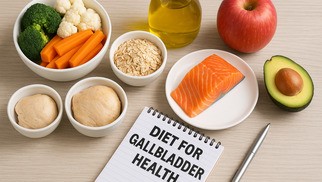
🤕 Pain under the right ribs after a fatty meal usually points to gallstones. But for some people the ultrasound comes back clean, the blood tests are normal, and the pain keeps returning. When the gallbladder has no stones but empties poorly, doctors call it biliary dyskinesia, now officially named functional gallbladder disorder. 🔍 The diagnosis rests on one number from a nuclear scan, the gallbladder ejection fraction, and on a careful look at the pain itself. This guide explains what a low HIDA result really means, which other problems must be ruled out first, what tablets such as metoclopramide can and cannot do, and when removing the gallbladder is likely to help and when it is not.
🧪 What biliary dyskinesia actually means
📖 The word dyskinesia simply means faulty movement. In biliary dyskinesia the gallbladder is structurally normal but does not squeeze out bile the way it should when food arrives in the gut. There are no stones, no thick inflamed wall on ultrasound, and no blocked duct. Because nothing can be seen on standard imaging, the condition sits among the functional gut disorders, alongside irritable bowel syndrome and functional dyspepsia. 🧩 It is diagnosed far more often in the United States than in Europe, and specialists still debate how often the low emptying causes the pain, and how often it is a coincidence. That debate matters, because it decides who benefits from surgery.
🔄 How a healthy gallbladder empties
🧬 The liver makes bile all day, and between meals the gallbladder stores and concentrates it. When fat and protein reach the small intestine, the gut releases a hormone called cholecystokinin (CCK), which makes the gallbladder contract and relaxes the sphincter of Oddi, the small valve where the bile duct opens into the bowel. Bile then flows in to help digest fat. If the gallbladder muscle responds weakly, or if the valve and the gallbladder are out of step, bile leaves slowly and the gallbladder may stretch and ache.
📍 The pain pattern that points to the gallbladder
🔎 Not every upper belly pain is biliary. True biliary pain is steady, builds to a plateau and lasts at least half an hour, often waking the person at night or forcing them to stop what they are doing. It sits in the upper middle or upper right abdomen and may spread to the back or the right shoulder blade. Short, cramping, gassy or burning pain that eases with a bowel movement or an antacid usually comes from somewhere else.
- 📌 Episodes come at irregular intervals, not every day
- 📌 Often, but not always, after a large or fatty meal
- 📌 Nausea and vomiting may come with the attack
- 📌 Bloating, belching and loose stools alone are not biliary pain
📋 The official criteria doctors use
📘 The Rome IV criteria, the international standard for functional gut disorders, define functional gallbladder disorder in two parts. First, the pain must be typical biliary pain; second, gallstones and other structural causes must be excluded. A low ejection fraction and normal liver and pancreas blood tests support the diagnosis but do not make it on their own.
| 📋 Feature of the pain | ✅ Required for diagnosis |
|---|---|
| Location | Upper middle and/or upper right abdomen |
| Duration | 30 minutes or longer, building to a steady level |
| Pattern | Recurs at different intervals, not daily |
| Severity | Interrupts daily activity or leads to an emergency visit |
| What does not relieve it | Bowel movements, change of position, antacids |
| Imaging | No gallstones, sludge or other structural disease |
⚖️ Dyskinesia, chronic cholecystitis and gallstones
🧫 These three are easy to confuse because the attacks can feel identical. The difference lies in what the tests show. Gallstones are visible on ultrasound in most cases. Chronic cholecystitis usually comes with stones and a thickened wall. In dyskinesia, ultrasound is normal and only the function test is abnormal. Interestingly, when the gallbladder is removed for dyskinesia, the pathologist sometimes finds mild chronic inflammation or tiny crystals that no scan detected, which suggests some cases sit on a spectrum with early stone disease.
🧭 Conditions that must be ruled out first
🔍 A low HIDA number is common in people without any gallbladder disease, so the most important step is to look for the other causes of upper abdominal pain before blaming the gallbladder. Many people who end up with a diagnosis of dyskinesia actually have functional dyspepsia, an ulcer, reflux or irritable bowel syndrome, and these respond to different treatment.
| 🔎 Condition | 📋 Clues | 🧪 Usual check |
|---|---|---|
| Peptic ulcer, gastritis | Burning, hunger pain, better or worse with food, painkiller use | Endoscopy, H. pylori test |
| Functional dyspepsia | Early fullness, upper belly discomfort most days | Endoscopy normal, trial of acid suppression |
| Reflux disease | Heartburn, sour taste, worse lying down | Response to a PPI |
| Irritable bowel syndrome | Cramps linked to stool changes | Symptom pattern |
| Pancreatitis | Severe pain to the back, vomiting | Lipase blood test, CT |
| Small stones or sludge | Typical attacks, normal standard ultrasound | Repeat ultrasound, endoscopic ultrasound |
| Muscle or rib pain | Pain on pressing one spot, worse with movement | Examination |
📖 Long-standing upper abdominal pain with fatty stools and weight loss can come from the pancreas; see chronic pancreatitis: enzymes, pain and what to eat.
🩺 The usual path of tests
☢️ How a CCK-HIDA scan works
🔬 HIDA stands for hepatobiliary iminodiacetic acid, a tracer that the liver takes up and excretes into bile. A gamma camera follows the tracer as it fills the gallbladder, then a slow infusion of synthetic CCK (sincalide) makes the gallbladder contract, and the computer calculates what share of its contents was emptied. The radiation dose is small, similar to a few years of natural background exposure or less. The scan usually takes two to three hours in total.
💬 Some people feel their usual pain or nausea during the CCK infusion. Pain reproduction during the scan was once thought to predict a good surgical result, but studies have not shown it to be reliable, so it should not drive the decision on its own.
⚠️ Medicines and habits that skew the result
💊 Several common medicines slow gallbladder emptying and can make a healthy gallbladder look sluggish. A falsely low result is one of the main reasons for unnecessary surgery, so the preparation matters as much as the scan itself. The doctor ordering the test decides which medicines to pause and for how long; never stop a prescribed medicine without that advice.
📝 Before the scan, tell the department about:
🔹 Every painkiller, including over-the-counter codeine products.
🔹 Hormone treatment such as the contraceptive pill, and any octreotide injections.
🔹 Recent heavy weight loss, long fasting, or tube feeding, which also lower emptying.
🔹 Pregnancy or breastfeeding, since the scan uses a radioactive tracer.
📊 Reading the ejection fraction
🔢 The ejection fraction is the percentage of the gallbladder contents pushed out during the CCK infusion. With the standard 60-minute infusion, a result of about 38% or more is considered normal; many centres use 35 to 40% as the cut-off. The lower the figure, the more likely it is to be meaningful, but there is a large grey zone, and healthy people sometimes score low on a single test.
📈 When the gallbladder empties too fast
⚡ Some reports describe a hyperkinetic gallbladder, with an ejection fraction above about 80% and pain during the CCK infusion. Whether this is a real disease is uncertain, since many healthy people empty briskly. A few surgical series report relief after gallbladder removal, but the evidence is weaker than for low emptying, and most guidelines treat it as a reason for careful discussion rather than routine surgery.
🪨 Hidden sludge and microstones
🔍 Standard ultrasound can miss stones smaller than a few millimetres and fine sludge, a paste of cholesterol crystals and bile pigment. Endoscopic ultrasound, where a small probe in the stomach looks at the gallbladder from close up, finds tiny stones in a share of people labelled with dyskinesia. This changes the picture: the problem is then stone disease, and surgery is well supported. 💊 For people who cannot or do not want to have surgery, ursodiol can slowly dissolve small cholesterol stones and sludge, usually at about 8 to 10 mg per kg of body weight daily over months, with monitoring scans. Options include Urso (Ursodiol). It is not a proven treatment for functional gallbladder disorder without stones, and its main side effect is loose stools.
Small cholesterol stones, sludge, stone prevention after rapid weight loss
Calcified or large stones, a non-working gallbladder
Pure functional disorder with a clean endoscopic ultrasound
💊 What medicines can and cannot do
🧭 No tablet is approved to make a sluggish gallbladder empty normally. Medicines are used to control symptoms around the attacks: nausea, slow stomach emptying, cramps and acid. They also serve as a test: if upper belly pain settles on acid suppression, the gallbladder was probably not the main problem. Matching the medicine to the symptom avoids months of trial and error.
| 🤕 Main symptom | 💊 Medicine often used | 📝 Note |
|---|---|---|
| Nausea, early fullness, slow stomach | Metoclopramide, domperidone | Short courses only |
| Nausea and vomiting during attacks | Ondansetron | Does not speed emptying |
| Crampy pain with bowel symptoms | Mebeverine | Treats the bowel, not the gallbladder |
| Burning or dyspeptic pain | Omeprazole, esomeprazole, pantoprazole, famotidine | A 4 to 8 week trial is common |
| Microstones or sludge | Ursodiol | Months of treatment |
💊 Metoclopramide (Reglan) for nausea and a slow stomach
💡 Metoclopramide blocks dopamine receptors in the gut and the brain. It speeds up stomach emptying and calms nausea, which helps people whose gallbladder symptoms overlap with a slow, overfull stomach. Its effect on the gallbladder itself is small and unproven, so it is a symptom medicine rather than a cure. It is most useful when fullness, bloating and nausea after meals are prominent, or when tests also show delayed gastric emptying.
📋 How it is commonly used
💊 10 mg up to three times a day, maximum 30 mg daily in adults
⏰ Taken about 30 minutes before meals
📆 Short courses; never longer than 12 weeks
🧓 Lower doses in older people and in kidney disease
📊 What it changes
✅ Nausea: often reduced
✅ Fullness after meals: often reduced
➖ Biliary pain attacks: little effect
❌ Gallbladder emptying: not reliably improved
📖 How metoclopramide compares with other anti-sickness tablets: anti-sickness medicines compared. For a slow, weak gut more broadly, see atony of the digestive tract.
🚫 Metoclopramide safety: tardive dyskinesia and other limits
⚠️ The most serious risk is tardive dyskinesia, involuntary movements of the face, tongue or limbs that can become permanent. The risk rises with dose, length of treatment and age, especially in older women, which is why regulators limit use to 12 weeks at most, and European guidance to about 5 days for nausea. Restlessness (akathisia), drowsiness, low mood and diarrhea are more common, milder effects. Anyone who notices lip smacking, grimacing, tongue movements or a feeling of inner restlessness should stop and contact a doctor.
| 🚫 Do not use, or use only with specialist advice | 📝 Why |
|---|---|
| Bowel blockage, perforation or bleeding | Stronger gut contractions can be dangerous |
| Past tardive dyskinesia | High risk of recurrence |
| Epilepsy | May lower the seizure threshold |
| Parkinson disease, levodopa treatment | Opposes dopamine; worsens symptoms |
| Pheochromocytoma | Can trigger a dangerous blood pressure rise |
| Antipsychotics, some antidepressants | More movement side effects; rare serotonin toxicity |
| Depression | Can worsen low mood |
💊 Domperidone and ondansetron as alternatives
🧪 When metoclopramide is unsuitable, two other medicines are often discussed. Domperidone speeds the stomach like metoclopramide but enters the brain far less, so movement side effects are rare; its main concern is heart rhythm at higher doses. Ondansetron blocks the vomiting signal directly and is useful for nausea during attacks, but it does not move food or bile along.
💡 Domperidone and ondansetron can both lengthen the QT interval on the heart tracing. People with heart rhythm problems, low potassium or other QT-prolonging medicines need a doctor to check before using either.
🧴 Antispasmodics and acid control
🌀 Many people with gallbladder-type pain also have an irritable bowel or a sensitive stomach. Treating these overlapping problems often reduces the attacks more than any gallbladder-directed measure. Mebeverine relaxes gut smooth muscle and is taken at 135 mg three times a day about 20 minutes before meals, or as a 200 mg slow-release capsule twice daily; options include Colospa (Mebeverine). 🔥 For burning or dyspeptic pain, a proton pump inhibitor such as Prilosec (Omeprazole) 20 mg, Nexium (Esomeprazole) 20 to 40 mg or Protonix (Pantoprazole) 40 mg once daily before breakfast is usually tried for 4 to 8 weeks. Pepcid (Famotidine) 20 mg twice daily is a milder option.
📖 Crampy gut pain and how the antispasmodics differ: digestive tract spasms: causes and treatment. If loose stools after meals are the main problem, see IBS with diarrhea: what helps.
💊 Pain relief during an attack
🌡️ For a typical biliary attack, anti-inflammatory painkillers such as diclofenac or ibuprofen are often effective and are preferred over opioids, provided the stomach, kidneys and heart allow them. Opioids can tighten the sphincter of Oddi and slow the gallbladder further, and regular use brings the risk of dependence and constipation. Paracetamol is a gentler option for milder pain. A heat pad and resting on the left side help some people, though there is little research on either.
Short course of an anti-inflammatory if safe for you
Paracetamol within the daily limit
Codeine, tramadol and other opioids
🥗 Eating with a sluggish gallbladder
🍴 There is no special gallbladder diet proven to cure dyskinesia. What helps most people is spreading food over smaller meals and avoiding very large, very fatty ones, which give the gallbladder the strongest signal to contract. Very low-fat diets and long fasts are not a good idea either, because a gallbladder that rarely empties tends to form sludge.
🌳 When gallbladder removal is considered
🔪 Laparoscopic cholecystectomy, keyhole removal of the gallbladder, is the only treatment that addresses the organ directly. Surgical guidelines suggest it can be offered to adults with typical biliary pain, no other explanation and a low ejection fraction, after a frank talk about the uncertain evidence. Randomised trials are few and small, and outcomes vary widely between studies. The decision is easier when the attacks are clearly biliary and harder when pain is constant, diffuse or mixed with bowel symptoms.
📅 Recovery and results after surgery
🏥 Keyhole gallbladder removal is usually a day case or one night in hospital. Most people return to desk work within one to two weeks and to heavy lifting after about four to six weeks. Many patients with well-selected dyskinesia report that the typical attacks stop, while symptoms such as bloating or general indigestion often continue, because they had a different cause all along.
Wound and shoulder tip pain, walking encouraged
Back to light activity and desk work
Lifting and sport
Judge whether the attacks have gone
🔁 Pain after the gallbladder is gone
🤔 A share of people still have pain after cholecystectomy. The most common reasons are a different gut disorder that was there all along, a stone left in the bile duct, or bile acid diarrhea, where bile reaches the colon too quickly and causes urgent loose stools after meals. Bile acid diarrhea often responds to bile acid binders prescribed by a doctor. A rarer cause is a functional problem of the sphincter of Oddi. A well-known trial called EPISOD found that cutting the sphincter by endoscopy was no better than a sham procedure in people with pain but normal tests, so that operation is no longer advised for this group.
🗿 Myths about a lazy gallbladder
📝 Questions to ask before deciding
🗣️ Because the evidence is uncertain, a good decision comes from a few clear questions to the doctor or surgeon. Writing them down before the appointment helps, as does bringing the HIDA report itself rather than just the number.
🚨 When to see a doctor urgently
⛔ Get medical help the same day if:
🔹 Upper right pain lasts more than 5 to 6 hours or keeps getting worse.
🔹 Pain comes with fever, chills or shaking, which can mean an inflamed or infected gallbladder.
🔹 The skin or eyes turn yellow, urine goes dark or stools turn pale.
🔹 Severe pain spreads to the back with repeated vomiting, a sign of possible pancreatitis.
🔹 On metoclopramide you develop uncontrolled movements of the face or tongue, stiffness or high fever.
📖 Sudden watery diarrhea is a different problem with its own rules; see acute diarrhea: when the gut needs fast support.
❓ Frequently asked questions
What is biliary dyskinesia?
It is a condition where the gallbladder has no stones but empties poorly, causing typical gallbladder pain. It is now called functional gallbladder disorder.
What is a normal gallbladder ejection fraction?
With the standard 60-minute CCK infusion, about 38% or higher is usually normal. Many centres use 35 to 40% as the cut-off.
Does a low HIDA scan mean I need surgery?
Not on its own. Surgery is considered when the pain is typical biliary pain and other causes have been ruled out.
Can medicines make the HIDA result falsely low?
Yes. Opioids, anticholinergic drugs, some calcium channel blockers, octreotide and long fasting can lower the result. Ask which medicines to pause.
Does metoclopramide help biliary dyskinesia?
It can ease nausea and fullness after meals, but it does not reliably improve gallbladder emptying or stop biliary pain attacks.
How long can metoclopramide be taken?
No longer than 12 weeks, and often only days, because longer use raises the risk of tardive dyskinesia, a movement disorder.
Can ursodiol treat a sluggish gallbladder?
Ursodiol dissolves small cholesterol stones and sludge. It is not a proven treatment for functional gallbladder disorder without stones.
What foods should I avoid with biliary dyskinesia?
Very large and very fatty meals are the usual triggers. Smaller, regular meals with moderate fat suit most people better than strict fat-free diets.
Will pain go away after gallbladder removal?
Typical biliary attacks often stop in well-selected patients. Bloating, gas and indigestion from other causes usually continue.
Is biliary dyskinesia dangerous?
It is painful but rarely dangerous. Fever, yellow skin, dark urine or pain lasting over 5 to 6 hours need urgent care.
📑 Sources and editorial
- 📘 Rome IV criteria for functional gallbladder and sphincter of Oddi disorders
- ☢️ Nuclear medicine guidance on standardised CCK-stimulated hepatobiliary scintigraphy and normal ejection fraction values
- 🔪 Surgical society guidelines on cholecystectomy for biliary dyskinesia and hyperkinetic gallbladder
- 🔬 Randomised trial of endoscopic sphincterotomy versus sham for pain after cholecystectomy
- 💊 Prescribing information and regulatory safety reviews for metoclopramide and domperidone
- 🧪 Reviews of ursodeoxycholic acid for gallstone dissolution and microlithiasis
- 📖 Related reading: anti-sickness medicines compared, atony of the digestive tract, digestive tract spasms, chronic pancreatitis, IBS with diarrhea
- 🛒 Related products: Reglan (Metoclopramide), Maxolon (Metoclopramide), Motilium (Domperidone), Zofran (Ondansetron), Urso (Ursodiol), Colospa (Mebeverine)
- 🩺 RXshop Editorial Team — reviewed by Emily Chen, MD — Internal Medicine
Medical Disclaimer: The information in this article is for educational and informational purposes only and is not a substitute for professional medical advice, diagnosis, or treatment. Always seek guidance from a qualified healthcare provider with any questions you may have regarding a medical condition, and before starting, stopping or changing any medication.