Cholestyramine for High Cholesterol: How the Powder Lowers LDL, How to Time Other Medicines and Who It Suits Best


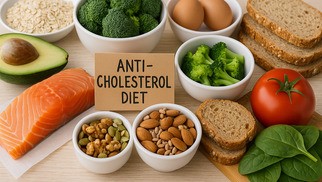
🧪 Cholestyramine is one of the oldest cholesterol medicines still in use, and one of the least understood. It is a powder, not a tablet, it never enters the bloodstream, and it can quietly block the absorption of other medicines taken at the wrong time. For people who cannot take a statin, for pregnant women with very high cholesterol, for some children with inherited high LDL and as an add-on when a statin alone is not enough, it still has a real place. 🔍 This guide explains how the powder lowers LDL, how much to expect, how to mix and build up the dose, how to space thyroid tablets, warfarin, vitamins and other pills around it, which side effects are common and how to manage them, and when another medicine is the better choice.
🧭 Where cholestyramine fits today
📋 Statins are the first choice for most people with high LDL cholesterol, because they lower it strongly and have the largest body of evidence for preventing heart attacks and strokes. Cholestyramine is a second-line medicine, but second line does not mean useless. It belongs to a small group called bile acid sequestrants, and it was the drug used in one of the first large trials to show that lowering LDL reduces heart attacks. 📖 For the bigger picture of what LDL does to the arteries and how risk is judged, see high cholesterol: when a silent number shapes your heart future. This article focuses on one medicine and how to use it well.
🧬 How a powder in the gut lowers blood cholesterol
🔬 The liver turns cholesterol into bile acids and sends them into the gut to help digest fat. Normally about 95% of these bile acids are reabsorbed lower down and recycled back to the liver. Cholestyramine is a resin that grabs bile acids in the intestine and carries them out in the stool. The liver then has to make new bile acids, and to do that it pulls LDL cholesterol out of the blood by making more LDL receptors on its surface.
💡 Because the resin works only inside the gut, it has no effect on the liver enzymes or muscles in the way statins can. The flip side is that it can also bind other things passing through: tablets, fat-soluble vitamins and folate. Almost every practical rule about cholestyramine comes from this one fact.
📊 How much LDL it lowers
📉 On its own, cholestyramine at 8 to 16 g a day usually lowers LDL by about 15 to 30%, with more effect at higher doses but also more stomach side effects. That is less than a moderate-dose statin, roughly similar to ezetimibe, and the effect adds on when it is combined with a statin.
👥 Who it suits best
🎯 Doctors usually reach for cholestyramine in a few clear situations. The common thread is a need to lower LDL without adding a drug that enters the bloodstream, or a need for an extra step on top of a statin.
📖 If muscle pain is the reason a statin was stopped, it is worth reading statin muscle aches: is the statin to blame first, because many people can return to a lower dose or a different statin.
🚫 Who should not take it
| 🚫 Situation | 📝 Why |
|---|---|
| Complete blockage of the bile ducts | No bile reaches the gut, so the resin cannot work |
| Triglycerides above about 400 mg/dL | The resin can push them higher and raise pancreatitis risk |
| Type 3 hyperlipidemia (dysbetalipoproteinemia) | Triglyceride-rich particles may rise |
| Severe constipation or bowel narrowing | Can make blockage more likely |
| Phenylketonuria | Some light versions contain aspartame; check the label |
| Allergy to the resin | Rash, swelling or breathing problems |
📖 People with high triglycerides and high LDL together usually need a different plan; see mixed dyslipidemia: statin with fenofibrate or ezetimibe, and for the rare inherited pattern, type 3 hyperlipidemia.
📦 The forms: sachets, scoops and what 4 g means
🥄 Cholestyramine comes as a powder in single-dose sachets or a bulk tin with a measuring scoop. One dose contains 4 g of the active resin, even though the sachet itself weighs more because of flavouring and fillers. Light or sugar-free versions use sweeteners instead of sugar. In the RXshop catalogue it is listed as Choltran (Cholestyramine); whatever the brand, doses are always counted in grams of resin, not grams of powder.
🥤 How to mix the powder
⚠️ The one thing never to do is swallow the powder dry. Dry resin can cause choking and irritate the throat, and it clumps badly in the mouth. Mixed properly, it becomes a slightly gritty drink that most people get used to within a week or two.
📅 Starting low and building up
🐢 Most stomach complaints come from starting at a full dose. A slow start lets the gut adapt and makes it far more likely the powder will still be taken six months later. A common approach is 4 g once or twice a day, raised every week or two to a maintenance dose of 8 to 16 g a day, split into two doses with meals.
4 g once a day with the main meal
4 g twice a day
8 g twice a day if needed
Lipid test and dose review
⏰ The timing rule for every other medicine
💊 Because the resin binds tablets as well as bile acids, the standard advice is simple: take other medicines at least 1 hour before cholestyramine, or 4 to 6 hours after it. Some drugs need an even wider gap. The easiest way to stay safe is to build a fixed daily plan and stick to it.
📋 Medicines most affected
🔎 Some interactions matter more than others because a small drop in absorption can change the effect of the drug. If cholestyramine is started or stopped, these medicines may need a blood test or dose review.
| 💊 Medicine | ⚠️ What can happen | ✅ Usual advice |
|---|---|---|
| Levothyroxine | Less hormone absorbed, TSH rises | At least 4 hours apart; recheck TSH |
| Warfarin | Changed INR; vitamin K absorption also falls | Fixed timing, closer INR checks |
| Digoxin | Lower blood level | Wide gap; level check if needed |
| Thiazide diuretics, propranolol | Weaker effect on blood pressure | Take well before the powder |
| Ezetimibe | Less ezetimibe absorbed | 2 hours before or 4 hours after |
| Fenofibrate, gemfibrozil | Less fibrate absorbed | Separate by several hours |
| Hormonal contraceptives, mycophenolate | Possible loss of effect | Ask the prescriber about timing |
💡 Thyroid medicine is the interaction people miss most often. Anyone on levothyroxine who starts the powder should have the thyroid blood test repeated after about 6 to 8 weeks.
🥕 Vitamins A, D, E, K and folate
🥬 The fat-soluble vitamins A, D, E and K need bile acids to be absorbed, and the resin also binds folic acid. Over months or years at higher doses, levels can fall, especially in children, pregnant women, older adults and anyone with a poor diet.
🥫 Practical vitamin plan:
🔹 A daily multivitamin with vitamin D, taken at least 4 hours away from the powder, is a simple safeguard for long-term users.
🔹 Easy bruising, nosebleeds or bleeding gums can be a sign of low vitamin K and should be reported promptly.
🔹 Pregnant women and children on the resin usually have folate and vitamin levels checked.
🤢 Side effects: what is common and what is rare
📋 Since the resin stays in the gut, nearly all side effects are digestive. Constipation is by far the most common, followed by bloating, wind, heartburn and nausea. These are usually worst in the first weeks and often ease with a slower build-up, more fluid and more fibre.
🧒 Acid build-up in the blood (hyperchloraemic acidosis) is mainly a concern in small children and in people with kidney problems, because the resin swaps chloride for bile acids. It is one reason doses in children are carefully calculated.
🚽 Keeping constipation and bloating in check
📈 Triglycerides: the number to check first
🧪 Bile acid sequestrants lower LDL but can raise triglycerides, sometimes a lot in people whose levels are already high. A fasting or recent lipid panel with triglycerides should come before the first dose, and again at the first review.
💡 When triglycerides are the bigger issue, a fibrate such as Tricor (Fenofibrate) or Lopid (Gemfibrozil) is usually considered instead, alongside diet changes and less alcohol.
🤝 Cholestyramine together with a statin
➕ When a statin at the highest tolerated dose does not bring LDL to target, adding a second medicine with a different action gives an extra drop. A statin cuts cholesterol production in the liver; the resin removes bile acids; together the effects add up. The only practical trick is timing: the statin is usually taken at bedtime or in the morning, and the powder with lunch and dinner.
📖 After a heart attack or stent, LDL targets are lower and combinations are common; see after a heart attack or stent: the first year and the medicines.
🔗 Adding ezetimibe: spacing the two
📏 Ezetimibe and cholestyramine are sometimes used together in people who cannot take any statin. Ezetimibe should be taken at least 2 hours before or 4 hours after the resin, otherwise much of it is bound and lost. A bedtime ezetimibe with the powder at lunch and early dinner is one simple way to do it. The combination lowers LDL more than either drug alone, though usually less than a full statin dose.
⚖️ Compared with other non-statin options
| 🔍 Option | 📉 LDL effect | ➕ Strengths | ➖ Drawbacks |
|---|---|---|---|
| Cholestyramine | About 15 to 30% | Not absorbed; long track record | Powder, stomach effects, many timing rules |
| Ezetimibe | About 20% | One small tablet, few side effects | Moderate effect alone |
| Colesevelam, colestipol | Similar class effect | Tablets; colesevelam has fewer interactions | Not available everywhere |
| Fibrates | Small on LDL | Strong on triglycerides | Not an LDL drug |
| PCSK9 injections | About 50 to 60% | Very strong, injected every 2 to 4 weeks | Specialist use, high cost |
🤰 Pregnancy, breastfeeding and children
👶 Statins are usually stopped before or during pregnancy. Because cholestyramine is not absorbed into the blood, it is one of the few cholesterol medicines doctors may consider during pregnancy and breastfeeding, mainly in women with inherited, very high LDL. The trade-off is lower absorption of vitamins and folate, so a prenatal vitamin is taken at a different time of day and levels may be checked. For children with inherited high LDL, statins are now usually preferred from late childhood, but the resin can still be part of a specialist plan, with doses based on body weight.
🧭 For families with inherited high cholesterol:
🔹 An LDL above about 190 mg/dL in an adult, or early heart attacks in close relatives, is a reason to test parents, brothers, sisters and children.
🔹 Treatment decisions in pregnancy and childhood belong with a specialist, not with a sachet started on your own.
💧 Other uses: diarrhoea, itch and drug washout
🔍 The ability to bind bile acids and some drugs makes the resin useful outside cholesterol care. These uses follow the same timing rules and the same side effect profile.
| 🩺 Use | 📝 Why it helps | 📋 Note |
|---|---|---|
| Itch from partial bile duct blockage | Removes bile acids that build up and irritate the skin | An approved use; relief usually within 1 to 3 weeks |
| Bile acid diarrhoea | Stops bile acids irritating the colon | Often after gallbladder removal or bowel surgery |
| Leflunomide or teriflunomide washout | Speeds removal of the drug from the body | Typically 8 g three times a day for 11 days |
📖 Chronic loose stools have many causes; bile acid diarrhoea is one that is often missed in people labelled with IBS. See IBS with diarrhea: what helps and what is often missed.
🧪 Blood tests and follow-up
📖 A simple way to look at the balance of good and bad lipids is explained in the atherogenic index and atherosclerosis risk.
🥗 Food that helps the powder work
🥦 Medicine works best on top of a sensible diet, and some foods push in the same direction as the resin. Soluble fibre from oats, barley, beans, lentils, apples and psyllium also binds bile acids and lowers LDL a little more. Cutting saturated fat from fatty meat, butter, cream and pastries reduces the amount of cholesterol the liver has to clear.
🌳 Is cholestyramine the right choice for you?
🗿 Myths and facts about cholestyramine
📜 What the early trials showed
📚 In the 1970s and early 1980s, the Lipid Research Clinics trial gave men with high cholesterol either cholestyramine or a dummy powder for about seven years. The men on cholestyramine had fewer heart attacks and fewer deaths from coronary disease, and the benefit was greater in those who took more of the powder and lowered their LDL more. Published in 1984, it was one of the first strong signs that lowering LDL itself protects the heart, years before statins arrived. 📖 How your own 10-year risk is estimated today is covered in heart attack risk explained.
🚨 When to see a doctor
⛔ Get medical advice promptly if:
🔹 You have severe stomach pain, a swollen belly, vomiting or no bowel movement for several days.
🔹 You notice unusual bruising, nosebleeds, bleeding gums or blood in the stool.
🔹 Upper abdominal pain spreading to the back appears, which can signal pancreatitis if triglycerides are high.
🔹 A thyroid, heart, blood-thinning or seizure medicine seems to stop working after starting the powder.
🔹 You get chest pain, breathlessness or sudden weakness on one side, which needs emergency care.
❓ Frequently asked questions
How much does cholestyramine lower cholesterol?
On its own it usually lowers LDL cholesterol by about 15 to 30%, depending on the dose. The effect adds on when it is combined with a statin.
How should cholestyramine powder be taken?
Mix each dose with 60 to 180 mL of water, juice, milk or soft food, let it soak for a minute or two, stir and drink it straight away. Never take it dry.
How far apart should other medicines be from cholestyramine?
Take other medicines at least 1 hour before or 4 to 6 hours after the powder. Levothyroxine is usually kept at least 4 hours apart.
Can cholestyramine be taken with a statin?
Yes. The two work in different ways and the LDL drop adds up. Take the statin at a different time of day, for example at bedtime, with the powder at meals.
What are the most common side effects of cholestyramine?
Constipation is the most common, followed by bloating, wind, heartburn and nausea. A slow start, more water and more fibre usually help.
Does cholestyramine raise triglycerides?
It can. It is usually avoided when triglycerides are above about 400 mg/dL, and levels are rechecked at the first follow-up test.
Do I need vitamins while taking cholestyramine?
Long-term or high-dose users often take a multivitamin with vitamin D, at least 4 hours away from the powder, because vitamins A, D, E, K and folate are absorbed less.
Is cholestyramine safe in pregnancy?
It is not absorbed, so doctors may consider it for very high LDL in pregnancy, with a prenatal vitamin taken at a different time and vitamin levels checked.
How long does cholestyramine take to work?
LDL usually starts to fall within the first month. A lipid test after 4 to 12 weeks shows the full response at a given dose.
Is cholestyramine better than ezetimibe?
The LDL drop is similar. Ezetimibe is easier to take and has fewer interactions, while cholestyramine is not absorbed, which matters in pregnancy. They can be combined.
📑 Sources and editorial
- 📘 Prescribing information for cholestyramine resin powder, including dosing, interactions and contraindications
- 🫀 International guidelines on the management of blood cholesterol and non-statin therapy
- 🔬 Results of the Lipid Research Clinics Coronary Primary Prevention Trial with cholestyramine
- 🧬 Specialist guidance on familial hypercholesterolemia in adults, children and pregnancy
- 💊 Pharmacology references on drug and vitamin interactions with bile acid sequestrants
- 💧 Gastroenterology reviews of bile acid diarrhoea and cholestatic itch
- 📖 Related reading: high cholesterol, statin muscle aches, mixed dyslipidemia, after a heart attack or stent
- 🛒 Related products: Choltran (Cholestyramine), Lipitor (Atorvastatin), Crestor (Rosuvastatin), Zetia (Ezetimibe), Zocor (Simvastatin), Tricor (Fenofibrate)
- 🩺 RXshop Editorial Team — reviewed by Robert Hayes, MD — Cardiologist
Medical Disclaimer: The information in this article is for educational and informational purposes only and is not a substitute for professional medical advice, diagnosis, or treatment. Always seek guidance from a qualified healthcare provider with any questions you may have regarding a medical condition, and before starting, stopping or changing any medication.