Mixed Dyslipidemia: High Triglycerides and High LDL Together, and When a Statin Is Paired With Fenofibrate or Ezetimibe

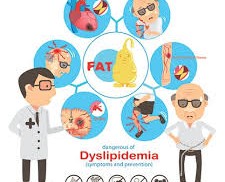
🧪 Many people open their blood test results and find two problems at once: the LDL cholesterol is above target and the triglycerides are high too, often with a low HDL. Doctors call this pattern mixed dyslipidemia, and it is one of the most common lipid problems in adults with a waistline that has grown, type 2 diabetes, prediabetes or a fatty liver. 🔍 It raises a fair question: should one medicine fix everything, or does it take two? This guide explains why the two numbers rise together, which number to treat first, how much a statin alone can do, when fenofibrate or ezetimibe is added, why gemfibrozil and a statin are a risky pair, what grapefruit and other interactions mean for some statins, and how the blood tests are followed over the first year.
🧬 What mixed dyslipidemia means
📋 Dyslipidemia simply means that the fats in the blood are out of balance. In the mixed form, two kinds of particles are raised at the same time: LDL, which carries cholesterol into artery walls, and triglyceride-rich particles made by the liver, called VLDL and their leftovers, the remnants. HDL is often low as well. The result is a blood profile that drives plaque in two ways at once. 📖 For the wider picture of how cholesterol turns into risk over the years, see high cholesterol: when a silent number starts shaping your heart future.
🔗 Why the two problems travel together
🧠 The common thread is usually insulin resistance. When muscle and fat cells respond poorly to insulin, more fatty acids flow to the liver. The liver packs them into triglyceride-rich VLDL particles and releases more of them into the blood. As these particles are processed, LDL particles become smaller and denser, and HDL falls. Small dense LDL slips into artery walls easily, so the cholesterol number alone can understate the risk.
💡 This is also why the same person often has a raised blood pressure, a high fasting glucose and a large waist. Together these make up the metabolic syndrome, and each part adds to heart risk. 📖 The five defining numbers are explained in metabolic syndrome and the five numbers that define it.
📄 Reading the lipid panel when triglycerides are high
🧮 A standard panel shows total cholesterol, HDL, triglycerides and LDL. In many laboratories LDL is not measured directly but calculated from the other three values, and the classic formula becomes unreliable when triglycerides are above about 400 mg/dL (4.5 mmol/L). Some laboratories then measure LDL directly or use newer formulas; others leave LDL blank. In this situation the non-HDL cholesterol on the same report is usually the more useful number.
📏 Triglyceride levels and what each band means
| 📏 Fasting triglycerides | 🏷️ Band | 🎯 Main concern |
|---|---|---|
| Below 150 mg/dL (1.7 mmol/L) | Normal | LDL and overall risk |
| 150 to 199 mg/dL (1.7 to 2.2) | Borderline high | Lifestyle, causes, heart risk |
| 200 to 499 mg/dL (2.3 to 5.6) | High | Heart risk; statin usually first if risk is raised |
| 500 to 999 mg/dL (5.6 to 11.2) | Very high | Pancreatitis risk starts to matter |
| 1000 mg/dL (11.3 mmol/L) and above | Severe | Pancreatitis prevention comes first |
💡 The band changes the goal of treatment. Below about 500 mg/dL the aim is to prevent heart attacks and strokes, so LDL and non-HDL drive the choice. Above that, the first job is to bring triglycerides down quickly to protect the pancreas. Many people with mixed dyslipidemia sit in the 150 to 499 range, where a statin is the backbone.
🎯 Non-HDL cholesterol and apoB: the better targets here
➖ Non-HDL cholesterol is total cholesterol minus HDL. It counts the cholesterol carried by every particle that can enter the artery wall: LDL, VLDL and remnants, which is exactly what is raised in the mixed pattern. Guidelines usually set the non-HDL target 30 mg/dL (0.8 mmol/L) above the LDL target. Apolipoprotein B (apoB) counts the number of these particles directly, one apoB per particle, and some doctors order it when the picture is unclear.
🔍 Causes to check before blaming genes
🩺 Before any tablet, a good doctor looks for secondary causes. Treating the cause can lower triglycerides by a large margin and sometimes makes a second lipid drug unnecessary. The checks are simple: glucose or HbA1c, thyroid (TSH), kidney function, liver tests, a urine protein test when kidney disease is suspected, and an honest question about alcohol.
🦋 An underactive thyroid deserves a special mention: it raises LDL and also makes muscle side effects of statins more likely. Correcting the thyroid first is safer and sometimes brings LDL back to target on its own. 📖 See hypothyroidism: symptoms, treatment and long-term wellness.
🏃 Lifestyle changes that move triglycerides most
📉 Triglycerides respond to lifestyle faster and more strongly than LDL does. Losing 5 to 10% of body weight often lowers triglycerides by around 20% or more, and cutting alcohol and sugary drinks can have an even bigger effect in some people. LDL moves less with diet, which is one reason a statin is often still needed.
💡 Three habits that quietly keep triglycerides high:
🔹 Daily alcohol, including “just two glasses of wine” or beer at weekends. The liver turns it straight into triglycerides.
🔹 Sweet drinks and fruit juice. Fructose is a strong trigger for liver fat and VLDL production.
🔹 Large evening meals of white bread, pasta, rice and sweets, especially late at night.
🔹 A four-week trial without alcohol and sweet drinks, followed by a repeat test, often shows how much of the problem is lifestyle.
🏆 Why a statin usually comes first
💊 Even when triglycerides are the number that looks worst, the medicine with the strongest evidence for preventing heart attacks and strokes in mixed dyslipidemia is a statin. Statins block cholesterol production in the liver and increase the clearance of LDL from the blood. They lower LDL by roughly 30 to 50% or more depending on the drug and dose, and they also lower triglycerides, usually by about 10 to 30%, with larger falls when triglycerides start high. Because they reduce every apoB particle, they lower non-HDL cholesterol too.
📖 After a heart attack or stent, a high-intensity statin is standard whatever the triglycerides show, as described in after a heart attack or stent: the first year and the medicines.
💊 Statin choices for the mixed pattern
⚖️ Any statin helps, but the stronger ones lower triglycerides more because they cut more LDL and VLDL at the same time. Atorvastatin and rosuvastatin are the usual choices when both numbers are high, and simvastatin is a moderate option for people at lower risk.
🌙 Short-acting statins such as simvastatin and lovastatin work best taken in the evening, when the liver makes most of its cholesterol; lovastatin is also taken with the evening meal for better absorption. Atorvastatin and rosuvastatin last long enough in the body to be taken at any time of day, which makes them easier to remember.
📊 How much each option lowers LDL and triglycerides
| 💊 Medicine | ⬇️ LDL | ⬇️ Triglycerides | 🫀 Proven heart benefit |
|---|---|---|---|
| High-intensity statin | about 50% or more | about 20 to 30% | Yes, strong |
| Moderate-intensity statin | about 30 to 49% | about 10 to 20% | Yes |
| Ezetimibe added to a statin | a further 20 to 25% | small | Yes, modest |
| Fenofibrate | small, variable | about 30 to 50% | Not clearly, on top of a statin |
| Gemfibrozil | small, variable | about 30 to 50% | Older trials without statins |
| Bile acid resin | about 15 to 25% | may rise | Older trials |
➕ When a fibrate is added to a statin
🤔 Fibrates lower triglycerides strongly and raise HDL a little. The obvious idea is to give one to everyone with the mixed pattern, but large trials of fenofibrate added to a statin did not reduce heart attacks and strokes overall. A possible benefit appeared only in the group with high triglycerides and low HDL, and that finding was never confirmed. So doctors add a fibrate for clear reasons rather than by default.
⚖️ Fenofibrate or gemfibrozil with a statin
🚨 The two fibrates look alike on paper, but they behave very differently next to a statin. Gemfibrozil blocks the way the liver clears most statins, so statin levels in the blood rise and the risk of muscle damage climbs, including rare but serious rhabdomyolysis. The combination with simvastatin is contraindicated, and most doctors avoid gemfibrozil with any statin. Fenofibrate does not have this effect to the same extent and is the fibrate of choice when a combination is needed.
🚫 Gemfibrozil also interacts with repaglinide, a diabetes tablet, and can cause dangerous low sugar with it. Anyone with diabetes who is offered gemfibrozil should show the full medicine list to the prescriber.
📝 Fenofibrate in practice: dose, food and the kidney check
🩸 Fenofibrate can strengthen the effect of warfarin, so the INR is checked more often after starting. It can also make gallstones more likely, and it is not used in active gallbladder disease, serious liver disease or pregnancy.
🎯 Ezetimibe when LDL is still above target
🛡️ Ezetimibe works in the gut: it blocks the absorption of cholesterol from food and bile. Added to a statin, it lowers LDL by a further 20 to 25% and has a modest proven benefit on heart events. It does little for triglycerides, so in the mixed pattern it is the tool for an LDL or non-HDL that stays high, not for triglycerides. The usual dose is 10 mg once a day, at any time, with or without food. Side effects are uncommon; the main ones are mild stomach upset and, with a statin, occasional muscle aches.
💡 This pairing is also useful for people who cannot take a high statin dose because of side effects. Options include Zetia (Ezetimibe), which can be combined with any of the statins above.
🧰 Omega-3, niacin and resins: where they fit
⚠️ Bile acid resins such as Choltran (Cholestyramine) lower LDL, but they tend to push triglycerides up and are usually avoided when triglycerides are high. They remain an option for a pure LDL problem, for some people who cannot take statins, and for itching caused by bile problems. They also bind other tablets in the gut, so other medicines are taken at least 1 hour before or 4 to 6 hours after.
🚨 Very high triglycerides and the pancreas
🔥 When triglycerides go above about 1000 mg/dL (11.3 mmol/L), the blood can look milky and the risk of acute pancreatitis rises sharply. This is a painful and sometimes dangerous inflammation of the pancreas. Such levels usually come from a mix of a genetic tendency plus a trigger: uncontrolled diabetes, heavy alcohol use, pregnancy, oral estrogen or certain medicines.
🧭 What doctors usually do at these levels:
🔹 Stop alcohol completely and cut fat and sugar sharply while levels come down.
🔹 Get glucose under control, often with insulin if it is very high.
🔹 Start fenofibrate; a statin is added or continued for heart risk once triglycerides fall.
🔹 Severe upper belly pain that spreads to the back, with vomiting, needs emergency care the same day.
🗓️ A typical first year of treatment
🧪 Blood tests and follow-up
Lipids, ALT, creatinine, glucose, TSH
Lipids; ALT and creatinine if a fibrate was added
CK (creatine kinase) test
Lipids and HbA1c in diabetes
💪 Muscle aches and other side effects of combination therapy
🔎 Muscle aches are the side effect people fear most. In blinded trials, most aches reported on statins also occur on placebo, but true muscle problems do exist and the risk rises with higher doses, older age, low thyroid, kidney disease, heavy exercise and drug interactions. Adding a fibrate, especially gemfibrozil, adds to the risk.
| 📋 Symptom | 🔍 What it may mean | 🛠️ Usual action |
|---|---|---|
| Mild aches in both thighs or calves | Statin-related aches or unrelated cause | Tell the doctor; pause, then retry or switch |
| Weakness, trouble climbing stairs | Muscle injury | CK test soon |
| Dark brown urine with muscle pain | Possible rhabdomyolysis | Stop and seek urgent care |
| Raised liver enzymes on tests | Usually mild and temporary | Recheck; stop if very high |
| Stomach upset, bloating | Common with fibrates and ezetimibe | Often settles in weeks |
💡 If one statin causes aches, many people tolerate a different statin, a lower dose or alternate-day dosing, often with ezetimibe added. Stopping all lipid treatment for good after one bad experience leaves the risk untouched.
🍊 Grapefruit and other interactions
🧪 Simvastatin, lovastatin and, to a smaller degree, atorvastatin are cleared by the liver enzyme CYP3A4. Grapefruit and grapefruit juice block this enzyme in the gut, so blood levels of these statins rise, together with the risk of muscle side effects. Rosuvastatin and pravastatin use different routes and are much less affected.
💊 Common interactions to tell your doctor about:
🔹 Large amounts of grapefruit or its juice with simvastatin, lovastatin or high-dose atorvastatin.
🔹 Antibiotics such as clarithromycin or erythromycin, and antifungals such as itraconazole.
🔹 Some heart rhythm and blood pressure medicines, such as amiodarone, verapamil and diltiazem, which limit the simvastatin dose.
🔹 Ciclosporin and some HIV medicines.
🔹 Gemfibrozil with any statin, and warfarin with fenofibrate.
🍬 Diabetes, thyroid and kidney disease alongside
📉 In type 2 diabetes, better glucose control often lowers triglycerides noticeably. Metformin, for example in Glucophage (Metformin), has little direct effect on lipids, but the weight stability and glucose control it supports help the whole picture. Statins can raise blood sugar a little and slightly increase the chance that prediabetes turns into diabetes, yet in people with diabetes or prediabetes the heart benefit clearly outweighs this. 📖 See prediabetes: what the numbers mean and how to reverse it.
🗿 Myths about high triglycerides and statins
☑️ A daily routine that keeps the plan working
🚨 When to see a doctor
⛔ Get medical help promptly if:
🔹 You have severe upper belly pain spreading to the back, with nausea or vomiting, especially with known high triglycerides.
🔹 Muscle pain or weakness comes with dark, cola-coloured urine.
🔹 Your skin or the whites of your eyes turn yellow.
🔹 You have chest pain, pressure or breathlessness on effort.
🔹 A triglyceride result comes back above 500 mg/dL (5.6 mmol/L) or your blood sample is described as milky.
❓ Frequently asked questions
What is mixed dyslipidemia?
It is a lipid pattern with raised LDL cholesterol and raised triglycerides at the same time, often with low HDL. It is common in type 2 diabetes, prediabetes and metabolic syndrome.
Which number should be treated first, LDL or triglycerides?
If triglycerides are below about 500 mg/dL, LDL and non-HDL cholesterol come first, usually with a statin. Above that level, lowering triglycerides to protect the pancreas comes first.
Can a statin lower triglycerides?
Yes. Statins usually lower triglycerides by about 10 to 30 percent, with stronger statins and higher starting levels giving larger falls.
Is it safe to take fenofibrate with a statin?
Fenofibrate is the fibrate generally used with a statin when a combination is needed. Kidney function, liver tests and any muscle symptoms should be checked.
Why is gemfibrozil avoided with statins?
Gemfibrozil raises the blood levels of most statins and increases the risk of muscle damage, including rhabdomyolysis. The combination with simvastatin is contraindicated.
What is non-HDL cholesterol?
It is total cholesterol minus HDL. It includes LDL, VLDL and remnant particles, so it reflects risk better than LDL alone when triglycerides are high.
Does ezetimibe lower triglycerides?
Only slightly. Ezetimibe mainly lowers LDL, by a further 20 to 25 percent when added to a statin, so it is used when LDL or non-HDL stays above target.
Can I eat grapefruit while taking a statin?
Grapefruit raises levels of simvastatin and lovastatin and, to a lesser degree, atorvastatin. Rosuvastatin and pravastatin are much less affected. Ask your pharmacist about your statin.
How fast do triglycerides fall after lifestyle changes?
Triglycerides can fall within weeks after cutting alcohol, sweet drinks and refined carbohydrates. A repeat test after about four to twelve weeks shows the effect.
Do fish oil capsules help with high triglycerides?
Standard supplements lower triglycerides a little but have not reduced heart events in large trials. A prescription purified EPA product is a separate option for some high-risk patients.
📑 Sources and editorial
- 📘 International and national guidelines on the management of dyslipidemia and cardiovascular risk
- 🔬 Large randomised trials of statins, ezetimibe and fenofibrate added to statin therapy
- 💊 Prescribing information for atorvastatin, rosuvastatin, simvastatin, fenofibrate, gemfibrozil and ezetimibe
- 🧪 Laboratory guidance on calculated LDL, non-HDL cholesterol and apoB when triglycerides are high
- ⚠️ Regulatory safety communications on statin interactions and muscle injury
- 📖 Related reading: high cholesterol and heart risk, metabolic syndrome, type 3 hyperlipidemia, after a heart attack or stent
- 🛒 Related products: Tricor (Fenofibrate), Lipitor (Atorvastatin), Crestor (Rosuvastatin), Zetia (Ezetimibe), Zocor (Simvastatin), Lopid (Gemfibrozil)
- 🩺 RXshop Editorial Team — reviewed by Robert Hayes, MD — Cardiologist
Medical Disclaimer: The information in this article is for educational and informational purposes only and is not a substitute for professional medical advice, diagnosis, or treatment. Always seek guidance from a qualified healthcare provider with any questions you may have regarding a medical condition, and before starting, stopping or changing any medication.