Ipratropium (Atrovent) for Chronic Obstructive Bronchitis: Doses, Use With Salbutamol, Side Effects and When to Switch

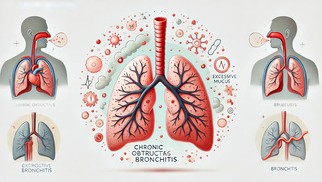

🫁 Chronic obstructive bronchitis is the form of COPD where the airways stay inflamed, make too much mucus and stay narrow for years. Long-acting inhalers now sit at the centre of treatment, yet one of the oldest bronchodilators is still in daily use in homes, clinics and ambulances: ipratropium bromide, sold as Atrovent, a short-acting inhaler that relaxes tight airways and dries excess mucus within minutes. 🔍 Many patients get it without a clear explanation of where it fits. This guide explains how ipratropium works, the usual doses for the inhaler and the nebuliser, why it pairs so well with salbutamol, why it should not be stacked on top of tiotropium, which side effects matter for the eyes and the bladder, and when the plan should move on to a once-daily inhaler.
🫁 What chronic obstructive bronchitis does to the airways
🌫️ Doctors call bronchitis chronic when a cough with phlegm is present for at least three months in each of two years in a row. It becomes obstructive when breathing tests show that air cannot leave the lungs fast enough. Three things narrow the tubes at once: swollen lining, thick mucus and tight smooth muscle around the airway wall. Smoking is the main cause, followed by dust and fumes at work and smoke from indoor fires. Medicines cannot reverse the scarring, but they can relax the muscle, reduce mucus and lower the number of flare-ups. 📖 For the full story of the cough, how it is diagnosed and how it develops, see chronic bronchitis: the cough that does not quit. This article focuses on one medicine and how to use it well.
🧠 How ipratropium opens the airways
⚡ In COPD, the vagus nerve sends a steady signal to the airways through a chemical messenger called acetylcholine. Acetylcholine makes the airway muscle contract and the mucus glands secrete, and in COPD this signal is turned up. Ipratropium is an antimuscarinic drug: it sits on the muscarinic receptors in the airway and blocks the message. The muscle relaxes, the tube widens and less watery mucus is produced. Because ipratropium is a charged molecule, very little of an inhaled dose passes from the lungs into the blood, which keeps whole-body side effects low.
💡 This is a different route from salbutamol, which acts on beta receptors and relaxes the muscle directly. In COPD the nerve-driven tightness is a bigger share of the problem than in asthma, which is why antimuscarinic inhalers often help people with chronic bronchitis more than they help people with asthma.
⏱️ How fast it works and how long it lasts
Airways begin to open
Peak effect
Effect fades
Next dose due if used regularly
🕒 The short action is the main reason regular ipratropium means three or four doses spread across the day. Patients who use it only morning and evening often notice a dip in the afternoon, and that pattern is one of the signs that a once-daily long-acting inhaler may suit them better.
🗺️ Where ipratropium fits in COPD care today
📋 International COPD guidance groups inhalers by how they work and how long they last. Every person with COPD should have a short-acting inhaler for symptoms, and most should also have a long-acting one for daily control. Ipratropium belongs to the short-acting antimuscarinic group, often shortened to SAMA.
| 💊 Group | 🧪 Example | ⏱️ Lasts | 🎯 Main role |
|---|---|---|---|
| SABA (short-acting beta agonist) | Salbutamol (albuterol) | 4 to 6 hours | Fast relief |
| SAMA (short-acting antimuscarinic) | Ipratropium | 4 to 6 hours | Relief, regular use in mild disease, flare-ups |
| LAMA (long-acting antimuscarinic) | Tiotropium | 24 hours | Daily control, fewer flare-ups |
| LABA (long-acting beta agonist) | Salmeterol, formoterol | 12 to 24 hours | Daily control |
| ICS (inhaled steroid) | Fluticasone, budesonide | Daily use | Added for frequent flare-ups or high eosinophils |
🧭 In practice, ipratropium is used in three situations: as a regular inhaler in milder disease or where long-acting inhalers are not available or affordable, as extra relief together with salbutamol, and by nebuliser during a flare-up. It is also used when someone cannot manage the dry powder devices that many long-acting medicines use.
💊 Usual doses: inhaler and nebuliser
📏 Doses depend on the product and the country, so the leaflet and the prescriber have the final word. The figures below are the usual adult doses for chronic obstructive bronchitis, not a reason to change a dose without advice.
🛒 Atrovent (Ipratropium) is the metered dose inhaler most people know. It is used at fixed times through the day, with extra puffs only if the prescriber has written that into the plan.
🤝 Ipratropium plus salbutamol: why the pair works
➕ Salbutamol relaxes the airway muscle through beta receptors, while ipratropium blocks the nerve signal that tightens it. Because they act through two separate routes, the two together open the airways more than either one alone, and the effect builds without simply doubling the side effects of either drug. Combination inhalers and nebuliser vials that hold both medicines exist in many countries, and the same benefit can be achieved with two separate inhalers.
💡 When both inhalers are used at the same time, a common order is salbutamol first, then ipratropium a few minutes later, so the faster drug opens the airways and the second dose travels deeper. Ask the prescriber whether this order suits your plan.
🌬️ Inhaler technique, step by step
🎯 Studies of inhaler use keep finding that a large share of patients make at least one error that reduces the dose reaching the lungs. Good technique matters as much as the choice of medicine, and pharmacists can check it in a few minutes. 📖 A wider look at inhaler types and common mistakes is in inhalers: preventer, reliever and technique.
🧰 Spacers and nebulisers: who needs which
🤔 Many people with COPD have weak hands, shaky timing or so little breath that pressing and inhaling together is hard. A spacer, a plastic tube that holds the spray for a few seconds, solves most timing problems and puts more medicine in the lungs and less in the mouth. A nebuliser turns liquid medicine into a mist breathed through a mouthpiece or mask over several minutes and needs no technique at all, but it takes longer and the equipment must be cleaned.
💧 Some nebuliser plans combine a reliever with a steroid in a single vial, such as Budesal Respules (Budesonide and Levosalbutamol). Ipratropium solution is sometimes mixed in the same nebuliser chamber only if the prescriber and the product leaflets allow it.
🔁 Regular use or only when needed?
📆 The honest summary is that ipratropium works well, but four doses a day is a lot to remember, and long-acting inhalers have stronger evidence for preventing flare-ups. Ipratropium keeps its place as a reliever, as a stepping stone and in flare-ups.
⚖️ Ipratropium or tiotropium?
🔬 Both medicines block the same receptors. Tiotropium binds for much longer, so one dose covers 24 hours. In head-to-head trials in COPD, once-daily tiotropium gave better lung function and fewer flare-ups than ipratropium four times a day. 📖 Who benefits from tiotropium and how to use Rotacaps correctly is covered in tiotropium for chronic bronchitis.
| 🔍 Feature | 💊 Ipratropium | 💊 Tiotropium |
|---|---|---|
| Doses a day | 3 to 4 | 1 |
| Onset | About 15 minutes | Slower; built for daily control |
| Use as a reliever | Yes | No |
| Effect on flare-ups | Modest | Clearly reduces them |
| Devices | Spray inhaler, nebuliser solution | Capsule inhaler, soft mist inhaler |
| Examples | Atrovent (Ipratropium) | Spiriva (Tiotropium), Tiova (Tiotropium) |
🚫 Why ipratropium and tiotropium are not stacked
⚠️ Because the two drugs work on the same receptor, regular ipratropium is usually stopped when tiotropium starts. Taking both every day adds dry mouth, constipation and urinary problems without much extra opening of the airways. During a flare-up in hospital, doctors may still give nebulised ipratropium for a short time and decide what to do with the long-acting inhaler.
🧭 When a once-daily inhaler is added:
🔹 Ask whether regular Atrovent should stop, and whether it stays only for emergencies.
🔹 Keep salbutamol as the everyday reliever unless told otherwise.
🔹 Write the new plan on paper and keep it with your inhalers, so every doctor sees the same list.
😮 Side effects: common, less common and rare
💧 Most side effects come from the same receptor block that dries mucus, so they show up as dryness elsewhere. Dry mouth is the most common complaint and is usually mild; sipping water, sugar-free gum and rinsing after use help. A bitter taste and a tickly cough straight after a puff are also reported.
🛑 That last reaction is called paradoxical bronchospasm. It is rare, but the inhaler should not be used again until a doctor has reviewed it.
👁️ Eyes: glaucoma and the nebuliser mask
👁️ If ipratropium mist or spray reaches the eye, it can widen the pupil and blur vision. In people with narrow-angle glaucoma, it can trigger an acute rise in eye pressure, which causes a painful red eye, haloes around lights, headache and sometimes vomiting. This is an emergency. The risk is highest with a nebuliser mask that leaks mist upward, especially when ipratropium is given with salbutamol.
🧭 Simple ways to protect the eyes:
🔹 Use a mouthpiece rather than a mask when you can, or make sure the mask fits snugly.
🔹 Close your eyes while spraying the inhaler and never test-spray towards the face.
🔹 Tell the prescriber if you have glaucoma or have been told your eye drainage angles are narrow.
🔹 Eye pain, redness or haloes after a dose need urgent eye care.
🚽 Prostate and bladder: urinary retention
👨 Antimuscarinic drugs relax the bladder muscle as well as the airway muscle. Men with an enlarged prostate, and anyone with a narrowed bladder outlet, can find it harder to pass urine, and rarely the bladder cannot empty at all. Inhaled ipratropium reaches the blood in small amounts, so this is uncommon, but the risk rises when other drugs with the same action are taken together. A weak stream, straining, or a feeling that the bladder never empties should be reported. Being unable to pass urine with a painful, swollen lower belly needs urgent care.
⚠️ Who should be careful
| 🚫 Situation | 📝 Why it matters |
|---|---|
| Allergy to ipratropium, atropine or similar drugs | Ipratropium should not be used |
| Narrow-angle glaucoma | Risk of a sudden rise in eye pressure |
| Enlarged prostate or bladder outlet problems | Risk of urinary retention |
| Pregnancy and breastfeeding | Data are limited; used only after a doctor weighs the benefit |
| Cystic fibrosis | Gut movement may slow more than usual |
| Heart rhythm problems | Fast heartbeat is uncommon but should be watched |
👴 Older adults often take several medicines at once and may have both prostate and eye issues. A medicines review with a pharmacist before starting is worth the time.
💊 Interactions worth knowing
🔗 Ipratropium has few interactions because so little enters the blood. The main one is an add-up of antimuscarinic effects when other drugs with the same action are taken.
🧴 Other medicines in the chronic bronchitis plan
📦 Ipratropium is rarely the only medicine. Each option below has its own job, and the plan should be built around the main problem: daily breathlessness, frequent flare-ups or sticky phlegm.
🧪 Theophylline has a narrow safe range, so nausea, a racing heart or poor sleep on theophylline need a blood level check. Several antibiotics and other medicines raise its level, and stopping smoking does too. 📖 What helps sticky mucus most, from fluids to mucolytics, is covered in phlegm and chest congestion: what actually clears it.
🚭 Stopping smoking: the step that changes the course
📉 No inhaler slows the long-term loss of lung function as clearly as quitting. After someone stops smoking, the yearly decline in lung function slows towards the rate of a non-smoker, and cough and phlegm often settle over the following months. Medicines roughly double or triple the chance of success compared with willpower alone, especially when combined with support.
💊 Varenicline
📅 Started one to two weeks before the quit date, built up over the first week to 1 mg twice a day, usually for 12 weeks.
⚠️ Nausea and vivid dreams are common; mood changes should be reported.
💊 Bupropion
📅 Started one to two weeks before the quit date, 150 mg daily, then usually 150 mg twice a day for 7 to 12 weeks.
⚠️ Not for people with seizures or eating disorders; can cause insomnia.
🚨 Using ipratropium during a flare-up
🌡️ A flare-up, or exacerbation, is a spell of several days when breathlessness, cough and phlegm get clearly worse than usual. In hospital and emergency care, nebulised ipratropium with salbutamol is a standard first step, along with steroid tablets and, when phlegm turns green or yellow and thicker, often antibiotics. At home, a written action plan from the doctor says how much extra reliever to use and when to start rescue tablets. 📖 Early signs and the first steps are covered in COPD flare-ups: spotting one early and what to do.
Regular plan, reliever now and then
Extra reliever, follow the action plan, call the clinic
Reliever not helping: emergency care
📝 A daily routine that works
🚶 Medicines work better alongside movement. Pulmonary rehabilitation, a supervised exercise and breathing programme, improves breathlessness and daily activity more than many inhaler changes. 📖 Pacing, breathing techniques and rehab are described in living with emphysema day to day.
🧓 Older adults, pregnancy and other special cases
👴 Most people with chronic obstructive bronchitis are over 50, and many have heart disease, diabetes or arthritis. Arthritic hands often make spray inhalers hard to press, so a spacer, a device aid or a nebuliser may be needed. Memory problems make four doses a day hard, which tips the balance towards once-daily inhalers.
Check technique, prostate, eyes and other antimuscarinic drugs
Limited data; good breathing control matters for the baby too, so decide with a doctor
Usually well tolerated; report palpitations
📄 People who have both asthma and COPD features are treated differently, with an inhaled steroid at the core. An antimuscarinic on its own is not the right plan for asthma. 📖 See asthma-COPD overlap.
🗿 Myths about ipratropium
🧳 Travel, storage and refills
✈️ Spray inhalers should be kept at room temperature, away from direct heat and frost, and never punctured or burned, even when empty. Pack inhalers in hand luggage with a copy of the prescription, and take enough for the trip plus a few spare days. Cold air and long walks at airports are common triggers, so a dose of reliever before a known effort is often written into the plan. Nebuliser users who travel can ask about a portable mesh nebuliser or a spacer plan for the journey.
🩺 When to see a doctor
⛔ Get medical help promptly if:
🔹 You are breathless at rest, cannot finish a sentence, or your lips or fingertips look blue.
🔹 Your reliever inhalers are not helping, or you need them far more than usual.
🔹 Wheeze or tightness gets worse straight after a dose of ipratropium.
🔹 You have eye pain, a red eye or haloes around lights after using the inhaler or nebuliser.
🔹 You cannot pass urine, or have fever with thick coloured phlegm, chest pain or coughing up blood.
📖 If a cough with fever makes you wonder whether it is more than bronchitis, see pneumonia or bronchitis: when to go in.
❓ Frequently asked questions
What is ipratropium used for in chronic bronchitis?
It relaxes the tight muscle around the airways and reduces watery mucus. It is used regularly in milder COPD, as extra relief with salbutamol, and by nebuliser in flare-ups.
How many puffs of Atrovent can I take a day?
The usual dose is 2 puffs three or four times a day, and most labels set a ceiling of 12 puffs in 24 hours. Follow the dose your prescriber wrote.
How quickly does ipratropium work?
Breathing usually starts to ease in about 15 minutes, with a peak after 1 to 2 hours. One dose lasts about 4 to 6 hours.
Can ipratropium and salbutamol be used together?
Yes. They open the airways through different routes, so together they work better than either alone. Many patients use salbutamol first, then ipratropium a few minutes later.
Can I take Atrovent and Spiriva at the same time?
Regular use of both is usually avoided, because they act on the same receptor and mainly add side effects. Ask whether Atrovent should stop when tiotropium starts.
What are the most common side effects of ipratropium?
Dry mouth is the most common, followed by throat irritation, cough after a puff and headache. Constipation and trouble passing urine are less common.
Is ipratropium safe with glaucoma?
People with narrow-angle glaucoma need care, because mist reaching the eye can raise eye pressure. Use a mouthpiece, close your eyes, and seek urgent help for eye pain.
Is Atrovent a steroid inhaler?
No. Ipratropium is a bronchodilator from the antimuscarinic group. It contains no steroid and does not cause oral thrush.
Does ipratropium help with mucus?
It reduces the amount of watery mucus the glands produce. It does not thin thick phlegm; mucolytics such as ambroxol and good fluid intake do that.
When should ipratropium be replaced by a long-acting inhaler?
When breathlessness is present most days, when flare-ups keep coming, or when four doses a day are hard to keep up. Once-daily tiotropium is the usual next step.
📑 Sources and editorial
- 📘 International strategy reports on the diagnosis and management of COPD
- 💊 Prescribing information for ipratropium bromide inhaler and nebuliser solution
- 🔬 Randomised trials comparing tiotropium with ipratropium in COPD
- 🧪 Reviews of combined short-acting beta agonist and antimuscarinic treatment
- 👁️ Case reports and safety reviews on nebulised antimuscarinics and acute angle-closure glaucoma
- 🚭 Clinical guidelines on smoking cessation medicines and lung function after quitting
- 📖 Related reading: chronic bronchitis, tiotropium for chronic bronchitis, COPD flare-ups, phlegm and chest congestion, inhaler technique
- 🛒 Related products: Atrovent (Ipratropium), Ventolin (Albuterol), Spiriva (Tiotropium), Tiova (Tiotropium), Mucolite (Ambroxol), Chantix (Varenicline)
- 🩺 RXshop Editorial Team — reviewed by Sarah Mitchell, PharmD — Clinical Pharmacist
Medical Disclaimer: The information in this article is for educational and informational purposes only and is not a substitute for professional medical advice, diagnosis, or treatment. Always seek guidance from a qualified healthcare provider with any questions you may have regarding a medical condition, and before starting, stopping or changing any medication.