Lexapro for Panic Disorder With Agoraphobia: How Long to Stay on Escitalopram, Tapering Off and Relapse vs Withdrawal

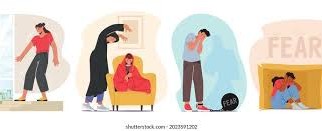
🌱 Most writing about panic disorder stops at the moment the attacks fade. For people who have spent months on escitalopram, the next questions come later, and they are just as real: how long should the tablets stay in the routine, how do you come off them without a setback, and how do you tell the difference between withdrawal and the old panic coming back? 🚪 This matters even more when agoraphobia was part of the picture, because the world that slowly opened up again during treatment can feel fragile. This guide covers the months after recovery: how long to stay on Lexapro, how a slow taper usually runs, what discontinuation symptoms feel like, the signs of a true relapse, and how to protect the ground you won back from avoidance.
🧭 Where this guide picks up
📖 Starting an SSRI for panic has its own rules: a low first dose, a rough first fortnight and a slow climb to the working dose. That part is covered in panic disorder: why the first two weeks of treatment feel worse, and the work on avoidance is explained in agoraphobia and avoidance in panic disorder. This article starts where those end: you are well, or close to well, and the question is what to do with the medicine now. 💊 Most of the examples use Lexapro (Escitalopram), because it is one of the most widely prescribed SSRIs for panic disorder, but the same principles apply to the other medicines in this group.
🏁 What being well actually looks like
🔎 Before anyone talks about stopping, it helps to be honest about where you are. Fewer attacks is not the same as remission. Many people still carry a quiet layer of anticipatory fear, still plan routes around exits, or still avoid the motorway while feeling that they are basically fine. Stopping medicine from that position tends to go badly, because the leftover avoidance is exactly what the old panic grows back from.
📅 How long to stay on escitalopram
📘 The usual advice in clinical guidelines is clear on the principle, even if the exact number varies: continue the medicine for at least 6 to 12 months after you have become well, at the dose that got you there. The product information for escitalopram notes that the full effect in panic disorder takes about 3 months to build, and that treatment then lasts for several months. Counting from the first tablet, many people are therefore on it for a year or more before a taper is sensible. 🕒 The well period is counted from remission, not from the start date.
Low start, slow climb, early jitters
Attacks thin out, effect builds
Remission, exposure work, stable dose
Review: continue or taper slowly
📈 Why stopping too early backfires
📉 Panic disorder tends to run a long, up-and-down course. In studies where people who had recovered on an SSRI were switched to a dummy tablet without knowing it, relapse was clearly more common than in those who stayed on the real medicine. The risk was highest in the first months after stopping and in people who stopped soon after getting better. The figure below is an illustration of that pattern, not exact study data.
🔒 Who may need to stay on it longer
🧩 For some people, a longer course or even open-ended treatment is the better trade. This is not a failure; it is the same logic as staying on blood pressure tablets when the pressure keeps coming back. A psychiatrist will usually weigh the factors below against side effects and personal preference.
🧠 Why CBT makes stopping safer
🔧 Medicine turns down the alarm. Therapy changes what the brain believes about the alarm. Skills learned in cognitive behavioural therapy stay after the last tablet, which is why people who finish a course of CBT with exposure tend to keep their gains better when medicine is stopped. If you got well on escitalopram alone, a short course of CBT before or during the taper is one of the most useful things you can add.
📝 Useful pieces to refresh before a taper include interoceptive exposure (bringing on a racing heart or dizziness on purpose, for example by running on the spot or spinning in a chair), noticing catastrophic thoughts, and a written list of the places you have reclaimed. Practise them while you still feel steady, not after a bad week.
🗓️ Choosing the right moment
⏰ The best time to taper is a dull one. A calm stretch of life gives you room to notice and handle symptoms without mixing them up with real stress. Many people choose a quiet season at work and avoid the weeks before exams, a house move or a long trip.
💊 Escitalopram doses in panic disorder
📋 Knowing the starting dose and the working dose makes the taper easier to plan. In panic disorder, escitalopram is usually started lower than in depression and raised gradually, because people with panic are sensitive to the early jittery effect. The figures below are the usual adult ranges from the product information; your own prescription may differ.
| 👤 Situation | 💊 Usual dose | 📝 Note |
|---|---|---|
| Adults, first week | 5 mg once daily | Lower start reduces early anxiety |
| Adults, working dose | 10 mg once daily | Can be raised to a maximum of 20 mg |
| Age 65 and over | 5 mg, up to 10 mg | Higher doses not advised |
| Reduced liver function | 5 mg, up to 10 mg | Slower clearance of the drug |
| Known slow CYP2C19 metabolism | Up to 10 mg | Blood levels run higher |
📖 A wider look at what escitalopram does and its side effects: escitalopram: therapeutic uses and side effects.
🪜 A slow taper: an example plan
📐 The product information for escitalopram advises reducing the dose gradually over at least one to two weeks. In practice, many psychiatrists now go much slower for people who have been on it for a year or longer, cutting in steps and waiting two to four weeks between them so each step can settle. The plan below is an example only, for someone stable on 10 mg; the real pace should be agreed with your prescriber and adjusted to how you feel.
📉 Why the last few milligrams are often the hardest
🧪 It seems logical that the final small cut should be the easiest. The opposite is often true. The effect of an SSRI on its target in the brain is not a straight line: at low doses, each milligram does more work than at high doses. Going from 10 to 5 mg takes away a fairly modest part of the effect, while going from 2.5 mg to nothing removes a larger share in one move. This is why many specialists now favour proportional cuts, where each step removes a similar fraction of the current dose, so the steps become smaller in milligrams as you go down.
10, 7.5, 5, 2.5, 0: the last step is the biggest jolt
Each step removes a similar share of the current dose
Slower near the end, guided by symptoms
🧰 Practical tools for small doses
✂️ Small doses are easier to reach than many people think. The aim is a steady daily amount; skipping days to save tablets causes swings and is not a taper. Ask the pharmacist which of these options suits your exact product.
⚡ Discontinuation symptoms: what they feel like
🌀 When an SSRI is lowered too fast or stopped, the brain needs time to adjust. The result is called antidepressant discontinuation syndrome. It is not addiction and does not mean you are hooked; it is the nervous system readjusting to less serotonin activity. Symptoms usually begin within a few days of a cut, are often mild and fade within one to two weeks, although a minority of people have stronger or longer-lasting symptoms. Doctors sometimes remember the main groups with the word FINISH.
🤔 The last group is the tricky one for people with panic disorder. Anxiety and a jumpy body are part of withdrawal, so they can easily be mistaken for the illness coming back. The next section shows how to tell the two apart.
🔍 Withdrawal or relapse? How to tell them apart
🧭 There is no blood test for this, but the pattern usually gives it away. Timing and the type of symptoms are the two best clues. Keeping a short daily note during the taper makes the pattern much easier to see.
| 🔎 Clue | ⚡ Discontinuation | 🔁 Relapse of panic |
|---|---|---|
| When it starts | Within days of a cut | Usually weeks or months after stopping |
| New symptoms | Zaps, dizziness on head turning, flu-like feelings | None new: the old attacks and old fears |
| Course | Peaks, then eases over one to two weeks | Builds gradually and does not settle by itself |
| Avoidance | Usually not much change | Old avoided places start to feel risky again |
| Back to previous dose | Eases within a day or two | Improves only slowly, over weeks |
⏱️ What usually happens after each dose cut
Often no change at all
Mild dizziness, sleep or mood dip, if any
Settling back to your normal
Stable: ready for the next step
🛠️ If withdrawal symptoms appear
🧘 Most discontinuation symptoms are a signal to slow down, not a sign that stopping is impossible. The safest response is usually to pause the taper, not to push through severe symptoms.
📓 A simple taper diary, one line a day:
🔹 Dose taken and the date of the last cut.
🔹 Any zaps, dizziness, nausea or sleep change, rated 0 to 10.
🔹 Panic attacks or near-attacks, and where they happened.
🔹 One place or task you did that you once avoided.
🔙 If panic comes back
💬 A single attack after stopping does not mean the illness has returned. Panic attacks also happen in people who have never had panic disorder. What matters is whether the fear of attacks and the avoidance start to grow again. The good news is that people who relapse usually respond again to the medicine that worked before.
📖 If the first medicine never worked well enough in the first place, the options are different; see when the first antidepressant does not work.
⚖️ How other panic medicines compare when stopping
🕒 Medicines that leave the body quickly tend to cause more noticeable discontinuation symptoms. Escitalopram sits in the middle: its half-life is around 30 hours, longer than paroxetine or venlafaxine but much shorter than fluoxetine. If you are on one of the medicines below for panic disorder, the same slow-taper principles apply, with extra care for the shorter-acting ones.
📖 How these medicines compare with buspirone, beta blockers and sedatives for anxiety in general: anxiety medication compared, and which ones are non-addictive.
🔄 Brand or generic escitalopram during a taper
🏷️ Generic escitalopram has to deliver the same active ingredient into the blood as the original brand. Lexaheal (Escitalopram) and Lexapro contain the same drug, so a switch between them is not a dose change. Some people still prefer not to change brand in the middle of a taper, simply so that any new symptom has only one possible cause. If you do switch, check the strength on the pack and whether the tablet is scored, because that affects how easily it splits into half doses.
🚫 Sedatives during a taper: a caution
⚠️ When withdrawal anxiety flares, it can be tempting to reach for a fast-acting sedative. Benzodiazepines bring their own dependence and withdrawal problems, and they can undo exposure work by teaching the brain that relief must come from a pill. Guidelines do not recommend them for the long-term treatment of panic disorder. If extra help is needed during a taper, slowing the taper is usually the better first move.
💡 Better first steps when anxiety rises during a taper:
🔹 Hold the current dose or go back one step.
🔹 Use slow breathing and interoceptive exposure skills from CBT.
🔹 Cut down caffeine, energy drinks and alcohol, which all raise arousal.
🔹 Ask your prescriber before adding any new calming medicine.
🚪 Keeping agoraphobia gains during and after a taper
🗺️ Agoraphobia shrinks back quietly when places are avoided again, even for a few weeks. The most protective habit during a taper is to keep using the places you reclaimed, on purpose, every week. If a dose cut leaves you feeling shaky, it is tempting to take the car instead of the bus or to skip the supermarket. Those small choices are how avoidance restarts.
⚠️ Safety while you are still taking it
💉 A taper can take several months, so the usual safety rules for escitalopram still apply all the way to the end. Tell every doctor, dentist and pharmacist that you take it, even at a small dose.
| 🚫 Combination or situation | 📝 Why it matters |
|---|---|
| MAO inhibitors, linezolid | Risk of serotonin syndrome; must not be combined |
| Other drugs that prolong the QT interval | Escitalopram can lengthen the QT interval, more at higher doses |
| Tramadol, triptans, St John wort | Extra serotonin effect; use only with medical advice |
| Blood thinners, aspirin, NSAIDs | Higher risk of bleeding, including stomach bleeding |
| Alcohol | Worsens anxiety and sleep, and blurs the taper picture |
| Epilepsy, bipolar disorder | Needs closer supervision |
🤰 Planning a pregnancy
👶 A planned pregnancy is one of the most common reasons people ask about stopping. The decision is personal and should be made with a doctor, weighing the risks of the medicine against the real risks of untreated panic and anxiety during pregnancy. Some people taper before trying to conceive; others stay on treatment because a relapse would be worse.
🧭 What this means in practice:
🔹 Plan the discussion before trying to conceive, not after a positive test.
🔹 If you find out you are pregnant, do not stop suddenly; speak to your doctor within days.
🔹 If you stay on an SSRI, tell the midwife and the team who will care for the baby after birth.
🗿 Myths about stopping antidepressants
📋 The short version
🎯 Stopping escitalopram after panic disorder is a project, not a moment. Get fully well, stay well for 6 to 12 months, choose a quiet season, cut slowly with pauses, and keep facing the places that once frightened you. Most people who follow that path come off safely, and those who relapse have a clear way back.
🚨 When to see a doctor
⛔ Contact your doctor promptly if:
🔹 Panic attacks, fear of attacks or avoidance return and last more than two to three weeks after stopping.
🔹 Withdrawal symptoms are severe, or still present after a month despite going back up a step.
🔹 You develop agitation, confusion, high fever, muscle stiffness or a racing heart after starting another medicine.
🔹 Low mood, hopelessness or thoughts of harming yourself appear at any point. In that case, contact emergency services or a crisis line now.
📖 If you are still in the early weeks and the medicine itself feels hard to tolerate, see antidepressant side effects and what to expect in the first weeks.
❓ Frequently asked questions
How long should I take Lexapro for panic disorder?
Guidelines usually advise continuing for at least 6 to 12 months after you become well. Longer treatment is often advised after previous relapses or severe agoraphobia.
What is the usual escitalopram dose for panic disorder?
Treatment usually starts at 5 mg a day for the first week, then 10 mg a day. The dose can be raised to a maximum of 20 mg; people over 65 usually stay at 10 mg or less.
Can I stop escitalopram suddenly?
It is not recommended. Stopping suddenly often causes dizziness, electric zaps, nausea and anxiety. A gradual taper agreed with your doctor is safer.
How long does it take to taper off Lexapro?
The product information says at least one to two weeks, but after a year or more of treatment many doctors taper over two to four months or longer, with pauses between steps.
How long do escitalopram withdrawal symptoms last?
They usually start within a few days of a dose cut and fade within one to two weeks. A minority of people have longer symptoms, which is a reason to slow the taper.
How can I tell withdrawal from relapse?
Withdrawal starts within days, brings new symptoms such as zaps and dizziness, and eases quickly. Relapse starts later, brings back the old attacks and avoidance, and keeps building.
Will Lexapro work again if my panic comes back?
In most people, yes. Restarting the dose that worked before is a common first step, ideally with booster sessions of CBT.
Is generic escitalopram the same as Lexapro?
Yes, it contains the same active drug and must reach the same blood levels. Some people still avoid switching brand in the middle of a taper.
Does CBT lower the risk of relapse after stopping?
Yes. Skills from CBT with exposure stay after the medicine stops, and people who complete it tend to keep their gains better.
Is it a failure to stay on escitalopram long term?
No. For people with repeated relapses or severe agoraphobia, long-term treatment can be the safest choice, reviewed with a doctor from time to time.
📑 Sources and editorial
- 📘 Clinical guidelines on the treatment of panic disorder with and without agoraphobia
- 💊 Official product information for escitalopram: dosing, interactions and stopping treatment
- 🔬 Relapse prevention trials of SSRIs in panic disorder
- 📉 Reviews of antidepressant discontinuation symptoms and gradual tapering methods
- 🧠 Studies of cognitive behavioural therapy with exposure, alone and combined with medicine
- 🤰 Guidance on antidepressant use when planning a pregnancy
- 📖 Related reading: first two weeks of panic treatment, agoraphobia and avoidance, escitalopram uses and side effects, anxiety medication compared
- 🛒 Related products: Lexapro (Escitalopram), Lexaheal (Escitalopram), Celexa (Citalopram), Sertafine (Sertraline), Paxil (Paroxetine), Effexor (Venlafaxine)
- 🩺 RXshop Editorial Team — reviewed by Thomas Walsh, MD — Psychiatrist
Medical Disclaimer: The information in this article is for educational and informational purposes only and is not a substitute for professional medical advice, diagnosis, or treatment. Always seek guidance from a qualified healthcare provider with any questions you may have regarding a medical condition, and before starting, stopping or changing any medication.