Still Sleepy on CPAP: Residual Daytime Sleepiness in Sleep Apnea and Where Armodafinil or Modafinil Fit

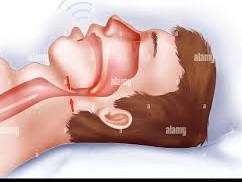
😴 You were diagnosed with obstructive sleep apnea, you got the machine, you learned to sleep with a mask on your face, and the snoring stopped. Your partner says the nights are quiet now. And yet by mid-afternoon your eyes still close at the desk, in meetings or at red lights. 🔍 This is one of the most common and most frustrating situations in sleep medicine. It is called residual excessive sleepiness, and most of the time it has a fixable reason. When the usual causes have been checked and the sleepiness remains, armodafinil or modafinil can be added on top of CPAP. This guide follows the checklist a sleep clinic uses, then covers where the tablets fit, doses, side effects, interactions and safety on the road.
🤔 Why the sleepiness can outlast the breathing problem
🧠 Obstructive sleep apnea causes sleepiness in two ways. The first is obvious: hundreds of small arousals break sleep into pieces, so the brain never gets long stretches of deep and dream sleep. CPAP fixes this within days for most people. The second is slower: animal research suggests that years of repeated oxygen drops may injure some wake-promoting nerve cells, which could explain why a few people stay sleepy even with perfect machine data. 📖 If you are still at the stage of screening, diagnosis and choosing a treatment, start with our overview of obstructive sleep apnea: the screening questions and what CPAP does. This article picks up after treatment has begun.
📊 How common is it to stay sleepy on CPAP?
📈 Numbers vary between studies because they define sleepiness and good adherence differently. Among people who use CPAP regularly, a noticeable minority, roughly 1 in 10 in several cohorts, still score above 10 on the Epworth scale. When doctors then remove the people with other explanations, such as short sleep, depression or a second sleep disorder, the group with true residual sleepiness becomes smaller. That is the point of the checklist below: most residual sleepiness has a cause that a tablet would only cover up.
⏱️ Step one: how many hours is the mask really on?
🌙 Many programs call CPAP use adequate at 4 hours a night on at least 70% of nights. That definition was written for insurance purposes, not for feeling well. Research on dose and response suggests sleepiness keeps improving as nightly use rises toward 6 or 7 hours, and the apnea returns the moment the mask comes off. Taking the mask off at 3 a.m. leaves the second half of the night, when dream sleep is richest and apnea often worst, untreated. Trust the download, not the memory.
💻 Reading your machine report
📲 Modern CPAP machines store detailed data, and most send it to an app or to the clinic. Four lines on that report explain a large share of ongoing sleepiness. Ask your clinic for a printout covering the last 30 days and look at them with the person who manages your device.
| 📋 Report line | ✅ What you want to see | ⚠️ What suggests a problem |
|---|---|---|
| Usage hours | Close to your total sleep time, almost every night | Short nights, gaps, mask removed early |
| Residual AHI | Usually under 5 events per hour | Persistently above 5, or rising over weeks |
| Leak | Within the range the device marks as normal | Large leak flagged for long periods |
| Pressure | Stable, within the prescribed range | Often at the top of the range on auto devices |
💡 Weight change of more than about 10% is a reason to review the pressure settings, since needs shift with weight, alcohol and nasal congestion. If the numbers look fine and you still feel bad, a repeat sleep study on CPAP shows what is really happening.
💨 Leaks, mouth breathing and the wrong mask
😷 A leaking mask lets pressure escape, so the airway is not held open properly, and the hiss itself can wake you or your partner. Mouth leak is one of the most common hidden reasons a nasal mask fails: the mouth drops open in deep sleep and the air rushes out. A chin strap, a full face mask or a different cushion size often fixes it. Dry mouth on waking, a sore nose, red marks or air blowing into the eyes all point to a fit problem worth raising.
🛌 Enough sleep, or just enough CPAP?
⏰ CPAP can only improve the sleep you give it. A person who sleeps 5.5 hours a night will be sleepy with or without perfect apnea treatment, because most adults need about 7 to 9 hours. Shift work, long commutes, young children, late screens and caffeine in the afternoon all shave time off the night. A two-week sleep diary often shows a gap between the sleep people think they get and what they actually get. Low mood is another frequent cause of tiredness on CPAP and needs its own treatment.
🧩 A second sleep disorder behind the apnea
🔎 Sleep apnea is common, so it often shares a bed with other conditions. When sleepiness stays severe despite good machine data, sleep doctors look for a second diagnosis, and sometimes a repeat sleep study with a daytime nap test is needed to find it.
📖 The wider list of causes and the tests used to separate them are covered in sleepy all day: excessive daytime sleepiness, causes and tests, and the specific signs of narcolepsy in narcolepsy: the wakefulness switch that misfires.
💊 Medicines and drinks that keep you drowsy
🧪 A medicine review is one of the cheapest and most useful steps. Many common tablets cause daytime drowsiness on their own, and some, such as sedatives and opioids, can also make breathing in sleep worse. Never stop a prescribed medicine on your own; ask whether the timing, dose or choice can be changed.
| 💊 Group | 📝 Examples | 💬 What to ask |
|---|---|---|
| Sleeping tablets and benzodiazepines | Hangover drowsiness, relaxed airway muscles | Is it still needed? Can it be tapered? |
| Opioid pain relievers | Drowsiness, can worsen breathing in sleep | Lowest effective dose, other pain options |
| Sedating antihistamines | Older allergy and sleep aids | Switch to a non-sedating type |
| Some antidepressants and antipsychotics | Sedating types taken in the morning | Move to bedtime or change agent |
| Alcohol | Relaxes the throat, raises pressure needs | Avoid within 3 to 4 hours of bed |
🩺 Medical causes worth a blood test
💉 Tiredness and sleepiness overlap, and several common conditions produce both. A simple set of blood tests can rule out the most frequent ones in a single visit. Low thyroid function in particular is common in the same age group as sleep apnea and can itself narrow the airway. 📖 More on that link in understanding hypothyroidism: symptoms and treatment.
TSH test for an underactive gland
Blood count and ferritin
HbA1c, since diabetes often travels with apnea
Heart failure and kidney disease cause fatigue
🧭 When is a wake-promoting medicine considered?
✅ Sleep specialists add a wake-promoting tablet only when a clear set of conditions is met. The person must be using CPAP well, the machine must show the apnea is controlled, and other causes must have been looked for. Even then, the tablet is a second layer on top of the mask, never a replacement for it.
💊 Armodafinil as an add-on to CPAP
🌅 Armodafinil is the longer-lasting half of the modafinil molecule. In the United States it is approved to improve wakefulness in adults with obstructive sleep apnea who remain sleepy despite treatment of the airway. The usual dose for this use is 150 mg or 250 mg once in the morning, and the 250 mg dose has not shown a consistent advantage over 150 mg, so most people start and stay at 150 mg. Its effect lasts well into the afternoon, which suits people whose worst dip comes after lunch. In trials, it improved wakefulness test results and Epworth scores compared with placebo, while CPAP use continued. Generic 150 mg tablets include Artvigil (Armodafinil) and Waklert (Armodafinil).
📋 How it is usually taken
💊 150 mg once daily, in the morning
⏱️ Peak level after about 2 hours
🌙 Not taken in the afternoon, to protect night sleep
😷 CPAP continues every night, unchanged
📊 What it changes
✅ Ability to stay awake: improved
✅ Epworth score: often lower
➖ Fatigue from low mood: little effect
❌ Airway collapse: no effect at all
💊 Modafinil as an add-on to CPAP
🕒 Modafinil is the original molecule, a mix of two mirror-image forms. The usual dose for residual sleepiness in sleep apnea is 200 mg once in the morning. Doses of 400 mg have been studied without a consistent extra benefit. Its effect fades somewhat earlier in the day than armodafinil, which some people prefer because it interferes less with sleep. Regulators differ: in the United States modafinil is approved for this use, while in the European Union its licence was limited to narcolepsy in 2011 after a review of benefits and risks, so in Europe it is used for sleep apnea only off-label and under specialist care. Generic 200 mg options include Modalert (Modafinil) and Modaheal (Modafinil).
⚖️ Armodafinil and modafinil side by side
| 🔍 Feature | 💊 Armodafinil | 💊 Modafinil |
|---|---|---|
| Usual dose in sleep apnea | 150 mg each morning | 200 mg each morning |
| Effect in late afternoon | Tends to last longer | Fades a little sooner |
| Half-life | About 15 hours | About 12 to 15 hours |
| Common side effects | Headache, nausea, insomnia, anxiety | Headache, nausea, insomnia, anxiety |
| Interactions | Same pattern, including the pill | Same pattern, including the pill |
📖 A deeper comparison of the two drugs, including dose equivalence and switching, is in armodafinil vs modafinil: comparison guide.
⚠️ The trap: feeling better and using the mask less
🚧 The biggest risk of a wake-promoting tablet in sleep apnea is not a side effect of the drug itself. It is the temptation to wear the mask less once the daytime feels better. The tablet hides sleepiness, but the airway still closes at night and oxygen still drops. A sensible rule is to keep downloading machine data after starting the tablet; if usage hours fall, the medicine is doing harm, not good.
🤕 Side effects to expect and to watch for
📋 Most people tolerate these medicines well. Headache is the most common complaint, usually mild and worst in the first week. Nausea, dry mouth, nervousness, dizziness and trouble falling asleep follow. 📖 If the tablet is keeping you awake at night, see modafinil and insomnia: how to sleep; taking the tablet earlier in the morning is the first fix.
🚫 Who should not take them, or needs extra care
| 🚫 Situation | 📝 Why |
|---|---|
| Past serious rash or allergy to modafinil or armodafinil | Risk of a severe reaction on re-exposure |
| Uncontrolled high blood pressure or heart rhythm problems | Can raise pulse and blood pressure |
| Recent heart attack, chest pain, valve disease or thickened heart muscle | Stimulant-like effects strain the heart |
| Pregnancy or planning pregnancy | Possible link to birth defects; avoid |
| Severe liver disease | Lower doses needed; drug is cleared by the liver |
| History of psychosis, mania or substance misuse | Can trigger psychiatric symptoms; misuse potential |
| Older adults | Start low, review blood pressure and sleep |
🔗 Interactions that matter
🧪 Modafinil and armodafinil speed up the breakdown of some medicines and slow down others. The interaction that catches people out most often is with hormonal contraception: pills, patches, rings and implants become less reliable during treatment and for one month after the last tablet, so a barrier method or a copper coil is advised. Other important ones are listed below.
❤️ Blood pressure: two pressures to keep in view
🩺 Sleep apnea is one of the most common reasons blood pressure stays high despite several medicines, and wake-promoting tablets can nudge pulse and pressure up a little in some people. Anyone with both conditions should check blood pressure before starting and again in the first weeks. CPAP itself tends to lower pressure modestly when used well. For blood pressure that stays above target on three medicines, doctors often add spironolactone, such as Aldactone (Spironolactone), which needs potassium and kidney blood tests. The tablet for sleepiness and the tablets for pressure should be managed by the same doctor or at least known to both.
⚖️ Weight loss: the treatment that works on both ends
📉 Extra weight around the neck and belly narrows the airway and lowers lung volume at night. Long-term studies suggest that losing about 10% of body weight can lower the apnea index by roughly a quarter or more, and some people with mild apnea no longer need a machine afterwards. In late 2024 the US regulator approved tirzepatide for moderate to severe sleep apnea in adults with obesity. Orlistat, sold as Xenical (Orlistat) or Orligal (Orlistat), blocks part of the fat absorbed from meals and is taken with each main meal that contains fat, alongside a lower-fat diet; oily stools and urgency are its main drawbacks. 📖 More on what works in weight loss: when strategy meets science.
🚗 Driving and work safety
🚦 Drowsy driving is the most dangerous consequence of untreated sleepiness. A tablet that makes you feel alert does not prove you are safe to drive, because people are poor judges of their own sleepiness. Licensing rules for drivers with sleep apnea differ by country, and commercial drivers face stricter checks. A wakefulness test in a sleep laboratory is sometimes used to show fitness to drive.
🚦 Rules of thumb for the road:
🔹 Do not drive if you have nodded off at the wheel or had a near miss, until a doctor has reviewed you.
🔹 Pull over at the first yawn that comes with heavy eyelids; a 15-minute nap and a coffee is safer than pushing on.
🔹 Avoid long drives in the mid-afternoon dip and after midnight.
🔹 Keep the CPAP data; it is evidence of good treatment if your licence is reviewed.
📅 The first weeks on an add-on tablet
🗿 Myths about sleepiness on CPAP
🚨 When to see a doctor
⛔ Get medical advice soon if:
🔹 You have fallen asleep while driving, had a near miss, or doze off at work in a way that could hurt someone.
🔹 Sleepiness returns or worsens after months of feeling well on CPAP, or your snoring comes back.
🔹 You gain or lose a lot of weight, or start new sedating medicines.
🔹 On modafinil or armodafinil you develop a rash, mouth sores, swelling, chest pain, a racing heart or changes in mood or thinking. Stop the tablet and seek urgent care.
🔹 You feel hopeless or have thoughts of harming yourself. Contact emergency services or a crisis line now.
❓ Frequently asked questions
Why am I still tired after starting CPAP?
The most common reasons are too few hours on the mask, too little total sleep, mask leak or pressure problems, sedating medicines, low mood, thyroid problems or a second sleep disorder.
How many hours a night should I use CPAP?
Four hours on 70% of nights is the usual minimum, but benefit keeps rising with longer use. The aim is the mask on for the whole night, every night.
What is residual excessive sleepiness?
It is daytime sleepiness that remains in someone using CPAP well, with apnea controlled and other causes ruled out. It affects a minority of treated patients.
Can armodafinil be used for sleep apnea?
Yes, as an add-on to CPAP for residual sleepiness. The usual dose is 150 mg each morning. It does not treat the airway and does not replace the mask.
What modafinil dose is used for sleep apnea?
Usually 200 mg once in the morning. Higher doses have not shown a consistent extra benefit. In the EU it is used for this only off-label.
Is armodafinil better than modafinil for sleep apnea?
Neither is clearly better. Armodafinil tends to last longer into the afternoon, while modafinil fades a little sooner and may disturb night sleep less.
Can I stop using CPAP if modafinil keeps me awake?
No. The tablet only hides sleepiness. The airway still closes at night and oxygen still drops, which keeps raising heart and stroke risk.
Do modafinil and armodafinil affect birth control?
Yes. Hormonal contraception becomes less reliable during treatment and for one month after stopping, so a non-hormonal method is advised.
Can wake-promoting tablets raise blood pressure?
They can raise pulse and blood pressure slightly in some people. Check blood pressure before starting and in the first weeks, especially with sleep apnea.
Does losing weight help daytime sleepiness in sleep apnea?
Often yes. Losing about 10% of body weight can lower the apnea index noticeably and improve energy and blood pressure.
📑 Sources and editorial
- 📘 Clinical practice guidelines on the treatment of obstructive sleep apnea with positive airway pressure
- 📋 Consensus statements on the assessment of residual excessive sleepiness in treated sleep apnea
- 💊 Prescribing information for modafinil and armodafinil, including dosing, interactions and warnings
- 🔬 Placebo-controlled trials of armodafinil, modafinil, solriamfetol and pitolisant in CPAP-treated patients
- ⚠️ European regulatory review of the benefits and risks of modafinil (2011)
- ⚖️ Cohort studies on weight change and the apnea-hypopnea index
- 🚗 Guidance on driving and sleep apnea from road safety and licensing bodies
- 📖 Related reading: obstructive sleep apnea overview, excessive daytime sleepiness, narcolepsy, armodafinil vs modafinil, hypothyroidism, weight loss
- 🛒 Related products: Artvigil (Armodafinil), Waklert (Armodafinil), Modalert (Modafinil), Modaheal (Modafinil), Xenical (Orlistat), Orligal (Orlistat), Aldactone (Spironolactone)
- 🩺 RXshop Editorial Team — reviewed by James Carter, MD — Neurologist and Sleep Medicine Specialist
Medical Disclaimer: The information in this article is for educational and informational purposes only and is not a substitute for professional medical advice, diagnosis, or treatment. Always seek guidance from a qualified healthcare provider with any questions you may have regarding a medical condition, and before starting, stopping or changing any medication.