Thiazide Diuretics and Potassium: Hydrochlorothiazide With Amiloride or Spironolactone, Who It Suits and What to Check

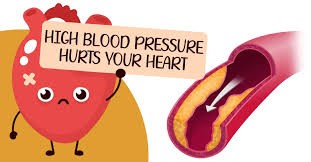
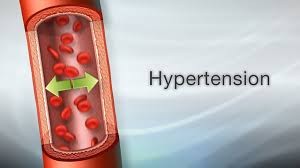
💧 Thiazide water tablets such as hydrochlorothiazide are among the oldest and cheapest blood pressure medicines, and they still prevent strokes and heart attacks as well as many newer drugs. Their weak spot is chemistry, not pressure: they wash potassium out of the body, and sometimes sodium too. 🧪 That is why doctors often pair a thiazide with a potassium-sparing diuretic such as amiloride or spironolactone, or with a tablet from the ACE inhibitor or ARB family. This guide explains how the amiloride and hydrochlorothiazide combination works, who it suits, who should avoid it, which blood numbers to watch, how often to check them, and which everyday things (salt substitutes, painkillers, a stomach bug) can push potassium too high or too low.
🔋 Why potassium matters when you take a water tablet
⚡ Potassium is the mineral that keeps the electrical signals of the heart and muscles steady. The body holds it in a narrow band, and both too little and too much can upset the heart rhythm. Diuretics change how the kidneys handle salt and water, and potassium moves with them. A thiazide alone tends to lower it, a potassium-sparing diuretic alone tends to raise it, and the two together try to land in the middle. 📖 For the bigger picture of blood pressure targets and first-line drug families, see arterial hypertension: a silent condition with serious consequences. This article stays with one question: how to keep potassium and sodium safe on diuretic treatment.
🔗 How a thiazide drains potassium
🔬 Hydrochlorothiazide blocks salt reabsorption in an early part of the kidney tubule. More sodium then reaches the last section of the tubule, where the body swaps sodium back in exchange for potassium. The more sodium arrives there, the more potassium is pushed out into the urine. Thiazides also trigger the hormone aldosterone, which speeds up the same swap. The result is a slow, steady fall in blood potassium over the first weeks, usually small, sometimes not.
📊 The fall depends on the dose. At 12.5 mg a day most people stay in range, while 50 mg and above, a dose rarely needed today for blood pressure, causes noticeably more potassium loss with little extra benefit on pressure. A salty diet makes the loss bigger, because more sodium reaches the swap point.
🛡️ How amiloride holds potassium back
🧲 Amiloride works exactly at the swap point. It closes the sodium channels in the last part of the tubule, so less sodium is taken back and less potassium is pushed out in exchange. On its own it is a weak diuretic and lowers blood pressure only a little. Its real value is as a partner: it cancels much of the potassium loss caused by a thiazide or a loop diuretic, and it adds a small extra drop in pressure. Unlike spironolactone, it does not act on hormones, so it does not cause breast tenderness or breast growth in men.
💊 Amiloride with hydrochlorothiazide: what the combination is
🏷️ The classic fixed combination, sold for decades under the name Moduretic and as generics, contains amiloride 5 mg with hydrochlorothiazide 50 mg, and a half-strength tablet with 2.5 mg and 25 mg is also made in many countries. For blood pressure the usual dose is one tablet a day in the morning, often the half-strength one; for fluid retention doctors sometimes use more. One tablet instead of two makes it easier to remember, but it also means both doses move together, which limits fine tuning.
🧬 Spironolactone: the other potassium keeper
🔒 Spironolactone also saves potassium, but in a different way: it blocks the hormone aldosterone instead of the sodium channel. That makes it more powerful in people whose blood pressure is driven by aldosterone, and a large trial in resistant hypertension found it the most effective fourth drug when three tablets had failed. The trade-off is hormonal side effects, mainly breast tenderness or enlargement in men and period changes in women. Amiloride is the usual alternative when those effects appear.
⚖️ Thiazide alone or with a potassium keeper
🤔 Most people on a low-dose thiazide never need a potassium-sparing partner. The combination earns its place when potassium has already dropped, or is likely to drop, and when the kidneys are healthy enough to clear any excess. For many people today the same balancing job is done by an ACE inhibitor or ARB, which also raise potassium slightly.
✅ Who the combination usually suits
🚫 Who should avoid potassium-sparing diuretics
| 🚫 Situation | 📝 Why |
|---|---|
| Potassium already high | The drug will push it higher still |
| Significant kidney disease | Weak kidneys cannot clear extra potassium; risk rises sharply as kidney function falls |
| Taking potassium tablets or a potassium salt substitute | Double load of potassium |
| Another potassium-sparing diuretic | Amiloride with spironolactone or eplerenone stacks the same risk |
| Diabetes with kidney damage | High potassium is more likely; needs close monitoring |
| Low sodium in the past on a diuretic | The combination can lower sodium again |
| Lithium treatment | Diuretics raise lithium levels toward toxic range |
| Pregnancy and breastfeeding | Diuretics are not a usual choice for blood pressure in pregnancy |
📖 Kidney function is the deciding factor more than age. If you have diabetes, ask for an eGFR and urine albumin test before starting, because the same blood tests guide both conditions.
🧪 The blood numbers to know
📋 A routine blood test called urea and electrolytes, or a kidney panel, gives everything needed. Ask for the actual numbers, not only “normal”, and keep a note of them; a trend tells more than a single value.
📉 Signs of low potassium
💪 Mild low potassium often causes no symptoms at all and is found only on a blood test. When it does show, the muscles usually speak first: cramps in the calves at night, weakness on stairs, a heavy feeling in the legs. Lower levels slow the gut and can trigger extra or irregular heartbeats.
💡 Low potassium also makes thiazides raise blood sugar more, and it raises the risk of rhythm problems in people taking digoxin or certain heart rhythm medicines. Low magnesium often travels with low potassium, and potassium can be hard to correct until magnesium is replaced too.
📈 High potassium: the quiet risk
🤐 High potassium is the main danger of amiloride and spironolactone, and it usually gives no warning until it is serious. Some people notice muscle weakness, tingling, nausea or a slow, irregular pulse, but many feel nothing. That is why the blood test, not symptoms, is the safety net. Risk is highest in the first weeks, after a dose increase, when a new medicine is added, and during dehydration.
🧭 The usual triggers for high potassium on a potassium-sparing diuretic:
🔹 Kidney function worsening, often during a stomach bug or hot weather.
🔹 Starting an ACE inhibitor, ARB, NSAID painkiller or trimethoprim without a blood check.
🔹 Adding potassium supplements, potassium salt substitutes or large amounts of potassium-rich juice.
🔹 Older age, diabetes and low body weight, which narrow the safety margin.
🧂 Low sodium: the thiazide problem nobody expects
👵 Thiazides reduce the ability of the kidney to dilute urine, so water can be held back while sodium is lost. Low sodium (hyponatraemia) is most common in older women, people of low body weight and those who drink a lot of water, and it usually appears in the first weeks of treatment. Adding amiloride does not protect against it and may add to it. Mild cases cause headache, nausea and unsteadiness; severe ones cause confusion, falls and seizures. It is easy to blame on age, so a blood test is worth asking for when an older relative on a water tablet becomes muddled or starts to fall.
Headache, nausea, tiredness
Confusion, unsteady walking, falls
Drowsiness, seizures: emergency care
📅 When to check the blood
💊 Medicines that push potassium up
| 💊 Medicine | 📈 Effect with amiloride | 📝 What usually happens |
|---|---|---|
| ACE inhibitors (ramipril, lisinopril, enalapril) | Potassium rises | Used together only with blood checks |
| ARBs (losartan, valsartan, telmisartan) | Potassium rises | Same as ACE inhibitors |
| Spironolactone, eplerenone | Potassium rises sharply | Not combined with amiloride |
| NSAIDs (ibuprofen, naproxen, diclofenac) | Potassium rises, kidneys stressed | Avoid regular use; paracetamol preferred |
| Trimethoprim and co-trimoxazole | Acts like amiloride on the kidney | Doctor may check potassium on a course |
| Ciclosporin, tacrolimus | Potassium rises | Specialist monitoring |
| Potassium supplements | Direct load | Usually stopped when amiloride starts |
⚠️ Medicines that lower potassium matter too: loop diuretics, steroids, some asthma inhalers at high doses and laxatives used often. A medicine review at each prescription change keeps the balance visible.
🍌 Salt substitutes and potassium-rich food
🧂 Cutting salt is one of the best things anyone with high blood pressure can do, and it also reduces potassium loss on a thiazide. But many “low sodium” salts replace sodium with potassium chloride, and on amiloride or spironolactone that can tip potassium too high. Herbs, lemon, garlic and spices are the safer swap. 📖 See products to replace salt for flavour ideas, and check the label for potassium before buying any salt substitute.
| 🍽️ Food or product | 💧 On a thiazide alone | 🛡️ On amiloride or spironolactone |
|---|---|---|
| Bananas, oranges, potatoes, beans | Helpful in normal portions | Fine in normal portions |
| Coconut water, large glasses of orange juice | Fine | Keep to moderate amounts |
| Potassium chloride salt substitute | Ask the doctor first | Usually avoid |
| Herbs, spices, lemon, vinegar | Good salt replacement | Good salt replacement |
| Processed and salty foods | Increase potassium loss | Raise blood pressure |
🥗 The DASH eating pattern, rich in vegetables, fruit and low-fat dairy, lowers pressure on its own; read the DASH diet to control hypertension. People on potassium-sparing drugs or with kidney disease should agree the fruit and vegetable part with their doctor.
🤝 Thiazides with an ACE inhibitor or ARB
🔄 Modern guidelines often combine a thiazide with an ACE inhibitor or an ARB rather than with amiloride. The second drug lowers pressure through a different route and gently raises potassium, which offsets the thiazide loss without a separate potassium-sparing tablet. Fixed combinations such as Hyzaar (Losartan + Hydrochlorothiazide) put both in one tablet. Losartan also slightly increases uric acid removal, which is useful for people prone to gout.
Cozaar (Losartan) with a thiazide
Altace (Ramipril) with a thiazide
ACE or ARB plus amiloride: only with close blood checks
🦶 Uric acid, gout and blood sugar
📈 Thiazides reduce the removal of uric acid by the kidneys, so uric acid rises and gout attacks become more likely in people who are prone to them. Amiloride does not prevent this. Thiazides can also nudge blood sugar up, partly through lower potassium, which is one more reason to keep potassium in range. In practice the change in glucose is usually small at low doses, and the protection against strokes and heart attacks outweighs it for most people.
📖 If attacks are frequent, long-term uric acid lowering may be needed; see gout treatment: stopping attacks with allopurinol.
☀️ Skin, sun and hydrochlorothiazide
🧴 Hydrochlorothiazide makes the skin more sensitive to sunlight, and long-term use at higher cumulative doses has been linked in large registry studies to a higher risk of non-melanoma skin cancer, which led European regulators to add a warning in 2018. The absolute risk is small, but sensible sun protection, regular skin checks and prompt review of any new or changing skin lesion are advised. People with a past skin cancer may be offered a different diuretic such as indapamide.
🔥 Loop diuretic combinations for fluid retention
💦 For swelling from heart failure or liver disease, doctors use stronger loop diuretics, which lose even more potassium than thiazides. Amiloride is often combined with furosemide in one tablet for this reason, and spironolactone is a standard add-on in heart failure. 📖 More on fluid in the legs and lungs in living with swelling from heart failure.
⏰ Taking it day to day
💧 Drink normally to thirst; there is no need to force extra water, and in older people heavy drinking adds to the risk of low sodium. Alcohol adds to the blood pressure drop and dizziness, so keep it moderate. If you take lithium, digoxin or a heart rhythm medicine, every doctor and pharmacist who prescribes for you should know about the diuretic.
🤒 Sick days: when to pause
🚰 Vomiting, diarrhoea, fever or very hot weather can dry you out quickly. On a diuretic this lowers blood pressure further and stresses the kidneys, and with amiloride or spironolactone it is the most common route to dangerously high potassium. Many doctors give a written sick day plan for this reason.
📖 The full set of sick day rules for blood pressure tablets is in living with blood pressure tablets: side effects and sick day rules. People who take a diuretic only for swelling from heart failure should follow their heart team plan instead, since stopping may let fluid build up.
🌳 Which diuretic plan fits?
📆 What the first months usually look like
More urine, mild dizziness on standing
First blood test: potassium, sodium, kidneys
Full effect on blood pressure, water effect settles
Review of home readings and second blood test
🗿 Myths about water tablets and potassium
🚨 When to see a doctor
⛔ Get medical help promptly if, while taking a diuretic, you notice:
🔹 A slow, irregular or racing heartbeat, fainting or chest discomfort: call emergency services.
🔹 New muscle weakness, heavy legs or tingling, especially on amiloride or spironolactone.
🔹 Confusion, drowsiness, unsteady walking or repeated falls, which may mean low sodium.
🔹 Vomiting or diarrhoea for more than a day, or very little urine.
🔹 A sudden painful, red, swollen joint, often the big toe.
🔹 A new or changing skin spot that does not heal.
❓ Frequently asked questions
Why is amiloride combined with hydrochlorothiazide?
Hydrochlorothiazide makes the kidneys lose potassium. Amiloride reduces that loss, so the combination lowers blood pressure while keeping potassium closer to normal.
Can hydrochlorothiazide cause low potassium?
Yes. It is one of its most common effects, larger at higher doses and with a salty diet. A blood test in the first weeks shows whether it is happening.
What potassium level is dangerous?
Normal is about 3.5 to 5.0 mmol/L. Levels of 6.0 or more, or below 3.0, need urgent medical attention because they can upset the heart rhythm.
How often should potassium be checked on a diuretic?
Usually before starting, 1 to 2 weeks after starting or changing the dose, again at 4 to 6 weeks, and then every 6 to 12 months once stable.
Can I take amiloride with an ACE inhibitor or ARB?
Sometimes, but both raise potassium, so doctors combine them only with regular blood tests and usually avoid it in kidney disease.
Is amiloride better than spironolactone?
Neither is better for everyone. Spironolactone is stronger in resistant hypertension; amiloride avoids hormonal side effects such as breast tenderness.
Can I use a salt substitute on amiloride?
Most salt substitutes contain potassium chloride and can push potassium too high. Use herbs and spices instead unless your doctor agrees.
Why can a water tablet cause low sodium?
Thiazides reduce the ability of the kidney to dilute urine, so water is kept while sodium is lost. Older women and people who drink a lot of water are most at risk.
Should I stop my diuretic when I have diarrhoea?
Many sick day plans pause it during vomiting or heavy diarrhoea and restart 24 to 48 hours after eating normally. Agree this with your doctor in advance.
What time of day should I take hydrochlorothiazide?
In the morning, so the extra urine does not wake you at night. Take it at the same time each day, with or after breakfast.
📑 Sources and editorial
- 📘 Prescribing information for amiloride, hydrochlorothiazide, spironolactone and fixed diuretic combinations
- 🩺 Clinical guidelines on the treatment of hypertension and resistant hypertension
- 🔬 Randomised trials of add-on treatment in resistant hypertension, including spironolactone and amiloride
- 🧪 Clinical reviews of diuretic-induced hypokalaemia, hyperkalaemia and hyponatraemia
- ⚠️ Regulatory safety reviews on hydrochlorothiazide and non-melanoma skin cancer (2018)
- 📋 Guidance on monitoring kidney function and electrolytes, and on sick day rules
- 📖 Related reading: arterial hypertension, blood pressure tablets and sick day rules, DASH diet, swelling from heart failure
- 🛒 Related products: Microzide (Hydrochlorothiazide), Aldactone (Spironolactone), Frumil (Furosemide + Amiloride), Hyzaar (Losartan + Hydrochlorothiazide), Lozol (Indapamide), Lasix (Furosemide)
- 🩺 RXshop Editorial Team — reviewed by Robert Hayes, MD — Cardiologist
Medical Disclaimer: The information in this article is for educational and informational purposes only and is not a substitute for professional medical advice, diagnosis, or treatment. Always seek guidance from a qualified healthcare provider with any questions you may have regarding a medical condition, and before starting, stopping or changing any medication.