Trazodone at Full Antidepressant Doses for Depression With Anxiety: Titration, Who It Suits and the Safety Checks

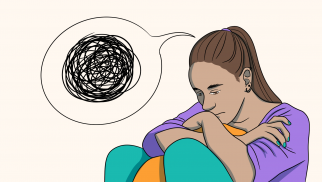
🌙 Depression that comes with anxiety often looks like this: the mood is low and flat in the day, the mind will not stop worrying in the evening, and sleep breaks at three in the morning. Many people with this mix have already met trazodone as a small sleeping dose, without knowing it was designed as a full antidepressant. 🔍 This guide covers that second use: how the dose is built up to 150 mg and beyond, who it suits, how it compares with SSRIs, mirtazapine and bupropion, the safety checks at higher doses, and how to stop it. For trazodone as a sleep aid only, the separate guide trazodone for sleep and what else works for insomnia covers that in detail.
🌀 Why depression with anxiety needs its own plan
🧩 Depression and anxiety share brain circuits, risk genes and triggers, so it is no surprise that they travel together. More than half of people with major depression also have marked anxiety, a pattern called anxious depression. It matters because anxious depression tends to respond more slowly, relapse more often and carry a higher burden of insomnia than depression alone. A medicine that lifts mood but leaves the person wired at night, or that adds jitteriness in the first weeks, may be stopped before it has time to work. So the real question is often which drug the person can stay on. 📖 For the wider picture of major depression and its treatment phases, see major depressive disorder: a snapshot.
🧪 How trazodone works: one tablet, three actions
🔬 Trazodone belongs to a small group called serotonin antagonist and reuptake inhibitors. Its effects change with the dose, which is the key to understanding the difference between a sleeping dose and an antidepressant dose. At low doses it mainly blocks histamine H1 and alpha-1 receptors, which makes people drowsy and relaxed. At higher doses it also blocks the serotonin 5-HT2A receptor strongly and slows the reuptake of serotonin, which is the part linked to its effect on mood. Blocking 5-HT2A may explain why it rarely causes SSRI-type sexual effects.
| 🎯 Target | 📏 Dose range where it matters | 📋 What the person notices |
|---|---|---|
| Histamine H1 receptor | Low and high doses | Drowsiness, easier sleep onset |
| Alpha-1 receptor | Low and high doses | Relaxation, but also dizziness on standing |
| Serotonin 5-HT2A receptor | Moderate to high doses | Deeper sleep, less agitation, fewer sexual effects |
| Serotonin reuptake | High doses | Gradual lift in mood and worry |
⚖️ Low dose and full dose are two different treatments
📊 In everyday practice, most trazodone prescriptions are for 25 to 100 mg at bedtime to help sleep. Those doses are usually too low to treat depression itself, even though the person may feel better because they are sleeping. Treating the depression itself needs about 150 mg a day or more, which also brings more dose-related side effects.
✅ Who trazodone suits in anxious depression
🧭 Trazodone is not a first choice for everyone, but it fits a recognisable group of people very well. These are usually adults whose depression is driven by poor sleep and tension as much as by sadness.
🚧 Who it suits less, or not at all
🤔 Some situations make trazodone a poor match or a medicine to use only with specialist input. Heart rhythm problems, low blood pressure and a history of mania are the three that come up most often.
💊 Where trazodone sits among the main options
📋 Guidelines put SSRIs and SNRIs first for depression with anxiety, because they treat both conditions and have the most evidence. Trazodone is usually a second-line or alternative choice, picked when sleep, tolerability or sexual side effects push the decision. The cards below show how the most common options differ for this particular mix of symptoms.
📖 If depression with anxiety is already treated with paroxetine, see Paxil for depression with anxiety.
🪜 Building the dose: how titration usually works
📈 The single most common reason trazodone fails as an antidepressant is that the dose never reaches the effective range. The opposite mistake, rising too fast, causes dizziness and heavy drowsiness that make people give up. A typical plan, set by the prescriber, climbs in small steps and then pauses.
⏱️ Immediate release or extended release
💊 Trazodone comes as standard immediate-release tablets in strengths such as 50 mg, 100 mg and 150 mg, and in some countries as an extended-release tablet taken once a day. The standard tablet is often scored, so it can be broken to make the small steps of a titration easier.
| 📋 Feature | 💊 Immediate release | ⏳ Extended release |
|---|---|---|
| Doses a day | Once at night, or split two to three times | Once, at bedtime |
| Food | After a meal or snack, to soften the peak | On an empty stomach, as directed |
| Peak dizziness | One to two hours after each dose | Smoother, lower peak |
| Flexible steps | Easy, tablets can be split | Should not be crushed or chewed |
| Availability | Widely available | Not sold in every country |
🍽️ Taking it day to day
🕒 Small habits make a big difference to how trazodone is tolerated. Taking the larger part of the dose at bedtime turns its sedation into an advantage and keeps daytime drowsiness down. The tiles below summarise the practical points that prescribers and pharmacists repeat most often.
🗓️ What to expect week by week
⏳ People often judge an antidepressant by the first few days, which is unfair to every medicine in this class. With trazodone the early weeks are mostly about sleep and side effects, while the mood effect arrives later.
📊 Sleep and worry improve first, mood follows
🧭 The order of improvement is one of the most useful things to know in advance. Better sleep in the first fortnight does not mean the depression is treated, and it does not mean the medicine has failed if mood is still low. The bars below are an illustration of the usual pattern by week four, not data from a single study.
💊 Common side effects and how they are handled
📋 Most side effects of trazodone come from its sedating and blood-pressure lowering actions. They are strongest in the first two weeks and after each dose increase, then usually settle.
| 📋 Side effect | 🔎 Why it happens | 🛠️ What usually helps |
|---|---|---|
| Drowsiness, morning heaviness | H1 and alpha-1 blockade | Earlier bedtime dose, larger share at night |
| Dizziness on standing | Fall in blood pressure | Stand up slowly, take with food, slower steps |
| Dry mouth | Receptor effects on saliva | Water, sugar-free gum |
| Headache, nausea | Early serotonin effects | Usually fades in one to two weeks |
| Blurred vision | Less common receptor effect | Report if it persists |
| Stuffy nose, swollen ankles | Alpha-1 blockade | Report if troublesome |
💡 Compared with SSRIs, trazodone rarely causes sexual side effects, weight gain is usually small, and the early agitation some people feel on SSRIs is uncommon. More about the first weeks on any antidepressant is in antidepressant side effects and what to expect in the first weeks.
💫 Dizziness and falls: the main dose-related risk
🩸 Blocking alpha-1 receptors widens blood vessels, so blood pressure can drop when someone gets up quickly. At antidepressant doses this orthostatic dizziness is the side effect most likely to cause harm, through falls at night. Older adults and people on blood pressure tablets are most at risk.
⚠️ Priapism: rare, but always urgent
🚨 Trazodone is one of the medicines best known for a rare side effect in men: a painful erection that lasts more than four hours without sexual stimulation. It often appears in the first month, can happen at any dose, and is an emergency because delay can damage erectile tissue.
⚡ What to do:
🔹 An erection lasting more than four hours, or a painful one without arousal, needs an emergency department straight away.
🔹 Do not wait for it to pass, and do not take the next dose.
🔹 Unusually long or frequent erections in the first weeks should be reported to the prescriber even if they settle.
❤️ The heart and heart rhythm
🩺 Trazodone can prolong the QT interval on an ECG and, rarely, trigger abnormal heart rhythms. The risk is mainly in people who already have heart disease, a known long QT, or who take other QT-prolonging medicines. It is not recommended in the recovery phase after a heart attack. An ECG before full doses is common in people over 65 or with palpitations or fainting. Low potassium and magnesium also add to the risk.
🔗 Serotonin syndrome and drug interactions
🧬 Trazodone is broken down in the liver mainly by the enzyme CYP3A4, and it adds to the serotonin effect of other medicines. Most interactions either raise the blood level of trazodone or stack serotonin effects, and both matter more at antidepressant doses than at a small sleeping dose.
| 💊 Medicine or substance | 📝 What can happen |
|---|---|
| MAO inhibitors | Serotonin syndrome; never combine, allow 14 days between them |
| SSRIs, SNRIs, triptans, tramadol, St John wort | More serotonin effects; possible only with a plan and monitoring |
| Ketoconazole, itraconazole, clarithromycin, ritonavir | Block CYP3A4, raise trazodone levels and side effects |
| Carbamazepine | Speeds breakdown, may lower trazodone levels |
| QT-prolonging drugs | Some antiarrhythmics, antipsychotics and antibiotics add QT risk |
| Blood pressure medicines | More dizziness on standing |
| Warfarin, digoxin, phenytoin | Levels or effects may change; closer checks |
⚠️ Signs of serotonin syndrome include agitation, shivering, sweating, fast heartbeat, muscle twitching, high temperature and diarrhoea. They usually appear within hours of a new medicine or a dose rise, and need urgent medical care.
👴 Older adults: lower, slower, safer
🧓 Older people are often offered trazodone because it avoids some problems of tricyclic antidepressants and benzodiazepines. They also feel its dizziness and sedation more strongly, so doses usually start at 25 to 50 mg and climb in slower steps. Low blood sodium, a known antidepressant risk at this age, can cause new confusion and unsteadiness.
- 📌 Review all medicines for blood pressure, prostate and sleep before raising the dose
- 📌 Keep a clear path and a light between bed and bathroom
- 📌 Report new confusion, falls or unusual sleepiness promptly
- 📌 Ask whether an ECG is needed before reaching full doses
🔀 Trazodone with an SSRI, or instead of one
🧭 There are two common ways trazodone is used in depression with anxiety. It can be the main antidepressant at full dose, or a small night-time add-on to an SSRI that treats the daytime symptoms. The decision path below shows how a prescriber might choose between them.
Is an SSRI already helping mood and worry?
Add 25 to 100 mg trazodone at night, keep the SSRI
Consider trazodone alone at 150 mg or more
Add therapy, or discuss buspirone or another option
📖 When the first antidepressant only partly helps, the options of waiting, raising the dose, switching or adding a second medicine are explained step by step in when the first antidepressant does not work.
🧘 Extra help for anxiety: therapy and buspirone
💬 Medicine is only one part of treating anxious depression. Cognitive behavioural therapy works on the worry loop directly, and the combination of therapy and medicine usually does better than either alone. When worry stays high despite a good antidepressant dose, some doctors add Buspar (Buspirone), a non-addictive anxiety medicine that is taken daily and works over two to four weeks. Duloxetine, sold as Cymbalta (Duloxetine), is another option when anxiety comes with chronic pain. Alcohol and benzodiazepines add to the sedation of trazodone and are best avoided while the dose is being raised. 📖 For more on the worry loop itself, see generalized anxiety: when the mind never switches off.
🎢 Mood switching: check for bipolar disorder first
🔍 Why this matters:
🔹 Any antidepressant, including trazodone, can trigger hypomania or mania in people with bipolar disorder.
🔹 Depression with anxiety, irritability and broken sleep is sometimes the low phase of bipolar II, not unipolar depression.
🔹 Tell the prescriber about past spells of very high energy, little need for sleep, racing ideas or reckless spending, and about bipolar disorder in close family.
📖 The difference and why it changes treatment is explained in bipolar 2 or depression: how to tell.
🛡️ Suicidal thoughts early in treatment
💜 All antidepressants carry a warning about suicidal thoughts and behaviour in children, teenagers and young adults under 25, especially in the first weeks and after dose changes. Anxiety, agitation and insomnia in the early phase can make dark thoughts feel more urgent, so close contact in the first month is important. It helps to ask a partner or friend to say if they notice a change. In high-risk situations prescribers may give smaller supplies and review more often.
🤰 Pregnancy and breastfeeding
👶 Information about trazodone in pregnancy is more limited than for some SSRIs such as sertraline. Women who are pregnant or planning a pregnancy should discuss the choice of antidepressant with their doctor before starting or stopping any medicine, since untreated depression and anxiety also carry risks for mother and baby. Small amounts pass into breast milk, so breastfeeding needs a separate discussion. Stopping suddenly on finding out about a pregnancy is not advised.
🚪 Stopping trazodone safely
📉 After recovery, guidelines suggest staying on the antidepressant for at least six to twelve months to lower the risk of relapse, and longer after repeated episodes. When the time comes to stop, trazodone should be reduced gradually over several weeks rather than stopped at once. A sudden stop can cause rebound insomnia, anxiety and dizziness that look like a relapse.
100 mg a day
50 mg at night
25 mg at night
Stop, then watch sleep and mood
🗿 Myths and facts about trazodone
🚨 When to see a doctor
⛔ Get urgent help if:
🔹 You have thoughts of harming yourself or ending your life. Contact emergency services or a crisis line now.
🔹 An erection lasts more than four hours or is painful without arousal.
🔹 You faint, have a racing or irregular heartbeat, or chest pain.
🔹 You develop fever, shivering, muscle twitching and agitation after a new medicine or dose rise.
✅ Book a review soon if you feel no better in mood after eight weeks at a full dose, if dizziness or daytime sleepiness are not settling, or if you notice unusually high energy and little need for sleep.
❓ Frequently asked questions
Can trazodone treat depression and anxiety at the same time?
Yes, at antidepressant doses of about 150 mg a day or more it treats depression and often eases the tension, worry and insomnia that come with it. SSRIs and SNRIs remain first-line for most people.
What dose of trazodone is needed for depression?
Most adults need at least 150 mg a day, built up from 50 mg in steps of about 50 mg every few days. Outpatient doses usually stay at or below 400 mg a day.
How long does trazodone take to work for depression?
Sleep often improves within one to two weeks, while mood and worry usually start to change after three to five weeks. A fair verdict needs six to eight weeks at a full dose.
Is trazodone better than an SSRI for anxious depression?
Not in general. SSRIs have more evidence for anxiety, but trazodone can be a better fit when insomnia is severe or when an SSRI caused sexual side effects or agitation.
Should trazodone be taken in the morning or at night?
Mostly at night. The whole dose or the larger part of a split dose is taken at bedtime, usually after a snack, so that its drowsiness helps sleep instead of affecting the day.
Does trazodone cause weight gain or sexual side effects?
Weight gain is usually small and sexual side effects are less common than with SSRIs. The rare exception is priapism in men, which needs emergency care.
Can trazodone be taken with an SSRI?
Yes, a low night-time dose is often added to an SSRI for sleep. The combination adds serotonin effects, so it should be prescribed and dose changes made one at a time.
Is trazodone safe for the heart?
For most healthy adults, yes. It can prolong the QT interval, so people with heart disease, a recent heart attack or other QT-prolonging medicines need medical advice and often an ECG.
Can I drink alcohol on trazodone?
It is best avoided, especially while the dose is being raised. Alcohol adds to drowsiness and dizziness and can worsen both depression and anxiety.
How do I stop taking trazodone?
Gradually, over several weeks, with your prescriber. A sudden stop at full dose can cause rebound insomnia, anxiety and dizziness that look like a relapse.
📑 Sources and editorial
- 📘 Clinical guidelines on the treatment of depression and of depression with anxiety in adults
- 💊 Official prescribing information for trazodone immediate-release and extended-release tablets
- 🧪 Pharmacology reviews of serotonin antagonist and reuptake inhibitors and their receptor profile
- ❤️ Reviews of antidepressant cardiac safety, QT prolongation and orthostatic hypotension
- 🔗 Drug interaction references for CYP3A4 and serotonergic medicines
- 🧓 Guidance on antidepressant use in older adults and on hyponatraemia
- 🚪 Reviews of antidepressant discontinuation symptoms and tapering
- 📖 Related reading: trazodone for sleep, Paxil for depression with anxiety, antidepressant side effects in the first weeks, when the first antidepressant does not work, generalized anxiety
- 🛒 Related products: Desyrel (Trazodone), Lexapro (Escitalopram), Sertafine (Sertraline), Remeron (Mirtazapine), Wellbutrin (Bupropion), Effexor (Venlafaxine), Cymbalta (Duloxetine), Buspar (Buspirone)
- 🩺 RXshop Editorial Team — reviewed by Thomas Walsh, MD — Psychiatrist
Medical Disclaimer: The information in this article is for educational and informational purposes only and is not a substitute for professional medical advice, diagnosis, or treatment. Always seek guidance from a qualified healthcare provider with any questions you may have regarding a medical condition, and before starting, stopping or changing any medication.