Birth Control Pills Guide — Types, Effectiveness, Benefits, Side Effects
Birth control pills (oral contraceptives) are among the most widely used medications in the world, with approximately 151 million women using them globally. Beyond pregnancy prevention, hormonal contraceptives provide numerous health benefits including cycle regulation, reduced menstrual cramps, and lower risk of certain cancers. This comprehensive guide covers all major combined oral contraceptive types including Yasmin (Drospirenone + Ethinyl Estradiol), Levlen (Levonorgestrel + Ethinyl Estradiol), Mircette (Desogestrel + Ethinyl Estradiol), Ortho Tri-Cyclen (Norgestimate + Ethinyl Estradiol), and Ovral G (Norgestrel + Ethinyl Estradiol).
💊 What Are Birth Control Pills
Oral contraceptives (birth control pills) are hormonal medications that prevent pregnancy through combined synthetic estrogen and progestin hormones. First approved in 1960, they revolutionized reproductive healthcare and remain one of the most reliable and reversible contraceptive methods available.
Modern low-dose formulations provide highly effective pregnancy prevention with a favorable safety profile for most women. Beyond contraception, oral contraceptives offer significant health benefits including regulation of menstrual cycles, reduction of menstrual pain, decreased risk of certain cancers, and treatment of various gynecological conditions like polycystic ovary syndrome (PCOS) and endometriosis.
Key facts about birth control pills:
- Over 60 years of use - extensively studied
- 151 million women use worldwide
- Over 99 percent effective with perfect use
- 91 percent effective with typical use
- Rapidly reversible - fertility returns quickly
- Multiple formulations to suit individual needs
- Health benefits beyond contraception
- Prescription required in most countries
- Regular medical follow-up recommended

📊 Birth Control Statistics
| Statistic | Details |
|---|---|
| Global users of contraception | Approximately 923 million women |
| Combined oral contraceptive users | Approximately 151 million women |
| US women using pills | Approximately 14 percent of reproductive age |
| Perfect use effectiveness | Over 99 percent |
| Typical use effectiveness | Approximately 91 percent |
| Ovulation return after stopping | Within 1-3 months |
| Reduction in ovarian cancer risk | Up to 50 percent with 5+ years use |
| Reduction in endometrial cancer | Up to 50 percent |
| Unintended pregnancy prevention | Millions annually |
| Discontinuation rate first year | Approximately 33 percent |
🌟 Types of Hormonal Contraception
Combined Oral Contraceptives (COCs)
Contain both estrogen and progestin. Most common type. All 5 medications on RXshop are COCs. Various formulations differ in progestin type and hormone doses.
Progestin-Only Pills (Mini-Pills)
Contain only progestin. Alternative when estrogen contraindicated (breastfeeding, smokers over 35, migraine with aura, cardiovascular disease). Must be taken at same time daily.
Extended-Cycle Pills
Reduce number of periods. Provide continuous hormones for 84 days followed by 7-day break. Only 4 periods yearly.
Other Hormonal Methods
- Vaginal ring - monthly hormone-releasing ring
- Transdermal patch - weekly hormone patch
- Injectable - depot medroxyprogesterone (every 3 months)
- Implant - subdermal rod (3 years)
- Hormonal IUD - intrauterine device (3-8 years)
🔬 How Combined Oral Contraceptives Work
Combined oral contraceptives prevent pregnancy through multiple mechanisms working together:
Primary Mechanisms
- Suppress ovulation - main mechanism; prevent egg release
- Thicken cervical mucus - blocks sperm passage
- Thin uterine lining - prevents implantation if egg were fertilized
- Reduce fallopian tube motility - impedes egg/sperm transport
Hormone Components
Estrogen (ethinyl estradiol):
- Suppresses FSH release
- Prevents follicle development
- Modern pills contain 20-35 mcg
- Older high-dose pills had 50 mcg
- Lower doses reduce side effects but not effectiveness
Progestin (varies by product):
- Different progestins have different properties
- Suppresses LH surge
- Provides most contraceptive effect
- Newer progestins have specific properties (anti-androgenic, etc.)
💊 Yasmin (Drospirenone + Ethinyl Estradiol)
Yasmin (Drospirenone 3mg + Ethinyl Estradiol 0.03mg) contains a unique newer-generation progestin (drospirenone) with distinct properties.

Special Properties of Drospirenone
- Anti-mineralocorticoid activity - mild diuretic effect
- Anti-androgenic properties - may improve acne and hirsutism
- Similar to progesterone in some respects
- May cause less weight gain than some other progestins
Uses
- Pregnancy prevention
- Premenstrual dysphoric disorder (PMDD)
- Moderate acne treatment
- PCOS symptoms
Drospirenone-specific considerations:
- Higher VTE risk than some other progestins (studies vary)
- May raise potassium levels
- Avoid with certain kidney conditions
- Caution with ACE inhibitors, potassium supplements
- May be preferred for those with PMDD or acne
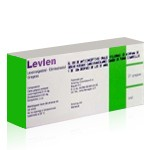
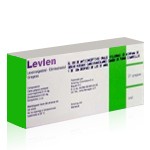
💊 Levlen (Levonorgestrel + Ethinyl Estradiol)
Levlen (Levonorgestrel 0.15mg + Ethinyl Estradiol 0.03mg) contains levonorgestrel - a well-established second-generation progestin with extensive safety data.
Characteristics of Levonorgestrel
- Second-generation progestin
- Most extensively studied progestin
- Lower VTE risk among combined pills
- Established safety record
- Slight androgenic activity
Advantages
- Long safety history
- Lower blood clot risk than newer progestins
- Effective contraception
- Cycle regulation
- Reduced menstrual pain
- Also used in emergency contraception (higher dose)

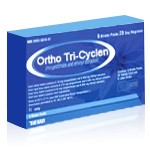
💊 Ortho Tri-Cyclen (Norgestimate + Ethinyl Estradiol)
Ortho Tri-Cyclen (Norgestimate + Ethinyl Estradiol) is a triphasic combined oral contraceptive where hormone doses vary in three phases through the cycle.
How Triphasic Pills Work
- Hormone doses change in three phases through cycle
- More closely mimic natural hormonal fluctuations
- May reduce breakthrough bleeding
- Different colored pills for each phase - order matters
Properties of Norgestimate
- Third-generation progestin
- Lower androgenic activity
- Metabolized to levonorgestrel
- May improve acne
- FDA-approved for acne treatment
Uses
- Pregnancy prevention
- Moderate acne treatment (approved indication)
- Cycle regulation
💊 Mircette (Desogestrel + Ethinyl Estradiol)
Mircette (Desogestrel 0.15mg + Ethinyl Estradiol 0.02mg) contains desogestrel - a third-generation progestin.
Properties of Desogestrel
- Third-generation progestin
- Very low androgenic activity
- May improve acne
- Available also in progestin-only pills
- Low estrogen dose (20mcg)
Third-generation progestin considerations:
- Slightly higher VTE risk than levonorgestrel
- Better lipid profile effects
- Lower androgenic side effects
- May be preferred for those with acne or hirsutism
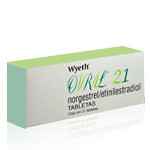
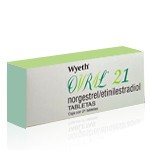
💊 Ovral G (Norgestrel + Ethinyl Estradiol)
Ovral G (Norgestrel + Ethinyl Estradiol 0.5mg/50mcg) is a higher-dose combined oral contraceptive containing older-generation progestin.
Characteristics
- First-generation progestin (norgestrel)
- Higher estrogen dose (50 mcg)
- Levonorgestrel is the active isomer of norgestrel
- Established formulation
Considerations
- Higher estrogen dose than modern low-dose pills
- May be needed for some medical situations
- Higher-dose pills reserved for specific indications
- Modern trend is toward lower estrogen doses

🎯 Non-Contraceptive Benefits
Beyond preventing pregnancy, combined oral contraceptives provide significant health benefits.
Established non-contraceptive benefits:
- Regular menstrual cycles - predictable periods
- Reduced menstrual bleeding - lighter periods
- Reduced menstrual cramps (dysmenorrhea)
- Reduced PMS symptoms
- PMDD treatment (Yasmin approved)
- Acne improvement (Ortho Tri-Cyclen, Yasmin)
- Hirsutism reduction
- Endometriosis symptom management
- PCOS treatment
- Reduced iron-deficiency anemia
- Ovarian cyst prevention
- Reduced ovarian cancer risk (up to 50 percent with long-term use)
- Reduced endometrial cancer risk (up to 50 percent)
- Reduced colorectal cancer risk
- Reduced benign breast disease
- Bone density preservation
- Migraine prevention (extended cycle use)
⚠ Side Effects and Risks
Common Side Effects
Common side effects (usually improve after 2-3 months):
- Nausea - especially early treatment
- Breast tenderness
- Headaches
- Mood changes
- Weight changes (usually minimal)
- Breakthrough bleeding (spotting between periods)
- Changes in libido
- Vaginal discharge changes
- Bloating
- Melasma (skin darkening)
Serious Risks
Serious potential risks:
- Venous thromboembolism (VTE) - blood clots in veins
- Pulmonary embolism - clot in lungs
- Deep vein thrombosis (DVT)
- Myocardial infarction (heart attack)
- Stroke
- Hypertension
- Gallbladder disease
- Liver adenomas (rare)
- Cervical cancer (slight increased risk with long-term use)
Absolute risks remain low for most healthy women. Risk factors include smoking, age over 35, hypertension, obesity, family history.
Warning Signs (Seek Emergency Care)
ACHES mnemonic:
- A - Abdominal pain (severe)
- C - Chest pain or shortness of breath
- H - Headache (severe or unusual)
- E - Eye problems (vision loss, blurring)
- S - Severe leg pain (calf, thigh)
🚫 Contraindications
Do NOT use combined oral contraceptives if you have:
- History of blood clots (DVT, PE)
- Known thrombophilia (clotting disorders)
- History of stroke or heart attack
- Age over 35 AND smoking (major risk combination)
- Uncontrolled hypertension
- Diabetes with vascular complications
- Migraine with aura
- Breast cancer (current or past)
- Estrogen-dependent tumors
- Liver disease or liver tumors
- Undiagnosed vaginal bleeding
- Pregnancy (known or suspected)
- First 21 days postpartum (VTE risk)
- Major surgery with prolonged immobilization
Use with Caution
- Obesity (BMI over 30)
- Age over 40
- Family history of VTE
- Migraines without aura
- Well-controlled hypertension
- Diabetes without complications
- Depression history
- Gallbladder disease
📅 How to Take Birth Control Pills
Starting Birth Control
- Day 1 start - first day of period; immediate protection
- Sunday start - first Sunday after period; use backup 7 days
- Quick start - start any day; use backup 7 days
Daily Use
- Take same time every day
- Set daily alarm
- Associate with routine (brushing teeth, meals)
- Continue through breakthrough bleeding
- Complete all pills in pack
Missed Pill Guidance
| Missed Doses | Action |
|---|---|
| 1 pill (less than 48 hours late) | Take as soon as remembered, continue schedule, no backup needed |
| 2 or more pills (over 48 hours late) | Take most recent missed pill, discard others, use backup 7 days |
| Missed in week 1 | Consider emergency contraception if unprotected sex in past 5 days |
| Missed in week 3 | Skip placebo week, start new pack immediately |
| Vomiting/severe diarrhea within 2 hours | Treat as missed pill |
💊 Drug Interactions
Medications that reduce contraceptive effectiveness:
- Rifampin - major reduction
- Anticonvulsants - phenytoin, carbamazepine, phenobarbital, topiramate
- HIV medications - some antiretrovirals
- Antifungals - griseofulvin
- St. Johns Wort (herbal)
- Modafinil
- Use backup contraception with these medications
Other Important Interactions
- Antibiotics - most do NOT reduce effectiveness (only rifampin proven)
- Anti-diabetic medications - may need dose adjustment
- Thyroid medications - may need dose changes
- Warfarin - affects INR
- Certain antidepressants - variable effects
- Yasmin + potassium-sparing drugs - hyperkalemia risk
Always inform healthcare providers about birth control use. Backup contraception recommended when starting potentially interacting medications.
👩 Special Considerations
Smoking
Smoking + birth control pills = DANGEROUS COMBINATION. Significantly increased cardiovascular risk. Combined pills contraindicated in women over 35 who smoke. Strong recommendation to quit smoking or switch to progestin-only or non-hormonal method.
Breastfeeding
- Combined pills may reduce milk supply
- Avoid first 6 weeks postpartum (VTE risk)
- Progestin-only pills preferred
- Non-hormonal methods excellent options
Perimenopause
- Can be safely used until menopause if no contraindications
- Helps manage perimenopausal symptoms
- Regular cardiovascular risk assessment
- Consider lower-dose pills
- Non-smokers only after age 35
After Stopping
- Fertility returns quickly - within 1-3 months typically
- No wait required to attempt pregnancy
- Menstrual cycles may take a few months to normalize
- Prenatal vitamins recommended
🤔 Common Myths About Birth Control Pills
- Myth: Birth control pills cause infertility
- Fact: Pills do NOT cause infertility. Fertility returns quickly after stopping. Millions of women conceive shortly after discontinuing pills.
- Myth: You need a break from pills every few years
- Fact: No medical reason for pill breaks. Pills can be safely used continuously for many years if no contraindications develop.
- Myth: Antibiotics reduce pill effectiveness
- Fact: Only rifampin proven to reduce effectiveness. Common antibiotics (amoxicillin, doxycycline, etc.) do NOT reduce effectiveness in modern low-dose pills.
- Myth: Pills cause significant weight gain
- Fact: Modern low-dose pills cause minimal weight change. Some women may retain water initially but significant weight gain is not typical.
- Myth: Missing periods means pregnancy
- Fact: Some women stop having periods on pills - this is safe and not pregnancy. Pregnancy testing appropriate if concerned or missed pills.
- Myth: Pills protect against STIs
- Fact: Birth control pills provide NO protection against sexually transmitted infections. Condoms still essential for STI prevention.
🚨 When to See a Doctor
EMERGENCY - Seek immediate care for:
- Severe chest pain or shortness of breath
- Sudden severe headache or vision changes
- Severe leg pain or swelling
- Numbness/weakness on one side of body
- Speech difficulty
- Severe abdominal pain
- Coughing up blood
- Fainting
See doctor promptly for:
- Persistent side effects
- Mood changes affecting daily life
- Persistent breakthrough bleeding
- Missed periods with correct pill use
- Suspected pregnancy
- Weight changes concerning you
- New or worsening headaches
- Blood pressure elevation
- Pregnancy planning
- Considering method change
Regular Care
- Annual gynecological examination
- Blood pressure checks
- Cervical cancer screening as recommended
- STI testing if sexually active
- Discuss any changes in health status
- Update medication list
🌟 Key Takeaways
Essential points about birth control pills:
- Over 99 percent effective with perfect use
- Prevent pregnancy through multiple mechanisms
- Combined pills contain estrogen and progestin
- Many formulations differ by progestin type
- Yasmin - anti-androgenic, for PMDD/acne
- Levlen - well-established, lower VTE risk
- Mircette - low estrogen, less androgenic
- Ortho Tri-Cyclen - triphasic, acne-approved
- Ovral G - higher-dose formulation
- Multiple health benefits beyond contraception
- Serious risks are rare in healthy women
- Smoking + pills over 35 = dangerous
- Watch for ACHES warning signs
- Fertility returns quickly after stopping
- No STI protection - use condoms too
- Regular gynecological care essential
- Most antibiotics do NOT reduce effectiveness
Important Medical Disclaimer: This educational guide provides general information about oral contraceptives and does not constitute individualized medical advice. Birth control pills require prescription and medical supervision. Selection depends on individual medical history, risk factors, other medications, and preferences. All combined oral contraceptives carry FDA warnings regarding cardiovascular events including venous thromboembolism, stroke, and myocardial infarction - risk significantly increased with smoking especially over age 35. Absolute contraindications include history of blood clots, stroke, heart attack, uncontrolled hypertension, migraine with aura, breast cancer, liver disease, and estrogen-dependent tumors. Serious warning signs (ACHES: severe abdominal pain, chest pain, headaches, eye problems, severe leg pain) require immediate medical evaluation. Different progestins have different risk profiles - drospirenone (Yasmin) associated with slightly higher VTE risk than levonorgestrel. Newer generations of progestins may have higher clot risk than older ones. Drug interactions important - rifampin, certain anticonvulsants, some HIV medications, St. Johns Wort reduce effectiveness. Most antibiotics do NOT affect effectiveness contrary to common belief. Birth control pills do NOT protect against sexually transmitted infections - condoms essential for STI prevention. Emergency contraception available separately if unprotected sex occurred. Regular gynecological care essential including blood pressure monitoring, breast examinations, cervical cancer screening, and STI testing when appropriate. Pregnancy planning discussions should occur before stopping - fertility returns quickly. Special populations including women over 35, smokers, obese women, and those with medical conditions require individualized approaches. Non-hormonal contraceptive options including copper IUD, barrier methods, and permanent methods available for those with contraindications to hormonal contraception. Information here should complement but never replace direct professional gynecological guidance from qualified healthcare providers.
More Birth Control Medications