Buy Robaxin (Methocarbamol 500mg) Online - Non Controlled Muscle Relaxant for Acute Spasms and Back Pain

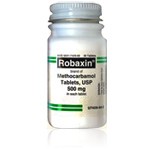
Robaxin (Methocarbamol 500mg) represents the non-controlled centrally-acting skeletal muscle relaxant for acute musculoskeletal pain — the medication providing rapid muscle spasm relief since AH Robins Laboratories (now part of Pfizer) received original FDA approval in 1957. Manufactured by Khandelwal Pharma India as bioequivalent generic, Robaxin offers safe acute pain relief without abuse potential — a critical distinction from other centrally-acting muscle relaxants like carisoprodol that are DEA-scheduled controlled substances. This makes methocarbamol particularly valuable for patients requiring effective muscle relaxation but concerned about dependence risks or those needing therapy in occupations with drug testing requirements.
Methocarbamol works through general central nervous system depression at the brainstem and spinal cord level rather than direct action on skeletal muscle or neuromuscular junction. The precise mechanism involves modification of central pain perception, reduced polysynaptic reflex activity in the spinal cord, and general CNS depressant effects that promote muscle relaxation without paralysis. Unlike carisoprodol which metabolizes to the controlled anxiolytic meprobamate, methocarbamol has no active metabolites with abuse potential — making it a substantially safer profile centrally-acting muscle relaxant. This produces reduced muscle spasm, relieved paralyzing pain syndrome, improved muscle tone regulation, and enhanced comfort during acute injury recovery. Clinical response: relief begins within 30 minutes, peak effect at 1-2 hours, and consistent pain reduction lasting 4-6 hours allowing patients to resume mobility during acute recovery.
Robaxin serves the full range of acute muscle spasm indications from various causes. Primary uses include pathologically elevated muscle tone, acute muscle spasms from any cause, multiple sclerosis spasticity as adjunct therapy, post-stroke muscle tension during rehabilitation, myelopathy and spondylosis with muscle guarding, arthrosis with painful muscle spasm around affected joints, post-orthopedic surgery muscle tension during recovery phase, and various vascular-related muscle conditions including atherosclerosis, diabetic angiopathy, thromboangiitis obliterans (Buergers disease), and Raynauds disease.
Robaxin requires 4 times daily dosing (typically 1500 mg QID initially, tapering to 750 mg QID maintenance) with total daily dose 4-4.5 g divided. Peak concentrations at 1-2 hours, 1-2 hour half-life requires frequent dosing. Khandelwal Pharma India manufactures under WHO-GMP standards.
Free prescription
Discrete packaging
Have questions?
Quality Assurance


- Muscle Pain Syndrome: Paralyzing pain from muscle spasm responding to central relaxation;
- Elevated Muscle Tone: Pathologically increased muscle tension from various neurologic causes;
- Non Controlled Muscle Relaxant: Effective muscle relaxation without abuse potential or DEA scheduling;
- Acute Back Pain: Sudden lower back pain from muscle strain responding to central muscle relaxation;
- Multiple Sclerosis Muscle Spasms: MS-related muscle tension as adjunct to primary spasticity therapy;
- Post Stroke Muscle Tension: Cerebral stroke rehabilitation with muscle guarding responding to therapy;
- Myelopathy: Spinal cord dysfunction with painful muscle spasm and guarding;
- Spondylosis: Degenerative spine changes with associated muscle spasm and pain;
- Arthrosis: Joint degeneration with protective muscle spasm around affected joints;
- Post Orthopedic Surgery Recovery: Muscle tension during post-surgical rehabilitation phase;
- Atherosclerosis Related Muscle Symptoms: Vascular disease with associated muscle discomfort;
- Diabetic Angiopathy: Diabetes-related vascular disease with muscle spasm component;
- Thromboangiitis Obliterans: Buergers disease with vascular muscle spasms;
- Raynauds Disease: Vasospastic disorder with associated muscle discomfort;
- Musculoskeletal Injuries: Acute muscle strains sprains and trauma-related pain;
- Post Injury Muscle Guarding: Protective muscle spasm around injured area responding to central relaxation;
- Physical Therapy Adjunct: Muscle relaxation enhancing physical therapy effectiveness;
- Occupational Safe Muscle Relaxant: Safe for patients in drug-tested occupations requiring muscle therapy;
- Generic Robaxin Therapy: Bioequivalent Indian generic alternative to brand-name Robaxin Pfizer at lower cost.
- Less Muscle Pain Syndrome: Paralyzing pain from muscle spasm decreases substantially with central action;
- Less Acute Back Pain: Lower back pain from muscle strain and injury improves with muscle relaxation;
- Better Muscle Tone Regulation: Pathologically elevated muscle tension normalizes to more functional levels;
- Better Safety Profile: No controlled substance status no abuse potential no dependence risk;
- Better Range of Motion: Joint mobility improves as muscle guarding around affected area decreases;
- Better Physical Therapy Effectiveness: Physical therapy sessions more productive with muscle relaxation adjunct;
- Better Injury Recovery: Reduced pain and muscle guarding accelerates natural healing processes;
- Better Post Stroke Rehabilitation: Stroke recovery improves as muscle tension no longer impairs rehabilitation;
- Better MS Adjunct Therapy: Multiple sclerosis patients gain adjunctive muscle relaxation benefit;
- Better Post Surgical Recovery: Orthopedic surgery patients experience reduced muscle guarding and faster recovery;
- Better Spondylosis Pain Relief: Degenerative spine muscle spasm improves substantially with therapy;
- Better Arthrosis Comfort: Joint degeneration muscle guarding decreases improving comfort and function;
- Better Sustained 4-6 Hour Relief: Consistent pain reduction between doses supporting stable daily function;
- Better Occupational Safety: Safe for patients in drug-tested occupations requiring effective muscle therapy;
- Better Long Term Safety: No dependence risk allows appropriate duration therapy without abuse concerns;
- Better Alternative to Controlled Substances: Non-scheduled option for patients avoiding DEA-controlled medications;
- Better Daily Function: Reduced pain enables resumption of walking sitting and daily activities;
- Better Generic Cost: 85-95% lower cost than brand Robaxin Pfizer makes proven muscle therapy accessible;
- Better Quality of Life: Daily wellbeing improves dramatically as muscle spasm resolves and function returns.
Generic Robaxin (Methocarbamol 500 mg) Medication guide:
🌐 Overview: Robaxin (methocarbamol) for acute muscle pain
Robaxin is a brand name for methocarbamol, a centrally acting skeletal muscle relaxant used for short-term relief of acute musculoskeletal pain and muscle spasm. Unlike baclofen (which treats chronic spasticity from neurological conditions), methocarbamol is used for acute injuries, strains, and sprains — typically for 2-3 weeks maximum alongside rest, physical therapy, and other adjunctive measures.
Methocarbamol works through general central nervous system depression rather than any specific receptor action. The exact mechanism is not fully understood, but the drug reduces the transmission of nerve impulses in the spinal cord and brain, producing muscle relaxation and sedation. It does not directly affect skeletal muscle fibers, nerve conduction, or motor endplates — the muscle relaxation is secondary to the CNS effect.
General CNS depressant; indirect muscle relaxation through reduced spinal reflex activity
2-3 weeks maximum; adjunct to rest and physical therapy for acute pain
500 mg and 750 mg tablets; IV/IM forms for inpatient severe spasm or tetanus
| 💊 Property | Methocarbamol |
|---|---|
| Chemical class | Carbamate derivative; centrally acting muscle relaxant |
| Available forms | Oral tablet 500 mg and 750 mg; injectable 100 mg/mL |
| Standard adult dose | 1500 mg four times daily initial; 4000-4500 mg daily maintenance |
| Daily maximum | Up to 8 g daily for first 48-72 hours in severe cases |
| Half-life | About 1-2 hours |
| Primary indications | Acute musculoskeletal pain and muscle spasm (short-term adjunct) |
| Treatment duration | 2-3 weeks maximum typically |
✅ Lower abuse potential than carisoprodol
Among centrally acting muscle relaxants, methocarbamol has a significantly lower abuse and dependence potential than carisoprodol. It is not a controlled substance in the United States. This profile makes methocarbamol a preferred choice over carisoprodol for most patients needing short-term muscle relaxant therapy, particularly those with any history of substance use concerns or those being managed in primary care.
⚠️ Short-term use is the rule
Methocarbamol is intended for acute conditions, not chronic pain. Studies show no evidence of continued benefit beyond 2-3 weeks for most musculoskeletal conditions. Prolonged use rarely helps and exposes patients to accumulated side effects. The expectation at prescription should be a clear end date, with reassessment and non-pharmacological approaches if symptoms persist.
💪 Acute musculoskeletal pain — what methocarbamol treats
Acute musculoskeletal pain is pain lasting less than 4-6 weeks arising from muscles, ligaments, tendons, joints, or supporting structures. Common causes include strains, sprains, overuse injuries, acute low back pain, neck pain, and whiplash. The pain is often accompanied by reflex muscle spasm — involuntary muscle tightening that itself contributes to the pain, creating a cycle where pain triggers spasm and spasm perpetuates pain.
Methocarbamol targets this pain-spasm cycle by reducing the central nervous system transmission that maintains the spasm. The result is reduced muscle tension, less reflex guarding, and typically improved tolerability of movement and physical therapy. The drug itself does not treat the underlying injury — healing happens through time, rest, and rehabilitation — but it reduces one source of ongoing pain during that healing window.
- Acute low back pain with muscle spasm
- Acute neck pain and whiplash
- Muscle strain from overuse or injury
- Trauma-related muscle spasm
- Post-surgical muscle spasm
- Tetanus (adjunct, injectable form)
- Chronic back pain (over 3 months)
- Fibromyalgia
- Spasticity from stroke, MS, SCI (use baclofen)
- Headache or migraine
- Opioid alternative for severe pain
- Routine pre-exercise prophylaxis
| 🤔 Clinical scenario | Methocarbamol role |
|---|---|
| Acute low back strain, muscle in spasm | Reasonable short-term adjunct; 1-2 weeks |
| Whiplash with cervical spasm | Short-term symptom relief; combine with physical therapy |
| Chronic back pain, no clear injury | Not appropriate; use multidisciplinary approach |
| Fibromyalgia | Not indicated; different treatment class needed |
| MS spasticity | Wrong drug class; use baclofen or tizanidine |
| Post-operative muscle spasm | Short-term use acceptable; often injectable in hospital |
💡 Combining with other acute pain approaches
Methocarbamol is one component of acute pain management, not a standalone treatment. The most effective approach combines: short-term NSAIDs (ibuprofen, naproxen) for inflammation and analgesia; acetaminophen for additional analgesia; methocarbamol for muscle spasm component; heat or cold therapy as appropriate; gentle movement and physical therapy as tolerated. This multimodal approach typically works better than any single intervention at higher doses.
📋 When Robaxin is prescribed — candidates and criteria
Methocarbamol is prescribed for time-limited symptomatic relief during the acute phase of a musculoskeletal injury or condition. The decision to prescribe considers symptom severity, functional impact, whether muscle spasm is a prominent component, patient medication history, and risk factors that might favor alternatives.
| 🎯 Scenario | Is methocarbamol appropriate? |
|---|---|
| Acute strain with clear muscle spasm | Good candidate for 1-2 weeks |
| Acute back pain, severe | Short-term adjunct to NSAIDs; up to 3 weeks |
| Patient already using multiple sedating drugs | Caution; prefer non-sedating approaches first |
| Older adult (over 65) with falls risk | Low dose only; prefer alternatives when possible |
| Myasthenia gravis | Contraindicated |
| Patient on anticholinesterase (pyridostigmine) | Avoid; methocarbamol antagonizes cholinesterase effect |
| Previously used carisoprodol with concerns | Methocarbamol is often preferred alternative (less abuse potential) |
📋 Pre-start checklist
- Clear acute condition with time-limited treatment goal
- Muscle spasm component contributing to the symptoms
- Treatment plan including rest, physical therapy, graduated return to activity
- Realistic duration (2-3 weeks typically, not open-ended)
- No myasthenia gravis or pyridostigmine use
- No hepatic or renal failure requiring dose adjustment
- Not pregnant (prefer other options; discuss if needed)
- Medication list reviewed for sedating drugs
- Patient awareness of sedation and driving precaution
The decision to add a muscle relaxant to acute pain management is more selective than it once was. Current guidelines emphasize short-term use when muscle spasm is a prominent component, with NSAIDs and acetaminophen as the primary analgesic approach. Methocarbamol adds value when sleep is disrupted by spasm, when movement is severely limited by spasm, or when the pain-spasm cycle is clearly driving ongoing symptoms. For milder acute pain without significant spasm component, non-opioid analgesics alone often suffice.
👩⚕️ Doctor pearl — Dr. Fernando Rojas
"When I prescribe methocarbamol for acute back pain, I write it with a specific end date on the label — something like 'take as directed for 14 days'. This signals the patient that this is time-limited treatment, not an open-ended prescription. The follow-up visit reassesses pain, movement, and function; if symptoms have resolved, we stop; if they persist, we reconsider the whole plan rather than continuing the muscle relaxant indefinitely."
🧬 How Robaxin works: central nervous system depression
Methocarbamol mechanism is not fully understood at the molecular level, which is unusual for a widely used medication. What is clear: the drug produces its muscle-relaxant effect through general central nervous system depression rather than any specific receptor interaction, enzyme inhibition, or ion channel modulation. This non-specific CNS depressant action accounts for both the therapeutic effect and the main side-effect profile.
Reduces neural transmission in the spinal cord and brain through non-specific mechanism; dampens polysynaptic reflex pathways involved in muscle spasm.
Reduces reflex-mediated muscle contractions; interrupts the pain-spasm cycle by lowering the sensitivity of spinal reflex arcs.
No direct action on skeletal muscle fibers, neuromuscular junction, or motor nerve. Muscle relaxation is secondary to reduced central drive.
Produces sedation, drowsiness, dizziness, cognitive dulling — the main side-effect profile reflects CNS depression beyond the spinal cord target.
Because the mechanism is non-specific, methocarbamol does not treat the underlying cause of muscle spasm. It reduces the symptom while the body addresses whatever triggered the spasm — the strain, the inflammation, the injury. This is why methocarbamol works best as an adjunct to definitive treatment (rest, physical therapy, NSAIDs for inflammation) rather than as sole therapy.
| 🎯 Effect | Mechanism | Clinical result |
|---|---|---|
| Reduced muscle spasm | Spinal reflex damping | Primary therapeutic benefit |
| Sedation / drowsiness | Brain CNS depression | Most common side effect; dose-dependent |
| Dizziness | Mixed CNS and vascular effects | Common; especially on standing |
| Pyridostigmine antagonism | Interferes with cholinesterase inhibitor action | Contraindication in myasthenia gravis |
| Discolored urine | Metabolite pigmentation | Harmless but can alarm patients |
💡 Why divided dosing (4 times daily)
Methocarbamol has a short half-life of about 1-2 hours. Plasma levels fall quickly between doses. Dividing the daily total into 4 doses keeps levels more stable through the day. A single large dose would produce a sharp sedation peak followed by return of spasm; the four-dose schedule maintains steadier effect. This also means the drug clears quickly — the last dose at bedtime does not leave significant residual effect by the following afternoon.
Methocarbamol is metabolized by the liver (through dealkylation and hydroxylation) and eliminated through the kidneys as inactive metabolites. Patients with significant hepatic or renal impairment may need dose reduction, though the short half-life and quick clearance mean accumulation is less of a concern than with longer-acting muscle relaxants.
💊 Dosing: initial loading, maintenance, and taper
Standard methocarbamol dosing is 1500 mg four times daily for the first 48-72 hours, then reduced to a maintenance dose of about 4000-4500 mg daily divided across 3-4 doses. For severe cases, dosing can reach 8 g daily (6000-8000 mg) for the initial 48-72 hours, but should be reduced promptly to the standard range.
| 💊 Daily total | Divided schedule | Typical use |
|---|---|---|
| 6000 mg / day (first 48-72 h) | 1500 mg four times daily (three 500 mg tablets per dose) | Initial loading for severe spasm |
| Up to 8000 mg / day (severe only) | 2000 mg four times daily | Severe spasm; first 48-72 h only; reduce promptly |
| 4000-4500 mg / day | 1000-1500 mg three to four times daily | Standard maintenance after initial loading |
| 3000 mg / day | 750 mg four times daily OR 1000 mg three times daily | Lower-dose maintenance for sensitive patients |
| 2000-2250 mg / day | 500-750 mg three to four times daily | Older adults; initial starting dose for sensitive patients |
🕐 Dose timing matters
The 3-4 daily doses should be spaced evenly through the waking hours. A common pattern is morning, midday, late afternoon, and bedtime. If spasms are worse at night, the last dose at bedtime helps overnight comfort. If sedation is interfering with daytime function, slightly smaller morning doses and larger evening/bedtime doses can keep daytime alertness while maintaining the overall effect.
⚠️ Taper schedule for stopping
Methocarbamol does not cause the severe withdrawal syndrome that baclofen can, so abrupt discontinuation is generally safe. However, for patients who have been on higher doses for several weeks, a brief taper (reducing dose over 2-3 days) is often more comfortable and prevents the rebound muscle spasm that some patients experience when stopping suddenly. The short half-life means any taper period is also short.
🚨 Injectable form is for inpatient use
The injectable methocarbamol (IV or IM) is used in hospital settings for severe muscle spasm when oral administration is not possible or when faster onset is needed. The IV route requires slow administration (over 5 minutes minimum) to avoid hypotension, bradycardia, and seizures. Extravasation can cause tissue damage. The injectable form is also used adjunctively in tetanus alongside wound care, antitoxin, and antibiotics. This is a specialist-administered route, not for outpatient use.
Dose adjustment in special populations: Patients with significant renal impairment may need dose reduction because of accumulation of inactive metabolites. Patients with hepatic impairment may need reduction because of altered metabolism. Older adults benefit from starting at lower doses (750 mg three times daily or 500 mg four times daily) because of increased sensitivity to sedation and falls risk. Pediatric use is limited to tetanus in the injectable form; oral methocarbamol is not routinely used in children under 16.
⚠️ Missed dose guidance
If you forget a dose, take it as soon as you remember if it is still close to the scheduled time. If the next scheduled dose is already approaching, skip the missed dose and take the next one at its usual time. Do not double up to catch up — the short half-life means a missed dose has limited impact, and doubling produces excessive sedation. The 4-times-daily schedule is easy to maintain with phone reminders and linking to meals.
📅 Timeline: when to expect Robaxin benefit
Unlike long-acting preventives that take weeks to work, methocarbamol produces effect within hours and reaches peak plasma level in about 2 hours after an oral dose. The muscle-relaxant effect typically appears within 30-60 minutes of the first dose and becomes more consistent after the first 24-48 hours of regular dosing. Full clinical benefit for an acute musculoskeletal condition is usually apparent by day 3-5 of treatment.
📈 Expected timeline from first dose to full effect
The short treatment horizon is intentional. Methocarbamol is not designed for extended use; studies do not show additional benefit beyond 2-3 weeks for most musculoskeletal conditions. The natural history of acute musculoskeletal pain is improvement over 2-6 weeks with appropriate rest, movement, and physical therapy. Continuing the muscle relaxant past the acute window usually represents a drug-dependent pattern rather than ongoing therapeutic benefit.
| 📅 Time point | What to assess | Decision point |
|---|---|---|
| Day 2-3 | Tolerability; sedation level; initial relief | Reduce dose from loading to maintenance |
| Day 5-7 | Overall symptom improvement; functional recovery | Continue if clear benefit; switch approach if no response |
| Week 2 | Pain severity; movement restoration | Reassess need; often ready to taper |
| Week 3 | Residual symptoms; physical therapy progress | Stop in most cases; reconsider diagnosis if ongoing |
| Beyond 3 weeks | Why is this still needed? | Switch approach entirely; chronic pain management |
📈 What success looks like
- Reduced muscle tightness and spasm within 1-2 days
- Improved sleep without being woken by spasm
- Better tolerance of movement and gentle stretching
- Easier physical therapy participation
- Reduced analgesic requirement for breakthrough pain
- Steady improvement toward resuming normal activity
- Side effects manageable — drowsiness tolerable; no severe dizziness
⚠️ Lack of response at week 1
If methocarbamol produces minimal benefit after 5-7 days of appropriate dosing, the diagnosis or treatment plan likely needs reconsideration. Switching to another muscle relaxant (cyclobenzaprine, tizanidine) is one option but often does not add much; the better move is usually reassessment of the underlying condition, imaging if appropriate, physical therapy referral, and a multimodal approach to the pain. Prolonging methocarbamol without clear benefit wastes time and exposes the patient to side effects without therapeutic gain.
📊 Measuring success: function and pain reduction
Measuring whether methocarbamol is working for acute musculoskeletal pain uses functional outcomes more than formal pain scales alone. The therapeutic goal is restoration of comfortable movement and progress toward normal activity rather than complete elimination of symptoms. Short-term treatment with clear end points works better than open-ended symptomatic management.
- Numeric pain rating (0-10 scale)
- Oswestry Disability Index (for back pain)
- Neck Disability Index (for cervical conditions)
- Range of motion assessment
- Palpable muscle tension
- Able to sleep through night
- Able to perform activities of daily living
- Return to work (modified or full)
- Walking distance
- Ability to drive
- Physical therapy exercise tolerance
| 📊 What to track | How to track |
|---|---|
| Pain level | Daily 0-10 rating; morning and evening averages |
| Sleep quality | Hours slept; wakings from spasm; morning rest quality |
| Movement restriction | Which activities are limited; specific range losses |
| Analgesic use | Doses of NSAIDs or acetaminophen needed daily |
| Side effects | Daily brief check: drowsiness, dizziness, nausea |
| Function restoration | Specific functional milestones (dressing, walking, work) |
📓 Simple diary approach
A brief daily note that takes less than a minute:
Date: Nov 14
Robaxin dose today: 1500 mg x 3 (midday after loading phase)
Pain level: 4/10 (down from 7/10 at start)
Sleep: slept 6.5 h; 1 waking from spasm
Function: walked 10 min; drove to appointment
Side effects: mild drowsiness after midday dose
Notes: continuing PT; started gentle stretching
For acute musculoskeletal pain, the goal is improvement toward normal, not perfection. A patient who dropped from 8/10 pain to 3/10 pain with restored sleep and ability to walk around the house is clearly benefiting even if some symptoms remain. The physical healing continues after methocarbamol stops; the drug accelerates comfort during the acute window but is not the main driver of recovery.
⚠️ Watch for drug-dependent improvement pattern
A patient whose symptoms clearly return when methocarbamol is stopped at week 2 may have an underlying condition that is not resolving rather than a straightforward acute injury. Rather than continuing methocarbamol indefinitely, this pattern warrants reconsideration of the diagnosis, imaging if not already done, physical therapy evaluation, and consideration of chronic pain management approaches. Methocarbamol is not a chronic treatment and masking persistent symptoms with it delays appropriate care.
👩⚕️ Doctor pearl — Dr. Mia Jansen
"When patients ask whether Robaxin is working, I ask them what they could not do a week ago that they can do now. 'I slept through the night three times this week' or 'I could put on my shoes without help today' tells me more than a pain rating. The functional story is where real recovery shows up. Patients who orient toward function improve faster than those who focus only on symptom intensity."
💉 Injectable methocarbamol — hospital-only form
Methocarbamol has an injectable formulation (100 mg/mL) used in hospital or clinic settings for severe acute muscle spasm when oral therapy is not possible or when faster onset is needed. The injectable route is also a key adjunct in tetanus management alongside wound care, tetanus immunoglobulin, antibiotics, and supportive care. This formulation is specialist-administered, not for outpatient self-use.
- Standard outpatient route
- 500 mg or 750 mg tablets
- Onset 30-60 minutes
- 4 times daily dosing
- Self-administered at home
- Lower cost
- Hospital, ED, or clinic use
- IV or IM administration
- Rapid onset
- Used when oral not possible
- Tetanus adjunct therapy
- Specialist administration required
| 🎯 When injectable is considered | Clinical setting |
|---|---|
| Severe acute spasm, patient cannot swallow | Emergency department; usually IV |
| Post-operative severe spasm | Inpatient surgical unit |
| Tetanus (adjunctive) | Hospital tetanus care; alongside immunoglobulin |
| Severe acute injury in ED | Emergency department; usually IM dose then oral |
| Routine outpatient acute pain | Not appropriate; use oral form |
🚨 Injectable administration cautions
IV methocarbamol must be given slowly (over at least 5 minutes) to avoid hypotension, bradycardia, and seizures from rapid injection. Extravasation into tissues can cause thrombophlebitis and sloughing. The injectable solution should not be given subcutaneously. The patient should remain supine during and shortly after administration to reduce hypotension risk. These precautions make the injectable form a clinical-setting intervention requiring trained personnel and monitoring.
🏥 Tetanus adjunct
In tetanus, the characteristic severe muscle spasms are often difficult to control. Injectable methocarbamol is used alongside benzodiazepines (diazepam, lorazepam) for primary spasm control, neuromuscular blockade if needed, and supportive care. Methocarbamol is not sufficient alone for severe tetanus but contributes to the multi-drug approach. Modern tetanus treatment focuses primarily on benzodiazepines; methocarbamol is a historical and sometimes-used adjunct.
For most patients needing methocarbamol, the oral tablet is the only form used. The injectable form is reserved for specific clinical scenarios in supervised settings. Patients should not expect to encounter the injectable form in routine outpatient care; if the clinical situation requires IV muscle relaxant, management is typically happening in a hospital or urgent-care setting with the appropriate monitoring in place.
👩⚕️ Doctor pearl — Dr. Daniel O Connor
"In the ED, I occasionally use IM methocarbamol for a patient with severe acute spasm who cannot keep down oral medications. The IM route gives faster relief than oral; the patient can then transition to oral once they are more comfortable. I always administer with the patient supine and monitor BP for the first 15-30 minutes. For most ED patients with acute musculoskeletal pain, oral methocarbamol with an NSAID is adequate; the injectable form is a specific tool for a narrow set of situations."
🕐 Daily routine during the short treatment window
Daily life on methocarbamol during the short treatment window involves planning around the 4-times-daily schedule and the predictable sedation that comes with each dose. Because the treatment duration is typically 2-3 weeks, the routine does not need to become a permanent habit — just a workable pattern that gets the patient through the acute phase while supporting rest and recovery.
🕐 A typical daily schedule
| 🎯 Pattern consideration | Approach |
|---|---|
| Morning stiffness worst | Take first dose with first fluids; allow 30-60 min before activity |
| Nighttime spasms disrupt sleep | Bedtime dose; sometimes slightly larger evening dose |
| PT session scheduled | Time dose 60-90 min before so muscles are more relaxed during session |
| Need to drive to appointment | Delay dose until after drive if possible; or arrange ride |
| Working from home | Standard schedule fine; sedation less problematic |
| Social event | Keep usual schedule; no alcohol; be aware of sedation |
📱 Reminder systems that work
- Phone alarms for each dose — 4 recurring alarms
- Pill organizer — weekly box with 4 compartments per day
- Linking to meals and bedtime — cue-based rather than clock-based
- Written medication card in wallet for visits and emergencies
- Short treatment duration makes compliance easier than chronic therapy
⚠️ Food timing is flexible
Methocarbamol can be taken with or without food. Taking with meals reduces nausea some patients experience and provides natural dose-timing cues. Taking on an empty stomach produces slightly faster absorption. Neither approach is wrong; patients should pick what works for their routine and stick with it. Consistency matters more than the specific choice.
The cumulative benefit of good daily habits matters even for a 2-3 week treatment course. Patients who sleep well, maintain gentle movement, do their physical therapy exercises, use heat or ice appropriately, and avoid activities that aggravate the injury recover faster than those who rely on the medication alone. The drug is one component of recovery, not the whole thing.
🚶 Physical therapy integration — Robaxin plus movement
Methocarbamol works best in combination with physical therapy and gentle movement, not instead of them. The drug reduces the muscle spasm that would otherwise prevent effective exercise; physical therapy then uses the reduced-spasm window to restore range of motion, address underlying weakness or imbalance, and prevent recurrence of the injury. Patients who combine both approaches typically recover faster and more completely than those using medication alone.
Daily walking and gentle activity; prevents stiffness and deconditioning
PT-guided stretches once the acute spasm has settled; usually day 3-7
Progressive strengthening as pain allows; prevents reinjury
| 🏃 Recovery stage | PT priorities |
|---|---|
| Day 1-3 (acute) | Pain control, rest, ice or heat as appropriate, gentle positioning |
| Day 3-7 (subacute) | Gentle active movement, light stretching, walking as tolerated |
| Week 2 | Progressive range of motion exercises, light strengthening |
| Week 3-4 | Return to normal activity, strengthening, injury-prevention focus |
| Beyond week 4 | Full return to activities; address underlying biomechanics |
🕐 Timing Robaxin around PT sessions
For patients attending physical therapy sessions, timing a dose 60-90 minutes before the session often works well — the Robaxin peak coincides with the start of PT, so the therapist can work with reduced muscle spasm. Patients should discuss timing with both the prescriber and the PT; sometimes the ideal pattern is slightly different from the standard dose schedule.
⚠️ Rest is not bed rest
For most acute musculoskeletal injuries, prolonged bed rest is harmful, not helpful. Beyond the first 24-48 hours, patients should stay as active as tolerated — walking, gentle movement, returning to normal activities modified around the injury. Prolonged inactivity leads to deconditioning, stiffness, mood problems, and slower recovery. The rule is "active rest" — avoiding activities that clearly aggravate the injury while continuing everything else possible.
The most effective recovery combines methocarbamol for symptom relief, NSAIDs for inflammation and pain, physical therapy for restoration of function, home exercise program between PT sessions, and attention to activities that triggered or aggravated the injury. Each component contributes; methocarbamol alone is rarely sufficient and often continues longer than needed when used as the only approach.
✅ When to see a physical therapist
Not every acute musculoskeletal injury needs formal PT. Clear PT referral indications: pain persisting past 1-2 weeks despite medication; significant range of motion loss; recurrent injury pattern; occupational demands requiring strength or endurance restoration; patient preference for guided rehabilitation; underlying biomechanical issues suspected. For mild acute strains that resolve on their own in 1-2 weeks, formal PT is often not needed.
🌡️ Lifestyle factors supporting recovery
Several lifestyle factors influence recovery from acute musculoskeletal injuries and the effectiveness of methocarbamol treatment. Managing these factors deliberately during the 2-3 week treatment window often accelerates recovery and reduces the chance of transitioning from acute to chronic pain. The factors that matter most: sleep, movement, posture, stress, and avoidance of injury triggers.
🌡️ Factors that influence recovery
| 🎯 Factor | What helps during recovery |
|---|---|
| Sleep | 7-9 hours; comfortable positioning; bedtime methocarbamol dose |
| Movement | Gentle walking daily; graduated activity; avoid total rest |
| Posture | Supportive seating; proper lifting mechanics; ergonomic workspace |
| Heat vs cold | Ice first 48 h for acute injury; heat afterward for persistent spasm |
| Stress | Relaxation techniques; sleep hygiene; realistic activity goals |
| Trigger avoidance | Modify or stop activities that caused the injury; proper form training |
| Alcohol | Avoid during treatment (sedation stacking plus slower healing) |
| Smoking | Slows tissue healing; reducing or quitting improves recovery |
💡 Heat vs cold timing
For fresh injuries (first 48 hours): ice reduces inflammation and acute swelling. For persistent muscle spasm beyond 48 hours: heat often relaxes muscles and improves blood flow. Many patients find alternating heat and cold useful. The 20-minute rule applies to both — apply for 20 minutes, remove for 20 minutes, to avoid skin damage. Avoid direct ice on skin; use a cloth barrier. Avoid heat on fresh injuries or on areas with reduced sensation.
Attention to these factors complements methocarbamol rather than replacing it. A patient with well-managed sleep, appropriate activity, good posture, and avoidance of re-injury triggers typically recovers faster at a lower drug dose than one at a higher dose but with unaddressed lifestyle factors. The combined approach also reduces the chance of acute pain becoming chronic.
💧 Hydration during recovery
Adequate hydration supports several aspects of recovery from acute musculoskeletal injury. It maintains muscle flexibility, supports tissue healing, helps methocarbamol clear through the kidneys appropriately, and prevents constipation that can be worsened by reduced activity. Dehydration can worsen muscle cramping and interfere with recovery.
About 2-2.5 L daily; adjust for activity, climate, and body size
Spread intake throughout day; avoid large volumes at once
Soups, fruits, vegetables contribute 20-30% of daily fluid intake
| 🚰 Scenario | Approach |
|---|---|
| Reduced activity during acute injury | Steady intake still important; prevents constipation and supports healing |
| Hot weather or environment | Add 500 mL per hour of activity in heat |
| Physical therapy day | Extra hydration before, during, and after session |
| NSAIDs also prescribed | Adequate fluid intake supports kidney function |
| Discolored urine from methocarbamol | Normal; maintain usual intake |
🔵 Hydration and muscle cramping
Dehydration can worsen muscle cramping independently of any underlying injury. For patients where cramping is a prominent feature of their acute symptoms, maintaining strong hydration is important. Electrolyte balance also matters — magnesium, potassium, and calcium all contribute to normal muscle function. Most patients get adequate electrolytes from a balanced diet without needing supplements.
⚠️ Discolored urine from methocarbamol
Methocarbamol can cause dark, brown, green, or blue urine color through its metabolite pigmentation. This is harmless but can alarm patients who are not warned about it in advance. The discoloration appears within hours of starting the drug and resolves within 1-2 days after stopping. Hydration status does not affect the color change; it is a direct effect of the drug metabolite in urine. Any new darker urine during methocarbamol use is almost certainly this effect rather than a sign of problems.
For patients taking NSAIDs alongside methocarbamol (a very common combination for acute pain), adequate hydration is especially important because NSAIDs can affect kidney function. Maintaining 2-2.5 L of fluid daily supports both drugs clearing appropriately and reduces the small risk of NSAID-related kidney effects. This is relevant mainly for older adults, patients with pre-existing kidney disease, or during prolonged NSAID use.
🥬 Nutrition during acute recovery
Nutrition during an acute musculoskeletal injury supports tissue healing and general recovery. There is no specific "injury diet" but attention to overall nutritional quality during the recovery window helps the body do its repair work. The focus is adequate protein, anti-inflammatory nutrients, and overall balanced intake rather than restrictive dieting.
- Protein 1.2-1.6 g/kg daily (supports tissue repair)
- Vitamin C for collagen synthesis
- Vitamin D and calcium for bone and muscle health
- Omega-3 fats have anti-inflammatory properties
- Antioxidant-rich foods (berries, leafy greens)
- Fluids adequate for recovery and medication clearance
- Regular meals aligned with Robaxin dosing
- Smaller frequent meals if nausea is an issue
- Fiber for constipation prevention (reduced activity)
- Easy-to-prepare meals during limited mobility
- Avoid heavy meals right before PT or activity
| 🤔 Specific concern | Dietary approach |
|---|---|
| Reduced activity, risk of weight gain | Slightly reduced calorie intake; preserve protein; avoid snacking from boredom |
| Constipation from inactivity + Robaxin | Fiber (25-30 g/day); adequate fluids; prune juice; brief walks |
| Nausea from Robaxin | Take with meals; small frequent meals; ginger tea; avoid heavy meals |
| Difficulty cooking during injury | Prepared meals; family help; nutritionally adequate shortcuts |
| Alcohol habit during recovery | Pause during treatment; alcohol worsens healing and interacts with Robaxin |
💚 Anti-inflammatory eating pattern
For acute injuries, an anti-inflammatory eating pattern complements NSAID therapy and may support faster recovery. Features: fatty fish 2-3 times weekly (omega-3s), colorful fruits and vegetables, nuts and seeds, olive oil as main cooking fat, whole grains over refined carbohydrates, limited added sugar, limited ultra-processed foods. This is not a strict diet — just a shift in emphasis toward foods that support healing versus those that promote inflammation.
⚠️ Alcohol and tissue healing
Beyond the sedation interaction, alcohol itself slows tissue healing. It affects collagen synthesis, protein metabolism, and immune function. For a short recovery window of 2-3 weeks, abstaining from alcohol produces measurably faster healing in addition to avoiding the Robaxin interaction. This temporary abstinence is one of the easier lifestyle adjustments to make during a defined treatment period.
Weight management during recovery gets some attention from patients worried about reduced activity. For a 2-3 week period of limited activity, meaningful weight gain is uncommon unless intake increases significantly. Maintaining usual eating patterns while reducing portion sizes slightly (to match the lower activity level) is enough for most patients. Dramatic dieting during an acute injury is counterproductive — the body needs adequate nutrition for repair.
🤝 Household communication during recovery
Acute musculoskeletal injuries often need temporary household adjustments. Patients recovering from acute back pain, neck pain, or significant muscle injuries may need help with normal household tasks, driving, child care, or other responsibilities for the first 1-2 weeks. Clear communication with family and household members about limitations and needs smooths the recovery period.
🤝 Core messages to share with household
- This is a time-limited recovery — usually 2-3 weeks
- Robaxin causes drowsiness — patient may need more rest
- No driving for the first few days or whenever drowsy
- Specific tasks that will need help (lifting, driving kids, housework)
- Movement is good — patient should not become bedbound
- No alcohol during treatment
- Watch for warning signs — worsening pain, numbness, weakness
| 🏠 Scenario | Household communication |
|---|---|
| Driving to appointments | Family member drives; or ride share; or delay dose if driving necessary |
| Lifting young children | Partner or family handles for 1-2 weeks; teach proper mechanics for return |
| Housework and shopping | Division of tasks temporarily shifts; grocery delivery if useful |
| Work from home vs sick leave | Discuss with employer; work from home often works well during Robaxin |
| Social events | Attend if feasible; no alcohol; manage drowsiness; may need early departure |
| Pain worsening despite medication | Family should know when to contact prescriber on patient behalf |
🚨 Warning signs family should know
- New or worsening neurological symptoms — numbness, weakness, loss of bladder/bowel control (urgent)
- Severe pain not responding to medication
- Fever with back pain — possible infection
- Signs of allergic reaction — rash, swelling, breathing difficulty
- Extreme sedation — difficulty rousing patient
- Confusion or hallucinations
Any of these warrant immediate medical attention.
✅ Workplace accommodations for short-term injury
For patients with workplace injuries or those unable to work during recovery, reasonable short-term accommodations often help: modified duties, work from home, reduced hours, ergonomic adjustments, breaks for stretching. A doctor note documenting the injury and expected recovery timeframe supports these requests. For 2-3 week recoveries, these accommodations are usually straightforward and resolve on their own as the patient returns to full activity.
The emotional impact of acute injury on patients and families is often underappreciated. Being suddenly limited by pain, dependent on others, unable to work or participate normally in family life can produce significant frustration, anxiety, and sometimes depression — especially for active patients or those whose identity revolves around physical activity. Acknowledging these emotional responses and maintaining connection despite physical limitations helps the overall recovery.
🧠 Mental health during acute recovery
Acute injury and short-term medication use are not typically associated with major mental health concerns, but patients can experience frustration, anxiety, and sometimes mood changes during recovery. For patients with pre-existing anxiety or depression, the stress of injury and limited function can temporarily worsen these conditions. Attention to mental well-being during the short recovery window supports overall healing.
- Frustration with activity limitations
- Anxiety about recovery timeline
- Worry about work or financial impact
- Dependency feelings (needing help)
- Sleep disruption from pain or spasm
- Reduced social contact
- Fear of re-injury
- Clear recovery timeline (2-3 weeks)
- Maintained social connection even with limitations
- Light activities within capability
- Realistic daily goals
- Honest communication with family
- Relaxation techniques for pain management
- Mindfulness practices
- Mental health support if underlying issues
Methocarbamol itself has sedating effects that can temporarily affect mood and energy. Patients may feel more fatigued, less motivated, or emotionally flatter during the treatment period. These effects resolve when the drug is stopped. Distinguishing between drug-related sedation and depression matters for ongoing care decisions.
| 🧠 Approach | What it addresses |
|---|---|
| Realistic expectation setting | Reduces anxiety about recovery timeline |
| Maintained connection with others | Prevents isolation; supports mood during limited activity |
| Gentle activity within limits | Produces endorphins; counteracts deconditioning |
| Mindfulness or relaxation | Reduces pain-related anxiety; improves sleep |
| Short-term CBT if available | Helpful if anxiety or catastrophic thinking emerges |
| Mental health specialist if preexisting condition | Continue usual mental health care during recovery |
⚠️ Pain catastrophizing and chronic pain risk
Pain catastrophizing — expecting the worst outcomes, feeling helpless about pain, excessive worry about pain — is a known risk factor for transition from acute to chronic pain. Patients with high catastrophizing scores recover more slowly and have higher chronic pain rates. Addressing these thought patterns during the acute recovery window with simple cognitive techniques, education about expected recovery, and realistic reassurance improves outcomes.
📖 Interactions with mental health medications
Methocarbamol is generally compatible with mental health medications. The main consideration is enhanced sedation when combined with sedating antidepressants (mirtazapine, trazodone), benzodiazepines, or antipsychotics. SSRIs (sertraline, escitalopram) have minimal interaction. Patients continuing their regular mental health medications during Robaxin treatment usually need no changes, just awareness of the additive sedation potential.
🏃 Movement and activity during recovery
Appropriate movement during acute recovery from musculoskeletal injury is beneficial, not harmful. The old recommendation of prolonged bed rest for back pain has been replaced by early return to gentle activity, which produces faster recovery and lower rates of transition to chronic pain. Methocarbamol reduces muscle spasm enough to allow this gentle movement; the movement itself drives recovery.
Start day 1-2 at tolerance; progress gradually; the most useful recovery activity
Water buoyancy reduces load; excellent for recovery once PT clears
PT-guided stretches from day 3-5; avoid stretching through sharp pain
| 🏃 Recovery stage | Appropriate activity level |
|---|---|
| Day 1-2 (acute) | Rest with brief gentle movement; avoid prolonged bed rest |
| Day 3-5 | Walking as tolerated; gentle PT-guided stretches; normal daily activities modified |
| Week 2 | Progressive activity return; longer walks; light strengthening if PT allows |
| Week 3-4 | Return to most activities; strengthening work; prevention focus |
| Beyond week 4 | Full return to activities including exercise; address underlying biomechanics |
🕐 Timing activity around Robaxin doses
The best time for purposeful activity or physical therapy is often 60-90 minutes after a Robaxin dose when the muscle-relaxant effect is peaking but sedation has not become severe. Avoid demanding physical activities immediately after a dose when peak sedation can cause unsteadiness. Also avoid activities during the pre-dose window when the previous dose has worn off and muscle spasm may be returning.
⚠️ Pain vs harm distinction
An important concept during acute recovery: pain does not always mean harm. Moving a healing muscle produces some discomfort without causing damage. The guideline: mild to moderate pain during gentle activity is acceptable; sharp or severe pain means stop. Returning to normal activity requires accepting some discomfort during the healing phase. Patients who avoid all movement because of mild discomfort recover more slowly and are more likely to develop chronic pain.
For safety during activity on methocarbamol, patients should: avoid activities requiring high alertness during peak sedation (first 2 hours after dose), have assistance available for activities with fall risk, stop if unusual symptoms develop, stay well hydrated, and progress gradually rather than suddenly returning to full previous activity. The activity should feel supportive of recovery, not punishing.
👩⚕️ Doctor pearl — Dr. Mia Jansen
"The patient who recovers fastest from acute back pain is the one who walks every day during the acute window, even just around the house or neighborhood. The patient who stays in bed waiting for the pain to go away recovers slowest. Methocarbamol makes it possible to walk comfortably — the walking itself does the actual recovery work. The drug is a bridge to activity, not a substitute for it."
📓 Recovery diary during Robaxin treatment
Keeping a brief recovery diary during the short Robaxin treatment window helps patients and prescribers make better decisions. The diary does not need to be elaborate for a 2-3 week treatment; a few key data points tracked daily give far more useful information than detailed notes kept for only a few days then abandoned.
📓 Minimal viable diary entry
Example of a brief daily note:
Date: Nov 14 (day 5 of treatment)
Robaxin dose: 1500 mg x 3 (reduced from loading)
Pain level: 4/10 (down from 7/10 at start)
Sleep: slept 7 h; 1 waking from spasm
Function: walked 15 min; drove to grocery store
Side effects: mild drowsiness after midday dose
Analgesics: 1 ibuprofen midday
PT exercises: completed morning set
| 🔍 What the diary reveals | Why it matters |
|---|---|
| Response trajectory over days | Confirms expected improvement or flags lack of response |
| Side effect timing | Helps optimize dose timing to minimize impact |
| Functional progression | Shows real recovery beyond pain scores |
| Analgesic use pattern | Should decrease over time as recovery progresses |
| PT compliance | Documents home exercise completion |
✅ What to bring to the follow-up visit
- Diary summary for the treatment period
- Current pain level and functional status
- Side effects experienced and management
- Analgesic use trend over time
- PT progress if applicable
- Specific questions for the visit
- Return-to-activity goals
- Decision point: stop, taper, or continue briefly
Patients who come prepared with specific data get meaningfully better care than those who describe outcomes vaguely. The diary turns "it is working" or "I am not sure" into "pain dropped from 7/10 to 3/10 over 10 days, I can walk and drive now, sleep improved, mild drowsiness manageable — ready to taper off." That precision supports clean treatment conclusions.
⚠️ Short treatment means short diary
The diary for a Robaxin course is a temporary tool for a time-limited treatment, not a chronic health journal. Keeping it simple and sustainable is the key. A sticky note on the pill bottle with a daily score, or a phone note with a quick entry, works as well as elaborate tracking systems. The goal is useful information for the week-2 or week-3 decision point, not comprehensive health documentation.
😴 Sleep management with Robaxin
Sleep is particularly relevant during acute musculoskeletal pain recovery because pain and spasm often disrupt sleep, and poor sleep slows recovery and worsens pain perception. Methocarbamol itself promotes sleep through its sedation effect; strategic timing of the bedtime dose often significantly improves overnight comfort.
The target is 7-9 hours per night at consistent timing. For Robaxin patients specifically, the bedtime dose can be strategically used to reduce overnight muscle spasm. A dose timed 30-60 minutes before bed often reduces nighttime spasms significantly, letting patients sleep through without being woken by muscle contractions.
😴 Sleep protocol for Robaxin patients
- Consistent bedtime within 30 min same time nightly
- 7-9 hours total; recovery often needs the upper end
- Comfortable positioning — pillows and bolsters for the injured area
- Supportive mattress — appropriate firmness for back injuries
- Bedtime Robaxin dose 30-60 min before sleep
- Pre-sleep heat application often helps overnight spasm
- Screens off 60 minutes before bed
- No alcohol within 3 hours of bed (plus general caution with Robaxin)
| 🌙 Sleep problem | Robaxin-specific approach |
|---|---|
| Night spasms wake patient | Bedtime dose timing; pre-sleep heat; comfortable positioning |
| Morning stiffness | Dose with first fluids; gentle morning stretches; heat before activity |
| Positional discomfort | Pillow between knees for side-lying; small pillow under lower back |
| Difficulty finding comfortable position | Reclining chair sometimes helps if bed is uncomfortable |
| Daytime sleepiness from Robaxin | Expected first days; typically improves; brief nap may be fine |
| Insomnia from anxiety about injury | Relaxation techniques; realistic reassurance; mindfulness |
💡 Sleep positioning for common injuries
For lower back pain: side-lying with pillow between knees often most comfortable; or back-lying with pillow under knees. Avoid stomach sleeping. For neck pain: use pillow that keeps neck in neutral alignment; avoid pillows too thick or too thin. For shoulder injury: side-lying on uninjured side with pillow supporting the injured arm. These positions often need temporary adjustments to the usual sleep setup.
⚠️ Do not add sleep medications casually
Adding sleep medications (benzodiazepines, non-benzodiazepine hypnotics, sedating antihistamines) to Robaxin produces significantly more sedation than either alone. Patients should discuss sleep issues with the prescriber rather than self-adding over-the-counter sleep aids. Non-drug sleep hygiene, bedtime Robaxin timing, and positioning adjustments should always be tried first. For the short Robaxin treatment window, additional sedating medications are usually unnecessary.
⚠️ Side effects: sedation, dizziness, discolored urine
Methocarbamol side effects fall into three main categories: central nervous system effects (drowsiness, dizziness, lightheadedness), gastrointestinal effects (nausea), and a distinctive but harmless urine discoloration that patients should be warned about. Most patients experience some combination of the mild effects. Serious adverse events are rare at appropriate doses.
📊 Side effect frequency on Robaxin (approximate)
- Drowsiness after doses
- Mild dizziness on standing
- Mild nausea (usually with first doses)
- Blurred vision briefly
- Dry mouth
- Discolored urine (harmless)
- Severe sedation / difficulty rousing
- Severe allergic reaction
- Yellowing of skin or eyes (jaundice)
- Severe nausea or vomiting
- Seizure
- Significant falls
- Severe mood changes
🚨 Red flags — stop drug or seek emergency care
- Severe sedation affecting consciousness
- Seizure — emergency evaluation
- Severe allergic reaction — rash, swelling, breathing difficulty
- Jaundice (yellow skin or eyes) — possible liver effect
- Hemolytic anemia signs (very rare) — fatigue, pallor, dark urine (dark urine beyond the normal discoloration)
- Suspected overdose
Most patients experience drowsiness and dizziness as the main side effects. These are usually dose-related and often improve as the body adjusts over the first few days. The distinctive urine discoloration (dark, brown, green, or blue) is harmless but can alarm patients who were not warned about it — this deserves specific mention at the first prescription.
👩⚕️ Doctor pearl — Dr. Bianca Varga
"Side-effect counseling for methocarbamol should always include a heads-up about discolored urine. Patients who notice dark, brown, green, or blue urine without warning often panic and present to the emergency department thinking they have a kidney or liver problem. A simple sentence at prescription — 'your urine may turn an unusual color, this is harmless and goes away when you stop the drug' — prevents unnecessary distress and ER visits."
😴 Managing Robaxin-related drowsiness
Drowsiness is the single most common Robaxin side effect and the one most patients notice first. For most patients, it is moderate during the first 2-3 days and fades somewhat as the body adjusts to the drug. For some patients, significant drowsiness persists throughout the treatment course. Managing it well lets patients continue necessary daytime activities while maintaining the therapeutic effect.
Larger evening/bedtime doses; smaller morning if daytime alertness needed
Morning coffee or tea can counteract early-day drowsiness in some patients
Light activity 30-60 min after dose can reduce peak sedation feeling
| 🤔 Scenario | Approach |
|---|---|
| Mild drowsiness, improving over days | Continue; adaptation usually within first week |
| Afternoon crash after midday dose | Smaller midday dose; brief rest after dose; coffee may help |
| Morning grogginess from bedtime dose | Earlier bedtime dose or slightly smaller bedtime dose |
| Persistent severe drowsiness | Dose reduction; or shorter treatment duration; or alternative muscle relaxant |
| Falling asleep during activities | Dose reduction; safety concern; may need alternative drug |
| Combined sedation from new medication | Review medication list; adjust combined regimen |
⚠️ Dose timing experiments
Patients can experiment with dose timing to minimize daytime sedation while preserving spasm control. For example, taking a smaller morning dose and larger evening/bedtime dose keeps mornings more alert while providing overnight comfort. These adjustments usually can be done within the prescriber-specified daily total; discussion at the follow-up visit refines the pattern.
If drowsiness remains limiting despite timing adjustments, several options exist. Lower overall dose if the spasm is improving (often reasonable by day 3-5). Shorter total treatment duration — if symptoms have resolved, stopping earlier than planned is fine. Alternative muscle relaxant — cyclobenzaprine has similar sedation profile; tizanidine has different timing; dantrolene has less CNS effect. These alternatives are specialist decisions when the standard approach is not working.
📖 Expectation setting on timing
Methocarbamol reaches peak plasma level about 2 hours after a dose, with sedation peaking around that time. Effects fade over the next 2-3 hours before the next dose. The pre-dose window is often the alertest time; the 1-3 hours post-dose is the sleepiest window. Understanding this timeline helps patients plan their day: demanding tasks for the pre-dose window, routine or lighter activities for the post-dose window.
🎨 Discolored urine — harmless but worth knowing about
Methocarbamol causes harmless but striking urine discoloration in many patients — the urine may become dark brown, green, blue, or almost black. This is caused by the drug metabolite pigmentation and is completely harmless. However, patients who are not warned about it often become alarmed and may present to emergency departments or primary care unnecessarily thinking they have a serious kidney or liver problem.
🎨 What to expect
- Timing: appears within hours of starting the drug
- Color: dark brown, green, blue, or almost black
- Pattern: consistent throughout treatment
- Resolution: normal color returns within 1-2 days after stopping
- Associated symptoms: none — no pain, burning, frequency, or other symptoms
- Harmlessness: this is drug metabolite coloring, not a sign of blood or kidney problem
| 🤔 What patients notice | Interpretation |
|---|---|
| Dark brown urine, no pain, started with Robaxin | Normal methocarbamol effect; no action needed |
| Green or blue urine, no symptoms | Normal methocarbamol effect; harmless |
| Dark urine with burning or pain | Not the normal Robaxin effect; evaluate for UTI |
| Red or pink urine | Not typical for Robaxin; evaluate for blood |
| Dark urine with jaundice (yellow eyes) | Possible liver effect; contact prescriber |
| Urine color persisting weeks after stopping | Not expected; contact prescriber for evaluation |
✅ How to tell normal discoloration from problems
The normal methocarbamol discoloration is: isolated (no other symptoms), consistent (every void looks similar), reversible (returns to normal within 1-2 days of stopping), and painless. Any associated symptoms — burning, pain, fever, flank pain, jaundice, bleeding elsewhere, fatigue beyond expected — suggests something different and warrants prescriber contact. The isolated color change itself does not require any evaluation.
The mechanism of the discoloration is the phenolic metabolite of methocarbamol in urine. When exposed to light or air, this metabolite oxidizes and produces the dark coloration. This is a benign chemical property of how the drug is processed, not a sign of harm. Many other medications produce similar harmless urine color changes (phenazopyridine makes urine orange, rifampin makes it red-orange, methylene blue makes it blue-green).
⚠️ Rare serious causes of dark urine
While methocarbamol-related urine discoloration is harmless, there are rare serious causes of dark urine that should not be dismissed if the pattern is different: hemolytic anemia (very rare drug reaction with fatigue and pallor), rhabdomyolysis (muscle breakdown releasing myoglobin, with severe muscle pain and weakness), hepatitis (with jaundice and systemic symptoms), bladder or kidney bleeding (usually red rather than brown). Any of these associated with dark urine warrants prescriber contact rather than assuming it is the normal methocarbamol effect.
🚗 Driving and daily operation on Robaxin
Driving on Robaxin requires caution because drowsiness and dizziness are common side effects, especially during the first few days of treatment and for 1-3 hours after each dose. Many patients at stable doses can drive safely between doses once their body has adjusted; others find Robaxin impairs them enough that driving should be avoided throughout treatment. Honest self-assessment is essential.
- Day 1-2: avoid driving entirely; assess tolerability
- Day 3-5: short local drives if alert; no night driving
- Stable at reduced maintenance dose: cautious driving if alert
- Peak dose window (1-3 h post-dose): no driving
- Pre-dose window: often best driving window
- Combined medications: reassess entirely
- First few days of treatment
- High-dose loading phase
- Alcohol same day
- Benzodiazepines or opioids co-prescribed
- Sedating antihistamines
- Older age
- Night driving
- Monotonous highway driving
| 🕐 Time pattern | Driving appropriateness |
|---|---|
| Within 1-3 h of dose | Avoid driving — peak sedation window |
| 3-5 h after dose | Short local drives if alert and symptom-free |
| Pre-dose window | Usually best driving window; least sedation |
| Night driving | Caution; fatigue plus bedtime dose effect |
| Long highway drives | Breaks every 90 min; stop if drowsy; consider shorter route |
| After alcohol | Zero drinks if driving same day on Robaxin |
⚠️ Commercial driving
Commercial drivers (truck, bus, airline, taxi) should not drive during Robaxin treatment without clearance from occupational medicine. The sedation profile is typically disqualifying for commercial operations. The short treatment duration (2-3 weeks) usually allows for sick leave or alternative duties during the recovery period rather than attempting to continue commercial driving on the medication.
For patients with acute injuries affecting the ability to drive independently of the medication (back pain making prolonged sitting difficult, neck injury limiting head rotation, upper extremity injury affecting wheel control), the underlying injury itself may be the primary driving limitation. Robaxin sedation then layers on top. These patients often benefit from a rest from driving during the acute recovery window regardless of the medication, resuming when both the injury has sufficiently healed and the medication is being tapered.
📕 Self-assessment before driving
- Are you fully alert? Not just awake — alert
- How long since last dose? Pre-dose better than post-dose
- Any new medications? Interactions may increase sedation
- Have you had alcohol? Zero alcohol with Robaxin for driving
- Is the trip essential? Can someone else drive, or ride share?
- Can you physically operate the vehicle with the injury?
- Is weather or traffic challenging? Delay if conditions demand full alertness
👨🦳 Older adults — Beers Criteria caution
Older adults using Robaxin require particular caution because sedation is more pronounced, falls risk is higher, and the body clears the drug more slowly. Methocarbamol appears on the Beers Criteria list of medications to use with caution in older adults because of these sedation and falls concerns. The combination of acute injury (often itself a fall-related event) plus sedating medication creates a particular risk profile.
| 👴 Age-related consideration | Adjustment |
|---|---|
| Reduced kidney function | Dose reduction; monitor for excessive sedation |
| Increased sedation sensitivity | Lower starting dose (500 mg three or four times daily) |
| Falls risk | Fall prevention; night light; grab bars; assistance for ambulation |
| Polypharmacy | Medication review; avoid stacking sedatives |
| Cognitive baseline | Monitor; brief sedation effect may feel like confusion |
| Shorter treatment duration | Often 1 week sufficient rather than 2-3 weeks |
⚠️ Beers Criteria concern
The American Geriatrics Society Beers Criteria for Potentially Inappropriate Medication Use in Older Adults includes skeletal muscle relaxants among drugs to avoid when possible in patients 65+. The main reasons: sedation, anticholinergic effects (less for methocarbamol than for others), questionable efficacy, and increased fracture risk from falls. For older patients needing symptomatic muscle relaxation, methocarbamol is one of the better choices within the class (lower abuse potential than carisoprodol, less anticholinergic than cyclobenzaprine), but non-drug approaches should be considered first when possible.
🚨 Falls prevention is critical
Older adults on Robaxin have significantly elevated fall risk from combined sedation, dizziness, muscle weakness, and the underlying acute injury that may itself have been a fall. Fall prevention measures — removing floor clutter, grab bars, non-slip rugs, adequate lighting, assistive devices, bedside commode if needed — are not optional add-ons but core parts of the treatment plan. A fall with hip fracture in an older patient can mean permanent loss of independence; prevention is far better than response.
📋 Older adult Robaxin checklist
- Baseline renal function check
- Medication reconciliation for sedating drugs
- Fall history and risk assessment
- Home safety evaluation
- Family or caregiver awareness of expected sedation
- Low starting dose (500 mg three or four times daily)
- Shorter treatment duration target (1 week when possible)
- Early reassessment for continued need
For older adults with milder acute pain, alternatives to methocarbamol often work with better safety profiles: topical NSAIDs or capsaicin for localized pain; acetaminophen for systemic analgesia; brief physical therapy focused on pain management; heat or cold therapy; and modified activity. Avoiding a sedating muscle relaxant entirely when the pain is manageable with these approaches is often the safer path. For severe pain and spasm where Robaxin is clearly needed, the conservative dosing approach keeps the benefit while minimizing the risks.
🤰 Pregnancy and breastfeeding with Robaxin
Methocarbamol during pregnancy is category C in older FDA labeling — animal studies have shown adverse effects but there are no adequate controlled studies in pregnant women. Human experience is limited. The default position is to avoid methocarbamol in pregnancy when alternatives work, with careful risk-benefit discussion for the specific pregnant patient when alternatives are inadequate.
| 🤰 Period | Guidance |
|---|---|
| Pregnancy planning | Try alternatives first; discuss with prescriber if methocarbamol being considered |
| First trimester | Avoid if possible; use acetaminophen first; physical therapy focus |
| Second-third trimester | Can be used sparingly for severe acute pain; lowest effective dose; shortest duration |
| Near delivery | Discuss with obstetric team; neonatal sedation possible |
| Breastfeeding | Limited data on milk transfer; usually avoid when possible; monitor infant if used |
Pregnancy itself commonly produces musculoskeletal pain — back pain, pelvic girdle pain, round ligament pain — particularly in the second and third trimesters as weight distribution and postural mechanics change. For most pregnant women with these conditions, non-pharmacological approaches are the first and often sufficient treatment: supportive belts, pelvic floor physical therapy, modified activity, heat application, prenatal yoga, swimming. Acetaminophen is the usual acute analgesic. Methocarbamol is reserved for cases where symptoms are severe and alternatives have failed.
⚠️ Avoid in pregnancy if alternatives work
The default position is to avoid methocarbamol in pregnancy if other approaches control the symptoms. The data are insufficient to confirm safety, and no medication exposure in pregnancy carries zero theoretical risk. For severe acute musculoskeletal pain where alternatives are inadequate, a limited course (3-5 days) at the lowest effective dose under specialist supervision may be reasonable, with careful discussion of the known and unknown risks.
First-line pregnancy approaches to acute musculoskeletal pain include physical therapy (particularly women pelvic health specialists), supportive devices (maternity belts, lumbar support), heat application, modified activity, acetaminophen for breakthrough analgesia. NSAIDs are generally avoided during pregnancy, especially third trimester (where they can affect fetal circulation). This leaves a narrower set of pharmacologic options overall.
Breastfeeding has limited data on methocarbamol transfer. The drug likely transfers in small amounts. Most breastfeeding mothers can use methocarbamol briefly when needed with monitoring for infant sedation or feeding difficulties; however, given the short treatment window and often-available alternatives, the usual approach is to avoid methocarbamol during active breastfeeding when possible.
| 🤕 Pregnancy scenario | Approach |
|---|---|
| Pregnancy-related back pain | Physical therapy, supportive belt, modified activity, acetaminophen |
| Acute injury during pregnancy | Non-pharmacological first; if severe, specialist discussion of options |
| Already on Robaxin at conception | Usually can taper off quickly; short treatment duration makes this straightforward |
| Breastfeeding period | Prefer alternatives; limited data on infant exposure |
| Postpartum back pain | Physical therapy, core strengthening, acetaminophen; Robaxin brief if needed |
📋 Pregnancy registries
If you take any medication during pregnancy — including Robaxin — consider enrolling in a pregnancy registry for that drug if one exists. These registries collect long-term outcome data that improves safety information for future patients. Your prescriber can direct you to the appropriate registry.
👶 Children and pediatric use
Oral methocarbamol is not routinely used in children under 16. The main pediatric indication for methocarbamol is injectable use in tetanus, where it is one component of multidisciplinary tetanus management alongside tetanus immunoglobulin, wound care, antibiotics, benzodiazepines for primary spasm control, and supportive care. For routine pediatric acute musculoskeletal pain, non-pharmacologic approaches and acetaminophen or ibuprofen are the standard treatments; muscle relaxants are rarely needed.
| 👶 Age / scenario | Approach |
|---|---|
| Under 16, routine muscle pain | Not indicated; use acetaminophen, ibuprofen, rest, PT |
| Pediatric tetanus (any age) | Injectable methocarbamol as adjunct; specialist hospital care |
| Adolescent 16-17 with acute severe injury | Case-by-case decision; approaching adult dosing; specialist supervision |
Pediatric acute musculoskeletal pain is typically self-limited with simple measures. Children and adolescents recover from strains and sprains more quickly than adults. The role of sedating muscle relaxants in this population is extremely limited — the sedation side effect is particularly undesirable in children who need alertness for school and development, and the drug does not add significant benefit beyond simpler approaches for most cases.
💊 Drug interactions
Methocarbamol main interaction concerns are with other CNS depressants. Alcohol, benzodiazepines, opioids, sedating antihistamines, and sleep medications all stack with methocarbamol sedation. The combination can produce dangerous sedation levels. A specific concern is interference with pyridostigmine and other cholinesterase inhibitors.
| 💊 Class | Approach |
|---|---|
| Alcohol | Avoid during treatment |
| Benzodiazepines | Enhanced sedation; dose caution |
| Opioids | Enhanced sedation and respiratory depression risk |
| Pyridostigmine (for myasthenia gravis) | Avoid; methocarbamol antagonizes the therapeutic effect |
| Sedating antihistamines | Enhanced sedation; avoid combination |
| SSRIs / SNRIs | Generally compatible; mild additive sedation |
| Tricyclic antidepressants | Enhanced sedation; dose caution |
| NSAIDs | Fully compatible; often used together deliberately |
For patients taking prescription medications, a thorough review at Robaxin prescription catches most interactions. Patients should mention all current medications including OTC products, supplements, and sleep aids. The most common unexpected interaction is with diphenhydramine in OTC sleep aids or cold medications — patients may not realize these contain sedating antihistamines.
⏳ Short-term use is the rule — not chronic therapy
Methocarbamol is a short-term treatment, not a chronic medication. The appropriate treatment window for most acute musculoskeletal conditions is 2-3 weeks maximum. Studies do not support continued benefit beyond this duration. Prolonged use exposes patients to accumulated side effects without proportional benefit and often reflects a treatment pattern that needs reconsideration rather than extension.
🚨 Beyond 3 weeks is almost always wrong
If a patient is still on methocarbamol beyond 3 weeks for an acute condition, the situation needs reassessment rather than continuation. Options to consider: has the acute condition become chronic (requiring different approach)? Was the original diagnosis correct? Is there a structural problem requiring imaging or specialist referral? Are physical therapy or activity modifications being used? Is the pain being driven by factors (depression, anxiety, deconditioning) that require different treatment? Simply refilling the muscle relaxant indefinitely is not an answer.
| 🤔 Scenario at week 3 | Appropriate response |
|---|---|
| Full recovery, symptoms resolved | Stop; return to normal activity |
| Significantly improved but residual symptoms | Taper and stop; continue PT and gentle activity |
| Modest improvement, concerning persistence | Reassess diagnosis; imaging if not done; specialist referral |
| No improvement at all | Clearly wrong treatment; switch entirely |
| Patient requesting continued refills | Honest conversation about appropriate chronic pain approaches |
Taper is usually not strictly necessary because methocarbamol has a short half-life and no severe withdrawal syndrome. However, a brief dose reduction over 2-3 days often feels more comfortable than abrupt stop and prevents the rebound muscle spasm some patients experience. For 1-week courses, simply stopping is fine. For 2-3 week courses at higher doses, a brief taper is often more comfortable.
🎯 Alternative approaches when short-term treatment is not enough
- Formal physical therapy program with home exercises
- Multidisciplinary pain management for chronic patterns
- Specialist evaluation (orthopedics, neurology, rheumatology) for diagnostic clarity
- Imaging (X-ray, MRI) if structural problem suspected
- Pain psychology for pain catastrophizing or chronic pain adaptation
- Interventional procedures for specific pain generators (facet injections, epidurals)
- Exercise rehabilitation for underlying weakness or deconditioning
🍷 Alcohol with Robaxin
Alcohol should be avoided during Robaxin treatment. The combination produces significantly enhanced sedation that can impair function and raise fall or accident risk. Beyond the sedation interaction, alcohol itself can slow tissue healing and worsen inflammation, counteracting the recovery that Robaxin is supporting.
- Significantly enhanced sedation
- Impaired balance and coordination
- Driving impairment severely amplified
- Falls risk increased
- Alcohol itself slows healing
- Judgment and memory affected
- Only 2-3 weeks typically
- Not a lifetime commitment
- Recovery benefit is tangible motivation
- Social accommodations possible for short period
- Return to usual drinking after treatment ends
The practical rule for Robaxin patients: no alcohol during treatment. For most acute injury recoveries lasting 2-3 weeks, this is a straightforward temporary adjustment. The combined effect is severe enough and the treatment duration short enough that complete abstention is simpler than trying to time modest drinking around doses. After Robaxin treatment ends, usual alcohol patterns can resume (within the context of the healed injury and any other health considerations).
🏥 Surgery and anesthesia with Robaxin
Patients on Robaxin should inform surgeons and anesthesiologists at pre-operative assessments. The sedating effect of methocarbamol can enhance anesthetic effects and complicate post-operative recovery monitoring. For most elective procedures, the drug can be held briefly before surgery and resumed after, or discontinued entirely if the acute recovery for which it was prescribed has reached its end.
| 🏥 Surgical scenario | Robaxin management |
|---|---|
| Elective procedure, Robaxin ongoing | Hold morning dose; disclose to anesthesia team; resume post-op when oral intake OK |
| Emergency surgery | Disclose; anesthesia team adjusts choices |
| Procedure near end of Robaxin course | Often reasonable to stop entirely at that point |
| Dental procedures | Usually acceptable to continue; mention sedation to dentist |
| Post-operative muscle spasm | Injectable methocarbamol sometimes used in hospital setting |
The main perioperative concerns are enhanced sedation from combined general anesthetic and Robaxin, and additive effects with post-operative pain medications particularly opioids. The anesthesia team can plan around these concerns if informed. Because methocarbamol has a short half-life, stopping doses in the perioperative window produces rapid clearance without accumulation concerns.
📋 Pre-op disclosure checklist
- Robaxin dose and schedule stated explicitly
- Duration of treatment so far and planned end date
- Any side effects experienced
- Other medications for the acute condition (NSAIDs, acetaminophen)
- Baseline neurological status for comparison with any post-op changes
- Underlying injury that prompted Robaxin prescription (relevant for post-op positioning)
🏠 Storage and travel considerations
Robaxin should be stored at room temperature (20-25°C) away from excessive heat, moisture, and direct light. Standard medicine cabinet or bedside storage is fine. Because the treatment duration is short (2-3 weeks), long-term storage is usually not a concern. Keep the bottle well-labeled and out of reach of children, especially given the strong sedating effect that could seriously affect a child who accidentally ingested doses.
✈️ Travel preparation
Travel during Robaxin treatment can be challenging because of sedation and the underlying acute injury. Patients recovering from acute back or neck pain may find prolonged travel positions uncomfortable independent of the medication. Standing and stretching during long flights or drives is helpful. For patients where the acute injury itself limits ability to travel comfortably, postponing non-essential travel until recovery is complete may be the best option.
| 🌍 Travel scenario | Robaxin consideration |
|---|---|
| Essential short trip during treatment | Maintain schedule; no driving; comfortable positioning |
| Non-essential travel during treatment | Consider postponing until recovery complete |
| International travel short trip | Carry prescription; sedation planning; comfortable seating |
| Flight during Robaxin | Aisle seat for stretching; hydration; no alcohol; expected drowsiness |
| Lost medication at destination | Short half-life means no withdrawal; refill at local pharmacy or substitute |
🛡️ Overdose recognition and response
Methocarbamol overdose is uncommon but can produce severe sedation, coma, and respiratory depression at very high doses. Warning signs include profound drowsiness, difficulty rousing, slow or shallow breathing, severe weakness, low blood pressure, seizures (rare), nausea and vomiting with aspiration risk. Combined overdose with alcohol or other CNS depressants significantly amplifies the risk.
🚨 Overdose warning signs
- Severe drowsiness affecting consciousness
- Coma or difficulty rousing
- Slow or shallow breathing
- Severe weakness
- Loss of coordination
- Low blood pressure
- Seizures (rare but possible)
- Vomiting with risk of aspiration
Call emergency services (ambulance) immediately for any suspected overdose.
| 🛡️ Scenario | Response |
|---|---|
| Accidentally doubled single dose | Monitor at home; call poison control if symptoms develop; skip next dose |
| Severe sedation, difficult to rouse | Ambulance immediately |
| Large intentional overdose | Ambulance immediately; psychiatric support needed too |
| Child accidentally ingested adult pill | Call poison control immediately; children much more vulnerable |
| Overdose with alcohol or other sedatives | Ambulance immediately — respiratory monitoring essential |
⚠️ No specific antidote
There is no specific antidote for methocarbamol overdose. Management is supportive care — airway protection, respiratory support, cardiovascular monitoring, treatment of hypotension or seizures. The short half-life means that supportive care through the acute phase (hours to a day) is typically sufficient for recovery; prolonged intensive monitoring is less often needed than with longer-acting drugs.
Prevention of accidental overdose is more important than response. Common patterns include: taking a second dose when the first was forgotten but has actually been taken, household members accidentally using the wrong patient medication, children accessing adult tablets. Safe medication practices include original pharmacy container, pill organizer, keeping away from children, phone reminders, and household awareness that others should not take this medication.
📞 When to call the doctor and when to escalate
Emergency department for signs of severe sedation / difficulty rousing, severe allergic reaction, seizure, jaundice (yellow skin or eyes), signs of hemolytic reaction (fatigue, pallor, rapid heart rate), suspected overdose, severe neurological symptoms (numbness, weakness, loss of bladder/bowel control). Same-day prescriber call for persistent nausea or vomiting, significant worsening of pain, falls related to sedation, severe daytime sedation preventing function, mood changes, pregnancy confirmation, hospital admission anywhere. Next scheduled visit for mild side effects management, dose adjustment questions, response assessment, PT progress discussion, return-to-work planning, taper or stop decision.
Red flag symptoms that need urgent evaluation regardless of Robaxin status: progressive neurological symptoms (numbness, weakness, loss of bladder or bowel control — possible cauda equina syndrome in back pain patients); unexplained fever with back pain; severe night pain; history of cancer with new back pain; progressive weakness in a limb. These are not Robaxin-related but can occur in patients with acute back pain and need prompt evaluation to rule out serious causes.
| 📈 Pattern during Robaxin | Appropriate response |
|---|---|
| Expected recovery pattern | Continue as planned; follow-up at scheduled time |
| Minimal improvement at week 1 | Reassess; may need PT referral, imaging, specialist consult |
| Pain worsening despite medication | Same-week prescriber contact; evaluate for complications |
| New neurological symptoms | Urgent evaluation — rule out serious cause |
| Approaching end of treatment course | Scheduled follow-up for taper/stop decision |
🚫 Contraindications and absolute cautions
Methocarbamol is contraindicated in: known hypersensitivity to methocarbamol; myasthenia gravis patients on anticholinesterase therapy (methocarbamol antagonizes the therapeutic effect of pyridostigmine).
Relative contraindications (significant caution): significant renal impairment (dose reduction; monitor for accumulation); significant hepatic impairment (altered metabolism); pregnancy (prefer alternatives); breastfeeding (limited safety data); children under 16 (not routinely indicated for oral use); elderly patients age 65+ (Beers Criteria caution; falls risk; lower doses); history of substance abuse (methocarbamol has lower potential than carisoprodol but still some sedation-related misuse); concurrent CNS depressants at significant doses; operating heavy machinery or commercial driving during treatment.
Alternative muscle relaxant options for patients where methocarbamol is contraindicated or inadequate: cyclobenzaprine (similar sedation profile; also centrally acting); tizanidine (alpha-2 agonist; different mechanism; also sedating); metaxalone (less sedating but risk of hemolytic anemia); chlorzoxazone (less commonly used; hepatotoxicity concern); diazepam (short-term for severe spasm; dependence concern); non-pharmacological approaches — physical therapy, heat/cold, NSAIDs alone, acupuncture, massage.
🚨 Myasthenia gravis contraindication
The myasthenia gravis contraindication is important and sometimes missed. Methocarbamol antagonizes the effect of pyridostigmine (and other cholinesterase inhibitors used to treat myasthenia). Giving methocarbamol to a myasthenia patient can precipitate severe muscle weakness or myasthenic crisis — a potentially life-threatening event. Myasthenia patients needing muscle relaxant therapy for acute conditions require specialist consultation and alternative drugs.
⚠️ Combination caution list
- Alcohol — significantly enhanced sedation
- Benzodiazepines — additive CNS depression
- Opioids — respiratory depression concern
- Sedating antihistamines (OTC and prescription)
- Pyridostigmine and other cholinesterase inhibitors — antagonism
- Tricyclic antidepressants — enhanced sedation
- Other sedating medications — cumulative effects
For allergic reactions to methocarbamol — rare but can be serious — patients should not retry the drug. Alternative muscle relaxants from different chemical classes can be considered under specialist supervision.
Robaxin — Frequently Asked Questions
-
What is Robaxin (Methocarbamol)?
Robaxin is a muscle relaxant used to treat muscle spasms and pain associated with acute musculoskeletal conditions. -
How does Robaxin work?
It works by depressing the central nervous system, leading to relaxation of muscles. -
What conditions does Robaxin treat?
It's primarily used for muscle spasms due to injuries, strains, sprains, or back pain. -
How quickly does Robaxin start working?
It usually starts working within 30 minutes to an hour after ingestion. -
How long do the effects of Robaxin last?
The effects typically last for 4-6 hours. -
Can I take Robaxin for general muscle pain?
It's best used for muscle spasms, not general muscle pain. -
What are the side effects of Robaxin?
Common side effects include dizziness, drowsiness, nausea, blurred vision, and headache.
See all Robaxin questions (33)
📚 Drug Description Sources:
The information in this Robaxin (methocarbamol) guide is compiled from authoritative pharmaceutical, pain medicine, rehabilitation, and regulatory sources covering centrally acting skeletal muscle relaxant pharmacology, acute musculoskeletal pain management, the short-term treatment window for acute spasm, and the specific contraindications and interactions that define safe methocarbamol prescribing.
🏛️ Regulatory and government agencies
- U.S. Food and Drug Administration (FDA) - Methocarbamol prescribing information for oral tablet and injectable formulations; short-term treatment labeling.
- European Medicines Agency (EMA) - Skeletal muscle relaxant class safety reviews.
- National Institute for Health and Care Excellence (NICE) - Guidelines on acute low back pain and the appropriate role of muscle relaxants in management.
- MedlinePlus Drug Information - U.S. National Library of Medicine patient-facing summary of methocarbamol indications, warnings, and cautions.
📚 Professional societies and clinical guidelines
- American Academy of Pain Medicine - Position statements on short-term muscle relaxant use in acute musculoskeletal pain.
- North American Spine Society (NASS) - Clinical guidelines on acute low back pain treatment including muscle relaxant considerations.
- American College of Physicians - Guidelines on noninvasive treatments for acute, subacute, and chronic low back pain.
- American Geriatrics Society Beers Criteria - Potentially inappropriate medications in older adults including skeletal muscle relaxants.
🔬 Landmark clinical research
- Chou R, Peterson K, Helfand M - Comparative efficacy and safety of skeletal muscle relaxants for spasticity and musculoskeletal conditions.
- van Tulder MW, Touray T, Furlan AD, et al. - Cochrane review on muscle relaxants for nonspecific low back pain.
- Friedman BW, Dym AA, Davitt M, et al. - Comparative effectiveness studies of muscle relaxant plus NSAID vs NSAID alone in acute low back pain.
- See S, Ginzburg R - Skeletal muscle relaxants review including methocarbamol efficacy and tolerability.
📖 Medical references and textbooks
- Bonica Management of Pain - Standard pain medicine reference on acute musculoskeletal pain pharmacotherapy.
- Goodman and Gilman The Pharmacological Basis of Therapeutics - Core pharmacology reference on centrally acting muscle relaxants.
- DeLisa Physical Medicine and Rehabilitation - Rehabilitation medicine reference on acute musculoskeletal injury management.
- DRUGDEX System (Micromedex) - Peer-reviewed drug monograph for methocarbamol including interactions and myasthenia contraindication.
Note: This information is educational and does not replace consultation with qualified healthcare providers. Methocarbamol is a prescription medication intended for short-term use (2-3 weeks maximum) alongside other acute pain management; prescription decisions must be made by a licensed clinician familiar with the patient acute condition.
🩺 Medical Expert Review:
Content based on the published research and clinical practice of orthopedic surgery, physical medicine, emergency medicine, clinical pharmacology, and family medicine authorities with expertise in short-term skeletal muscle relaxant therapy for acute musculoskeletal pain and the specific contraindications that define safe methocarbamol prescribing.
Dr. Fernando Rojas, MD
Orthopedic Surgeon, Hospital Clinico Universidad de Chile — Santiago, Chile
Clinical research on acute musculoskeletal injury management including the appropriate time-limited role of muscle relaxants in post-injury recovery.
Dr. Mia Jansen, MD, PhD
Physical Medicine Specialist, Academisch Medisch Centrum — Amsterdam, Netherlands
Focuses on integration of physical therapy with pharmacologic management of acute musculoskeletal pain and early return to activity.
Dr. Daniel OConnor, MD
Emergency Medicine Consultant, Auckland City Hospital — Auckland, New Zealand
Clinical specialist in acute injury management in the emergency setting including both oral and injectable methocarbamol use.
Dr. Bianca Varga, PharmD, PhD
Clinical Pharmacologist, Semmelweis University — Budapest, Hungary
Research on methocarbamol drug interactions, the pyridostigmine antagonism in myasthenia, and renal dose adjustments.
Dr. Mehmet Ozdemir, MD
Family Medicine Consultant, Hacettepe University Medical School — Ankara, Turkey
Clinical specialist in primary-care management of acute low back pain, muscle strain injuries, and the appropriate time-limited use of muscle relaxants in community practice.
Disclosure: Expert names and credentials are cited for educational reference. This content is not endorsed by named experts. Content prepared by RXshop editorial team based on published literature and clinical guidelines.
More Muscle Relaxers Medications