Cat Scratch Disease in Adults: The Swollen Lymph Node, When a 5-Day Azithromycin Course Helps and Red Flags


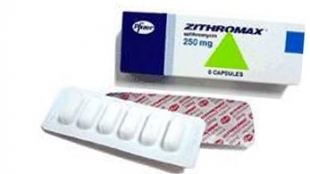
🐈 A playful kitten, a scratch on the forearm that looks like nothing, and two weeks later a sore, swollen lump in the armpit. This is the classic story of cat scratch disease, an infection caused by the bacterium Bartonella henselae. Most adults recover on their own, but the swollen lymph node can stay for weeks or months and often frightens people into thinking of cancer. 🔍 This guide explains how the infection starts, where the lump appears and how long it lasts, how a doctor tells it apart from other causes of a swollen node, when a short course of azithromycin (Zithromax) is worth taking and when it adds little, which other antibiotics are used, and the rare eye, liver and heart forms that need fast care. It also covers people with a weak immune system and how to keep a cat without fear.
🦠 What cat scratch disease is
🔬 Cat scratch disease (also called cat scratch fever) is a bacterial infection passed from cats to people. The cause is Bartonella henselae, a small bacterium that lives in the blood of many healthy cats without making them ill. In people it usually causes a local infection: a bump where the skin was broken and a swollen, tender lymph node in the area that drains that skin. It is not a virus, it does not spread from person to person, and in a person with a normal immune system it nearly always heals completely. 📖 The old idea that any fever means an antibiotic is wrong; here the question is narrower: is this a bacterial infection that a specific antibiotic can shorten?
🌍 The infection is found worldwide, wherever people live with cats and cat fleas. Children and teenagers are diagnosed most often, but adults make up a large share of cases, especially new kitten owners, vets, shelter workers and people who foster animals. In temperate countries more cases appear in autumn and winter, which fits the time when litters of kittens born in spring and summer join new homes.
🔗 How a scratch turns into an infection
🪲 The cat flea is the real engine of the disease. Fleas pass the bacteria between cats, and flea droppings contaminated with Bartonella end up on the fur and under the claws. When a cat scratches or bites, the bacteria are pushed into the skin. A cat licking an open wound, a scratch on the eyelid or rubbing the eye after stroking a cat can also start the infection. Kittens are the main source: they carry the bacteria in their blood more often, play rough, and scratch more. A cat that carries Bartonella looks completely healthy, so you cannot tell by looking at it.
👥 Who is most likely to get it
📋 Many patients do not remember a scratch at all, because the wound was tiny and healed long before the lump appeared. Contact with a cat, especially a kitten, in the past two months is the single most useful clue, and doctors often ask about it directly when they see a swollen node. Dogs can rarely carry related Bartonella species, but cats remain by far the main source.
🔴 The first sign: a small bump at the scratch
📍 About 3 to 10 days after the scratch, a small, painless red or brown bump (papule) often appears along the scratch line. It may turn into a small blister or pustule and then crust over, lasting from a few days to a few weeks. Because it does not hurt and looks like an insect bite, most people ignore it. When it is still visible at the time the lymph node swells, it is a helpful pointer for the doctor, so take a photo of any bump that appears after a cat scratch.
📍 Where the swollen lymph node appears
🧭 One to three weeks after the scratch, the lymph node that drains the area swells. The node is usually single, firm, tender and between 1 and 5 cm across, and it sits on the same side of the body as the scratch. Sometimes a small chain of nodes in the same region enlarges. The skin over it may look red and feel warm. Swollen nodes on both sides of the neck or all over the body point away from cat scratch disease and towards other causes.
📅 From scratch to recovery: the usual timeline
Small bump at the scratch
Lymph node swells, tiredness
Node at its largest, then slowly settles
Node shrinks back in most people
🤒 Other symptoms that come with it
🌡️ Many adults have only the lump. Others feel unwell for a week or two. A mild fever, tiredness, headache, poor appetite and aching are common, while a high fever lasting more than a week is unusual and suggests a deeper form. Some people notice a sore throat or a rash. The picture below gives an approximate idea of how often each feature shows up in published case series; numbers vary between studies.
🐾 A cat scratch infection or a cat bite infection?
⚠️ These are two different problems with different germs and different treatment. A cat bite that becomes red, hot and painful within a day or two is usually infected with Pasteurella and other mouth bacteria, and it needs amoxicillin-clavulanate, not a wait-and-see approach. Cat teeth are thin and sharp and inject bacteria deep into tendons and joints, especially on the hand. Cat scratch disease, by contrast, is slow: the wound heals and the lymph node swells weeks later.
| 🔍 Feature | 🐱 Cat scratch disease | 🦷 Infected cat bite |
|---|---|---|
| Main germ | Bartonella henselae | Pasteurella, streptococci, staphylococci, anaerobes |
| Onset | Node swells 1 to 3 weeks later | Redness and pain within 12 to 48 hours |
| Main sign | Tender lymph node, wound already healed | Swollen, hot wound, pus, red streaks |
| Usual antibiotic | Azithromycin, or none in mild cases | Augmentin (Amoxicillin Clavulanate) |
| Urgency | See a doctor within days | Same day, especially on the hand |
📖 Spreading redness of the skin after any wound is covered in cellulitis and skin infections: what needs an antibiotic. Deep cat bites to the hand are often given a preventive 3 to 5 day course of amoxicillin-clavulanate even before any sign of infection, because hand infections can damage tendons quickly.
🧐 Conditions that can look the same
🔎 A swollen lymph node has many causes, and most of them are harmless. The job of the doctor is to make sure a lump blamed on the cat is not something that needs a different treatment. The table lists the main look-alikes in adults.
| 🔎 Condition | 📋 Clues | 🧪 Usual check |
|---|---|---|
| Reactive node after a throat or skin infection | Recent sore throat, dental or skin infection, shrinks in 2 to 4 weeks | Examination, recheck |
| Lymphoma | Painless, rubbery, growing nodes, night sweats, weight loss, itching | Blood tests, scan, biopsy |
| Tuberculosis or other mycobacteria | Slow neck node, cough, travel or contact history | Chest X-ray, TB tests, biopsy |
| Toxoplasmosis | Neck nodes, tiredness, contact with cat litter or undercooked meat | Blood antibody test |
| Glandular fever (EBV), HIV seroconversion | Nodes in several places, sore throat, rash, fever | Blood tests |
| Tularemia, sporotrichosis | Ulcer at the wound, rabbit or garden contact | Specialist tests |
📖 Signs that a lump may come from the lymph system itself are explained in understanding malignant lymphomas. A painless node that keeps growing for more than 4 to 6 weeks, without any cat contact, should be checked rather than watched.
🩺 How a doctor confirms it
🧬 The bacterium grows very slowly in the laboratory, so ordinary cultures are usually negative. Antibody blood tests and PCR on node tissue are the practical tools, and in a typical case with a clear history many doctors diagnose it on clinical grounds alone and simply follow the node.
⚖️ Does it need an antibiotic at all?
🤔 This is the question most patients ask first, and the honest answer is: often not. In a healthy adult with a single, moderately swollen node, the infection usually clears on its own, and antibiotics have not been shown to shorten the total illness by a large amount. The main trial behind azithromycin was small. It found that the node shrank faster in the first month in people given a 5-day course, but by later checks the difference between the groups had narrowed. For this reason guidelines treat azithromycin as an option to discuss, not as a must, in mild typical cases.
💊 The 5-day azithromycin course
📋 When an antibiotic is chosen for the typical lymph node form, azithromycin is the first choice in most guidance. For adults and teenagers weighing more than about 45 kg the usual course is 500 mg on day 1, then 250 mg once a day on days 2 to 5, which is the same pattern as the familiar Z-Pak. Children and lighter patients get a dose worked out by weight. The full course is only five days because azithromycin builds up in tissues and keeps working after the last tablet.
📋 How the course is taken
💊 Day 1: 500 mg once
💊 Days 2 to 5: 250 mg once a day
🍽️ Tablets with or without food; with food if the stomach is upset
📊 What it changes
✅ Node size in the first month: faster shrinking
✅ Risk of spread in weak immunity: lower
➖ Total illness length: modest effect
❌ A node already full of pus: still may need drainage
💡 It is normal for the node to stay palpable for weeks after the course. Azithromycin does not make the lump vanish in five days, and a second course is not needed just because the node is still there. What matters is the direction: smaller, softer and less painful over the following weeks.
📝 Taking azithromycin correctly
📖 General rules for food, dairy, alcohol and stopping early are collected in how to take antibiotic tablets correctly. Tell the doctor about every other medicine you take before starting, because a few combinations with azithromycin affect the heart rhythm.
⚠️ Side effects and the heart rhythm warning
🤢 Most people take azithromycin without trouble. The common side effects are nausea, loose stools, stomach cramps and sometimes headache or dizziness, and they usually ease once the five days are over. Diarrhoea that is watery, bloody or continues after the course can be a sign of Clostridioides difficile and should be reported. Women sometimes develop thrush after an antibiotic course; see yeast infection after antibiotics.
💓 Azithromycin and the heart:
🔹 Azithromycin can lengthen the QT interval on the heart tracing, which rarely leads to a dangerous rhythm.
🔹 The risk is higher with a known long QT, a slow pulse, low potassium or magnesium, heart failure, and with other QT-prolonging drugs such as some antiarrhythmics, antipsychotics, certain antidepressants and ondansetron.
🔹 Palpitations, fainting or a racing irregular heartbeat while taking it need urgent care.
🔹 Azithromycin can also worsen myasthenia gravis and, rarely, harm the liver: report yellow eyes or dark urine.
📖 More on when azithromycin is a poor fit and why heart risk matters is in Z-Pak for a sinus infection: why it often fails. For people with these heart risks, the doctor may choose rifampin or trimethoprim-sulfamethoxazole instead.
🔄 Other antibiotics when azithromycin is not an option
💊 Several other antibiotics are active against Bartonella. They are used when azithromycin is not tolerated, interacts with other medicines, or when the infection is more severe, usually for 7 to 14 days in the lymph node form and longer in deep forms. The choice depends on allergies, pregnancy, kidney and liver function and other medicines.
⚠️ Penicillins such as amoxicillin and most cephalosporins work poorly against Bartonella in practice. A course of amoxicillin given for a swollen node that turns out to be cat scratch disease usually changes nothing, which is one reason the history of cat contact matters so much.
💉 When the node fills with pus
🟣 In a minority of patients the node becomes soft, very tender and the skin over it turns purple-red. This means pus has formed inside, and the right step is drainage with a needle, not cutting the node open. A surgical cut through the skin can leave a draining channel (sinus) that weeps for weeks and heals with a scar. Needle aspiration relieves pain quickly and can be repeated if the pus collects again.
👁️ When the eye is involved
👀 The eye is the most common site of atypical cat scratch disease. In Parinaud oculoglandular syndrome the bacteria enter through the eye, causing a red, gritty eye on one side and a swollen node just in front of the ear. It often follows rubbing the eye after handling a cat. It usually settles over weeks, and antibiotics are commonly given.
🧭 Neuroretinitis: the form that cannot wait
🔹 Sudden, usually painless blurring or loss of vision in one eye, sometimes with a flu-like illness a few weeks earlier.
🔹 The optic nerve swells and a star-shaped pattern may form in the retina, seen by an eye doctor.
🔹 It is usually treated with a combination such as doxycycline plus rifampin for several weeks, chosen by a specialist.
🔹 Any new loss of vision needs same-day assessment by an eye specialist or emergency department.
💡 Vision usually recovers well over weeks to months, though some people keep mild changes in colour vision or contrast. Early specialist care gives the best chance of full recovery, so do not wait for the lymph node to settle before reporting an eye problem.
🫀 Liver, spleen and heart: the rare deep forms
🌡️ Sometimes the infection spreads beyond the lymph node. Hepatosplenic cat scratch disease causes a prolonged fever, often for weeks, with belly pain, tiredness and weight loss, and small lesions appear in the liver and spleen on a scan. It is one of the recognised causes of fever of unknown origin in adults and children. It needs specialist treatment, commonly with a combination of antibiotics such as rifampin with azithromycin, for longer than the usual five days.
❤️ Rarely, Bartonella settles on a heart valve and causes endocarditis. It is a classic cause of endocarditis in which routine blood cultures stay negative, so the diagnosis relies on antibody tests and on PCR of valve tissue. People with an already damaged or artificial valve are at most risk. Treatment is in hospital, lasts weeks and often involves heart surgery. Other rare forms include bone infection, inflammation of the brain with confusion or seizures, and nerve problems; all of these need hospital care.
Ask for liver and spleen imaging
Check for valve infection
Emergency care at once
🛡️ People with a weak immune system
🧬 In people with advanced HIV, organ transplants, chemotherapy or strong immune-suppressing medicines, Bartonella behaves differently. It can cause bacillary angiomatosis, raised red or purple blood-vessel growths in the skin, and peliosis, blood-filled spaces in the liver or spleen. These forms can be serious but respond well to the right antibiotic, given for a long time.
| 🛡️ Situation | 📝 What usually changes |
|---|---|
| Advanced HIV, transplant, chemotherapy | Always treated, never watched; often erythromycin or doxycycline for about 3 months |
| Skin lumps like small cherries | Biopsy to tell bacillary angiomatosis from Kaposi sarcoma |
| Relapse after stopping | Longer course and treatment of the underlying immune problem |
| Drug interactions | Rifampin and clarithromycin interact with many HIV and transplant medicines |
📖 Practical advice on infection risk during immune-suppressing treatment is in living on immunosuppressants. People with a weak immune system do not need to give up cats, but they should avoid kittens and strays and get any scratch, fever or skin lump checked early.
🤰 Pregnancy and cat scratch disease
👶 Cat scratch disease in pregnancy is uncommon and usually mild, and there is no clear evidence that it harms the baby. When treatment is needed, azithromycin is generally considered an acceptable choice in pregnancy, while doxycycline and ciprofloxacin are avoided. Pregnant women are more often warned about cats because of toxoplasmosis, which spreads from cat litter rather than scratches. The practical advice is the same for both: let someone else clean the litter tray, wear gloves for gardening, wash hands after handling a cat, and report any swollen node or fever.
🏠 Pain relief and care at home
📈 A weekly measurement is more useful than daily prodding, which keeps the node sore. If the node is clearly smaller at the 4-week review, no further treatment is usually needed. If it is the same size, the doctor may repeat the antibody test or order an ultrasound; if it is bigger, harder or painless and growing, a biopsy is often the next step.
🧪 Questions about the cat
🐈 People often feel guilty or worry they must give the cat away. That is not necessary: once you have had cat scratch disease you usually have lasting immunity, and the same cat rarely causes a second illness. Testing the cat is not routinely recommended, because many healthy cats carry the bacteria at some point, and antibiotics for the cat do not reliably clear it. The useful steps are flea control and calmer play.
💡 People with a weak immune system who want a new pet are usually advised to choose a healthy adult cat older than one year, free of fleas, rather than a kitten or a stray. Declawing is not recommended as a way to prevent the disease; good flea control does far more.
🗿 Myths about cat scratch disease
📋 What the old advice got wrong about antibiotics
📚 Older online texts about azithromycin often suggested that any fever above 37 °C is a sign of infection that tablets should fix. A temperature of 37 °C is normal, and most fevers with a cold, flu or sore throat are viral and do not respond to antibiotics. Cat scratch disease is a good example of the opposite situation: a specific bacterial infection, a known germ, a clear history, and a short course that a doctor can choose to give or to hold back. Using azithromycin only where it fits keeps it working for the times it is really needed and spares people side effects they do not need.
🚨 When to see a doctor
⛔ Get medical help the same day if:
🔹 A cat bite or scratch becomes hot, red, swollen or streaked within a day or two, especially on the hand.
🔹 You notice blurred vision or loss of vision in one eye.
🔹 You have a fever above 39 °C, a fever lasting more than a week, belly pain, confusion, a seizure or breathlessness.
🔹 You have a weak immune system and develop fever, a swollen node or new red-purple skin lumps.
🔹 Book a routine visit for any node that is larger than 2 cm, growing after 4 weeks, hard and painless, or comes with night sweats and weight loss.
📖 Ear, throat and dental infections are also common causes of a tender neck lump, so mention any recent sore throat or toothache. If you are unsure whether a lump is from the cat, show the doctor the scratch photo and mention the timing.
❓ Frequently asked questions
What causes cat scratch disease?
It is caused by the bacterium Bartonella henselae, spread between cats by fleas and passed to people through scratches, bites or licks on broken skin.
How long after a scratch does the lymph node swell?
Usually 1 to 3 weeks after the scratch. A small bump at the scratch site often appears earlier, after 3 to 10 days.
How long does cat scratch disease last?
The swollen node usually shrinks over 2 to 4 months. In some people a small node can be felt for up to a year.
Do I need antibiotics for cat scratch disease?
Not always. Mild cases in healthy adults often clear on their own. Azithromycin is considered for large or painful nodes and is always used in people with a weak immune system.
What is the azithromycin dose for cat scratch disease?
For adults over about 45 kg the usual course is 500 mg on day 1, then 250 mg once daily on days 2 to 5. Children get a dose by weight.
Why is the lump still there after the antibiotic course?
The node takes weeks to months to shrink even after successful treatment. Steady improvement is expected; a growing node needs review.
Which antibiotics are used if azithromycin is not suitable?
Options include clarithromycin, rifampin, trimethoprim-sulfamethoxazole and ciprofloxacin. Doxycycline with rifampin is used for eye and deep forms.
Can cat scratch disease affect the eyes?
Yes. It can cause a red eye with a node in front of the ear, or neuroretinitis with sudden vision loss, which needs same-day specialist care.
Is cat scratch disease contagious between people?
No. It does not pass from person to person. Family members are only at risk from contact with the same cat or its fleas.
Do I have to give away my cat?
No. Reinfection is rare. Regular flea treatment, play with toys instead of hands and washing scratches straight away lower the risk for everyone.
📑 Sources and editorial
- 📘 Public health guidance on cat scratch disease and Bartonella infections
- 🔬 Infectious diseases society guidance on skin and soft tissue infections, including animal bites and cat scratch disease
- 💊 Randomised trial of a 5-day azithromycin course for the lymph node form of cat scratch disease
- 👁️ Ophthalmology reviews of Parinaud oculoglandular syndrome and Bartonella neuroretinitis
- 🛡️ Guidelines on prevention and treatment of opportunistic infections in adults with HIV
- 📋 Prescribing information for azithromycin, clarithromycin, rifampin, doxycycline and trimethoprim-sulfamethoxazole
- 📖 Related reading: cellulitis and skin infections, malignant lymphomas, living on immunosuppressants, how to take antibiotic tablets
- 🛒 Related products: Zithromax (Azithromycin), Biaxin (Clarithromycin), Rifadin (Rifampin), Bactrim (Sulfamethoxazole Trimethoprim), Vibramycin (Doxycycline), Augmentin (Amoxicillin Clavulanate)
- 🩺 RXshop Editorial Team — reviewed by Emily Chen, MD — Internal Medicine
Medical Disclaimer: The information in this article is for educational and informational purposes only and is not a substitute for professional medical advice, diagnosis, or treatment. Always seek guidance from a qualified healthcare provider with any questions you may have regarding a medical condition, and before starting, stopping or changing any medication.