Walking Pneumonia in Adults: Azithromycin or Doxycycline, Macrolide Resistance and Why the Cough Lasts Weeks


🚶 Walking pneumonia is the name people use for a lung infection that is real on the X-ray but mild enough that the person keeps going to work, to classes or to the gym. The most common cause in teenagers and adults under 40 is a small bacterium called Mycoplasma pneumoniae, and it behaves differently from the classic pneumonia that sends people to hospital. 🔍 It starts slowly, the fever is often low, the cough is dry and stubborn, and the usual first-choice antibiotic for chest infections, amoxicillin, has no effect on it at all. This guide explains how walking pneumonia is recognised and tested, why azithromycin and doxycycline are the main tablets, what macrolide resistance means for you, how long the cough really lasts, who should not be treated at home, and how to protect the rest of the household.
🫁 What walking pneumonia actually means
📖 Walking pneumonia is not a medical diagnosis but a description. Doctors use the terms atypical pneumonia or community-acquired pneumonia of mild severity. The word atypical refers to the germs and to the picture they produce: a slow start, a dry cough, headache and tiredness, and a chest that sounds almost normal through the stethoscope while the X-ray shows patchy shadows. Mycoplasma pneumoniae is the leading atypical germ. Chlamydophila pneumoniae (a lung germ, not the sexually transmitted chlamydia) and Legionella are the others, and some respiratory viruses can produce a very similar picture. 📖 For a step-by-step guide to telling bronchitis from pneumonia and judging severity, see pneumonia or bronchitis: the severity score and when to go in. This article focuses on Mycoplasma and its treatment.
🧬 Why Mycoplasma is a different kind of germ
🔬 Mycoplasma is one of the smallest bacteria able to live on its own, and it has one feature that shapes the whole treatment plan: it has no cell wall. Penicillins and cephalosporins, such as amoxicillin, co-amoxiclav and cefuroxime, kill bacteria by breaking the cell wall, so they simply have nothing to attack. The germ attaches to the lining of the airways with a special tip, damages the tiny hairs that sweep mucus out, and triggers a strong immune reaction. That reaction, more than the germ itself, explains many of the symptoms, including the long cough after the infection is gone.
👥 Who catches it and how it spreads
🏫 Mycoplasma spreads through droplets when an infected person coughs or sneezes, mostly during close and repeated contact. It moves best through households, schools, university dormitories, military barracks, care homes and prisons, where people share air for days. Because the incubation period is long, one case in a family is often followed by another two or three weeks later. School-age children and young adults are infected most often, but people of any age can catch it, and older adults and people with lung disease tend to be sicker. Outbreaks rise and fall in cycles every few years; a large wave was seen in many countries in late 2023 and 2024, after the quiet pandemic years.
📅 How the illness usually unfolds
📈 The typical story is a slow build-up rather than a sudden collapse. Many people think they have a cold that refuses to end until the cough becomes the main problem in the second week. The timeline below is typical for a healthy adult; it can be shorter or longer.
🌡️ Walking pneumonia, typical pneumonia or a virus?
🤔 No single symptom proves the cause, and doctors often treat on the overall pattern. The clues below help decide whether a macrolide or doxycycline makes more sense than amoxicillin, or whether an antibiotic is needed at all.
| 🔎 Feature | 🦠 Mycoplasma | 🧫 Pneumococcal pneumonia | 🤧 Viral chest infection |
|---|---|---|---|
| Start | Gradual, over days | Sudden, within hours | Gradual or sudden |
| Fever | Usually below 39 C | Often high with shaking chills | Variable |
| Cough | Dry, persistent, in bouts | Rusty or green phlegm | Dry or wet |
| Other signs | Headache, sore throat, earache | Sharp chest pain on breathing | Runny nose, body aches |
| How ill they look | Better than the X-ray | Often clearly unwell | Varies |
| Helps | Macrolide, doxycycline | Amoxicillin | Rest, fluids, antivirals in some cases |
🧪 Tests: what confirms walking pneumonia
🩻 In a fit young adult with typical symptoms, many doctors diagnose and treat after a careful examination, sometimes without an X-ray. A chest X-ray is the test that shows pneumonia is present, and a PCR swab from the nose or throat is the quickest way to prove Mycoplasma is the cause. Many clinics now use multiplex respiratory panels that test for Mycoplasma alongside influenza, COVID-19 and RSV in one swab. Blood antibody tests are less useful in the first days, because antibodies take time to rise.
❓ Does walking pneumonia always need antibiotics?
⚖️ Mycoplasma infection of the throat and upper airways often clears without treatment, and plenty of people never know they had it. Once it reaches the lungs and causes pneumonia, adults are usually treated, because antibiotics shorten the fever and the time off work, and lower the chance of complications. Treatment also matters more for older people, smokers, pregnant women and anyone with asthma, COPD, heart disease, diabetes or a weak immune system. What antibiotics cannot do is switch off the cough overnight; that part depends on the airway lining healing.
🚫 Why amoxicillin does not work on Mycoplasma
🧱 This is the most common reason walking pneumonia seems to resist treatment. A person is given amoxicillin or a cephalosporin for a chest infection, takes it faithfully for a week, and nothing changes, because the drug targets a cell wall that Mycoplasma does not have. That does not mean amoxicillin is a poor antibiotic: it is the first choice for pneumococcal pneumonia, which is the most dangerous common cause. Guidelines for healthy adults treated at home therefore allow either amoxicillin, doxycycline or, where resistance is low, a macrolide, and the doctor chooses based on the clinical picture. When the picture is clearly atypical, a macrolide or doxycycline covers the likely germ directly.
Amoxicillin, co-amoxiclav, cephalexin, cefuroxime, cefixime
Azithromycin, clarithromycin, erythromycin, doxycycline, levofloxacin, moxifloxacin
Doxycycline and respiratory fluoroquinolones
💊 Azithromycin: the usual first tablet
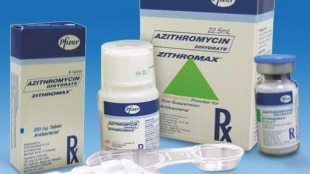
📦 Azithromycin is a macrolide that stops bacteria from making proteins. It is concentrated many times over inside lung tissue and white blood cells, and it leaves the body very slowly. That long tail is why a 5-day or even a 3-day course keeps working for about a week after the last tablet. For walking pneumonia in adults the usual schedules are 500 mg on day 1 followed by 250 mg once daily on days 2 to 5 (the familiar Z-Pak), or 500 mg once daily for 3 days. It can be taken with or without food; with food it may upset the stomach less. Options include Zithromax (Azithromycin).
📋 Common adult schedules
💊 500 mg day 1, then 250 mg days 2 to 5
💊 Or 500 mg once daily for 3 days
⏰ Same time each day, with or without food
🧴 Separate from aluminium or magnesium antacids by 2 hours
📊 Main side effects
🤢 Nausea, loose stools, stomach cramps
💓 Rare heart rhythm change (QT prolongation)
👂 Very rare hearing or balance changes
🟡 Rare liver irritation: dark urine, yellow eyes
📖 Why azithromycin is often the wrong choice for a blocked, painful sinus, even though it is right for Mycoplasma, is explained in Z-Pak for a sinus infection: why azithromycin often fails.
💊 Doxycycline: the strong alternative
🧪 Doxycycline is a tetracycline antibiotic that covers Mycoplasma, Chlamydophila, Legionella and most strains of pneumococcus, which makes it a good single choice when the cause is uncertain. It is the usual switch when azithromycin has not worked, because macrolide-resistant Mycoplasma remains sensitive to it. The adult dose for pneumonia is 100 mg twice daily, sometimes with 200 mg as the first dose, usually for 5 to 7 days and longer in slow responders. Options include Vibramycin (Doxycycline). A related tetracycline, Minomycin (Minocycline), is also active against Mycoplasma but is used less often for chest infections because of dizziness and skin side effects.
⚖️ Azithromycin or doxycycline: side by side
🧭 Both work well for most adults, and the choice often comes down to local resistance, pregnancy, heart rhythm risk and other medicines. The table sums up the practical differences that matter at the pharmacy counter.
| 🔍 Point | 💊 Azithromycin | 💊 Doxycycline |
|---|---|---|
| Course | 3 to 5 days, once daily | 5 to 7 days or more, twice daily |
| Macrolide-resistant Mycoplasma | May fail | Still works |
| Pneumococcus cover | Weaker where resistance is common | Good in most areas |
| Pregnancy | Preferred option | Avoided |
| Heart rhythm | Caution with long QT | No QT concern |
| Main nuisance | Loose stools | Nausea, sun sensitivity, gullet irritation |
📊 Macrolide resistance: why the tablet sometimes fails
🧬 Mycoplasma can carry a small change in its genetic machinery (in the 23S ribosomal RNA) that stops macrolides from binding. Resistant strains are very common in parts of East Asia and much less common, but present, in Europe and North America, and the share can rise during outbreaks. Resistance rarely makes the illness more dangerous, but it does mean the fever keeps going on azithromycin. The rule doctors use is simple: if the temperature and general state have not improved after 48 to 72 hours of a macrolide, the germ may be resistant, or the diagnosis may be wrong, and the treatment is reviewed.
🌳 If the fever does not settle: the next step
💊 Other macrolides: clarithromycin, roxithromycin, erythromycin
📦 Azithromycin is not the only macrolide that treats Mycoplasma. Clarithromycin is equally effective but interacts with many more medicines, because it strongly blocks the liver enzyme CYP3A4. Roxithromycin is widely used in Europe and Asia, and erythromycin, the oldest member of the family, works but causes more stomach upset and needs several doses a day. All share the same resistance problem, so switching from one macrolide to another does not help when resistance is the reason for failure.
💊 Levofloxacin and moxifloxacin: when they are used
⚠️ The respiratory fluoroquinolones cover Mycoplasma, pneumococcus and Legionella in one tablet a day. Because of rare but serious side effects, regulators advise keeping them for cases where other antibiotics cannot be used or have failed: tendon rupture, especially in people over 60 or on steroid tablets, nerve damage with burning or numbness, low or high blood sugar, mood changes, and a small increase in the risk of a bulge or tear in the aorta. The usual adult doses are levofloxacin 750 mg once daily for 5 days and moxifloxacin 400 mg once daily. Options include Levaquin (Levofloxacin) and Avelox (Moxifloxacin).
🩺 Adults with other illnesses: combination treatment
👴 For people over 65 or with chronic heart, lung, liver or kidney disease, diabetes, alcohol dependence or a weak immune system, the doctor has to cover pneumococcus and atypical germs at the same time. A common home regimen is a beta-lactam such as amoxicillin-clavulanate plus azithromycin or doxycycline, or a respiratory fluoroquinolone on its own. The amoxicillin-clavulanate part, for example Augmentin (Amoxicillin + Clavulanate), deals with pneumococcus and Haemophilus, while the second drug deals with Mycoplasma. People with COPD or chronic bronchitis also need their inhalers reviewed, since infection is a common trigger of flare-ups; see chronic bronchitis: the cough that does not quit.
| 👤 Patient group | 💊 Usual home options |
|---|---|
| Healthy adult, clear atypical picture | Azithromycin or doxycycline |
| Healthy adult, cause uncertain | Amoxicillin or doxycycline; macrolide where resistance is low |
| Chronic illness, smoker, over 65 | Amoxicillin-clavulanate plus azithromycin or doxycycline, or levofloxacin or moxifloxacin alone |
| Pregnancy | Azithromycin; with amoxicillin if needed |
| Macrolide failure | Doxycycline, or a fluoroquinolone if doxycycline unsuitable |
🤰 Pregnancy and breastfeeding
👶 Pneumonia in pregnancy should always be assessed by a doctor, because breathing reserve is lower and fever can affect the baby. Azithromycin is the macrolide most often used in pregnancy, with a long safety record. Doxycycline and other tetracyclines are avoided after the first weeks of pregnancy because they can stain the developing teeth and affect bone, and fluoroquinolones are generally avoided too. Clarithromycin is usually not the first choice in pregnancy. During breastfeeding, azithromycin passes into milk in small amounts and is generally considered compatible, but the baby should be watched for loose stools or thrush.
🧭 For pregnant women with a cough and fever:
🔹 Do not start leftover antibiotics at home; get a check that includes oxygen level and, if needed, a chest X-ray with shielding.
🔹 Tell the doctor the week of pregnancy and any other medicines, including iron and antacids.
🔹 Breathlessness, chest pain or a fast heartbeat need same-day assessment.
⚠️ Heart rhythm, interactions and who should take care
💓 Macrolides can lengthen the QT interval on the heart tracing, which very rarely leads to a dangerous rhythm. The risk is concentrated in people who already have a long QT, a slow pulse, heart failure, low potassium or magnesium, or who take other QT-lengthening drugs. Clarithromycin adds a second problem: it raises the blood level of many medicines handled by the liver. The table lists the checks a pharmacist makes.
| 🚫 Situation or medicine | 📝 Why it matters |
|---|---|
| Long QT, recent heart attack, heart failure | Higher risk of rhythm problems with macrolides and fluoroquinolones |
| Amiodarone, sotalol, some antipsychotics, citalopram, ondansetron | Add to QT effect |
| Simvastatin or lovastatin with clarithromycin | Risk of muscle breakdown; statin is paused or the antibiotic changed |
| Colchicine with clarithromycin | Dangerous colchicine levels |
| Warfarin | INR can rise with macrolides, doxycycline and fluoroquinolones; check it |
| Iron, calcium, zinc, antacids | Block doxycycline and fluoroquinolone absorption; separate doses |
| Myasthenia gravis | Macrolides and fluoroquinolones can worsen muscle weakness |
📖 Practical timing with meals, dairy, antacids and alcohol is covered in how to take antibiotic tablets correctly.
😷 Why the cough lasts for weeks
🧹 The cough after Mycoplasma is the part of the illness people find hardest to accept. The germ damages the airway lining and its cleaning hairs, and the nerves in the airway stay oversensitive while the lining regrows, which takes weeks. During that time a breath of cold air, a laugh or a long phone call can set off a coughing fit, even though the infection is over. A second or third antibiotic course does not speed this up and only adds side effects. In people with asthma, Mycoplasma is a known trigger of attacks and can leave a wheezy cough that needs inhaler treatment rather than more antibiotics; see asthma inhalers: preventer, reliever and technique.
Fever starts to fall
Appetite and energy return
Cough fades in waves
X-ray usually clear
🏠 Looking after yourself at home
🛌 Supportive care makes a real difference to how the weeks feel. The aim is to rest the lungs, keep fluids up and avoid anything that irritates the healing airways.
💡 Cough suppressants with codeine are rarely helpful and can cause drowsiness and constipation. A pulse oximeter at home is a useful extra for older people and those with lung disease: a reading that keeps falling below 94% at rest, or below 92%, is a reason to call a doctor the same day.
👪 Protecting the household and the office
😷 People with Mycoplasma can spread it for several weeks, and antibiotics shorten symptoms more than they shorten shedding. Routine preventive antibiotics for healthy family members are not recommended; doctors consider them only in special situations, such as outbreaks in care homes or contacts at high risk of severe illness. The practical measures are ordinary but effective.
🔴 Complications outside the lungs
🧪 Mycoplasma is unusual in how often it affects other parts of the body, mostly through the immune reaction it triggers. Most complications are uncommon, but some need urgent care, and knowing them helps people act quickly.
🗿 Myths about walking pneumonia
📝 Questions to ask when you get the prescription
🚨 When to see a doctor urgently
⛔ Get same-day or emergency care if:
🔹 You are short of breath at rest, breathing fast, or your lips or fingertips look blue or grey.
🔹 You feel confused, very drowsy, or faint when standing.
🔹 Chest pain is sharp and worse on breathing, or you cough up blood.
🔹 The fever is still high after 72 hours of antibiotics, or returns after you felt better.
🔹 Painful sores appear in the mouth or eyes, or the urine turns dark and the eyes yellow.
🔹 You are pregnant, over 65, or have heart, lung, kidney disease or a weak immune system and the illness is getting worse.
📖 If the cough has lasted more than eight weeks, the cause is often no longer the infection; asthma, reflux and postnasal drip are common, and a doctor should look again. The scoring used to decide hospital care is explained in pneumonia or bronchitis: when to go in.
❓ Frequently asked questions
What is walking pneumonia?
It is a mild form of pneumonia in which people stay on their feet. In teenagers and younger adults it is most often caused by Mycoplasma pneumoniae.
Is walking pneumonia contagious?
Yes. It spreads through droplets during close contact, and a person can pass it on for several weeks. Symptoms in contacts can appear up to 4 weeks later.
Which antibiotic is best for Mycoplasma pneumonia in adults?
Azithromycin and doxycycline are the main choices. Doxycycline is preferred when macrolide resistance is suspected, and azithromycin in pregnancy.
Why did amoxicillin not help my walking pneumonia?
Mycoplasma has no cell wall, and amoxicillin works by attacking the cell wall. A macrolide, doxycycline or a fluoroquinolone is needed instead.
How long does azithromycin take to work for walking pneumonia?
Fever and general state usually improve within 48 to 72 hours. If not, the doctor should review the diagnosis and consider resistance.
How long does the cough last after walking pneumonia?
Often 3 to 6 weeks, because the airway lining needs time to heal. A cough that slowly improves is normal and does not need more antibiotics.
What is macrolide-resistant Mycoplasma?
It is a strain with a genetic change that stops azithromycin and related drugs from working. It is common in parts of East Asia and less common elsewhere.
Can walking pneumonia go away without antibiotics?
Mild Mycoplasma infections often clear on their own, but adults with pneumonia on X-ray are usually treated to shorten the illness and prevent complications.
Can I take doxycycline in pregnancy for pneumonia?
Doxycycline is usually avoided in pregnancy because it can affect the teeth and bones of the baby. Azithromycin is the usual choice.
When can I go back to work with walking pneumonia?
Usually once the fever has been gone for at least 24 hours without medicines and you feel well enough. Cover coughs and wash hands while the cough lasts.
📑 Sources and editorial
- 📘 Clinical practice guidelines for community-acquired pneumonia in adults treated at home
- 🦠 Public health guidance on Mycoplasma pneumoniae infection, outbreaks and prevention
- 🔬 Surveillance reports on macrolide-resistant Mycoplasma pneumoniae by region
- 💊 Prescribing information for azithromycin, clarithromycin, doxycycline, levofloxacin and moxifloxacin
- ⚠️ Regulatory safety communications on fluoroquinolones and on macrolides and QT prolongation
- 🤰 Reviews of antibiotic safety in pregnancy and breastfeeding
- 📖 Related reading: pneumonia or bronchitis, Z-Pak for a sinus infection, how to take antibiotic tablets, chronic bronchitis, asthma inhalers
- 🛒 Related products: Zithromax (Azithromycin), Vibramycin (Doxycycline), Biaxin (Clarithromycin), Levaquin (Levofloxacin), Avelox (Moxifloxacin), Augmentin (Amoxicillin + Clavulanate)
- 🩺 RXshop Editorial Team — reviewed by Emily Chen, MD — Internal Medicine
Medical Disclaimer: The information in this article is for educational and informational purposes only and is not a substitute for professional medical advice, diagnosis, or treatment. Always seek guidance from a qualified healthcare provider with any questions you may have regarding a medical condition, and before starting, stopping or changing any medication.