Chlamydial Conjunctivitis and Trachoma: The Red Eye That Drops Do Not Cure, Single-Dose Azithromycin and Partners


👁️ A red, sticky eye that has lasted for a month, has already been through two courses of antibiotic drops and still looks the same is a classic puzzle in eye clinics. In a young, sexually active adult, the answer is often Chlamydia trachomatis, the same germ that causes the most common bacterial sexually transmitted infection. 🌍 In other parts of the world, other strains of the same germ cause trachoma, a repeated childhood eye infection that slowly scars the eyelids and remains the leading infectious cause of blindness. This guide explains both conditions in plain language: how the eye gets infected, why drops alone do not cure it, why a single dose of azithromycin or a week of doxycycline is the usual treatment, what partners need to do, and how trachoma is being pushed out of whole countries with mass azithromycin, surgery and clean water.
🧬 One germ, two very different eye diseases
🔬 Chlamydia trachomatis is a tiny bacterium that can only live inside human cells. Scientists divide it into groups called serovars. Serovars A to C cause trachoma, while serovars D to K cause genital chlamydia and, when they reach the eye, adult inclusion conjunctivitis. A third group causes lymphogranuloma venereum, a more invasive sexually transmitted infection. The two eye diseases look similar under the microscope but behave very differently in real life. Inclusion conjunctivitis is a single infection in one adult, usually picked up from genital secretions, and it heals without scarring when it is treated properly. Trachoma is a disease of communities, where children are infected again and again for years, and the damage only shows decades later.
✋ How chlamydia reaches the eye in adults
💧 In almost every adult case, the germ travels from the genitals to the eye. The usual route is a hand that touched genital fluid and then rubbed the eye, but oral and genital contact near the face, shared towels and, rarely, poorly chlorinated pools or hot tubs have all been described. Symptoms usually start about one to two weeks after the eye is exposed. Many people have no idea they carry a genital infection at all, because chlamydia in the genitals is silent in a large share of women and in many men. This is why an eye doctor who suspects the diagnosis will ask about sexual health, even when the patient came in only for the eye.
🔴 Symptoms: the red eye that will not settle
🔎 Chlamydial conjunctivitis tends to start slowly and drag on. The key feature is time: weeks to months of redness and discharge, often in one eye only, with little response to ordinary eye drops. The eyelids may look puffy, the eye feels gritty or irritated, and there is a stringy, yellowish discharge that glues the lashes together in the morning. A small, tender lymph node often appears just in front of the ear on the same side. When a doctor turns the lower lid down, the lining is covered with small, pale bumps called follicles, which are a sign of the immune reaction to chlamydia. In longer cases the upper edge of the cornea can show tiny grey spots or a fine fringe of new blood vessels.
- 📌 Redness and a mucus or pus-like discharge lasting more than two to three weeks
- 📌 Swollen eyelids and a gritty, foreign-body feeling, usually worse in one eye
- 📌 Follicles on the inner surface of the lower lid, seen at the slit lamp
- 📌 A tender gland in front of the ear on the same side
- 📌 Sometimes light sensitivity or slightly blurred vision if the cornea is involved
- 📌 Possible genital clues: discharge, burning on passing urine, bleeding after sex, or no genital symptoms at all
🔍 Viral, bacterial, allergic or chlamydial?
🧭 Most red eyes are viral or allergic and settle on their own, and ordinary bacterial conjunctivitis usually clears within a week, with or without drops. Chlamydia stands out because it lasts longer than the others and keeps coming back after drops are stopped. The comparison below shows the patterns doctors look for. For the itchy, seasonal type, see allergic conjunctivitis: when your eyes react to harmless triggers.
💧 Why antibiotic drops alone do not cure it
🚫 Many people with chlamydial conjunctivitis first receive antibiotic drops, such as tobramycin, chloramphenicol or a fluoroquinolone drop. The eye may look a little better for a few days, but the infection usually returns, because drops do not reach the genital and throat reservoir that keeps feeding it. Chlamydia also lives inside the cells of the conjunctiva, where short courses of surface drops work poorly. That is why guidelines treat chlamydial conjunctivitis with tablets taken by mouth, which act on the whole body. Drops such as Tobaren (Tobramycin) remain a good choice for ordinary bacterial conjunctivitis, as described in tobramycin eye drops for bacterial conjunctivitis, but they are not a cure for chlamydia.
🧭 A useful rule of thumb in practice:
🔹 A sticky red eye that has not improved after one full course of antibiotic drops deserves a second look, not a third bottle.
🔹 If the person is sexually active, a chlamydia swab of the eye and a genital or urine test are reasonable next steps.
🔹 Steroid drops should not be used on an undiagnosed red eye, because they can hide or worsen several infections.
🧬 The genital infection behind the eye
📋 Studies of people with chlamydial conjunctivitis find that most of them also have chlamydia in the genital tract, often without any symptoms there. Left alone, genital chlamydia can cause pelvic inflammatory disease, chronic pelvic pain, ectopic pregnancy and infertility in women, and epididymitis in men. It also raises the risk of catching and passing on HIV. In other words, the eye is often just the visible part of a body-wide infection, and treating it properly protects fertility as well as sight. The full genital side of the story, including partner treatment and pregnancy, is covered in chlamydia treatment: doxycycline for 7 days or a single azithromycin dose.
🧪 Tests that confirm the diagnosis
🔬 The most sensitive test today is a nucleic acid amplification test, usually called NAAT or PCR, which finds the genetic material of chlamydia. For the eye, a swab is rubbed firmly over the inside of the lower lid after a numbing drop, because chlamydia lives in the cells, not in the discharge. Some laboratories validate NAAT only for genital samples and use it on eye swabs as an off-label test, while others still offer culture or direct fluorescent antibody staining. A genital swab or a first-catch urine sample is taken at the same time. Because sexually transmitted infections travel together, a full screen is usually offered.
| 🧪 Test | 📋 Sample | 📝 Why it is done |
|---|---|---|
| Chlamydia NAAT of the eye | Swab of the inner lower lid | Confirms the eye infection |
| Chlamydia and gonorrhoea NAAT | First-catch urine or vaginal swab; throat or rectal swab if relevant | Finds the source and a second infection |
| HIV test | Blood or finger prick | Shared risk, early treatment matters |
| Syphilis test | Blood | Shared risk, can also affect the eye |
| Pregnancy test | Urine, when relevant | Changes the choice of antibiotic |
💊 Treatment: single-dose azithromycin or a week of doxycycline
✅ Chlamydial conjunctivitis in adults is treated with the same oral antibiotics used for genital chlamydia. The two standard choices are azithromycin 1 g as a single dose, or doxycycline 100 mg twice a day for 7 days. For genital and rectal infection, several recent guidelines now prefer doxycycline, because trials showed it clears rectal chlamydia more reliably. For the eye, both are used, and many eye specialists choose doxycycline when there is no reason to avoid it, keeping azithromycin for pregnancy, poor adherence or when a single supervised dose is the practical option. Topical antibiotic ointment may be added for comfort, but it is never the main treatment.
💡 Some clinicians repeat the azithromycin dose or extend treatment when the eye has been inflamed for a long time or when it has not settled at follow-up. That decision belongs to the treating doctor, who can look at the eye again before changing anything.
📋 How to take azithromycin for chlamydia
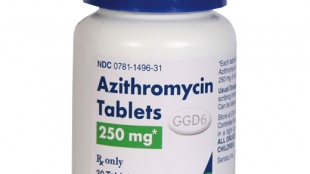
🕒 Azithromycin stays in the tissues for many days after one dose, which is why a single 1 g dose is enough for uncomplicated chlamydia. The 1 g dose is usually given as two 500 mg tablets or four 250 mg tablets swallowed together. Tablets can be taken with or without food, and taking them with a light meal reduces nausea. Capsules and some suspensions are better absorbed on an empty stomach, so the leaflet of the exact product should be followed. For a wider view of its safety profile, see azithromycin side effects and drug interactions.
📅 How to take doxycycline for a week
💧 Doxycycline is taken as 100 mg in the morning and 100 mg in the evening for 7 days. Swallow each capsule or tablet with a full glass of water while sitting or standing, and stay upright for at least 30 minutes, because a tablet stuck in the gullet can cause a painful ulcer. Food reduces stomach upset and is fine with doxycycline, but milk, calcium, iron, zinc and antacids should be kept two to three hours apart because they bind the drug and lower absorption. Doxycycline makes the skin more sensitive to sun, so sunscreen and covered skin help during the course.
🔄 Other options when the first choices do not fit
🧭 Allergy, pregnancy, interactions or previous side effects sometimes rule out the first two drugs. Guidelines list several alternatives, each given as a 7-day course. They are less studied for eye infection specifically, so follow-up to confirm the eye has healed matters even more when one of them is used.
| 💊 Medicine | 📋 Usual adult course | 📝 Notes |
|---|---|---|
| Levaquin (Levofloxacin) | 500 mg once daily, 7 days | Not in pregnancy; tendon and nerve warnings |
| Floxin (Ofloxacin) | 200 mg twice daily or 400 mg once daily, 7 days | Same class warnings as levofloxacin |
| Ilosone (Erythromycin) | 500 mg four times daily, 7 days | Stomach upset common; used in pregnancy in some places |
| Amoxil (Amoxicillin) | 500 mg three times daily, 7 days | A pregnancy option only; test of cure needed |
| Sumycin (Tetracycline) | Older regimen, several doses a day | Largely replaced by doxycycline, which is taken less often |
🤰 Pregnancy and breastfeeding
⛔ Doxycycline, tetracycline and the fluoroquinolones are avoided in pregnancy. Azithromycin 1 g as a single dose is the usual choice for chlamydia in pregnancy, with amoxicillin or erythromycin as alternatives. A test of cure is advised about four weeks after treatment, and a repeat test later in pregnancy is often recommended, because an untreated mother can pass chlamydia to the baby during birth. Azithromycin passes into breast milk in small amounts and is generally considered compatible with breastfeeding, while the baby is watched for loose stools or thrush. More detail on choices in pregnancy is in antibiotics in pregnancy and breastfeeding.
👶 Newborn eye infection from chlamydia
🍼 A baby born to a mother with genital chlamydia can develop chlamydial conjunctivitis, usually 5 to 14 days after birth, with swollen lids and a watery or sticky discharge. Some of these babies also develop a chlamydial pneumonia a few weeks later, with a repetitive cough and no fever. Eye drops or ointment given at birth do not reliably prevent chlamydial infection, so newborns are treated with an oral antibiotic, usually erythromycin or azithromycin, at doses set by weight by the paediatric team. Both parents need testing and treatment too. Any red, sticky eye in a baby in the first month of life should be seen by a doctor the same day, and should never be treated at home with leftover adult medicine.
👥 Partners, sex and retesting
🤝 Treating the eye without treating the source is the most common reason chlamydial conjunctivitis comes back. Anyone who had sex with the patient in the 60 days before the symptoms or diagnosis should be tested and treated, even if they feel completely well. If the last partner was longer ago than that, the most recent partner is still contacted. Many sexual health clinics can notify partners anonymously, which takes the awkward conversation out of the patient hands.
📆 What recovery usually looks like
🌱 The discharge tends to ease first, while the follicles and redness take longer to fade, so an eye that still looks a little pink a week after treatment is not a sign that the antibiotic failed. Lubricating drops and cool compresses help comfort. Contact lenses are best left out until the eye is quiet, and old lenses, cases and opened eye make-up are usually thrown away.
Little visible change
Less discharge, eyes open easier
Redness and grittiness fade
Follicles and corneal spots settle
🚨 Gonococcal conjunctivitis: the urgent look-alike
⚡ Gonorrhoea can reach the eye by the same hand route, but it behaves in a completely different way. Gonococcal conjunctivitis develops over hours, with a flood of thick pus, tense swollen lids and pain, and it can eat through the cornea within a day or two. It is an emergency that needs same-day assessment, an injection of ceftriaxone, eye washouts and close follow-up. Because the two infections often travel together, doctors usually cover chlamydia as well when gonorrhoea is found. Oral Suprax (Cefixime) is sometimes used for genital gonorrhoea when an injection is not possible, but it is not a substitute for urgent eye care.
⛔ Go to an emergency eye service now if:
🔹 Pus is pouring from the eye and has to be wiped every few minutes.
🔹 The lids are swollen shut, the eye is painful or the vision is getting worse.
🔹 A newborn baby has a swollen eye with discharge in the first days of life.
🌍 Trachoma: a childhood infection that blinds adults
🏜️ Trachoma is the world leading infectious cause of blindness. It is found mainly in poor, rural, dry communities with little water for washing, mostly in parts of Africa, with smaller pockets in the Middle East, Asia, Latin America and among some Aboriginal communities in Australia. Young children carry most of the active infection. Each new infection causes inflammation of the inner eyelid, and after many years of repeated episodes the lining scars, tightens and turns the eyelid inward. The lashes then rub on the cornea with every blink, which is painful and slowly makes the cornea cloudy. Women are affected by the blinding stage more often than men, probably because they spend more time caring for infected children.
🪰 How trachoma spreads
🔁 Trachoma spreads from eye to eye in close family settings. Discharge from the eyes and nose of infected children passes on fingers, shared cloths and towels, and on eye-seeking flies that feed on that discharge. A face that cannot be washed often stays covered with discharge, which attracts more flies, so the cycle keeps turning. This is why soap, water and latrines matter as much as medicine in stopping it.
🪜 The stages of trachoma
📋 Health workers use a simple grading system that can be applied in the field with a magnifying loupe and a torch. The first two signs are active infection, the last three are the long-term damage. Grading guides whether a whole district needs mass antibiotic treatment and whether individual adults need eyelid surgery.
🧰 The SAFE strategy
🏘️ Trachoma control programmes follow four linked actions, known by the letters SAFE. Each letter tackles a different part of the problem, and none of them works well alone. Countries that combined all four over many years have been able to eliminate trachoma as a public health problem, and more than 20 countries have now been recognised as having done so.
💊 Mass azithromycin: treating a whole district at once
📦 In districts where active trachoma is common in children, everyone in the community is offered antibiotic treatment once a year, usually for at least three years before the next survey. The standard is a single oral dose of azithromycin, 20 mg per kg of body weight for children and 1 g for adults. Children are often dosed by height with a measuring pole, because scales are rarely available. Infants under six months and, in some programmes, pregnant women who cannot take azithromycin receive tetracycline 1% eye ointment twice a day for six weeks instead. Hundreds of millions of donated azithromycin doses have been given this way, one of the largest antibiotic programmes in the world.
🔬 Researchers watch closely for side effects of giving an antibiotic to whole populations, such as more resistance to macrolides in the bacteria that live in the nose and throat. So far the benefit for trachoma control has been judged to outweigh this risk, and the resistance seen tends to fall after mass treatment stops. Chlamydia trachomatis itself has not developed meaningful resistance to azithromycin in these programmes.
✂️ Trichiasis: when the lashes turn in
😢 People with trachomatous trichiasis describe a constant feeling of sand in the eye, pain on blinking, watering and a strong dislike of light. Surgery to rotate the eyelid margin outward is the main treatment, and it can be done under local anaesthetic in about half an hour. It stops the rubbing and protects what sight is left, although a share of patients develop in-turned lashes again over the following years and need a second procedure. People who are not yet ready for surgery, or who have only a few lashes touching, may be offered careful removal of those lashes with forceps by a trained worker, repeated as they regrow. A short course of oral azithromycin around the time of surgery is used in some programmes to reduce recurrence.
No more rubbing, less pain, saved vision
Recurrence of lashes, lid contour changes
Clear a cornea that is already scarred
✈️ Travellers and people from endemic regions
🧳 Short-term travellers to areas with trachoma have a very low risk, because the disease needs years of repeated infection to cause damage. The people who should think about trachoma outside endemic areas are adults who grew up in affected villages, who may present years after migrating with in-turned lashes or eyelid scarring. Aid workers and long-stay volunteers who live closely with children in endemic villages can catch active infection, and good hand and face hygiene, separate towels and a clinic visit for any lasting red eye are sensible. A red eye that starts after sexual contact while travelling is far more likely to be adult inclusion conjunctivitis than trachoma, and is treated as described above.
⚠️ Side effects and interactions to know
📋 Both azithromycin and doxycycline are usually well tolerated in short courses. Most side effects are mild stomach complaints, but a few interactions and heart rhythm issues deserve a quick check before the first dose. Tell the prescriber about every regular medicine, including over-the-counter remedies and supplements.
| ⚠️ Issue | 💊 Azithromycin | 💊 Doxycycline |
|---|---|---|
| Common effects | Nausea, diarrhoea, stomach pain | Nausea, heartburn, sun sensitivity |
| Heart rhythm | Can prolong the QT interval; caution with other QT drugs, low potassium or known rhythm problems | Not a usual concern |
| Interactions | Warfarin effect may rise; separate from antacids | Iron, calcium, zinc, antacids and dairy cut absorption; warfarin effect may rise |
| Pregnancy | Used | Avoided |
| Children | Used with weight-based dosing | Generally avoided under 8 years for routine use |
| Stop and seek help | Rash with blisters, swelling of face, fainting, palpitations | Severe headache with blurred vision, painful swallowing, blistering rash |
🗿 Myths about chlamydia in the eye and trachoma
🩺 When to see a doctor
⛔ Book an eye or sexual health appointment soon if:
🔹 A red, sticky eye has lasted more than two weeks, or came back after antibiotic drops.
🔹 You have a red eye and a new sexual partner, genital symptoms, or a partner with chlamydia.
🔹 You grew up in an area with trachoma and feel lashes scratching the eye.
⛔ Seek same-day care if: the eye is painful, vision is blurred, light hurts, pus is heavy, or a newborn has a sticky eye.
📖 Contact lens wearers with a painful red eye should read contact lens eye infection: early signs of bacterial keratitis, because that condition needs a different, urgent approach.
❓ Frequently asked questions
Can you get chlamydia in the eye?
Yes. The genital strains of Chlamydia trachomatis can infect the eye, usually through hands that touched genital fluid. It causes a red, sticky eye that lasts for weeks.
How do I know if my pink eye is chlamydia?
Clues are redness lasting more than two to three weeks, little response to drops, follicles on the inner lid and a gland by the ear. Only a swab test can confirm it.
Will antibiotic eye drops cure chlamydial conjunctivitis?
Usually not. Drops may help briefly, but the infection returns because the genital source is untreated. Oral antibiotics are the standard treatment.
What is the azithromycin dose for chlamydia in the eye?
For adults the usual dose is 1 g by mouth as a single dose. Doxycycline 100 mg twice daily for 7 days is the other standard choice.
Does my partner need treatment if only my eye is infected?
Yes. Anyone you had sex with in the last 60 days should be tested and treated, even without symptoms, or the infection is likely to come back.
How long does chlamydial conjunctivitis take to heal?
Discharge usually eases within one to two weeks of oral treatment, while redness and follicles can take several weeks to fade completely.
Is chlamydial conjunctivitis treated differently in pregnancy?
Yes. Doxycycline is avoided, and a single 1 g dose of azithromycin is the usual choice, with a test of cure about four weeks later.
What is trachoma?
Trachoma is repeated eye infection with eye strains of Chlamydia trachomatis in poor communities. Years of infection scar the eyelids, turn the lashes inward and can cause blindness.
How is trachoma treated?
Through the SAFE strategy: eyelid surgery, yearly community azithromycin, face washing and better water and sanitation. Active infection in a child is treated with a single weight-based azithromycin dose.
Can travellers catch trachoma?
The risk for short trips is very low, because damage needs years of repeated infection. People who grew up in endemic areas are the ones who may develop late scarring.
📑 Sources and editorial
- 📘 National sexually transmitted infection treatment guidelines for chlamydia in adults, pregnancy and newborns
- 👁️ Ophthalmology reference texts and reviews on adult inclusion conjunctivitis and follicular conjunctivitis
- 🌍 International guidance on trachoma grading, the SAFE strategy and mass drug administration
- 🔬 Trials comparing azithromycin and doxycycline for genital and rectal chlamydia
- ✂️ Studies of trichiasis surgery outcomes and recurrence
- 💊 Product information for azithromycin, doxycycline, erythromycin and fluoroquinolones
- 📖 Related reading: chlamydia treatment and partners, tobramycin drops for bacterial conjunctivitis, bacterial keratitis in lens wearers, azithromycin side effects, antibiotics in pregnancy
- 🛒 Related products: Zithromax (Azithromycin), Vibramycin (Doxycycline), Levaquin (Levofloxacin), Floxin (Ofloxacin), Ilosone (Erythromycin), Amoxil (Amoxicillin), Sumycin (Tetracycline), Suprax (Cefixime), Tobaren (Tobramycin)
- 🩺 RXshop Editorial Team — reviewed by Emily Chen, MD — Internal medicine
Medical Disclaimer: The information in this article is for educational and informational purposes only and is not a substitute for professional medical advice, diagnosis, or treatment. Always seek guidance from a qualified healthcare provider with any questions you may have regarding a medical condition, and before starting, stopping or changing any medication.