Lemon Water for Kidney Stones: How Much Citrate It Really Gives, Who It Helps and When Doctors Add Medicines


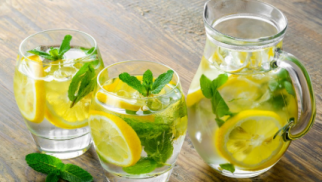
🍋 A glass of warm water with lemon first thing in the morning is sold online as a cure for almost everything: weight, toxins, colds, even cancer. Most of those claims do not hold up. There is one place where lemon juice has a real, measurable role, and that is the urine of people who form kidney stones. 🧪 Lemon juice is rich in citric acid, and citrate in the urine is one of the natural brakes on calcium stone crystals. This guide explains what lemon water can and cannot do for stones, how much juice the studies actually used, why a slice in a glass is not the same thing, who needs a 24-hour urine test, and when a doctor adds medicines such as hydrochlorothiazide, indapamide, potassium citrate or allopurinol instead of relying on the kitchen.
🍋 Why lemon keeps coming up in stone clinics
🧑⚕️ Urologists and kidney doctors hear the lemon question every week. Patients have read that lemon “dissolves” stones, or that a morning glass “flushes the kidneys”. The honest answer is that lemon juice does not dissolve a stone that is already there, but it can make new calcium stones a little less likely in the right person. It works through one chemical: citrate. When citrate reaches the urine, it binds calcium and keeps calcium crystals from growing and sticking together. People who form stones often have low urine citrate, and raising it is a standard part of prevention.
📖 If you are reading this because a stone is moving right now, with severe flank pain, first read kidney stones: which ones pass on their own and which need help. This article is about the long game: what to drink, eat and take so the next stone does not form.
🪨 Stone types, and which ones citrate touches
🔬 Not every stone is the same, and lemon only matters for the types that depend on urine citrate. Once a stone has been passed or removed, a laboratory analysis tells you what it is made of. Keep the stone if you catch it in a strainer: it is the most useful piece of information you will ever get about your own risk.
| 🪨 Stone type | 📊 How common | 🍋 Does citrate help? |
|---|---|---|
| Calcium oxalate | The large majority of stones | Yes, citrate is a key inhibitor |
| Calcium phosphate | A smaller share, more common with high urine pH | Yes, but raising pH too far can backfire, so this needs a doctor |
| Uric acid | Less common, linked to gout, diabetes, obesity | Alkali (potassium citrate) helps; plain lemon juice much less |
| Struvite (infection stones) | Linked to repeated urine infections | No, these need infection control and usually removal |
| Cystine | Rare, inherited | Only as part of specialist alkali treatment |
🧪 How citrate stops crystals forming
🧬 Citrate works in two ways. It grabs calcium and forms a soluble complex, so less calcium is free to pair with oxalate. It also coats the surface of tiny crystals and stops them from growing and clumping into a stone. The kidney decides how much citrate it lets through into the urine. When the body carries an acid load, for example from a diet high in meat and low in fruit and vegetables, the kidney holds on to citrate and the urine level falls. That is why diet, acid balance and stone risk are so closely linked.
📏 Low urine citrate: who has it
🔎 Low urine citrate, called hypocitraturia, is usually defined as less than about 320 mg of citrate in a full 24-hour urine collection. It is one of the most common findings in people with calcium stones. Several situations push it down.
🥤 How much lemon juice the studies used
📏 This is where most online advice goes wrong. The approach doctors call lemonade therapy uses about 120 ml (half a cup) of pure lemon juice every day, mixed into about 2 litres of water and drunk over the day. That is the juice of roughly three to four lemons. A slice of lemon dropped into one morning mug contains only a small fraction of that amount. Bottled lemon juice from the shop works as well as fresh, as long as it is plain juice and not a sweetened drink.
📊 Even at the full dose, the results of lemonade studies are mixed. Some found a clear rise in urine citrate, others a small one, and none proved on its own that it prevents stones as well as tablets do. Lime juice contains similar amounts of citric acid and can be used the same way.
⚖️ Lemon water versus potassium citrate tablets
🧪 There is a chemical reason why lemon juice is weaker than the tablets doctors prescribe. Lemon contains citric acid, while the tablets contain potassium citrate, which is an alkali. The acid form brings citrate, but it also brings acid that the body has to deal with. The alkali form raises urine citrate and urine pH together, which is what people with uric acid stones and very low citrate need.
💊 Potassium citrate is usually taken with meals, two or three times a day, at a dose set from the urine results. The main side effects are stomach upset and, more seriously, a high blood potassium level in people with weak kidneys or on medicines that keep potassium, such as ACE inhibitors, angiotensin receptor blockers or spironolactone. That is why it is a prescription treatment with blood tests, and why lemon water is often tried first in people with mild low citrate and normal kidneys.
🍊 Orange juice, coffee, colas and other drinks
🥤 Lemon is not the only drink that matters. What you drink all day long has a bigger effect than one special glass in the morning. Some drinks help, some are neutral and a few work against you.
💧 Fluid volume matters more than lemon
💧 If you remember one thing from this article, make it this: the amount of urine you make each day is the strongest single protection against stones. Guidelines aim for at least 2.5 litres of urine every 24 hours, which usually means drinking about 2.5 to 3 litres of fluid, more in hot weather, in physical jobs and during exercise. Diluted urine simply has fewer crystals per millilitre. Lemon juice is a useful add-on to that water, not a replacement for it.
⏰ Empty stomach, or spread through the day?
🌅 The idea that lemon water must be taken on an empty stomach comes from wellness culture, not from stone research. For the kidneys, the timing of the first glass makes no real difference. What counts is the total amount of juice and water over 24 hours. Spreading it out keeps urine citrate and volume higher for longer, and adding a portion in the evening protects the hours when you sleep and drink nothing.
30 ml juice in a 500 ml bottle
30 ml juice with lunch water
30 ml juice in another bottle
30 ml juice with dinner and before bed
🦷 Protecting your teeth from the acid
🦷 Lemon juice is acidic enough to soften tooth enamel, and sipping it slowly all day is exactly the pattern that causes erosion. Dentists see worn, sensitive front teeth in people who drink lemon water for years. This does not mean you must stop, only that a few habits make it much safer.
🪥 A fluoride toothpaste and regular dental checks help too. Tell your dentist that you drink lemon water daily, so early erosion can be spotted before teeth become sensitive.
🔥 Heartburn, ulcers and lemon
🔥 Lemon water can trigger heartburn in people with reflux, and acid drinks often worsen the burning of gastritis or an ulcer. If lemon makes your stomach or throat burn, stopping it is the right choice, and stone prevention can rely on water and, if needed, tablets. Taking it with food rather than on an empty stomach often makes it easier to tolerate, which is another reason the morning empty-stomach ritual is not a good idea for everyone.
⚠️ Lemon water is a poor fit if you have:
🔹 Reflux or heartburn that it clearly makes worse.
🔹 An active stomach or duodenal ulcer.
🔹 Marked tooth erosion or very sensitive teeth.
🔹 A fluid limit set by your doctor for heart or kidney disease.
💊 The vitamin C trap
🍋 One of the classic lemon claims is that it “boosts vitamin C”. A lemon does contain vitamin C, but for a stone former the bigger problem is the opposite habit: high-dose vitamin C tablets. The body converts part of excess vitamin C into oxalate, which ends up in the urine. Studies have linked regular use of high-dose supplements, often 1000 mg a day or more, with a higher risk of calcium oxalate stones, especially in men.
🧭 What this means in practice:
🔹 Vitamin C from fruit and vegetables is fine and comes with citrate and potassium.
🔹 If you form calcium oxalate stones, ask your doctor before taking vitamin C tablets, especially effervescent high-dose ones.
🔹 Fizzy vitamin tablets can also carry a lot of sodium, which raises urine calcium.
🧂 Salt, calcium, protein and oxalate
🥗 Lemon water works best on top of a diet that already lowers stone risk. The most common mistake is cutting calcium, which actually increases calcium oxalate stones, because calcium in food binds oxalate in the gut before it can be absorbed. The most underrated step is cutting salt, because sodium drags calcium into the urine.
| 🍽️ Dietary factor | ✅ What to aim for | 📝 Why |
|---|---|---|
| Calcium | Normal intake from food, about 1000 to 1200 mg a day | Binds oxalate in the gut; low calcium raises oxalate in urine |
| Salt (sodium) | Under about 2300 mg sodium a day | Less sodium means less calcium in the urine |
| Animal protein | Moderate portions of meat, fish and eggs | Large amounts raise uric acid and acid load, lowering citrate |
| Fruit and vegetables | Plenty, every day | Natural sources of citrate and potassium |
| High oxalate foods | Spinach, rhubarb, nuts, beet in moderation | Eat them with a calcium food rather than alone |
| Body weight | Gradual loss if overweight | Obesity raises uric acid and calcium stone risk |
🔬 The 24-hour urine test that decides treatment
🧪 Guessing is the weak point of most home stone prevention. A 24-hour urine collection shows exactly what is wrong in your urine: volume, calcium, oxalate, citrate, uric acid, sodium and pH. It turns a general plan into a targeted one. Doctors usually advise it after a second stone, after a first stone in a young person, with a strong family history, with a single kidney, or when the stone is uric acid, cystine or calcium phosphate.
📋 Collect the sample on an ordinary day, eating and drinking as you normally do. If you drink far more than usual on the test day, the result will look better than your real life and the doctor may miss the problem.
💊 Thiazides for high urine calcium
💊 When the urine test shows high calcium and diet changes are not enough, doctors often add a thiazide-type diuretic. Unlike most water tablets, thiazides make the kidney hold back calcium, so less of it reaches the urine. They are old, cheap blood pressure medicines that have been used for stone prevention for decades. Here lemon water and tablets can work together: the thiazide lowers calcium, while citrate from diet or tablets keeps the remaining calcium soluble.
📊 The evidence is not as clear-cut as it once seemed. A large trial published in 2023 did not show a clear drop in recurrence with hydrochlorothiazide at doses up to 50 mg a day, while older trials had suggested a benefit. Many urologists still use thiazides for people with clearly high urine calcium and repeated stones, but the decision is now more individual and should rest on test results rather than habit.
⚠️ Thiazide side effects and the checks that go with them
| ⚠️ Possible effect | 📝 Why it matters | 🩺 What is done |
|---|---|---|
| Low potassium | Lowers urine citrate, which works against stone prevention | Blood tests; potassium citrate is often added |
| Low sodium | Confusion, falls, especially in older people | Blood tests after starting and after dose changes |
| Higher uric acid | Can trigger gout in people prone to it | Watch for joint pain; allopurinol if needed |
| Higher blood sugar | Small rise, relevant in diabetes | Glucose or HbA1c checks |
| Dizziness on standing | Blood pressure drops, more on hot days | Stand up slowly; review dose |
| Sun sensitivity | Easier sunburn, long-term skin cancer concern | Sun protection, skin checks |
💡 Thiazides should not be combined with a very low salt intake without medical advice, and they must be paused during vomiting, diarrhoea or any illness that makes you dehydrated, because dehydration with a diuretic can harm the kidneys.
🧬 Allopurinol when uric acid is high
🧪 Some people with calcium oxalate stones have high uric acid in their urine. Tiny uric acid crystals can act as a seed for calcium oxalate to grow on. For these people, allopurinol, a medicine that lowers uric acid production, can reduce new calcium stones, as shown in an older controlled trial. It is also used in people with gout and stones, and in uric acid stone formers whose stones keep returning even when the urine has been made less acidic.
📋 How it is commonly used
💊 Usually started low, often at 100 mg a day, and adjusted
📆 Taken every day for the long term, after food
🧪 Kidney function decides the dose
⚠️ What to watch
🚨 Any rash: stop and see a doctor at once
🧬 HLA-B*5801: higher risk of severe skin reactions, tested in some groups
💊 Azathioprine, mercaptopurine: dangerous interaction
🦵 Gout: early flares can occur when starting
📖 More on how allopurinol is started and adjusted in gout: gout treatment: stopping attacks with allopurinol.
🟡 Uric acid stones: why alkali beats lemon
🟡 Uric acid stones form in urine that is too acidic, usually below a pH of about 5.5. This is common in type 2 diabetes, obesity and gout. The key treatment is raising urine pH, and lemon juice does very little to pH because it is an acid. Potassium citrate, prescribed by a doctor, can raise urine pH enough to stop new stones and can even dissolve some existing uric acid stones, which is one of the few situations where a stone can melt away with tablets. Allopurinol is added if uric acid levels stay high. Home urine pH strips help to fine-tune the dose.
Uric acid crystallises easily
Usual target with alkali treatment
Risk of calcium phosphate stones rises
🩺 Blood pressure, diabetes and weight
📈 Kidney stones are not just a plumbing problem. People who form stones are more likely to have high blood pressure, type 2 diabetes and excess weight, and those conditions in turn change urine chemistry. Insulin resistance makes urine more acidic, which favours uric acid stones. High salt intake raises both blood pressure and urine calcium. This is one reason a thiazide combination such as losartan with hydrochlorothiazide can make sense in a stone former who also needs blood pressure treatment.
📖 Stones, diabetes and blood pressure can all affect long-term kidney function. Read more in diabetic kidney disease: the silent complication you can still stop and chronic kidney failure and its treatment.
🚨 If a stone starts to move
⚡ Prevention does not always succeed, and it helps to know what happens if a stone drops into the ureter. Lemon water will not move a stuck stone, and forcing large amounts of fluid during an attack can make the pain worse. Treatment in the acute phase focuses on pain relief and, for suitable stones, a medicine that relaxes the ureter.
🧭 Is lemon water enough for you?
📅 A realistic prevention year
💪 Habits fade. The months after a painful stone are when motivation is highest, so build routines then: a bottle on the desk, a lemon juice bottle in the fridge, a glass of water with every meal and one by the bed.
🗿 Myths about lemon water
🔍 The old wellness promises around morning lemon water still circulate. Here is how they compare with what is known.
🧑⚕️ What a urologist wants you to remember
🚨 When to see a doctor
⛔ Go to emergency care now if:
🔹 Flank or groin pain comes with fever, chills or shaking.
🔹 You pass little or no urine, or you have only one kidney and develop stone pain.
🔹 Pain is uncontrollable, or vomiting stops you keeping fluids down.
🔹 You are pregnant and have severe one-sided pain.
⚠️ Book a routine visit if you have had more than one stone, see blood in the urine, or still form stones despite good fluid intake.
📖 What to expect from the pain, scans and procedures during an attack is covered in which kidney stones pass on their own.
❓ Frequently asked questions
Does lemon water really prevent kidney stones?
It can raise urine citrate and may lower the risk of new calcium stones, mainly in people with low citrate. Drinking enough water overall matters more.
How much lemon juice should I drink for kidney stones?
Studies used about 120 ml of pure lemon juice a day, diluted in about 2 litres of water and spread over the day. A single slice is far less.
Can lemon juice dissolve a kidney stone?
No. It does not dissolve calcium stones already present. Only uric acid stones can sometimes be dissolved, and that needs prescribed potassium citrate.
Is it better to drink lemon water on an empty stomach?
For stone prevention the timing does not matter. The total daily amount counts, and taking it with meals is gentler on teeth and stomach.
Is bottled lemon juice as good as fresh lemons?
Yes, plain bottled lemon juice contains similar citric acid. Avoid sweetened lemonade, because sugar raises stone risk.
What is the difference between lemon water and potassium citrate tablets?
Lemon gives citric acid, while tablets give potassium citrate, an alkali. Tablets raise urine citrate and pH more reliably and have trial evidence.
Can lemon water damage my teeth?
Yes, frequent sipping can erode enamel. Use a straw, rinse with plain water and wait 30 to 60 minutes before brushing.
Should I avoid calcium if I get kidney stones?
No. Normal calcium from food binds oxalate in the gut and lowers calcium oxalate stone risk. Cutting calcium tends to raise it.
Why do doctors prescribe hydrochlorothiazide for kidney stones?
Thiazides make the kidney keep back calcium, lowering calcium in the urine. They are used for high urine calcium, with blood tests for potassium and sodium.
Who needs a 24-hour urine test?
People with repeated stones, a first stone at a young age, a family history, one kidney, or uric acid or unusual stones. It shows which treatment fits.
📑 Sources and editorial
- 📘 Urology and nephrology guidelines on medical management of kidney stones
- 🧪 Clinical studies of lemonade therapy, citrus juices and urine citrate
- 💊 Controlled trials of potassium citrate, thiazide diuretics and allopurinol in stone prevention
- 🥗 Large cohort studies on diet, drinks, calcium, sodium and vitamin C supplements and stone risk
- 🦷 Dental reviews on acidic drinks and enamel erosion
- 📋 Drug prescribing information for hydrochlorothiazide, indapamide, allopurinol, tamsulosin and diclofenac
- 📖 Related reading: kidney stones that pass on their own, gout treatment with allopurinol, diabetic kidney disease, chronic kidney failure
- 🛒 Related products: Microzide (Hydrochlorothiazide), Lozol (Indapamide), Hyzaar (Losartan + Hydrochlorothiazide), Zyloprim (Allopurinol), Flomax (Tamsulosin), Voltaren (Diclofenac), Arcoxia (Etoricoxib)
- 🩺 RXshop Editorial Team — reviewed by Michael Reeves, MD — Urology
Medical Disclaimer: The information in this article is for educational and informational purposes only and is not a substitute for professional medical advice, diagnosis, or treatment. Always seek guidance from a qualified healthcare provider with any questions you may have regarding a medical condition, and before starting, stopping or changing any medication.