Fexofenadine (Allegra) for Hay Fever: Fruit Juice, Antacids, 120 or 180 mg and Why It Is the Least Drowsy Choice


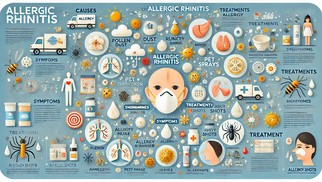
🤧 Fexofenadine, best known under the brand name Allegra, is one of the most widely used tablets for hay fever and other forms of allergic rhinitis. It is popular for a simple reason: it calms sneezing, a runny nose and itchy eyes while leaving most people fully alert. 🍊 Yet it is also one of the easiest allergy tablets to take the wrong way. A glass of orange juice with breakfast, an antacid after lunch or a dose taken only once symptoms are already raging can make it look weaker than it really is. This guide is not another general overview of hay fever. It focuses on one medicine and the practical questions people ask about it: which strength to choose, how fast it works, why fruit juice matters, what to do with antacids, whether it is safe for driving and flying, how it compares with cetirizine, desloratadine and bilastine, and what to add when the nose stays blocked.
🌼 Why so many people choose fexofenadine
💡 Allergic rhinitis happens when the immune system treats pollen, dust mite droppings, pet dander or mould spores as a threat. Mast cells in the lining of the nose release histamine, and histamine drives the sneezing, the itch, the watery discharge and the streaming eyes. Fexofenadine blocks the H1 histamine receptor, so the signal is released but cannot land. It belongs to the second generation of antihistamines, the group designed to act on the body while keeping away from the brain. Among them it has a particular reputation for causing the least drowsiness, which is why it is often the first choice for people who drive for a living, work with machines, study for exams or simply do not want to feel foggy all day.
📖 If you are still unsure whether your symptoms are an allergy or a cold, read allergy or cold, and what actually clears a blocked nose first. A broad comparison of tablets, sprays and eye drops is in allergy medicine compared. Here we stay with the tablet itself and how to use it well.
🧬 From terfenadine to fexofenadine
📜 Fexofenadine has an unusual history. It is the active form of terfenadine, an older antihistamine that the liver converted into fexofenadine. Terfenadine itself could disturb the heart rhythm when it built up in the blood, for example when it was taken with certain antibiotics, antifungals or grapefruit juice, and it was withdrawn from most markets in the late 1990s. Fexofenadine delivers the antihistamine effect directly, without the parent compound, and has not shown that heart rhythm problem at normal doses. It also needs very little processing by the liver, which is one reason it has fewer drug interactions than many other medicines.
🧠 Why it rarely makes people sleepy
🛡️ Histamine in the brain helps keep us awake, which is why old antihistamines that enter the brain cause drowsiness. Fexofenadine is pumped back out of the brain by a transport protein called P-glycoprotein, so very little of it reaches the histamine receptors that control alertness. In studies of reaction time, attention and simulated driving, fexofenadine at normal doses has performed much like a dummy tablet. That does not mean nobody ever feels tired on it, but drowsiness is uncommon and usually mild.
⚖️ 120 mg or 180 mg: which strength for what
📦 Fexofenadine tablets come in 30, 60, 120 and 180 mg strengths, and the labels differ a little between countries. For hay fever in adults and children from 12 years, the usual dose is one 120 mg tablet once a day in Europe, and 180 mg once a day or 60 mg twice a day in the United States. The 180 mg tablet is the licensed strength for chronic hives in many countries. In practice, both doses work well for rhinitis; the higher one is often used when the itch is strong or when skin symptoms come with the nose symptoms.
| 💊 Strength | 🎯 Typical use | 📝 Notes |
|---|---|---|
| 30 mg | Children 6 to 11 years, twice daily | Children doses set by a doctor or pharmacist |
| 60 mg | Adults, twice daily; or once daily in reduced kidney function | Useful when a split dose suits better |
| 120 mg | Seasonal allergic rhinitis, once daily | Standard hay fever dose in Europe |
| 180 mg | Hay fever or chronic hives, once daily | Standard once daily dose in the US |
🛒 Allegra (Fexofenadine) is available in several strengths. Taking two tablets at once to “double up” is not a good idea without advice; if one daily tablet is not enough, the better step is usually to add a nasal spray, as explained further down.
⏱️ How fast it works and how long it lasts
🕒 Fexofenadine is absorbed quickly. Most people notice the first easing of sneezing and itch within about an hour, with the peak effect at two to three hours. The effect lasts around 24 hours, so a single tablet covers a full day and night. Because there is no build-up period of weeks, as with steroid sprays, it is a good tablet for sudden exposure, such as visiting a house with a cat, but it works best of all when it is already in the body before the allergen arrives.
Tablet with water
Sneezing and itch start to ease
Peak blood level and effect
Cover continues until next dose
🍊 The fruit juice problem
🧪 This is the single most common mistake with fexofenadine. To get from the gut into the blood, the drug uses carrier proteins in the intestinal wall. Grapefruit, orange and apple juice block these carriers and can cut the amount of fexofenadine absorbed by a large margin. Studies with grapefruit juice showed clearly lower blood levels and a weaker effect on histamine skin reactions. This is the opposite of the grapefruit effect people know from statins, where juice raises drug levels; with fexofenadine it lowers them. The tablet still works a little, but you may be paying for a full dose and getting much less.
🕒 How long to keep them apart? A practical rule is to take fexofenadine with water and leave a gap of about four hours between the tablet and a glass of fruit juice, on either side. If you love orange juice at breakfast, the easiest fix is to move the tablet to the evening, or to switch to an antihistamine that is not affected in the same way, such as desloratadine.
🧴 Antacids and indigestion remedies
⚠️ The second common trap sits in the kitchen cupboard. Antacids that contain aluminium hydroxide or magnesium hydroxide bind fexofenadine in the stomach and reduce how much is absorbed when they are taken within about 15 minutes of each other. The simple solution is spacing: leave roughly two hours between fexofenadine and the antacid. Acid-reducing tablets such as omeprazole and similar proton pump inhibitors work differently and are not known to cause the same problem.
🍽️ Food, coffee and milk: what is fine
🥛 Unlike some antihistamines, fexofenadine does not need to be taken on an empty stomach. An ordinary meal makes only a small difference to absorption, so the label allows it with or without food. A very high fat meal may slow absorption slightly, but this has little practical effect. Milk, tea and coffee in normal amounts are not known to interfere. The only drinks that really matter are fruit juices, and the only common remedies that really matter are aluminium and magnesium antacids. Swallow the tablet whole with a full glass of water; it is not designed to be chewed.
🌅 Morning or evening dose
🌾 Pollen counts usually rise in the morning as the air warms, and pollen settles again in the evening. For hay fever, a morning dose about an hour before leaving the house fits the daily pollen curve well. Some people, though, have their worst symptoms on waking, because pollen collected in hair and bedding during the night. For them an evening dose can work better, and it also solves the breakfast juice problem. The key point is consistency: pick a time that fits your day, keep it, and avoid gaps longer than 24 hours during the season.
Outdoor work, commuting, daytime sneezing, sports in the afternoon
Worst symptoms on waking, orange juice at breakfast, dust mite allergy in the bedroom
Same time each day, every day in the season
📅 Daily use in the season or only when needed
📈 Fexofenadine can be taken on bad days only, and this works for people with mild, occasional symptoms. But for real hay fever, regular daily use through the pollen season gives better control than waiting for symptoms. Once the nose lining is inflamed it becomes more reactive, so the same amount of pollen causes stronger symptoms; daily blocking prevents that cycle from building. There is no evidence that the body becomes tolerant to fexofenadine over a season, so the tablet keeps working at the same dose. A seasonal pollen calendar helps you plan the start date; see seasonal allergies: pollen calendar and treatment timing.
🚗 Driving, cycling and working with machines
🚦 Allergic rhinitis itself impairs driving. A sneezing fit at motorway speed means several seconds with the eyes closed, and poor sleep from a blocked nose slows reactions the next day. Untreated hay fever has been linked in studies to lower exam results and reduced work performance for the same reasons. So the choice is not between taking a tablet and driving perfectly; it is between treated and untreated symptoms. Fexofenadine is the antihistamine with the strongest evidence of not affecting driving skills at standard doses. Old sedating antihistamines are the opposite: in simulator studies some of them impaired driving at least as much as alcohol around the legal limit, often without the driver noticing.
✈️ Pilots, shift workers and safety-critical jobs
🧑✈️ People in safety-critical jobs face stricter rules. Several aviation medical authorities accept fexofenadine, loratadine or desloratadine for pilots after an initial trial on the ground to confirm there is no drowsiness, while sedating antihistamines are not allowed before flying. Rules differ by country and employer, so pilots, air traffic controllers, train drivers and professional drivers should check with their occupational or aviation medical examiner before starting. Shift workers who take the tablet at the start of a night shift usually do well, because the drug does not depend on the time of day; what matters is the same interval between doses.
🧭 Before a safety-critical shift:
🔹 Take the first ever dose on a day when you do not drive, fly or operate machinery.
🔹 Check your workplace or licensing rules on allergy medicines.
🔹 Never combine with alcohol, sleeping tablets or a sedating antihistamine from a cold remedy.
🍷 Alcohol and fexofenadine
🥃 Fexofenadine does not add much to the sedating effect of alcohol in studies, which is one more difference from older antihistamines. That said, alcohol itself worsens nasal congestion, because it widens blood vessels in the nose lining, and some wines and beers contain histamine and sulphites that trigger symptoms in sensitive people. A drink or two with fexofenadine is not dangerous for most healthy adults, but it is never wise before driving, and people who notice a stuffy nose after red wine may find that alcohol, not pollen, is part of the problem.
💊 Drug interactions worth knowing
🔍 Because fexofenadine is barely broken down by the liver, it avoids most of the interactions that affect many other medicines. The interactions that do exist mainly change how much drug gets absorbed or how fast it leaves the body, and none of them is common in everyday practice. Still, it is worth telling a pharmacist about every regular medicine.
| 💊 Medicine or product | 🔄 Effect | 📝 What to do |
|---|---|---|
| Aluminium or magnesium antacids | Less fexofenadine absorbed | Separate by about 2 hours |
| Fruit juices | Less fexofenadine absorbed | Take with water, keep juice about 4 hours away |
| Erythromycin, ketoconazole | Higher fexofenadine levels | No heart rhythm effect seen; side effects may be a little more likely |
| Rifampicin and St John wort | May lower levels | Effect may be weaker; ask a pharmacist |
| Other antihistamine tablets | Overlapping effect | Do not combine two antihistamine tablets without advice |
| Cold and flu remedies | Often contain a sedating antihistamine | Read the label to avoid a hidden second antihistamine |
📋 Side effects
✅ Fexofenadine is one of the best tolerated allergy medicines. In trials, side effects occurred at rates close to those on a dummy tablet. The most frequent complaints are mild and short-lived. Serious allergic reactions to the antihistamine itself are rare but possible, as with any medicine.
👵 Kidneys, older age, pregnancy and breastfeeding
🩺 Fexofenadine leaves the body mostly unchanged in the bile and partly through the kidneys. In people with reduced kidney function, levels rise, and doctors often start with a lower dose such as 60 mg once a day. Older adults generally tolerate it well, and it is a much safer choice for them than sedating antihistamines, which raise the risk of confusion and falls. Liver disease usually does not require a dose change.
🤰 Pregnancy and breastfeeding:
🔹 Human data on fexofenadine in pregnancy are more limited than for loratadine and cetirizine, which are usually preferred when an antihistamine tablet is needed.
🔹 A steroid nasal spray is often the first choice in pregnancy because so little reaches the blood.
🔹 Only small amounts of fexofenadine pass into breast milk, and many specialists consider it acceptable while breastfeeding.
🔹 Always discuss allergy medicines with the doctor or midwife who looks after the pregnancy.
🔬 Fexofenadine compared with other non-drowsy tablets
🤔 Second-generation antihistamines all work in a similar way, and for most people the difference in effect is small. The real differences lie in drowsiness, onset, food and juice rules and the number of doses a day. If one does not suit you, switching to another is reasonable; individual response varies more than the trials suggest.
📊 Side by side: practical differences
| 💊 Tablet | 📦 Usual adult dose | 🍽️ Food and juice | 😴 Drowsiness |
|---|---|---|---|
| Fexofenadine | 120 or 180 mg once daily | Food fine; avoid fruit juice and antacids | Very low |
| Bilastine | 20 mg once daily | 1 hour before or 2 hours after food or fruit juice | Low |
| Desloratadine | 5 mg once daily | No restrictions | Low |
| Cetirizine | 10 mg once daily | No restrictions | Low to moderate |
💡 A simple way to choose: if drowsiness is your main worry, start with fexofenadine or bilastine; if you want the fewest rules about food and drink, desloratadine is the easiest; if you need the fastest strong relief and do not drive much, cetirizine is a solid option. People with long-term year-round symptoms may also want to read about year-round allergic rhinitis and long-term nasal spray treatment.
👃 When the nose stays blocked
🚧 Antihistamine tablets are excellent for sneezing, itch and a dripping nose, but nasal blockage is driven mostly by swelling of the nose lining, not only by histamine, so tablets alone often leave people congested. If fexofenadine has stopped the sneezing but you still breathe through your mouth at night, the tablet is doing its job; it is simply the wrong tool for the blockage.
💨 Adding a steroid or antihistamine nasal spray
🌿 Steroid nasal sprays are the most effective single treatment for moderate to severe allergic rhinitis. They reduce swelling in the nose lining and help all symptoms, including blockage, but need several days of regular use to reach full effect. Fluticasone is a common choice, used as one or two sprays in each nostril once a day; Flomist (Fluticasone) is one such spray. Correct technique matters a lot: head slightly forward, nozzle aimed away from the middle of the nose, a gentle sniff rather than a hard one. Azelastine is an antihistamine spray that starts working within minutes and is useful for sudden attacks; Astelin (Azelastine) is a familiar brand. Combining fexofenadine with either spray is safe, and they can be used at the same time of day.
💊 Fexofenadine tablet
✅ Sneezing, itch, runny nose, eyes
⏱️ Works within about an hour
➖ Weak on blockage
💨 Steroid nasal spray
✅ All nose symptoms, including blockage
⏳ Full effect after several days
💡 Best started before the season
🧪 Fexofenadine with pseudoephedrine
📦 In some countries fexofenadine is sold in combination with pseudoephedrine, a decongestant that shrinks swollen blood vessels in the nose. The combination helps blockage, but pseudoephedrine can raise blood pressure and heart rate, cause insomnia and make it harder to pass urine. It is not suitable for people with high blood pressure that is not well controlled, heart disease, glaucoma of the narrow angle type, an overactive thyroid, an enlarged prostate with urinary symptoms, or those taking certain antidepressants called MAO inhibitors. It is meant for short courses. For most people with ongoing blockage, a steroid nasal spray is the safer long-term partner for the antihistamine. Decongestant nasal sprays should not be used for more than a few days, because of rebound congestion.
🌙 Old sedating antihistamines: when they still fit
🛌 First-generation antihistamines such as hydroxyzine, promethazine and cyproheptadine are not first-line for hay fever today. They cause marked drowsiness, can leave a hangover effect the next morning, and have drying side effects such as dry mouth, constipation and difficulty passing urine. They still have specific roles that a doctor may choose: severe itch from hives or eczema at night, short-term use for sleep disrupted by itch, or particular conditions where their other effects help. Atarax (Hydroxyzine), Phenergan (Promethazine) and Periactin (Cyproheptadine) belong to this group. If you use one of them at night, do not take fexofenadine on top as a second antihistamine without advice, and never drive the next morning until you know how you react.
Fexofenadine, bilastine, desloratadine or cetirizine
Sometimes a sedating antihistamine at night, short term
Avoid sedating antihistamines
🧫 Before an allergy skin test
💉 If your doctor refers you for skin prick testing, antihistamines need to be stopped beforehand, because they block the very skin reaction the test is trying to measure. A false negative result could send you down the wrong path. Clinics usually give their own instructions, and the required gap differs between medicines.
🗿 Myths about fexofenadine
✅ Getting the most out of each tablet
🏠 Simple measures still add to any medicine. Pollen sticks to hair, skin and clothes, so a shower and a change of clothes after a long time outdoors keeps it out of your bed. Wraparound sunglasses protect the eyes, a little petroleum jelly around the nostrils can trap some pollen, and drying laundry indoors on high-count days avoids bringing pollen in on sheets and towels. For a short refresher on how allergic rhinitis develops, the older overview what is allergic rhinitis and how is it treated is still useful background.
🚨 When to see a doctor
⛔ Get urgent help if:
🔹 You develop swelling of the lips, tongue or throat, difficulty breathing or a widespread rash after taking any medicine.
🔹 Hay fever comes with wheezing, chest tightness or night-time cough, which can mean allergic asthma.
🔹 Symptoms are on one side of the nose only, with bleeding, a bad smell or facial pain or swelling.
🔹 You have a fever, thick coloured discharge and pain over the cheeks for more than ten days, which may point to sinusitis.
🔹 A tablet plus a correctly used steroid spray still leaves you with poor sleep, work or study for several weeks.
📆 Book a routine appointment if you need allergy medicines for most of the year, if you are pregnant or planning pregnancy, if you have kidney disease, or if you are considering allergen immunotherapy. Immunotherapy is the only treatment that changes the allergy itself rather than blocking its symptoms, and it is worth discussing when tablets and sprays are not enough over two or more seasons.
❓ Frequently asked questions
Can I take fexofenadine with orange juice?
It is better not to. Orange, grapefruit and apple juice can greatly reduce how much fexofenadine is absorbed. Take the tablet with water and keep juice about four hours away.
Should I take 120 mg or 180 mg fexofenadine?
Both work for hay fever in adults. 120 mg once daily is the usual European dose for rhinitis, and 180 mg once daily is common in the US and for chronic hives.
How long does fexofenadine take to work?
Most people feel the first relief within about an hour, with the peak effect at two to three hours. One dose lasts around 24 hours.
Can I drive after taking fexofenadine?
Fexofenadine is the antihistamine with the strongest evidence of not affecting driving at normal doses. Test your first dose on a day off, and do not combine it with alcohol or sedating medicines.
Can I take fexofenadine with an antacid?
Antacids with aluminium or magnesium hydroxide reduce absorption if taken close together. Leave about two hours between them.
Is fexofenadine better than cetirizine?
Both work well. Fexofenadine causes less drowsiness, while cetirizine has no food or juice rules and works quickly. The best choice depends on your priorities and response.
Can I take fexofenadine every day?
Yes. Daily use through the pollen season gives better control than taking it only on bad days, and there is no good evidence that it stops working over time.
Why does fexofenadine not help my blocked nose?
Blockage comes mainly from swelling of the nose lining, which antihistamine tablets only partly reduce. A daily steroid nasal spray is the usual addition.
Can I use fexofenadine with a fluticasone nasal spray?
Yes. The tablet and a steroid nasal spray work in different ways and are often used together. They can be taken at the same time of day.
Is fexofenadine safe in pregnancy?
Data are more limited than for loratadine and cetirizine, which are usually preferred. A steroid nasal spray is often the first choice. Discuss any allergy medicine with your doctor or midwife.
📑 Sources and editorial
- 📘 Product information and labelling for fexofenadine tablets in Europe and the United States
- 🧪 Pharmacokinetic studies of fexofenadine with fruit juices and with antacids
- 🚗 Studies of antihistamines and driving performance, psychomotor tests and brain receptor occupancy
- 🌿 Clinical guidelines on the management of allergic rhinitis
- ✈️ Aviation and occupational medicine guidance on allergy medicines
- 🤰 Reviews of antihistamine use in pregnancy and breastfeeding
- 📖 Related reading: allergy or cold, allergy medicine compared, seasonal allergies explained, year-round allergic rhinitis, allergic conjunctivitis
- 🛒 Related products: Allegra (Fexofenadine), Billargic (Bilastine), Clarinex (Desloratadine), Zyrtec (Cetirizine), Flomist (Fluticasone), Astelin (Azelastine)
- 🩺 RXshop Editorial Team — reviewed by Sarah Mitchell, PharmD — Clinical pharmacist
Medical Disclaimer: The information in this article is for educational and informational purposes only and is not a substitute for professional medical advice, diagnosis, or treatment. Always seek guidance from a qualified healthcare provider with any questions you may have regarding a medical condition, and before starting, stopping or changing any medication.