Cutaneous Lupus Rash: Acute, Subacute and Discoid Types, Sun Triggers and the Treatment Ladder Up to Azathioprine


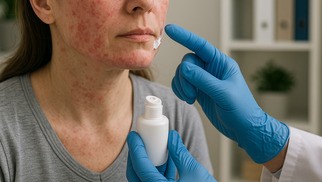
🦋 A red rash across the cheeks after a sunny weekend, ring-shaped scaly patches on the shoulders, or a thick coin-shaped spot in the ear that leaves a scar: all three can be cutaneous lupus, the form of lupus that shows itself mainly in the skin. The type of rash decides almost everything that follows: how likely it is to scar, how closely the doctor will look for lupus inside the body, and which medicines are tried first. 🔍 This guide explains the three main types, how sunlight and certain medicines set off flares, which tests confirm the diagnosis, and the usual treatment ladder from sun protection and creams to hydroxychloroquine, short steroid courses and steroid-sparing tablets such as methotrexate, acitretin and azathioprine, including the blood test that must come before the first azathioprine tablet.
🔎 Why a lupus rash is not an ordinary rash
🧬 Lupus erythematosus is an autoimmune disease: the immune system makes antibodies and inflammatory cells that attack healthy tissue. In cutaneous lupus the main target is the skin, and in particular the layer where the surface cells meet the deeper skin. Ultraviolet light damages these surface cells, and in lupus the clean-up of damaged cells goes wrong, so the immune system reacts to material it should ignore. That is why the rash sits on the face, ears, neck, upper chest, arms and hands, and why it often appears days to weeks after sun exposure rather than the same afternoon, which makes the link easy to miss.
📋 Skin lupus can exist on its own or as one part of systemic lupus (SLE), where joints, kidneys, blood cells, lungs or the nervous system are also involved. A person with a lupus rash always deserves at least one check for systemic disease, even if they feel well. The old idea of a separate “exanthematous lupus” describes a widespread measles-like rash; today doctors place it inside the acute type below, and it is usually a sign of active systemic lupus rather than a skin problem alone.
🗂️ The three main types side by side
| 🔎 Feature | 🦋 Acute (ACLE) | ⭕ Subacute (SCLE) | 🔘 Discoid (DLE) |
|---|---|---|---|
| Typical look | Flat redness over cheeks and nose, or widespread fine rash | Red rings or scaly, psoriasis-like plaques | Thick, scaly, coin-shaped patches |
| Usual sites | Cheeks, nose bridge, sun-exposed arms | Shoulders, upper back, chest, outer arms | Scalp, ears, face, inside the ear bowl |
| Scarring | No | No, may leave pale or dark marks | Yes, and permanent hair loss on the scalp |
| Link with SLE | Strong | Moderate | Lower when patches stay above the neck |
| Main antibody clue | ANA, anti-dsDNA | Anti-Ro (SSA) | Often none |
🦋 Acute cutaneous lupus: the butterfly rash
🔥 The classic malar or butterfly rash spreads across both cheeks and the bridge of the nose, and typically spares the creases that run from the nose to the corners of the mouth. It is red, slightly swollen, sometimes warm or itchy, and it does not scar. It usually flares together with other signs of active systemic lupus, such as joint pain, tiredness, mouth ulcers, fever or hair thinning. A wider version can cover the arms, chest and back and look like a viral rash or a drug reaction.
⭕ Subacute cutaneous lupus: rings and scaly patches
☀️ Subacute lupus is the most light-sensitive form. It produces either red rings with a clear centre that slowly enlarge and merge, or flat scaly plaques that can be mistaken for psoriasis or eczema. It favours the shoulders, upper back, V of the neck and outer arms, while the face is often spared. Most people with this type test positive for the anti-Ro (SSA) antibody, which matters for pregnancy and for dry eyes and mouth.
🔘 Discoid lupus: the type that scars
⚠️ Discoid lupus starts as a red, slightly raised patch with firm scale that plugs the hair openings. Over months the centre turns pale, thin and scarred, while the edge stays red and active, often with dark pigment around it. On the scalp the scarring destroys hair follicles, so hair lost to discoid lupus does not grow back. This is why doctors treat discoid lupus early and firmly, even when it is only a few patches and does not itch.
🧩 Rarer forms worth knowing
☀️ How sunlight sets off a flare
🕒 Because of that delay, many people do not connect the rash with the beach, the ski slope or the drive with the window down. UVA passes through window glass and clouds, so office workers by a window, long-distance drivers and people under fluorescent or bright LED lamps close to the skin can still flare. A clear explanation of how light reactions differ is given in can you have a sun allergy; the long-term effect of light on skin structure is covered in how light shapes skin aging.
💊 Medicines that can trigger subacute lupus
🧪 A number of everyday medicines can switch on a subacute lupus rash in people with the tendency. This drug-induced form looks the same under the microscope and usually carries the anti-Ro antibody. The rash typically clears over weeks to a few months after the trigger is stopped, which is why every new rash should come with a full medicine list.
🚬 Smoking and skin lupus
💨 Smoking is one of the few things that clearly makes cutaneous lupus worse. Smokers tend to have more extensive rashes and respond less well to hydroxychloroquine, and some people only reach control after they stop. Quitting also lowers the heart and blood vessel risks that are already higher in lupus.
❓ Will skin lupus turn into systemic lupus?
🧭 This is usually the first question people ask. Most people with discoid lupus limited to the head and neck never develop systemic disease, while the acute type is almost always part of systemic lupus from the start. Subacute lupus sits in between: many have some systemic features such as joint pain, but serious organ disease is less common. The risk is not fixed, so regular checks are what protect the kidneys and blood.
🧪 Tests that confirm the diagnosis
🪜 The treatment ladder at a glance
🧴 Step 1: sun protection done properly
🌞 Sunscreen is treatment in cutaneous lupus, not a cosmetic extra. It works only if enough is applied, every day, including cloudy days and winter. Most people use a third to a half of the amount tested in the laboratory, which cuts protection sharply.
🧴 Step 2: creams, ointments and injections
| 🧴 Treatment | 📍 Best for | ⚠️ Watch for |
|---|---|---|
| Potent steroid cream or ointment | Discoid and thick patches on the body and scalp | Skin thinning with long use; often used in courses or on weekends only |
| Milder steroid cream | Face and skin folds | Redness and thin skin if overused on the face |
| Tacrolimus or pimecrolimus | Facial rash, eyelids, long-term use | Burning for the first days; no skin thinning |
| Steroid injection into the patch | Stubborn discoid patches, scalp | Small dents or pale spots at the site |
💊 Step 3: hydroxychloroquine, the main long-term tablet
🛡️ Hydroxychloroquine is an antimalarial that calms the immune signals involved in lupus skin inflammation. It is the first-choice tablet for all three main types of cutaneous lupus and for systemic lupus. The daily dose is kept at or below 5 mg per kg of real body weight, commonly 200 to 400 mg a day for adults, and the full effect takes 2 to 3 months. Common side effects are stomach upset and headache; rare ones include changes in skin colour, low blood sugar and heart rhythm problems in people with heart disease or on other rhythm-affecting drugs.
👁️ Eye checks on hydroxychloroquine:
🔹 A baseline eye examination is usually done in the first year of treatment.
🔹 Yearly screening with retinal imaging normally starts after 5 years, or sooner with kidney disease, higher doses or tamoxifen use.
🔹 Retinal damage is uncommon at correct doses, but it is permanent, so screening is not optional.
⚡ Short steroid courses for a bad flare
🔥 A widespread acute or subacute flare can be brought under control within days with oral prednisolone, usually started at a moderate dose and tapered over a few weeks while the long-term medicine takes effect. Steroid tablets are a bridge, not a maintenance plan for skin lupus: long courses cause weight gain, raised blood sugar, bone thinning, cataracts and infections, and the rash often rebounds when they stop abruptly.
🏷️ When hydroxychloroquine is not enough: second-line tablets
🧭 There is no single right second step; the choice depends on the type of rash, other organ involvement, pregnancy plans, liver and kidney health, and how quickly control is needed. Methotrexate has the most experience for stubborn skin lupus, acitretin suits thick discoid and wart-like patches, mycophenolate is a strong option when systemic lupus is present, and azathioprine is mostly chosen as a steroid-sparing drug, particularly when pregnancy is possible.
🎯 Where azathioprine fits in skin lupus
🧬 Azathioprine is converted in the body into substances that slow the multiplication of immune cells. It works slowly and steadily and is better at keeping lupus quiet than at stopping an acute flare. For skin-only lupus the evidence is weaker than for methotrexate, so it is usually chosen for particular reasons rather than as the automatic next step.
🧬 Before the first tablet: the TPMT test
🔬 The enzyme TPMT helps break down azathioprine. About 1 in 10 people have reduced activity and roughly 1 in 300 have almost none. In people with very low activity, a normal dose can wipe out the bone marrow within weeks. A simple blood test of TPMT (and, in some countries, the NUDT15 gene) before starting tells the doctor what dose is safe.
📅 Dosing and the first months on azathioprine
💊 Adults often start at 50 mg a day and increase over a few weeks to a target of about 1 to 2.5 mg per kg of body weight daily, guided by the TPMT result and blood counts. Taking the tablet after food, or splitting the dose, reduces nausea, which is the most common early complaint. Improvement in the skin usually appears after 2 to 3 months, so hydroxychloroquine and creams continue in the meantime, and a steroid taper often begins only once azathioprine has taken hold.
TPMT, blood count, liver tests, hepatitis and chickenpox status
Dose built up; blood tests every 1 to 2 weeks
Skin improves; steroid taper starts
Blood tests about every 3 months
⚠️ Interactions that matter most
| 💊 Medicine | 📝 What happens | ✅ Usual action |
|---|---|---|
| Allopurinol | Blocks azathioprine breakdown; dangerous drop in blood counts | Avoid, or cut azathioprine to about a quarter under close specialist control |
| Febuxostat | Same mechanism as allopurinol | Avoid the combination |
| Warfarin | Weaker anticoagulant effect | Extra INR checks when starting or stopping |
| Co-trimoxazole | Added effect on bone marrow | Blood count check if a course is needed |
| Live vaccines | Risk of infection from the vaccine itself | Avoid while on treatment; give inactivated vaccines instead |
🚨 The allopurinol interaction is the one that causes serious harm most often, because gout is common and the two drugs may be prescribed by different doctors. Anyone taking Zyloprim (Allopurinol) for gout should tell every prescriber before azathioprine is considered; how allopurinol is used for gout is explained in gout treatment with allopurinol.
☀️ Side effects, and why the sun matters twice
🧪 Most people tolerate azathioprine well once the first weeks are over. Low white cells, raised liver enzymes and more frequent infections are the side effects that blood tests are designed to catch early. A small number develop a flu-like reaction with fever, rash and aching in the first weeks, or inflammation of the pancreas with severe upper abdominal pain; both mean stopping the drug and calling the doctor.
☀️ Long-term skin cancer risk:
🔹 Azathioprine makes the skin more sensitive to UVA and raises the long-term risk of non-melanoma skin cancer.
🔹 The same sun routine that prevents lupus flares also lowers this risk, so it protects twice.
🔹 A yearly skin check, and prompt review of any new, growing or bleeding spot, is sensible for everyone on long-term treatment.
🤰 Pregnancy and family planning
👶 Pregnancy planning changes the medicine choice more than almost anything else in lupus. Hydroxychloroquine and azathioprine are generally continued in pregnancy because stopping them raises the risk of a flare, which is more dangerous for mother and baby than the drugs. Methotrexate, mycophenolate and acitretin harm the developing baby and must be stopped well before trying to conceive. Women with the anti-Ro antibody need extra heart monitoring of the baby during pregnancy because of a small risk of congenital heart block and neonatal lupus rash.
Hydroxychloroquine, azathioprine, low-dose prednisolone
Methotrexate, mycophenolate, acitretin
Ideally 6 months of quiet disease before conception
🗿 Myths about skin lupus and its treatment
🚨 When to see a doctor
⛔ Get medical advice promptly if:
🔹 A new rash on the face, ears or scalp does not clear within a few weeks, or a patch starts to scar or cause hair loss.
🔹 The rash comes with joint swelling, fever, mouth ulcers, chest pain on breathing or swollen ankles.
🔹 On azathioprine you develop a sore throat with fever, unusual bruising or bleeding, yellow skin or eyes, or severe upper abdominal pain.
🔹 You notice blurred or patchy vision while on hydroxychloroquine.
🔹 You are pregnant or planning pregnancy and take any lupus medicine.
❓ Frequently asked questions
What does a cutaneous lupus rash look like?
It depends on the type: a red butterfly rash over the cheeks, red rings or scaly patches on the shoulders and chest, or thick coin-shaped patches that scar on the scalp, ears and face.
Is skin lupus the same as systemic lupus?
No. Skin lupus can exist alone, but the acute type is usually part of systemic lupus, so everyone with a lupus rash needs blood and urine tests for organ involvement.
Why does my lupus rash appear weeks after being in the sun?
UV light damages skin cells and the immune reaction builds slowly, so the rash usually appears one to three weeks after exposure, which hides the link.
Can medicines cause a lupus rash?
Yes. Thiazide water tablets, terbinafine, some blood pressure drugs, proton pump inhibitors and TNF inhibitors can trigger subacute lupus, which usually clears after the trigger is stopped.
How long does hydroxychloroquine take to work on skin lupus?
Usually 2 to 3 months. It is judged after about 12 weeks of daily use at a dose of no more than 5 mg per kg of body weight.
Is azathioprine used for cutaneous lupus?
Yes, as a second-line, steroid-sparing option, mainly when systemic features are present, steroids cannot be tapered, or pregnancy is planned. Methotrexate has stronger evidence for skin-only disease.
Why is a TPMT test needed before azathioprine?
TPMT breaks down azathioprine. People with very low activity, about 1 in 300, can develop severe bone marrow suppression on a normal dose, so the result guides the dose or drug choice.
Can I take allopurinol with azathioprine?
Usually not. Allopurinol blocks azathioprine breakdown and can cause a dangerous fall in blood counts. If both are essential, a specialist cuts the azathioprine dose sharply and monitors closely.
Does discoid lupus hair loss grow back?
Not once scarring has formed, because the follicles are destroyed. Hair can recover if the patch is treated while it is still red and active.
Which lupus medicines are safe in pregnancy?
Hydroxychloroquine, azathioprine and low-dose prednisolone are usually continued. Methotrexate, mycophenolate and acitretin must be stopped well before conception.
📑 Sources and editorial
- 📘 Dermatology and rheumatology guidelines on the classification and treatment of cutaneous lupus erythematosus
- 🔬 Reviews of drug-induced subacute cutaneous lupus and its common triggers
- 💊 Prescribing information for hydroxychloroquine, azathioprine, methotrexate, acitretin and prednisolone
- 👁️ Ophthalmology recommendations on screening for hydroxychloroquine retinopathy
- 🧬 Pharmacogenetic guidance on TPMT and NUDT15 testing before thiopurines
- 🤰 Guidance on the use of antirheumatic drugs before and during pregnancy
- 🚬 Studies of smoking and treatment response in cutaneous lupus
- 📖 Related reading: living on immunosuppressants, can you have a sun allergy, Raynaud disease, gout treatment with allopurinol, rheumatoid arthritis
- 🛒 Related products: Imuran (Azathioprine), Methotrexate (Methotrexate), Actoid (Acitretin), Deltasone (Prednisolone), Predniheal (Prednisolone), Zyloprim (Allopurinol)
- 🩺 RXshop Editorial Team — reviewed by Emily Chen, MD, MPH — Internal Medicine Specialist
Medical Disclaimer: The information in this article is for educational and informational purposes only and is not a substitute for professional medical advice, diagnosis, or treatment. Always seek guidance from a qualified healthcare provider with any questions you may have regarding a medical condition, and before starting, stopping or changing any medication.