Fludrocortisone for Addison Disease: Getting the Dose Right With Salt Craving, Standing Blood Pressure and Potassium


🧂 People with Addison disease usually learn the hydrocortisone rules first: take it on waking, double it with a fever, never run out. The second tablet, fludrocortisone, gets far less attention, yet it decides whether you feel dizzy every time you stand up, crave salt all afternoon, or end up with swollen ankles and high blood pressure. Fludrocortisone replaces aldosterone, the salt-keeping hormone, and its dose is set by symptoms, blood pressure and blood tests rather than by a fixed rule. 🔍 This guide explains who needs it, how the dose is found and checked, what changes in hot weather, pregnancy and illness, which medicines interfere, and how to spot the difference between too little and too much.
🧬 Why Addison disease needs a second hormone tablet
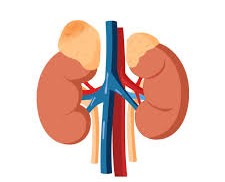
🔬 The outer layer of each adrenal gland makes two hormones that matter for survival. Cortisol keeps blood sugar, blood pressure and the stress response working. Aldosterone tells the kidneys to hold on to sodium and water and to get rid of potassium. In primary adrenal insufficiency, the gland itself is damaged, so both hormones fall together. Hydrocortisone covers the cortisol part. On its own, at normal replacement doses, it does not hold enough salt, so most people also need fludrocortisone. Without it, sodium leaks into the urine, blood volume shrinks, potassium climbs and the blood pressure sags, especially when standing. 📖 For the wider picture of adrenal conditions, including Cushing and Conn syndromes, see adrenal gland disorders: symptoms, tests and treatment.
🔀 Primary or secondary: who actually needs fludrocortisone
🧠 Not everyone with low cortisol needs a salt hormone. Cortisol production runs on a signal from the pituitary gland called ACTH, but aldosterone is controlled mainly by the kidney renin system. When the problem is in the pituitary, cortisol falls while aldosterone usually keeps working, so fludrocortisone is rarely needed. When the adrenal gland itself fails, as in autoimmune Addison disease, tuberculosis of the adrenals or after both glands are removed, aldosterone is lost too. 📖 Pituitary causes of hormone loss are explained in pituitary adenoma.
| 🔍 Type | 📍 Where the fault is | 🧂 Fludrocortisone? |
|---|---|---|
| Primary (Addison disease) | Adrenal glands themselves | Usually yes |
| Salt-wasting congenital adrenal hyperplasia | Enzyme defect in the gland from birth | Usually yes, often from infancy |
| Secondary | Pituitary gland, low ACTH | Usually no |
| After long-term steroid treatment | Suppressed ACTH signal | Usually no |
| Both adrenals removed | No adrenal tissue left | Yes |
⚙️ How fludrocortisone works in the kidney
🧪 Fludrocortisone is a synthetic steroid with a very strong salt-retaining effect and only a small cortisol-like effect at replacement doses. It acts on the same receptor in the kidney as natural aldosterone, switching on sodium channels in the final part of the kidney tubule. Sodium and water are kept, potassium and hydrogen ions are pushed out. The effect on blood tests builds over days, and a dose change usually needs one to two weeks before it can be judged fairly.
💊 The usual dose and how it is taken
📋 Most adults with Addison disease take Florinef (Fludrocortisone) 0.1 mg once a day. The usual range is 0.05 to 0.2 mg daily, taken in the morning together with the first hydrocortisone dose. Children, people living in hot climates and those who lose a lot of salt through sweat sometimes need more per kilogram than older adults. Older people and those with heart or kidney problems often need less. The tablet works best as a steady daily habit; there is no benefit in splitting it.
🤝 Hydrocortisone and fludrocortisone: two different jobs
⚖️ The two tablets are often mixed up, and this matters most when someone is unwell. Hydrocortisone is the life-saving part that must be increased during illness; fludrocortisone stays the same. Missing hydrocortisone during a fever can lead to crisis within hours. Missing one fludrocortisone tablet causes, at worst, a little light-headedness the next day.
| 🔍 Feature | 💊 Hydrocortisone | 🧂 Fludrocortisone |
|---|---|---|
| Replaces | Cortisol | Aldosterone |
| Usual adult daily dose | 15 to 25 mg in 2 or 3 doses | 0.05 to 0.2 mg once |
| Sick day change | Double or more; injection if vomiting | None |
| Signs of too little | Tiredness, nausea, weight loss | Dizziness on standing, salt craving, high potassium |
| Signs of too much | Weight gain, poor sleep, thin bones | Swelling, high blood pressure, low potassium |
| Main checks | Symptoms, weight, blood pressure | Lying and standing pressure, sodium, potassium, renin |
💊 When prednisolone is used instead of hydrocortisone
🔄 Some people prefer one tablet a day and are switched to prednisolone, usually 3 to 5 mg each morning, for example Predniheal (Prednisolone) or Deltasone (Prednisolone). Prednisolone has a weaker salt effect than hydrocortisone, so the fludrocortisone dose sometimes needs to go up after the switch. Dexamethasone has almost none and is seldom used for daily replacement because it is easy to overdose and hard to measure. Any switch is planned with an endocrinologist, and blood pressure and potassium are checked a few weeks later.
📉 Signs the dose may be too low
🧂 Under-replacement is common in the first months and after moving to a hotter place. A strong craving for salty food, such as eating salt from the hand or drinking pickle brine, is a classic clue. Many people also notice dizziness when they get up, a racing pulse on standing, tiredness that hydrocortisone does not fix, and cramps.
📈 Signs the dose may be too high
🦶 Over-replacement keeps too much salt and water. Ankle swelling, a rising blood pressure and low potassium are the three main warnings. Low potassium can cause muscle weakness, cramps and palpitations. Headaches and quick weight gain over a few days, from fluid rather than fat, also point in this direction. In older people or those with heart disease, too much fludrocortisone can bring on breathlessness from fluid on the lungs, which needs prompt review.
🩺 Measuring lying and standing blood pressure at home
📏 A home blood pressure monitor is one of the most useful tools for anyone on fludrocortisone. The key number is not the pressure itself but how much it falls when you stand. Bringing a week of readings to the clinic gives the doctor far more to work with than a single reading taken after a rushed walk from the car park.
🧪 Blood tests that guide the dose
📋 Sodium and potassium are checked at most visits. Plasma renin, measured as activity or concentration, is the most direct test of whether the salt hormone dose is right. Renin is made by the kidney when it senses low blood volume, so a high renin says the body still feels short of salt and water. Aldosterone itself is not useful to measure on treatment, because fludrocortisone does not show up in that test.
| 🧪 Test | 📉 Suggests too little | 📈 Suggests too much |
|---|---|---|
| Sodium | Low or low-normal | High-normal |
| Potassium | High | Low |
| Renin | Clearly raised | Very low or undetectable |
| Creatinine | May rise with dehydration | Usually unchanged |
💡 Renin samples are best taken in a consistent way, at a similar time of day and after a similar period sitting, so results can be compared from one visit to the next.
🎯 Where the renin target sits
📊 Most endocrinologists aim for a renin in the upper part of the normal range. Pushing renin down to zero is a sign of over-treatment, not of good control. The bars below show the idea of the target zone, not exact laboratory numbers, which differ between labs.
🧂 Salt: why the usual advice does not apply
🥫 Public health messages tell everyone to eat less salt. People with Addison disease should not follow that advice unless their own doctor says so. They are encouraged to salt food to taste and to add more when they sweat. Potassium-based salt substitutes are a different matter: they replace sodium with potassium, which is the opposite of what an under-replaced adrenal patient needs. 📖 How these substitutes work, and who should avoid them, is explained in products to replace salt.
🧂 Salt rules on fludrocortisone:
🔹 Eat salt to taste; craving it is a signal, not a weakness.
🔹 Avoid potassium-based salt substitutes unless your doctor approves them.
🔹 Large amounts of real liquorice act like extra salt hormone and can raise blood pressure.
🔹 Very high salt intake with a high fludrocortisone dose can cause swelling; balance matters.
☀️ Hot weather, heavy sweating and sport
🏃 Sweat contains salt, and a long run, a sauna, a hot climate holiday or a summer job outdoors can drain more sodium than the usual dose replaces. The first response is extra salt and fluid; some endocrinologists also advise a small temporary rise in fludrocortisone during prolonged heat. This should be agreed in advance, not guessed. For a single long session of exercise, a salty snack or an electrolyte drink beforehand is often enough; some people also take a small extra hydrocortisone dose before endurance events, if their team has advised it.
Usual tablets, normal salt, drink water
Salty snacks, electrolyte drinks, plan with your team
Ask in advance about a temporary dose rise
🤒 Sick day rules: what changes and what stays the same
📋 Sick day rules are about cortisol, not salt. With a fever, an infection needing antibiotics or an illness that keeps you in bed, the hydrocortisone dose is usually doubled; fludrocortisone continues at the normal dose. At the high hydrocortisone doses used in hospital, hydrocortisone itself holds enough salt, so fludrocortisone is often paused there by the medical team. At home, keep taking it. If nausea makes swallowing hard, an anti-sickness tablet such as Zofran (Ondansetron), if your doctor has prescribed it, may help keep tablets down, but it is never a reason to delay the emergency injection when vomiting continues.
🚨 Adrenal crisis: the signs and the emergency injection
⚠️ Adrenal crisis is a cortisol emergency, and it can develop within hours during vomiting, diarrhoea, injury or severe infection. The treatment is hydrocortisone 100 mg by injection into a muscle, followed by intravenous fluids in hospital, given before any test result comes back. Every person with Addison disease should carry an emergency card and an injection kit, and someone at home should know how to use it.
📅 The first months after diagnosis
⏳ Finding the right fludrocortisone dose often takes a few adjustments. Most people feel the biggest change once both hormones are replaced, but fine tuning continues for several months. Diagnosis usually rests on a low morning cortisol, a high ACTH and a poor response to a synacthen stimulation test, with high renin and low aldosterone pointing to the salt side. Adrenal antibodies help confirm an autoimmune cause.
Hydrocortisone and fludrocortisone started
First check of pressure, sodium, potassium
Dose fine tuned using renin and symptoms
Review, bloods, other autoimmune screening
🤰 Pregnancy and fludrocortisone
👶 Fludrocortisone is continued in pregnancy. In the third trimester, rising progesterone partly blocks the salt hormone receptor, so some women need a slightly higher dose. Renin rises naturally in pregnancy and cannot be used as the guide, so doctors rely on blood pressure, potassium and symptoms instead. Hydrocortisone is also often increased in the last weeks, and extra hydrocortisone is given during labour. Pregnancy in Addison disease is planned and followed by an endocrinologist working with the obstetric team.
📈 When blood pressure rises with age
👴 Many people with Addison disease develop ordinary high blood pressure in later life. The first step is usually to lower the fludrocortisone dose, not to stop it altogether, because stopping can bring back salt loss and high potassium. If pressure stays high, a blood pressure medicine is added. Drugs that block the salt hormone receptor, such as Aldactone (Spironolactone) and eplerenone, cancel the effect of fludrocortisone and are generally avoided in this setting. Water tablets can push potassium down further and need careful monitoring.
⚠️ Medicines and substances that interact
| 💊 Medicine or substance | 📝 Effect with fludrocortisone |
|---|---|
| Spironolactone, eplerenone | Block its action; salt loss and high potassium can return |
| Thiazide and loop water tablets | Extra potassium loss; risk of low potassium |
| Rifampicin, carbamazepine, phenytoin | Speed up breakdown of fludrocortisone and hydrocortisone; doses may need to rise |
| Anti-inflammatory painkillers (NSAIDs) | Fluid retention, higher pressure, kidney strain |
| Real liquorice in large amounts | Adds a salt hormone effect; swelling, high pressure |
| Digoxin | Low potassium increases the risk of digoxin side effects |
💡 Tell every doctor and pharmacist that you take both tablets, and ask whether any new medicine affects salt, potassium or steroid breakdown.
🦋 Thyroid, diabetes and other autoimmune companions
🔗 Autoimmune Addison disease often travels with other autoimmune conditions, most commonly an underactive thyroid, type 1 diabetes, vitamin B12 deficiency and early menopause. A key safety rule: if both adrenal and thyroid hormone are low, hydrocortisone is started before levothyroxine, because thyroid hormone speeds up cortisol use and can trigger a crisis in untreated adrenal insufficiency. Once cortisol is replaced, thyroid treatment such as Synthroid (Levothyroxine) or Eltroxin (Levothyroxine) is introduced in the usual way. 📖 Thyroid symptoms and dosing are covered in understanding hypothyroidism.
🦴 Bones and long-term replacement
🦴 Fludrocortisone at replacement doses has little effect on bone. The bone risk comes from too much glucocorticoid over many years, which is why doctors try to keep hydrocortisone at the lowest dose that keeps a person well. People with other risk factors, such as early menopause from autoimmune ovarian failure, may be offered a bone density scan. If osteoporosis is found, treatment such as Fosamax (Alendronate) may be advised alongside calcium and vitamin D. 📖 Bone loss around menopause is covered in osteoporosis and menopause.
😵 Fludrocortisone for dizziness on standing, and midodrine
🪑 Fludrocortisone is also used outside adrenal disease, for orthostatic hypotension, where blood pressure falls on standing because of nerve problems, Parkinson disease or other causes. Here it works by expanding blood volume, and it often sits beside or is replaced by midodrine, a tablet that tightens blood vessels, such as Gutron (Midodrine). Midodrine is taken during the day and not within about four hours of bedtime, because it can raise pressure too much when lying down. Both medicines can cause high pressure at night, and both are chosen by a specialist after non-drug steps such as more fluid, more salt, compression stockings and raising the head of the bed.
| 🔍 Feature | 🧂 Fludrocortisone | 💊 Midodrine |
|---|---|---|
| How it raises pressure | More salt and water in the blood | Tightens blood vessels |
| Doses a day | Once | Usually 2 or 3 in daytime |
| Typical side effects | Swelling, low potassium, headache | Goosebumps, scalp tingling, urine retention |
| Main concern | Fluid overload, heart failure | High pressure when lying flat |
🧳 Practical tips: storage, missed doses and travel
🗿 Myths and facts about fludrocortisone
🚨 When to see a doctor
⛔ Get urgent help if you have:
🔹 Repeated vomiting, severe weakness, confusion or fainting: inject hydrocortisone and call emergency services.
🔹 Breathlessness, especially lying flat, or fast-spreading swelling of the legs.
🔹 Marked muscle weakness or palpitations, which may mean very low or very high potassium.
🔹 A severe headache with very high blood pressure.
☑️ Book a routine review for constant salt craving, dizziness on standing, slowly rising pressure or ankle swelling.
📖 For background on cortisol and stress, see cortisol, the stress hormone.
❓ Frequently asked questions
What does fludrocortisone do in Addison disease?
It replaces aldosterone, the hormone that makes the kidneys keep sodium and water and remove potassium. It keeps blood pressure up, especially on standing.
What is the usual dose of fludrocortisone?
Most adults take 0.1 mg once each morning. The usual range is 0.05 to 0.2 mg a day, adjusted by blood pressure, potassium and renin.
Should I double fludrocortisone when I am ill?
No. Sick day rules apply to hydrocortisone. Fludrocortisone is taken at the usual dose unless a hospital team changes it.
How do I know if my fludrocortisone dose is too low?
Salt craving, dizziness on standing, a fall in blood pressure of 20 mmHg or more when you stand, high potassium and high renin all suggest too little.
What are the signs of too much fludrocortisone?
Swollen ankles, high blood pressure, headaches, low potassium with cramps or weakness, and a suppressed renin level.
Does everyone with adrenal insufficiency need fludrocortisone?
No. It is needed in primary adrenal insufficiency such as Addison disease. In pituitary or steroid-related adrenal insufficiency, aldosterone usually still works.
Should people with Addison disease eat less salt?
Usually not. They are advised to salt food to taste and add more in heat or heavy sweating, and to avoid potassium-based salt substitutes.
Can I take fludrocortisone during pregnancy?
Yes, it is continued. Some women need a slightly higher dose late in pregnancy, guided by blood pressure and potassium rather than renin.
What if I develop high blood pressure on fludrocortisone?
The dose is usually lowered rather than stopped. If needed, a blood pressure medicine is added, avoiding spironolactone and eplerenone, which block fludrocortisone.
What happens if I miss a dose of fludrocortisone?
Take it the same day when you remember. Do not double the next dose. One missed tablet rarely causes more than mild dizziness.
📑 Sources and editorial
- 📘 Prescribing information for fludrocortisone acetate tablets
- 📘 Clinical practice guidelines on the diagnosis and treatment of primary adrenal insufficiency
- 🧪 Endocrinology society guidance on monitoring mineralocorticoid replacement with renin, sodium and potassium
- 🚨 Patient safety guidance on steroid emergency cards, sick day rules and adrenal crisis
- 🤰 Reviews on adrenal insufficiency in pregnancy
- 😵 Guidelines on the management of orthostatic hypotension
- 📖 Related reading: adrenal gland disorders, pituitary adenoma, understanding hypothyroidism, products to replace salt, osteoporosis and menopause
- 🛒 Related products: Florinef (Fludrocortisone), Predniheal (Prednisolone), Deltasone (Prednisolone), Gutron (Midodrine), Synthroid (Levothyroxine)
- 🩺 RXshop Editorial Team — reviewed by Daniel Kim, MD — Endocrinologist
Medical Disclaimer: The information in this article is for educational and informational purposes only and is not a substitute for professional medical advice, diagnosis, or treatment. Always seek guidance from a qualified healthcare provider with any questions you may have regarding a medical condition, and before starting, stopping or changing any medication.