LDL Still Too High on a Statin: Switching to Rosuvastatin, Raising the Dose or Adding Ezetimibe, and How Targets Are Set


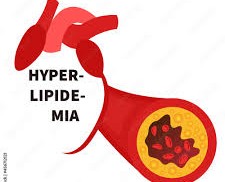
🧪 You have been on a statin for a few months, the new blood test comes back, and the LDL cholesterol is lower but still above the goal your doctor wrote down. This is one of the most common situations in a heart clinic. An LDL that stays high on a statin is usually a solvable problem, not a sign that treatment has failed. 🔍 There are only a handful of real causes: tablets missed or taken the wrong way, a dose that is too gentle for the risk, a statin that is weaker than needed, another condition pushing cholesterol up, or a genetic pattern that needs a second medicine. This guide walks through each one, explains how doctors choose between raising the dose, switching to rosuvastatin and adding ezetimibe.
🎯 Why LDL is the number that drives treatment
🫀 A standard lipid panel shows total cholesterol, LDL, HDL and triglycerides. LDL cholesterol is the main target because LDL particles are the ones that enter the artery wall and build plaque. The lower the LDL and the longer it stays low, the slower plaque grows, and in some people it even shrinks a little. Large trials of statins and other LDL-lowering drugs all point the same way: each fall of about 1 mmol/L (about 39 mg/dL) in LDL cuts the rate of heart attacks and strokes by roughly a fifth over several years. 📖 For the basics of what the panel means, see high cholesterol and your heart.
📏 Which LDL target applies to you
🧭 There is no single “normal” LDL for everyone on treatment. The goal is set by your overall risk, and the higher the risk, the lower the target. European guidance uses fixed goals plus a minimum 50% drop from the starting value for high-risk groups; recent American guidance also uses goals and thresholds for adding a second drug.
| 👥 Risk group | 📋 Typical examples | 🎯 Usual LDL goal |
|---|---|---|
| Very high risk | Past heart attack, stent, bypass, ischemic stroke, artery disease in the legs, diabetes with organ damage | Below 1.4 mmol/L (55 mg/dL) and at least 50% lower than baseline |
| High risk | Familial hypercholesterolemia, long-standing diabetes, moderate kidney disease, very high single risk factor | Below 1.8 mmol/L (70 mg/dL) and at least 50% lower |
| Moderate risk | Middle-aged adults with one or two risk factors | Below 2.6 mmol/L (100 mg/dL) |
| Low risk | Younger adults without other risk factors | Below 3.0 mmol/L (116 mg/dL) |
💡 If you do not know which group you are in, ask at the next visit. Many people who think they are “nearly there” are actually being compared with a goal for a lower risk group. 📖 How doctors estimate a 10-year risk score is covered in heart attack risk explained.
🔍 First check: is the statin reaching your liver every day?
📆 Before anyone changes the prescription, the first question is simple. The most frequent reason for a disappointing LDL is missed or irregular doses, not a weak drug. Statins work only while they are taken; LDL starts to climb back within days of stopping. Some people skip tablets on weekends, stop when they feel well, or pause them for a few weeks because of muscle worry without telling anyone. An honest answer here saves a needless dose increase.
🧪 Other reasons LDL stays stubborn
🩺 If the tablets are being taken properly, the doctor looks for something that pushes LDL up from the other side. An underactive thyroid is the classic hidden cause, and it also raises the risk of statin muscle aches. Kidney problems that leak protein, liver conditions that block bile flow, and certain medicines can all keep LDL high. These are found with a few routine blood and urine tests. 📖 Thyroid causes are explained in hypothyroidism: symptoms and treatment.
💪 Statin intensity: why the name on the box matters
⚖️ Statins are grouped by how much they lower LDL at a given dose. A high-intensity statin lowers LDL by about half or more, a moderate one by 30 to 49%, and a low-intensity one by less than 30%. Only two statins reach the high-intensity range: atorvastatin at 40 to 80 mg and rosuvastatin at 20 to 40 mg. Simvastatin 20 to 40 mg, pravastatin 40 to 80 mg and lower doses of atorvastatin or rosuvastatin are moderate. So a person on simvastatin 20 mg who needs a 55% drop is on a medicine that simply cannot get there.
🔢 The rule of six: what a higher dose really buys
📈 Statins have a flat dose response. Doubling any statin dose lowers LDL by only about 6 percentage points more, while the chance of side effects rises a little with each step. Going from atorvastatin 40 mg to 80 mg might take an LDL drop from 48% to 54%. That can be enough when you are close to the goal, but it rarely closes a large gap on its own, which is why doctors often reach for a second drug instead of the top dose.
🔄 Switching to rosuvastatin from a weaker statin
💊 When the current statin is moderate in strength, the cleanest move is often a switch rather than a stack of extra tablets. Rosuvastatin 10 mg lowers LDL about as much as atorvastatin 20 to 40 mg or simvastatin 80 mg, and simvastatin 80 mg is no longer advised for new patients because of a higher risk of muscle injury. The switch is usually done overnight: stop the old statin one evening and start the new one the next day. 🛒 Options include Crestor (Rosuvastatin) and, for people who prefer to stay with atorvastatin at a higher dose, Lipitor (Atorvastatin).
⚖️ Rosuvastatin or atorvastatin at high intensity
🔬 Both drugs have outcome trials behind them, and both are standard after a heart attack. A large Korean trial in people with coronary disease found no difference in heart events between the two when doses were adjusted to reach LDL goals; rosuvastatin reached slightly lower LDL, with a small increase in new diabetes and cataract surgery that needs more study. In daily practice, the choice depends on kidney function, other medicines, earlier side effects and price.
| 🔍 Feature | 💊 Rosuvastatin | 💊 Atorvastatin |
|---|---|---|
| High-intensity dose | 20 to 40 mg | 40 to 80 mg |
| Time of day | Any time, same time daily | Any time, same time daily |
| Breakdown | Mostly unchanged; little use of liver enzyme CYP3A4 | Liver enzyme CYP3A4 |
| Grapefruit | No meaningful effect | Large amounts raise levels |
| Severe kidney disease | Lower doses; maximum 10 mg in many labels | No dose change needed |
| Main interaction worry | Ciclosporin, gemfibrozil, some HIV and hepatitis C drugs | Clarithromycin, some antifungals, HIV drugs, ciclosporin |
💡 Generic atorvastatin calcium, such as Tonact (Atorvastatin Calcium), contains the same molecule as Lipitor and gives the same LDL effect at the same dose.
📋 How to take rosuvastatin day to day
💧 Rosuvastatin stays active for a long time, so the exact hour matters less than with simvastatin. Regular daily intake is what keeps LDL down. Stop the tablet if you become pregnant or plan a pregnancy; statins are not used during pregnancy or breastfeeding.
🌏 Starting doses: kidneys, ancestry and age
🧬 The usual adult starting dose of rosuvastatin is 5 to 10 mg once daily, raised after four weeks if needed. People of East or South Asian ancestry reach about twice the blood level on the same dose, so labels advise starting at 5 mg and some countries restrict the 40 mg dose in this group. Severe kidney disease, an underactive thyroid that is not yet treated, older age and heavy alcohol use also call for a cautious start.
⚠️ Rosuvastatin 40 mg is reserved for people who:
🔹 Have very high risk and did not reach the goal on 20 mg.
🔹 Have normal kidney function and no untreated thyroid problem.
🔹 Do not take ciclosporin, gemfibrozil or other drugs that raise statin levels.
🔹 Are followed up with a doctor who checks muscles, kidneys and urine protein.
⚠️ Interactions that limit how high the dose can go
💊 Some medicines raise statin levels in the blood and with them the risk of muscle damage. When one of these is needed, the doctor may keep the statin dose low and add ezetimibe instead.
| 🚫 Medicine | 📝 What happens with rosuvastatin |
|---|---|
| Ciclosporin | Large rise in rosuvastatin levels; combination avoided |
| Gemfibrozil | Higher statin levels and muscle risk; fenofibrate is the safer fibrate |
| Some HIV and hepatitis C antivirals | Dose limits apply; check each combination |
| Warfarin | INR can rise; check INR after starting or changing the dose |
| Aluminium or magnesium antacids | Lower absorption; take them 2 hours after the statin |
| Fusidic acid tablets | Serious muscle damage reported; statin is paused during the course |
➕ Adding ezetimibe: the second lever
🔬 Statins reduce the cholesterol the liver makes. Ezetimibe works at the other end, blocking the uptake of cholesterol from food and bile in the small intestine. The liver responds by pulling more LDL out of the blood. Because the two drugs act in different places, their effects add up: ezetimibe 10 mg once a day lowers LDL by a further 20 to 25% on top of any statin dose. It is a single small tablet, taken at any time, with or without food, and it causes few side effects; mild stomach upset, diarrhoea or tiredness are the most reported. 🛒 Ezetimibe is available as Zetia (Ezetimibe).
Slows cholesterol production in the liver
Blocks cholesterol entry from the gut
Liver takes up more LDL from the blood
📚 What the trials show about the combination
🧾 Ezetimibe was once criticised for lowering a lab number without proof of fewer heart attacks. That changed with outcome trials in people with coronary disease.
🌳 Higher dose, switch or add-on: how doctors decide
🧭 The choice depends on how far you are from the goal and how well you tolerate the current tablet. A small gap can often be closed with a dose step; a gap of more than about 20% usually needs ezetimibe. The decision path below shows the usual reasoning, which your doctor will adapt to your history.
💊 The tablets used in this plan
🛒 These are the cholesterol medicines most often used when LDL is not at goal. All of them are prescription medicines, and the dose should be agreed with the doctor who follows your lipid tests.
📅 What happens after the change
⏳ Statins and ezetimibe act quickly. Most of the new LDL drop is visible within two weeks, and the full effect is in place by four to six weeks, so a repeat test at 4 to 12 weeks gives a fair answer. Once you are at goal and stable, testing every 6 to 12 months is usually enough.
LDL starts to fall
Repeat lipid panel
Next step, test again
Check every 6 to 12 months
🧫 Safety tests that come with a stronger plan
💉 A higher statin dose or a switch to rosuvastatin does not need constant blood tests. Doctors usually check liver enzymes and blood sugar at the start and then only if symptoms appear. Creatine kinase, a muscle enzyme, is measured when there are unexplained muscle pains, weakness or dark urine. With rosuvastatin at higher doses, a kidney test and a urine protein check are reasonable from time to time, because small amounts of protein can appear in the urine at 40 mg.
🍬 Statins raise the chance of developing type 2 diabetes slightly, mostly in people who already have prediabetes. The heart benefit is much larger than this small risk, and it is a reason to keep an eye on weight and blood sugar rather than a reason to stop. 📖 See prediabetes: what the numbers mean.
😣 When muscle aches block a higher dose
🦵 Muscle aches are the most common reason people resist a stronger statin. Many aches blamed on statins also appear on placebo, but some are real and dose related. The usual approach is a short pause, a rechallenge, a lower dose or a different statin, and ezetimibe to make up the difference. A low dose of rosuvastatin every other day is sometimes used in people who cannot manage daily tablets, because the drug stays active for a long time. 📖 The full step-by-step plan is in statin muscle aches: is the statin to blame.
🧂 Third steps when two tablets are not enough
📦 If LDL is still above goal on the highest tolerated statin plus ezetimibe, there are further options. Bile acid binders such as cholestyramine lower LDL by another 15 to 25%, but the powder must be taken apart from other medicines and can cause bloating and constipation. Specialist clinics can add injectable PCSK9 inhibitors given every two or four weeks, or inclisiran, a twice-yearly injection that switches off the same target, and bempedoic acid tablets are available in some countries. 🛒 Cholestyramine is available as Choltran (Cholestyramine); see cholestyramine for high cholesterol for timing rules.
🍟 High triglycerides need a different tool
📊 Sometimes the LDL is close to goal, but triglycerides stay high and the non-HDL cholesterol is not. Fenofibrate lowers triglycerides well but has only a small effect on LDL, so it is not a substitute for a statin or ezetimibe when LDL is the problem. When it is used with a statin, fenofibrate is preferred over gemfibrozil because the muscle risk is much lower. 🛒 Fenofibrate is available as Tricor (Fenofibrate). 📖 Mixed patterns are covered in mixed dyslipidemia: statin with fenofibrate or ezetimibe, and a rare inherited pattern in type 3 hyperlipidemia.
🧬 Very high LDL from the start: think of family genes
👨👩👧 An LDL of about 4.9 mmol/L (190 mg/dL) or more before treatment, early heart disease in parents or siblings, or fatty lumps on the tendons point to familial hypercholesterolemia. In this condition the liver clears LDL poorly from birth, and a statin alone rarely reaches the goal. Most people need a high-intensity statin plus ezetimibe from the start, and many need specialist care.
🧬 Signs that point to an inherited cause:
🔹 Untreated LDL of 4.9 mmol/L (190 mg/dL) or higher in an adult.
🔹 A heart attack in a father or brother before 55, or a mother or sister before 65.
🔹 Yellow fatty lumps on the Achilles tendon or knuckles, or a white ring around the iris before 45.
🗿 Myths about LDL that will not drop
🚨 When to see a doctor
⛔ Get medical advice promptly if, on a statin or a new dose:
🔹 You have unexplained muscle pain, weakness or cramps, especially with fever or feeling unwell.
🔹 Your urine turns dark brown or cola coloured.
🔹 You notice yellow skin or eyes, pain under the right ribs or very dark urine with pale stools.
🔹 You get swelling of the face or throat, or a widespread rash.
🔹 You become pregnant or plan a pregnancy.
🔹 You have chest pain, sudden weakness or trouble speaking: call emergency services.
❓ Frequently asked questions
Why is my LDL still high on a statin?
The usual reasons are missed doses, a statin or dose that is too weak for your target, a hidden cause such as an underactive thyroid, or an inherited form of high cholesterol.
Is rosuvastatin stronger than atorvastatin?
Per milligram, yes. Rosuvastatin 10 mg lowers LDL about as much as atorvastatin 20 to 40 mg. At high-intensity doses both work well and lower heart events.
How much does ezetimibe lower LDL?
Ezetimibe 10 mg once daily lowers LDL by a further 20 to 25% on top of a statin, which is more than doubling the statin dose.
Is it better to increase the statin dose or add ezetimibe?
For a small gap a dose step may be enough. For a gap of 20% or more, or if a higher dose causes side effects, adding ezetimibe is usually the better choice.
How do I switch from simvastatin to rosuvastatin?
Usually you stop simvastatin one evening and take rosuvastatin the next day at the dose your doctor chose. No break between them is needed.
When should I recheck cholesterol after a change?
A repeat lipid panel 4 to 12 weeks after starting or changing a dose shows the full effect. Once at goal, every 6 to 12 months is usually enough.
What time of day should I take rosuvastatin?
Any time of day, with or without food. Take it at the same time each day, and take aluminium or magnesium antacids at least 2 hours later.
What LDL level should I aim for?
It depends on your risk. After a heart attack or stroke the usual goal is below 1.4 mmol/L (55 mg/dL); lower risk groups have higher goals. Ask your doctor which applies.
Who should start rosuvastatin at a lower dose?
People of Asian ancestry, those with severe kidney disease, older adults and people taking interacting medicines usually start at 5 mg.
What if LDL is still high on a statin and ezetimibe?
Options include a bile acid binder, bempedoic acid in some countries, or specialist injectable treatments for very high risk or familial high cholesterol.
📑 Sources and editorial
- 📘 Prescribing information for rosuvastatin, atorvastatin, simvastatin and ezetimibe
- 📋 European guidelines for the management of dyslipidaemias and recent American cholesterol guidance
- 🔬 Meta-analyses of statin trials on LDL lowering and cardiovascular events
- 🧪 Randomised outcome trials of ezetimibe added to statins in coronary disease
- ⚖️ Head-to-head trial of rosuvastatin and atorvastatin in coronary artery disease
- 🧬 Clinical guidance on the diagnosis of familial hypercholesterolemia
- 📖 Related reading: high cholesterol and your heart, statin muscle aches, mixed dyslipidemia, after a heart attack or stent
- 🛒 Related products: Crestor (Rosuvastatin), Zetia (Ezetimibe), Lipitor (Atorvastatin), Tonact (Atorvastatin Calcium), Zocor (Simvastatin)
- 🩺 RXshop Editorial Team — reviewed by Robert Hayes, MD — Cardiologist
Medical Disclaimer: The information in this article is for educational and informational purposes only and is not a substitute for professional medical advice, diagnosis, or treatment. Always seek guidance from a qualified healthcare provider with any questions you may have regarding a medical condition, and before starting, stopping or changing any medication.