Lisinopril Dose for High Blood Pressure: Starting at 10 mg, Going Up to 40 mg, Time of Day and When to Add a Second Pill


💊 Lisinopril is one of the most prescribed blood pressure tablets in the world, and almost everyone who takes it goes through the same early questions. Is 10 mg enough, when should the dose go up, and what happens if the pressure is still high on the full dose? 🔍 Many people expect one tablet at one fixed dose to do the whole job, then feel disappointed when the home monitor still shows 150 over 95 after a month. In most cases nothing is wrong: blood pressure treatment is built in steps, and the steps follow a clear logic. This guide explains how the starting dose is chosen, why it is raised slowly, what the blood tests after each change are looking for, whether morning or evening is better, how to handle missed doses, and why doctors so often add a second low-dose tablet instead of pushing lisinopril to the maximum.
🧭 Where lisinopril fits in blood pressure treatment
🩺 Lisinopril belongs to the ACE inhibitors, the group of medicines whose names end in -pril. It is one of the standard first tablets for high blood pressure, along with ARBs (the -sartans), calcium channel blockers such as amlodipine, and thiazide-type diuretics such as indapamide. Which one is chosen first depends on age, ethnic background, kidney function, diabetes and other conditions. 📖 The general picture of hypertension, its targets and causes is covered in arterial hypertension: the silent pressure that reshapes your future. This article stays with one practical question: how the dose of Zestril (Lisinopril) is set and adjusted.
📋 The chips above show situations where an ACE inhibitor is often the preferred first choice, because it protects the heart and kidneys beyond the pressure drop itself. In people of African or Caribbean origin, an ACE inhibitor alone usually lowers pressure less, so many guidelines start with amlodipine or a diuretic and add lisinopril later.
⚙️ How lisinopril lowers pressure
🔬 Angiotensin II is one of the strongest vessel-tightening hormones in the body, and it also tells the kidneys to hold on to salt and water. Lisinopril blocks the enzyme that makes it, so arteries relax and fluid volume falls slightly. The same block slows the breakdown of bradykinin, which explains the dry cough some people get. Unlike many drugs, lisinopril is not processed by the liver: it leaves the body unchanged in the urine. That is why kidney function, not liver function, decides the dose, and why it has few interactions with liver-processed medicines.
🔢 The tablet strengths and what they are for
| 💊 Strength | 📋 Typical use |
|---|---|
| 2.5 mg | First dose in heart failure, after a heart attack, or with severe kidney disease |
| 5 mg | Start in older people, people on a diuretic, moderate kidney disease |
| 10 mg | Usual first dose for uncomplicated high blood pressure |
| 20 mg | Common maintenance dose; first step up from 10 mg |
| 40 mg | Upper usual dose for blood pressure; target dose in heart failure is 20 to 35 mg |
💡 Some labels allow up to 80 mg a day for hypertension, but doses above 40 mg add little extra pressure drop for most people and are rarely used in practice. If 40 mg is not enough, a second medicine works better than more lisinopril.
🎯 Choosing the starting dose
🧑⚕️ The starting dose is not a measure of how high the pressure is. It depends mostly on how sensitive the person is likely to be to the first drop in pressure. People who are dehydrated, already on a water tablet, elderly, or have weak kidneys or heart failure can react strongly to the first dose, so they start lower and climb more slowly.
🌙 The first dose and the first week
😵 Most people feel nothing special after the first tablet. A minority, mainly those on diuretics or who are dehydrated, feel light-headed a few hours later, especially when standing up quickly. Some doctors suggest taking the very first dose in the evening for that reason, so the strongest effect comes while lying down. In the first days a mild headache or tiredness is common and usually fades within a week or two.
⏳ How fast it works
📉 Lisinopril starts lowering pressure within about an hour, reaches its strongest effect around 6 hours after the dose, and still works 24 hours later, which is why one tablet a day is enough. The full effect of a given dose builds over 2 to 4 weeks. Judging the dose after three days is too early, and raising it every few days only adds side effects without telling the doctor what the previous dose could do.
🩸 The blood test after starting and after each increase
🧪 Because angiotensin II helps keep pressure inside the kidney filters, blocking it causes a small, expected rise in creatinine and a small rise in potassium. In most people these changes are harmless and even a sign that the kidney is being protected from strain. The test before treatment, then 1 to 2 weeks after starting and after every dose increase, is there to catch the few people in whom the change is too large.
| 🧪 Result after starting | 📋 What usually happens |
|---|---|
| Creatinine up less than 30% | Expected; continue and recheck at the next change |
| Creatinine up 30% or more | Dose lowered or paused; doctor looks for dehydration, painkillers or narrowed kidney arteries |
| Potassium up to 5.5 | Usually acceptable; review diet, supplements and other drugs |
| Potassium above 6.0 | Lisinopril usually stopped and the cause treated urgently |
📖 A sharp creatinine jump after an ACE inhibitor can be the first clue to narrowed kidney arteries. Kidney protection with these medicines in diabetes is covered in diabetic kidney disease: the silent complication you can still stop.
📈 When and how the dose goes up
🪜 The usual rhythm is to judge each dose after 2 to 4 weeks and raise it one step if home readings are still above target, with a blood test after each increase. Faster steps are used when the starting pressure is very high, slower steps in older or frail people. The step is usually a doubling: 10 to 20 mg, then 20 to 40 mg.
⚖️ Raising the dose or adding a second tablet
📊 This is the question that surprises most patients. Blood pressure tablets have a flat dose curve: doubling the dose of one drug gives a small extra drop, while adding a second drug from a different group gives a much larger one. Side effects of ACE inhibitors also grow with dose, while two drugs at standard doses often cause fewer side effects than one drug at the top dose. That is why current guidelines accept, and often prefer, two medicines at moderate doses.
🤝 Which second tablet pairs best with lisinopril
🧩 The two classic partners are a calcium channel blocker or a thiazide-type diuretic. Both work by a different mechanism, and both balance a weak side of the ACE inhibitor: amlodipine relaxes arteries directly, and diuretics remove salt, which makes the body more dependent on angiotensin and the ACE inhibitor more effective.
🚫 One pairing is not used: an ACE inhibitor together with an ARB such as losartan or telmisartan. Large trials showed no extra protection and more kidney injury and high potassium. The same applies to aliskiren in people with diabetes or kidney disease.
🪜 If three tablets are still not enough
🔍 When pressure stays high on lisinopril plus amlodipine plus a diuretic at good doses, doctors speak of resistant hypertension. The first step is not a fourth drug but a check: are the tablets taken every day, is the home monitor accurate, is there a hidden cause such as sleep apnea, too much salt, alcohol, painkillers or a hormone problem? When those are sorted, a low dose of spironolactone is the usual fourth medicine, with close potassium checks because both it and lisinopril raise potassium.
📖 The link between night-time breathing pauses and pressure that will not come down is explained in sleep apnea and high blood pressure.
🌅 Morning or evening: does the timing matter?
⏰ For years there was debate about whether bedtime dosing of blood pressure tablets prevents more heart attacks and strokes. A large trial published in 2022 that compared morning and evening dosing found no difference in major heart and stroke outcomes. In practice this means the best time is the time you will not forget. Some people prefer the evening because any light-headedness is slept through; others prefer the morning to keep it with breakfast and other tablets.
💡 Food does not change how lisinopril is absorbed, so it can be taken with or without a meal. Keeping the same time each day matters more than which time it is.
📏 Measuring at home to guide the dose
🏠 Readings in a clinic are often higher than at home because of the white coat effect, and single readings jump around. A week of home readings before each review gives the doctor a much better basis for changing the dose. A validated upper-arm monitor with the right cuff size is the standard tool.
🎯 What target the dose is aiming for
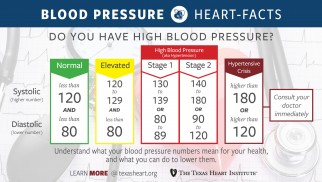
📊 Targets differ slightly between guidelines and patients. For most adults under 80, the aim is below 140/90 in the clinic, and many doctors now aim lower, around 130/80, if it is tolerated. In people over 80 a less strict target is common, because falls and dizziness matter more. People with diabetes, kidney disease or a past stroke often have lower targets agreed individually.
| 👥 Group | 🏥 Usual clinic target | 🏠 Home equivalent |
|---|---|---|
| Adults under 80 | Below 140/90, ideally near 130/80 | Below 135/85 |
| Adults 80 and over | Below 150/90 | Below 145/85 |
| Diabetes or kidney disease | Often near 130/80 | Agreed with the doctor |
🫘 Lisinopril dose and the kidneys
💧 Because lisinopril leaves the body through the kidneys, weaker kidneys mean higher drug levels from the same tablet. That is why the start is lower and the steps are smaller in kidney disease. At the same time, ACE inhibitors are among the best medicines for slowing kidney damage when protein leaks into the urine, so a lower start is not a reason to avoid it. It simply needs closer blood tests.
Usual dosing, test at 1 to 2 weeks
Start 5 mg, smaller steps, test after each change
Start 2.5 mg, specialist guidance
👴 Dosing in older people
🧓 Older adults often have stiffer arteries, slower kidneys and a weaker reflex to keep pressure up when standing. Starting at 2.5 or 5 mg and raising slowly lowers the risk of dizziness and falls, which can be more dangerous than a few extra points of pressure. Checking pressure standing as well as sitting is useful: a large drop on standing is a reason to slow down or lower the dose, even if sitting readings are still high.
🫀 Different doses for heart failure and after a heart attack
❤️ When lisinopril is used for a weak heart, the goal is not only pressure. The aim is to reach the dose that protects the heart muscle, usually 20 to 35 mg a day, starting from 2.5 to 5 mg and doubling every 2 weeks or so as tolerated. Low pressure readings without symptoms are often accepted in heart failure, because the benefit for survival is large. After a heart attack, lisinopril is usually started within the first days at a low dose and raised to 10 mg a day.
📖 Medicines in the first year after a heart attack or stent, including ACE inhibitors, are covered in after a heart attack or stent: the first year and the medicines.
⏭️ Missed doses and double doses
📅 A single missed tablet is not dangerous for most people, since one dose lasts about a day. Take it when you remember, unless it is nearly time for the next dose; in that case skip it and carry on. Never take two tablets together to catch up, because the combined drop can cause dizziness or fainting. If doses are missed often, a pill box, a phone alarm, or tying the tablet to a daily habit such as brushing teeth helps more than a higher dose.
🤒 Sick days: when to pause lisinopril
🚰 During vomiting, diarrhoea, fever with heavy sweating or anything that stops you drinking, the body loses fluid. On an ACE inhibitor this can cause a sharp drop in kidney function and a rise in potassium. Many health services advise pausing lisinopril on those days and restarting 24 to 48 hours after eating and drinking normally again. The same pause often applies to diuretics, metformin and anti-inflammatory painkillers. Agree this plan with your doctor in advance, because it is not right for everyone, especially people with heart failure. 📖 Sick day rules for every family of blood pressure tablets are listed in living with blood pressure tablets: side effects and sick day rules.
🚦 Interactions that change the dose plan
| ⚠️ Medicine or product | 📝 What happens |
|---|---|
| Ibuprofen, naproxen, diclofenac | Weaker pressure control; with a diuretic, risk of kidney injury |
| Potassium supplements, salt substitutes | Potassium can rise to dangerous levels |
| Spironolactone, amiloride, trimethoprim | Extra rise in potassium; closer blood tests |
| Lithium | Lithium levels rise; dose and levels need checking |
| Sacubitril with valsartan | Never together; a 36-hour gap is needed when switching |
| ARBs or aliskiren | No added benefit, more kidney and potassium problems |
💡 Paracetamol is generally the safer choice for pain while taking lisinopril. Alcohol adds to the pressure-lowering effect and can make dizziness worse, so keeping to modest amounts is part of getting the dose right.
🔄 When the dose is right but the drug is not
🤧 Sometimes lisinopril controls pressure well but causes a side effect that does not go away with dose changes. The dry, tickly cough is the classic example: it does not depend on dose, so lowering the tablet rarely helps. The usual answer is a switch to an ARB, which works on the same hormone system without the cough. Swelling of the lips, tongue or face (angioedema) means stopping the ACE inhibitor for good.
💡 Switching between ACE inhibitors does not cure the cough, because it is a class effect. Ramipril or enalapril are used instead of lisinopril for other reasons, such as what a heart trial used or what a hospital started.
🤰 Pregnancy and planning a pregnancy
⛔ ACE inhibitors can harm the kidneys and skull development of an unborn baby, especially in the second and third trimesters. Women who could become pregnant should discuss contraception or a switch before trying, and stop lisinopril as soon as a pregnancy is confirmed, contacting their doctor the same week. Labetalol, nifedipine and methyldopa are the usual alternatives in pregnancy. Lisinopril is also not the first choice while breastfeeding, because other ACE inhibitors have more data.
🗿 Myths about lisinopril doses
🥗 Lifestyle steps that let the dose stay lower
🧂 Every few points of pressure removed by lifestyle is a few points the tablet does not have to do. Salt reduction is the change that works most closely with lisinopril, because ACE inhibitors are stronger when the body is not overloaded with sodium. Weight loss, regular walking, less alcohol and good sleep add up, and some people later manage on a lower dose or one tablet fewer. 📖 A practical eating plan is described in the DASH diet to control hypertension.
Start dose, blood test, home log
First review, dose step or second tablet
Second review, salt and weight changes show
Stable plan, checks every 6 to 12 months
📝 Questions to bring to the dose review
💬 Useful questions for your doctor or pharmacist:
🔹 What is my personal target, at home and in the clinic?
🔹 If I am not at target next time, will we raise lisinopril or add a second tablet?
🔹 When is my next blood test, and what result would make you change the plan?
🔹 Which painkillers and cold remedies are safe for me?
🔹 What should I do with my tablets if I get vomiting or diarrhoea?
🚨 When to see a doctor
⛔ Get urgent help if:
🔹 Your lips, tongue, face or throat swell, or breathing or swallowing becomes hard. Call emergency services.
🔹 You faint, or feel very dizzy every time you stand.
🔹 You have muscle weakness, an irregular heartbeat or numbness, which can be signs of high potassium.
🔹 You pass much less urine than usual, or have vomiting or diarrhoea lasting more than a day.
🔹 Home readings are above 180/120 with headache, chest pain, vision changes or confusion.
🔹 You find out you are pregnant.
❓ Frequently asked questions
What is the usual starting dose of lisinopril for high blood pressure?
Usually 10 mg once a day. People on a diuretic, older adults and people with weaker kidneys often start on 2.5 to 5 mg.
How long does it take for lisinopril to work?
It starts lowering pressure within about an hour, but the full effect of each dose takes 2 to 4 weeks.
When is the lisinopril dose increased?
Usually after 2 to 4 weeks if home readings stay above target, in steps such as 10 to 20 mg and then 40 mg, with a blood test after each step.
Is it better to raise lisinopril or add another tablet?
Adding amlodipine or a thiazide-type diuretic usually lowers pressure more than doubling lisinopril, often with fewer side effects.
Should lisinopril be taken in the morning or at night?
Either is fine. A large trial found no difference in heart and stroke outcomes, so choose the time you will remember every day.
Why do I need a blood test after starting lisinopril?
To check kidney function and potassium. A small rise is expected; a large one means the dose needs changing.
What should I do if I miss a dose of lisinopril?
Take it when you remember unless the next dose is close. Never take two tablets together.
What is the maximum dose of lisinopril?
Most people use up to 40 mg a day for blood pressure. Some labels allow 80 mg, but higher doses add little extra effect.
Can I take ibuprofen with lisinopril?
It is best avoided. It weakens pressure control and can harm the kidneys, especially with a diuretic. Paracetamol is usually safer.
Will lowering the dose stop the lisinopril cough?
Usually not, because the cough does not depend on dose. A switch to an ARB such as losartan is the usual fix.
📑 Sources and editorial
- 📘 National and international clinical guidelines on the diagnosis and treatment of hypertension in adults
- 💊 Official prescribing information for lisinopril tablets
- 📊 Meta-analyses comparing dose increases with combination therapy for blood pressure
- ⏰ Randomised trials of morning versus evening dosing of blood pressure medicines
- 🫘 Guidance on monitoring kidney function and potassium on ACE inhibitors and ARBs
- 🫀 Heart failure guidelines on target doses of ACE inhibitors
- 📖 Related reading: arterial hypertension, living with blood pressure tablets, sleep apnea and high blood pressure, diabetic kidney disease, DASH diet
- 🛒 Related products: Zestril (Lisinopril), Norvasc (Amlodipine), Lozol (Indapamide), Microzide (Hydrochlorothiazide), Cozaar (Losartan), Micardis (Telmisartan), Aldactone (Spironolactone)
- 🩺 RXshop Editorial Team — reviewed by Robert Hayes, MD — Cardiologist
Medical Disclaimer: The information in this article is for educational and informational purposes only and is not a substitute for professional medical advice, diagnosis, or treatment. Always seek guidance from a qualified healthcare provider with any questions you may have regarding a medical condition, and before starting, stopping or changing any medication.