Mirtazapine for Depression With Poor Sleep and Low Appetite: Low-Dose Sedation, Weight Gain and Morning Grogginess

🌙 Some depressions look the same on paper but feel very different in daily life. One person sleeps twelve hours and eats for comfort; another lies awake from 3 a.m., has lost all interest in food and watches the scale drop month by month. For this second picture, many doctors reach for mirtazapine, an antidepressant that helps sleep and appetite from the first nights, rarely affects sexual function, and settles nausea instead of causing it. 🔍 The same features that help can also become problems: heavy mornings, a fast rise in hunger and weight gain that some people find hard to accept. This guide explains how mirtazapine works, why a lower dose often makes people sleepier than a higher one, what to expect in the first weeks, how it compares with SSRIs and trazodone, who should be careful with it, and how to stop it safely.
💊 A different kind of antidepressant
🧪 Most antidepressants in daily use are SSRIs or SNRIs: they block the recycling of serotonin, or serotonin and noradrenaline, so more of these messengers stay active between nerve cells. Mirtazapine works in another way: it blocks brakes rather than pumps. It belongs to a small group sometimes called NaSSA (noradrenergic and specific serotonergic antidepressant). By blocking alpha-2 receptors, which normally slow the release of noradrenaline and serotonin, it lets both flow more freely. At the same time it blocks several serotonin receptors linked to anxiety, insomnia, nausea and sexual side effects, and it strongly blocks histamine receptors, which explains the drowsiness and hunger. 📖 If you are new to antidepressants in general, the first-weeks guide antidepressant side effects and what to expect in the first weeks is a good companion to this page.
🎯 The depression picture it suits best
🧭 Guidelines treat mirtazapine as an effective antidepressant for major depression in its own right. In practice, it is most often chosen when certain symptoms or side effect worries stand out, because its profile matches them closely. It is rarely the first pick for a young person who already sleeps too much and is worried about weight.
💡 The common thread is a body that is running down: not sleeping, not eating, often anxious and restless. In that setting, sedation and hunger are not side effects to put up with; they are part of the treatment. In a person who is already overweight, sleeps long hours and feels slowed down, the same effects work against recovery, and an activating option is usually a better fit.
🔬 Receptor by receptor: what each action does
| 🧬 Target | ⚙️ Action | 👤 What you notice |
|---|---|---|
| Alpha-2 receptors | Blocked | More noradrenaline and serotonin, the core antidepressant effect |
| Histamine H1 | Strongly blocked | Drowsiness, deeper sleep, increased appetite |
| Serotonin 5-HT2A and 5-HT2C | Blocked | Less anxiety and insomnia, fewer sexual side effects, more hunger |
| Serotonin 5-HT3 | Blocked | Little or no nausea, sometimes less nausea than before |
| Serotonin reuptake pump | Not blocked | Different side effect pattern from SSRIs |
📖 Because the anti-nausea effect is built in, mirtazapine is sometimes chosen for people whose depression comes with stomach upset, or who stopped an SSRI because of sickness in the first weeks. It does not replace a proper check of the stomach if nausea, weight loss and pain persist, since these can also come from physical illness.
📉 Why a lower dose often sedates more
🤔 Many people are surprised that their doctor raises the dose to make them less sleepy. The usual explanation is this: the histamine-blocking effect is already close to its full strength at low doses, while the noradrenaline-boosting effect grows as the dose goes up. At 7.5 or 15 mg the sleepy effect dominates; at 30 or 45 mg the extra noradrenaline partly balances it. This pattern is widely reported in clinical practice, though not everyone experiences it, and some people stay drowsy at any dose.
📏 Usual doses and how treatment is started
💊 For adults with depression, mirtazapine is usually started at 15 mg once a day, taken shortly before bed. If mood has not improved enough after two to four weeks, the dose is raised in steps of 15 mg, with at least one to two weeks between changes, up to a usual maximum of 45 mg. Older adults, and people with kidney or liver problems, may start lower and go up more slowly. Orally disintegrating tablets melt on the tongue and suit people who struggle to swallow; some of them contain aspartame, which matters for people with phenylketonuria.
🛒 Mirtazapine is available as Remeron (Mirtazapine) in several strengths. A prescriber should set the dose, because the right number depends on age, weight, other medicines and how severe the depression is.
🛏️ Taking it at night: small details that help
⏰ Because the drug lasts for a day or more in the body, the timing of the evening dose matters more for morning alertness than for the antidepressant effect. Taking it earlier in the evening is one of the easiest fixes for a heavy start to the day.
📅 The first weeks: sleep and appetite move first
🌙 With most antidepressants, people wait weeks for any change. With mirtazapine, sleep often improves from the first or second night, and appetite returns within days. Some studies suggest a faster early response than with SSRIs in the first one to two weeks, although after six to eight weeks the overall results are similar. Mood itself still needs time.
Deeper sleep, heavy mornings, more hunger
Grogginess eases, energy and interest start to return
Clear mood change; dose reviewed
Continue to prevent relapse
😴 Morning grogginess: what helps
☕ The most common complaint is a heavy, foggy start to the day, sometimes called a hangover effect. In placebo-controlled trials, drowsiness was reported by roughly half of people on mirtazapine, against fewer than one in five on placebo. For most it fades within one to two weeks as the body adapts, but it can affect driving and work in the meantime.
⚖️ Weight gain: how much and who is at risk
🍽️ Increased appetite and weight gain are the side effects that most often lead people to stop mirtazapine. In the original trials, increased appetite was reported by about one in six people on the drug, and weight gain was much more common than on placebo. The gain usually happens in the first months, and cravings for carbohydrates and sweets are typical. In someone who has lost weight because of depression, regaining it is a goal; in someone who started heavy, it needs a plan from day one.
🩸 Mirtazapine can also raise cholesterol and triglycerides in some people. A baseline weight and, where relevant, a blood lipid and sugar check make it easier to spot changes early rather than after a year.
🥗 Keeping weight under control on mirtazapine
💡 If weight keeps climbing despite these steps, switching to a weight-neutral antidepressant is a reasonable choice, not a failure. Bupropion, for example, is often weight neutral or linked to slight weight loss, and is discussed further below.
❤️ The sexual side effect advantage
💬 Loss of desire, delayed orgasm and erection problems are among the most common reasons people quietly stop SSRIs and SNRIs, often without telling their doctor. Mirtazapine causes these problems much less often, largely because it blocks the 5-HT2 receptors linked to them instead of flooding them with serotonin. For people whose depression improved on an SSRI but whose relationship suffered, this can be the deciding factor.
🔄 Mirtazapine compared with common SSRIs
| 🔍 Feature | 🌙 Mirtazapine | 💊 Sertraline, escitalopram, citalopram |
|---|---|---|
| Effect on depression | Similar overall | Similar overall |
| Sleep | Improves quickly | Can worsen at first, then improves |
| Appetite and weight | Up | Little change for most |
| Sexual function | Rarely affected | Often affected |
| Nausea | Rare | Common early |
| Daytime sleepiness | Common early | Less common |
| When taken | At night | Usually morning |
🛒 SSRIs remain the usual first choice for most adults with depression or anxiety. Options include Sertafine (Sertraline), Lexapro (Escitalopram) and Celexa (Citalopram). The choice between them and mirtazapine is mostly about which side effects matter more to you, since their effect on depression is broadly similar.
🛌 Mirtazapine, trazodone or doxepin for depression with insomnia
💤 Three older medicines are often discussed when depression and poor sleep come together. They differ in how strongly they treat depression at the doses people actually use. Trazodone and doxepin are frequently given at low doses for sleep alone, where they help sleep but do little for mood; mirtazapine at its usual doses treats both. 📖 For sleep-focused use of trazodone, see trazodone for sleep and what else works for insomnia; for worry-heavy depression and the tricyclic option, see anxious depression and where doxepin fits.
👴 Older adults: helpful, with extra care
🧓 Late-life depression often arrives with poor appetite, weight loss and broken sleep, and many older people already take medicines that interact with SSRIs or raise bleeding risk. Mirtazapine fits this picture well, and is widely used in older adults, but its sedation brings a real risk of falls, especially at night.
🧭 Points that matter after 65:
🔹 Start low, often 7.5 or 15 mg, and go up slowly.
🔹 Use a night light and get up slowly; dizziness and drowsiness cause falls.
🔹 Sodium in the blood can fall; confusion, unsteadiness or headaches need a blood test.
🔹 Kidney and liver function affect how fast the drug is cleared.
🔹 Avoid combining it with other sedatives where possible.
😰 When depression comes with anxiety
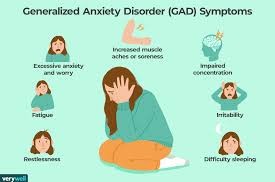
💭 Anxiety, restlessness and racing thoughts at night are part of many depressions. Mirtazapine often eases these symptoms early, through better sleep and its serotonin receptor blocking. It is not a licensed treatment for generalized anxiety disorder in most countries, and the strongest evidence for long-term anxiety treatment belongs to SSRIs and SNRIs. When anxiety is the main problem rather than part of depression, those are usually tried first. 📖 For a full comparison of anxiety medicines, see anxiety medication compared, and which ones are non-addictive, and for the SNRI choice, venlafaxine vs duloxetine for generalized anxiety.
➕ Adding mirtazapine to another antidepressant
🔗 When depression has only partly improved on an SSRI or SNRI, a specialist may add mirtazapine rather than switch. The two act through different mechanisms, and the combination can also restore sleep and appetite lost on the first medicine. Results from studies are mixed: some people do clearly better, others mainly gain side effects. Combining with venlafaxine or duloxetine is an established specialist strategy, but it raises the chance of serotonin-related side effects and needs close follow-up.
🧭 Combinations sometimes used under specialist care:
🔹 An SSRI, such as Sertafine (Sertraline), plus mirtazapine at night.
🔹 Effexor (Venlafaxine) or Cymbalta (Duloxetine) plus mirtazapine for hard-to-treat depression.
🔹 Never start a combination on your own; doses and timing need a prescriber.
🔋 If you need an activating option instead
⚡ Some people with depression sleep long hours, feel slowed down and are already worried about weight. For them, bupropion is often a better fit: it is activating rather than sedating, does not usually cause weight gain and has few sexual side effects. It does not suit people with a history of seizures or eating disorders, and it can worsen insomnia and anxiety in some. Bupropion is available as Wellbutrin (Bupropion).
⚠️ Medicines and substances that interact
| 🚫 Combined with | 📝 Possible effect |
|---|---|
| MAO inhibitors | Dangerous; at least 14 days must separate them |
| Alcohol, benzodiazepines, sleeping pills, opioids | Stronger sedation, slowed reactions, falls |
| Other serotonin drugs (SSRIs, SNRIs, tramadol, triptans, linezolid) | Risk of serotonin syndrome; only with medical oversight |
| Strong CYP3A4 blockers (ketoconazole, some HIV drugs, clarithromycin) | Higher mirtazapine levels |
| Carbamazepine, phenytoin, rifampicin | Lower levels, less effect |
| Warfarin | Small rise in INR; check when starting |
| Medicines that prolong QT | Added effect on heart rhythm, mainly at high doses |
💡 Always give every doctor and pharmacist a full list of medicines, including over-the-counter sleep aids and herbal products such as St John wort, which also acts on serotonin.
🚩 Who should be careful or avoid it
📖 If you are unsure whether low mood has a bipolar pattern, the difference matters for treatment: see bipolar 2 or depression: how to tell.
🩺 Rare but serious effects to know
🔍 Most side effects of mirtazapine are a nuisance rather than a danger. A few rare ones need prompt attention, so it helps to know their early signs.
⚠️ Like all antidepressants, mirtazapine carries a warning about suicidal thoughts in young adults in the first weeks of treatment or after dose changes. Family and friends should know what to look for, and any new or worse thoughts of self-harm need same-day help.
🚗 Alcohol, driving and work
💡 Practical rules for daily life:
🔹 Alcohol adds to the sedation and worsens depression; it is best avoided, at least until you know how the tablet affects you.
🔹 Driving: wait until morning drowsiness has clearly settled, usually after the first one to two weeks and after each dose increase.
🔹 Shift work: the dose is taken before the main sleep, whenever that is, with a prescriber agreeing the timing.
🔹 Night-time waking to care for a baby or relative needs special planning, since deep sleep may be hard to break.
⏳ How long to stay on it, and how to stop
📆 After depression has lifted, most guidelines advise continuing the same dose for at least six to twelve months to lower the risk of relapse, and longer for people with repeated episodes. Stopping suddenly can cause discontinuation symptoms: poor sleep, anxiety, nausea, dizziness, irritability and vivid dreams. They are not a sign of addiction, but they are unpleasant and can be mistaken for relapse. 📖 If you have also used sleeping pills, a separate plan helps: see coming off sleeping pills.
🌳 Is mirtazapine a good fit for you?
🗿 Myths about mirtazapine
🌟 What a good response looks like
📈 A good response is more than sleeping through the night. Look for a return of interest, energy, concentration and the ability to enjoy ordinary things, usually between weeks four and eight. Keep a simple weekly note of sleep, appetite, weight and mood on a 0 to 10 scale; it makes the review appointment far more useful than trying to remember. If after six to eight weeks at a proper dose little has changed, the plan should change too: a dose step, a switch or an added treatment. 📖 For the wider picture of depression and its treatment, see major depressive disorder: a snapshot.
🚨 When to see a doctor
⛔ Get medical help promptly if:
🔹 You have thoughts of harming yourself or feel hopeless. Contact emergency services or a crisis line now.
🔹 You develop fever, sore throat or mouth ulcers while on mirtazapine.
🔹 You feel unusually high, wired, sleepless or reckless, which may signal mania.
🔹 You notice confusion, fainting, palpitations or a blistering rash.
🔹 Drowsiness is still dangerous after two weeks, or weight is rising fast.
🔹 There is no clear improvement in mood after six to eight weeks at a proper dose.
📖 If constant worry is the main problem rather than low mood, see generalized anxiety: when the mind never switches off.
❓ Frequently asked questions
Why is mirtazapine more sedating at lower doses?
Its antihistamine effect is close to full strength at low doses, while its activating noradrenaline effect grows with the dose and partly offsets drowsiness at 30 to 45 mg.
How quickly does mirtazapine help sleep?
Sleep often improves from the first or second night. Mood usually starts to lift after two to four weeks, with a fuller effect by six to eight weeks.
Does everyone gain weight on mirtazapine?
No, but increased appetite and weight gain are common, mostly in the first months. Weekly weighing and a meal plan help, and switching is an option if gain continues.
How can I reduce morning grogginess?
Take the dose earlier in the evening, allow a full night in bed, avoid alcohol and other sedatives, and give it two weeks. Ask your prescriber if it does not settle.
Does mirtazapine cause sexual side effects?
Much less often than SSRIs and SNRIs, which is one reason it is chosen for people who had sexual problems on those medicines.
Is mirtazapine better than an SSRI for depression?
Overall effect is similar. Mirtazapine suits depression with poor sleep and appetite; SSRIs suit people who sleep well enough and want to avoid weight gain.
Can I take mirtazapine only as a sleeping pill?
It is not recommended for insomnia alone. Sleep problems without depression are better handled with sleep therapy and other options agreed with a doctor.
Can I drink alcohol on mirtazapine?
It is best avoided. Alcohol adds to the drowsiness, slows reactions and can worsen depression.
Is mirtazapine safe for older adults?
It is widely used in later life, usually starting at a low dose. Falls, low sodium and interactions with other sedatives need attention.
How do I stop taking mirtazapine?
Reduce the dose gradually over several weeks with your prescriber. Stopping suddenly can cause poor sleep, anxiety, nausea and dizziness.
📑 Sources and editorial
- 📘 Prescribing information for mirtazapine tablets and orally disintegrating tablets
- 🧠 Clinical guidelines on the treatment of major depression in adults and older adults
- 🔬 Network meta-analyses comparing the efficacy and tolerability of antidepressants
- 📊 Reviews of antidepressant effects on sleep, appetite and body weight
- ❤️ Studies of sexual dysfunction across antidepressant classes
- 💊 Pharmacology reviews of noradrenergic and specific serotonergic antidepressants
- ⏳ Guidance on antidepressant discontinuation and tapering
- 📖 Related reading: antidepressant side effects in the first weeks, trazodone for sleep, anxious depression and doxepin, major depressive disorder
- 🛒 Related products: Remeron (Mirtazapine), Desyrel (Trazodone), Sertafine (Sertraline), Lexapro (Escitalopram), Wellbutrin (Bupropion), Sinequan (Doxepin)
- 🩺 RXshop Editorial Team — reviewed by Thomas Walsh, MD — Psychiatrist
Medical Disclaimer: The information in this article is for educational and informational purposes only and is not a substitute for professional medical advice, diagnosis, or treatment. Always seek guidance from a qualified healthcare provider with any questions you may have regarding a medical condition, and before starting, stopping or changing any medication.