Parental Alienation After a High-Conflict Divorce: Signs in the Child and Depression in the Rejected Parent

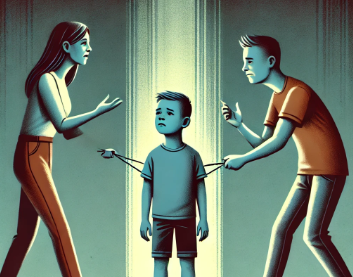
💔 A child who once ran to the door now refuses to visit, will not take phone calls, and repeats adult phrases about a parent that do not sound like a child at all. When this happens after a bitter separation, families often call it parental alienation. 🔍 The term is controversial, the research is still young, and courts, psychologists and parents argue about what it means. What nobody argues about is the harm: children caught in a loyalty conflict carry it for years, and the parent who is pushed away often slides into grief, anxiety, sleepless nights and depression. This guide explains what family alienating practices are, how to tell them apart from estrangement that has a real cause, what children and parents go through, which non-medical steps help first, and when an antidepressant such as sertraline or escitalopram is a reasonable part of treatment for the adult.
📖 What parental alienation means
🧩 In the 1980s an American psychiatrist described a pattern he called parental alienation syndrome: a child in a custody dispute who joins one parent in a campaign of rejection against the other, without a good reason. The word “syndrome” never gained acceptance, because there is no agreed set of symptoms, no reliable test and no clear line between a child who is manipulated and a child who has reasons of their own. Many professionals now prefer descriptive phrases such as family alienating practices, alienating behaviours, or a child affected by parental relationship distress, which is a category that does appear in DSM-5 as a focus of clinical attention.
⚖️ The newer language matters because it moves the focus from blaming one person to describing what is happening in the family. Alienation is treated as a relationship problem and a form of emotional harm to the child, not as a mental illness inside the child. That also means the solution is rarely a single verdict. It usually involves both parents, the child, and sometimes the wider family.
🔎 Alienation, estrangement or protection
🚦 The most important step is also the hardest: not every child who refuses a parent has been turned against them. A child may pull away because of a parent who was violent, frightening, neglectful, unreliable or harsh, and in that case the refusal is a healthy self-protective reaction. A child may also align with one parent simply because that home feels calmer, without anyone manipulating them. Professionals who assess these families look carefully at which of these patterns fits before using the word alienation at all.
| 🔎 Pattern | 📋 What it looks like | 🧭 What helps |
|---|---|---|
| Realistic estrangement | Child avoids a parent who was abusive, violent, neglectful or very harsh; fear has a clear source | Safety first, protective measures, therapy for the child |
| Affinity or alignment | Child prefers one home but still loves the other parent; feelings are mixed and reasonable | Patience, flexible schedule, respect for the child view |
| Alienating behaviours | Child rejection is extreme compared with what the parent actually did, often with copied phrases | Family work with both parents, sometimes court direction |
| Mixed picture | Some real parenting problems plus pressure from the other side, the most common situation | Work on both: parenting skills and reducing pressure |
📌 Many families sit in the mixed group. The blunt idea of a “successful manipulator” and a “failed manipulator” points to something true: in high-conflict separations both adults often say and do things that pull the child into the middle, even when each believes they are only protecting the child.
🔺 How it develops: the triangle
👥 Family therapists call it triangulation. Two adults who cannot settle a conflict between themselves pull a third person into it, and the third person is the child. Parenting may still be warm and committed, while the couple relationship is at war, and that combination is exactly where alienating practices grow.
🧠 From the inside, choosing a side can feel like relief for the child. Holding love for two people who hate each other is exhausting, and dropping one of them ends the tug of war. That is why the rejection can look so calm and certain, even when it is new and has little to do with real events.
🚩 Behaviours that push a child away
📋 These behaviours are described again and again in family court reports and therapy literature. One of them on a bad day does not make alienation; a steady pattern over months is what does the damage.
🚨 Some of these behaviours are also signs of coercive control, which can continue after separation. If one parent uses the children to frighten, track or punish the other, that is a safety issue and belongs with a lawyer, social services or the police, not only with a therapist.
🧒 Signs in the child
⚖️ Why the child takes a side
🧠 Children are not passive. They read which parent is more fragile, more angry or more in need, and they protect that parent. A child may side with a parent who cries every night after the separation, because staying loyal feels like keeping that parent safe. A child may side with the stricter parent because conflict with them is more frightening. Teenagers may also use the separation to push away a parent who sets rules, which looks similar from outside.
🧬 Effects on children, now and later
📉 Studies of adults who grew up in high-conflict separations, including those who describe alienating behaviours, link these childhoods with more depression, anxiety, low self-esteem, trust problems in relationships and, in some, alcohol or drug problems. The research is mostly based on what people remember, so it shows association rather than proof of cause. Still, the direction is consistent: it is the conflict, more than the separation itself, that harms children.
📖 Children who show lasting sadness, withdrawal or school refusal may need their own assessment; signs of depression in children are covered in child therapy and its benefits. Medicines for the child are a separate decision for a child psychiatrist, and this article does not cover them; the treatment section below is about the adults.
💔 What happens to the rejected parent
😢 Parents who lose contact with a living child describe a grief that has no funeral and no end date. Psychologists call it ambiguous loss: the child is alive and nearby, may be seen at school events or online, yet is emotionally out of reach. Unlike bereavement, there is no shared ritual and often little sympathy. Friends may assume the parent must have done something to deserve it, which deepens shame and isolation.
💢 Anger is part of the picture too. Many rejected parents swing between fury at the other parent and fear of saying anything wrong, because every message may end up in court. That constant self-monitoring is draining and keeps the stress system switched on day and night.
🧠 Normal distress, adjustment disorder or depression
🩺 Doctors separate three levels of reaction. The label matters because it changes what treatment makes sense. Ordinary distress needs support and time; an adjustment disorder usually responds to talking therapy and practical help; major depression often needs therapy, medicine or both.
| 🧠 Level | 📋 Typical picture | ✅ Usual first help |
|---|---|---|
| Normal grief and stress | Sad, angry, tearful, but still working, eating, sleeping most nights | Support, routine, time, legal advice |
| Adjustment disorder | Distress out of proportion or daily life clearly affected, starting within 3 months of the stressor | Counselling or CBT, problem solving, short sleep help |
| Major depression | Low mood or loss of interest most of the day for 2 weeks or more, with poor sleep, appetite change, guilt, poor concentration | CBT or other therapy, antidepressant, or both |
| Anxiety disorder | Constant worry, tension, panic waves, often lasting 6 months or more | CBT, SSRI or SNRI if moderate to severe |
📖 More on depression that follows a painful life event: reactive depression and its risk factors. For the full picture of major depression: major depressive disorder snapshot.
🌙 Anxiety, sleep and the court calendar
⏰ High-conflict cases often run for months or years. Each hearing, report and missed visit can restart the stress cycle, so many parents sleep badly in the days before and after. Racing thoughts at 3 a.m., checking the phone for messages, drafting replies in the head and waking with a pounding heart are common. Over time poor sleep alone can push someone from distress into depression.
No case messages after 8 p.m.; reply in the morning
Same time every day, even after a bad night
20 minutes in the early evening to write down case worries
It shortens deep sleep and lowers mood the next day
💊 When sleep stays broken for weeks, a doctor may suggest a sedating medicine for a short period. Low-dose trazodone is a common off-label choice, because it is not habit forming in the way sleeping pills can be. Details are in trazodone for sleep and what else works for insomnia.
📝 A self-check for the parent
🧰 What helps first, without medicine
🛠️ The first steps are practical and emotional at the same time. A calmer parent is a more effective parent, in court and with the child. The order below is what many family therapists suggest.
💬 Talking with the child: do and avoid
🗣️ When contact happens, it is tempting to defend yourself, correct the story or ask who said what. That usually confirms the child fear that being with you means being in the middle. Short, warm, ordinary time works better than long explanations.
👪 Family therapy and reunification
🤝 When contact has broken down, courts in many countries may order family therapy, sometimes called reunification or reintegration therapy. The best programmes work with both parents and the child, not only with the rejected parent. Approaches that force contact without the child being heard, or that cut a child off from the parent they live with as a first step, are controversial and have been criticised. A good therapist moves at a pace the child can manage.
Each parent and the child seen separately
Lower conflict, stop messages through the child
Short, safe meetings, often in the therapy room
Longer visits, then a normal schedule
🚦 When medicine makes sense for the parent
💊 An antidepressant does not fix the family situation. What it can do is lift the low mood, anxiety and broken sleep that make every step harder. Guidelines suggest medicine for moderate to severe depression, for depression that has not improved with therapy, and for anxiety disorders that disrupt daily life.
💊 Sertraline and escitalopram: the usual first choices
🧪 SSRIs are the most common first medicines for depression and anxiety in adults. Sertraline and escitalopram are often chosen first because they work for both problems and are generally well tolerated. Citalopram is a close relative of escitalopram. All of them need a prescription and a review with a doctor.
📆 The first weeks can be tricky. Nausea, loose stools, headache, jitteriness and changes in sleep often appear before the benefit and usually settle within 1 to 2 weeks. Mood and sleep begin to improve in 2 to 6 weeks, and the full effect may take 8 to 12 weeks. What to expect week by week is described in antidepressant side effects in the first weeks.
🔄 Other options when an SSRI is not the right fit
🔍 Some people do not respond to the first SSRI, cannot tolerate it, or have a specific problem such as severe insomnia or loss of energy. The second choice is guided by which symptom hurts most.
| 💊 Medicine | 🎯 Can suit | ⚠️ Watch for |
|---|---|---|
| Remeron (Mirtazapine) | Depression with poor sleep and poor appetite; taken at night, usually 15 to 45 mg | Weight gain, morning drowsiness |
| Wellbutrin (Bupropion) | Low energy, poor focus, worry about sexual side effects | Insomnia, not for people with seizures or eating disorders |
| Effexor (Venlafaxine) | Depression with strong anxiety when an SSRI has not helped | Raised blood pressure, withdrawal symptoms if doses are missed |
| Desyrel (Trazodone) | Low dose at night for broken sleep alongside other treatment | Dizziness on standing, morning grogginess |
⚠️ Benzodiazepine tranquillisers can calm acute panic, but they are habit forming and are best kept for short, defined periods, if used at all. Non-addictive choices are compared in generalized anxiety: when the mind never switches off.
📅 Starting treatment during a custody case
⚠️ Safety: who should be careful
| 🚫 Situation | 📝 Why it matters |
|---|---|
| Taking an MAOI, linezolid or methylene blue | Risk of serotonin syndrome; SSRIs must not be combined with them |
| Tramadol, triptans, St John wort, other antidepressants | Added serotonin effects; a doctor needs to check the combination |
| Blood thinners, aspirin, ibuprofen | Higher risk of bleeding, especially from the stomach |
| Age under 25 | Suicidal thoughts can rise in the first weeks; close follow-up is needed |
| Past high moods or bipolar disorder | An antidepressant alone may trigger mania |
| Heavy drinking | Alcohol worsens depression and sleep and adds drowsiness |
| Pregnancy or breastfeeding | Many SSRIs can be used, but the choice is made with a doctor |
💡 Sexual side effects such as lower desire or delayed orgasm are common with SSRIs. Tell the prescriber rather than stopping quietly; a dose change or a switch, for example to bupropion, often solves it.
⚖️ Will treatment hurt my custody case?
📂 Many parents delay seeing a doctor because they fear the other side will call them unstable. In most family courts, seeking treatment for depression or anxiety is seen as responsible parenting, while untreated symptoms, angry outbursts or heavy drinking are what tend to cause concern. Rules differ between countries, so it is worth asking your own lawyer how medical records are handled.
💬 What courts and evaluators usually look at
🔹 Whether the parent can care for the child safely and consistently.
🔹 Whether the parent supports the relationship of the child with the other parent.
🔹 Whether any illness is recognised and treated, not whether it exists.
🗿 Myths about parental alienation
🌱 What recovery can look like
🌅 Recovery for the parent does not depend on winning the case. It means sleeping again, working again, enjoying other relationships, and being ready if the child reaches out. Some children return within months once the conflict cools; others come back as young adults, often with questions about what really happened. Parents who stayed calm and open usually find that door easier to walk through.
🚨 When to see a doctor
⛔ Get help soon if you are the parent and:
🔹 Low mood, crying or numbness have lasted more than 2 weeks and are not easing.
🔹 You sleep badly most nights, or you have stopped eating properly.
🔹 You rely on alcohol, sleeping pills or painkillers to get through the day.
🔹 You have panic attacks before handovers, hearings or messages.
🔹 You have thoughts of harming yourself or that life is not worth living. In that case, contact emergency services or a crisis line now.
⛔ Get help for the child if: they show fear of a parent, describe being hurt, refuse school, stop eating, self-harm or talk about not wanting to live.
❓ Frequently asked questions
What is parental alienation?
It describes a child who strongly rejects one parent after a separation, out of proportion to what that parent did, usually because the child has been drawn into the conflict between the adults.
Is parental alienation syndrome a real diagnosis?
No. The term syndrome is not listed in DSM-5 or ICD-11. Professionals describe alienating behaviours or a child affected by parental relationship distress instead.
What are family alienating practices?
They are behaviours by one or both parents that push a child away from the other parent, such as bad-mouthing, blocking contact, using the child as a messenger or making the child feel guilty for enjoying visits.
How can I tell alienation from a child who has real reasons?
Real fear usually comes with specific memories and mixed feelings, while alienation often shows extreme, all-bad views, weak reasons and borrowed adult phrases. A child psychologist should assess it, and safety is checked first.
Can parental alienation cause depression in the rejected parent?
Yes. Losing contact with a living child is a form of ambiguous loss, and many parents develop grief, anxiety, insomnia and depression that need treatment.
Which antidepressant is used most often in this situation?
SSRIs such as sertraline or escitalopram are common first choices for adults with depression and anxiety. Mirtazapine, bupropion or venlafaxine are options when an SSRI does not fit.
How long does sertraline take to work?
Sleep and anxiety may start to ease in 2 to 4 weeks, mood usually lifts by 4 to 6 weeks, and the full effect can take 8 to 12 weeks.
Will taking an antidepressant hurt my custody case?
In most courts, treating depression is seen as responsible. Untreated symptoms tend to cause more concern. Ask your own lawyer how medical records are used where you live.
Does reunification therapy work?
Family therapy that involves both parents and moves at the pace of the child can help many families. Programmes that force contact without hearing the child are controversial.
What should I say to a child who refuses to see me?
Keep it short and warm: that you love them, that the door is open and that they are allowed to love both parents. Avoid criticising the other parent or showing court papers.
📑 Sources and editorial
- 📘 Diagnostic manuals (DSM-5, ICD-11) on relationship problems, adjustment disorder and depression
- 👪 Family therapy literature on triangulation, loyalty conflict and high-conflict separation
- ⚖️ Reviews of the parental alienation debate and of family court assessment practice
- 🧠 Research on ambiguous loss and grief in parents separated from their children
- 💊 Clinical guidelines on the treatment of depression and anxiety disorders in adults
- 📋 Prescribing information for sertraline, escitalopram, citalopram, mirtazapine, bupropion, venlafaxine and trazodone
- 📖 Related reading: reactive depression, major depressive disorder, antidepressant side effects, trazodone for sleep, child therapy
- 🛒 Related products: Sertafine (Sertraline), Lexapro (Escitalopram), Lexaheal (Escitalopram), Celexa (Citalopram), Remeron (Mirtazapine), Wellbutrin (Bupropion), Effexor (Venlafaxine), Desyrel (Trazodone)
- 🩺 RXshop Editorial Team — reviewed by Thomas Walsh, MD — Psychiatrist
Medical Disclaimer: The information in this article is for educational and informational purposes only and is not a substitute for professional medical advice, diagnosis, or treatment. Always seek guidance from a qualified healthcare provider with any questions you may have regarding a medical condition, and before starting, stopping or changing any medication.