Night-Time Eczema Itch: Why It Gets Worse After Dark, How to Break the Scratch-Itch Cycle and Where Hydroxyzine Helps

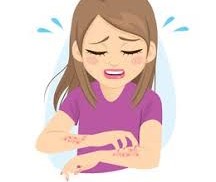
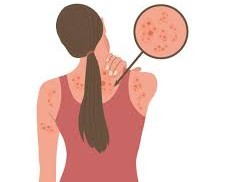
🌙 For many people with eczema, the day is manageable and the night is the problem. The skin feels fine at work, then the itch builds after dinner, peaks after the lights go out, and by morning there are fresh scratch marks on the arms, blood on the sheets and a feeling of having barely slept. Night-time itch is one of the most disabling parts of atopic eczema, and it is also one of the most treatable. 🔍 This guide explains why eczema itch gets worse after dark, how the scratch-itch cycle keeps a flare going, how to build an evening routine with moisturisers and steroid creams, and where sedating antihistamines such as hydroxyzine really help, where they do not, and who should avoid them.
🌃 Why eczema itch gets worse at night
🕒 Itch follows the body clock. Several things that calm the skin by day fade in the evening, while several things that trigger itch rise. Cortisol, the natural anti-inflammatory hormone, is at its lowest level around midnight. Skin temperature climbs as the body sheds heat to fall asleep, and warm skin itches more. Water loss through damaged skin is higher in the evening, so the barrier dries out exactly when you lie down. On top of that, the brain has nothing else to focus on: no screens, no conversation, no tasks to drown out the signal from the skin.
💡 This is why night itch is not a sign that treatment has failed. It is a sign that the evening needs its own plan, timed to the hours when the skin is weakest.
🔁 The scratch-itch cycle
💥 Scratching brings a few seconds of relief because pain signals briefly override itch signals in the spinal cord. The relief is real, but the damage it causes feeds the next wave of itch. Broken skin lets in irritants and bacteria, releases inflammatory messengers and makes nerve endings in the skin more sensitive. Over weeks, constant scratching thickens the skin into leathery patches that itch even more.
🛠️ Breaking the loop needs action at more than one point at the same time: calm the inflammation with a cream, repair the barrier with moisturiser, protect the skin from nails at night, and reduce the drive to scratch. A tablet alone acts on only one link in the chain, which is why it rarely works on its own.
😴 What lost sleep does to the next day
📊 Studies using movement sensors show that people with active eczema wake many times a night, often without remembering it, because short bouts of scratching break deep sleep. The cost shows up the next day as tiredness, poor concentration, irritability and low mood. In children, it shows as behaviour problems and trouble at school, and parents who get up to soothe a scratching child lose sleep too.
🔎 Is the night itch really eczema?
🩺 Most night itch in a person with known eczema is eczema. But several other conditions also itch worse at night, and treating them as eczema wastes weeks. A doctor will look at where the itch is, whether there is a rash, who else in the house itches, and whether there are symptoms elsewhere in the body.
| 🔎 Condition | 📋 Clues | 🧪 Usual check |
|---|---|---|
| Scabies | Itch between fingers, wrists, waist, genitals; family members itch too; tiny tracks | Skin examination, scraping |
| Contact dermatitis | Rash where a product, metal or glove touches the skin | History, patch testing |
| Neurodermatitis | One or two thick, intensely itchy patches, often neck, ankle or scalp | Skin examination |
| Hives | Raised welts that move and fade within 24 hours | History, photos |
| Itch without a rash | Liver, kidney or thyroid disease, iron deficiency, some medicines | Blood tests, medicine review |
| Itch with night sweats and weight loss | Rarely a blood disorder such as lymphoma | Prompt medical assessment |
📖 Rashes caused by something that touches the skin are covered in contact dermatitis and how it is treated, and single thickened itchy patches in neurodermatitis: how to recognise and treat it.
🧴 The base of every plan: moisturiser
🧱 Eczema skin has a weak barrier: it loses water easily and lets irritants in. Emollients are the treatment that never stops, even when the skin looks clear. They are used generously, several times a day, and most of all in the evening. A common mistake is to use a little cream once a day; adults with widespread eczema may need several hundred grams a week.
🧴 Ointment, cream or lotion?
💧 The best moisturiser is the one a person will actually use enough of. For night use on dry, cracked skin, greasier products usually win, because they stay on the skin for hours and sheets matter less than daytime clothes.
| 🧴 Type | ✅ Best for | ➖ Downside |
|---|---|---|
| Ointment | Very dry, thick or cracked skin; night use | Greasy, stains fabric, can block sweat in heat |
| Cream | Daytime, face and hands, moderate dryness | Contains preservatives that may sting broken skin |
| Gel or light lotion | Hairy areas, hot weather | Too thin for most eczema, evaporates fast |
| Bath additives | People who cannot apply cream easily | Make the bath slippery; benefit in trials was small |
⚠️ Paraffin-based emollients soaked into dressings, clothing or bedding are a fire risk. Keep away from naked flames and cigarettes, and wash fabrics often at a high temperature.
💊 Steroid creams: the main treatment for a flare
🔥 Night itch in eczema is driven mainly by inflammation, so the most effective way to reduce it is to calm the inflammation. Topical corticosteroids remain the first-line treatment for flares, and used correctly they work within days. The strength is matched to the area and the severity: weaker products for the face and folds, stronger products for thick patches on the limbs, hands and feet.
📆 A flare is usually treated daily until the skin is no longer red and itchy, which often takes 1 to 2 weeks, then stopped or stepped down. Stopping too early, while the skin still itches, is the most common reason a flare comes straight back.
👆 How much cream: fingertip units
📏 A fingertip unit is a line of cream squeezed from the tip of an adult index finger to the first crease. It weighs about 0.5 g and covers an area the size of two adult palms. Most people use far less than this, then conclude the cream does not work.
😨 Fear of steroid creams
📱 Worry about steroid creams is widespread, and it is a major reason eczema stays uncontrolled. Most of the feared side effects come from long, unsupervised use of strong products on thin skin, not from short courses used as directed. Under-treating a flare keeps the itch going and often leads to more steroid use overall.
📅 That last approach is called proactive or weekend therapy: after a flare settles, the steroid is applied on two evenings a week to the areas that usually flare, while emollients continue daily. It reduces the number of flares and the total amount of steroid used in people who flare often.
🌿 Steroid-free creams for the face and folds
🧪 Calcineurin inhibitor creams, tacrolimus and pimecrolimus, calm eczema without the risk of skin thinning. They are useful on the eyelids, face, neck and skin folds, and for proactive twice-weekly use. They often sting or burn for the first few days, which settles as the skin heals. Other newer creams, such as crisaborole and topical JAK inhibitors, are available in some countries.
💡 Practical tips for steroid-free creams:
🔹 Apply to dry skin, starting with small areas, to reduce the early burning.
🔹 Alcohol can cause facial flushing while on tacrolimus.
🔹 Use sun protection on treated skin, and do not apply to infected areas.
💊 Antihistamines and eczema: the honest picture
🔬 Many people reach for an antihistamine at night because it works so well for hay fever and hives. Eczema itch, however, is driven mostly by inflammatory signals other than histamine, such as interleukin-31 and other immune messengers that act directly on itch nerves. Reviews of clinical trials have found little consistent evidence that antihistamine tablets reduce the itch of eczema itself.
💤 So the value of a sedating antihistamine in eczema is mainly the sleep: a person who sleeps through the night scratches less, which gives the creams a chance to work. That is a real benefit, but it is a supporting role, not the main treatment.
🌙 Hydroxyzine at night: how it is used
💊 Hydroxyzine is a first-generation antihistamine with a strong calming and sedating effect. It is one of the antihistamines most often prescribed for itch that keeps people awake, and it also has an approved role in anxiety. It is usually taken about an hour before bed, and its drowsiness lasts long enough to cover the worst hours of the night.
📋 How it is commonly used
💊 Adults: often 25 mg in the evening, adjusted by the doctor
🛑 Usual adult maximum in Europe: 100 mg a day; 50 mg in older people
📆 Short courses during flares, often 1 to 2 weeks
📊 What to expect
✅ Falling asleep: usually easier
✅ Night scratching: often less
➖ Daytime itch: little change
⚠️ Morning: grogginess is common at first
❌ Inflammation: not treated
🚗 Hydroxyzine stays in the body for many hours, so a dose at bedtime can still slow reactions the next morning. Do not drive or operate machinery until you know how it affects you, and never combine it with alcohol. Other side effects include dry mouth, headache and, rarely, restlessness or confusion, especially in older adults. For anxiety-related uses of the same medicine, the product page of Atarax (Hydroxyzine) lists the available strengths.
⚠️ Who should not take hydroxyzine
❤️ Hydroxyzine can lengthen the QT interval, a measure of the heart rhythm, and in rare cases this can trigger a dangerous arrhythmia. European regulators restricted its dose in 2015 for this reason and advised avoiding it in people with risk factors.
| 🚫 Situation | 📝 Why |
|---|---|
| Long QT, slow heart rate or other heart disease | Higher risk of serious rhythm problems |
| Low potassium or magnesium | Raises the QT risk |
| Other medicines that prolong QT | For example some antibiotics, antipsychotics, antidepressants, methadone |
| Pregnancy and breastfeeding | Generally avoided; ask a doctor about safer options |
| Older age | Confusion, falls, urinary retention; lower doses or other choices |
| Allergy to cetirizine or related drugs | Hydroxyzine is closely related to cetirizine |
| Porphyria | Can trigger an attack |
💡 Caution is also needed in glaucoma, an enlarged prostate, epilepsy, and liver or kidney disease. Alcohol, sleeping pills, opioid painkillers and other sedatives add to the drowsiness.
💊 Other sedating options at night
🌙 Hydroxyzine is not the only choice. A few other medicines are used at night when itch ruins sleep, each with its own trade-offs. The choice depends on age, other health problems and medicines already taken.
⚠️ Doxepin is a tricyclic antidepressant. Even at low doses it can cause dry mouth, constipation, dizziness and next-day sleepiness, and it must not be combined with MAO inhibitors. It is used with care in older people, in glaucoma and in heart rhythm problems, and only under medical advice for itch.
☀️ Non-sedating antihistamines: when they earn their place
🌼 Daytime antihistamines such as cetirizine, fexofenadine, desloratadine and bilastine cause little or no drowsiness. They do not treat eczema, but they are worth taking when an allergy is part of the picture. People with eczema often also have hay fever, dust mite allergy or hives, and controlling those can reduce flares and rubbing.
🧒 Children: special rules
👶 Before giving a child an antihistamine for itch:
🔹 Sedating antihistamines are not used in babies under 2 years without specialist advice.
🔹 In older children, guidelines suggest at most a short trial of 1 to 2 weeks during a severe flare that disturbs sleep, with doses calculated by weight.
🔹 Some children become restless or overexcited instead of sleepy. Stop and tell the doctor if that happens.
🔹 Never use adult cough and cold mixtures as a sleep aid for a child.
🧸 For small children, practical steps often help more than medicine: cotton sleepsuits with closed sleeves, short trimmed nails, cool bedrooms, and a calm routine of bath, emollient and story. Wet wraps under medical guidance can transform sleep during a bad flare.
🛏️ A cooler, calmer bedroom
🐾 Pets in the bedroom, feather pillows and dusty carpets can add allergens in sensitive people. Simple dust mite measures, such as washing bedding weekly at 60 °C, help some people, though strict avoidance programmes have shown limited benefit in trials. A cold pack wrapped in a cloth by the bed gives quick relief without breaking the skin.
🕘 A sample evening, hour by hour
Lukewarm bath, soap substitute
Steroid on red patches, then emollient
Night antihistamine, if prescribed
Cool room, cotton, gloves, cold pack nearby
✋ Habit reversal: changing the scratch reflex
🧠 Over time, scratching becomes a habit that runs on its own, triggered by boredom, stress, undressing or lying in bed. Habit reversal training teaches a replacement action, so the urge is met with something that does not damage the skin. In small studies, adding it to cream treatment improved eczema more than creams alone.
🩹 Wet wraps for a severe flare
💧 Wet wrapping means applying emollient, sometimes with a diluted steroid, and covering it with a damp layer of tubular bandage or cotton clothing, then a dry layer on top. The cool damp layer soothes itch, increases absorption and blocks scratching overnight. Because it boosts steroid absorption, it is used for short periods and under the guidance of a doctor or eczema nurse.
🦠 When a flare is infected
🔴 Scratched eczema is easily colonised by staphylococcus bacteria, and infection is a common reason a flare suddenly stops responding. Weeping, golden crusts, pus spots and rapidly spreading redness suggest infection. Small areas may be treated with a short antibiotic cream such as Bactroban (Mupirocin), usually up to 10 days to avoid resistance; wider infection needs antibiotic tablets.
📖 More on spreading skin infection and when tablets are needed: cellulitis and skin infections: what needs an antibiotic.
⚠️ Steroid tablets: why short courses backfire
💊 A course of prednisolone tablets clears eczema dramatically within days, which makes it tempting. The problem is the rebound: when the tablets stop, eczema often returns as bad as before or worse. Repeated courses also carry the known risks of oral steroids, including raised blood sugar, mood changes, sleep problems, bone thinning and infection. For these reasons, guidelines reserve tablets such as Deltasone (Prednisolone) for occasional short bridging courses in severe flares, under medical supervision, while longer-term treatment is arranged.
🏥 When creams are not enough
📈 If eczema keeps ruining sleep despite good use of creams for several months, it is time to step up rather than add more antihistamines. Modern systemic treatments have changed what is possible for moderate to severe eczema, and many people who tried everything for years now sleep normally.
| 🏥 Option | 📋 How it is given | 📝 Notes |
|---|---|---|
| Phototherapy | Narrowband UVB, 2 to 3 times a week | Needs regular clinic visits for several weeks |
| Ciclosporin | Tablets | Fast effect; blood pressure and kidney checks |
| Methotrexate | Weekly tablet or injection | Slower; blood tests, avoid in pregnancy |
| Biologic injections | For example dupilumab every 2 weeks | Targets the immune signals of eczema; eye irritation possible |
| JAK inhibitor tablets | Daily tablets | Rapid itch relief; blood tests and safety screening |
💡 Itch often improves within days to weeks on the newer treatments, which is especially valuable for sleep. These medicines are prescribed and monitored by dermatologists.
🌳 Which night-itch plan fits you?
🚨 When to see a doctor
⛔ Get medical advice promptly if:
🔹 Itch wakes you most nights for more than a week despite creams and emollients.
🔹 The skin is weeping, crusted, hot or spreading, or you have a fever.
🔹 You see clusters of painful punched-out sores: this needs urgent same-day care.
🔹 Itch comes without a rash, or with weight loss, night sweats or yellow skin.
🔹 On hydroxyzine you notice palpitations, fainting or a racing irregular heartbeat: stop it and seek help at once.
🔹 Lack of sleep is affecting your mood, work or safety, or you feel hopeless.
📖 Itchy, flaky skin on the scalp, eyebrows and sides of the nose is often a different condition; see dandruff and seborrheic dermatitis: which shampoo works. If sleep stays poor after the skin has healed, the habit of poor sleep may need its own treatment, covered in what works for insomnia.
❓ Frequently asked questions
Why is my eczema itchier at night?
Cortisol is lowest at night, the skin is warmer and loses more water, and there is nothing to distract the brain from the itch signal.
Does hydroxyzine help eczema itch?
It mainly helps sleep. Its sedation reduces night scratching, but it does not treat the inflammation that drives eczema itch.
How long before bed should I take hydroxyzine?
Usually about an hour before bed, at the dose your doctor recommends. Expect some grogginess the next morning at first.
Do non-drowsy antihistamines work for eczema?
Not for the eczema itself. They are useful when hives, hay fever or dust mite allergy occur alongside eczema.
Should I put on steroid cream or moisturiser first?
Either order works if you are consistent. Many doctors suggest the steroid first on active patches, then the emollient after a short gap.
How much steroid cream should I use?
One fingertip unit, about 0.5 g, covers an area the size of two adult palms. Enough to make the skin glisten is right.
Is hydroxyzine safe for the heart?
It can prolong the QT interval. People with heart rhythm problems, low potassium or other QT-prolonging medicines should avoid it.
Can children take antihistamines for eczema at night?
Older children may have a short 1 to 2 week trial during a severe flare, dosed by weight. Babies under 2 need specialist advice.
How can I stop scratching in my sleep?
Treat the flare with cream, keep nails short, wear cotton gloves and sleepwear, and keep the bedroom cool.
When is night itch a sign of something other than eczema?
When family members itch too, when there is no rash, or when itch comes with weight loss, night sweats or yellow skin.
📑 Sources and editorial
- 📘 Clinical guidelines on the management of atopic eczema in adults and children
- 🧴 Guidance on emollient use, soap substitutes and fingertip units for topical corticosteroids
- 🔬 Systematic reviews of oral H1 antihistamines as add-on treatment for eczema
- ⚠️ Regulatory safety review of hydroxyzine and QT prolongation (2015)
- 🌙 Studies of circadian rhythm, skin barrier function and nocturnal itch
- ✋ Trials of habit reversal and wet wrap therapy in atopic eczema
- 🏥 Reviews of systemic, biologic and JAK inhibitor treatment for moderate to severe eczema
- 📖 Related reading: contact dermatitis, neurodermatitis, cellulitis and skin infections, melatonin dose and timing
- 🛒 Related products: Atarax (Hydroxyzine), Atarise (Hydroxyzine), Periactin (Cyproheptadine), Zyrtec (Cetirizine), Bactroban (Mupirocin), Sinequan (Doxepin)
- 🩺 RXshop Editorial Team — reviewed by Emily Chen, MD — Internal Medicine
Medical Disclaimer: The information in this article is for educational and informational purposes only and is not a substitute for professional medical advice, diagnosis, or treatment. Always seek guidance from a qualified healthcare provider with any questions you may have regarding a medical condition, and before starting, stopping or changing any medication.