Sleeping Pills on a Long-Haul Flight: Melatonin, Antihistamines, Z-Drugs, Alcohol and the Blood Clot Risk Explained
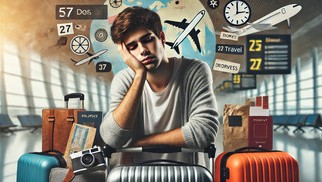

✈️ Ten hours in a narrow seat, the cabin lights dimmed, a time zone you have not reached yet and a meeting the next morning. For many travellers the question is not whether to try to sleep on a long-haul flight, but what to take to make it happen. 💊 Melatonin, an antihistamine from the pharmacy shelf, a prescription sleeping pill, a glass of wine with dinner, or a mix of all four. Each choice behaves differently at cruising altitude, and some of them quietly raise the risk of a blood clot, a fall in the aisle or a foggy, jet-lagged first day. This guide explains what each option really does on a plane, how to time it for an eastbound or westbound trip, who should avoid sedatives in the air, how to keep the legs safe while you sleep, and how to stay alert on arrival day.
🧳 Why sleeping on a plane is a medical question
🤔 At home, a sleep aid acts on a body lying flat in a quiet, dark room with enough oxygen and a bathroom a few steps away. On a plane, almost every one of those conditions changes. The same tablet that gives a gentle night in bed can give a heavy, immobile, confused sleep in a cramped seat. You sit upright with bent knees for hours, the air is thinner and drier, the cabin is noisy, and you may need to wake suddenly for turbulence, a meal service or an emergency. 📖 If your main worry is the time difference itself, the general guide to melatonin dose, timing and what it actually does covers the body clock in depth. Here the focus is narrower: what to take, or not take, while you are in the air.
🔍 Two separate problems are often mixed together. Travel fatigue is the plain tiredness of a long journey: poor sleep in a seat, dehydration, stress at the airport. It fades after one good night. Jet lag is a mismatch between your body clock and local time, and it lasts for days because the clock shifts only about an hour or so per day without help. A sleeping pill on board can reduce travel fatigue, but it does not move the body clock. Melatonin and light, used at the right time, are the tools that move the clock.
🛫 What the cabin does to your body
🧪 Passenger jets are pressurised to the equivalent of a mountain town, not to sea level. For a healthy adult the small drop in oxygen is harmless, but sedatives and alcohol add to it by making breathing shallower during sleep. People with lung disease, heart failure or untreated sleep apnea start with less reserve. Dry cabin air makes people drink less water and more coffee or alcohol, which worsens sleep quality and adds to dehydration. All of this matters when you choose a sleep aid.
📊 The options at a glance
| 💊 Option | 🌙 Helps you fall asleep | 🕰️ Shifts body clock | ⚠️ Main concern on a plane |
|---|---|---|---|
| Melatonin | Mild effect | Yes, if timed well | Drowsiness if taken at the wrong time |
| Sedating antihistamines | Moderate | No | Grogginess, dry mouth, urine retention, confusion in older people |
| Z-drugs (zolpidem, zopiclone) | Strong | No | Sleepwalking, memory gaps, deep immobility |
| Benzodiazepines | Strong | No | Shallow breathing with alcohol, falls, dependence |
| Alcohol | Short-lived | No | Broken sleep, dehydration, worse snoring |
| No medicine, good routine | Variable | Partly, with light timing | None, but harder to sleep |
💡 The table shows the core trade-off. The stronger a medicine is at knocking you out, the less it does for jet lag and the more it adds risk in the air. Melatonin is the weakest sedative on the list, yet it is the only one that helps the body clock adapt to the new time zone.
🌙 Melatonin on a flight: what it actually does
🧠 Melatonin is the hormone your brain releases in the evening as darkness falls. It tells the body clock that night has started. Taken as a tablet at the bedtime of your destination, it nudges the clock toward the new time zone and makes sleep come a little sooner. Reviews of travel studies found that melatonin reduced jet lag symptoms in most trials, especially after flights across five or more time zones and when flying east. It is not a strong sleeping pill: if you are wide awake, anxious and sitting upright, melatonin alone may not put you to sleep.
✅ In practice, melatonin works best as part of a plan: dose at the right local hour, light at the right local hour, and no strong sedatives that knock out the morning. Products such as Restfine (Melatonin) and Altonil (Melatonin) contain 10 mg per tablet, which is a higher dose than most jet lag studies used. That is not dangerous for most adults, but it does change how you use it, as explained below.
🧭 Timing melatonin by flight direction
🕒 A simple rule helps. If it is night where you are going, the cabin is dark and you have at least five or six hours before landing, that is a reasonable moment for melatonin. If landing is two hours away, or it is midday at the destination, skip it and wait for local bedtime on the ground. Westbound travellers on a daytime flight usually gain more by staying awake, watching a film in a lit cabin and going to bed at a normal local hour.
⚖️ How much melatonin, and the 10 mg tablet
💊 Many adults use a 10 mg tablet without problems, especially when it is taken right at bedtime and followed by a full night. If you feel groggy, slow or headachy the next morning, a lower dose is the first fix, for example half a tablet where the tablet can be split, or a lower-strength product. A trial dose at home a week before the trip shows how your body reacts, so you do not learn about morning grogginess on a dawn landing. Melatonin leaves the blood within a few hours, so most of the morning effect comes from taking it too late in the night or at too high a dose.
⚠️ Who should be careful with melatonin
| 🚫 Situation | 📝 Why it matters |
|---|---|
| Taking warfarin | Reports of changes in INR; check with the clinic before starting |
| Taking fluvoxamine | This antidepressant blocks melatonin breakdown and raises levels many times over |
| Other sedatives, opioids or alcohol | Drowsiness adds up |
| Epilepsy | Use only with advice from the treating doctor |
| Pregnancy or breastfeeding | Too little safety data for routine use |
| Autoimmune disease on immune treatment | Theoretical effect on the immune system; ask first |
| Driving straight after landing | Do not drive within several hours of a dose |
💡 Common side effects are mild: daytime sleepiness, headache, dizziness and nausea. Melatonin is generally the safest of the sleep aids discussed here, but it is still a hormone with real effects, and its timing matters more than its dose.
🤧 Antihistamine sleep aids: why they disappoint in the air
🛒 Diphenhydramine and doxylamine are the sedating antihistamines found in many night-time cold remedies and pharmacy sleep aids. They are cheap and easy to buy, which is why many travellers pack them. Their sedation comes from blocking histamine and acetylcholine in the brain, and the second effect brings most of the problems. They dry the mouth and eyes, which the dry cabin air already does. They can make it hard to pass urine, especially in men with an enlarged prostate. They slow the gut and can worsen constipation on a long trip.
😴 Another problem is the hangover. The sedating effect often lasts longer than the flight, so a dose taken four hours before landing can leave you slow through passport control and into the first meeting. Tolerance to the sleep effect also builds within a few nights, so they work poorly as a nightly aid during a long trip. Non-sedating allergy tablets such as loratadine or cetirizine are fine for hay fever on the trip but do nothing for sleep.
💊 Z-drugs on a flight: the rules
🧪 Zolpidem and zopiclone are prescription sleeping pills, often called Z-drugs. They are stronger and act faster than melatonin or antihistamines, and some frequent flyers use them on overnight flights. If a doctor has prescribed one for travel, a few firm rules make the difference between a good night and a dangerous one.
📋 Z-drugs do not shift the body clock. They are a tool for one night of sleep, not a jet lag treatment, and they work best on overnight eastbound flights where sleep is needed and the cabin is dark anyway. Many travel doctors limit them to the outbound overnight flight and, at most, the first one or two nights at the destination. Nightly use for weeks risks dependence, and stopping after regular use can bring back worse sleep for a while; the guide to coming off sleeping pills explains how to taper safely.
🚶 Sleepwalking, memory gaps and in-flight incidents
🚨 Zolpidem and similar drugs carry warnings about complex sleep behaviours: walking, eating, talking or even driving while not fully awake, with no memory of it afterwards. On a plane, this can mean a passenger wandering the aisle, trying to open a door or behaving strangely, then remembering nothing. Such incidents have been reported by airlines and aviation doctors, and alcohol plays a part in many of them. The risk is higher at higher doses, when the pill is mixed with alcohol or other sedatives, and when sleep is cut short before the drug wears off.
🧠 Why the plane makes it worse: a strange setting, upright posture, frequent waking from noise and turbulence, and a short night all raise the chance of partial waking while the drug is still active. A person who stops having these behaviours at home may still have them on a flight. Anyone who has ever had a complex sleep behaviour on a Z-drug should not take that drug again.
😰 Benzodiazepines for fear of flying
🧩 Some travellers take a benzodiazepine such as diazepam, lorazepam or alprazolam for fear of flying rather than for sleep. These medicines reduce acute anxiety, but they also relax breathing, slow reaction time and can cause unsteadiness that lasts after landing. Combined with alcohol or opioid painkillers, they can dangerously slow breathing. They are also linked with dependence if used often.
📝 There is another, less obvious drawback. A sedated passenger does not learn that the flight itself is safe, so the fear tends to come back before the next trip. Fear-of-flying courses based on cognitive behavioural therapy, which many airlines and therapists offer, help a large share of people fly without medicine at all. If a doctor still prescribes a benzodiazepine for a single flight, the rules are the same as for Z-drugs: tried at home first, no alcohol, no driving afterwards. People who also get motion sick on flights may find useful advice in the motion sickness survival guide.
🍷 Alcohol as a nightcap at 35,000 feet
🍺 Alcohol makes people feel sleepy, so it seems like a natural sleep aid. In reality, alcohol fragments the second half of the night and suppresses dream sleep, so the total rest is poorer than it feels. It relaxes the throat muscles and worsens snoring and sleep apnea. In the thinner cabin air, the same drink can feel stronger than on the ground. The safest approach is simple: if you plan to sleep, keep alcohol to one drink with dinner or none, and never combine it with any sleeping pill, antihistamine or anxiety medicine.
❌ Combinations to avoid in the air
🩸 Deep sleep, still legs and blood clots
🦵 Deep vein thrombosis is a blood clot in the deep veins of the leg. On long flights, the combination of sitting with bent knees, little movement and mild dehydration slows blood flow in the calves. The risk of a clot roughly doubles on flights longer than about four hours, and it grows with longer and repeated flights. For most healthy travellers the absolute risk is still low, but a strong sleeping pill adds a quiet extra factor: you may sit for six or eight hours without moving your legs at all.
📖 Clots can cause swelling and pain in the calf, and in rare cases part of the clot travels to the lungs, a pulmonary embolism. Symptoms may appear during the flight or up to several weeks later. The article on treatment and prevention of thrombosis and embolism explains the warning signs and treatment in more detail. For a healthy person on a single flight, light sleep with regular waking is not a problem; long, heavy, motionless sleep is the part to avoid.
📋 Do you have a higher clot risk?
💊 People who already take an anticoagulant such as Coumadin (Warfarin) are already protected against clots, but they need to keep dose times steady across time zones and should not add melatonin or new supplements without checking with their anticoagulation clinic. Aspirin is not recommended as routine travel clot prevention, because its benefit for vein clots on flights is weak and it adds bleeding risk.
🦶 Keeping the legs safe while you sleep
💡 A practical trick is to avoid one long block of motionless sleep. Melatonin and a good routine usually give a lighter sleep with natural waking every couple of hours, and each waking is a chance to flex the calves, shift position or walk to the bathroom. Travellers at higher risk may be advised graduated compression stockings, and those at the highest risk, such as people with a recent clot or major surgery, are sometimes given a short course of an injectable anticoagulant by their doctor before the flight.
😪 Snoring, sleep apnea and sedatives
🌬️ Obstructive sleep apnea means the throat closes repeatedly during sleep, cutting off breathing for seconds at a time. Many people who have it do not know. Sedatives, antihistamines and alcohol all relax the throat further and make the pauses longer, and the cabin air already holds less oxygen. A person with untreated sleep apnea who takes a sleeping pill and a few drinks on a night flight is stacking three risks on top of each other. 📖 More on the condition in obstructive sleep apnea: the nighttime breathing trap.
🛩️ If you use CPAP: many portable machines are approved for use on board, but airlines usually want notice in advance and some require a form. Carry the machine in the cabin, bring enough battery power for the whole flight, and avoid sleeping pills unless your sleep doctor has agreed. If you snore heavily, wake gasping or are very sleepy in the day, it is worth being assessed before relying on sedatives for travel.
👴 Older travellers
🦴 With age, the body clears sedatives more slowly and the brain becomes more sensitive to them. Falls are the biggest danger: a sleepy older passenger getting up in a dark, moving cabin to find the toilet can easily trip, and a hip fracture abroad is a disaster. Antihistamine sleep aids can also cause sudden confusion in older people. Melatonin, a sleep mask, earplugs and an aisle seat close to the toilet are a much safer combination.
🧒 Children: why sedating them is a bad plan
👶 Parents on long flights are sometimes tempted to give a sedating antihistamine to help a child sleep. Paediatric guidance advises against this: these medicines are not licensed for sleep in children, the right dose is uncertain, and some children react with the opposite effect, becoming agitated, irritable and wide awake for hours. In very young children, sedating antihistamines have been linked with serious side effects. Melatonin for children should only be given on the advice of a doctor.
🧸 What helps more is boring but effective: a familiar blanket or toy, a feed or drink during take-off and landing to ease ear pressure, a dark and quiet corner, and a flight timed around the normal sleep period of the child where possible. For children who get motion sick, a doctor can suggest suitable medicine for that specific problem.
🤰 Pregnancy and breastfeeding
🤰 Pregnancy itself raises clot risk, so long flights already call for regular walking, water and often compression stockings. Most sleeping pills and melatonin are not recommended in pregnancy without a doctor, mainly because of limited safety data. During breastfeeding, sedatives can pass into milk and can also make a parent sleep too deeply to respond to a baby on the next seat. Non-drug measures are the first choice; any medicine should be agreed with the midwife or doctor before the trip.
🧭 A plan by flight type
✈️ Ultra-long-haul flights of 15 hours or more are a special case. Split the journey in your mind into a waking block and a sleeping block that match destination time, not departure time. Eat when the destination eats, sleep when it sleeps, and move the legs during every waking block. For a business trip with an important meeting on arrival day, aim for a clear head rather than the longest possible sleep: a lighter sleep without heavy sedation usually wins.
🌅 Arrival day: staying awake until local bedtime
☀️ Light is the strongest signal to the body clock. After a big eastward jump, very bright morning light can arrive at the wrong point of your internal night and push the clock the wrong way, which is why sunglasses for the first morning and plenty of daylight from late morning onwards often work better. After a westward trip, evening daylight helps you stay up later. The shift work sleep disorder guide uses the same light rules for people whose clock is out of step every week.
⚡ Where armodafinil and modafinil fit
🧪 Some travellers face a hard deadline on arrival: a surgery list, a negotiation, a lecture, a day of driving clients. Caffeine and light help, but for some people they are not enough. Armodafinil and modafinil are prescription wakefulness medicines licensed for narcolepsy, sleep apnea with residual sleepiness and shift work sleep disorder. A placebo-controlled trial in eastbound travellers found that armodafinil 150 mg in the morning improved wakefulness on the days after arrival, although it did not fix other jet lag symptoms such as stomach upset. Jet lag is not a licensed use, so this is a decision for a doctor, not a routine travel item.
| 📋 Point | 📝 What to know |
|---|---|
| Timing | Local morning only; a dose after midday spoils the first night at the destination |
| Never on board | Taking it during the flight blocks the sleep you need and confuses the clock further |
| Common side effects | Headache, nausea, nervousness, poor sleep, dry mouth |
| Hormonal contraception | Reduced effect during use and for about a month after; extra protection needed |
| Not suitable for | People with certain heart rhythm problems, uncontrolled high blood pressure or a past severe skin reaction to it |
| Sleep aids at night | Do not stack a wake drug by day with a strong sedative by night without medical advice |
📖 A wake-promoting medicine treats the symptom, sleepiness, not the cause. The body clock still has to move, and it moves with light, melatonin and regular local sleep times. A separate page looks at modafinil for jet lag in more detail, including how frequent travellers plan the first days.
📅 How the first nights usually go
Short, broken sleep; early waking
Easier to fall asleep; afternoon slump
Most sleep normal; appetite settles
Clock close to local time
📈 Everyone adapts at a different speed. Older travellers, people who are natural night owls and those who fly east often take longer, while many young adults and natural early risers adapt faster. For trips of only two or three days, some travellers choose to stay on home time instead, sleeping and waking by the home clock where the schedule allows, which avoids the jet lag cycle altogether.
🗿 Myths about sleeping pills and flying
🚨 When to see a doctor
⛔ Seek urgent help if, during or after a flight, you have:
🔹 Pain, swelling, warmth or redness in one calf, especially in the days or weeks after a long flight.
🔹 Sudden shortness of breath, chest pain that worsens with breathing, coughing up blood or fainting; call emergency services.
🔹 Confusion, sleepwalking or memory gaps after a sleeping pill.
🔹 Being unable to pass urine after a sedating antihistamine.
⛔ Book a routine visit before travel if: you have had a clot before, are pregnant, take an anticoagulant, have heart or lung disease, snore heavily, or want a prescription sleeping pill for the trip.
📖 If poor sleep continues for weeks after you are home, it is no longer jet lag; the guide to melatonin dose and timing and a talk with a doctor are the next steps.
❓ Frequently asked questions
Is it safe to take melatonin on a plane?
For most healthy adults, yes. Take it only when it is night at your destination and there are at least five or six hours before landing, and avoid alcohol with it.
When should I take melatonin when flying east?
At bedtime of the destination, on board if it is already night there, and then at local bedtime for the first two to five nights.
Is a 10 mg melatonin tablet too strong for jet lag?
Many adults use it without trouble, but jet lag studies mostly used 0.5 to 5 mg. If you feel groggy in the morning, a lower dose is the first fix.
Can I take zolpidem on a long flight?
Only if a doctor prescribed it, you have tried it at home, there are seven to eight hours to landing, and you drink no alcohol on that flight.
Are antihistamine sleep aids a good idea for flying?
They often cause a hangover, dry mouth and urine problems, and they are best avoided by people over 65 and by children.
Do sleeping pills increase the risk of blood clots on flights?
Not directly, but heavy sedation can keep you still for many hours, and long immobility is a main cause of travel clots. Wake to move your legs.
Is it a good idea to drink alcohol to sleep on a plane?
No. Alcohol breaks up sleep, dehydrates you and worsens snoring, and it must never be combined with sleeping pills.
Can I give my child something to sleep on a flight?
Sedating a child with antihistamines is not recommended. Use routine, comfort items and flight timing, and ask a doctor before any medicine.
Can armodafinil help me stay awake after a long flight?
A study found it improved wakefulness after eastbound travel, but jet lag is not a licensed use. It is taken only in the local morning, with a prescription.
How can I sleep on a plane without medicine?
Set your watch to destination time, eat lightly, skip alcohol, use a mask and earplugs, recline with neck support and sleep when it is night at the destination.
📑 Sources and editorial
- 📘 Travel medicine guidance on jet lag and sleep during air travel
- 🌙 Systematic reviews of melatonin for the prevention and treatment of jet lag
- 💊 Product information and safety warnings for zolpidem, zopiclone, benzodiazepines and sedating antihistamines
- 🩸 Clinical guidelines on the prevention of venous thrombosis in long-distance travellers
- 🛫 Aviation medicine guidance on cabin pressure, oxygen and fitness to fly
- ⚡ Placebo-controlled trial of armodafinil for sleepiness after eastbound travel
- 🧓 Expert criteria on medicines to avoid in older adults
- 📖 Related reading: melatonin dose and timing, coming off sleeping pills, thrombosis and embolism, obstructive sleep apnea, motion sickness, shift work sleep disorder
- 🛒 Related products: Restfine (Melatonin), Altonil (Melatonin), Waklert (Armodafinil), Artvigil (Armodafinil), Modalert (Modafinil), Modaheal (Modafinil), Coumadin (Warfarin)
- 🩺 RXshop Editorial Team — reviewed by Sarah Mitchell, PharmD — Clinical pharmacist