Buy Nadoxin (Nadifloxacin) Online — Topical Fluoroquinolone Cream for Acne Vulgaris & Bacterial Skin Infections

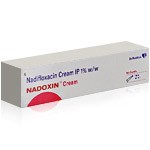
Nadoxin is the brand-name formulation of Nadifloxacin 1% topical cream — a unique topical fluoroquinolone antibiotic specifically formulated for treatment of acne vulgaris and bacterial skin infections. Developed originally in Japan by Otsuka Pharmaceutical and marketed internationally in Europe, India, Japan, and Latin America since 1993, Nadoxin provides effective antibacterial therapy directly at the site of skin infection with minimal systemic absorption.
The active ingredient is Nadifloxacin, a topical fluoroquinolone antibiotic that works through dual inhibition of bacterial enzymes essential for DNA replication: DNA gyrase (topoisomerase II) and topoisomerase IV. By blocking these enzymes, Nadifloxacin prevents bacteria from unwinding and replicating their DNA, leading to bacterial cell death. The topical formulation delivers high local antibacterial concentrations directly to the skin while maintaining systemic levels well below those required for systemic activity.
Nadifloxacin provides excellent topical activity against Cutibacterium acnes (formerly Propionibacterium acnes — the key bacterial driver of inflammatory acne), Staphylococcus aureus including methicillin-resistant strains (MRSA), Streptococcus species, and many other skin pathogens. Its broad-spectrum activity makes it particularly valuable for bacterial skin infections where systemic antibiotic therapy would be inappropriate.
Nadoxin is approved internationally for treatment of acne vulgaris, inflammatory acne with papules and pustules, folliculitis, superficial pyoderma, impetigo, and bacterial complications of various dermatologic conditions. The signature use is treatment of moderate-to-severe inflammatory acne — particularly in patients who cannot tolerate oral antibiotic therapy.
The medication is supplied as 1% cream (10 mg/g) in tubes. Standard use is application of a thin layer to affected areas twice daily for 4-12 weeks. The cream should be applied to clean dry skin.
Nadoxin offers significant advantages over oral acne antibiotics including no photosensitivity, no gastrointestinal effects, no tooth or bone effects (allowing pediatric use), no tendon concerns, and compatibility with most other topical acne treatments including retinoids and benzoyl peroxide.
Free prescription
Discrete packaging
Have questions?
Quality Assurance

- Moderate Acne: For moderate inflammatory acne where topical antibiotic therapy is appropriate;
- Inflammatory Acne Topical: For inflammatory papulopustular acne with reduced systemic side effects compared to oral therapy;
- Pustular Acne: For pustular acne lesions caused by Cutibacterium acnes overgrowth;
- Comedonal Acne Adjunct: Adjunctive to topical retinoids for combined inflammatory and comedonal acne;
- Acne Pregnancy: Selective use for acne in pregnancy where systemic antibiotic options are limited;
- Pediatric Acne: For pediatric acne in children where oral tetracyclines are contraindicated (under age 8);
- Adolescent Acne: For adolescent acne as topical therapy alternative to oral antibiotics;
- Adult Acne: For adult acne particularly in women where hormonal contributions complicate oral therapy;
- Back Acne: For acne on back and chest (truncal acne) requiring topical antibiotic coverage;
- Folliculitis: For bacterial folliculitis caused by Staphylococcus aureus including MRSA strains;
- Superficial Pyoderma: For superficial bacterial skin infections with Gram-positive organisms;
- Impetigo Topical: For limited bacterial impetigo as topical antibiotic alternative;
- Bacterial Dermatoses: For bacterial complications of various dermatologic conditions;
- Infected Eczema: For secondary bacterial infection of eczematous skin lesions;
- CA MRSA Topical: For superficial community-acquired MRSA skin infections with intact skin barrier;
- Acne Maintenance Topical: For maintenance therapy following oral antibiotic induction in acne treatment;
- Sebaceous Skin Infection: For bacterial infections affecting sebaceous units including infected sebaceous cysts;
- Combination Acne Therapy: Compatible with topical retinoids (tretinoin, adapalene) and benzoyl peroxide in combination acne regimens;
- Topical Alternative Oral: Topical alternative for patients who cannot tolerate oral acne antibiotics due to side effects.
- Less Pustules: Resolution of pustular acne lesions with topical antibacterial therapy;
- Less Papules: Reduction in inflammatory papules of moderate inflammatory acne;
- Less Skin Redness: Anti-inflammatory effect reduces perilesional erythema in acne;
- Better Skin Texture: Improvement in skin texture and appearance with sustained therapy;
- Less Folliculitis: Resolution of bacterial folliculitis on face, back, chest, and beard area;
- Less Acne Scarring: Early effective therapy reduces risk of permanent acne scarring;
- Better Self Esteem: Resolution of visible acne improves psychosocial wellbeing;
- Less Skin Pain: Resolution of pain in inflammatory acne nodules and pustules;
- Better Wound Healing: Resolution of superficial skin infections and infected lesions;
- Less Need For Oral Antibiotics: Effective topical alternative reduces need for systemic antibiotic exposure;
- Better Daily Function: Return to school, work, and social activities with improved skin appearance;
- Brand Nadoxin: Brand-name Nadifloxacin from international manufacturers with established quality standards;
- Generic Nadifloxacin: Affordable generic versions expand global access to topical fluoroquinolone acne therapy;
- Nadixa Equivalent: Same Nadifloxacin molecule as European brand Nadixa — familiar across international markets;
- Acuatim Equivalent: Same Nadifloxacin molecule as Japanese brand Acuatim — original market formulation;
- Topical Fluoroquinolone Antibiotic: Unique topical fluoroquinolone with broad-spectrum activity for skin infections;
- DNA Gyrase Inhibitor: Inhibits bacterial DNA gyrase essential for DNA replication;
- Topoisomerase IV Inhibitor: Dual-enzyme target reduces topical resistance development;
- Cutibacterium Acnes Coverage: Excellent activity against Cutibacterium acnes — key bacterial driver of inflammatory acne;
- MRSA Topical Coverage: Active against methicillin-resistant Staphylococcus aureus on skin surface;
- Minimal Systemic Absorption: Minimal systemic absorption avoids systemic antibiotic exposure and side effects;
- No Photosensitivity Topical: Unlike oral Doxycycline — no photosensitivity allows normal sun exposure;
- No GI Side Effects: No gastrointestinal effects unlike oral antibiotic acne therapy;
- No Teeth Effects Topical: No tooth discoloration or bone effects unlike oral tetracyclines — supports pediatric use;
- No Tendon Concerns Topical: No tendinopathy concerns unlike oral fluoroquinolones — topical use is safe;
- Topical Acne Standard: Standard topical antibiotic for inflammatory acne in international dermatology practice;
- Combination Therapy Compatible: Compatible with topical retinoids, benzoyl peroxide, and azelaic acid for combination acne regimens;
- Twice Daily Topical: Twice-daily application supports good adherence in extended acne therapy;
- Pediatric Topical Safe: Safe for pediatric and adolescent use unlike oral tetracyclines in children under 8;
- Adult Female Acne Topical: Suitable for adult female acne where oral hormonal contributions complicate systemic therapy;
- Truncal Acne Topical: Effective for acne on back, chest, and shoulders requiring antibacterial coverage;
- 30 Plus Year International History: Extensive real-world safety and efficacy data since 1993 across international markets;
- Apply To Clean Dry Skin: Apply thin layer to clean dry skin after gentle cleansing — allow to absorb before makeup;
- Avoid Eye Contact: Topical application only — avoid contact with eyes, mouth, and mucous membranes;
- Maintain Skin Hydration: Use non-comedogenic moisturizer if dryness develops during therapy;
- 12 Week Maximum Initial Course: Initial treatment course typically limited to 12 weeks to minimise resistance development;
- Stable Storage: Cream stable at room temperature — convenient for home and travel use;
- Internationally Available: Widely available across European, Asian, Indian, and Latin American markets in branded and generic forms.
Generic Nadoxin (Nadifloxacin 10g 1 %) Medication guide:
📖 What is Nadoxin and where nadifloxacin fits in modern acne care
Nadoxin is a Cipla brand of nadifloxacin, a topical fluoroquinolone antibiotic used to treat inflammatory acne. Nadifloxacin was first approved in Japan in 1993 and is now sold in many international markets. It is not FDA-approved in the United States but is widely used in Europe, Asia, Latin America, and Africa. Nadoxin comes as a 1 percent cream, gel, or lotion applied twice daily to affected skin.
🔑 Key facts at a glance
- Class: topical fluoroquinolone antibiotic (a rare topical application of the fluoroquinolone class)
- Concentration: 1 percent in cream, gel, or lotion
- Application: thin layer to affected skin twice daily
- Mechanism: blocks bacterial DNA replication in acne-causing bacteria
- Main use: inflammatory acne vulgaris (papules and pustules)
- Systemic absorption: minimal from intact skin
- Pregnancy: use only if clearly needed; limited data
What makes nadifloxacin distinctive is that it is a fluoroquinolone applied to the skin. Most fluoroquinolones (ciprofloxacin, levofloxacin, moxifloxacin) are taken by mouth or given by injection to treat serious infections and carry significant systemic side effect concerns including tendon rupture, aortic problems, and central nervous system effects. Nadifloxacin used topically at low concentrations does not produce those systemic concerns because so little drug reaches the bloodstream.
🧪 Important reassurance about topical fluoroquinolones
The US FDA black box warnings for oral fluoroquinolones (tendon rupture, aortic dissection, nerve damage, mental health effects, hypoglycemia) apply to the systemic use of these drugs. They do not apply to topical nadifloxacin at recommended use because minimal drug reaches the bloodstream. This important distinction lets nadifloxacin be used safely for acne without the concerns that limit oral fluoroquinolone use.
⚠️ Side effects to know
- Local skin irritation, redness, or burning at application sites
- Dryness or peeling
- Rare allergic skin reactions
- Photosensitivity (increased sun sensitivity)
- Bacterial resistance selection with prolonged use
🕑 History: 1993 Japan approval and international expansion
Nadifloxacin was developed in Japan by Otsuka Pharmaceutical in the 1980s and received Japanese regulatory approval in 1993 under the brand name Acuatim. It was one of the first topical fluoroquinolones brought to market and remained largely unique among topical acne antibiotics as a fluoroquinolone application.
| Year | Milestone |
|---|---|
| 1980s | Otsuka Pharmaceutical Japan develops nadifloxacin as a topical fluoroquinolone |
| 1993 | Japanese approval of nadifloxacin as Acuatim topical for inflammatory acne |
| Late 1990s | Expansion into other Asian markets |
| 2000s | European approvals in various countries |
| 2000s | Cipla and other Indian manufacturers begin producing generic nadifloxacin for international markets, including Nadoxin brand |
| 2010s | Growing global use for inflammatory acne particularly in markets without FDA restrictions |
| 2016 | American Academy of Dermatology guidelines emphasize combination therapy with benzoyl peroxide for all topical antibiotics |
| Present | Nadifloxacin widely available internationally under multiple brand names including Nadoxin, Acuatim, and Nadibact |
🧪 Why nadifloxacin succeeded in Japan and beyond
In the early 1990s, common topical acne antibiotics (clindamycin, erythromycin) were widely used but resistance was already emerging. Nadifloxacin offered a different mechanism (DNA-based rather than protein synthesis inhibition) with no cross-resistance to those classes. This meant it worked in patients whose acne was no longer responding to clindamycin or erythromycin. It also had a favorable local tolerance profile compared with harsh alternatives.
🌐 International availability
Nadifloxacin is used in more than 30 countries worldwide. The absence of FDA approval in the United States limits US market availability, but internationally it is a common topical acne treatment option. Multiple manufacturers produce generic versions, keeping cost accessible.
⚙️ Mechanism: DNA gyrase inhibition applied topically
Nadifloxacin works by blocking DNA replication in bacteria. Specifically, it inhibits two bacterial enzymes called DNA gyrase and topoisomerase IV, which are essential for unwinding and separating bacterial DNA during cell division. Without these enzymes working, bacteria cannot copy their DNA and stop growing.
🧬 How it works step by step
- Nadifloxacin is applied to acne-affected skin
- It penetrates into hair follicles and sebaceous glands where acne bacteria live
- It enters bacterial cells and binds to DNA gyrase and topoisomerase IV
- Bacterial DNA cannot be replicated
- Bacteria stop growing and dividing
- The immune system clears the inhibited bacteria over days
- Anti-inflammatory effects on skin cells reduce redness and swelling
🔬 Anti-inflammatory effect matters too
Beyond killing bacteria, nadifloxacin has independent anti-inflammatory effects on skin cells. It reduces the production of inflammatory chemicals in the skin. This explains why inflammatory acne (red, swollen papules and pustules) responds particularly well — not just the bacterial component but also the inflammation is reduced.
🗝️ Why the topical route matters
- Drug is delivered directly to the site of infection (skin sebaceous glands)
- High local concentrations against acne bacteria
- Very low blood levels avoid systemic side effects
- Minimal effect on bacteria in the gut or other body sites
- Less selection pressure for resistance in the broader community
🔴 Resistance mechanisms
Cutibacterium acnes (formerly called Propionibacterium acnes) can develop resistance to nadifloxacin through:
- Mutations in the DNA gyrase gene that reduce drug binding
- Efflux pumps that remove the drug from bacterial cells
- Prolonged use or use as monotherapy accelerates resistance
- Combining with benzoyl peroxide substantially reduces resistance emergence
🧬 Nadifloxacin among topical acne antibiotics
Several topical antibiotics are used for inflammatory acne. Nadifloxacin is one option; the more familiar ones internationally are clindamycin and erythromycin. Understanding the differences helps clarify when nadifloxacin fits.
| Topical antibiotic | Class | Standard use |
|---|---|---|
| Topical clindamycin | Lincosamide | First-line topical for inflammatory acne worldwide |
| Topical erythromycin | Macrolide | Older option; resistance concerns high in some regions |
| Nadifloxacin (Nadoxin) | Fluoroquinolone | Widely used internationally; not FDA approved |
| Topical dapsone gel | Sulfone | Available in US; effective for inflammatory acne |
| Topical minocycline (Zilxi) | Tetracycline | Newer topical minocycline foam for rosacea (not acne) |
🔗 What makes nadifloxacin distinctive
- Different mechanism from clindamycin and erythromycin means no cross-resistance
- Works when patients have failed other topical antibiotics due to resistance
- Good local tolerance profile
- Available as cream, gel, and lotion allowing different skin type matching
- Twice daily application (similar to alternatives)
- Broader antibacterial spectrum than clindamycin or erythromycin
🧪 The stewardship principle applies to all topicals
All topical antibiotics for acne are subject to the same modern stewardship principles: combine with benzoyl peroxide to reduce resistance emergence, combine with a topical retinoid for better acne outcomes, and limit duration to 3 to 6 months typically. These principles apply to nadifloxacin exactly as they apply to clindamycin, erythromycin, or dapsone.
🦠 Bacterial coverage for acne pathogens
Nadifloxacin has a broad topical antibacterial spectrum against skin-relevant bacteria. Its main target is Cutibacterium acnes, the bacterium associated with inflammatory acne, but it also covers many staphylococci and some gram-negative bacteria.
✅ Skin bacteria covered
- Cutibacterium acnes (formerly Propionibacterium acnes) — the main acne bacterium
- Staphylococcus aureus including many methicillin-resistant strains
- Staphylococcus epidermidis and other coagulase-negative staphylococci
- Streptococcus species including group A
- Some Enterobacter species
- Escherichia coli (topical local effect)
- Some other gram-negative skin colonizers
⛔ What nadifloxacin does NOT treat
- Deep skin infections requiring systemic (oral or intravenous) therapy
- Cellulitis, erysipelas, or serious skin infections
- Fungal skin infections (ringworm, candida) — not effective
- Viral skin infections (herpes, warts) — not effective
- Parasitic skin conditions (scabies, lice)
- Non-inflammatory comedonal acne (blackheads and whiteheads without inflammation)
- Any infection outside the skin
🧪 The C. acnes story
Cutibacterium acnes is a normal skin bacterium that lives in oil glands. In acne, its overgrowth combined with inflammation and clogged pores produces the characteristic red bumps and pustules. Nadifloxacin reduces the C. acnes population in affected follicles and dampens the inflammatory response. Because C. acnes is only part of acne's cause (the other components are oil production, follicle blockage, and inflammation), acne treatment usually needs multiple approaches together.
💉 Minimal systemic absorption profile
Nadifloxacin's very low absorption from intact skin is one of its most important safety features. This makes it fundamentally different from oral fluoroquinolones despite sharing the same drug class.
| Feature | Value |
|---|---|
| Systemic absorption from intact skin | Minimal (usually undetectable in blood) |
| Local concentration in follicles | High |
| Absorption from broken skin | Modestly higher; avoid large open areas |
| Absorption from occluded skin | Higher; do not apply under occlusive dressings |
| Application area effect | Small typical acne areas produce minimal absorption |
✅ What minimal systemic absorption means for safety
- No systemic fluoroquinolone class effects (tendon rupture, aortic problems, mental effects)
- No hypoglycemia risk in diabetic patients
- No drug interactions with warfarin, NSAIDs, sympathomimetics
- No effect on gut bacteria (no Clostridioides difficile risk)
- No effect on other body sites
- Safety profile fundamentally different from oral fluoroquinolones
⚠️ Situations that raise absorption
- Applying to very large skin areas (whole trunk, entire face plus back)
- Applying to broken, infected, or ulcerated skin
- Applying under occlusive dressings or tight clothing
- Very frequent applications (more than the recommended twice daily)
- Using in very small children where surface-area-to-weight ratio is high
🧪 Practical takeaway
For typical acne treatment (thin layer applied to affected areas twice daily), systemic absorption is not a clinical concern. The safety profile is dominated by local skin effects, not systemic ones. This is why nadifloxacin can be used safely by patients where oral fluoroquinolones would be contraindicated.
🏥 Approved uses and clinical indications
Nadifloxacin is approved in various countries for treating bacterial skin infections. The main use is inflammatory acne, though nadifloxacin also has approvals for other skin conditions in some jurisdictions.
🎯 Main approved uses
- Inflammatory acne vulgaris — papules and pustules on face, chest, back
- Superficial bacterial folliculitis — infection of hair follicles
- Bacterial pyoderma — various superficial bacterial skin infections
- Some countries have approvals for other topical bacterial skin infections
🗝️ Where nadifloxacin fits best in acne care
- Mild to moderate inflammatory acne as part of combination therapy
- Combined with topical retinoid and benzoyl peroxide for standard acne treatment
- Alternative when clindamycin or erythromycin has been ineffective
- Adjunct treatment during isotretinoin therapy in some cases
- Not appropriate as monotherapy for anything more than very mild acne
⛔ When nadifloxacin is not appropriate
- Severe nodulocystic or scarring acne — systemic therapy needed
- Non-inflammatory comedonal acne without papules or pustules — retinoid alone appropriate
- Rosacea (though sometimes used off-label) — other agents preferred
- Perioral dermatitis — topical fluoroquinolones can worsen this
- Fungal skin infections — not effective
- Any deeper or systemic infection
🌸 Inflammatory acne vulgaris treatment
Inflammatory acne vulgaris is nadifloxacin's main use. It works against the acne bacteria and calms the inflammation that produces the red, swollen bumps and pustules typical of inflammatory acne.
🌸 Types of acne lesions nadifloxacin targets
- Inflammatory papules (red bumps)
- Pustules (bumps with pus)
- Superficial inflammatory nodules (early or small)
- Less effective against comedonal (blackhead and whitehead) lesions without inflammation
- Not effective against deep cysts or scarring acne
📋 Expected time course of improvement
- Weeks 1 to 4: some patients notice initial worsening (purging phase) or slight irritation
- Weeks 4 to 8: reduction in redness and inflammation begins to be visible
- Weeks 8 to 12: clearer improvement in papules and pustules
- Weeks 12 to 24: best response typically achieved
- Maintenance may continue at reduced frequency or with topical retinoid alone
- Full course is usually 3 to 6 months, then reassessed
✅ Combination approach is standard
Modern acne treatment guidelines strongly recommend combining topical antibiotics with either benzoyl peroxide or a retinoid, or preferably both. Combining approaches:
- Targets multiple acne mechanisms (bacteria, inflammation, clogged pores)
- Produces better results than any single agent
- Reduces development of antibiotic resistance
- Allows shorter courses of the antibiotic
- Reduces recurrence when antibiotic is stopped
⚠️ When to escalate care
If acne is not clearly improving after 3 months of nadifloxacin plus combination therapy, or if the acne is severe or scarring, dermatology consultation is warranted. Options at that stage include oral tetracyclines, hormonal therapy, isotretinoin, or specialist procedural treatments. Persistent nadifloxacin use beyond 6 months without improvement is not appropriate.
🌗 Combination with topical retinoids
Combining nadifloxacin with a topical retinoid is one of the most effective approaches to inflammatory acne. The two treatments work on different acne mechanisms and complement each other.
🧪 What each drug does
- Nadifloxacin
- Reduces acne bacteria and inflammation of existing papules and pustules.
- Topical retinoid
- Unclogs pores, reduces new comedone formation, and speeds skin turnover. Reduces new acne lesion formation.
- Together
- Treats current inflammatory lesions while preventing new ones; addresses both acute inflammation and underlying pore blockage.
🌗 Common topical retinoids used with nadifloxacin
- Tretinoin (Retin-A) 0.025 to 0.1 percent cream or gel
- Adapalene (Differin) 0.1 or 0.3 percent gel or cream
- Tazarotene 0.05 or 0.1 percent
- Trifarotene 0.005 percent (newer option)
- Retinol over-the-counter (less potent)
📋 How to combine them
- Apply nadifloxacin in the morning after washing the face
- Apply topical retinoid at bedtime after washing
- This spacing reduces skin irritation from having both drugs on the skin simultaneously
- Some patients tolerate both at the same time; others need to alternate
- Start retinoid at lower strength if new to retinoids
- Use non-irritating moisturizer between doses
- Sunscreen is essential during retinoid use
⚠️ Managing skin irritation
Both nadifloxacin and topical retinoids can cause skin irritation, redness, and dryness. Combined, these effects can add up. Management includes: starting with lower retinoid strengths, alternating days initially, using gentle cleansers, applying good moisturizer between treatments, and gradually building up to daily use. If irritation is severe, switch to a different retinoid or reduce application frequency temporarily.
🔬 Combination with benzoyl peroxide
Combining nadifloxacin with benzoyl peroxide is a modern acne treatment principle. Benzoyl peroxide reduces bacteria through a mechanism that does not select for antibiotic resistance, and it enhances the effectiveness of the antibiotic while protecting against resistance development.
🔬 Why benzoyl peroxide matters
Benzoyl peroxide releases reactive oxygen molecules that kill acne bacteria without acting through a specific target enzyme or protein. This means bacteria cannot easily develop resistance to benzoyl peroxide through the mutations that make them resistant to antibiotics. When benzoyl peroxide is used together with nadifloxacin, it kills bacteria that might otherwise develop antibiotic resistance and helps prevent resistance emergence.
📋 Standard combination approach
- Benzoyl peroxide 2.5 to 5 percent wash, cream, or gel used daily
- Nadifloxacin cream or gel applied twice daily to affected areas
- May use benzoyl peroxide in morning wash and nadifloxacin after
- Or benzoyl peroxide at night and nadifloxacin in day
- Combined with topical retinoid completes a three-part regimen
✅ Benefits of the combination
- Better clearance of inflammatory acne than either agent alone
- Substantially reduced resistance emergence
- Allows shorter courses of the antibiotic
- More sustained results after treatment
- Preserves nadifloxacin's effectiveness for future use
⚠️ Practical considerations
- Benzoyl peroxide can bleach clothing, towels, sheets, and hair
- Use white towels and pillowcases
- Rinse hands thoroughly after application
- Start at lower concentration and build up
- Skin dryness and irritation are common; use gentle moisturizer
- Sun sensitivity may be increased; use sunscreen
🔑 Modern stewardship principle
The American Academy of Dermatology and international dermatology guidelines all recommend combining topical antibiotics with benzoyl peroxide. Using a topical antibiotic like nadifloxacin without benzoyl peroxide is now considered inappropriate practice because of the antibiotic resistance concerns.
🤕 Bacterial folliculitis and superficial skin infections
Beyond acne, nadifloxacin is used for bacterial folliculitis — infection of hair follicles that produces small red bumps or pustules around each hair. It also treats some other superficial bacterial skin infections in certain international markets.
🤕 Bacterial folliculitis
- Small red bumps or pustules centered around hair follicles
- Often on the chest, back, buttocks, arms, or scalp
- Typically caused by Staphylococcus aureus (methicillin-sensitive or resistant)
- Common in adults, particularly those with occlusive clothing or shaving irritation
- Different from acne but shares some features
✅ When topical nadifloxacin is appropriate
- Mild superficial bacterial folliculitis
- Limited body surface area affected
- No systemic signs (fever, spreading redness)
- Superficial not extending deep into tissue
- No large abscesses requiring drainage
⛔ When topical treatment is not enough
- Extensive folliculitis over large body areas — consider systemic therapy
- Recurrent folliculitis — investigate for underlying cause (nasal S. aureus carriage, diabetes)
- Deep folliculitis or furuncles (boils) requiring incision and drainage
- Any spreading cellulitis around the folliculitis
- Fever or systemic signs of infection
- Immunocompromised patient
- Failure to respond to appropriate topical treatment
🧪 Practical folliculitis management
- Nadifloxacin applied twice daily to affected areas for 5 to 10 days
- Warm compresses may help drain pustules
- Address underlying causes: gentle shaving, avoid tight clothing, treat sweating
- Nasal S. aureus decolonization for recurrent cases
- Blood glucose control in diabetic patients
- Follow up if not improving in 3 to 5 days
🕑 Duration limits and antibiotic stewardship
Modern acne treatment guidelines strongly limit the duration of topical antibiotic use to 3 to 6 months at most. Beyond this, the risk of bacterial resistance grows without proportional benefit. Understanding these limits helps patients complete effective treatment without extending unnecessarily.
🕑 Why duration matters
- Bacterial resistance develops with prolonged antibiotic use
- Resistant Cutibacterium acnes can persist on skin for months to years after treatment stops
- Resistant skin bacteria can spread within families and communities
- Extended use provides diminishing returns after 3 months
- Continued use without response is inappropriate
📋 Standard duration framework
- Initial course: 3 months, with reassessment
- If good response continues: another 3 months maximum
- Total antibiotic exposure limited to 6 months if possible
- Switch to non-antibiotic maintenance (retinoid, benzoyl peroxide) after 6 months
- Antibiotic can be restarted for flares but should not be continuous long-term
✅ Effective long-term maintenance
- Topical retinoid as long-term maintenance is safe and effective
- Benzoyl peroxide as long-term maintenance is safe and effective
- Combination retinoid plus benzoyl peroxide for indefinite maintenance
- No antibiotic needed for long-term maintenance in most cases
- Return to nadifloxacin for occasional inflammatory flares
🔑 Stewardship perspective
Antibiotic stewardship in acne treatment reflects broader principles of using antibiotics only when needed and only as long as needed. This preserves nadifloxacin's effectiveness for the patient and reduces broader community selection of resistance. Prolonged topical antibiotic use for acne over years contributes measurably to resistance in Cutibacterium acnes and other skin bacteria worldwide.
💊 Adult application: twice daily thin layer
Nadoxin is applied as a thin layer to affected skin twice daily. Standard use is morning and evening after cleansing. Consistent daily application is essential for effectiveness.
🍴 How to apply Nadoxin correctly
- Wash the affected skin with a gentle cleanser and pat dry
- Wait 10 to 15 minutes for skin to fully dry
- Apply a thin layer of Nadoxin cream, gel, or lotion to affected areas only
- Rub in gently until absorbed
- Wash hands after application unless treating hand acne
- Do not apply to healthy skin surrounding acne lesions
- Do not use larger amounts to try to get faster results (this only increases side effects)
| Formulation | Skin type suited |
|---|---|
| Cream 1 percent | Normal to dry skin; moisturizing base |
| Gel 1 percent | Oily or acne-prone skin; lighter texture |
| Lotion 1 percent | Large areas or hair-bearing skin (chest, back) |
📋 Standard treatment framework
- Twice daily application to affected areas
- Continue for 3 months as initial course
- Reassess at 3 months
- If good response continues, may extend to 6 months
- Combine with benzoyl peroxide and topical retinoid
- Use gentle cleanser and non-comedogenic moisturizer
- Sun protection is essential
⚠️ What NOT to do
- Do not apply to eyes, mouth, nostrils, or genital area
- Do not apply to broken, sunburned, or open wound skin
- Do not cover with occlusive dressings or bandages
- Do not use with other topical products at exactly the same time (space applications)
- Do not apply more than twice daily
- Do not use for more than 6 months without reassessment
- Do not share the medication with others
👶 Use in adolescents and children
Nadifloxacin is commonly used in adolescents where inflammatory acne first appears. Use in younger children is less common because significant acne rarely occurs before puberty and safety data are limited.
| Age group | Use consideration |
|---|---|
| Adolescents (12 to 17 years) | Standard use for inflammatory acne; twice daily application |
| Children 6 to 11 years | Rare use; only if significant acne present; specialist input |
| Children under 6 years | Not recommended; acne is unusual at this age |
| Very small children or infants | Not appropriate; high surface-area-to-body-weight ratio increases relative absorption |
✅ Adolescent-specific counseling
- Explain how acne develops and that inflammatory acne is treatable
- Set realistic expectations: improvement takes weeks to months
- Emphasize daily consistent use as the key to results
- Discuss combination with benzoyl peroxide and retinoid
- Sun protection education (important for teens)
- Discuss avoiding sharing towels or bedding to prevent bacterial spread
- Address body image and mood concerns; refer to mental health if needed
📋 Practical adolescent management
- Establish morning and evening routines that fit school and sports schedules
- Keep the medication where the routine happens (bathroom cabinet)
- Set phone reminders if needed
- Photo tracking of progress can help adherence
- Regular follow-up every 4 to 8 weeks initially
- Involve parents but respect adolescent's autonomy in treatment decisions
⚠️ When to consider dermatology referral
Adolescents with severe inflammatory acne, scarring acne, cystic acne, or failure to respond to topical combination therapy should be referred to dermatology. Options at that stage include oral tetracyclines, hormonal therapy in appropriate patients, or isotretinoin. Prolonged topical antibiotic use without adequate response should trigger reassessment rather than continuation.
💥 Drug interactions with other topical treatments
Because nadifloxacin is applied topically with minimal systemic absorption, drug interactions with oral or injectable medications are essentially not a concern. The interactions that matter are with other topical treatments applied to the same skin.
✅ What Nadoxin does NOT interact with systemically
- Warfarin or other blood thinners
- Diabetes medications
- Blood pressure medications
- Antidepressants (SSRIs, SNRIs, TCAs)
- Oral contraceptives
- Common oral antibiotics
- Statins or heart medications
- Common pain relievers
💧 Topical interactions worth knowing
- Other topical antibiotics
- Do not layer with another topical antibiotic. Use one topical antibiotic at a time. Choose nadifloxacin, clindamycin, erythromycin, or dapsone gel but not multiple simultaneously.
- Topical retinoids (tretinoin, adapalene, tazarotene)
- Space applications: nadifloxacin morning, retinoid at bedtime. Combining at the same time increases irritation.
- Benzoyl peroxide
- Good combination that reduces resistance. Can apply together or spaced; watch for irritation.
- Alpha-hydroxy acid products, salicylic acid
- Space applications; combined use increases irritation.
- Alcohol-based astringents or toners
- Space or avoid; excessive drying and irritation possible.
📋 Practical guidance
- Use gentle non-comedogenic cleanser
- Apply nadifloxacin to clean, dry skin
- Follow with moisturizer if desired
- Sunscreen daily
- Space applications of multiple topical products by 20 to 30 minutes minimum
- Do not use exfoliating scrubs while using nadifloxacin (already causes some dryness)
- Report skin irritation to allow adjustment of the regimen
🤰 Pregnancy and lactation considerations
Nadifloxacin should be used cautiously in pregnancy. While topical application produces minimal systemic absorption, oral fluoroquinolones cross the placenta and can affect fetal cartilage. The best practice is to use nadifloxacin only if clearly needed during pregnancy.
🤰 Pregnancy considerations
- Systemic absorption of topical nadifloxacin is very low
- Systemic fluoroquinolones are generally avoided in pregnancy
- Direct pregnancy safety data for topical nadifloxacin are limited
- Use only if benefit clearly outweighs potential risk
- Alternative acne treatments considered safer in pregnancy exist
- Discuss options with obstetrician before starting or continuing
✅ Safer acne treatments during pregnancy
- Topical erythromycin or topical clindamycin considered safer in pregnancy
- Benzoyl peroxide (small areas)
- Azelaic acid
- Salicylic acid at low concentrations
- Non-antibiotic approaches
- Isotretinoin absolutely contraindicated in pregnancy
- Topical retinoids best avoided during pregnancy
- Oral tetracyclines contraindicated after 15 weeks (fetal tooth staining)
👶 Breastfeeding
Topical nadifloxacin's minimal systemic absorption means very little drug reaches breast milk. However, direct exposure of the nursing infant is a concern if applied to breast area. If nadifloxacin is used during breastfeeding, avoid application near the nipple area and wipe the treated skin clean before nursing. Consider alternative treatments during breastfeeding when possible.
👩 Planning pregnancy
Women planning pregnancy may want to switch from nadifloxacin to a treatment with more established pregnancy safety data before conceiving. This planning is particularly important for women on nadifloxacin for chronic acne management.
🤔 Common side effects
Most patients tolerate Nadoxin well. Side effects are typically mild, local to the skin, and can be managed with simple adjustments. Serious skin reactions are uncommon.
| Side effect | How often | What to do |
|---|---|---|
| Local skin irritation, burning, or stinging | Common | Usually mild; reduce frequency if severe |
| Redness at application area | Common | Usually improves after first weeks |
| Dryness or peeling | Common | Use gentle moisturizer between applications |
| Itching | Occasional | Usually mild; reduce application if severe |
| Increased sun sensitivity | Occasional | Sun protection; sunscreen daily |
| Initial worsening (purging) | Some patients | Usually resolves in 2 to 4 weeks; continue treatment |
| Contact dermatitis (allergic reaction) | Uncommon | Stop drug; see prescriber |
| Rash spreading beyond application area | Uncommon | Stop drug; see prescriber urgently |
| Excessive dryness or cracking | Occasional | Reduce frequency; increase moisturizer |
⚠️ Symptoms warranting immediate discontinuation
- Widespread rash beyond the application area
- Severe blistering or peeling skin
- Mouth or eye irritation not from direct contact
- Swelling of the face, lips, or throat
- Difficulty breathing
- Severe burning or blistering at application site
- Signs of infection at treated area (new pus, spreading redness, fever)
✅ Overall safety perspective
Nadoxin is generally well tolerated. The systemic fluoroquinolone concerns that limit oral use are not clinical concerns with topical application because so little drug enters the bloodstream. The main issues are local skin effects, which are usually mild and manageable with adjustment.
🔗 Nadoxin versus other nadifloxacin brands
Nadifloxacin is available under multiple brand names in different international markets. All contain the same active ingredient at the same 1 percent concentration. Choice often depends on local availability, formulation preference, and cost.
| Brand | Manufacturer | Notes |
|---|---|---|
| Nadoxin | Cipla | India-based, widely distributed internationally |
| Acuatim | Otsuka Pharmaceutical (Japan) | Original Japanese brand |
| Nadibact | Various | Alternative brand in some Asian markets |
| Nadixa | Ferrer (Europe) | European market brand |
| Generic nadifloxacin | Multiple international manufacturers | Post-patent generic products |
🔗 What differs between brands
- Active ingredient identical: nadifloxacin 1 percent
- Formulation base: cream vs gel vs lotion may differ slightly by brand
- Excipients (inactive ingredients) may differ, occasionally affecting tolerance
- Regulatory approvals differ by jurisdiction
- Cost and availability vary by region
🌐 Cipla Nadoxin
Cipla is one of the largest Indian pharmaceutical manufacturers with a strong dermatology portfolio. Nadoxin is their nadifloxacin brand, widely distributed to international markets. Cipla-brand generics are known for reliable quality and competitive pricing.
✅ Practical brand switching
Patients can generally switch between nadifloxacin brands at the same concentration and formulation without clinical difference. If skin tolerance differs between brands (rare), it usually reflects excipient sensitivity to specific formulation ingredients rather than the active drug itself.
🔱 Local skin reactions and irritation
Local skin reactions are the most common side effect of Nadoxin. Understanding what to expect helps distinguish normal treatment effects from problems requiring intervention.
🔱 Common expected reactions
- Mild burning or stinging immediately after application, resolving within minutes
- Slight redness in the first week or two of use
- Dryness or slight peeling in treated areas
- Sensation of skin tightness after applying
- Initial worsening of acne in the first 2 to 4 weeks (purging)
These are usually mild, improve as skin adapts, and do not require stopping treatment.
🟡 Moderate reactions to manage
- Persistent significant redness after 2 to 3 weeks — reduce frequency or take short break
- Cracking or fissured skin — increase moisturizer
- Excessive dryness limiting daily activities — adjust product or moisturizer routine
- Itching that is uncomfortable — may need adjustment
- Skin that stings for more than a few minutes after application
🔴 Serious reactions requiring discontinuation
- Widespread rash extending beyond application area
- Blistering or peeling skin
- Contact dermatitis (spreading eczematous reaction)
- Severe swelling or intense burning
- Signs of allergic reaction: hives, difficulty breathing, throat swelling
- Any facial swelling
✅ Managing irritation
- Reduce frequency: try once daily instead of twice daily for a week
- Give skin a rest with 1 to 2 day breaks
- Use a gentle non-comedogenic moisturizer between applications
- Consider a bland ceramide-containing moisturizer
- Avoid additional irritating products (scrubs, alcohol-based toners)
- Consider switching between cream and gel if one causes more irritation
- Report to prescriber if adjustments do not help
☀️ Photosensitivity considerations
Nadifloxacin can cause modest increased sensitivity to sunlight. This is less severe than oral fluoroquinolones because so little drug reaches deeper skin layers, but sun protection remains important during treatment.
☀️ What patients experience
- Skin burning more easily than usual during sun exposure
- Redness developing faster with shorter sun exposure
- Skin tenderness in sun-exposed areas that were treated
- Usually limited to the treated skin
- Improves quickly after avoiding sun exposure
🧴 Sun protection strategy
- Broad-spectrum sunscreen SPF 30 or higher daily on treated areas
- Apply sunscreen after nadifloxacin has been absorbed (15 to 30 minutes)
- Non-comedogenic (acne-friendly) sunscreen formulations preferred
- Reapply sunscreen every 2 hours during outdoor activity
- Wide-brim hats for face and neck protection
- Avoid peak sun hours (10 am to 4 pm)
- Extra protection if combined with topical retinoids (which also increase sun sensitivity)
🧪 Special sun protection situations
- Beach or pool activities: mineral sunscreen (zinc oxide, titanium dioxide) less irritating for treated skin
- Outdoor sports: sweat-resistant formulations
- Winter sun (skiing, high altitude): sun protection still essential
- Tanning beds and phototherapy: avoid during treatment
- Tanning immediately after acne treatment can worsen inflammation and pigmentation
⚠️ Photosensitivity linked to hyperpigmentation
In patients with darker skin, sun exposure while using nadifloxacin (or other acne treatments) can cause post-inflammatory hyperpigmentation — dark spots where acne lesions were. This is not classical photosensitivity but a related concern. Rigorous sun protection is particularly important for skin of color patients to prevent this outcome.
🖌️ Application technique and adherence tips
Proper application technique makes a substantial difference in treatment effectiveness and side effects. Simple habits improve results without additional cost or side effects.
🖌️ Step-by-step application
- Wash skin with a gentle non-abrasive cleanser
- Rinse thoroughly and pat dry with a clean towel
- Wait 10 to 15 minutes for skin to fully dry
- Wash hands
- Take a small amount of Nadoxin (pea-sized for face)
- Dot on affected areas: forehead, cheeks, chin, nose as appropriate
- Gently spread with fingertip in a thin layer
- Extend slightly onto surrounding uninflamed skin
- Do not massage vigorously
- Wash hands after (unless treating hand acne)
- Follow with moisturizer if desired (after Nadoxin absorbs)
📋 How much to use
- Face (both sides): pea-sized amount is typically sufficient
- Face plus jawline: slightly larger amount
- Face plus upper chest and shoulders: larger amount, thinly spread
- Back or trunk acne: larger amount but still thin layer
- Using excessive amounts does not improve results and increases irritation
💡 Adherence tips
- Set fixed morning and evening times
- Keep Nadoxin where you brush teeth (bathroom cabinet)
- Use phone reminders for the first weeks
- Take before-and-after photos monthly to track progress
- Continue daily during acne-free periods for maintenance
- Do not stop when face clears — that is when acne can return
- Complete the full 3 to 6 month course as prescribed
⚠️ Common application mistakes
- Applying too much cream or gel expecting faster results
- Applying to wet skin (increases absorption and irritation)
- Applying immediately after harsh cleanser or exfoliation
- Layering multiple topical antibiotics
- Skipping days when acne looks better
- Stopping abruptly when the course is not complete
- Applying to eyes, mouth corners, or genital area
- Sharing with family or friends
❗ Severe adverse effects reference
Serious side effects with Nadoxin are uncommon because topical application produces minimal systemic absorption. The concerns that limit oral fluoroquinolone use do not apply. The severe reactions to know about are mostly local skin reactions and rare hypersensitivity.
🔴 Serious side effects requiring immediate discontinuation
- Severe allergic reaction (anaphylaxis)
- Extremely rare from topical application. Hives, throat tightness, difficulty breathing, low blood pressure. Emergency care.
- Severe contact dermatitis
- Widespread red, itchy rash extending well beyond the application area. Consider allergic reaction. Stop drug.
- Blistering or severe skin peeling
- Skin damage beyond ordinary irritation. Stop drug and get evaluation.
- Bacterial superinfection of treated skin
- New pus, spreading redness, warmth, fever suggesting infection. Medical evaluation needed.
- Photosensitivity with severe sunburn
- Exaggerated sunburn from limited sun exposure. Sun protection needed; may need discontinuation.
- Rare eye reactions
- Eye irritation from accidental contact. Rinse eyes with water; medical evaluation if persistent.
📋 Warning symptoms to report
- Widespread rash beyond treated area
- Skin blistering or peeling
- New severe redness, warmth, or swelling of treated skin
- Fever with acne treatment ongoing
- Signs of allergic reaction (hives, throat swelling, breathing difficulty)
- Severe burning that does not improve with reduced application
- Eye irritation from accidental contact
- Any new symptom during or shortly after use
🧪 What is NOT a concern with topical use
- Tendon rupture or joint problems (only oral fluoroquinolones)
- Aortic aneurysm or dissection (only oral fluoroquinolones)
- Central nervous system effects (only oral fluoroquinolones)
- Hypoglycemia in diabetic patients (only oral fluoroquinolones)
- Mental health effects (only oral fluoroquinolones)
- QT prolongation on the heart (only oral fluoroquinolones)
- Serious drug interactions with warfarin, NSAIDs, and others (only oral)
- Clostridioides difficile colitis (only oral)
✅ Overall safety framework
Topical nadifloxacin has a fundamentally different safety profile from oral fluoroquinolones. The class-wide concerns that require careful patient selection for oral fluoroquinolones do not apply. Standard use in acne is generally safe for the vast majority of patients. Local skin reactions are the main clinical concern and are usually mild and manageable.
🔴 Bacterial resistance concerns
Bacterial resistance is the most important long-term concern with topical antibiotic use for acne. Prolonged use can select for resistant bacteria that persist on skin and can spread to others. Modern acne treatment principles specifically address this concern.
🔴 Why resistance matters
- Resistant Cutibacterium acnes may persist on skin for months to years after treatment
- Resistant bacteria can spread within families and communities through skin contact
- Once resistance develops, that specific antibiotic loses effectiveness for future flares
- Cross-resistance may develop to related fluoroquinolones
- Skin bacteria can share resistance genes with other bacteria on the skin
✅ How to reduce resistance risk
- Always combine with benzoyl peroxide — this is the single most important measure
- Combine with topical retinoid for additional benefit
- Limit courses to 3 to 6 months
- Do not use as sole maintenance therapy long-term
- Reassess after 3 months; stop if no improvement
- Do not reuse antibiotic when acne can be managed with non-antibiotic approaches
- Do not share medication with others
🔬 The benzoyl peroxide advantage
Benzoyl peroxide kills bacteria through reactive oxygen species that do not select for resistance the way antibiotics do. Combining nadifloxacin with benzoyl peroxide substantially reduces the emergence of resistant Cutibacterium acnes. This is why modern acne guidelines emphasize this combination.
🧪 Signs of possible resistance
- Previously effective nadifloxacin no longer helps
- Acne worsens despite continued use
- New pustules develop while on treatment
- Family members also using nadifloxacin have similar decreased response
- Return of active acne despite maintenance therapy
When resistance is suspected, the antibiotic should be stopped and alternative approaches (dapsone gel, different antibiotic class, or systemic therapy) considered.
💧 Rare systemic absorption issues
Systemic absorption of topical nadifloxacin is minimal in normal use. Situations that increase absorption are worth understanding to avoid rare systemic effects.
💧 Situations that increase absorption
- Large body surface area treated (whole face plus chest plus back)
- Broken or inflamed skin at application sites
- Application under occlusive dressings or tight clothing
- More frequent than recommended twice daily use
- Very small children with high surface-area-to-weight ratio
- Concurrent use of skin damaging treatments (chemical peels, laser)
📋 Managing absorption risk
- Apply only to affected acne areas, not to all skin
- Use a thin layer, not a thick coat
- Do not apply to broken or infected skin
- Do not cover with occlusive dressings
- Do not exceed twice daily application
- Use lowest effective amount to achieve results
- Follow prescribing directions carefully
⚠️ Potential systemic effects with excessive absorption
If enough nadifloxacin reaches the bloodstream to produce systemic effects (unusual with proper use), possibilities include:
- Nausea or stomach upset
- Dizziness or headache
- Rare rash beyond the application area
- Rare joint or tendon effects (very unlikely with topical use)
- These effects are extremely uncommon with recommended application
✅ Perspective
Standard use of nadifloxacin for facial or torso acne produces such minimal systemic absorption that these concerns are essentially theoretical. The systemic fluoroquinolone black box warnings apply to oral or injectable use. Even excessive topical use rarely produces measurable blood levels. Patients should follow application directions but do not need to worry about systemic effects during normal treatment.
🌸 Allergic contact dermatitis
Allergic contact dermatitis is an immune reaction to a substance touching the skin. Nadifloxacin can rarely cause this reaction, either to the active drug itself or to inactive ingredients in the formulation.
🌸 What contact dermatitis looks like
- Redness that extends beyond the application area
- Itchy eczematous rash (dry, red, sometimes weeping)
- Sometimes blisters or crusting
- Burning sensation different from ordinary application irritation
- Development after days to weeks of use (not immediate)
- Getting worse rather than better as treatment continues
🔬 Difference from ordinary irritation
- Ordinary application irritation
- Immediate burning or stinging, mild redness, improves as skin adapts, limited to application area, resolves with reduced frequency.
- Allergic contact dermatitis
- Develops over days to weeks, spreads beyond application area, worsens rather than improves, itchy eczematous appearance, does not resolve with reduced use.
🩹 Management
- Stop nadifloxacin immediately
- Wash affected skin gently to remove any remaining product
- Apply gentle moisturizer
- Cold compresses can help itching
- Topical corticosteroid may be needed for severe cases (short course only)
- Antihistamine for itching
- Dermatology evaluation for confirmation and future avoidance
- Do not restart nadifloxacin
- Consider allergy testing (patch testing) to identify the specific allergen
✅ Recovery
Contact dermatitis resolves over 1 to 3 weeks after stopping the offending product. Sensitisation to nadifloxacin is usually lifetime, so alternative acne treatments should be used going forward. Related fluoroquinolone class avoidance may be prudent, though topical cross-reactivity with oral fluoroquinolones is unusual.
🔄 Discontinuation and rebound acne
Stopping nadifloxacin can cause acne to return (called rebound). Understanding this helps plan how to transition to maintenance therapy and avoid disappointment.
🔄 What happens when nadifloxacin stops
- Cutibacterium acnes population can regrow if bacteria remain
- Inflammation may return if underlying causes persist
- New comedones (blackheads and whiteheads) may form without retinoid maintenance
- Complete flare-up can occur if all treatment stops
- Timing of rebound varies: some patients weeks, others months
✅ Successful transition strategy
- Complete the full 3 to 6 month nadifloxacin course
- Continue benzoyl peroxide daily
- Continue topical retinoid daily
- Nadifloxacin can be tapered: reduce to once daily for 2 weeks before stopping
- Or continue nadifloxacin 3 times weekly briefly during transition
- Maintain skin care routine: gentle cleanser, moisturizer, sunscreen
- Ready to restart nadifloxacin for a limited course if acne returns
📋 Non-antibiotic maintenance
- Topical retinoid nightly: tretinoin, adapalene, tazarotene, trifarotene
- Benzoyl peroxide morning: 2.5 to 5 percent daily
- Gentle non-comedogenic moisturizer
- Daily sunscreen
- Non-comedogenic makeup if applicable
- Hormonal therapy for women in appropriate cases
- These non-antibiotic approaches can maintain results indefinitely
⚠️ If acne returns after stopping
- Restart nadifloxacin for 4 to 8 weeks limited course
- Reassess whether triggers can be identified (stress, hormones, diet, cosmetics)
- Consider stronger topical or hormonal therapy
- For persistent difficult acne, consider oral therapy or isotretinoin
- Multiple rebound episodes suggest need for different treatment strategy
⚖️ Nadoxin versus topical clindamycin for acne
Topical clindamycin is the most widely used topical antibiotic for acne worldwide. Comparing the two agents helps identify when each fits best.
| Feature | Nadoxin (nadifloxacin) | Topical clindamycin |
|---|---|---|
| Class | Fluoroquinolone | Lincosamide |
| Efficacy for inflammatory acne | Excellent | Excellent |
| Cross-resistance | Not affected by clindamycin resistance | Not affected by nadifloxacin resistance |
| Cutibacterium acnes coverage | Excellent | Good (rising resistance in many regions) |
| MRSA coverage (topical) | Good | Variable |
| Dosing frequency | Twice daily | Twice daily |
| Local irritation | Modest | Modest |
| Photosensitivity | Modest | Not typical |
| Global availability | Internationally (not US) | Worldwide including US |
| Cost | Low | Low |
🎯 When each fits
- Topical clindamycin: often default first choice in US, widely available; effective as first-line
- Nadoxin: preferred when clindamycin has failed due to resistance; good alternative internationally; different mechanism
- Both should be combined with benzoyl peroxide to reduce resistance
- Both work well as part of standard combination acne therapy
⚖️ Nadoxin versus topical erythromycin for acne
Topical erythromycin was widely used for acne but has faced substantial resistance emergence. Nadoxin often serves as an alternative when erythromycin is no longer effective.
| Feature | Nadoxin | Topical erythromycin |
|---|---|---|
| Class | Fluoroquinolone | Macrolide |
| Effectiveness for current inflammatory acne | Good to excellent | Reduced due to widespread resistance |
| Cutibacterium acnes susceptibility globally | Good | Reduced (many resistant strains) |
| Dosing frequency | Twice daily | Twice daily |
| Skin irritation | Modest | Mild to modest |
| Pregnancy safety | Limited data; use only if needed | Generally considered safe |
| Global use trend | Growing where available | Declining due to resistance |
🎯 When each fits
- Topical erythromycin: reserved for specific situations where alternatives are unsuitable; declining role due to resistance
- Nadoxin: often more effective option in regions with substantial erythromycin resistance
- Both benefit from combination with benzoyl peroxide
- Pregnant patients may prefer erythromycin due to more established safety data
🧪 The erythromycin resistance story
Widespread use of erythromycin (and other macrolides) for acne over decades has substantially reduced its effectiveness. Cutibacterium acnes resistance to erythromycin exceeds 50 percent in many regions. This makes clindamycin, nadifloxacin, or dapsone gel often preferred over erythromycin for new acne patients today.
⚖️ Nadoxin versus topical dapsone gel
Topical dapsone gel (Aczone) is a US-approved topical acne agent with a completely different mechanism from nadifloxacin. Comparing them helps identify which fits specific situations.
| Feature | Nadoxin | Topical dapsone gel |
|---|---|---|
| Class | Fluoroquinolone antibiotic | Sulfone (not classical antibiotic) |
| Effectiveness for inflammatory acne | Excellent | Excellent |
| Mechanism | Bacterial DNA gyrase inhibition | Anti-inflammatory (not primarily antibacterial) |
| Antibiotic resistance concern | Yes (fluoroquinolone class) | Minimal (different mechanism) |
| Post-inflammatory hyperpigmentation | Common concern in skin of color | Particularly effective |
| Dosing | Twice daily | Once or twice daily |
| Concurrent benzoyl peroxide | Recommended combination | Can cause temporary orange skin discoloration (harmless) |
| G6PD deficiency concern | No | Some concern with high dose, but topical use safer |
| Availability | International | US and various markets |
| Cost | Low | Higher (on patent in some markets) |
🎯 When each fits
- Nadoxin: standard fluoroquinolone-class option; broader antibacterial coverage; internationally available
- Dapsone gel: preferred when antibiotic resistance is a concern; effective in skin of color patients; useful when antibiotics have failed
- Different mechanisms mean they can be alternated over time in the same patient
- Both work well as part of combination therapy
⚖️ Nadoxin versus systemic tetracyclines
Systemic (oral) tetracyclines like doxycycline and minocycline are used for more severe or extensive inflammatory acne. Nadoxin serves a different role as a topical option.
| Feature | Nadoxin (topical) | Oral doxycycline or minocycline |
|---|---|---|
| Route | Topical only | Oral (pill) |
| Systemic absorption | Minimal | Full |
| Suitable acne severity | Mild to moderate inflammatory | Moderate to severe inflammatory; extensive body involvement |
| Body areas treated | Focal application | Whole body coverage |
| Side effect burden | Local skin only | Systemic (photosensitivity, GI upset, dizziness for minocycline) |
| Antibiotic stewardship concern | Modest | Substantial |
| Pregnancy | Limited data; use only if needed | Contraindicated (fetal tooth staining) |
| Course length | 3 to 6 months | 3 to 6 months typically |
| Cost | Low | Low to modest |
🎯 When each fits
- Nadoxin (topical): mild to moderate localized inflammatory acne; adolescents; first attempt at antibiotic treatment
- Oral tetracyclines: moderate to severe inflammatory acne; extensive involvement; failure of topical therapy; back or chest acne difficult to reach topically
- Both can be combined with topical retinoid and benzoyl peroxide
- Escalation from topical to oral typical when topical monotherapy insufficient
🧪 Escalation framework
Start with topical combination (retinoid plus benzoyl peroxide plus nadifloxacin) for 3 months. If good response, continue and taper. If insufficient response, add or switch to oral tetracycline for 3 to 6 months. If still insufficient, consider isotretinoin or hormonal therapy. This step-wise approach uses antibiotics only when needed and for defined duration.
🔄 When to choose an alternative
Nadoxin is one option among several for treating inflammatory acne. Understanding when alternatives are preferred helps guide better decisions.
⛔ Do not use Nadoxin
- Prior allergic reaction to nadifloxacin or other fluoroquinolones
- Contact dermatitis from previous nadifloxacin use
- Very young children (safety data limited)
- Pregnancy without clear indication and specialist input
- Non-inflammatory acne (blackheads only) — retinoid alone appropriate
- Severe cystic or scarring acne — systemic therapy needed
- Rosacea (though sometimes used off-label — other agents preferred)
- Perioral dermatitis (can worsen)
- Fungal or viral skin infections (not effective)
🟡 Consider alternative
- Extensive back or chest acne where topical application is impractical
- Very severe or scarring acne — oral therapy needed
- Patient with skin of color where post-inflammatory pigmentation is a major concern (dapsone gel effective)
- Prior antibiotic resistance in the same patient
- Long history of topical antibiotic use where non-antibiotic maintenance is better
- Patient preference for non-antibiotic approach
- Failure to respond after 3 months of proper combination therapy
✅ Where Nadoxin genuinely fits
Mild to moderate localized inflammatory acne, patients who have failed clindamycin or erythromycin due to resistance, adolescents starting acne treatment, patients who prefer topical over oral therapy, and patients in international markets where nadifloxacin is a first-line option. When combined with topical retinoid and benzoyl peroxide, nadifloxacin provides effective inflammatory acne treatment with an excellent local safety profile.
🔄 Common alternatives
When Nadoxin is not appropriate, alternatives include topical clindamycin, topical dapsone gel, topical minocycline foam (rare), oral doxycycline, oral minocycline, oral sarecycline (narrow-spectrum tetracycline for acne), hormonal therapy in appropriate women, and isotretinoin for severe cases. Dermatology consultation guides selection when standard first-line topical antibiotics have failed.
📦 Storage and stability
Nadoxin cream, gel, and lotion have straightforward storage requirements.
| Formulation | Storage | Shelf after opening |
|---|---|---|
| Cream 1 percent | Room temperature 15 to 25 C, dry | Until printed expiry (typically 3 months after opening) |
| Gel 1 percent | Room temperature | Until printed expiry |
| Lotion 1 percent | Room temperature | Until printed expiry |
📦 Storage rules
- Keep in original tube or bottle
- Store at room temperature; do not refrigerate
- Protect from direct sunlight and heat
- Do not freeze
- Keep tightly closed when not in use
- Keep out of reach of children
- Discard past printed expiry date
- Do not use if product appears separated, discolored, or has changed consistency
💡 Practical storage
A bathroom cabinet or bedroom drawer works well for typical use. Avoid the shower shelf or steamy environments that expose the tube to heat and humidity. The medication is not damaged by brief exposure to travel temperatures, but avoid leaving it in a hot car for extended periods.
⏰ Missed application management
Missed applications happen. The impact on treatment depends on how often and whether it becomes a pattern.
⏰ What to do about missed applications
- If less than 4 hours late
- Apply as soon as you remember. Return to normal twice-daily schedule with next application at usual time.
- If more than 4 hours late (close to next scheduled time)
- Skip the missed application. Apply the next dose at the usual time. Do not double up.
- If entire day missed
- Resume normal twice-daily schedule the next day. Do not try to catch up.
- If multiple days missed
- Resume regular schedule. Expect a possible temporary worsening for a week or two. Improvement will resume within a few weeks of consistent use.
⚠️ Do not compensate with extra
Applying extra cream or gel after missed doses does not improve results. It only increases irritation and does not compensate for the missed time. Continue with normal amounts on the regular schedule.
💡 Adherence support
- Anchor applications to routine activities (brushing teeth, showering)
- Set phone alarms
- Keep the tube visible in your bathroom
- Track adherence with a simple daily calendar
- Take before-and-after photos to see progress
- Discuss adherence challenges with prescriber openly
🧪 Realistic expectations
Occasional missed applications are common and rarely derail treatment. Regular consistent adherence produces better results than perfect adherence with occasional lapses. What matters most is developing a sustainable routine that supports twice-daily application over the 3 to 6 month course.
👤 Special populations and considerations
Certain patient populations need adjusted approaches to Nadoxin use. Understanding these considerations helps individualise treatment.
👶 Adolescents (the main user group)
- Standard application; twice daily
- Set expectations about time to improvement (weeks to months)
- Address body image and psychological impact of acne
- Discuss sun protection for outdoor sports activities
- Coordinate with school schedules for consistent morning and evening application
👩 Adult acne
- Adult acne (patients over 20 or 25) often has different pattern than adolescent acne
- Frequently more inflammatory, jawline distribution
- Nadifloxacin combined with hormonal therapy (in women) or spironolactone often needed
- Longer treatment courses sometimes needed
- Better tolerance to combination therapy than sensitive adolescent skin
🎭 Skin of color considerations
- Post-inflammatory hyperpigmentation is a major concern — more prominent than in lighter skin
- Sun protection is especially important to prevent dark spots
- Nadifloxacin can produce good results without directly worsening pigmentation
- Consider adding pigmentation-lightening agents (kojic acid, azelaic acid, niacinamide) alongside
- Reference dermatologist familiar with skin of color if available
👩🦼 Elderly with acne-like conditions
- Acne is uncommon in elderly; rosacea, sebaceous hyperplasia, or drug-induced acne more likely
- Confirm diagnosis before using nadifloxacin
- Age-related skin thinning increases sensitivity to irritation
- Sun protection habits should be reinforced
👨⚕️ Immunocompromised patients
Patients on immunosuppressive medications (transplant patients, certain cancer treatments) may have unusual acne patterns and higher infection risk. Nadifloxacin can be used but with attention to signs of atypical infection developing in the treated skin. Coordinate with the treating specialist.
💰 Cost, availability, and future outlook
Nadifloxacin is generic and modestly priced in international markets. Nadoxin brand from Cipla is among the more affordable options available.
| Product (30 g tube typical) | Typical price range USD |
|---|---|
| Nadoxin (Cipla) | 10 to 30 |
| Acuatim (Otsuka Japan) | 30 to 60 |
| Nadixa (Europe) | 20 to 50 |
| Generic nadifloxacin | 10 to 30 |
| Topical clindamycin (comparison) | 15 to 40 |
| Topical dapsone gel (Aczone) | 100 to 300 (US) |
🔭 Future outlook
- Ongoing role in international acne care
- Nadifloxacin remains a valuable topical acne option internationally. Its different mechanism from other topical antibiotics keeps it useful.
- FDA approval unlikely
- US FDA approval of nadifloxacin is unlikely given the availability of other topical acne options and the lack of clear regulatory pathway. Its US market presence will remain minimal.
- New topical antibiotics competing
- Sarecycline (narrow-spectrum tetracycline for oral use), and topical minocycline foam are newer options that add to the acne treatment armamentarium. Nadifloxacin remains distinctive as a topical fluoroquinolone.
- Stewardship pressure
- Growing emphasis on limiting topical antibiotic use in acne, combined with more use of retinoid plus benzoyl peroxide combinations, may reduce overall topical antibiotic prescribing including nadifloxacin.
- Resistance surveillance
- Global surveillance of Cutibacterium acnes resistance continues. Nadifloxacin susceptibility remains high in most regions but requires stewardship-oriented use.
✅ Overall value
Nadoxin provides an effective and affordable topical antibiotic option for inflammatory acne in international markets. Its distinctive mechanism among topical antibiotics offers a valuable choice when clindamycin or erythromycin have failed. When used within stewardship principles (combined with benzoyl peroxide, limited duration, followed by non-antibiotic maintenance), it offers good outcomes with acceptable risk.
⛔ Absolute contraindications and precautions
Final consolidation of all situations where Nadoxin must not be used, or must be used only with specific safeguards.
⛔ Absolute contraindications
- Prior anaphylaxis to nadifloxacin or other fluoroquinolones
- Lifetime avoidance.
- Prior contact dermatitis from nadifloxacin
- Lifetime avoidance.
- Confirmed nadifloxacin-resistant Cutibacterium acnes
- Not effective; use alternative topical antibiotic or non-antibiotic approach.
- Application to broken, sunburned, or open wound skin
- Increased absorption and risk; wait until skin heals.
- Application under occlusive dressings
- Increases absorption unnecessarily.
- Application to eyes, mouth, nostrils, or genital mucosa
- Not for mucous membrane use.
🟡 Relative contraindications and cautions
- Pregnancy
- Limited safety data; use only if clearly needed; discuss with obstetrician; consider safer alternatives (topical erythromycin, azelaic acid).
- Breastfeeding
- Avoid application near nipple; use minimally; consider alternative.
- Very young children
- Limited safety data; not typically indicated for acne at very young ages.
- Rosacea
- Not typically appropriate; other agents preferred.
- Perioral dermatitis
- May worsen this condition; avoid application near the mouth.
- Prior severe fluoroquinolone allergic reaction
- Cross-reactivity possible; use alternative.
- Extensive body surface acne
- Topical may be impractical; consider systemic therapy.
- Prolonged prior antibiotic use
- Higher risk of resistance; consider non-antibiotic approach.
- Concurrent isotretinoin
- Topical antibiotic usually not needed with isotretinoin; skin already very sensitive.
| Warning sign during therapy | Action |
|---|---|
| Hives, throat tightness, difficulty breathing | Stop drug immediately; emergency care |
| Widespread rash beyond application area | Stop drug; contact prescriber |
| Blistering, peeling, severe reaction | Stop drug; medical evaluation |
| Contact dermatitis (spreading eczematous rash) | Stop drug; dermatology assessment |
| Signs of skin infection at treated area (new pus, spreading redness, fever) | Medical evaluation for possible superinfection |
| Persistent worsening acne despite 3 months use | Consider resistance or alternative therapy |
| Severe photosensitivity reaction | Sun protection; consider discontinuation |
| Eye irritation from accidental contact | Rinse eyes thoroughly; medical care if persistent |
📋 Populations requiring extra care
- Pregnant and breastfeeding women (safer alternatives usually preferred)
- Very young children (limited safety data)
- Patients with sensitive skin or history of contact dermatitis
- Patients with skin of color (attention to hyperpigmentation)
- Patients with extensive body area involvement (may need systemic therapy)
- Patients with long history of topical antibiotic use (resistance concern)
- Patients on concurrent isotretinoin (skin very sensitive)
- Patients unable to reliably apply twice daily
Used within these boundaries and combined with benzoyl peroxide and a topical retinoid, Nadoxin remains a valuable topical antibiotic for inflammatory acne. Its distinctive fluoroquinolone mechanism offers an option when other topical antibiotics have failed. Its minimal systemic absorption means the class-wide fluoroquinolone concerns do not apply. Standard use in acne for a limited course of 3 to 6 months, followed by non-antibiotic maintenance, produces good outcomes with acceptable local side effect burden.
Nadoxin — Frequently Asked Questions
-
What is Nadifloxacin (Nadoxin)?
Nadifloxacin is a topical fluoroquinolone antibiotic used to treat acne and certain bacterial skin infections. -
How does Nadifloxacin work?
It works by inhibiting bacterial DNA gyrase and topoisomerase IV, enzymes necessary for bacterial replication, thus killing the bacteria. -
What skin conditions does Nadifloxacin treat?
Primarily used for acne vulgaris, it's also effective against other bacterial skin infections. -
How do I use Nadifloxacin cream?
Apply a thin layer to the affected area twice daily, or as directed by a healthcare professional. -
Can Nadifloxacin be used on open wounds?
No, it should not be applied to open wounds or severely damaged skin. -
Is Nadifloxacin effective against all types of acne?
It's most effective against acne caused by bacterial infections. Consult a dermatologist for your specific condition. -
How quickly does Nadifloxacin work?
Some patients see improvements within 2 weeks, but it can take up to 8 weeks for significant results.
See all Nadoxin questions (32)
📚 Drug Description Sources:
Evidence supporting Nadoxin (nadifloxacin) draws on Japanese and European regulatory documentation, American Academy of Dermatology and European Dermatology Forum acne treatment guidelines, comparative clinical trials in inflammatory acne, and multiple safety and pharmacokinetic studies characterising the minimal systemic absorption that distinguishes topical nadifloxacin from systemic fluoroquinolones. Every citation below documents an aspect referenced in this medication guide.
🏛️ Regulatory documentation
- Original nadifloxacin approval in Japan by Otsuka Pharmaceutical, 1993, as Acuatim topical cream and lotion.
- Subsequent approvals in various European, Asian, and Latin American markets under multiple brand names.
- Not FDA approved in the United States; used internationally.
- Cipla manufactures and markets Nadoxin brand in India and other international markets.
- Available as 1 percent cream, gel, and lotion formulations.
- Regulated as topical prescription medication in most jurisdictions.
📚 Clinical guidelines and reviews
- American Academy of Dermatology Acne Guidelines (Zaenglein AL et al 2016) — topical antibiotics as component of combination therapy for inflammatory acne; specific agents include clindamycin, erythromycin, dapsone, minocycline.
- European Dermatology Forum Guidelines for acne — nadifloxacin listed as topical antibiotic option in European practice.
- Japanese Dermatological Association Acne Guidelines — nadifloxacin included among topical antibiotic options.
- Global Alliance to Improve Outcomes in Acne position papers on combination therapy and antibiotic stewardship.
- Focus on combining topical antibiotic with benzoyl peroxide or retinoid to reduce resistance emergence.
🧪 Comparative clinical trials
- Plewig G et al foundational nadifloxacin comparative efficacy studies for inflammatory acne.
- Studies comparing 1 percent nadifloxacin with topical clindamycin, erythromycin, and other topical antibiotics showing comparable efficacy.
- Combination trials of nadifloxacin with benzoyl peroxide showing improved response over either agent alone.
- Kawashima M et al Japanese comparative and dose-finding studies establishing 1 percent concentration as effective and well-tolerated.
- Long-term safety observations from extended acne treatment in Japan and Europe.
🩺 Pharmacokinetic and safety research
- Studies characterising minimal systemic absorption of nadifloxacin from intact skin application.
- Research showing systemic fluoroquinolone black box warnings (tendon rupture, aortic dissection, CNS effects) do not apply to topical nadifloxacin at recommended use.
- Cutibacterium acnes susceptibility surveillance research documenting resistance emergence patterns.
- Photosensitivity studies establishing lower photosensitizing potential than some systemic fluoroquinolones.
- Local tolerance studies including erythema, burning, itching, and contact dermatitis characterisation.
🩺 Medical Expert Review:
Below are five clinicians and researchers whose peer-reviewed work directly informs the modern use of topical antibiotics for acne including nadifloxacin: acne treatment guidelines, skin of color considerations, antibiotic stewardship in dermatology, and international perspectives on nadifloxacin's original market.
Andrew F. Alexis, MD, MPH, FAAD
Weill Cornell Medicine, Chief of the Skin of Color Center, NewYork-Presbyterian Hospital — New York, New York, USA
Dr Alexis is a leading US dermatologist focused on acne treatment and post-inflammatory pigmentation in patients with skin of color. His research informs combination therapy approaches where topical antibiotics like nadifloxacin combine with retinoids and benzoyl peroxide to treat inflammatory acne while managing the pigmentation concerns particularly common in patients with darker skin.
Julie C. Harper, MD
The Dermatology and Skin Care Center of Birmingham, Adjunct Clinical Associate Professor — Birmingham, Alabama, USA
Dr Harper is a founding member of the American Acne and Rosacea Society and contributor to the American Academy of Dermatology Acne Guidelines. Her research and clinical work has shaped the modern framework where topical antibiotics for acne are used only in combination with benzoyl peroxide or retinoids, for limited duration, to reduce antibiotic resistance selection.
John S. Barbieri, MD, MBA
Brigham and Women's Hospital, Harvard Medical School — Boston, Massachusetts, USA
Dr Barbieri's research on antibiotic prescribing patterns in dermatology and antimicrobial stewardship has documented the extent of antibiotic use for acne and the opportunities to reduce it. His work informs the modern framework where topical antibiotics like nadifloxacin are used judiciously, always in combination with benzoyl peroxide, and for limited duration to reduce collateral resistance selection in the community.
Makoto Kawashima, MD, PhD
Tokyo Women's Medical University, Department of Dermatology — Tokyo, Japan
Prof Kawashima is one of Japan's leading dermatology researchers with extensive publications on acne treatment including nadifloxacin, the topical fluoroquinolone that originated in Japan. His comparative and long-term studies established the clinical efficacy, safety profile, and combination approaches that have shaped nadifloxacin's use across international markets since the 1993 Japanese approval.
Emmy M. Graber, MD, MBA
The Dermatology Institute of Boston, Northeast Dermatology Associates — Boston, Massachusetts, USA
Dr Graber's clinical and research work focuses on acne pathogenesis and modern treatment approaches including topical antibiotic combinations, isotretinoin management, and hormonal therapies. Her work informs practical clinical decisions about when topical antibiotics like nadifloxacin fit best in combination regimens and how to sequence therapies for optimal outcomes.
More Antibiotics Medications