Buy Sumycin (Tetracycline) Online — Original Tetracycline Antibiotic for H. Pylori Quadruple Therapy, Brucellosis & Specific Bacterial Infections

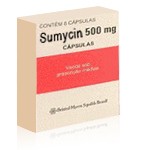
Sumycin is the original brand-name formulation of Tetracycline Hydrochloride — the parent compound of the entire tetracycline antibiotic class and one of the oldest broad-spectrum antibiotics still in clinical use. Originally introduced by Bristol-Myers Squibb and FDA-approved in 1953, Tetracycline has been the foundation for the development of all subsequent tetracycline antibiotics including Doxycycline and Minocycline. While newer tetracyclines have replaced Tetracycline for many indications, the parent compound remains uniquely important for specific clinical applications — particularly H. pylori quadruple therapy.
The active ingredient is Tetracycline, which works by binding the 30S ribosomal subunit of susceptible bacteria — blocking bacterial protein synthesis. Tetracycline exhibits broad-spectrum bacteriostatic activity against many Gram-positive and Gram-negative bacteria, atypical organisms (Mycoplasma, Chlamydia, Rickettsia, Anaplasma), spirochetes (Borrelia, Treponema), and select anaerobes. It is also active against Propionibacterium acnes — supporting its historical role in acne therapy.
Sumycin remains clinically valuable for several specific indications including H. pylori eradication as a key component of bismuth-based quadruple therapy (PPI + bismuth + tetracycline + metronidazole), brucellosis treatment (combined with streptomycin or rifampin), Rocky Mountain spotted fever, cholera, tularemia, plague, periodontitis adjunctive therapy, and treatment of various neglected tropical diseases including yaws and trachoma in mass treatment programmes.
The medication is available as 250 mg and 500 mg capsules and oral suspension. Standard adult dosing is 250-500 mg every 6 hours (four times daily) for most infections, typically for 7-21 days. Tetracycline must be taken on an empty stomach (1 hour before or 2 hours after meals) and must be separated from dairy products, antacids, iron, calcium, and zinc supplements by 2-3 hours to ensure adequate absorption.
Important contraindications and warnings include avoidance in pregnancy and children under 8 (permanent teeth discoloration and bone effects), significant photosensitivity, esophageal ulceration risk (take with water, remain upright), and the historical Fanconi-like syndrome with expired tetracycline tablets.
Free prescription
Discrete packaging
Have questions?
Quality Assurance

- Bismuth Quadruple Therapy: For Helicobacter pylori eradication in patients with clarithromycin-resistant infection;
- H Pylori Resistant Strain: For H. pylori infection resistant to standard PPI-clarithromycin-amoxicillin triple therapy;
- Brucellosis Treatment: First-line for Brucella infection combined with streptomycin or rifampin;
- Rocky Mountain Spotted Fever Alternative: Alternative for RMSF in patients where Doxycycline is unavailable or contraindicated;
- Cholera Adult: For Vibrio cholerae infection in adults — reduces stool volume and duration;
- Tularemia Alternative: Alternative therapy for Francisella tularensis infection from tick or animal exposure;
- Plague Alternative: Alternative for Yersinia pestis infection and post-exposure prophylaxis;
- Periodontitis Adjunctive: For severe periodontitis as adjunct to mechanical scaling and root planing;
- Yaws NTD Treatment: For Treponema pallidum subspecies pertenue (yaws) in mass treatment programmes;
- Trachoma Mass Treatment: For mass treatment programmes targeting trachoma elimination in endemic regions;
- Pinta Treponema: For pinta caused by Treponema carateum — tropical treponemal skin disease;
- Granuloma Inguinale: Alternative for granuloma inguinale (donovanosis) caused by Klebsiella granulomatis;
- Lymphogranuloma Venereum: Alternative for lymphogranuloma venereum caused by Chlamydia trachomatis L1-L3 serovars;
- Mycoplasma Genitalium: For Mycoplasma genitalium genitourinary infections in non-pregnant adults;
- Ureaplasma Urealyticum: For Ureaplasma urealyticum genitourinary infections;
- Adult Acne Vulgaris: Historical first-line oral therapy for inflammatory acne vulgaris — now largely replaced by Doxycycline;
- Mild Inflammatory Acne: For mild-to-moderate inflammatory acne where simpler tetracycline therapy is appropriate;
- Selective Lyme Disease: Selective use for early Lyme disease where Doxycycline is contraindicated or unavailable;
- Adult Atypical Pneumonia: Alternative for adult atypical pneumonia caused by Mycoplasma or Chlamydia;
- Pleural Sclerosing Agent: Off-label intrapleural use as sclerosing agent for recurrent pleural effusions;
- Pediatric Treponemal Disease: For treponemal infections in children over 8 years where appropriate.
- Better Stomach Healing: H. pylori eradication promotes peptic ulcer healing and prevents recurrence;
- Less Heartburn: Resolution of H. pylori-related dyspepsia following eradication therapy;
- Less Fever: Resolution of fever in brucellosis, RMSF, and other bacterial infections;
- Less Joint Pain: Resolution of joint pain in brucellosis as bacterial infection clears;
- Less Diarrhea: Resolution of cholera and bacterial diarrhea;
- Less Acne Lesions: Reduction in inflammatory acne lesions with extended therapy;
- Less Skin Inflammation: Anti-inflammatory effect reduces redness in inflammatory skin conditions;
- Better Periodontal Health: Adjunctive use supports periodontal pocket bacterial reduction;
- Better Genital Health: Resolution of chlamydial and mycoplasmal genitourinary infections;
- Better Energy: Recovery from systemic infection-related fatigue;
- Faster Recovery: Most patients show clinical improvement within 48-72 hours;
- Better Daily Function: Return to school, work, and normal activities;
- Brand Sumycin: Original Bristol-Myers Squibb brand of Tetracycline Hydrochloride with established global clinical reputation since 1953;
- Generic Tetracycline: Affordable generic versions expand global access to foundational tetracycline therapy;
- Achromycin Equivalent: Same Tetracycline molecule as Lederle brand Achromycin — familiar across global markets;
- Panmycin Equivalent: Same Tetracycline molecule as international brand Panmycin;
- Tetracycline Antibiotic: Original tetracycline class antibiotic from which all subsequent tetracyclines were derived;
- Parent Tetracycline Antibiotic: Parent compound of the entire tetracycline class — foundation for Doxycycline and Minocycline;
- 30S Ribosomal Inhibitor: Inhibits bacterial protein synthesis at the 30S ribosomal subunit;
- Broad Spectrum Bacteriostatic: Broad-spectrum bacteriostatic activity against Gram-positive, Gram-negative, atypical, and spirochete organisms;
- Atypical Organisms Coverage: Excellent activity against Mycoplasma, Chlamydia, Rickettsia, and Anaplasma;
- H Pylori Quadruple Component: Irreplaceable component of bismuth-based H. pylori quadruple therapy for resistant infections;
- Brucellosis Standard Therapy: Standard component of brucellosis therapy combined with streptomycin or rifampin;
- Mass Treatment Programme NTD: Used in WHO mass treatment programmes for yaws and trachoma elimination;
- Affordable Tetracycline: Highly affordable globally — supports access in resource-limited healthcare settings;
- WHO Essential Medicine: Listed on the WHO Model List of Essential Medicines as foundational antibiotic;
- 70 Plus Year Antibiotic History: Extensive real-world safety and efficacy data since 1953 across billions of patient courses;
- Photosensitivity Warning: Significant sun sensitivity — use SPF 30+ sunscreen and protective clothing during therapy;
- Empty Stomach Required: Take 1 hour before or 2 hours after meals for optimal absorption;
- Avoid Dairy Antacids Iron: Calcium, magnesium, aluminum, iron, and zinc reduce absorption — separate dosing by 2-3 hours;
- Take With Water Upright: Take with full glass of water and remain upright for 30 minutes to prevent esophageal ulceration;
- Avoid In Pregnancy: Contraindicated in pregnancy due to fetal bone and teeth effects;
- Avoid Children Under 8: Contraindicated in children under 8 due to permanent teeth discoloration;
- Four Times Daily Dosing: Requires four-times-daily dosing — less convenient than Doxycycline twice-daily;
- Expired Tablets Caution: Historical Fanconi-like syndrome with expired tetracycline tablets — check expiration date;
- Stable Storage: Capsules stable at room temperature when within expiration date — discard expired tablets;
- Globally Available: Widely available worldwide in branded (Sumycin, Achromycin, Panmycin) and generic forms.
Generic Sumycin (Tetracycline 250 mg) Medication guide:
📖 What is Sumycin tetracycline hydrochloride
Sumycin is a historic brand name for tetracycline hydrochloride, the parent compound of the entire tetracycline antibiotic class. It is one of the oldest broad-spectrum antibiotics still in clinical use, FDA approved in 1953. Although second-generation tetracyclines (doxycycline, minocycline) now dominate general practice, tetracycline HCl retains defined and important roles in Helicobacter pylori quadruple therapy, brucellosis, rickettsial diseases, cholera, and neglected tropical disease programmes.
🔑 Core identity in one paragraph
Tetracycline hydrochloride was discovered in the late 1940s and is the parent molecule from which chlortetracycline, oxytetracycline, doxycycline, minocycline, tigecycline, and other class members derive. It works by binding the 30S bacterial ribosome subunit, blocking protein synthesis. Its broad Gram-positive and Gram-negative spectrum, coverage of intracellular pathogens (Rickettsia, Chlamydia, Mycoplasma), and activity against Vibrio, Yersinia, and Brucella make it a versatile choice for specific indications where cost-effective, orally available, well-understood therapy is preferred.
| Attribute | Value |
|---|---|
| Generic name | Tetracycline hydrochloride |
| Drug class | First-generation tetracycline (bacteriostatic broad-spectrum) |
| First FDA approval | 1953 |
| Originator | Lloyd Conover, Pfizer — synthesised from chlortetracycline |
| Available strengths | 250 mg and 500 mg capsules; oral suspension in some markets |
| Typical adult dose | 250 to 500 mg four times daily depending on indication |
| Bacteriostatic vs bactericidal | Bacteriostatic at usual concentrations |
| Age restriction | Contraindicated under 8 years (tooth discolouration risk) |
| Pregnancy category | D (contraindicated in pregnancy) |
🧪 Why the parent tetracycline still matters
Doxycycline has largely replaced tetracycline HCl for general use because of once or twice daily dosing, better absorption with food, and lack of significant renal clearance. Nevertheless tetracycline HCl remains a WHO Essential Medicine and continues to occupy specific therapeutic niches: bismuth quadruple therapy for H. pylori (where the specific molecule matters), mass drug administration for trachoma and yaws in resource-limited settings, and cost-sensitive treatment where affordability determines access to care.
✅ Clinical role today
- Helicobacter pylori eradication as part of bismuth-based quadruple therapy in high clarithromycin-resistance regions
- Brucellosis treatment (alternative when doxycycline unavailable)
- Rocky Mountain spotted fever and rickettsial diseases when doxycycline shortage or specific circumstances warrant tetracycline
- Cholera as antibiotic adjunct to rehydration therapy
- Tularemia and plague in specific treatment scenarios
- Periodontitis adjunctive systemic therapy
- Yaws and trachoma mass treatment in some public health programmes
🕰️ History and development of tetracycline since 1948
The tetracyclines began with Benjamin Duggar's 1948 discovery of chlortetracycline (Aureomycin) from a soil sample at the University of Missouri. This was followed by oxytetracycline in 1950 and, in 1953, tetracycline itself. Tetracycline was the first semisynthetic antibiotic — produced by chemical modification of the parent chlortetracycline molecule by Lloyd Conover at Pfizer. The class went on to include the second-generation doxycycline (1967) and minocycline (1971), and much later tigecycline (2005), eravacycline (2018), and omadacycline (2018).
📅 Development timeline
- 1948 — chlortetracycline discovered
- Benjamin M. Duggar at Lederle isolates Aureomycin from Streptomyces aureofaciens. First member of a new antibiotic class.
- 1950 — oxytetracycline (Terramycin)
- Pfizer team isolates oxytetracycline from Streptomyces rimosus. Second class member.
- 1953 — tetracycline synthesised
- Lloyd Conover at Pfizer produces tetracycline by catalytic hydrogenolysis of chlortetracycline — the first semisynthetic antibiotic. FDA approves same year. Marketed as Sumycin, Achromycin, Panmycin, and other brands.
- 1955 to 1970 — wide clinical adoption
- Tetracycline becomes one of the most prescribed antibiotics globally. Broad-spectrum activity, oral availability, and low cost drive extensive use.
- 1963 — Fanconi syndrome recognised
- Frimpter and colleagues report reversible Fanconi-like syndrome from ingestion of degraded, expired tetracycline. This leads to formulation reforms and strict expiration date awareness.
- 1960s onwards — tooth discolouration recognised
- Permanent yellow-brown staining of developing teeth in children exposed in utero or before age 8 becomes established. Age and pregnancy restrictions codified.
- 1967 — doxycycline launched
- Semisynthetic second-generation. Better oral absorption, longer half-life, less renal clearance, more forgiving with food.
- 1970s to present — resistance rises
- Tetracycline resistance genes (tet genes) spread widely. Efflux pumps, ribosomal protection proteins, and enzymatic modification emerge. General clinical use narrows to specific indications.
- 2000s to present — specific niches persist
- Bismuth quadruple therapy for H. pylori, rickettsial diseases, brucellosis, mass drug administration programmes for trachoma and yaws keep tetracycline HCl in clinical use.
🇺🇸 A landmark in antibiotic chemistry
Tetracycline was the first antibiotic produced by chemically modifying an existing natural product antibiotic rather than isolating a new compound from a soil organism. Conover's hydrogenolysis method opened the entire era of semisynthetic antibiotics that shaped the class-based development strategy for the next several decades. Semisynthesis let chemists optimise pharmacokinetics, tolerability, and resistance profiles by tweaking known scaffolds — a paradigm that produced doxycycline, minocycline, and much later tigecycline.
✅ Why some Sumycin uses persisted despite newer options
Bismuth quadruple therapy for H. pylori was formulated around tetracycline HCl specifically; substituting doxycycline reduces efficacy in this regimen. Mass drug administration for trachoma historically used topical tetracycline eye ointment (though azithromycin has largely replaced it). WHO Essential Medicines status and generic pricing keep tetracycline HCl available worldwide, particularly in low-resource settings.
🧬 How tetracycline blocks bacterial protein synthesis
Tetracycline works by binding the 30S bacterial ribosome subunit and blocking the aminoacyl-tRNA from attaching to the ribosomal A site. Without new amino acid attachment, protein synthesis halts. This bacteriostatic action pauses bacterial growth so the host immune system can clear the infection.
🧬 Mechanism step by step
- Entry into bacterial cell: passive diffusion through outer membrane porins in Gram-negatives, active transport across inner membrane using proton motive force
- Ribosomal binding: tetracycline binds the 30S subunit at a single high-affinity site involving the 16S rRNA
- Blockade of aminoacyl-tRNA docking: bound drug prevents the incoming charged tRNA from occupying the ribosomal A site
- Protein synthesis halts: no amino acid can be added to the growing peptide chain
- Bacterial replication ceases: without new proteins, bacteria cannot divide, repair, or maintain themselves
- Selectivity: bacterial ribosomes differ from eukaryotic ribosomes; mitochondrial ribosomes are more prokaryote-like but tetracycline penetration into human mitochondria is low, limiting host toxicity
🔬 Why bacteriostatic action is enough
Halting bacterial growth for the duration of therapy allows the intact host immune system to clear infection. For most tetracycline indications (respiratory infections, tick-borne infections, brucellosis, H. pylori) bacteriostatic activity is fully adequate. Bactericidal action becomes important in scenarios like meningitis, endocarditis, and severe infections in immunocompromised hosts — where tetracycline is generally not the drug of choice.
| Mechanism feature | Clinical consequence |
|---|---|
| 30S ribosome binding is highly conserved | Broad spectrum across many bacterial species |
| Intracellular penetration | Effective against Rickettsia, Chlamydia, Mycoplasma |
| Divalent cation chelation | Antacids and dairy dramatically reduce absorption |
| Deposition in mineralised tissue | Tooth discolouration in children under 8 |
| Reversible ribosomal binding | Efflux pumps and ribosomal protection proteins confer resistance |
| Effective against dormant/slow-growing bacteria | Useful in chronic infections (chronic Q fever, brucellosis) |
🔬 Beyond antibacterial: matrix metalloproteinase inhibition
Tetracyclines have a well-documented non-antibiotic property: they inhibit matrix metalloproteinases (MMPs), enzymes involved in tissue remodelling and inflammation. Sub-antimicrobial dose tetracyclines (particularly doxycycline) are used therapeutically for periodontitis, ocular rosacea, and some inflammatory dermatological conditions based on this MMP inhibitory effect. Tetracycline HCl shares this class-wide property.
🔬 Tetracycline family generations and evolution
The tetracycline family has evolved through three generations plus recent modern additions. Understanding the differences explains why tetracycline HCl (first-generation) retains specific roles while doxycycline and minocycline (second-generation) dominate general use, and why tigecycline and newer members address resistance concerns.
| Generation | Members | Key features |
|---|---|---|
| First-generation (natural + semisynthetic) | Chlortetracycline, oxytetracycline, tetracycline HCl, demeclocycline | Four-times-daily dosing, food/dairy interference, renal excretion |
| Second-generation | Doxycycline, minocycline | Once or twice daily, less food interference, no renal adjustment needed |
| Third-generation (glycylcyclines) | Tigecycline (2005) | Overcomes efflux and ribosomal protection resistance; IV only; broad including MRSA and MDR gram-negatives |
| Modern additions | Eravacycline (2018 IV), omadacycline (2018 IV+oral), sarecycline (2018 acne) | Retain activity against many resistant strains; different niches |
🔑 Key differences that matter clinically
- Half-life and dosing frequency
- Tetracycline HCl half-life 6 to 12 hours (QID dosing); doxycycline 16 to 22 hours (OD or BID); minocycline 11 to 22 hours (BID). Simpler dosing improved adherence and made doxy/mino displace tetracycline HCl for general use.
- Food and mineral effects
- Tetracycline HCl absorption drops 50 to 90 percent with dairy/antacids/iron. Doxycycline absorption drops only 20 to 30 percent with dairy. This convenience advantage matters practically.
- Renal excretion
- Tetracycline HCl requires renal dose adjustment; doxycycline and minocycline do not (primarily biliary excretion). This is another reason doxycycline displaced tetracycline in older adults and CKD patients.
- Tissue penetration
- Second-generation drugs penetrate CNS better than tetracycline HCl. Minocycline has excellent CNS penetration.
- H. pylori quadruple therapy
- Bismuth quadruple regimen specifically uses tetracycline HCl. Substituting doxycycline reduces efficacy substantially. This is the main modern reason tetracycline HCl remains stocked in pharmacies.
🧪 Why third-generation exists
Tigecycline (a glycylcycline) was designed specifically to overcome the two dominant mechanisms of tetracycline resistance: efflux pumps and ribosomal protection proteins. The bulky glycylamido side chain reduces recognition by both resistance systems. This allows tigecycline to treat MRSA, VRE, and many multidrug-resistant Gram-negative infections that first- and second-generation tetracyclines cannot address. Newer omadacycline and eravacycline extend this approach further.
🦠 Bacterial spectrum and pathogen coverage overview
Tetracycline HCl has a genuinely broad spectrum covering Gram-positive, Gram-negative, and intracellular pathogens. Rising resistance has narrowed reliable coverage over the decades, but specific indications remain where tetracycline coverage is dependable.
✅ Reliable coverage (indication-specific)
- Helicobacter pylori (in bismuth quadruple therapy)
- Brucella species (all clinically relevant species)
- Rickettsia rickettsii, R. conorii, R. typhi (spotted fever group, typhus fevers)
- Orientia tsutsugamushi (scrub typhus)
- Ehrlichia chaffeensis, Anaplasma phagocytophilum (though doxycycline preferred)
- Vibrio cholerae
- Yersinia pestis (plague)
- Francisella tularensis (tularemia)
- Chlamydia trachomatis (urogenital, trachoma)
- Chlamydia pneumoniae
- Mycoplasma pneumoniae
- Borrelia burgdorferi (early Lyme disease, though doxycycline preferred)
- Treponema pallidum (syphilis in penicillin allergy, though doxycycline preferred)
- Bacillus anthracis (anthrax, as alternative)
- Coxiella burnetii (Q fever)
🟡 Variable coverage (extensive resistance)
- Streptococcus pneumoniae — substantial regional resistance; not reliable for empirical CAP
- Streptococcus pyogenes (Group A) — variable resistance; penicillin preferred
- Staphylococcus aureus methicillin-susceptible — historical activity, extensive resistance now
- Enterobacteriaceae (E. coli, Klebsiella, Enterobacter) — extensive resistance limits usefulness
- Haemophilus influenzae — regional resistance variable
- Neisseria gonorrhoeae — historical use, largely displaced by resistance
🔴 Gaps: do not use for these
- MRSA (methicillin-resistant Staph aureus) — typically resistant
- Enterococcus — poor coverage
- Pseudomonas aeruginosa — not covered
- Anaerobes below the diaphragm (Bacteroides fragilis group) — limited activity
- Most hospital-acquired multidrug-resistant Gram-negatives — tigecycline or other options needed
- Serious meningitis — CNS penetration inadequate
🧪 Why intracellular coverage still matters
Rickettsia, Ehrlichia, Anaplasma, Coxiella, Chlamydia, Brucella, and Legionella all live inside host cells for at least part of their life cycle. Tetracyclines diffuse into host cells and accumulate to concentrations that reach these hidden pathogens. This is why tetracyclines remain the go-to choice for tick-borne, zoonotic, and atypical respiratory infections despite rising resistance in Gram-positive and Gram-negative bacteria.
💊 Pharmacokinetics absorption distribution and elimination
Tetracycline HCl has moderate oral absorption that is highly susceptible to interference from divalent and trivalent cations (calcium, iron, magnesium, aluminium). It distributes widely into tissues, is partially metabolised, and is eliminated primarily by renal excretion — unlike second-generation tetracyclines that are eliminated mostly through bile.
| PK parameter | Value / behaviour |
|---|---|
| Oral bioavailability (fasting) | Approximately 75 to 80 percent |
| Effect of food and dairy | Absorption drops 50 to 90 percent with milk, calcium, iron, antacids |
| Time to peak concentration (Tmax) | 2 to 4 hours after oral dose |
| Protein binding | Approximately 65 percent |
| Distribution volume | Wide tissue distribution; low CNS penetration |
| Tissue and biological fluid deposition | Accumulates in bones and teeth (yellow-brown fluorescence under UV) |
| Half-life | 6 to 12 hours (longer in renal impairment) |
| Metabolism | Minimal hepatic biotransformation |
| Primary excretion route | Renal (glomerular filtration) — approximately 60 percent unchanged |
| Biliary excretion | Minor component with enterohepatic recirculation |
| Renal impairment effect | Substantial accumulation; dose reduction required in CKD |
| Haemodialysis removal | Poorly removed by dialysis |
🔬 Why chelation matters clinically
Tetracyclines chelate divalent and trivalent cations through the beta-diketone functional group of their four-ring core structure. This is why calcium (milk, yoghurt, cheese), iron (supplements, some multivitamins), magnesium and aluminium (antacids), zinc (supplements), and bismuth (bismuth subsalicylate) all dramatically reduce absorption when co-administered. The chelate cannot cross the intestinal wall. Practically: separate tetracycline from these substances by at least 2 hours before and 2 hours after the dose.
⚠️ Renal excretion has real consequences
Unlike doxycycline and minocycline (biliary excretion, no renal adjustment needed), tetracycline HCl accumulates significantly in kidney disease. Standard dosing in patients with CrCl below 50 mL/min can lead to elevated blood urea, azotaemia, and worsening kidney function. This is one of the main reasons doxycycline has displaced tetracycline in older adults, where renal function is variable and often reduced. When tetracycline HCl is used in renal impairment, dose reduction is essential.
🕑 Practical dosing implications
- Take on empty stomach: 1 hour before or 2 hours after meals
- Separate from dairy by 2 hours minimum
- Separate from antacids, iron, calcium, magnesium, zinc supplements by 2 hours minimum
- Full glass of water with each dose to prevent oesophageal irritation
- Do not lie down for at least 30 minutes after taking (oesophagitis risk)
- Four times daily dosing means adherence anchoring to breakfast time, midday, afternoon, and bedtime works if timed away from meals
🍽️ Food dairy and mineral absorption interactions
The single most important practical issue with tetracycline HCl in real-world use is the severe interference from divalent cations and food. Understanding what to avoid around each dose determines whether the drug works or fails.
🔴 Substances that block tetracycline absorption
- Dairy products (milk, yoghurt, cheese, ice cream)
- Calcium chelates tetracycline in the gut lumen. Even a small glass of milk with the dose can reduce absorption by 65 to 80 percent.
- Antacids (Tums, Rolaids, Maalox, Mylanta, Rennie)
- Calcium carbonate, magnesium hydroxide, aluminium hydroxide all chelate tetracycline aggressively. Absorption drops 50 to 90 percent.
- Iron supplements or iron-fortified foods
- Ferrous sulfate, gluconate, fumarate all chelate. Multivitamins with iron reduce absorption 60 to 80 percent.
- Calcium and magnesium supplements
- Direct chelation. Includes calcium carbonate, calcium citrate, magnesium oxide, magnesium citrate.
- Zinc supplements
- Also chelates. Common in cold remedies and multivitamins.
- Bismuth subsalicylate (Pepto-Bismol)
- Chelates tetracycline. Ironic given tetracycline is used with bismuth in H. pylori quadruple therapy — the regimen requires precise timing to overcome this interaction.
- Sucralfate
- Aluminium-containing ulcer medication. Chelates tetracycline.
- Didanosine (ddI)
- Formulations contain buffer that chelates tetracycline.
- Colestipol and cholestyramine
- Bile acid sequestrants that also bind tetracycline in gut.
✅ Practical timing rules
- Take tetracycline HCl 1 hour before or 2 hours after meals
- Separate from dairy by at least 2 hours before and 2 hours after the dose
- Separate from antacids, iron, calcium, magnesium, zinc, and bismuth supplements by at least 2 hours
- Take with a full glass of water (240 mL) to prevent oesophageal irritation
- Stay upright (sitting or standing) for at least 30 minutes after each dose
- For H. pylori quadruple therapy, follow the specific timing of the regimen carefully
| Common patient question | Answer |
|---|---|
| Can I take with milk to avoid nausea? | No — milk destroys most of the absorbed dose. If nausea severe, take with small non-dairy snack. |
| Can I take with my morning multivitamin? | No — separate by 2 hours. Multivitamins often contain calcium, iron, magnesium, zinc. |
| Can I take with my iron supplement for anaemia? | No — separate by 2 hours minimum. |
| Can I take with orange juice or water? | Water yes (full glass); orange juice generally fine but avoid fortified with calcium. |
| Can I take my antacid at the same time? | No — separate by 2 hours. If GERD needs treatment, take PPI (which does not chelate) or H2-blocker. |
🧪 Why doxycycline eased this problem
Doxycycline retains the chelation chemistry but its overall absorption is less impaired by dairy (approximately 20 to 30 percent reduction) compared with tetracycline HCl (50 to 90 percent). Doxycycline can be taken with food. This convenience advantage is one of the major reasons doxycycline replaced tetracycline in general use — patient adherence with strict fasting rules is difficult to sustain across a 7 to 14 day course.
🩹 Helicobacter pylori quadruple therapy role
Tetracycline HCl's single most important modern role is as a component of bismuth-based quadruple therapy for Helicobacter pylori eradication. This regimen has resurged as a first-line or salvage option because rising clarithromycin resistance globally has eroded confidence in the classic clarithromycin triple therapy.
🩹 Standard bismuth quadruple regimen (14 days)
- Proton pump inhibitor (PPI)
- Twice daily (omeprazole 20 mg BID, esomeprazole 20 mg BID, pantoprazole 40 mg BID, or equivalent).
- Bismuth subsalicylate
- 525 mg four times daily (or bismuth subcitrate 120 mg QID in Europe).
- Metronidazole
- 500 mg three or four times daily (dose varies by regimen version).
- Tetracycline HCl
- 500 mg four times daily (200 mg every 6 hours in some versions). This is where Sumycin plays its role.
| Clinical scenario | Bismuth quadruple recommendation |
|---|---|
| First-line where clarithromycin resistance over 15 percent | Preferred first-line (Maastricht VI, ACG guidelines) |
| First-line where clarithromycin resistance under 15 percent | Acceptable alternative first-line |
| Prior macrolide use (any indication) or penicillin allergy | Preferred first-line |
| Failure of clarithromycin triple therapy | Preferred salvage regimen |
| Failure of levofloxacin triple therapy | Preferred salvage regimen |
⚠️ Timing considerations in quadruple therapy
- Bismuth subsalicylate chelates tetracycline — take tetracycline first, then bismuth 30 to 60 minutes later
- Alternatively, take tetracycline 1 hour before meals and bismuth with meals as separated doses
- Avoid dairy for at least 2 hours around tetracycline doses
- Avoid antacid supplementation during the 14-day course
- Adherence is challenging: 4 medications, 4 daily doses of tetracycline and bismuth; provide clear schedule
✅ Efficacy of bismuth quadruple therapy
Modern 14-day bismuth quadruple therapy achieves H. pylori eradication rates of 85 to 95 percent by intention-to-treat analysis, exceeding many clarithromycin-based regimens in high-resistance regions. This is why it has become the preferred first-line choice in the current Maastricht VI/Florence guidelines for many patient populations. Tetracycline HCl is the specific tetracycline used because doxycycline substitution has been shown to reduce eradication rates.
🧪 Why tetracycline HCl and not doxycycline
Studies substituting doxycycline for tetracycline HCl in bismuth quadruple therapy have shown eradication rates 15 to 25 percentage points lower. The reasons are not fully clear but likely relate to the specific pharmacokinetics: tetracycline HCl reaches higher gastric mucosal concentrations from four-times-daily dosing than doxycycline achieves with BID dosing, and the acid environment of the stomach may favour tetracycline HCl over doxycycline. Modern guidelines specifically call for tetracycline HCl, not doxycycline, in this regimen.
🐄 Brucellosis treatment protocols and duration
Brucellosis is a systemic zoonotic infection caused by Brucella melitensis, B. abortus, B. suis, and B. canis, transmitted through unpasteurised dairy products and direct animal contact. It remains endemic across the Mediterranean, Middle East, Latin America, sub-Saharan Africa, and central Asia. Tetracyclines (doxycycline preferred) plus an aminoglycoside or rifampin are the standard treatment framework.
🐄 Brucellosis treatment regimens
- WHO/Ariza preferred: doxycycline plus streptomycin
- Doxycycline 100 mg BID for 6 weeks plus IM streptomycin 1 g daily for 2 to 3 weeks. Gold standard for uncomplicated brucellosis.
- Alternative: doxycycline plus rifampin
- Doxycycline 100 mg BID for 6 weeks plus rifampin 600 to 900 mg daily for 6 weeks. All-oral, better tolerated than streptomycin.
- Tetracycline HCl alternative
- Where doxycycline is unavailable: tetracycline HCl 500 mg QID for 6 weeks plus streptomycin or rifampin. Less convenient but effective.
- Complicated brucellosis (spondylitis, endocarditis, neurobrucellosis)
- Triple therapy: doxycycline plus rifampin plus streptomycin for extended duration (3 to 6 months minimum). Endocarditis often requires valve surgery plus antibiotics.
- Children under 8 years
- Cotrimoxazole plus rifampin (avoid tetracycline class due to tooth staining).
- Pregnancy
- Cotrimoxazole plus rifampin (tetracyclines contraindicated in pregnancy).
| Brucellosis form | Minimum treatment duration |
|---|---|
| Uncomplicated acute brucellosis | 6 weeks combination therapy |
| Focal complications (spondylitis, arthritis) | 3 to 6 months |
| Neurobrucellosis | 4 to 6 months plus specialist input |
| Endocarditis | 6 months plus valve surgery consideration |
| Chronic brucellosis | Extended tailored courses; specialist management |
🔬 Why combination therapy for brucellosis
Brucella species are intracellular pathogens that persist in phagocytes despite antibiotic exposure. Monotherapy relapse rates approach 30 to 40 percent. Combination therapy with two agents from different classes reduces relapse to under 10 percent when full duration is completed. Doxycycline reaches high intracellular concentrations; the second agent (streptomycin or rifampin) provides synergistic activity. Tetracycline HCl works similarly but the QID dosing over 6 weeks is a significant adherence challenge.
⚠️ Relapse and complications
Even with appropriate treatment, brucellosis relapse can occur weeks to months after completing therapy. Long-term follow-up is important. Serologic titres should decline; failure to decline or reappearance of symptoms warrants retreatment. Focal complications (spondylitis, arthritis, orchitis, hepatic granulomas, meningitis, endocarditis) require imaging, specialist consultation, and often prolonged treatment courses.
🕷️ Rocky Mountain spotted fever and rickettsial
Rocky Mountain spotted fever (RMSF) is caused by Rickettsia rickettsii, transmitted by Dermacentor tick bites. It is the most severe rickettsial disease in the Americas, with untreated mortality of 20 to 30 percent. Doxycycline is first-line for all ages including young children (the CDC changed guidance in 2016 to prioritise doxycycline over tetracycline HCl even in children); tetracycline HCl remains an acceptable alternative when doxycycline is unavailable.
🔴 Critical clinical rule
Empirical treatment must start on clinical suspicion alone — do not wait for serologic confirmation. Delayed treatment substantially increases mortality. The classic triad of fever, rash, and headache in a patient with tick exposure should trigger immediate treatment.
🕷️ RMSF treatment framework
- First-line (all ages including children)
- Doxycycline: adult 100 mg BID; children 2.2 mg/kg BID (max 100 mg BID). Continue for at least 3 days after fever resolves, minimum 5 to 7 days total.
- Alternative when doxycycline unavailable
- Tetracycline HCl: adult 25 to 50 mg/kg/day in 4 divided doses (e.g., 500 mg QID). Children over 8: 25 to 50 mg/kg/day. Duration same as doxycycline.
- Pregnancy
- Chloramphenicol has been used historically but has serious toxicity. In practice, expert consultation and often doxycycline anyway (risk-benefit analysis) since untreated RMSF is fatal to mother and fetus.
- Severe/hospitalised cases
- IV doxycycline; supportive care for organ failure; ICU as needed.
| Other tick-borne rickettsial disease | Treatment note |
|---|---|
| Human monocytic ehrlichiosis (Ehrlichia chaffeensis) | Doxycycline first-line; tetracycline HCl alternative |
| Human granulocytic anaplasmosis (Anaplasma phagocytophilum) | Doxycycline first-line; tetracycline HCl alternative |
| Mediterranean spotted fever (R. conorii) | Doxycycline first-line |
| Endemic (murine) typhus (R. typhi) | Doxycycline first-line |
| Scrub typhus (Orientia tsutsugamushi) | Doxycycline first-line; azithromycin alternative |
| Q fever (Coxiella burnetii) | Doxycycline first-line; chronic Q fever needs prolonged therapy |
🧪 Why doxycycline replaced tetracycline HCl for RMSF
Doxycycline achieves higher intracellular concentrations, has a longer half-life allowing BID dosing (better adherence in acutely ill patients), does not require renal dose adjustment, and has extensive comparative data. In 2016 the CDC formally recommended doxycycline as first-line even in children with RMSF, on the reasoning that a short course does not cause significant tooth discolouration and rickettsial mortality justifies the marginal cosmetic risk. Tetracycline HCl retains a role when doxycycline is not accessible.
✅ Clinical response pattern
Most patients defervesce within 24 to 48 hours of starting doxycycline or tetracycline. Failure to defervesce by 48 to 72 hours should prompt reconsideration of diagnosis, evaluation for complications, and consideration of alternative or additional therapy. Rash usually resolves over 5 to 7 days. Late complications (renal failure, encephalopathy, coagulopathy) are less common when treatment is started early.
🌊 Cholera treatment adjunct to rehydration
Cholera is caused by Vibrio cholerae O1 or O139 and produces acute massive watery diarrhoea that can rapidly progress to shock and death from dehydration. Aggressive fluid replacement is the primary treatment; antibiotics are adjunctive but useful. Tetracycline HCl is one of the WHO-recommended options.
🔴 Fluid replacement is life-saving; antibiotic is adjunctive
Cholera mortality is driven by fluid loss. Oral rehydration solution (ORS) for mild-moderate dehydration and IV Ringer's lactate for severe dehydration are the primary interventions. Antibiotics reduce diarrhoea volume by 50 percent, shorten symptom duration by 1 to 2 days, and reduce Vibrio shedding but do not replace rehydration. In severe cholera outbreaks, most deaths come from delayed or inadequate rehydration — not from antibiotic choice.
🌊 WHO cholera antibiotic options
- Adult single-dose regimens (preferred for outbreaks)
- Doxycycline 300 mg single dose OR azithromycin 1 g single dose OR ciprofloxacin 1 g single dose.
- Adult 3-day regimen (alternative)
- Tetracycline HCl 500 mg QID for 3 days OR erythromycin 250 mg QID for 3 days.
- Children single-dose regimens
- Azithromycin 20 mg/kg single dose (preferred). Doxycycline 2 to 4 mg/kg single dose (accepted for short-course rickettsial-style dosing given tooth-staining risk minimal with single dose).
- Pregnancy
- Azithromycin 1 g single dose (avoid tetracyclines including tetracycline HCl in pregnancy).
- Regional resistance considerations
- V. cholerae strains resistant to tetracyclines, ciprofloxacin, and azithromycin have emerged in various regions. Local surveillance guides choice.
| Cholera dehydration severity | Management priority |
|---|---|
| Mild (no signs of dehydration) | Oral rehydration solution; may not need antibiotic |
| Moderate (some dehydration) | ORS aggressively; add antibiotic to reduce volume and duration |
| Severe (severe dehydration, shock) | IV Ringer's lactate immediately; add antibiotic once tolerating oral intake |
| Pregnant women | Aggressive rehydration; azithromycin as antibiotic |
| Children | Weight-based rehydration; azithromycin preferred antibiotic |
🧪 Why antibiotics still play a role
Beyond individual patient benefit (shorter symptoms, reduced fluid needs), antibiotics reduce Vibrio shedding in stool, which reduces environmental contamination and slows outbreak transmission. In outbreak settings, single-dose regimens have practical advantages: adherence is assured, distribution is simple, and cost is minimised. Tetracycline HCl 3-day regimens are less operationally convenient than single-dose alternatives but remain useful where those alternatives are unavailable or contraindicated.
✅ The broader public health context
Cholera prevention through safe water, sanitation, and hygiene (WASH) remains the primary strategy. Oral cholera vaccines (Dukoral, Shanchol, Euvichol, Vaxchora) reduce individual and community risk. Antibiotic treatment is one part of an integrated outbreak response including rapid case identification, cholera treatment centres, and vaccination campaigns.
🐿️ Tularemia and plague treatment role
Tularemia (Francisella tularensis) and plague (Yersinia pestis) are zoonotic infections that can present as acute febrile illness. Both are regulated bioterrorism agents in many countries. Tetracyclines are effective treatments although aminoglycosides (streptomycin, gentamicin) are often preferred for severe disease, particularly in inhalational or septic forms.
🐿️ Tularemia treatment
- Severe / septic tularemia
- Streptomycin IM or gentamicin IV for 10 days is preferred first-line.
- Mild-moderate tularemia (ulceroglandular, oculoglandular, oropharyngeal)
- Doxycycline 100 mg BID for 14 to 21 days OR ciprofloxacin 500 mg BID for 14 days. Tetracycline HCl 500 mg QID for 14 to 21 days is an acceptable alternative.
- Post-exposure prophylaxis
- Doxycycline 100 mg BID or ciprofloxacin 500 mg BID for 14 days. Tetracycline HCl equivalent regimen acceptable.
- Meningeal tularemia
- Chloramphenicol or fluoroquinolone (better CNS penetration than tetracyclines).
🐼 Plague treatment
- Severe plague (pneumonic, septicaemic)
- Streptomycin IM OR gentamicin IV OR ciprofloxacin IV/PO for 10 to 14 days. Aminoglycosides remain WHO gold standard.
- Bubonic plague uncomplicated
- Streptomycin or gentamicin first-line. Doxycycline 100 mg BID for 10 to 14 days or tetracycline HCl 500 mg QID for 10 to 14 days as alternatives.
- Post-exposure prophylaxis
- Doxycycline 100 mg BID or ciprofloxacin 500 mg BID for 7 days after last exposure.
- Meningeal plague
- Chloramphenicol or fluoroquinolone (better CNS penetration than tetracyclines or aminoglycosides).
🔴 Clinical urgency
Both tularemia and plague can progress rapidly to septic shock and death. When epidemiologic risk exists (tick or animal exposure, travel, laboratory exposure, outbreak setting), empirical treatment should not wait for microbiological confirmation. Aminoglycoside plus fluoroquinolone or doxycycline combination is often used for severe presentations pending confirmation.
🧪 Bioterrorism preparedness context
CDC Category A biological threat agents include both tularemia and plague (alongside anthrax, smallpox, botulinum toxin, and viral haemorrhagic fevers). Stockpiles of doxycycline and ciprofloxacin are maintained for mass post-exposure prophylaxis in bioterrorism scenarios. Tetracycline HCl serves as a backup option in these plans given its shelf-stability and availability.
✅ When tetracycline HCl fits
For uncomplicated bubonic plague, ulceroglandular tularemia, or post-exposure prophylaxis where doxycycline is unavailable, tetracycline HCl provides effective treatment at low cost. In outbreak or bioterrorism scenarios, having tetracycline HCl available as an additional option supports population-level response. For severe or septic forms, aminoglycosides remain preferred with tetracycline as adjunct in some protocols.
💊 Adult dosing by clinical indication
Tetracycline HCl adult dosing is indication-driven with a common backbone of 500 mg four times daily, though some indications use 250 mg QID or higher doses. Renal function must be assessed before selecting the dose.
| Indication | Adult regimen | Duration |
|---|---|---|
| Helicobacter pylori (bismuth quadruple) | 500 mg QID plus PPI + bismuth + metronidazole | 14 days |
| Brucellosis (with streptomycin or rifampin) | 500 mg QID | 6 weeks |
| Rocky Mountain spotted fever | 500 mg QID (25 to 50 mg/kg/day) | Until 3 days after fever resolves (min 5-7 days) |
| Cholera | 500 mg QID | 3 days |
| Tularemia (mild-moderate) | 500 mg QID | 14 to 21 days |
| Plague (uncomplicated bubonic) | 500 mg QID | 10 to 14 days |
| Urogenital Chlamydia trachomatis | 500 mg QID | 7 days |
| Syphilis in penicillin allergy (early stages) | 500 mg QID | 14 days early; 28 days late |
| Acne vulgaris moderate-severe | 250 to 500 mg BID initially, taper | 3 to 6 months |
| Acute exacerbation of chronic bronchitis | 250 to 500 mg QID | 7 to 10 days |
| Periodontitis adjunct | 250 mg QID | 10 to 14 days |
💊 Four-times-daily reality
Tetracycline HCl's 6 to 12 hour half-life requires QID dosing to maintain therapeutic levels. This is a genuine adherence challenge, especially over multi-week courses like brucellosis (6 weeks) or acne (months). For patients who cannot commit to strict QID timing plus fasting rules, doxycycline BID with meals is a more realistic choice for indications where either drug works.
🕑 Practical administration tips
- Take on empty stomach: 1 hour before or 2 hours after meals
- Full glass of water (240 mL) with each dose
- Do not lie down for 30 minutes after taking (oesophagitis risk)
- Anchor to routine: e.g., 6 am on waking, 12 noon lunch (2 hours after), 6 pm before dinner, 10 pm bedtime
- Separate dairy/antacid/iron/calcium/magnesium/zinc supplements by 2 hours
- Complete the full course — even if symptoms improve early
✅ Why 500 mg is the standard
The 500 mg dose reflects the pharmacokinetic-pharmacodynamic properties: peak serum levels at this dose reliably exceed MICs for target organisms, and the QID schedule maintains tissue concentrations. Lower doses (250 mg) suffice for milder indications like acne and periodontitis where sub-antimicrobial anti-inflammatory action is also relevant. Higher doses do not improve efficacy and increase adverse effects.
🪀 Renal impairment and dose adjustment
Tetracycline HCl is renally eliminated, unlike doxycycline and minocycline. In kidney impairment, tetracycline HCl accumulates significantly and can cause worsening azotaemia and hepatotoxicity. Dose adjustment is essential when CrCl falls below 50 mL/min.
| Renal function (CrCl mL/min) | Tetracycline HCl dose adjustment |
|---|---|
| Over 50 (normal or mild impairment) | Standard dose (500 mg QID) |
| 50 to 80 (mild) | Standard dose; monitor |
| 10 to 50 (moderate) | Extend interval to every 8 to 12 hours; reduce total daily dose |
| Under 10 (severe) | Extend to every 24 hours or avoid; use doxycycline instead |
| Haemodialysis | Poorly dialysable; use doxycycline instead |
| Peritoneal dialysis | Avoid; use doxycycline instead |
🔴 The antianabolic effect problem
Tetracyclines have an antianabolic effect: they interfere with protein synthesis in host cells at high concentrations. In renal impairment, accumulated tetracycline can worsen azotaemia by inhibiting hepatic protein synthesis and increasing protein catabolism. Blood urea nitrogen (BUN) rises, sometimes dramatically. This is a recognised toxicity in the pre-doxycycline era and remains a real concern when tetracycline HCl is used in CKD without dose adjustment.
✅ Practical recommendation for CKD patients
In older adults or CKD patients where a tetracycline is needed, doxycycline is strongly preferred because it does not require renal dose adjustment (biliary excretion). Tetracycline HCl should only be chosen when doxycycline is unavailable, when specific regimen requirements dictate it (bismuth quadruple therapy), or in short-course indications where accumulation is limited.
| Hepatic impairment scenario | Action |
|---|---|
| Mild liver disease | Standard dose; monitor LFTs |
| Moderate hepatic impairment | Reduce dose; consider alternative |
| Severe hepatic impairment | Avoid; use non-tetracycline alternative |
| Fatty liver of pregnancy history | Avoid tetracyclines |
🧪 Historical acute fatty liver reports
Historical case series described acute fatty liver of pregnancy associated with high-dose IV tetracycline in pregnancy. This condition, along with tooth-staining risk, is why tetracyclines are Category D and contraindicated in pregnancy. Modern oral tetracycline HCl use avoids these disasters by adhering to the pregnancy contraindication.
🔗 Drug interactions with anticoagulants and antacids
Tetracycline HCl has several clinically important drug interactions beyond the cation chelation covered in the food/mineral section. The most important involve anticoagulants, oral contraceptives, and specific antibiotic combinations.
| Interaction partner | Mechanism | Clinical action |
|---|---|---|
| Warfarin | Reduced vitamin K production by gut flora; possible protein binding displacement | Monitor INR; expect elevation |
| Direct oral anticoagulants (DOACs) | Minor; no dose adjustment usually | Standard monitoring |
| Oral contraceptives | Historical concern of reduced efficacy via gut flora disruption; modern data suggests minimal effect | Use back-up contraception during course (traditional advice); more relevant with rifampin |
| Digoxin | Some patients have gut flora that inactivate digoxin; tetracycline eliminates them, increasing digoxin absorption | Monitor digoxin levels in susceptible patients |
| Methotrexate | Displaces methotrexate from protein binding | Monitor for methotrexate toxicity |
| Lithium | Reports of increased lithium levels | Monitor lithium |
| Isotretinoin (Accutane) | Additive intracranial hypertension risk | Avoid combination |
| Penicillins | Bacteriostatic tetracycline may antagonise bactericidal penicillin action | Avoid combination unless specific indication |
| Antacids and dairy (see food section) | Chelation with cations | Separate by 2 hours |
| Iron supplements | Chelation; also delays iron correction | Separate by 2 to 3 hours |
| Barbiturates, carbamazepine, phenytoin | Induce hepatic metabolism, reduce tetracycline levels | May need higher dose; more relevant to doxycycline |
| Diuretics | May potentiate azotaemia in renal impairment | Monitor BUN and creatinine |
🔴 Combinations to avoid
- Isotretinoin (Accutane) — additive pseudotumor cerebri risk. Do not combine.
- Live oral typhoid vaccine (Ty21a) — tetracycline may inactivate the vaccine. Space by 24 hours minimum, ideally longer.
- Methoxyflurane anaesthesia (largely historical) — combined tetracycline plus methoxyflurane produces severe nephrotoxicity.
- Concurrent bacteriostatic antibiotic where bactericidal is needed — e.g., severe pneumococcal meningitis where penicillin needs bactericidal action; do not combine with tetracycline.
🧪 The warfarin interaction in practice
Tetracyclines can potentiate warfarin's anticoagulant effect through disruption of vitamin K-producing gut flora and possible protein-binding displacement. INR elevation of 0.5 to 2.0 points during a course is not unusual. Check INR at 3 to 5 days after starting; anticipate reduction in warfarin dose or more frequent monitoring. This is a class effect — doxycycline behaves similarly.
✅ Contraceptive counselling
Historical concern of tetracycline reducing oral contraceptive efficacy is not well supported by modern data. Rifampin substantially reduces oral contraceptive efficacy; tetracyclines and other antibiotics do not, based on pharmacokinetic and epidemiological studies. Nevertheless the conservative advice of using back-up contraception during any antibiotic course is often given and is reasonable for individual reassurance.
🚫 Pregnancy contraindication and lactation warnings
Tetracycline HCl is contraindicated during pregnancy. This is one of the most well-established teratogenic and toxic drug categorisations in modern pharmacology. Pregnancy Category D applies to the entire tetracycline class.
🚫 Why tetracyclines are contraindicated in pregnancy
- Fetal tooth and bone effects
- Tetracyclines cross the placenta and deposit in developing fetal teeth and bones. Second and third trimester exposure produces permanent yellow-brown-grey tooth staining of primary and permanent teeth. Bone growth may be temporarily slowed but usually catches up.
- Maternal hepatotoxicity
- Historical case series described fatal acute fatty liver of pregnancy from high-dose IV tetracycline. Modern oral doses have lower risk but the association drives the contraindication.
- Fetal skeletal effects
- Reversible inhibition of long bone growth reported in premature infants exposed near delivery.
- Pregnancy category
- FDA Category D. Use only when benefit clearly outweighs risk (e.g., life-threatening rickettsial disease with no alternative). Even then, other options should be exhausted first.
| Indication in pregnancy | Preferred antibiotic |
|---|---|
| Urogenital chlamydia | Azithromycin 1 g single dose |
| Pneumonia / atypical CAP | Azithromycin (Category B) |
| UTI | Nitrofurantoin (except late pregnancy) or cephalexin |
| Brucellosis | Cotrimoxazole plus rifampin |
| Cholera | Azithromycin 1 g single dose |
| Rocky Mountain spotted fever (life-threatening) | Doxycycline still recommended in life-threatening cases despite pregnancy (risk-benefit) |
| Syphilis (penicillin allergic) | Desensitise to penicillin (preferred); erythromycin unreliable |
| H. pylori | Delay treatment until after pregnancy where possible |
🍼 Lactation
Tetracycline transfers into breast milk but the calcium in milk chelates most of the drug in the infant's gut, so systemic absorption is limited. Some sources consider short-course tetracycline HCl compatible with breastfeeding. However, prolonged use during breastfeeding is generally avoided because of theoretical dental staining risk and the availability of safer alternatives. If tetracycline is unavoidable, monitor infant for GI upset and discourage prolonged use.
🔬 Pre-conception counselling
Women of childbearing potential prescribed tetracycline HCl for long-term indications (acne, periodontitis) should use effective contraception. Discussing contraception before starting therapy is appropriate. Inadvertent early first-trimester exposure has less established teratogenic risk than second/third trimester exposure (fetal dentition begins developing around week 14 to 16), but any pregnancy exposure warrants review and consideration of stopping.
⚠️ Common adverse effects overview and management
Tetracycline HCl adverse effects fall into several categories: gastrointestinal, phototoxicity, oesophageal, dental, and metabolic. Most common effects are mild GI upset and photosensitivity.
| Adverse effect | Frequency | Management |
|---|---|---|
| Nausea, abdominal discomfort | 10 to 20 percent | Take with small non-dairy snack if severe (with efficacy trade-off) |
| Diarrhoea (mild to moderate) | 5 to 15 percent | Watch for CDI if severe; symptomatic if mild |
| Photosensitivity (see separate section) | 5 to 10 percent | Sun avoidance, sunscreen, protective clothing |
| Oesophagitis or oesophageal ulcer | Uncommon but predictable | Full glass of water, stay upright, do not take at bedtime |
| Vaginal or oral candidiasis | 5 to 10 percent (women) | Antifungal treatment |
| Skin rash (mild) | 2 to 5 percent | Discontinue if progressive; antihistamine if mild |
| Taste changes, metallic taste | Uncommon | Resolves after treatment |
| Headache | 2 to 5 percent | If severe, evaluate for pseudotumor cerebri (see separate section) |
| Elevated BUN (in renal impairment) | Dose-related | Assess renal function; consider dose adjustment or switch to doxycycline |
| Transient LFT elevation | 1 to 3 percent | Usually resolves after stopping; discontinue if significant |
✅ Practical management
- Nausea: taking with small non-dairy snack reduces GI upset with some absorption penalty. Rescheduling doses to bedtime plus midnight can shift timing away from meals.
- Oesophagitis prevention: full glass of water; stay upright; never take at bedtime with only a sip of water
- Photosensitivity: SPF 30+ sunscreen daily; protective clothing; wide-brim hat; avoid deliberate sun exposure
- Candidiasis: probiotic yoghurt separated by 2 hours from doses may help; treat symptomatic infection
- Skin symptoms: differentiate benign rash from photosensitivity vs allergic reaction (see allergic section)
🧪 When to stop treatment
Most mild side effects allow completion of the course. Reasons to discontinue and reassess: progressive rash suggesting allergic reaction; severe diarrhoea suggesting CDI; jaundice or right upper quadrant pain suggesting hepatotoxicity; severe headache with vision changes suggesting pseudotumor cerebri; symptoms of Fanconi syndrome (glucosuria, aminoaciduria, acidosis, from expired product); severe photosensitivity. Contact the prescriber — do not simply switch antibiotics without medical review.
🦷 Tooth discoloration and pediatric restrictions
Tetracyclines permanently discolour developing teeth when given during odontogenesis (from mid-pregnancy through age 8). This is a well-established class effect and is the reason for the strict age restriction and pregnancy contraindication.
🦷 The tooth staining mechanism
Tetracycline chelates calcium and binds to calcium orthophosphate in developing dentine and enamel. Once incorporated, the drug-calcium complex is permanent — it cannot be removed. Under ultraviolet light, incorporated tetracycline fluoresces yellow. Over years of light exposure, it oxidises to a brown-grey colour. The staining is intrinsic (in the tooth structure, not on the surface) and cannot be removed by whitening treatments.
| Exposure timing | Teeth affected | Effect |
|---|---|---|
| Weeks 14 to 40 of pregnancy | Primary (baby) teeth | Permanent yellow-grey staining of primary dentition |
| Birth to age 8 years | Primary and permanent teeth | Permanent staining; may include hypoplasia |
| After age 8 years | Adult teeth already formed | No tooth staining |
👶 The pediatric restriction
Tetracycline HCl is contraindicated in children under 8 years old for routine indications. The exceptions are:
- Rocky Mountain spotted fever: doxycycline is now first-line even in young children given the mortality of untreated disease. Short-course exposure is unlikely to cause meaningful staining.
- Suspected other severe rickettsial disease: same reasoning
- Anthrax post-exposure prophylaxis: doxycycline preferred; short course acceptable
- Cholera severe with no alternative: single-dose regimens have minimal staining risk
⚠️ The 2016 CDC guideline change on RMSF
Historically, chloramphenicol was recommended over tetracyclines for RMSF in children under 8 to avoid dental staining. Chloramphenicol has serious toxicity (aplastic anaemia, gray baby syndrome) and worse RMSF outcomes than doxycycline. In 2016, the CDC formally recommended doxycycline as first-line for RMSF in all ages including young children. The reasoning: single-course doxycycline (5 to 7 days) does not cause significant staining, and RMSF mortality justifies any theoretical staining risk. This policy change was informed by studies showing minimal staining from short doxycycline courses.
🔬 Enamel hypoplasia and hypomineralisation
Beyond discolouration, tetracycline exposure during tooth development can cause enamel hypoplasia (thin, irregular enamel) and hypomineralisation (weaker enamel). These structural changes make teeth more susceptible to decay. This is another reason to strictly avoid tetracyclines in pregnancy and young children.
✅ What about adult teeth?
After tooth development is complete (approximately age 8 to 9), tetracyclines do not cause intrinsic staining. They can occasionally cause extrinsic staining that is easily cleaned. In adults, tetracycline HCl and other tetracyclines can also cause reversible discolouration of nails and mild skin pigmentation with prolonged use. Minocycline in particular can cause blue-black skin, oral mucosal, or scleral pigmentation with long-term use — a class-related but drug-specific issue.
☀️ Photosensitivity precautions during tetracycline treatment
Tetracyclines cause phototoxic reactions in a substantial minority of users. Ultraviolet A (UVA) light interacts with tetracycline in the skin to produce reactive intermediates that damage skin cells. The result is exaggerated sunburn-like reactions.
☀️ Phototoxic reaction spectrum
- Mild phototoxic sunburn
- Exaggerated redness, mild pain in sun-exposed areas after even brief exposure. Most common presentation.
- Severe phototoxic dermatitis
- Blistering, oozing, painful sunburn-like reaction. Requires discontinuation and dermatology input.
- Photoonycholysis
- Separation of nail from nail bed following sun exposure. More common with demeclocycline than tetracycline HCl.
- Persistent post-inflammatory hyperpigmentation
- Brown or grey patches in affected areas after severe phototoxic reactions. Can be persistent.
⚠️ Photosensitivity rank among tetracyclines
- Demeclocycline: highest photosensitivity (avoided for this reason)
- Doxycycline: moderate to high, particularly at higher doses
- Tetracycline HCl: moderate
- Minocycline: lowest photosensitivity of the class
- Tigecycline: not applicable (IV only)
✅ Prevention strategies
- Broad-spectrum sunscreen SPF 30 or higher daily, covering both UVA and UVB
- Reapply sunscreen every 2 hours when outdoors
- Protective clothing: long sleeves, wide-brimmed hat
- Avoid tanning beds completely during treatment
- Avoid peak sun hours (10 am to 4 pm)
- Sunglasses for eye protection
- Consider timing: for acne courses starting in autumn/winter reduces summer exposure risk
- Patient counselling is essential — some patients only realise the risk after a severe reaction
🌞 Occupational and travel considerations
- Outdoor workers (construction, agriculture, sports): particularly high phototoxicity risk. Discuss risk-benefit and consider alternatives
- Beach or ski travel: reflective surfaces (water, snow, sand) increase UV exposure. Extra caution
- Equatorial travel: higher UV index. Sunscreen essential
- Malaria prophylaxis with doxycycline: photosensitivity is the main reason travellers to sub-Saharan Africa may prefer other malaria prophylaxis options
🔬 Timeline of photosensitivity resolution
Photosensitivity typically resolves within 2 weeks of discontinuing tetracycline. Some residual sensitivity may persist longer. Post-inflammatory pigmentation from severe reactions can take months to fade. Rechallenge should be avoided when possible; if unavoidable, resume with even stricter photoprotection.
⚔️ Sumycin versus doxycycline detailed comparison
Doxycycline is the second-generation tetracycline that has largely replaced tetracycline HCl in general practice. Understanding the specific advantages of each helps clarify when tetracycline HCl retains a role and when doxycycline is preferred.
| Feature | Tetracycline HCl (Sumycin) | Doxycycline |
|---|---|---|
| Generation | First (1953) | Second (1967) |
| Antibacterial spectrum | Same class spectrum | Same class spectrum, slightly better against some pathogens |
| Oral bioavailability | 75 to 80 percent fasting | 90 to 100 percent |
| Effect of food/dairy | Severe (50 to 90 percent reduction) | Modest (20 to 30 percent reduction) |
| Dosing frequency | Four times daily | Once or twice daily |
| Half-life | 6 to 12 hours | 16 to 22 hours |
| Excretion route | Primarily renal | Primarily biliary |
| Renal dose adjustment | Required | Not needed |
| Photosensitivity | Moderate | Moderate to high (dose-dependent) |
| IV formulation | No | Yes |
| Cost | Very low | Low |
| Bismuth quadruple H. pylori regimen | Preferred (better eradication) | Reduced eradication if substituted |
| Adherence challenge | High (QID plus fasting) | Low (BID with meals ok) |
✅ When doxycycline is preferred
- Rickettsial diseases (all forms — including RMSF in young children per 2016 CDC guidance)
- Brucellosis (WHO preferred)
- Cholera single-dose regimens
- Chlamydia trachomatis
- Community-acquired pneumonia atypical coverage
- Lyme disease
- Malaria prophylaxis
- Renal impairment or older adults
- Any indication requiring longer than 2 weeks of therapy (adherence)
- Situations requiring IV formulation
🔑 When tetracycline HCl retains a role
- Bismuth quadruple H. pylori therapy — specific regimen efficacy
- Doxycycline unavailable — some regions or supply chain constraints
- Cost-sensitive settings — tetracycline HCl generics extremely inexpensive
- WHO Essential Medicines availability in resource-limited settings
- Mass drug administration programmes where inventory considerations matter
- Specific patient factor where doxycycline is not tolerated
🧪 The adherence factor
The single biggest practical reason doxycycline replaced tetracycline HCl in general practice is adherence. QID dosing with strict fasting rules is difficult to sustain over a 7-day course, let alone the 6-week regimen for brucellosis or the months-long regimen for acne. Doxycycline BID with meals is simply more realistic. When patient adherence is uncertain, doxycycline is the pragmatic choice for indications where either drug works.
⚔️ Sumycin versus minocycline detailed comparison
Minocycline is another second-generation tetracycline with a distinct profile emphasising CNS penetration and severe acne treatment. Comparing it with tetracycline HCl clarifies where each fits.
| Feature | Tetracycline HCl (Sumycin) | Minocycline |
|---|---|---|
| Generation | First | Second |
| Half-life | 6 to 12 hours | 11 to 22 hours |
| Dosing | QID | BID (100 mg BID) |
| Effect of food/dairy | Severe reduction | Modest reduction |
| Excretion route | Primarily renal | Primarily biliary |
| CNS penetration | Poor | Excellent (highest of the class) |
| Anti-inflammatory effect | Present | Pronounced (used in autoimmune conditions) |
| Photosensitivity | Moderate | Lowest of the class |
| Vestibular effects (dizziness, vertigo) | Very rare | Well-documented; can be limiting |
| Blue-black pigmentation with long-term use | No | Well-documented (skin, oral mucosa, sclera, teeth in adults) |
| Autoimmune reactions (lupus-like) | Very rare | Documented; can include hepatitis, vasculitis |
| Cost | Very low | Low to moderate |
✅ When minocycline is preferred
- Severe acne where photosensitivity would limit doxycycline
- MRSA skin infections (better activity than tetracycline HCl or doxycycline)
- CNS or CSF involvement where higher CNS penetration matters
- Rheumatoid arthritis adjunctive therapy (anti-inflammatory)
- Meningococcal prophylaxis (some settings)
🔑 When tetracycline HCl is preferred over minocycline
- Bismuth quadruple H. pylori therapy (specific regimen requirement)
- Long-term therapy where vestibular side effects would be limiting
- Patients concerned about long-term skin pigmentation risk
- Rickettsial diseases where doxycycline is not available (tetracycline HCl preferred over minocycline for this indication)
- Cost-sensitive treatment where minocycline pricing is a barrier
⚠️ Minocycline-specific concerns
Long-term minocycline use (typically greater than 3 months) can cause distinctive adverse effects rarely seen with tetracycline HCl: vestibular symptoms (dizziness, imbalance) in about 5 percent of users; blue-black pigmentation of skin, oral mucosa, sclera, or previously scarred tissue; and rare autoimmune reactions including drug-induced lupus, autoimmune hepatitis, and vasculitis. Long-term minocycline monitoring includes symptom review and periodic autoimmune serology in some protocols.
🚨 Severe adverse effects comprehensive overview
Tetracycline HCl has several severe adverse effects that need recognition. This anchor section consolidates the important safety concerns beyond the common effects covered elsewhere.
🔴 Severe adverse effects to recognise
- Severe hypersensitivity reactions
- Anaphylaxis (rare); angioedema (rare); Stevens-Johnson syndrome / toxic epidermal necrolysis (very rare); DRESS syndrome (very rare, delayed onset 2 to 8 weeks). Any severe skin reaction requires immediate discontinuation.
- Fanconi syndrome from expired/degraded tetracycline
- Reversible proximal renal tubular dysfunction with glucosuria, aminoaciduria, proteinuria, and metabolic acidosis. Historical, largely eliminated by modern formulations and expiration monitoring but still critical to know. Never take expired tetracycline.
- Hepatotoxicity
- Rare with oral tetracycline HCl at standard doses. Historical concern with high-dose IV tetracycline in pregnancy (fatal fatty liver). Rare fatty liver reports with high doses; discontinue if LFTs rise significantly.
- Idiopathic intracranial hypertension (pseudotumor cerebri)
- Rare but well-documented tetracycline class effect. Headache, vision changes, papilloedema. See dedicated section.
- Clostridioides difficile-associated diarrhoea
- Any antibiotic can trigger CDI. Severe diarrhoea or bloody stools during or after therapy require C. difficile testing.
- Pseudomembranous colitis
- Severe colitis from C. difficile overgrowth. Persistent severe diarrhoea after treatment ends requires urgent evaluation.
- Oesophageal ulceration
- Predictable complication of taking with inadequate water or at bedtime. Prevention: full glass of water, upright for 30 minutes.
- Severe photosensitivity reactions
- Blistering sunburn-like reactions with post-inflammatory pigmentation. Prevention: strict sun protection.
- Pancreatitis
- Rare tetracycline class adverse effect. Sudden epigastric pain radiating to back requires evaluation.
- Antianabolic azotaemia in renal impairment
- Worsening kidney function and BUN elevation from tetracycline's antianabolic effect at accumulated levels. Requires dose adjustment or switch.
⚠️ Warning signs requiring immediate medical attention
- Difficulty breathing, throat tightness, or wheezing
- Rapid swelling of face, lips, or tongue
- Widespread rash with blistering, mucosal involvement, or peeling
- Severe headache with vision changes, blurred vision, or vision loss
- Persistent vomiting or severe abdominal pain
- Yellow skin or eyes, dark urine, or right upper quadrant pain
- Severe watery or bloody diarrhoea (during or after treatment)
- Severe painful sunburn-like reaction
- Chest pain when swallowing (oesophageal ulceration)
- Sudden severe muscle weakness or myalgia
- Unusual bleeding or bruising (on anticoagulant)
🔑 Higher-risk patient groups for severe adverse effects
- Pregnancy or breastfeeding (contraindicated except life-threatening indication)
- Children under 8 years (tooth staining)
- Renal impairment (azotaemia, accumulation)
- Active or chronic liver disease
- Concurrent isotretinoin therapy (pseudotumor cerebri risk)
- Prior severe reaction to any tetracycline
- Concurrent warfarin or lithium therapy
- Patients unable to comply with QID dosing plus fasting rules
- Patients unable to remain upright after doses
- High occupational sun exposure without ability to protect
✅ Overall risk perspective
The vast majority of tetracycline HCl courses complete with only mild GI upset and photosensitivity as issues. Serious adverse effects listed here are important to know but statistically uncommon in appropriately selected patients. The key to safe use is patient selection (avoiding contraindications), thorough counselling on administration rules (fasting, water, upright, sunscreen), and prompt recognition of warning signs. When in doubt about a symptom, contact the prescriber rather than continuing through worsening problems.
🧪 Fanconi syndrome and expired tetracycline warning
One of the most infamous chapters in tetracycline history is the Fanconi-like syndrome from ingestion of degraded, expired tetracycline. This iatrogenic complication led to major reforms in drug formulation, packaging, and expiration date awareness.
🔴 The critical warning — never take expired tetracycline
Tetracycline HCl degrades over time and under humid conditions into anhydrotetracycline and epianhydrotetracycline. These degradation products are nephrotoxic and can cause a reversible Fanconi-like proximal renal tubular dysfunction. Fresh, non-expired tetracycline does not cause this. Always check the expiration date before taking any tetracycline HCl.
🧪 Fanconi syndrome clinical features
- Proximal tubular dysfunction
- Failure of the renal proximal tubule to reabsorb amino acids, glucose, phosphate, bicarbonate, and other filtered substances.
- Biochemical findings
- Glucosuria despite normal blood glucose; aminoaciduria; proteinuria (tubular pattern); phosphaturia with hypophosphataemia; metabolic acidosis (type 2 renal tubular acidosis); hypokalaemia.
- Clinical symptoms
- Nausea, vomiting, polyuria, polydipsia, weight loss, muscle weakness from electrolyte disturbances.
- Historical context
- First reported by Frimpter and colleagues in 1963 and Gross in 1963 after outdated tetracycline capsules were ingested. Multiple case series over subsequent decades reinforced the association.
- Reversibility
- Reversible with cessation of exposure. Full recovery typically within weeks to months. Correction of electrolyte and acid-base disturbances during recovery.
⚠️ Modern formulation and packaging reforms
- Improved manufacturing controls to prevent citric acid contamination that accelerates degradation
- Better packaging (foil blister vs bottles) to reduce moisture exposure
- Strict expiration dating and shelf-life testing
- USP labelling requirements for tetracycline products
- Warning statements about not taking expired tetracycline
- Pharmacy dispensing quality controls
✅ Practical guidance for patients
- Always check expiration date before taking any tetracycline HCl capsule
- Do not use tetracycline stored in humid conditions (bathroom cabinets are particularly problematic)
- Discard tablets that have changed colour (yellow to brown-black darkening indicates degradation)
- Do not save leftover tetracycline for future use — the risk-benefit is not worth it
- Complete each prescribed course and discard any unused product per pharmacy guidance
- Store tetracycline properly in original packaging away from moisture and heat
🧪 Modern rarity but historical significance
Fanconi syndrome from expired tetracycline is rare in current practice because of formulation improvements, better packaging, and awareness. However, the warning remains on product labels because the underlying chemistry has not changed — expired or degraded tetracycline still produces nephrotoxic degradants. In global settings where drug quality control varies, this remains a real concern, particularly for products stored under suboptimal conditions.
🫀 Hepatotoxicity risk factors and monitoring
Tetracyclines have a real but generally low hepatotoxicity risk at standard oral doses. The concern is greater with high-dose IV tetracycline, pregnancy, and pre-existing liver disease. Historical fatal acute fatty liver of pregnancy remains a defining safety issue that drives current prescribing rules.
🫀 Hepatic adverse effect spectrum
- Asymptomatic LFT elevation
- Mild transient rise in ALT, AST, alkaline phosphatase in 1 to 3 percent of patients. Usually resolves after course ends.
- Cholestatic hepatitis
- Rare. Presents with jaundice, dark urine, pruritus, right upper quadrant discomfort. Discontinue and evaluate.
- Mixed hepatocellular-cholestatic injury
- Uncommon. May include hypersensitivity component with fever and rash.
- Microvesicular steatosis (fatty liver)
- The characteristic tetracycline hepatotoxicity. Historical high-dose IV exposure could cause fatal acute fatty liver, particularly in pregnancy. Modern oral doses rarely cause clinically significant disease.
- Acute liver failure
- Very rare with oral tetracycline HCl at standard doses. Historical association with high-dose IV therapy.
| Risk factor | Management |
|---|---|
| Pregnancy (particularly late pregnancy) | Absolutely avoid tetracycline HCl |
| Pre-existing liver disease | Consider alternative; monitor LFTs if used |
| Alcoholic liver disease | Consider alternative |
| Renal impairment | Reduce dose (higher liver exposure from accumulation) |
| High doses (over 2 g/day) | Avoid; use standard doses |
| Concurrent hepatotoxic drugs | Use with caution |
| Prolonged use (over 4 weeks) | Periodic LFT monitoring |
🔬 Why pregnancy is special
Historical case series described fatal acute fatty liver of pregnancy in women receiving high-dose IV tetracycline for pyelonephritis. The combination of pregnancy-related hepatic changes and high-dose tetracycline exposure produced a severe microvesicular steatosis that resembled the fulminant fatty liver seen in Reye syndrome. This tragic historical experience is one of the reasons tetracycline is Category D contraindicated in pregnancy. Modern oral doses do not carry this risk to the same degree, but the contraindication remains firm.
✅ When to monitor and when to stop
For short courses (7 to 14 days) in patients without liver disease, routine LFT monitoring is not required. For extended courses (6 weeks brucellosis, months of acne therapy), baseline and periodic LFT checks are prudent. Discontinue if ALT or AST rises above 3 times upper limit of normal, or if any clinical features of hepatitis develop (jaundice, RUQ pain, dark urine, unusual fatigue).
🤕 Allergic reactions and cross-reactivity considerations
Allergic reactions to tetracycline HCl are less common than beta-lactam allergies but can occur. Cross-reactivity within the tetracycline class needs consideration when planning future therapy.
🔴 Allergic reaction spectrum
- Mild rash
- Diffuse maculopapular or urticarial. Usually appears within days of starting.
- Urticaria (hives)
- Raised itchy welts. Discontinue and evaluate.
- Angioedema
- Swelling of face, lips, tongue. Emergency care; lifetime tetracycline avoidance.
- Anaphylaxis
- Rare with oral tetracycline HCl. Rapid hives, wheezing, throat swelling, hypotension. Emergency care.
- Stevens-Johnson syndrome / TEN
- Rare but reported. Widespread rash with skin peeling and mucosal involvement. Emergency care.
- DRESS syndrome
- Rare. Rash with fever, facial swelling, eosinophilia, organ involvement. Delayed onset (2 to 8 weeks).
- Serum sickness-like reaction
- Fever, arthralgia, rash 1 to 3 weeks after starting. Usually resolves with discontinuation.
- Fixed drug eruption
- Recurrent well-demarcated pigmented patches in same location with each exposure. Classic tetracycline effect.
🔑 Cross-reactivity within tetracycline class
A confirmed severe allergic reaction to any one tetracycline (tetracycline HCl, doxycycline, minocycline) should be documented as tetracycline class allergy. Cross-reactivity is possible although not universal. Future antibiotic choices should avoid the class entirely for severe reactions. For mild non-severe reactions, expert consultation about safety of switching to a structurally different tetracycline (e.g., minocycline from tetracycline HCl) may be considered.
| Reaction severity | Action | Future tetracycline use |
|---|---|---|
| Mild rash, self-limited | Discontinue or complete with monitoring | Case-by-case with specialist input |
| Urticaria, mild angioedema | Discontinue; document | Avoid class; alternative preferred |
| Anaphylaxis, severe angioedema | Emergency; discontinue | Lifetime tetracycline avoidance |
| SJS, TEN, DRESS | Emergency; discontinue | Lifetime class avoidance |
| Fixed drug eruption | Discontinue; document | Avoid tetracycline; may recur with any |
🧪 Distinguishing rash types is important
Tetracycline can cause: (1) allergic rash (immunologic reaction, may worsen with continued use); (2) photosensitivity reaction (sun-exposed areas only, related to UV); (3) fixed drug eruption (same location each time). Careful history and examination distinguishes these. A photosensitivity reaction does not indicate allergy and future non-photosensitivity indications may be acceptable with better sun protection. A confirmed allergic reaction typically indicates class avoidance.
✅ Documentation matters
A confirmed severe tetracycline reaction should be documented in the patient's medical record with the specific reaction type. This documentation influences future antibiotic choices across many indications. Documentation should be clear enough that a future prescriber understands whether to avoid the entire tetracycline class or just the specific drug.
🧫 Clostridioides difficile associated diarrhea risk
Like any antibiotic, tetracycline HCl can precipitate Clostridioides difficile infection (CDI). Tetracycline-associated CDI risk is moderate to low compared with the highest-risk classes (clindamycin, fluoroquinolones, broad-spectrum cephalosporins).
🧫 CDI mechanism explained
Tetracycline's broad spectrum affects gut flora including anaerobes that normally suppress C. difficile spore germination and outgrowth. When these bacteria are depleted, C. difficile can proliferate, produce toxins A and B, and cause colitis. Risk increases with prolonged courses, older age, hospitalisation, and concurrent proton pump inhibitors.
🔴 CDI warning signs during or after tetracycline
- Frequent watery diarrhoea (over 3 times daily)
- Bloody or mucous stools
- Abdominal cramping, tenderness, or distention
- Fever
- Symptoms persisting after antibiotic course completed
- Diarrhoea developing 1 to 8 weeks after antibiotic exposure (delayed CDI is common)
- New leukocytosis in this context
| CDI severity | Standard first-line treatment |
|---|---|
| Mild-moderate initial episode | Oral vancomycin or fidaxomicin (10 days) |
| Severe episode | Oral vancomycin plus IV metronidazole per protocol |
| Fulminant CDI | Emergency surgical consultation; IV vancomycin plus IV metronidazole |
| Recurrent CDI | Fidaxomicin; bezlotoxumab; fecal microbiota transplantation |
✅ Reducing CDI risk during tetracycline
- Use only when clearly indicated for a bacterial infection
- Complete the appropriate course length (over-treatment increases risk)
- Avoid concurrent unnecessary antibiotics
- Review indication for concurrent PPI (they modestly increase CDI risk)
- Encourage adequate hydration during and after the course
- Advise patients to report severe or prolonged diarrhoea promptly
🧪 Tetracycline's CDI risk profile
Tetracyclines have some interesting activity against C. difficile itself in vitro and are less strongly associated with CDI outbreaks than beta-lactams and fluoroquinolones. This is one of the reasons tetracyclines (particularly doxycycline) have been considered for CDI-vulnerable patients when a bacterial infection needs empirical treatment. However, tetracyclines are not zero-risk for CDI and any severe diarrhoea during or after therapy warrants evaluation.
🧠 Intracranial hypertension and pseudotumor cerebri
Tetracyclines have a well-documented but rare association with idiopathic intracranial hypertension (pseudotumor cerebri). This condition causes elevated intracranial pressure without a structural cause and can produce headaches, vision loss, and, if untreated, permanent visual impairment.
🔴 Warning signs of pseudotumor cerebri
- Persistent or worsening headache during tetracycline therapy
- Vision changes: blurred vision, double vision, dimming, transient visual obscurations
- Pulsatile tinnitus (ringing that beats with heart)
- Nausea and vomiting without other explanation
- Neck pain or shoulder pain
- Symptoms may develop weeks to months after starting
🧠 Clinical features and diagnosis
- Fundoscopy
- Papilloedema (bilateral optic nerve swelling) is the classic finding.
- Visual field testing
- Enlarged blind spot, peripheral constriction, or scotomata.
- Imaging (MRI)
- Rules out structural causes (mass, thrombosis, hydrocephalus). May show empty sella, distended optic nerve sheaths.
- Lumbar puncture
- Elevated opening pressure with normal CSF composition confirms the diagnosis.
⚠️ Higher risk patient profile
- Female sex (particularly reproductive age)
- Overweight or obesity (BMI over 30)
- Concurrent isotretinoin (Accutane) — additive risk with tetracyclines
- Concurrent vitamin A excess
- Prior history of idiopathic intracranial hypertension
- Longer duration tetracycline courses (acne treatment months)
✅ Management of tetracycline-associated pseudotumor
- Immediate tetracycline discontinuation
- Urgent ophthalmology referral for visual assessment and monitoring
- Neurology consultation for further evaluation
- Weight loss (if applicable) is a cornerstone of long-term management
- Acetazolamide is often used to reduce CSF production
- Serial visual field assessments during treatment
- CSF diversion procedures (shunts, optic nerve sheath fenestration) for refractory or vision-threatening cases
- Symptoms typically improve over weeks to months after discontinuation
🧪 The isotretinoin combination warning
Combining tetracyclines with isotretinoin (Accutane) is contraindicated for acne treatment because of well-documented additive pseudotumor cerebri risk. Some patients are exposed to both when acne worsens on one and the other is added. This combination should always be avoided; either agent alone is acceptable for acne with appropriate counselling and monitoring.
⚔️ Sumycin versus macrolides for atypical infections
For atypical respiratory pathogen coverage (Mycoplasma, Chlamydia, Legionella), tetracyclines and macrolides are the two main empirical options. Comparing tetracycline HCl (or doxycycline) with azithromycin or clarithromycin helps clarify appropriate choice.
| Feature | Tetracycline HCl / doxycycline | Azithromycin / clarithromycin |
|---|---|---|
| Mycoplasma pneumoniae coverage | Excellent | Excellent (except macrolide-resistant regions) |
| Chlamydia pneumoniae coverage | Excellent | Excellent |
| Legionella pneumophila coverage | Good (doxycycline preferred) | Excellent (azithromycin standard) |
| Rickettsial diseases | First-line (doxycycline standard) | Alternative (azithromycin for scrub typhus) |
| Coxiella burnetii (Q fever) | First-line | Not first-line |
| Regional macrolide resistance concern | Minimal cross-resistance | Substantial in some regions |
| Age restriction | Under 8 restricted for prolonged use | All ages acceptable |
| Pregnancy | Contraindicated | Azithromycin Category B |
| Photosensitivity | Moderate to high | Not a concern |
| QT prolongation | Not a concern | Documented risk (moderate) |
| CYP3A4 interactions | Minimal | Substantial (clarithromycin) / minimal (azithromycin) |
| Streptococcus pneumoniae CAP coverage | Regional variability | Regional variability |
✅ When tetracyclines are preferred
- Rickettsial diseases (RMSF, ehrlichiosis, anaplasmosis, Mediterranean spotted fever)
- Q fever (Coxiella burnetii)
- Regions with high macrolide resistance in Mycoplasma pneumoniae or Streptococcus pneumoniae
- Tick-borne infections broadly (Lyme early stage, ehrlichiosis)
- Concurrent QT-prolonging medications where azithromycin would add cardiac risk
- Prior macrolide intolerance
🔑 When macrolides are preferred
- Pregnancy
- Children under 8 years (except short-course rickettsial disease)
- Photosensitivity concerns (outdoor workers, sunny regions)
- Severe Legionella pneumonia (azithromycin IV)
- Pertussis
- Concurrent isotretinoin therapy
- Patient unable to comply with tetracycline fasting/timing rules
⚔️ Sumycin versus fluoroquinolones for respiratory
For serious respiratory infections and some other indications, respiratory fluoroquinolones (levofloxacin, moxifloxacin) are increasingly used monotherapy alternatives. Comparing tetracyclines with fluoroquinolones highlights different risk profiles.
| Feature | Tetracycline HCl / doxycycline | Respiratory fluoroquinolones |
|---|---|---|
| Class | Tetracycline | Fluoroquinolone |
| Streptococcus pneumoniae coverage | Regional variability | Excellent |
| Atypical coverage (Mycoplasma, Chlamydia, Legionella) | Excellent | Excellent |
| Gram-negative enteric coverage | Poor | Good |
| Pseudomonas coverage | None | Ciprofloxacin excellent; levofloxacin good |
| Rickettsial diseases | First-line | Not first-line |
| Age restriction | Under 8 (prolonged use) | Not typically for children (skeletal concerns) |
| Pregnancy | Contraindicated | Contraindicated (Category C, cartilage concerns) |
| QT prolongation | Not a concern | Documented; moxifloxacin especially |
| Tendon rupture risk (black box) | Not a concern | Class black box warning |
| Aortic aneurysm/dissection risk (black box) | Not a concern | Class black box warning |
| CNS effects (delirium, seizures) | Rare | Well-documented |
| C. difficile risk | Low to moderate | High |
| Cost | Very low | Low to moderate (generics) |
✅ When tetracyclines are preferred over fluoroquinolones
- Uncomplicated CAP where atypical coverage matters and pneumococcal resistance is low
- Rickettsial diseases (all)
- Lyme disease and other tick-borne illness
- Prior fluoroquinolone adverse reaction (tendinitis, dysglycaemia, neuropathy)
- Concurrent QT-prolonging medications
- History of aortic aneurysm or connective tissue disease
- Cost concerns
🔑 When fluoroquinolones are preferred
- Severe CAP requiring monotherapy activity against pneumococcus + atypicals
- Gram-negative UTI or intra-abdominal infection
- Pseudomonas coverage needed
- Multidrug-resistant TB (moxifloxacin, levofloxacin)
- Legionella severe pneumonia (respiratory FQ)
- Patient unable to swallow multiple tablets daily (single-dose FQ availability for some indications)
🔴 FDA black box warnings on fluoroquinolones
The FDA in 2016 and subsequent years added black box warnings to systemic fluoroquinolones covering: tendinitis and tendon rupture; peripheral neuropathy; CNS effects; aortic aneurysm/dissection risk; blood glucose disturbances. FDA recommends reserving fluoroquinolones for indications where alternatives are unsuitable. This regulatory context has restored interest in tetracyclines as first-line options for indications where either class works.
🧪 Bacterial resistance patterns and mechanisms
Tetracycline resistance has spread extensively over seven decades of clinical use. Understanding the mechanisms explains why some indications remain reliable while others have become unreliable, and why newer glycylcyclines (tigecycline) were developed.
🧪 Resistance mechanisms
- Efflux pumps (tetA, tetB, tetC, etc.)
- Membrane proteins actively pump tetracycline out of bacterial cells, keeping intracellular concentrations below inhibitory levels. Dominant mechanism in Gram-negatives. Many tet efflux genes reside on plasmids and transposons that spread horizontally.
- Ribosomal protection proteins (tetM, tetO, tetS)
- Cytoplasmic proteins that bind the ribosome and displace bound tetracycline, allowing protein synthesis to resume. Dominant mechanism in Gram-positives (streptococci, staphylococci). Also plasmid-borne and highly mobile.
- Enzymatic inactivation (tetX)
- Enzymatic hydroxylation of tetracycline renders it inactive. Rarer than efflux and ribosomal protection but of concern for tigecycline resistance (tetX inactivates tigecycline).
- Ribosomal mutations
- Rare in most species; occurs in some intracellular pathogens as low-level resistance mechanism.
| Organism | Global tetracycline resistance | Clinical implication |
|---|---|---|
| Streptococcus pneumoniae | 20 to 40 percent (regional) | Unreliable for empirical CAP |
| Streptococcus pyogenes | Highly variable | Penicillin preferred; tetracycline for confirmed susceptibility |
| Staphylococcus aureus MSSA | 30 to 60 percent | Unreliable |
| MRSA | 50 to 80 percent | Not reliable; minocycline better |
| E. coli | 40 to 70 percent | Not appropriate for empirical use |
| Mycoplasma pneumoniae | Under 5 percent | Reliable |
| Rickettsia rickettsii | Under 1 percent | Reliable |
| Brucella species | Under 5 percent | Reliable |
| Vibrio cholerae | Variable by outbreak | Check local surveillance |
| Helicobacter pylori | Under 5 percent globally | Reliable (bismuth quadruple works) |
🧪 Cross-resistance within tetracycline class
Efflux pumps and ribosomal protection proteins typically confer resistance to all first- and second-generation tetracyclines: tetracycline HCl, doxycycline, minocycline. Switching within the class for a resistant organism does not help. Tigecycline (glycylcycline) was specifically designed to overcome these mechanisms and retains activity against most tetracycline-resistant strains, but even tigecycline resistance is emerging via tetX and other newer mechanisms.
✅ Why tetracyclines remain reliable for specific pathogens
The intracellular pathogens (Rickettsia, Ehrlichia, Anaplasma, Coxiella, Chlamydia) and slow-growing organisms (Brucella, spirochetes) have less exposure to the horizontal gene transfer environment that drives tet gene spread. They are relatively isolated evolutionarily, so tetracycline resistance genes have not accumulated. This is why tetracyclines remain first-line for these specific indications even after decades of tetracycline pressure on general bacterial populations.
📦 Storage stability and expiration critical warning
Storage of tetracycline HCl is more critical than for most antibiotics because of the Fanconi syndrome risk from degraded product. Strict expiration date awareness and proper storage conditions are essential.
| Formulation | Storage conditions | Shelf life |
|---|---|---|
| 250 mg and 500 mg capsules | Below 25 degrees C, dry, original packaging protected from light | Until printed expiry date only |
| Oral suspension (reconstituted) | Refrigerate; some formulations acceptable at room temperature per label | 7 to 14 days after reconstitution |
🔴 NEVER take expired tetracycline HCl
This is not the same as most medications where expired means "may be less effective." Expired tetracycline degrades into nephrotoxic anhydrotetracycline and epianhydrotetracycline that can cause reversible Fanconi syndrome (proximal renal tubular dysfunction). Even if the pill looks fine, discard any tetracycline HCl past its printed expiry date. This warning is stronger for tetracycline than for most drugs and should be taken seriously.
📦 Storage rules
- Original blister or bottle only — do not transfer to pill organisers for long-term storage
- Cool, dry location — below 25 C, low humidity
- NOT the bathroom cabinet — humidity and heat accelerate degradation
- Keep out of reach of children
- Do not use if colour has changed — yellow to brown-black darkening indicates degradation
- Discard past expiration date immediately — no exceptions
- Do not save leftover pills for future infections
- Return unused product to pharmacy per local guidance
⚠️ Signs of degraded tetracycline
- Yellow to brown or blackish colour change of the capsule contents
- Softening or clumping of the powder
- Unusual odour
- Damaged blister or bottle
- Any tetracycline stored in humid or hot conditions
- Any tetracycline past its expiration date
- If any doubt, do not use — return to pharmacy for disposal
🧪 Travel storage
When travelling with tetracycline HCl for a treatment course, keep in original blister packaging away from direct sunlight and heat. Air-conditioned lodging is preferable to non-air-conditioned. Carry-on luggage rather than checked luggage (which can experience temperature extremes). For extended travel, consider whether doxycycline BID would be more practical — the storage requirements are similar but the dosing schedule is more forgiving.
⏰ Missed dose management practical guidance
Missed dose management for tetracycline HCl is tighter than for most antibiotics because of the QID dosing schedule and 6 to 12 hour half-life. Missing doses risks sub-therapeutic tissue levels between remaining doses.
⏰ Missed dose rules for QID regimen
- Under 2 hours late
- Take the missed dose as soon as remembered. Continue next dose at usual time.
- Between 2 and 4 hours late (halfway to next dose)
- Take the missed dose and delay the next dose slightly to maintain approximately 6-hour spacing.
- Over 4 hours late (more than halfway to next dose)
- Skip the missed dose. Take the next dose at usual time.
- Multiple doses missed in a day
- Resume the regular schedule at the next dose time. Do not double up. Contact prescriber if course is for serious infection (brucellosis, RMSF, H. pylori).
🔴 Do not double-dose
Taking two doses close together does not improve outcome and increases GI upset and oesophagitis risk. Continue with regular schedule after any missed dose.
💡 Adherence tips for QID regimen
- Anchor doses to specific times: 6 am (waking), 12 noon, 6 pm, 10 pm
- Set multiple phone alarms — four times daily is easy to miss
- Use a labelled pill organiser (short-term use only)
- Keep water within reach at each dose time
- Plan around meals: doses fit before meals or 2 hours after
- For 14-day H. pylori course: strict calendar tracking; some pharmacies provide dosing calendars
- For 6-week brucellosis course: maximum attention to adherence over the extended period
🧪 If several doses missed in a short course
For a 10 to 14 day course, missing multiple doses risks sub-therapeutic tissue levels and treatment failure. This is particularly concerning for H. pylori eradication (where sub-therapy selects for resistant strains) and rickettsial diseases (where under-treatment risks disease progression). Contact the prescriber — they may extend the course by the missed equivalent, restart the regimen, or reassess treatment approach.
⚠️ Consider whether doxycycline BID is more realistic
If the treatment indication allows either drug, doxycycline BID is often more sustainable than tetracycline HCl QID for real-world adherence. For H. pylori bismuth quadruple therapy, tetracycline HCl is preferred despite the QID challenge; for most other indications, doxycycline provides similar efficacy with better adherence.
👴 Geriatric prescribing special considerations
Tetracycline HCl in older adults requires careful consideration because of renal function issues, polypharmacy interactions, and the antianabolic effect. Doxycycline is generally preferred in this population when a tetracycline is needed.
🔴 Key concerns in older adults
- Reduced renal function: even with normal creatinine, GFR often declines with age; tetracycline HCl accumulates
- Antianabolic effect: worsens azotaemia in CKD; can cause muscle wasting concerns
- Polypharmacy: warfarin (elevated INR), digoxin (elevated levels), iron/calcium/magnesium supplements common
- Oesophagitis risk: reduced oesophageal motility and swallowing coordination; strict water and upright rules critical
- QID adherence challenge: cognitive impairment or complex schedules can compromise adherence
- CDI vulnerability: older adults at higher baseline CDI risk
- Chronic medications complicating administration: PPIs and antacids common
👴 Why doxycycline is generally preferred over tetracycline HCl in the elderly
- No renal dose adjustment needed
- Antianabolic azotaemia less of a concern (biliary excretion)
- BID dosing more manageable than QID
- Can be taken with meals — simpler routine
- Standard photosensitivity and interaction concerns still apply but administration is easier
⚠️ When tetracycline HCl is used in older adults
- H. pylori bismuth quadruple therapy: this is the main indication where tetracycline HCl specifically is needed
- Doxycycline unavailable: rare in developed markets but possible in some settings
- Assess renal function first: check recent creatinine and estimated GFR
- Reduce dose if CrCl below 50 mL/min
- Extend dosing interval in moderate to severe CKD
- Monitor BUN and creatinine during treatment
- Review medication list: warfarin, digoxin, calcium/iron supplements, antacids
- Provide clear administration instructions with focus on fasting rules, water, upright posture
| Elderly prescribing check | Action |
|---|---|
| Confirm doxycycline unavailable or contraindicated | Prefer doxycycline when possible |
| Check current renal function (eGFR) | Reduce dose if CrCl below 50 |
| Review medication list | Warfarin: monitor INR; digoxin: monitor level |
| Assess adherence capacity | Caregiver support if needed; consider alternative if too complex |
| Assess swallowing and posture | If any concern, choose alternative to avoid oesophagitis |
| Counsel on administration rules | Fasting, water, upright, separated from supplements |
| Monitor for CDI | Advise reporting severe or prolonged diarrhoea |
✅ Bottom line for older adults
Tetracycline HCl is not the ideal antibiotic for most older adults given renal, adherence, and polypharmacy considerations. When a tetracycline is genuinely needed, doxycycline is preferred. The one significant exception is H. pylori bismuth quadruple therapy, where tetracycline HCl is specifically required and requires careful patient selection and monitoring in older adults.
🔄 When to choose an alternative antibiotic
Tetracycline HCl has defined useful indications but is often not the ideal choice given the availability of doxycycline. This section summarises when to reach for an alternative.
⛔ Do not use tetracycline HCl
- Prior severe reaction to any tetracycline
- Prior SJS, TEN, or DRESS from tetracyclines
- Pregnancy (except life-threatening rickettsial disease with no alternative)
- Breastfeeding (except very short courses if unavoidable)
- Children under 8 years for routine indications
- Concurrent isotretinoin (pseudotumor cerebri risk)
- Severe hepatic impairment
- Prior tetracycline-associated pseudotumor cerebri
- Suspected MRSA or MDR gram-negative infection
- Meningitis (poor CNS penetration)
- Endocarditis (bactericidal action needed)
🟡 Consider alternative (doxycycline preferred)
- Rickettsial diseases (doxycycline first-line)
- Brucellosis (doxycycline preferred with streptomycin or rifampin)
- Chlamydia trachomatis (azithromycin single dose or doxycycline)
- Community-acquired pneumonia (doxycycline more convenient)
- Lyme disease (doxycycline standard)
- Cholera (single-dose azithromycin or doxycycline)
- Tularemia or plague (doxycycline preferred; aminoglycoside for severe)
- Older adults with reduced kidney function (doxycycline no dose adjustment)
- Long-course treatment (doxycycline BID sustains adherence)
✅ Where tetracycline HCl genuinely fits
Bismuth quadruple H. pylori therapy where the specific regimen requires tetracycline HCl and doxycycline substitution reduces efficacy; regions or settings where doxycycline is unavailable and tetracycline HCl is stocked; mass drug administration programmes for trachoma or yaws where tetracycline eye ointment or oral tetracycline is a WHO-endorsed cost-effective option; cost-sensitive treatment scenarios where tetracycline HCl generics are dramatically cheaper than doxycycline.
🔄 Common alternatives
For rickettsial diseases: doxycycline first-line. For H. pylori: clarithromycin triple therapy where resistance is low, otherwise bismuth quadruple (with tetracycline HCl specifically) or non-bismuth quadruple. For brucellosis: doxycycline plus streptomycin or rifampin. For CAP atypical coverage: doxycycline, macrolides. For chlamydia: azithromycin 1 g single dose or doxycycline 7 days. For cholera: doxycycline single dose or azithromycin single dose. For acne: doxycycline, minocycline, sarecycline, topical retinoids, spironolactone.
💰 Cost availability and future outlook
Tetracycline HCl is one of the most affordable antibiotics globally. As an off-patent drug on the WHO Essential Medicines list, it is manufactured by numerous generic producers and priced accordingly.
| Formulation and setting | Typical course cost USD |
|---|---|
| Sumycin (originator brand, US historical) | Historical; brand no longer widely marketed |
| Generic tetracycline HCl 250 mg or 500 mg capsules | 5 to 30 per course |
| 14-day H. pylori bismuth quadruple therapy (all four drugs) | 50 to 200 total |
| 6-week brucellosis course | 15 to 60 |
| 7-day rickettsial disease course (if used) | 3 to 15 |
| Comparative doxycycline course | 5 to 40 (varies by country) |
🔭 Future outlook
- Continued niche role
- Tetracycline HCl will remain in use for bismuth quadruple therapy for H. pylori, mass drug administration programmes for trachoma and yaws, and as a backup option for rickettsial diseases and brucellosis where doxycycline is unavailable.
- Growing H. pylori resistance drives bismuth quadruple use
- Rising clarithromycin resistance globally has increased demand for bismuth quadruple therapy, keeping tetracycline HCl clinically relevant. Ongoing formulation improvements (single-capsule Pylera combining bismuth-metronidazole-tetracycline HCl) simplify administration.
- Newer tetracycline family members
- Third-generation glycylcyclines (tigecycline, eravacycline, omadacycline) address MDR concerns but do not replace first-generation tetracycline HCl in its specific niches.
- Public health role in NTDs
- WHO neglected tropical disease programmes for trachoma and yaws continue to use tetracyclines (and azithromycin) in mass drug administration campaigns.
- Long-term availability assured
- Multiple generic manufacturers globally, low cost, WHO Essential Medicines list status ensure continued availability. No near-term shortage risk.
✅ Overall value
Tetracycline HCl (Sumycin) exemplifies a mature, affordable, well-understood antibiotic with a defined useful niche in modern practice. Its cost-effectiveness, availability, and specific efficacy in H. pylori bismuth quadruple therapy ensure continued relevance despite the availability of newer second- and third-generation tetracyclines. For the specific indications where it remains preferred or acceptable, tetracycline HCl provides reliable therapy at extremely low cost. Its role as a WHO Essential Medicine reflects its ongoing global public health value particularly in resource-limited settings.
⛔ Absolute contraindications and precautions summary
Final consolidation of all situations where Sumycin (tetracycline HCl) must not be used, or must be used only with specific safeguards.
⛔ Absolute contraindications
- Pregnancy (all trimesters, particularly second and third)
- Pregnancy Category D. Contraindicated except in life-threatening rickettsial disease with no alternative.
- Children under 8 years for routine indications
- Permanent tooth discolouration and enamel hypoplasia. Exception: short-course use for rickettsial disease where mortality justifies risk.
- Prior anaphylaxis to any tetracycline
- Lifetime class avoidance.
- Prior SJS, TEN, or DRESS from tetracyclines
- Lifetime class avoidance.
- Concurrent isotretinoin (Accutane)
- Additive pseudotumor cerebri risk. Do not combine.
- Prior tetracycline-associated pseudotumor cerebri
- Do not rechallenge.
- Expired or degraded tetracycline product
- Fanconi syndrome risk. Never use.
- Severe hepatic impairment with active liver disease
- Use alternative.
- Non-bacterial infection (viral URI, viral bronchitis)
- Antibiotic not indicated.
🟡 Relative contraindications and cautions
- Renal impairment
- Reduce dose or use doxycycline (no renal adjustment). Monitor BUN and creatinine.
- Lactation
- Short courses may be compatible but longer courses discouraged. Alternative preferred if available.
- Concurrent warfarin
- Monitor INR; expect elevation. Adjust warfarin dose.
- Prior mild allergic reaction to tetracycline
- Consider alternative; specialist input if rechallenge considered.
- Obesity + female of reproductive age
- Higher pseudotumor cerebri risk; consider alternative and monitor for headache/vision changes.
- Outdoor occupation or high sun exposure
- Photosensitivity risk; strict sun protection or alternative.
- Older adults
- Assess kidney function; doxycycline generally preferred; oesophagitis risk.
- Unable to comply with fasting/water/upright rules
- Consider doxycycline or non-tetracycline alternative.
- Cost considerations
- Rarely a concern given tetracycline HCl generics; check pharmacy pricing.
| Warning sign during therapy | Action |
|---|---|
| Hives, throat tightness, breathing difficulty | Emergency care; stop drug |
| Widespread rash with fever, mucosal or blistering | Emergency care; stop drug; lifetime avoidance |
| Severe headache with vision changes | Urgent evaluation for pseudotumor cerebri |
| Yellow skin or eyes, dark urine | Stop drug; urgent LFTs |
| Severe watery or bloody diarrhoea | C. difficile testing; stop drug if severe |
| Sudden severe painful sunburn | Photosensitivity reaction; sun avoidance; consider discontinuation |
| Chest pain when swallowing | Oesophagitis; take with more water, upright longer; consider alternative |
| Rising BUN or creatinine | Assess for antianabolic effect; reduce dose or switch |
| Symptoms of Fanconi syndrome (polyuria, weakness, acidosis) | Stop drug immediately; check date and quality; nephrology consult |
📋 Populations requiring extra care
- Pregnant women (contraindicated except emergency)
- Children under 8 years
- Renal impairment (dose adjustment or alternative)
- Older adults on polypharmacy
- Patients on isotretinoin
- Females of reproductive age with obesity
- Outdoor workers with high sun exposure
- Patients with active hepatitis or severe liver disease
- Patients on warfarin
- Patients unable to follow fasting, water, upright rules
Used within these boundaries, tetracycline hydrochloride (Sumycin) remains a valuable antibiotic with defined and important roles in modern practice: Helicobacter pylori bismuth-based quadruple therapy where it is the specifically preferred tetracycline, brucellosis and rickettsial diseases where it serves as a backup to doxycycline, cholera and tularemia adjunct therapy, and mass drug administration for neglected tropical diseases. Its seven decades of clinical experience, WHO Essential Medicines status, and extremely low cost ensure continuing global relevance particularly in resource-limited settings. For appropriate patients matched to appropriate indications, tetracycline HCl delivers reliable therapy at a fraction of the cost of alternatives. The critical practical considerations — strict expiration date awareness, four-times-daily fasting dosing, sun protection, and avoidance in pregnancy and young children — are non-negotiable and shape the practical decision about when to prescribe this venerable member of the antibiotic armamentarium.
Sumycin — Frequently Asked Questions
-
What is Sumycin (Tetracycline)?
Sumycin is an antibiotic in the tetracycline class used to treat various bacterial infections. -
How does Sumycin work?
It inhibits protein synthesis in bacteria, preventing them from growing and multiplying. -
What infections does Sumycin treat?
It treats acne, urinary tract infections, intestinal infections, eye infections, gonorrhea, chlamydia, and others. -
How should Sumycin be taken?
Take it as prescribed, usually on an empty stomach, 1 hour before or 2 hours after meals. -
Can Sumycin be taken with food?
It's best taken on an empty stomach; however, if it causes stomach upset, it can be taken with food except dairy products. -
What are common side effects of Sumycin?
Nausea, vomiting, diarrhea, and loss of appetite are common. It can also cause sensitivity to sunlight. -
Are there any severe side effects?
Severe effects include allergic reactions, severe skin reactions, and liver damage.
See all Sumycin questions (32)
📚 Drug Description Sources:
The information about Sumycin (tetracycline hydrochloride) presented on this page draws from peer-reviewed publications, international regulatory dossiers, and authoritative clinical references covering seven decades of tetracycline use across gastrointestinal, tick-borne, tropical, and neglected infectious diseases.
📚 Regulatory sources and product monographs
- US Food and Drug Administration (FDA) product labelling for tetracycline hydrochloride (originally approved 1953)
- World Health Organization (WHO) Model List of Essential Medicines — tetracycline for cholera, rickettsial diseases, mass treatment programmes
- European Medicines Agency (EMA) national summaries for tetracycline
- Australian Therapeutic Goods Administration (TGA) product information
- WHO cholera treatment guidelines and neglected tropical disease programmes
🔬 Peer-reviewed clinical evidence
- Chopra I, Roberts M. Tetracycline antibiotics: mode of action, applications, molecular biology, and epidemiology of bacterial resistance. Microbiol Mol Biol Rev. 2001.
- Nelson ML, Levy SB. The history of the tetracyclines. Ann N Y Acad Sci. 2011.
- Graham DY et al. Bismuth-based quadruple therapy for H. pylori eradication (multiple key trials)
- Pappas G et al. Brucellosis. N Engl J Med. 2005.
- Walker DH. Rocky Mountain spotted fever: a seasonal alert. Clin Infect Dis. Multiple key reviews.
📘 Treatment guidelines and framework references
- Malfertheiner P, Megraud F, Rollan A et al. Maastricht VI / Florence Consensus Report on Helicobacter pylori infection management. Gut. 2022.
- Chey WD, Leontiadis GI, Howden CW, Moss SF. ACG Clinical Guideline: Treatment of Helicobacter pylori Infection.
- Ariza J, Corredoira J, Pallares R et al. Brucellosis treatment guidelines. Multiple international consensus statements.
- Biggs HM, Behravesh CB, Bradley KK et al. Diagnosis and Management of Tickborne Rickettsial Diseases: Rocky Mountain Spotted Fever and Other Spotted Fever Group Rickettsioses, Ehrlichioses, and Anaplasmosis — United States. CDC MMWR Recomm Rep.
- WHO cholera treatment guidance and Global Task Force on Cholera Control (GTFCC) recommendations
🌍 Comparative safety and neglected tropical disease literature
- Historical Fanconi syndrome reports from degraded/expired tetracycline (Frimpter and colleagues 1963, Gross 1963)
- Hotez PJ et al. Neglected tropical diseases — framework for mass drug administration (yaws, trachoma)
- WHO Yaws Eradication Programme and azithromycin/tetracycline mass treatment data
- Global tetracycline resistance surveillance across major pathogens (SENTRY, ECDC, CDC surveillance)
- Roberts MC. Tetracycline resistance determinants: mechanisms of action, regulation of expression, genetic mobility, and distribution. FEMS Microbiol Rev.
🩺 Medical Expert Review:
Below are five internationally recognised clinicians and researchers whose peer-reviewed work directly informs the clinical use of tetracycline hydrochloride (Sumycin): Helicobacter pylori quadruple therapy, rickettsial disease treatment, brucellosis management, and neglected tropical disease programmes.
David Y. Graham, MD, MACG
Baylor College of Medicine, Michael E. DeBakey VA Medical Center — Houston, Texas, USA
Prof Graham is one of the world's most cited researchers on Helicobacter pylori infection and eradication therapy. His decades of trial and epidemiological work directly shape the framework where bismuth-based quadruple therapy including tetracycline serves as first-line or salvage regimen in regions with high clarithromycin resistance. His publications on tetracycline's ongoing role in modern eradication protocols are foundational.
Peter Malfertheiner, MD
LMU Munich, University Hospital Magdeburg, Department of Gastroenterology — Munich, Germany
Prof Malfertheiner has chaired multiple iterations of the Maastricht Florence Consensus on H. pylori management, the definitive European framework for diagnosis and eradication. His work informs the guidelines where bismuth-tetracycline-metronidazole-PPI quadruple therapy is recommended as first-line in high-clarithromycin-resistance regions or as salvage after other regimen failure.
David H. Walker, MD
University of Texas Medical Branch, Institute for Human Infections and Immunity — Galveston, Texas, USA
Prof Walker is the leading global authority on rickettsial diseases including Rocky Mountain spotted fever, ehrlichiosis, and typhus fevers. His research and CDC-adjacent framework work established doxycycline as the standard treatment across all ages and the critical importance of early empirical therapy. His guidance clarifies when tetracycline hydrochloride retains a role alongside its second-generation cousin doxycycline.
Georgios Pappas, MD
Institute of Continuing Medical Education of Ioannina, Department of Internal Medicine — Ioannina, Greece
Prof Pappas is a leading global authority on brucellosis epidemiology and treatment. His landmark NEJM review of brucellosis and subsequent work on treatment regimens directly inform the WHO-endorsed doxycycline-plus-streptomycin or doxycycline-plus-rifampin protocols, with tetracycline as an alternative when doxycycline is unavailable. His research covers the Mediterranean and Middle Eastern epidemiology where brucellosis remains endemic.
Peter J. Hotez, MD, PhD, FASTMH, FAAP
Baylor College of Medicine, Texas Children's Hospital Center for Vaccine Development — Houston, Texas, USA
Prof Hotez is a globally recognised leader on neglected tropical diseases (NTDs), tropical medicine, and vaccine development. His work informs mass drug administration programmes for trachoma and yaws, where tetracyclines (topical for trachoma, oral for yaws in some settings) and azithromycin remain WHO-endorsed treatments. His advocacy has shaped the global framework where affordable long-standing antibiotics like tetracycline retain public health value in resource-limited settings.
More Antibiotics Medications