Antidepressants Guide — SSRIs, SNRIs, Tricyclics, How They Work, Uses, Side Effects
Antidepressants are among the most prescribed medications in the world, treating depression, anxiety disorders, chronic pain, and many other conditions. Depression affects approximately 280 million people worldwide, making it one of the leading causes of disability globally. Modern antidepressants have transformed mental health treatment, offering effective options with better tolerability than earlier medications. This comprehensive guide covers all major antidepressant classes including SSRIs (Lexapro, Celexa, Paxil, Sertafine, Luvox), SNRIs (Effexor, Cymbalta), tricyclics (Elavil, Pamelor), and atypical agents (Wellbutrin, Remeron, Desyrel).

🧠 What Are Antidepressants
Antidepressants are a diverse class of medications that treat depression, anxiety disorders, and various other conditions by modulating neurotransmitters in the brain. Despite the name, they treat many conditions beyond depression - obsessive-compulsive disorder, panic disorder, PTSD, chronic pain, migraine prevention, hot flashes, and even smoking cessation.
The first modern antidepressants were discovered in the 1950s - iproniazid (an MAOI) and imipramine (a tricyclic). Since then, over 30 different antidepressants have been developed, each with unique properties. The SSRIs (selective serotonin reuptake inhibitors) revolutionized treatment in the 1980s by offering effectiveness with fewer side effects than older drugs.
Key facts about antidepressants:
- Over 280 million people affected by depression globally
- SSRIs are most commonly prescribed today
- 4-6 weeks typical time to full effect
- 60-70 percent response rate to first antidepressant tried
- Multiple classes available with different mechanisms
- Not immediately addictive but can cause discontinuation syndrome
- Effective for many conditions beyond depression
- Individual variation in response
- Regular monitoring essential during treatment
📊 Depression Statistics and Impact
| Statistic | Details |
|---|---|
| Global depression prevalence | Approximately 280 million people |
| US adults with depression | 21 million (8.4 percent) yearly |
| Lifetime risk of depression | Approximately 20 percent |
| Gender distribution | Women 2x more likely than men |
| Anxiety disorders prevalence | Approximately 301 million globally |
| Antidepressant users in US | Approximately 37 million adults |
| Suicide risk | Untreated depression major risk factor |
| Response to first antidepressant | 60-70 percent |
| Full remission rate | 30-40 percent with first drug |
| Global economic cost | Approximately $1 trillion yearly |
😔 Understanding Depression
Major depressive disorder (MDD) is more than just feeling sad. It is a serious medical condition affecting mood, thoughts, behavior, and physical health. Depression involves complex interactions between neurotransmitters, brain circuits, genetics, and environmental factors.
Types of Depression
- Major depressive disorder (MDD) - severe symptoms lasting at least 2 weeks
- Persistent depressive disorder (dysthymia) - chronic milder depression lasting 2+ years
- Bipolar depression - depression phase of bipolar disorder
- Seasonal affective disorder (SAD) - depression tied to seasons
- Postpartum depression - after childbirth
- Premenstrual dysphoric disorder (PMDD) - severe premenstrual depression
- Situational depression - triggered by specific events
- Treatment-resistant depression - persists despite multiple treatments
Common Depression Symptoms
Emotional symptoms:
- Persistent sadness or emptiness
- Hopelessness
- Loss of interest in activities (anhedonia)
- Irritability
- Guilt or worthlessness
- Anxiety
Physical symptoms:
- Sleep disturbances (too much or too little)
- Appetite or weight changes
- Fatigue and low energy
- Physical pain without clear cause
- Slowed movements or speech
Cognitive symptoms:
- Difficulty concentrating
- Memory problems
- Indecisiveness
- Suicidal thoughts
🔬 How Antidepressants Work
Antidepressants work by modulating neurotransmitter systems in the brain, primarily serotonin, norepinephrine, and dopamine. Different classes target these systems in different ways.
Key Neurotransmitters
- Serotonin (5-HT) - mood, sleep, appetite, sexual function
- Norepinephrine - alertness, energy, concentration
- Dopamine - motivation, pleasure, reward
- GABA - anxiety modulation
- Glutamate - newer targets emerging
| Class | Mechanism | Examples |
|---|---|---|
| SSRI | Blocks serotonin reuptake | Lexapro, Celexa, Paxil, Luvox |
| SNRI | Blocks serotonin and norepinephrine reuptake | Effexor, Cymbalta |
| TCA | Multiple neurotransmitter effects | Elavil, Pamelor, Tofranil, Anafranil, Sinequan |
| Atypical | Various unique mechanisms | Wellbutrin, Remeron, Desyrel |
| Mood stabilizer | Multiple effects on neuronal signaling | Lithobid (lithium) |
💊 SSRIs - Selective Serotonin Reuptake Inhibitors
SSRIs are the most commonly prescribed antidepressants due to their effectiveness combined with generally better tolerability than older drugs. They work by blocking the reabsorption (reuptake) of serotonin, increasing its availability in the brain.
SSRIs Available on rxshop.md
- Lexapro (Escitalopram 20mg) - one of most prescribed SSRIs
- Lexaheal (Escitalopram 20mg) - alternative escitalopram brand
- Celexa (Citalopram 40mg) - well-tolerated SSRI
- Paxil (Paroxetine 40mg) - strong anxiolytic effect
- Sertafine (Sertraline 50mg) - broad indication profile
- Luvox (Fluvoxamine 100mg) - often used for OCD
SSRI Uses
- Major depressive disorder
- Generalized anxiety disorder
- Panic disorder
- Obsessive-compulsive disorder
- Post-traumatic stress disorder
- Social anxiety disorder
- Premenstrual dysphoric disorder
- Bulimia nervosa
- Bipolar depression (with mood stabilizer)
SSRI Advantages
- Effective for many conditions
- Generally well-tolerated
- Safer in overdose than TCAs and MAOIs
- Less cardiovascular risk than TCAs
- Once-daily dosing typically
- Not physically addictive
Common SSRI side effects:
- Nausea (usually resolves in 1-2 weeks)
- Sexual dysfunction - reduced libido, delayed orgasm (30-70 percent of patients)
- Sleep disturbances - insomnia or drowsiness
- Weight changes
- Headaches
- Discontinuation syndrome if stopped abruptly
- Serotonin syndrome risk with certain combinations
- Hyponatremia especially in elderly
- Increased bleeding risk
💊 SNRIs - Serotonin-Norepinephrine Reuptake Inhibitors
SNRIs block reuptake of both serotonin AND norepinephrine, providing broader neurotransmitter effects. Often used when SSRIs are insufficient or when pain component is present.
SNRIs Available on rxshop.md
- Effexor (Venlafaxine 150mg) - most prescribed SNRI
- Cymbalta (Duloxetine 20mg) - dual approval for pain conditions
SNRI Uses
- Major depressive disorder
- Generalized anxiety disorder
- Panic disorder
- Social anxiety disorder
- Diabetic neuropathy (Cymbalta)
- Fibromyalgia (Cymbalta)
- Chronic musculoskeletal pain (Cymbalta)
- Menopausal hot flashes (Effexor)
SNRI Considerations
- Similar side effects to SSRIs plus norepinephrine effects
- Blood pressure elevation possible (especially Effexor)
- Sweating more common than with SSRIs
- Insomnia and anxiety possible
- Discontinuation syndrome can be severe - Effexor particularly known for this
- Extended-release formulations preferred
💊 Tricyclic Antidepressants (TCAs)
Tricyclic antidepressants are older but still effective medications with broader neurotransmitter effects. Now typically used when newer drugs fail or for specific indications like chronic pain.
TCAs Available on rxshop.md
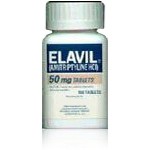
- Elavil (Amitriptyline 50mg) - classic TCA
- Pamelor (Nortriptyline 25mg) - less sedating
- Primox (Nortriptyline 25mg) - alternative brand
- Tofranil (Imipramine 75mg) - first modern antidepressant
- Anafranil (Clomipramine 75mg) - strong serotonergic effects
- Sinequan (Doxepin 75mg) - very sedating
TCA Uses
- Depression (when SSRIs/SNRIs fail)
- Chronic pain - especially neuropathic pain
- Migraine prevention
- Fibromyalgia
- Insomnia (low-dose sedating TCAs)
- OCD (Anafranil)
- Bedwetting in children (Tofranil)
- Irritable bowel syndrome
TCA side effects and warnings:
- Anticholinergic effects - dry mouth, constipation, blurred vision, urinary retention
- Sedation often significant
- Weight gain common
- Orthostatic hypotension - dizziness on standing
- Cardiac effects - QT prolongation, arrhythmias
- DANGEROUS IN OVERDOSE - lethal doses close to therapeutic
- Avoid in elderly when possible - falls, cognitive effects
- Avoid in heart disease, glaucoma, urinary retention
💊 Atypical Antidepressants
Wellbutrin (Bupropion)
Wellbutrin (Bupropion 150mg) uniquely affects norepinephrine and dopamine, not serotonin.

- Uses: depression, seasonal affective disorder, smoking cessation, ADHD (off-label)
- Advantages: no sexual dysfunction (unlike SSRIs), no weight gain (often weight loss), activating rather than sedating
- Considerations: can lower seizure threshold (avoid in seizure history), can cause anxiety and insomnia, avoid in bulimia/anorexia
Remeron (Mirtazapine)
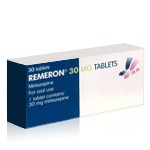
Remeron (Mirtazapine 30mg) has unique noradrenergic and specific serotonergic effects.
- Uses: depression especially with insomnia, poor appetite, or anxiety
- Advantages: improves sleep and appetite, minimal sexual dysfunction, effective in elderly
- Considerations: significant sedation, weight gain, elevated cholesterol possible
Desyrel (Trazodone)
Desyrel (Trazodone 100mg) serotonin antagonist and reuptake inhibitor.
- Uses: depression, insomnia (widely used low-dose off-label)
- Advantages: not habit-forming for sleep, no cognitive impairment, safe in elderly
- Rare risk: priapism (prolonged painful erection - medical emergency)
Stablon (Tianeptine)
Stablon (Tianeptine) unique antidepressant with different mechanism than other classes.
- Uses: depression, anxiety
- Different pharmacological profile than typical antidepressants
- Widely used in Europe and Asia
💊 Mood Stabilizer - Lithobid (Lithium)
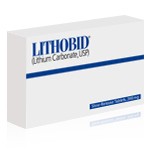
Lithobid (Lithium 400mg) is the gold standard mood stabilizer, primarily for bipolar disorder but also used to augment antidepressants in treatment-resistant depression.
Lithium Uses
- Bipolar disorder - prevents both manic and depressive episodes
- Treatment-resistant depression - augmentation of antidepressants
- Reduces suicide risk - unique among psychiatric medications
- Aggression in dementia
- Schizoaffective disorder
Lithium requires careful monitoring:
- Narrow therapeutic window - blood levels checked regularly
- Kidney function monitoring - can cause chronic kidney disease
- Thyroid monitoring - can cause hypothyroidism
- Toxicity signs - tremor, confusion, seizures
- Interactions with NSAIDs, ACE inhibitors, diuretics
- Dehydration increases toxicity risk
🎯 Choosing the Right Antidepressant
Selection depends on multiple factors and should be individualized.
| Presentation | Often Preferred |
|---|---|
| Depression with anxiety | Lexapro, Paxil, Sertafine |
| Depression with fatigue | Wellbutrin, Effexor |
| Depression with insomnia | Remeron, Desyrel |
| Depression with chronic pain | Cymbalta, Elavil |
| OCD | Luvox, Anafranil, high-dose SSRIs |
| Panic disorder | Paxil, Sertafine, Lexapro |
| Bipolar depression | Lithobid with antidepressant |
| Smoking cessation with depression | Wellbutrin |
⏱ Timeline of Antidepressant Effects
| Timeframe | Expected Changes |
|---|---|
| First 1-2 weeks | Side effects appear; sleep and appetite may improve |
| Weeks 2-4 | Energy improves; mood starts lifting |
| Weeks 4-6 | Full mood benefit typically evident |
| Weeks 6-12 | Continued improvement; dose adjustments if needed |
| 6-9 months | Continue treatment even if feeling better |
| Long-term | Maintenance for recurrent depression or chronic conditions |
⚠ Discontinuation Syndrome
Antidepressant discontinuation syndrome occurs when antidepressants are stopped too quickly. Not addiction but withdrawal-like symptoms from neurotransmitter adjustment.
Common Discontinuation Symptoms
- Dizziness
- Flu-like symptoms
- Nausea
- Anxiety
- Insomnia
- Electric "brain zaps"
- Mood changes
- Sensory disturbances
Higher risk with: short-acting drugs like Paxil, Effexor. Lower risk with: long-acting Prozac, or slow tapering.
Prevention: gradual taper over weeks to months under medical supervision. Never stop antidepressants abruptly.
💚 Non-Medication Treatments

Effective depression treatment usually combines medication with other approaches.
Essential non-medication treatments:
- Cognitive behavioral therapy (CBT) - proven effective, first-line
- Interpersonal therapy (IPT) - focuses on relationships
- Behavioral activation - increasing rewarding activities
- Mindfulness-based cognitive therapy - prevents recurrence
- Exercise - as effective as medication for mild-moderate depression
- Sleep hygiene - critical foundation
- Nutrition - Mediterranean diet, omega-3s
- Social support - relationships crucial
- Light therapy - especially for SAD
- Meditation and yoga
- Support groups
- ECT (electroconvulsive therapy) - for severe/resistant depression
- TMS (transcranial magnetic stimulation)
- Ketamine/esketamine - rapid-acting for treatment-resistant

🤔 Common Myths About Antidepressants
- Myth: Antidepressants are addictive
- Fact: Not physically addictive - do not cause cravings or tolerance. However, discontinuation syndrome requires gradual tapering.
- Myth: Antidepressants change your personality
- Fact: Antidepressants help restore normal function, not alter personality. Most patients feel more like themselves, not different.
- Myth: You should stop when feeling better
- Fact: Continue for 6-9 months minimum after remission. Stopping early leads to high relapse rates.
- Myth: Antidepressants are happy pills
- Fact: They do not create false happiness - they help restore normal emotional function so real happiness becomes possible again.
- Myth: Depression is just being sad
- Fact: Depression is a serious medical condition affecting brain function, physical health, and daily functioning - not weakness.
- Myth: Natural remedies work as well
- Fact: While supplements like St. Johns Wort may help mild depression, they are not equivalent to prescription antidepressants for moderate-severe cases. Also can interact dangerously.
🚨 When to Seek Help
EMERGENCY - Call 988 (Suicide and Crisis Lifeline) or 911 for:
- Suicidal thoughts with plan or intent
- Thoughts of harming others
- Severe symptoms preventing daily function
- Psychotic symptoms - hallucinations, delusions
See a healthcare provider for:
- Depression symptoms lasting 2+ weeks
- Persistent anxiety
- Sleep problems interfering with function
- Appetite/weight changes
- Difficulty concentrating
- Loss of interest in previously enjoyed activities
- Fatigue not explained by other causes
- Chronic pain with mood changes
- OCD, PTSD, panic symptoms
- Any concerns about mental health
🌟 Key Takeaways
Essential points about antidepressants:
- Antidepressants effective for depression, anxiety, chronic pain, OCD, and more
- Different classes work through different mechanisms
- SSRIs: Lexapro, Celexa, Paxil, Sertafine, Luvox
- SNRIs: Effexor, Cymbalta
- TCAs: Elavil, Pamelor, Tofranil, Anafranil
- Atypical: Wellbutrin, Remeron, Desyrel
- Mood stabilizer: Lithobid
- 4-6 weeks typical time to full effect
- Never stop abruptly - discontinuation syndrome
- Selection based on symptoms, side effects, comorbidities
- Regular follow-up essential during treatment
- Combine with therapy for best outcomes
- Not addictive but require gradual tapering
- 60-70 percent respond to first drug tried
- Multiple treatment options if first ineffective
Important Medical Disclaimer: This educational guide provides general information about antidepressants and does not constitute individualized medical advice. Antidepressants require prescription and management by qualified healthcare provider. Depression and anxiety disorders are serious medical conditions requiring proper evaluation, diagnosis, and treatment. Selection of antidepressant depends on diagnosis, symptom profile, comorbidities, other medications, age, pregnancy status, and previous treatment response. Different classes have distinct side effect profiles - SSRIs commonly cause sexual dysfunction; TCAs have anticholinergic effects; SNRIs may elevate blood pressure; MAOIs require dietary restrictions; lithium requires blood level monitoring. All antidepressants carry FDA black box warning for suicidal thoughts/behaviors in patients under 25 - close monitoring especially during initiation and dose changes essential. Serotonin syndrome can occur with combinations of serotonergic drugs - potentially fatal medical emergency. Discontinuation syndrome common when stopped abruptly - always taper gradually under medical supervision. Antidepressants take 4-6 weeks for full effect - continue as prescribed even if not immediately effective. Never stop medications without discussing with prescribing physician. Combination with psychotherapy typically most effective. Special populations including pregnant/breastfeeding women, elderly, adolescents, and those with cardiovascular disease require specialized approaches. Lithium requires kidney function and thyroid monitoring. Drug interactions extensive - many antidepressants affect other medication metabolism. Alcohol should be limited or avoided. Grapefruit juice interacts with some antidepressants. Information here should complement but never replace direct professional mental health guidance. If experiencing suicidal thoughts, call 988 (Suicide and Crisis Lifeline in US) or seek emergency care immediately.
More Antidepressants Medications