Buy Rulide (Roxithromycin) Online — Tolerable Macrolide Antibiotic for Respiratory Infections with Reduced Drug Interactions

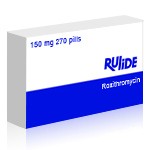
Rulide is the original brand-name formulation of Roxithromycin — a semi-synthetic macrolide antibiotic distinguished from other macrolides by significantly improved gastrointestinal tolerability and reduced CYP3A4 drug interactions. Developed by Roussel Uclaf (now Sanofi) and available across Europe, Asia, Latin America, and Australia since 1987, Roxithromycin has been the preferred macrolide in many international markets for outpatient respiratory tract infections.
The active ingredient is Roxithromycin, which works by binding the 50S ribosomal subunit of susceptible bacteria — blocking the translocation step of bacterial protein synthesis. Compared to its parent compound Erythromycin, Roxithromycin offers significant improvements: better acid stability, better tissue penetration, convenient once or twice daily dosing, and substantially less gastrointestinal side effects. Importantly, Roxithromycin is a weaker CYP3A4 inhibitor than Clarithromycin or Erythromycin — reducing risk of clinically significant drug interactions.
Roxithromycin provides excellent activity against typical respiratory pathogens (Streptococcus pyogenes, S. pneumoniae, MSSA) and atypical organisms (Mycoplasma pneumoniae, Chlamydia pneumoniae, Legionella pneumophila, Bordetella pertussis). It also has activity against Helicobacter pylori, Toxoplasma gondii, and some Gram-negative respiratory pathogens.
Rulide is approved across international markets for treatment of upper and lower respiratory tract infections (the primary indications), pharyngitis and tonsillitis, acute bacterial sinusitis, otitis media, community-acquired pneumonia (mild outpatient cases), atypical pneumonia, pertussis (whooping cough), skin and soft tissue infections, and chlamydial genital infections.
The medication is available as 50 mg, 100 mg, 150 mg, and 300 mg tablets. Standard adult dosing is 150 mg twice daily or 300 mg once daily for 5-10 days. Pediatric dosing is weight-based at 5-8 mg/kg/day in two divided doses.
Roxithromycin is generally well-tolerated. Common side effects include mild gastrointestinal upset, headache, and dizziness. Rare but serious effects include QT prolongation and hepatotoxicity. Roxithromycin should be avoided in patients with known QT prolongation.
Free prescription
Discrete packaging
Have questions?
Quality Assurance

- Pharyngitis Adult Once Daily: For adult bacterial pharyngitis with convenient once-daily 300 mg dosing;
- Tonsillitis European Once Daily: For bacterial tonsillitis with European-standard once-daily dosing supporting adherence;
- Sinusitis Adult Once Daily: For adult acute bacterial sinusitis with simplified once-daily oral therapy;
- Acute Bronchitis Outpatient: For acute bacterial bronchitis in outpatient setting with susceptible respiratory pathogens;
- Mild CAP Once Daily: For mild community-acquired pneumonia with once-daily oral therapy in healthy adults;
- Adult Lower Respiratory Tract Infection: For adult lower respiratory tract infections requiring macrolide coverage;
- Atypical Pneumonia Outpatient: For outpatient atypical pneumonia caused by Mycoplasma, Chlamydia, or Legionella;
- Mycoplasma Outpatient: For outpatient Mycoplasma pneumoniae respiratory infection in adults;
- Chlamydia Pneumoniae Adult: For adult Chlamydia pneumoniae respiratory infection;
- Skin Soft Tissue Infection: For skin and soft tissue infections caused by susceptible Streptococcus and MSSA;
- Pediatric Pharyngitis European: For pediatric bacterial pharyngitis in penicillin-allergic children (European practice);
- Pertussis European Therapy: For pertussis (whooping cough) treatment in adults and children — European macrolide of choice;
- Bordetella Pertussis Adult: For adult pertussis with convenient once-daily dosing for 7-14 days;
- Pertussis Macrolide Alternative: For pertussis in patients intolerant to Erythromycin or other macrolides;
- Chlamydia Genital Adult Selective: Selective use for chlamydial genital infections in non-pregnant adult patients;
- Adult Bronchitis Acute Bacterial: For adult acute bacterial bronchitis caused by susceptible respiratory pathogens;
- Acute Otitis Media Pediatric Adjunct: For pediatric acute otitis media in penicillin-allergic children;
- Mild Pneumonia Adult Outpatient: For mild adult community-acquired pneumonia in outpatient setting;
- Drug Interaction Sparing Macrolide: Macrolide of choice when other CYP3A4-inhibiting macrolides would cause concerning drug interactions;
- Polypharmacy Patient Macrolide: Preferred macrolide for polypharmacy patients due to reduced CYP3A4 inhibition;
- Acne Vulgaris Adjunct Off Label: Off-label adjunct for moderate inflammatory acne where tetracyclines are unsuitable;
- H Pylori Adjunct: Selective adjunct for H. pylori eradication in non-standard combination regimens.
- Less Cough: Resolution of productive cough in pneumonia and bronchitis;
- Better Breathing: Improvement in dyspnea as respiratory bacterial infection clears;
- Less Throat Pain: Resolution of pharyngitis and tonsillitis pain;
- Less Sinus Pain: Reduction in facial pressure and pain of acute sinusitis;
- Less Ear Pain: Relief from pediatric otitis media pain;
- Less Sore Throat: Resolution of streptococcal pharyngitis pain in adults and children;
- Less Whooping: Resolution of the characteristic inspiratory whoop in pertussis;
- Better Skin: Resolution of skin infections caused by Streptococcus and MSSA;
- Better Sleep: Resolution of nighttime cough and discomfort during recovery;
- Better Energy: Recovery from systemic infection-related fatigue;
- Better Appetite: Restoration of normal appetite as systemic infection resolves;
- Faster Recovery: Most patients show clinical improvement within 48-72 hours;
- Better Daily Function: Return to school, work, and normal activities;
- Brand Rulide: Original Sanofi brand of Roxithromycin with established global clinical reputation since 1987;
- Generic Roxithromycin: Affordable generic versions expand global access to tolerable macrolide therapy;
- Surlid Equivalent: Same Roxithromycin molecule as international Surlid brand — familiar across European markets;
- Roxar Equivalent: Same Roxithromycin molecule as international Roxar brand;
- Macrolide Antibiotic: Semi-synthetic macrolide class antibiotic with established mechanism and clinical applications;
- Second Generation Macrolide: Significant pharmacokinetic improvements over Erythromycin with better tolerability;
- 50S Ribosomal Inhibitor: Inhibits bacterial protein synthesis at the 50S ribosomal subunit;
- Improved GI Tolerability Macrolide: Significantly fewer gastrointestinal side effects compared to Erythromycin;
- Reduced CYP3A4 Interactions: Weaker CYP3A4 inhibitor than Clarithromycin or Erythromycin — fewer drug interactions;
- Weak CYP3A4 Inhibitor Macrolide: Preferred macrolide for polypharmacy patients on statins, calcium blockers, immunosuppressants;
- Atypical Coverage Antibiotic: Excellent activity against Mycoplasma, Chlamydia, and Legionella respiratory pathogens;
- Once Daily Macrolide Europe: True once-daily 300 mg dosing supports excellent adherence in outpatient therapy;
- Twice Daily Macrolide: Alternative twice-daily 150 mg regimen provides flexibility for severe infections;
- Better Tolerability Macrolide: Significantly better overall tolerability than Erythromycin and Clarithromycin;
- Acid Stable Macrolide: Stable in gastric acid — reliable oral absorption without enteric coating;
- Superior Tissue Penetration: Concentrated in lung tissue, sinuses, and macrophages — ideal for respiratory infections;
- Respiratory Infection Standard Europe: Standard European macrolide for outpatient respiratory tract infections;
- Pertussis Treatment: Effective for whooping cough treatment with better tolerability than Erythromycin;
- Atypical Pneumonia Therapy: For atypical pneumonia caused by Mycoplasma, Chlamydia, and Legionella;
- Penicillin Allergic Respiratory: Alternative for respiratory infections in penicillin-allergic patients;
- Pediatric Macrolide: Suitable for pediatric respiratory infections with appropriate weight-based dosing;
- 35 Plus Year International History: Extensive real-world safety and efficacy data since 1987 across decades of European clinical use;
- QT Monitoring: Avoid in patients with QT prolongation risk or on QT-prolonging medications;
- Generally Well Tolerated: Mild GI upset, headache, and dizziness are the most common side effects;
- Take Before Meals: Take 15 minutes before meals for optimal absorption — can be taken with food if needed;
- Hepatotoxicity Rare: Rare reports of hepatic enzyme elevations — monitor if extended courses;
- Stable Storage: Tablets stable at room temperature — convenient for home and travel use;
- Internationally Available: Widely available across European, Asian, Latin American, Australian markets in branded and generic forms.
Generic Rulide (Roxithromycin 150 mg) Medication guide:
📖 What is Rulide (roxithromycin) macrolide antibiotic
Rulide is the internationally recognised brand name for roxithromycin, a semi-synthetic macrolide antibiotic that treats respiratory tract, skin, and soft tissue bacterial infections. It was engineered from erythromycin's scaffold to solve two persistent problems: gastrointestinal intolerance and drug interaction burden. The result is a drug that keeps the useful spectrum of erythromycin while delivering better tolerability, longer half-life, and simpler dosing schedules.
🔑 Core identity in one paragraph
Roxithromycin belongs to the 14-membered macrolide subfamily, alongside erythromycin and clarithromycin. It is not approved in the United States but has extensive clinical experience across Europe, Australia, Asia, Latin America, and Africa since its introduction in 1987. Sanofi originated the molecule, and Rulide remains the reference brand in Australia. Multiple generics including the Intas-manufactured Rulide are distributed internationally.
| Attribute | Value |
|---|---|
| Generic name | Roxithromycin |
| Drug class | Semi-synthetic 14-membered macrolide antibiotic |
| First approved | 1987 (Europe, Australia) |
| Originator | Roussel Uclaf (now Sanofi) |
| Available strengths | 50 mg, 100 mg, 150 mg, 300 mg tablets |
| Typical adult dose | 150 mg twice daily or 300 mg once daily |
| Course length | 5 to 10 days depending on indication |
| Regulatory status | Approved: EU, Australia, Asia, Latin America. Not FDA-approved in the US. |
🧪 Why roxithromycin was designed
Erythromycin's major weaknesses in clinical practice were frequent nausea and abdominal cramping (from a motilin-receptor effect) and a heavy CYP3A4 interaction profile that complicated co-prescribing. Roxithromycin was designed with a modified oxime side-chain that reduces both problems while preserving the antibacterial mechanism. The result reaches patients who could not tolerate erythromycin and simplifies prescribing where warfarin, statins, or seizure medications are on the medication list.
✅ Clinical role today
- Community respiratory infections in outpatient settings across countries where it is approved
- Atypical pneumonia coverage (Mycoplasma, Chlamydia pneumoniae, Legionella)
- Pharyngitis, tonsillitis, sinusitis as an alternative to beta-lactams
- Skin and soft tissue infections caused by susceptible organisms
- Beta-lactam-allergic patients who need macrolide coverage with better tolerability than erythromycin
🕰️ History and development of roxithromycin since 1987
Roxithromycin was developed by Roussel Uclaf (later merged into Hoechst Marion Roussel, then Sanofi) in the early 1980s. It was launched in France in 1987 under the brand Rulid, and the international rollout followed. Today the drug is available across Europe, Australia (as Rulide), Asia, Latin America, and Africa, though it never received FDA approval in the United States.
📅 Development milestones
- Early 1980s — molecular design
- Roussel Uclaf chemists modify the 9-position of erythromycin's 14-membered lactone ring, replacing the ketone with an ether-oxime side chain. Goal: acid stability, better absorption, motilin-effect reduction.
- 1987 — European launch as Rulid
- First market authorisation in France. Extended half-life (approx 12 hours) allows once or twice daily dosing, unlike erythromycin's 4-times daily schedule.
- 1990s — global expansion
- Approved across most European markets, Australia (as Rulide by Sanofi-Aventis), New Zealand, Japan, most Asian markets, Latin America, Middle East, Africa.
- 1990s to 2000s — comparative trials
- Extensive head-to-head studies against erythromycin, clarithromycin, azithromycin, amoxicillin. Findings: similar efficacy, better GI tolerance, simpler dosing.
- 2003 — generic entry
- Patent expiration triggers international generic manufacturing. Intas Pharmaceuticals and other Indian manufacturers begin exporting affordable branded generics.
- Present — continuing outpatient role
- Remains a routine outpatient antibiotic in many countries. Not first-line in most contemporary guidelines but retains a solid position for patients where amoxicillin is unsuitable and atypical coverage is needed.
🇫🇷 Why French pharmacology matters here
Roussel Uclaf brought decades of macrolide chemistry expertise to roxithromycin's design. The oxime modification was not a small tweak: it required careful selection to preserve ribosomal binding while blocking the motilin receptor interaction that made erythromycin so poorly tolerated. That balance is what let roxithromycin displace erythromycin as the routine outpatient macrolide across European practice through the 1990s.
✅ Why no US approval matters less than it seems
The United States received azithromycin (Zithromax) and clarithromycin (Biaxin) at similar times through the same regulatory window. American practice consolidated around those two macrolides, and Sanofi never pursued a US filing for roxithromycin. This is a commercial rather than a scientific decision — roxithromycin has extensive European, Australian, and Asian evidence and remains a routine outpatient macrolide in those markets.
🧬 How roxithromycin works at the ribosomal level
Roxithromycin, like all macrolides, works by binding the bacterial 50S ribosomal subunit and blocking protein synthesis. This action is bacteriostatic at typical concentrations (halts growth) and can become bactericidal against highly susceptible organisms at higher concentrations.
🧬 Mechanism step by step
- Bacterial ribosome target: roxithromycin binds the 23S rRNA of the 50S ribosomal subunit, at the peptidyl transferase centre.
- Peptide chain blockade: bound roxithromycin physically obstructs the ribosomal exit tunnel, preventing nascent peptide extension.
- Translation halt: protein synthesis stops. Existing proteins remain functional but no new ones can be made.
- Bacterial replication ceases: without protein turnover, bacteria cannot divide or repair damage.
- Immune clearance: host immune system clears the paused bacteria over the treatment course.
- Selectivity: eukaryotic (human) ribosomes have different 23S-equivalent structures and are not affected, so host cells are spared.
🔬 Why bacteriostatic still cures infection
A common misconception is that bacteriostatic drugs are inferior. In truth, holding a bacterial population at zero growth for the treatment course lets the immune system clear the infection. For most uncomplicated respiratory and skin infections in patients with intact immunity, bacteriostatic action is fully sufficient. Bactericidal action becomes necessary primarily in immunocompromised patients, endocarditis, and other high-inoculum invasive scenarios where the host cannot help.
| Feature of the mechanism | Clinical consequence |
|---|---|
| Ribosomal binding site is highly conserved | Broad spectrum across many species |
| Intracellular penetration | Effective against Mycoplasma, Chlamydia, Legionella |
| Tissue concentration exceeds serum | Deep tissue infection response even at modest serum levels |
| Slow off-rate from ribosome | Extended post-antibiotic effect |
| Passive diffusion into phagocytes | Delivered directly to infection sites by immune cells |
🔬 A useful side effect: immunomodulation
Beyond the antibacterial mechanism, macrolides including roxithromycin have well-documented immunomodulatory and anti-inflammatory effects. They reduce cytokine production, dampen neutrophil recruitment, and modulate mucus production. This is why macrolides are used long-term in bronchiectasis, diffuse panbronchiolitis, and severe asthma at doses too low for antibacterial action. The immunomodulatory effect is class-wide but has been most extensively characterised for azithromycin.
🔬 Macrolide family key differences and comparison
Roxithromycin sits within the macrolide family alongside erythromycin, clarithromycin, and azithromycin. All share the same core mechanism but differ in ring size, half-life, dosing frequency, drug interaction burden, and tissue distribution. Choosing among them for a given patient depends on these practical differences more than on antibacterial spectrum.
| Feature | Erythromycin | Roxithromycin | Clarithromycin | Azithromycin |
|---|---|---|---|---|
| Ring size | 14-membered | 14-membered | 14-membered | 15-membered |
| Half-life | 1 to 2 hours | 10 to 12 hours | 3 to 4 hours | 68 hours (tissue) |
| Dosing schedule | Four times daily | Once or twice daily | Twice daily | Once daily short course |
| GI tolerance | Poor (motilin effect) | Good | Moderate | Good |
| CYP3A4 interactions | Extensive | Minimal | Extensive | Minimal |
| QT prolongation | Highest | Lowest of 14-membered | Moderate | Moderate |
| H. pylori activity | No | No | Yes (core role) | No |
| Mycobacterial activity | Limited | Limited | Yes (MAC) | Yes (MAC) |
🔑 Roxithromycin's distinguishing profile
- GI tolerance similar to azithromycin, meaningfully better than erythromycin or clarithromycin
- CYP3A4 interaction burden minimal, comparable to azithromycin and much less than clarithromycin
- Once or twice daily dosing without the ultra-long tail of azithromycin, easier to stop if adverse effects develop
- Best in class 14-membered profile for QT safety though still not zero
- Reliable acid-stable oral absorption
- Effective tissue penetration for respiratory infections
🧪 Where roxithromycin fits practically
Where azithromycin is not desired for its very long tail (concerns about post-course resistance selection) and where clarithromycin is contraindicated by interactions or intolerance, roxithromycin offers a compromise: reasonable half-life, minimal interactions, good tolerability. It is not the strongest macrolide against any specific pathogen, but it is often the most balanced choice for uncomplicated respiratory infections in outpatient settings.
🦠 Bacterial spectrum and coverage overview
Roxithromycin covers the standard macrolide spectrum plus intracellular atypical respiratory pathogens. Its coverage is well-suited to community respiratory tract infections but has predictable gaps against gram-negative enteric pathogens and MRSA.
✅ Reliable coverage
- Streptococcus pyogenes (Group A strep, pharyngitis)
- Streptococcus pneumoniae (community-acquired pneumonia, sinusitis, otitis) — regionally variable
- Streptococcus agalactiae and other beta-haemolytic streptococci
- Moraxella catarrhalis (sinusitis, bronchitis, otitis)
- Haemophilus influenzae (respiratory infections, though moderate activity)
- Mycoplasma pneumoniae (atypical CAP)
- Chlamydia pneumoniae (atypical CAP)
- Chlamydia trachomatis (urogenital infection)
- Legionella pneumophila (Legionnaires disease)
- Bordetella pertussis (whooping cough)
- Corynebacterium diphtheriae
- Ureaplasma urealyticum
- Campylobacter jejuni (some strains)
🟡 Variable coverage (regional resistance patterns)
- Staphylococcus aureus methicillin-susceptible — increasing macrolide resistance limits reliability
- Streptococcus pneumoniae in high-resistance regions (Asia, parts of Europe, US) — local surveillance data essential
- Haemophilus influenzae — moderate activity, may need higher-dose macrolide for adequate coverage
- Neisseria gonorrhoeae — historical role, largely displaced by resistance concerns
🔴 Gaps: do not use for these
- MRSA (methicillin-resistant Staph aureus) — typically resistant
- Enterobacteriaceae (E. coli, Klebsiella, Enterobacter, Proteus) — not covered
- Pseudomonas aeruginosa — not covered
- Anaerobes below the diaphragm (Bacteroides fragilis group) — limited activity
- Enterococcus — poor activity
- Nosocomial gram-negatives — not covered
🔬 Why atypical coverage matters clinically
Mycoplasma pneumoniae, Chlamydia pneumoniae, and Legionella together cause a substantial fraction of community-acquired pneumonia and cannot be treated with beta-lactams (they lack the peptidoglycan cell wall that penicillins target). Macrolides including roxithromycin, or tetracyclines including doxycycline, are the empirical choices for atypical coverage in outpatient CAP. This is why current CAP guidelines recommend macrolide or doxycycline for uncomplicated outpatient CAP as monotherapy or macrolide-plus-beta-lactam combination for hospitalised patients.
💊 Pharmacokinetics absorption distribution and excretion
Roxithromycin has a favourable pharmacokinetic profile: acid-stable oral absorption, extensive tissue distribution with concentrations exceeding serum by many-fold, biliary excretion largely unchanged, and a half-life long enough to support once or twice daily dosing.
| PK parameter | Value / behaviour |
|---|---|
| Oral bioavailability | Approximately 50 percent (acid stable, no need for enteric coating) |
| Effect of food | Best taken on empty stomach or before meals; food can modestly reduce absorption |
| Time to peak concentration (Tmax) | 1 to 2 hours after oral dose |
| Protein binding | High (approximately 96 percent, saturable at therapeutic levels) |
| Distribution volume | Extensive, especially into respiratory tissues and phagocytes |
| Tissue-to-serum concentration ratio | Up to 20-fold in tonsils, lung parenchyma, sinus tissues |
| Half-life | 10 to 12 hours (longer than erythromycin) |
| Metabolism | Minimal hepatic; does not significantly inhibit CYP3A4 |
| Excretion route | Mostly biliary (approximately 65 percent), minor urinary |
| Renal impairment effect | Minimal; usually no dose adjustment needed even in severe CKD |
🔬 What tissue penetration means clinically
Roxithromycin's deep tissue penetration is why it works well for respiratory tract infections despite only modest serum peaks. In lung tissue, tonsils, sinus mucosa, and skin, concentrations reach many multiples of the serum level. This tissue accumulation is a general macrolide property that reflects entry into phagocytes and other cellular compartments where intracellular pathogens (Mycoplasma, Chlamydia, Legionella) reside. Serum levels are almost misleading — the drug goes exactly where the infection is.
🕑 Practical dosing implications
- Take before meals for best absorption (30 minutes before or 3 hours after)
- Once daily 300 mg is equivalent to twice daily 150 mg in overall drug exposure
- The 10 to 12 hour half-life supports steady-state within 2 to 3 days of starting therapy
- No renal dose adjustment for most patients — a real advantage over renally-cleared antibiotics in older adults
- Biliary excretion means severe cholestatic liver disease could reduce clearance, but this is rarely clinically relevant
🫁 Respiratory tract infection approved indications
Respiratory tract infections are the primary indication for roxithromycin across all approved markets. This covers both upper and lower tract infections in outpatients and, in some settings, adjunct therapy for hospitalised community-acquired pneumonia.
🫁 Approved respiratory indications
- Acute pharyngitis and tonsillitis
- Group A streptococcal pharyngitis in penicillin-allergic patients. Alternative to first-line penicillin V.
- Acute bacterial sinusitis
- S. pneumoniae, H. influenzae, M. catarrhalis coverage. Alternative to amoxicillin-clavulanate.
- Acute bacterial exacerbations of chronic bronchitis
- S. pneumoniae, H. influenzae, M. catarrhalis coverage. Consider in stable COPD exacerbation without complicating features.
- Community-acquired pneumonia (mild to moderate)
- Outpatient treatment when atypical coverage is desired or beta-lactam allergy is present.
- Atypical pneumonia (Mycoplasma, Chlamydia, Legionella)
- These pathogens are the specific targets where macrolides shine over beta-lactams.
- Pertussis (whooping cough) treatment and post-exposure prophylaxis
- Standard macrolide role, particularly in infants and pregnant women where azithromycin is preferred, but roxithromycin acceptable.
- Acute otitis media
- Only in beta-lactam-allergic patients; amoxicillin remains first-line.
| Indication | Typical duration | Comment |
|---|---|---|
| Pharyngitis / tonsillitis | 5 to 10 days | 10 days for GAS eradication |
| Acute sinusitis | 7 to 10 days | Reserve for beta-lactam allergy |
| Acute bronchitis exacerbation | 5 to 7 days | Bacterial evidence required |
| Community-acquired pneumonia (outpatient) | 7 to 10 days | Mild-moderate; check local resistance |
| Mycoplasma pneumonia | 10 to 14 days | Slower response than typical CAP |
| Legionella pneumonia | 14 to 21 days | Consider fluoroquinolone or azithromycin combination for severe |
| Pertussis | 7 to 14 days | Azithromycin preferred in infants under 6 months |
🔑 When roxithromycin is the right respiratory choice
Beta-lactam allergy history; atypical pathogen coverage needed (Mycoplasma, Chlamydia, Legionella); patient intolerant of erythromycin; interaction concerns with clarithromycin. In these situations roxithromycin offers a balanced profile. In patients without these constraints, amoxicillin remains first-line for streptococcal infections and amoxicillin-clavulanate for sinusitis; a macrolide is added when atypical coverage matters.
🩹 Skin and soft tissue infection treatment
Roxithromycin has a solid role in outpatient skin and soft tissue infections caused by Group A streptococci and susceptible staphylococci, particularly in penicillin-allergic patients. Its tissue penetration into skin and soft tissue is excellent, which supports its role in this indication despite the growing macrolide resistance seen with staph and strep isolates.
🩹 Approved skin/soft tissue indications
- Impetigo (Group A strep, Staph aureus MSSA)
- Cellulitis uncomplicated (Group A strep, MSSA)
- Erysipelas (Group A strep)
- Folliculitis, furunculosis uncomplicated
- Infected wounds (susceptible pathogens)
- Erythrasma (Corynebacterium minutissimum)
- Bite wound infections in penicillin-allergic patients (partial coverage; check spectrum)
⚠️ Where roxithromycin is NOT appropriate
- Suspected MRSA — most MRSA is macrolide-resistant. Use trimethoprim-sulfamethoxazole, doxycycline, or clindamycin (with sensitivity confirmed).
- Deep abscesses requiring drainage — antibiotic alone insufficient; incision and drainage first
- Necrotising fasciitis or other severe soft-tissue infection — hospital IV therapy required
- Diabetic foot infections — typically polymicrobial; broader coverage needed
- Bite wounds where anaerobic coverage matters — amoxicillin-clavulanate preferred if not penicillin-allergic
🔬 Skin tissue penetration
Roxithromycin's tissue-to-serum ratio in skin and subcutaneous tissue can exceed 5-fold. Skin blister fluid concentrations at 12 hours post-dose remain within the therapeutic range against susceptible organisms. Combined with the twice-daily convenience versus erythromycin's four-times-daily requirement, this makes roxithromycin a reasonable outpatient choice for uncomplicated cellulitis and impetigo when a macrolide is the class of choice.
🎯 Practical duration guide
Uncomplicated skin/soft tissue infections generally treated for 5 to 10 days. Impetigo often responds in 5 days. Cellulitis typically 7 to 10 days. Duration is guided by clinical response — continue until 48 to 72 hours after full resolution of erythema, warmth, and tenderness.
🗣️ Pharyngitis and tonsillitis treatment guidance
Group A streptococcal pharyngitis (GAS, strep throat) is treated primarily with penicillin V or amoxicillin. Roxithromycin serves as an alternative when penicillin allergy is documented or when a shorter, more convenient regimen with atypical coverage is desired.
🗣️ Clinical decision framework
- Streptococcal pharyngitis confirmed (rapid test or culture positive)
- First-line: penicillin V 500 mg twice daily for 10 days, or amoxicillin 500 mg twice or three times daily for 10 days.
- Penicillin allergy
- Options: roxithromycin 150 mg twice daily or 300 mg once daily for 10 days; alternatively clindamycin, cephalexin (if allergy is mild non-anaphylactic).
- Duration matters
- Full 10 days is required for streptococcal eradication and prevention of post-streptococcal complications (rheumatic fever). Do not shorten to 5 days for suspected strep.
| Feature | Penicillin V / amoxicillin | Roxithromycin |
|---|---|---|
| Efficacy for GAS | Very high, no resistance | Effective if isolate is susceptible |
| Convenience | Twice or three times daily | Once or twice daily |
| Course length | 10 days | 10 days |
| Cost | Very low | Modest |
| Suitable in penicillin allergy | No | Yes |
| Regional resistance issue | Minimal | Moderate to high in some areas |
⚠️ Regional macrolide resistance in strep
Group A streptococcus macrolide resistance rates vary substantially by country and region. Areas with high macrolide use (Japan, parts of Asia, some European regions) have documented resistance rates exceeding 20 to 30 percent. In such areas, penicillin is strongly preferred and macrolides reserved for confirmed penicillin allergy with sensitivity confirmation. In lower-resistance regions, macrolides remain reliable alternatives.
🧪 When testing matters
Modern outpatient practice increasingly uses rapid antigen detection tests to confirm Group A strep before antibiotic prescription. In viral pharyngitis (the majority of sore throats), antibiotics are not indicated regardless of macrolide vs penicillin choice. Roxithromycin's appropriate role is in confirmed bacterial pharyngitis where beta-lactam allergy or specific clinical factors favour a macrolide.
🫁 Community-acquired pneumonia treatment framework
Community-acquired pneumonia (CAP) is a core indication for macrolides including roxithromycin. Its role is well established for outpatient mild-to-moderate cases and as combination therapy with beta-lactams for hospitalised patients where atypical coverage matters.
🫁 CAP treatment framework
- Outpatient healthy adult
- Amoxicillin high-dose OR doxycycline OR macrolide (roxithromycin, azithromycin, clarithromycin). Local resistance patterns matter.
- Outpatient with comorbidities
- Combination therapy: beta-lactam plus macrolide, OR respiratory fluoroquinolone as monotherapy.
- Hospitalised non-ICU
- IV beta-lactam plus macrolide OR IV respiratory fluoroquinolone.
- Hospitalised ICU severe
- IV beta-lactam plus IV macrolide OR beta-lactam plus fluoroquinolone. Combination therapy is standard.
✅ Why macrolides matter in CAP
- Atypical pathogen coverage: Mycoplasma, Chlamydia, Legionella cause up to 30 percent of outpatient CAP
- Beta-lactams do not cover atypicals
- Empirical macrolide coverage catches these organisms before culture results return
- Immunomodulatory macrolide effect may improve outcomes in severe CAP
- Reasonable tolerability profile for outpatient course
| CAP severity category | Roxithromycin role |
|---|---|
| Mild outpatient | Monotherapy option; 300 mg once daily for 7 days |
| Moderate outpatient with comorbidity | Adjunct to beta-lactam (amoxicillin-clavulanate + roxithromycin) |
| Hospitalised non-ICU | Roxithromycin oral, alongside IV beta-lactam; convert to full oral when stable |
| ICU severe | IV azithromycin usually preferred over oral roxithromycin due to formulation options |
🔬 Local resistance context
Streptococcus pneumoniae macrolide resistance is regionally variable. In some countries (particularly parts of Asia and Southern Europe) resistance rates exceed 30 percent, and empirical macrolide monotherapy for pneumococcal CAP is unreliable. In such regions, combination therapy or a fluoroquinolone is preferred. In lower-resistance regions, macrolide monotherapy for uncomplicated outpatient CAP remains reasonable. Always check current local surveillance data.
🔬 Atypical pneumonia coverage Mycoplasma Chlamydia Legionella
Atypical pneumonia caused by Mycoplasma pneumoniae, Chlamydia pneumoniae, and Legionella pneumophila is where macrolides truly earn their place in respiratory practice. These intracellular pathogens are inherently invisible to beta-lactams, and macrolide coverage is empirical standard-of-care for outpatient CAP.
🔬 Atypical pathogens covered by roxithromycin
- Mycoplasma pneumoniae
- Classic atypical pneumonia (walking pneumonia). Common in young adults and school-age children. Symptoms: gradual onset cough, headache, malaise, low-grade fever. Extrapulmonary features (rash, arthralgia, haemolysis) possible. Roxithromycin 150 mg twice daily for 10 to 14 days is standard.
- Chlamydia pneumoniae
- Prolonged bronchitis-like syndrome or pneumonia. Common cause of persistent cough. Roxithromycin 150 mg twice daily for 10 to 14 days is standard. Response may be slower than typical bacterial CAP.
- Legionella pneumophila
- Legionnaires disease. Severe pneumonia often with high fever, GI symptoms, confusion, and hyponatraemia. Roxithromycin or azithromycin monotherapy for mild-moderate outpatient cases; severe cases need azithromycin IV or a fluoroquinolone.
- Coxiella burnetii (Q fever)
- Acute Q fever pneumonia. Doxycycline is preferred; macrolides are alternatives.
| Pathogen | Typical presentation | Roxithromycin course |
|---|---|---|
| Mycoplasma pneumoniae | Young adult, dry cough, headache | 10 to 14 days |
| Chlamydia pneumoniae | Persistent cough, gradual pneumonia | 10 to 14 days |
| Legionella pneumophila | Severe pneumonia, GI features, confusion | 14 to 21 days |
| Chlamydia trachomatis | Urogenital or neonatal pneumonia | 7 to 14 days |
🔑 Why intracellular access matters
Mycoplasma lacks a cell wall entirely (it is the smallest self-replicating organism). Chlamydia and Legionella live inside host cells. All three are invisible to beta-lactam antibiotics, which target peptidoglycan cell wall synthesis. Macrolides diffuse into host cells and accumulate to concentrations many-fold higher than serum, so they reach these hidden pathogens where the drug is needed. This intracellular concentration is the pharmacokinetic basis for macrolide effectiveness against atypicals.
⚠️ Macrolide-resistant Mycoplasma pneumoniae
Some parts of Asia (particularly Japan, China, Korea) have documented Mycoplasma pneumoniae macrolide resistance rates exceeding 50 percent. In such regions, doxycycline or a fluoroquinolone is preferred over macrolides for Mycoplasma pneumonia. Elsewhere macrolide resistance remains uncommon (under 10 percent) and roxithromycin remains reliable.
🤥 Pertussis (whooping cough) treatment role
Pertussis (whooping cough), caused by Bordetella pertussis, is a standard macrolide indication. Roxithromycin has established efficacy for both treatment and post-exposure prophylaxis, though azithromycin is preferred in infants under 6 months due to gastric outlet stenosis concerns with erythromycin and better safety data.
🤥 Pertussis clinical stages
- Catarrhal stage (weeks 1-2)
- Mild cough, runny nose, low-grade fever. Highly contagious. Antibiotic treatment during this stage shortens illness and reduces transmission.
- Paroxysmal stage (weeks 2-6)
- Classic whooping cough paroxysms. Antibiotics no longer shorten illness (bacterial load has cleared) but do reduce infectiousness. Still indicated to interrupt transmission.
- Convalescent stage (weeks 6+)
- Gradual cough resolution over 2 to 3 months. Antibiotics generally not indicated at this stage as bacterial shedding has ceased.
| Pertussis scenario | Preferred macrolide | Duration |
|---|---|---|
| Infant under 6 months | Azithromycin | 5 days |
| Older infant to child | Azithromycin, clarithromycin, or roxithromycin | 5 to 7 days |
| Adolescent or adult treatment | Roxithromycin 150 mg BID or azithromycin | 7 to 14 days |
| Post-exposure prophylaxis (household contacts) | Same as treatment regimens | Same as treatment |
| Pregnant woman (third trimester exposure) | Azithromycin preferred (Category B) | 5 to 7 days |
✅ Why treat early stage pertussis
- Shortens illness if given during catarrhal stage
- Reduces transmission to susceptible household contacts (particularly unimmunised infants)
- Post-exposure prophylaxis prevents secondary cases in exposed contacts
- Public health control: pertussis outbreaks respond to early antibiotic intervention plus vaccination programmes
🧪 Why azithromycin over roxithromycin in young infants
Erythromycin has been associated with infantile hypertrophic pyloric stenosis (IHPS) in neonates. Azithromycin has the best safety data in infants under 6 months and is preferred by CDC and WHO for this age group. Roxithromycin data in very young infants is more limited. In older children and adults, roxithromycin is a fully acceptable alternative to azithromycin for pertussis with the additional consideration that it has slightly better GI tolerability than clarithromycin in some patients.
💊 Adult dosing by indication overview
Roxithromycin adult dosing is refreshingly simple: a fixed 300 mg total daily dose either as a single tablet once daily or split as 150 mg twice daily. This uniformity across most indications is one of the drug's practical advantages over dose-varying antibiotics.
| Indication | Adult regimen | Duration |
|---|---|---|
| Acute streptococcal pharyngitis | 150 mg BID or 300 mg OD | 10 days |
| Acute bacterial sinusitis | 150 mg BID or 300 mg OD | 7 to 10 days |
| Acute exacerbation of chronic bronchitis | 150 mg BID or 300 mg OD | 5 to 7 days |
| Community-acquired pneumonia (outpatient) | 150 mg BID or 300 mg OD | 7 to 10 days |
| Mycoplasma or Chlamydia pneumonia | 150 mg BID | 10 to 14 days |
| Legionella pneumonia (mild-moderate) | 150 mg BID | 14 to 21 days |
| Pertussis (adult treatment) | 150 mg BID | 7 to 14 days |
| Skin and soft tissue infection | 150 mg BID or 300 mg OD | 5 to 10 days |
| Urogenital chlamydia | 150 mg BID | 7 to 14 days |
💊 Once daily versus twice daily — which to pick
Both regimens deliver the same total daily dose and are pharmacokinetically equivalent for most indications. Choice depends on practical factors:
- Once daily 300 mg: simpler adherence, better for busy adults, one-alarm dosing
- Twice daily 150 mg: smoother steady-state, may be marginally better tolerated in patients prone to nausea
- For serious infections (pneumonia, Legionella): 150 mg BID is often preferred for more stable tissue levels
- For pharyngitis, sinusitis, skin infections: either regimen works equally well
🕑 Practical administration tips
- Take before meals (at least 15 to 30 minutes before) for optimal absorption
- If GI upset develops with empty stomach dosing, taking with a small snack is acceptable — efficacy remains adequate
- Space doses 12 hours apart for twice daily regimen
- Complete the full course even if symptoms resolve early — important for strep eradication and preventing resistance
- Do not double doses if one is missed — see missed dose section
✅ Why the dose is fixed
The 300 mg total daily dose reflects the pharmacokinetic-pharmacodynamic properties of roxithromycin: peak concentrations at this dose reliably exceed the MIC for target organisms in respiratory and soft tissue compartments. Higher doses do not improve efficacy substantially but do increase adverse effect and interaction risk. Lower doses risk sub-therapeutic tissue levels. The fixed regimen is one of the drug's ergonomic strengths in outpatient practice.
🪀 Renal and hepatic dose adjustment considerations
Roxithromycin has an uncommonly forgiving profile in renal and hepatic impairment: no routine dose adjustment for kidney disease at any stage, and only mild adjustment for severe hepatic impairment. This makes it a practical choice in older adults and those with common comorbidities.
| Organ function status | Roxithromycin dosing | Rationale |
|---|---|---|
| Normal renal + hepatic function | Standard dose 150 BID or 300 OD | Baseline reference |
| Mild renal impairment (CrCl 60-89) | Standard dose, no change | Primarily biliary excretion |
| Moderate renal impairment (CrCl 30-59) | Standard dose, no change | Minimal renal clearance |
| Severe renal impairment (CrCl below 30) | Standard dose, no change | Less than 15 percent renal excretion |
| Haemodialysis | Standard dose, dosing timing not restricted | Not significantly removed by dialysis |
| Mild-moderate hepatic impairment | Standard dose with clinical monitoring | Biliary clearance mostly preserved |
| Severe hepatic impairment (Child-Pugh C) | Reduce to 150 mg once daily; monitor | Biliary clearance compromised |
| Cholestatic liver disease | Consider alternative or reduced dose | Bile flow required for elimination |
🧪 Why kidney disease does not restrict roxithromycin
Roxithromycin is eliminated primarily through biliary excretion (approximately 65 percent) with only a minor urinary contribution (approximately 10 to 15 percent). Even in end-stage renal disease, plasma levels of unchanged drug rise only modestly. This is unlike many other antibiotics (aminoglycosides, most beta-lactams, fluoroquinolones) that need careful renal dose adjustment. For older adults and CKD patients, roxithromycin is a low-hassle choice from a dose adjustment perspective.
⚠️ When to be cautious in hepatic impairment
- Active jaundice or severe cholestasis: consider alternative antibiotic
- Child-Pugh C cirrhosis: reduce to 150 mg once daily; monitor liver function
- Prior macrolide-induced hepatitis: avoid rechallenge
- Baseline elevated liver enzymes: acceptable at standard dose with periodic monitoring during treatment
- Concurrent hepatotoxic drugs: use with caution, consider alternative
✅ A practical clinical advantage
The absence of routine renal dose adjustment simplifies prescribing in the elderly, in whom estimated GFR often declines even without overt kidney disease. For an outpatient with CKD stage 3 or 4 needing respiratory antibiotic coverage, roxithromycin is a straightforward choice where fluoroquinolones and some beta-lactams would require dose calculations.
🔗 Drug interactions and CYP3A4 profile explained
One of roxithromycin's defining features is its minimal drug interaction burden. Unlike erythromycin and clarithromycin (heavy CYP3A4 inhibitors), roxithromycin only weakly interacts with CYP enzymes. This is one of the strongest arguments for its use in patients on polypharmacy.
🔑 CYP3A4 profile summary
Roxithromycin does not significantly inhibit CYP3A4. This is the single most important pharmacological difference from erythromycin and clarithromycin, and the reason roxithromycin is preferred for patients on multiple medications where 14-membered macrolide coverage is needed. Azithromycin shares this favourable profile.
| Co-medication | Erythromycin / clarithromycin | Roxithromycin |
|---|---|---|
| Warfarin | Major INR elevation risk | Minimal; monitor INR |
| Statins (simvastatin, atorvastatin) | Major myopathy / rhabdomyolysis risk | Low; still monitor for myalgia |
| Digoxin | Increased digoxin levels via gut flora | Moderate; monitor digoxin |
| Carbamazepine, phenytoin | Increased anticonvulsant levels | Minimal |
| Theophylline | Increased theophylline toxicity risk | Minimal; monitor |
| Cyclosporine, tacrolimus | Major toxicity risk | Modest; monitor levels |
| Ergot alkaloids | Contraindicated (ergotism) | Avoid; theoretical risk |
| Midazolam, triazolam | Prolonged sedation | Minimal |
| QT-prolonging drugs | Additive risk | Additive risk (still relevant) |
| Antacids | Minor absorption effect | Separate by 2 hours |
🔴 Still avoid or monitor closely
- Ergot alkaloids (ergotamine, dihydroergotamine) — class-wide macrolide caution, theoretical severe vasoconstriction risk
- Cisapride (where still available) — QT risk with any macrolide
- Class Ia and III antiarrhythmics (quinidine, sotalol, amiodarone, dofetilide) — additive QT prolongation
- Terfenadine, astemizole (largely withdrawn but still listed) — QT concern
- Pimozide — QT concern
🔬 The pharmacological reason
Erythromycin and clarithromycin bind and inhibit CYP3A4 through their nitrogen-containing sugars. Roxithromycin's oxime side chain reduces this binding affinity substantially. Similarly azithromycin (with a nitrogen in its ring structure) does not significantly inhibit CYP3A4. This is why the "newer" macrolides (roxithromycin, azithromycin) are preferred in polypharmacy patients, and why the "older" macrolides (erythromycin, clarithromycin) require careful interaction review before prescribing.
🤰 Pregnancy and lactation safety considerations
Roxithromycin is Pregnancy Category B1 in Australia (equivalent to broadly reassuring animal data with limited human data) and is generally considered acceptable when a macrolide is needed during pregnancy. Azithromycin has more human safety data and is preferred where a choice exists, but roxithromycin is a reasonable option in appropriate clinical situations.
🤰 Pregnancy safety considerations
- Animal reproductive studies
- No teratogenic effects observed at doses several-fold higher than human therapeutic doses.
- Human pregnancy data
- Limited registry data available. No clear signal for increased birth defects, but studies are underpowered to detect rare outcomes.
- Placental transfer
- Roxithromycin crosses the placenta at modest concentrations. Cord blood levels approximately 20 to 30 percent of maternal serum.
- First trimester use
- Generally acceptable if clearly indicated. Avoid if alternatives with more data (azithromycin) can be used.
- Third trimester use
- Acceptable for pertussis prophylaxis or other clear indications. Azithromycin often preferred.
| Pregnancy scenario | Recommendation |
|---|---|
| Simple UTI, strep throat, or sinusitis | Prefer amoxicillin (Category A) over macrolide |
| Beta-lactam allergy requiring macrolide | Azithromycin generally preferred; roxithromycin acceptable |
| Pertussis exposure or infection | Azithromycin preferred; roxithromycin alternative |
| Atypical pneumonia (Mycoplasma / Chlamydia) | Azithromycin generally preferred; roxithromycin acceptable |
| Urogenital chlamydia in pregnancy | Azithromycin 1 g single dose is standard; roxithromycin alternative |
🍼 Lactation considerations
Roxithromycin transfers into breast milk at low concentrations (milk-to-serum ratio approximately 0.05). Estimated infant dose is far below therapeutic levels. Generally considered compatible with breastfeeding. Watch the infant for GI upset (loose stools, colic) but discontinuation is rarely necessary.
⚠️ Erythromycin-related IHPS concern
Erythromycin use in late pregnancy and infancy has been associated with infantile hypertrophic pyloric stenosis (IHPS). This concern has been more studied for erythromycin than for other macrolides. Roxithromycin data is limited but caution suggests preferring azithromycin during late pregnancy and lactation when a macrolide is needed and the infant is very young. For most outpatient adult indications this is not a limiting factor.
⚠️ Common adverse effects overview and management
Roxithromycin is generally well tolerated. Adverse effects are most commonly mild gastrointestinal symptoms similar to but less frequent than with erythromycin. Serious adverse effects are uncommon in outpatient use.
| Adverse effect | Frequency | Management |
|---|---|---|
| Nausea, abdominal discomfort | 3 to 8 percent | Take with food if severe (reduces absorption modestly) |
| Diarrhoea (usually mild) | 3 to 5 percent | Symptomatic; watch for CDI if severe |
| Vomiting | 1 to 3 percent | Take with food; consider antiemetic |
| Headache | 1 to 3 percent | Symptomatic |
| Skin rash (mild, urticarial) | 1 to 2 percent | Discontinue if progressive; antihistamine if mild |
| Taste disturbance | Uncommon | Resolves after treatment ends |
| Transient LFT elevation | 1 to 2 percent | Usually asymptomatic; resolves after stopping |
| Dizziness, mild sedation | Uncommon | Usually transient |
✅ Practical management
- Take before meals for best absorption; if nausea severe, small snack reduces GI upset with modest absorption penalty
- Adequate hydration helps GI tolerability
- Mild rash: consider antihistamine; discontinue if progressive or systemic features
- Diarrhoea: usually mild and self-limiting; if severe, watch for CDI
- Headache or dizziness: usually transient in first 24 to 48 hours
- Complete the course despite mild side effects when possible; do not stop early for streptococcal infections
🔬 Why GI tolerance is better than erythromycin
Erythromycin activates the gut motilin receptor, causing prokinetic effects that produce nausea, cramping, and diarrhoea in a substantial fraction of users. Roxithromycin's oxime modification reduces motilin receptor binding, and clinically this translates to a much lower rate of GI side effects. Head-to-head trials consistently show roxithromycin GI adverse event rates roughly half those of erythromycin.
🧪 When to stop treatment
Most mild side effects allow completion of the course. Reasons to discontinue and reassess: progressive rash, worsening liver function tests, severe diarrhoea suggesting C. difficile, palpitations or syncope suggesting QT effect, signs of allergic reaction (angioedema, wheezing). For all such situations, contact the prescriber — do not simply switch antibiotics without medical review.
⚔️ Rulide versus erythromycin detailed comparison
Erythromycin is the parent macrolide from which roxithromycin was engineered. Their spectrum is nearly identical, but they differ substantially in tolerability, dosing frequency, and interaction burden. In most modern outpatient practice, roxithromycin has displaced erythromycin.
| Feature | Erythromycin | Roxithromycin |
|---|---|---|
| First approved | 1952 | 1987 |
| Antibacterial spectrum | Broad macrolide spectrum | Same broad macrolide spectrum |
| Oral bioavailability | Approximately 25 percent (acid-labile) | Approximately 50 percent (acid-stable) |
| Dosing schedule | Four times daily | Once or twice daily |
| GI adverse effects | High (motilin-mediated) | Much lower |
| CYP3A4 interaction burden | Heavy | Minimal |
| QT prolongation risk | Highest of the macrolides | Lowest of 14-membered macrolides |
| Tissue penetration | Modest | Excellent |
| Cost | Very low | Low to moderate |
| Formulations | Oral, IV | Oral only |
| Available in US | Yes | No |
✅ Where roxithromycin wins over erythromycin
- Better GI tolerability — easier adherence, fewer patients switch mid-course
- Fewer drug interactions — safer in polypharmacy
- Simpler dosing (once or twice vs four times daily)
- Better tissue penetration
- Lower QT risk
🔑 Where erythromycin still fits
Erythromycin retains a specific role in gastroparesis management (using its motilin effect deliberately at low doses to stimulate gastric motility), very inexpensive antibiotic coverage in resource-limited settings, and IV formulation availability when parenteral macrolide is needed. For most outpatient respiratory or skin infections, roxithromycin's tolerability advantage makes it the better modern choice among the 14-membered macrolides.
🧪 Clinical trials summary
Multiple head-to-head randomised trials since the 1990s have compared roxithromycin to erythromycin in pharyngitis, sinusitis, bronchitis exacerbations, and pneumonia. Findings are consistent: equivalent clinical cure rates, similar microbiological eradication, and roxithromycin's tolerability translates to fewer dropouts and better patient satisfaction. This is why roxithromycin became the routine outpatient macrolide across European and Australian practice after its introduction.
⚔️ Rulide versus clarithromycin detailed comparison
Clarithromycin is another improved 14-membered macrolide engineered from erythromycin, launched around the same time as roxithromycin. Both address erythromycin's weaknesses but diverge in specific advantages: clarithromycin has broader coverage (H. pylori, mycobacteria) while roxithromycin has better interaction profile.
| Feature | Clarithromycin | Roxithromycin |
|---|---|---|
| Chemical modification | 6-O-methylation | 9-oxime side chain |
| Half-life | 3 to 4 hours | 10 to 12 hours |
| Dosing | 500 mg BID | 150 mg BID or 300 mg OD |
| Respiratory spectrum | Broad; H. influenzae stronger | Broad; H. influenzae moderate |
| Helicobacter pylori activity | Yes (core role in eradication) | No practical role |
| Mycobacterium avium complex (MAC) | Yes (with ethambutol) | No established role |
| GI tolerance | Moderate; taste disturbance common | Better |
| CYP3A4 inhibition | Strong | Minimal |
| Warfarin, statin risk | Significant | Low |
| Renal adjustment (CrCl below 30) | Reduce dose | No adjustment needed |
| Cost | Moderate | Low to moderate |
✅ When to choose clarithromycin
- Helicobacter pylori eradication as part of triple or quadruple therapy
- Mycobacterium avium complex treatment or prophylaxis
- When stronger H. influenzae coverage matters (some bronchitis or otitis cases)
- When patient tolerates and has no interaction concerns
🔑 When to choose roxithromycin
- Polypharmacy where CYP3A4 interactions matter (warfarin, statins, seizure drugs, ciclosporin)
- Older adults with reduced kidney function where no dose adjustment simplifies prescribing
- Patients who found clarithromycin intolerable due to taste disturbance
- Standard uncomplicated respiratory infection where broad macrolide coverage suffices
- Cost-conscious situations where roxithromycin is available at lower price
🧪 A note on taste disturbance
Clarithromycin's characteristic metallic or bitter taste affects a substantial minority of patients (up to 20 percent report noticeable taste change). This is usually reversible after the course ends but can be very unpleasant. Roxithromycin does not cause meaningful taste disturbance. For patients who need a macrolide course and are sensitive to taste changes, roxithromycin is a better choice.
⚔️ Rulide versus azithromycin detailed comparison
Azithromycin is the 15-membered azalide macrolide with a distinctive very long tissue half-life supporting short-course therapy. Comparing roxithromycin and azithromycin is a common practical decision for outpatient respiratory infections.
| Feature | Azithromycin | Roxithromycin |
|---|---|---|
| Ring structure | 15-membered azalide | 14-membered macrolide |
| Half-life | Serum 11 h; tissue 2 to 4 days | 10 to 12 hours |
| Course length | 3 to 5 days (or single 1 g dose) | 5 to 14 days |
| Tissue accumulation | Very high, sustained after course ends | High, clears within days |
| CYP3A4 interactions | Minimal | Minimal |
| QT prolongation | Moderate; documented risk | Lowest 14-membered profile |
| GI tolerance | Good | Good |
| Formulations | Oral, IV, ophthalmic | Oral only |
| Approval in US | Yes | No |
| Post-course resistance concern | Long tissue tail selects resistance | Cleared before resistance selection window |
✅ When azithromycin fits better
- Chlamydia trachomatis single dose (1 g): azithromycin standard, roxithromycin cannot match
- Traveler diarrhea, gonorrhoea empirical: azithromycin single-dose convenience
- Severe pneumonia requiring IV: azithromycin available in IV form
- Pertussis in infants under 6 months: azithromycin has best safety data
- Pregnancy category B: better data than roxithromycin
- Chronic macrolide therapy for bronchiectasis, severe asthma (AMAZES-style protocols)
🔑 When roxithromycin fits better
- Antibiotic stewardship concern about long azithromycin tail: roxithromycin cleared quickly after course
- Streptococcal pharyngitis 10-day treatment: roxithromycin BID over 10 days provides consistent coverage; azithromycin 5-day course sometimes questioned for eradication
- Patient prefers not to take shorter course due to symptom persistence: longer roxithromycin course provides visible daily treatment
- Cost-conscious settings where roxithromycin generics are more affordable
- QT concern in patient with baseline risk: roxithromycin marginally safer
- Cardiovascular history concerns where azithromycin cardiovascular signal is a factor
🧪 The long-tail concern
Azithromycin's multi-day tissue half-life means that even after a 5-day course, sub-therapeutic drug levels persist in tissues for 2 to 4 weeks. This tail exposes surviving bacteria to sub-inhibitory concentrations, which is exactly the condition for selecting resistant mutants. Roxithromycin's shorter half-life means the drug clears within days of finishing the course, avoiding this resistance-selection window. From an antibiotic stewardship perspective, roxithromycin has advantages that are increasingly discussed in the context of macrolide resistance rise.
🧪 Bacterial resistance patterns and evolution over time
Macrolide resistance has been steadily rising globally over the past two decades, driven by high antibiotic consumption. Understanding regional patterns and resistance mechanisms is essential for reliable roxithromycin use.
🧪 Resistance mechanisms
- Target modification (erm genes)
- Methylation of 23S rRNA prevents macrolide binding. This is the dominant mechanism in streptococci and MRSA. Confers high-level resistance to all macrolides.
- Efflux pumps (mef genes)
- Active drug expulsion. Common in Streptococcus pneumoniae. Confers low-level resistance to 14- and 15-membered macrolides.
- Ribosomal mutations
- Point mutations in 23S rRNA. Occur in Mycoplasma pneumoniae particularly. Confer high-level resistance.
- Enzymatic inactivation
- Rare compared with target modification and efflux; mainly gram-negative species with limited macrolide susceptibility anyway.
| Organism | Global resistance trend | Clinical implication |
|---|---|---|
| Streptococcus pneumoniae | Highly variable (5 to 40 percent regionally) | Check local surveillance; may limit CAP monotherapy |
| Streptococcus pyogenes (Group A) | 5 to 30 percent in high-use regions | Penicillin preferred; macrolide alternative when indicated |
| Staphylococcus aureus (MSSA) | 30 to 50 percent | Reliability declining; alternative preferred for staph |
| Mycoplasma pneumoniae (global average) | Below 10 percent | Macrolides remain reliable |
| Mycoplasma pneumoniae (Japan, China) | Over 50 percent | Doxycycline or fluoroquinolone preferred in these regions |
| Haemophilus influenzae | Intermediate; higher with time | Moderate reliability; avoid as monotherapy for complicated infections |
| Moraxella catarrhalis | Generally low | Macrolides remain reliable |
🧪 Cross-resistance within the class
Resistance mechanisms typically confer cross-resistance across all macrolides. A pneumococcus resistant to roxithromycin will also be resistant to erythromycin, clarithromycin, and azithromycin. This is because the target (23S rRNA) is the same. Switching from one macrolide to another for a resistant organism does not help. When macrolide resistance is confirmed or strongly suspected, switch to a different class (beta-lactam, fluoroquinolone, doxycycline).
⚠️ Stewardship implications
- Avoid empirical macrolide use for viral respiratory infections (URIs, bronchitis)
- Reserve macrolide monotherapy for confirmed atypical pathogen coverage or beta-lactam-allergic pharyngitis
- Consider local resistance data before empirical macrolide monotherapy in CAP
- Complete the full prescribed course to prevent selecting partial resistance
- Combination therapy in serious infections helps prevent resistance selection
🚨 Severe adverse effects comprehensive overview
Roxithromycin has a favourable overall safety profile. Severe adverse effects are uncommon but need recognition when they occur. This anchor section summarises the important safety issues to watch for during treatment.
🔴 Severe adverse effects to recognise
- Severe hypersensitivity reactions
- Anaphylaxis (rare); angioedema (very rare); Stevens-Johnson syndrome / toxic epidermal necrolysis (very rare); DRESS syndrome (very rare). Any severe skin reaction requires immediate discontinuation and specialist review.
- QT prolongation and torsades de pointes
- Roxithromycin has the lowest QT signal among 14-membered macrolides but risk is not zero, especially with additive QT drugs, hypokalaemia, hypomagnesaemia, or baseline QT prolongation.
- Hepatotoxicity
- Mild LFT elevation not uncommon; cholestatic hepatitis rare. Symptoms include jaundice, dark urine, RUQ discomfort. Discontinue and evaluate.
- Clostridioides difficile-associated diarrhoea (CDI)
- Any antibiotic can trigger CDI. Severe diarrhoea or bloody stools during or after roxithromycin require C. difficile testing.
- Cardiac arrhythmias
- Rare; associated with QT prolongation. Palpitations, syncope, or ventricular arrhythmia require immediate cardiac evaluation.
- Pseudomembranous colitis
- Severe colitis from C. difficile overgrowth. Persistent severe diarrhoea after the course ends requires urgent evaluation.
- Pancreatitis
- Very rare macrolide-class adverse effect. Sudden epigastric pain radiating to the back requires investigation.
- Ototoxicity (transient hearing loss, tinnitus)
- Uncommon; usually reversible after discontinuation. Reported more with high-dose IV erythromycin than oral roxithromycin.
⚠️ Warning signs requiring immediate medical attention
- Difficulty breathing, throat tightness, or wheezing
- Rapid swelling of face, lips, tongue
- Widespread rash with blistering, mucosal involvement, or peeling skin
- Palpitations, dizziness, or fainting
- Yellow skin or eyes, dark urine, or right upper quadrant pain
- Severe watery or bloody diarrhoea (during or after treatment)
- Sudden severe abdominal pain
- Hearing changes or persistent tinnitus
- Muscle weakness or unusual fatigue in patients on statins
🔑 Higher-risk patient groups for severe adverse effects
- Congenital long QT syndrome or baseline QT prolongation
- Electrolyte imbalances (hypokalaemia, hypomagnesaemia)
- Concurrent QT-prolonging medications
- Severe hepatic impairment or active liver disease
- Prior severe reaction to any macrolide
- Older adults on polypharmacy
- Patients with heart failure, ischaemic heart disease, or arrhythmias
- Prior C. difficile infection or ongoing high antibiotic exposure
✅ Overall risk perspective
The vast majority of roxithromycin courses complete uneventfully with only mild transient GI symptoms. Severe adverse effects listed here are important to know but statistically uncommon. Recognition speed matters: identifying an evolving allergic reaction, cardiac symptom, or severe diarrhoea early converts a potentially serious event into a manageable one. When in doubt, contact the prescriber rather than continuing through worsening symptoms.
💓 QT prolongation and cardiac safety considerations
All macrolides carry some risk of QT interval prolongation and torsades de pointes. Roxithromycin has the lowest cardiac risk signal among the 14-membered macrolides, but risk is not zero and clinical attention matters in high-risk patients.
💓 The macrolide-QT mechanism
Macrolides block the hERG potassium channel (also called IKr) in cardiac myocytes. This slows ventricular repolarisation, prolongs the QT interval, and in susceptible patients can trigger polymorphic ventricular tachycardia (torsades de pointes). The block is dose-dependent and additive with other QT-prolonging drugs and predisposing conditions.
| QT risk factor | Clinical action with roxithromycin |
|---|---|
| Congenital long QT syndrome | Avoid; use non-macrolide alternative |
| Baseline QTc over 500 ms | Avoid; alternative preferred |
| Concurrent class Ia or III antiarrhythmic | Avoid combination |
| Multiple QT-prolonging drugs | Avoid additional macrolide load |
| Hypokalaemia or hypomagnesaemia | Correct before starting; monitor during course |
| Bradycardia below 50 bpm | Increases risk; evaluate underlying cause |
| Structural heart disease | Use with caution; monitor |
| Older adults with multiple comorbidities | Consider alternative if any risk factor present |
| No risk factors | Standard roxithromycin course acceptable |
🔴 QT-prolonging drugs to avoid combining
- Class Ia antiarrhythmics: quinidine, procainamide, disopyramide
- Class III antiarrhythmics: amiodarone, sotalol, dofetilide, ibutilide
- Antipsychotics: haloperidol, chlorpromazine, thioridazine, ziprasidone, quetiapine (dose-dependent)
- Antidepressants: citalopram (dose-dependent), tricyclics at high dose
- Other antibiotics: fluoroquinolones (particularly moxifloxacin), other macrolides
- Antifungals: fluconazole, ketoconazole, voriconazole
- Miscellaneous: methadone, ondansetron (high dose), domperidone, cisapride (where still available)
✅ Population-level cardiovascular safety
Large population-based studies of macrolide cardiovascular safety have consistently shown roxithromycin to have a lower cardiovascular event signal than erythromycin, clarithromycin, or azithromycin. This does not mean risk is absent, but for patients with mild-moderate risk factors, roxithromycin is preferentially chosen over other macrolides when a macrolide is genuinely needed. Ray WA and colleagues published landmark work on this comparative macrolide cardiovascular risk in NEJM.
🫀 Hepatobiliary effects and liver monitoring
Roxithromycin can cause hepatic adverse effects, though they are uncommon and generally mild. Understanding the pattern helps recognition and management.
🫀 Hepatic adverse effect spectrum
- Asymptomatic LFT elevation
- Mild to moderate rise in ALT, AST, alkaline phosphatase in 1 to 2 percent of patients. Usually resolves after course ends.
- Cholestatic hepatitis
- Rare but well described. Presents with jaundice, dark urine, pale stools, right upper quadrant discomfort. Discontinue and evaluate.
- Mixed hepatocellular-cholestatic injury
- Uncommon; may include fever, rash suggesting hypersensitivity component. Discontinue.
- Acute hepatic failure
- Very rare with roxithromycin; case reports exist. More frequent with erythromycin estolate historically.
| Clinical scenario | Action |
|---|---|
| Baseline mild LFT elevation before starting | Acceptable to proceed; monitor if course is prolonged |
| Symptomatic hepatitis develops during treatment | Discontinue immediately; alternative antibiotic; LFTs |
| Jaundice or dark urine develops | Discontinue; urgent LFTs; hepatology consult if severe |
| Post-course jaundice appears within weeks | Consider delayed cholestatic hepatitis; workup and monitor |
| Prior macrolide-induced hepatitis | Avoid rechallenge with any macrolide |
| Active hepatitis, alcoholic liver disease, or cirrhosis Child-Pugh C | Consider alternative; if roxithromycin needed, reduce dose and monitor |
🔬 Why biliary excretion matters
Roxithromycin is largely excreted unchanged into bile (approximately 65 percent of the dose). In healthy liver this is a straightforward elimination route. In cholestatic disease, biliary excretion is compromised and drug accumulation is possible. This is one reason cholestatic liver disease is a relative contraindication and severe cirrhosis requires dose reduction.
✅ Recovery pattern
The vast majority of macrolide-induced hepatitis resolves fully within 1 to 3 months of discontinuation. Rechallenge is not recommended even after resolution — the class should be avoided for future infections. Severe hepatic failure is very rare and typically involves additional predisposing factors.
🤕 Allergic reactions and cross-reactivity considerations
Allergic reactions to roxithromycin are uncommon, and roxithromycin is often chosen precisely because a patient is beta-lactam allergic. However, macrolide allergy does occur and cross-reactivity within the class needs consideration.
🔴 Allergic reaction spectrum
- Mild rash
- Diffuse maculopapular or urticarial. Usually appears within days of starting. Consider continuation with antihistamine if mild and non-progressive, or switch if concerning.
- Urticaria (hives)
- Raised itchy welts. Discontinue and evaluate.
- Angioedema
- Swelling of face, lips, tongue, or throat. Emergency care; lifetime avoidance of all macrolides.
- Anaphylaxis
- Very rare with roxithromycin. Rapid hives, wheezing, throat swelling, hypotension. Emergency care; lifetime avoidance.
- Stevens-Johnson syndrome / TEN
- Very rare. Widespread rash with skin peeling and mucosal involvement. Emergency burn-centre care; lifetime avoidance.
- DRESS syndrome
- Very rare. Rash with fever, facial swelling, eosinophilia, organ involvement. Delayed onset (2 to 8 weeks).
- Serum sickness-like reaction
- Uncommon; fever, arthralgia, rash 1 to 3 weeks after treatment. Usually resolves with discontinuation.
🔑 Cross-reactivity within macrolide class
A confirmed severe allergic reaction to any one macrolide (roxithromycin, erythromycin, clarithromycin, azithromycin) should be documented as macrolide class allergy. Cross-reactivity is possible although not universal. Future antibiotic choices should avoid the class entirely for severe reactions. For mild non-anaphylactic reactions, switching to a structurally different macrolide (e.g., azithromycin from roxithromycin) with monitored administration is sometimes acceptable but requires specialist input.
| Reaction severity | Action | Future macrolide use |
|---|---|---|
| Mild rash, self-limited | Continue or switch; document | Case-by-case with monitoring |
| Urticaria, mild angioedema | Discontinue; document | Avoid class; alternative preferred |
| Anaphylaxis, severe angioedema | Emergency; discontinue | Lifetime avoidance |
| SJS, TEN, DRESS | Emergency; discontinue | Lifetime avoidance of all macrolides |
🧪 Beta-lactam allergy is not a macrolide allergy
Penicillin, cephalosporin, or other beta-lactam allergies do not cross-react with macrolides. Roxithromycin is a completely different structural class. Patients with confirmed beta-lactam allergy can generally use macrolides safely, which is why roxithromycin is a common choice in that population.
🧫 Clostridioides difficile associated diarrhea risk
Like any antibiotic, roxithromycin can precipitate Clostridioides difficile infection (CDI) through gut microbiome disruption. Macrolide-associated CDI risk is moderate compared with the highest-risk classes (clindamycin, fluoroquinolones, broad-spectrum cephalosporins).
🧫 CDI mechanism explained
Roxithromycin's spectrum affects gut anaerobes and commensal streptococci that normally suppress C. difficile spore germination and outgrowth. When these bacteria are depleted, C. difficile can proliferate, produce toxins A and B, and cause colitis. Risk increases with prolonged courses, older age, hospitalisation, and concurrent proton pump inhibitors.
🔴 CDI warning signs during or after roxithromycin
- Frequent watery or bloody diarrhoea (over 3 times daily)
- Abdominal cramping, tenderness, distention
- Fever
- Symptoms persisting after antibiotic course completed
- Diarrhoea developing 1 to 8 weeks after antibiotic exposure (delayed CDI is common)
- New leukocytosis in this context
| CDI severity | Standard first-line treatment |
|---|---|
| Mild-moderate initial episode | Oral vancomycin or fidaxomicin (10 days) |
| Severe episode | Oral vancomycin plus IV metronidazole in some protocols |
| Fulminant CDI | Emergency surgical consultation; IV vancomycin plus IV metronidazole |
| Recurrent CDI | Fidaxomicin; consider bezlotoxumab; fecal microbiota transplantation for multiply recurrent |
✅ Reducing CDI risk during roxithromycin
- Use only when clearly indicated for a bacterial infection
- Complete the appropriate course length (over-treatment increases risk)
- Avoid concurrent unnecessary antibiotics
- Review indication for concurrent PPI (they modestly increase CDI risk)
- Encourage adequate hydration during and after the course
- Advise patients to report severe or prolonged diarrhoea promptly
🧪 Antibiotics with highest CDI risk
Clindamycin, fluoroquinolones, ampicillin, amoxicillin-clavulanate, and third-generation cephalosporins carry the highest CDI risk per exposure. Macrolides including roxithromycin carry moderate risk. Aminoglycosides, tetracyclines, and metronidazole carry lower risk. This spectrum matters when choosing among antibiotic options for a patient with CDI history.
🧪 CYP3A4 interaction risk clarified for roxithromycin
This section explains the pharmacological basis for roxithromycin's low CYP3A4 interaction burden and its practical implications for prescribing.
🧪 Why some macrolides inhibit CYP3A4 heavily
Erythromycin and clarithromycin both bind the CYP3A4 enzyme active site through coordinate covalent interactions with the haem iron. They act as mechanism-based (suicide) inhibitors: the enzyme processes them into reactive intermediates that irreversibly inactivate the enzyme. This is why CYP3A4 inhibition persists for days after the drug clears — new enzyme synthesis is required for recovery. Roxithromycin's oxime side chain does not participate in this mechanism-based inhibition to a clinically significant degree.
| Macrolide | CYP3A4 inhibition strength | Duration of effect |
|---|---|---|
| Erythromycin | Strong (mechanism-based) | Persists days after drug clears |
| Clarithromycin | Strong (mechanism-based) | Persists days after drug clears |
| Roxithromycin | Weak (reversible) | Clears with drug |
| Azithromycin | Minimal | Not clinically relevant |
✅ Practical implications for polypharmacy patients
- Warfarin on board: erythromycin or clarithromycin course can raise INR by 1 to 3 points, requiring dose reduction. Roxithromycin change is minimal; standard INR monitoring adequate.
- Statin therapy: erythromycin or clarithromycin combined with simvastatin or atorvastatin can produce dangerous myopathy or rhabdomyolysis. Roxithromycin combination is generally safe with routine monitoring for myalgia.
- Ciclosporin or tacrolimus: with erythromycin or clarithromycin, levels can double or triple within days. With roxithromycin, minor rises may occur but rarely require dose changes.
- Carbamazepine, phenytoin: erythromycin or clarithromycin can trigger toxicity through elevated levels. Roxithromycin does not.
- Direct oral anticoagulants (dabigatran, apixaban, rivaroxaban): minimal interaction with roxithromycin; caution with clarithromycin.
🧪 The clinical significance in practice
For an older adult on warfarin, atorvastatin, amlodipine, and metformin who develops sinusitis needing macrolide coverage, roxithromycin allows straightforward prescribing. The same patient on erythromycin or clarithromycin requires dose adjustment considerations, INR checks mid-course, and careful monitoring for myopathy. This convenience is real and translates to safer polypharmacy prescribing.
⚔️ Rulide versus beta-lactams for respiratory infections
For most community respiratory tract infections, the practical choice is amoxicillin (or amoxicillin-clavulanate) versus a macrolide. Understanding when each fits helps optimise outpatient prescribing.
| Feature | Amoxicillin / amox-clav | Roxithromycin |
|---|---|---|
| Streptococcal pharyngitis | First-line, no resistance | Alternative in penicillin allergy |
| S. pneumoniae CAP | First-line where susceptible | Regional resistance limits reliability |
| H. influenzae, M. catarrhalis | Amox-clav covers beta-lactamase producers | Moderate H. influenzae coverage |
| Atypical pathogens (Mycoplasma, Chlamydia, Legionella) | Not covered | Well covered |
| Beta-lactam allergy | Contraindicated | Safe (different class) |
| Dosing convenience | TID or BID | BID or OD |
| GI side effects | Moderate (amox-clav higher diarrhoea) | Low |
| Pregnancy safety | Category A | Category B1 |
| Cost | Very low | Low to moderate |
✅ When amoxicillin is preferred
- Confirmed streptococcal pharyngitis without penicillin allergy
- Uncomplicated acute otitis media in children
- Typical bacterial CAP where atypical pathogens are unlikely
- Uncomplicated acute bacterial sinusitis (amoxicillin-clavulanate)
- Pregnancy where amox coverage suffices
- Very young or very old patients where beta-lactam is safer
🔑 When roxithromycin is preferred
- Documented penicillin allergy
- Atypical pneumonia suspected (Mycoplasma, Chlamydia, Legionella)
- Pertussis or pertussis exposure
- Combined outpatient CAP where atypical coverage matters alongside beta-lactam
- Patient prefers BID or OD over TID amoxicillin dosing
- Amoxicillin-associated GI intolerance in past
🧪 Combined therapy in CAP
For outpatient CAP with comorbidities, guidelines commonly recommend combined amoxicillin-clavulanate plus a macrolide (or a respiratory fluoroquinolone as monotherapy). The combination covers typical pneumococcal, H. influenzae, M. catarrhalis, and atypical pathogens simultaneously. Roxithromycin fits well in this role because of its favourable interaction profile alongside the beta-lactam.
⚔️ Rulide versus doxycycline for atypical coverage
Doxycycline is a tetracycline that also covers atypical respiratory pathogens. It is a real practical alternative to roxithromycin in outpatient CAP, atypical pneumonia, and some other indications. Choosing between them depends on age, tolerability, and specific pathogen suspected.
| Feature | Doxycycline | Roxithromycin |
|---|---|---|
| Class | Tetracycline | Macrolide |
| Mycoplasma coverage | Excellent; useful where macrolide resistance high | Excellent in most regions |
| Chlamydia coverage | Excellent | Excellent |
| Legionella coverage | Good but macrolide or fluoroquinolone often preferred | Standard choice |
| S. pneumoniae coverage | Moderate; regional variation | Moderate; regional variation |
| Age restriction | Avoid under 8 years (tooth staining historically) | Approved from age 4 |
| Pregnancy | Contraindicated (Category D) | Category B1 |
| Photosensitivity | Common; use sunscreen | Not a concern |
| GI tolerance | Moderate; take with water upright to avoid oesophagitis | Good |
| Antacid / calcium interference | Yes, chelates divalent cations | Modest antacid effect only |
| Dosing | 100 mg BID | 150 mg BID or 300 mg OD |
| Cost | Very low | Low to moderate |
✅ When doxycycline is preferred
- Regions with high macrolide resistance in Mycoplasma pneumoniae or Streptococcus pneumoniae
- Rickettsial or tick-borne infection suspected (doxy is standard)
- Malaria prophylaxis needed alongside
- Chronic acne treatment
- Adult non-pregnant patient without photosensitivity concerns
- Cost-sensitive situations
🔑 When roxithromycin is preferred
- Pregnancy or breastfeeding
- Children under 8 years old
- Doxycycline photosensitivity concern in outdoor workers
- Antacid or calcium supplement use that would complicate doxycycline absorption
- Prior doxycycline GI intolerance
- Pertussis (macrolide is standard)
🧪 Both are reasonable for outpatient atypical CAP
Contemporary CAP guidelines list doxycycline and macrolides as alternative outpatient options in mild-moderate community-acquired pneumonia. Both provide atypical pathogen coverage. Choice depends on the patient-specific factors above rather than on inherent efficacy differences.
👶 Pediatric use considerations and dosing
Roxithromycin has an established paediatric role across approved markets. Weight-based dosing supports use from age 4 in most product monographs.
| Age or weight | Roxithromycin dose |
|---|---|
| Neonates and infants under 1 year | Azithromycin generally preferred; roxithromycin data limited |
| Under 4 years (or under 12 kg) | Not generally approved; alternative preferred |
| 6 to 11 kg (approx 1-2 years) | 25 mg BID (if approved by prescriber for specific indication) |
| 12 to 23 kg (approx 4-6 years) | 50 mg BID |
| 24 to 40 kg (approx 7-12 years) | 100 mg BID |
| Over 40 kg (adolescent) | 150 mg BID (adult regimen) |
👶 Paediatric indications
- Streptococcal pharyngitis / tonsillitis
- In penicillin-allergic children. Full 10-day course.
- Community-acquired pneumonia
- Atypical Mycoplasma pneumonia in school-age children is common; roxithromycin is a standard choice.
- Skin infections
- Impetigo, cellulitis in penicillin-allergic children.
- Pertussis
- Azithromycin preferred under 6 months; roxithromycin acceptable in older children.
- Otitis media
- Only in penicillin allergy; amoxicillin first-line.
✅ Paediatric safety considerations
- Generally well tolerated in children
- GI upset the most common issue; giving before meals is standard
- Suspension formulation available in some markets for younger children
- Complete the full course for streptococcal infections (10 days) to prevent rheumatic fever
- Report any rash promptly — children can rarely develop severe skin reactions
🧪 When to use alternative in children
Amoxicillin remains first-line for confirmed streptococcal pharyngitis, otitis media, and typical bacterial pneumonia in children without penicillin allergy. Roxithromycin fits when beta-lactam allergy is present, atypical pathogen coverage is needed, or pertussis is being treated. For infants under 6 months, azithromycin has stronger safety data and is generally preferred.
📦 Storage and stability requirements for tablets
Rulide tablets have straightforward storage requirements and are practical for typical patient use and travel.
| Formulation | Storage conditions | Shelf life |
|---|---|---|
| 50 mg, 100 mg, 150 mg, 300 mg tablets | Below 25 degrees C, dry, in original blister | Until printed expiry |
| Paediatric suspension (if available) | Refrigerate after reconstitution; some regions room temperature | 10 to 14 days after reconstitution |
📦 Storage rules
- Store tablets in original blister to protect from moisture and light
- Do not refrigerate tablet form
- Keep out of reach of children
- Discard past printed expiry date
- Do not use tablets with damaged coating
- Travel-friendly at typical ambient temperatures for reasonable trip durations
- For suspension: shake well before each use; discard remaining suspension after treatment course
🧪 Practical notes
Roxithromycin is acid-stable, so once absorbed the stomach acidity does not degrade the drug. Tablet integrity outside the body depends on protection from moisture — a blister pack disposed of and swapped to a pill organiser can shorten stability. For a 10-day course, keeping tablets in blister until dose time is a small habit that preserves efficacy.
⏰ Missed dose management practical guidance
Missed dose management for roxithromycin follows standard antibiotic rules. The 10 to 12 hour half-life provides some forgiveness for reasonable delays.
⏰ Missed dose by regimen
- Twice daily 150 mg regimen
- If under 6 hours late: take as soon as remembered. If over 6 hours late: skip that dose and take next dose at usual time.
- Once daily 300 mg regimen
- If under 12 hours late: take as soon as remembered. If over 12 hours late: skip that dose and take next dose at usual time next day.
- Multiple doses missed
- Resume regular schedule at next dose. If more than one full day of doses missed, contact prescriber — may need to consider whether treatment restart or extension needed for strep or serious infection.
⚠️ Do not double-dose
Taking two doses close together does not improve outcome but does increase adverse effect and QT risk. Continue with regular schedule after any missed dose.
💡 Adherence tips
- Anchor doses to routine activities (breakfast time, bedtime)
- Set phone alarms for BID regimen
- For 300 mg OD: choose consistent time each morning or evening
- Complete the full course even if symptoms improve early
- 10-day course for streptococcal pharyngitis is non-negotiable — stopping early risks rheumatic fever
- Pill organiser can help patients on multiple medications
🧪 If several doses missed in a short course
For a 5 to 10 day course, missing multiple doses risks sub-therapeutic tissue levels and increases the chance of treatment failure or relapse. Contact the prescriber — they may extend the course by the equivalent number of days, or restart if the gap is large. This is particularly important for pharyngitis courses where rheumatic fever prevention is a concern.
👴 Geriatric prescribing special considerations
Roxithromycin is particularly well-suited for older adults, driven by its favourable interaction profile and lack of renal dose adjustment. It is often the preferred macrolide in this population.
✅ Why roxithromycin fits older adults well
- No renal dose adjustment despite age-related kidney function decline
- Minimal CYP3A4 interactions even in polypharmacy (warfarin, statins, seizure meds)
- Twice daily or once daily dosing supports adherence
- Good GI tolerance compared with erythromycin and clarithromycin
- Lowest QT signal among 14-membered macrolides
- Well tolerated in outpatient setting without special monitoring beyond usual clinical review
👵 Considerations that still apply
- Baseline QT prolongation or cardiac disease requires assessment
- Concurrent QT-prolonging drugs (some SSRIs, antipsychotics, antiarrhythmics) require review
- Hydration status matters — dehydration increases QT risk
- Cognitive impairment may require caregiver support for dosing
- Assess for underlying causes of respiratory symptoms in older adults (aspiration, heart failure decompensation, COPD exacerbation, malignancy) before assuming simple infection
- Watch for CDI more carefully — older adults are at higher CDI risk generally
| Elderly prescribing check | Action |
|---|---|
| Confirm indication is truly bacterial | Avoid unnecessary antibiotics; viral URI needs supportive care only |
| Medication list review | Note QT-prolonging drugs, statins, warfarin, seizure meds; roxithromycin usually safe |
| Cardiac risk assessment | Baseline ECG in high-risk patients if considering macrolide |
| Electrolyte review | Correct hypokalaemia and hypomagnesaemia before starting |
| Assess adherence capacity | Caregiver support or pill organiser if cognitive concerns |
| Counsel on completing course | Explain that partial courses reduce effectiveness |
| Monitor for CDI | Advise to report severe or prolonged diarrhoea promptly |
✅ Bottom line for older adults
Among the macrolides, roxithromycin is one of the most senior-friendly options. The combination of no renal dose adjustment, minimal interactions, and best-in-class QT profile addresses the specific vulnerabilities of the older patient population. When a macrolide is genuinely needed in an older adult with polypharmacy or CKD, roxithromycin is a strong first choice.
🔄 When to choose an alternative antibiotic
Roxithromycin has a defined useful niche but is not always the right choice. This section summarises when to reach for an alternative.
⛔ Do not use roxithromycin
- Prior anaphylaxis or severe reaction to any macrolide
- Prior severe skin reaction (SJS, TEN, DRESS) from any macrolide
- Congenital long QT syndrome or baseline QTc over 500 ms
- Concurrent contraindicated QT-prolonging drug (class Ia or III antiarrhythmic, cisapride, pimozide)
- Concurrent ergot alkaloid (ergotamine, dihydroergotamine)
- Severe hepatic impairment with active jaundice or cholestasis
- Suspected invasive gram-negative infection (E. coli, Klebsiella, Pseudomonas)
- Suspected MRSA (choose sensitivity-guided alternative)
🟡 Consider alternative
- Confirmed streptococcal pharyngitis without penicillin allergy — amoxicillin preferred
- Regions with high macrolide resistance in target organism (some parts of Asia for Mycoplasma; check local data)
- Helicobacter pylori eradication — use clarithromycin
- Mycobacterium avium complex — use clarithromycin or azithromycin
- Severe CAP requiring IV formulation — azithromycin has IV availability
- Pregnancy with alternative available — azithromycin has more human safety data
- Infants under 6 months — azithromycin preferred for pertussis
- Beta-lactam allergy is not confirmed — consider allergy testing before permanent avoidance
✅ Where roxithromycin genuinely fits
Community respiratory infections in beta-lactam-allergic patients; atypical pneumonia coverage (Mycoplasma, Chlamydia, Legionella) in appropriate regions; polypharmacy patients where CYP3A4 interactions matter; older adults on multiple medications with reduced kidney function; patients intolerant of erythromycin or clarithromycin; specific outpatient indications where BID or OD dosing convenience matters.
🔄 Common alternatives
For pharyngitis: penicillin V, amoxicillin, clindamycin. For sinusitis: amoxicillin-clavulanate. For outpatient CAP: amoxicillin high-dose, doxycycline, azithromycin. For atypical pneumonia in high-macrolide-resistance regions: doxycycline, respiratory fluoroquinolone. For pertussis: azithromycin (preferred), clarithromycin. For skin infections: cephalexin, clindamycin, doxycycline. For H. pylori: clarithromycin as part of triple or quadruple therapy.
💰 Cost availability and future outlook
Roxithromycin cost varies by market. As a mature off-patent drug, generics dominate globally and prices remain moderate to low across most countries where it is approved.
| Formulation | Typical course cost USD |
|---|---|
| Rulide 150 mg BID (Sanofi Australia, brand) | 20 to 60 per course |
| Rulide 300 mg OD (Sanofi Australia, brand) | 20 to 60 per course |
| Rulide Intas generic (international) | 5 to 30 per course |
| Rulid (European brand) | 15 to 50 per course |
| Various generics | 5 to 30 per course |
🔭 Future outlook
- Continued outpatient role
- Roxithromycin remains a routine outpatient antibiotic in Europe, Australia, and Asia. Its specific niche — balanced tolerability, minimal interactions, atypical coverage — remains clinically useful.
- Rising macrolide resistance
- Ongoing concern globally. Regional variation is substantial. Surveillance data guide appropriate empirical use.
- Stewardship implications
- Increased attention to macrolide stewardship favours drugs like roxithromycin where the short tail avoids the long resistance-selection window of azithromycin.
- No US market entry
- Unlikely at this stage; American practice has consolidated around azithromycin and clarithromycin.
- Generic pressure
- Continued generic availability keeps roxithromycin affordable and accessible in emerging markets.
✅ Overall value
Roxithromycin represents a successful engineering of erythromycin's useful spectrum with the practical improvements needed for modern outpatient prescribing. Its balance of tolerability, minimal drug interactions, low QT signal, and no renal dose adjustment makes it a valuable option in specific clinical situations. Where a macrolide is genuinely indicated and the patient has polypharmacy or reduced organ function, roxithromycin often provides the cleanest path forward.
⛔ Absolute contraindications and precautions summary
Final consolidation of all situations where Rulide must not be used, or must be used only with specific safeguards.
⛔ Absolute contraindications
- Prior anaphylaxis to roxithromycin or any macrolide
- Lifetime class avoidance.
- Prior severe skin reaction (SJS, TEN, DRESS) from any macrolide
- Lifetime class avoidance.
- Concurrent ergot alkaloids (ergotamine, dihydroergotamine)
- Class-wide macrolide caution; theoretical severe vasoconstriction risk.
- Concurrent cisapride, terfenadine, astemizole, pimozide
- QT risk; combination contraindicated where these drugs still available.
- Congenital long QT syndrome
- Alternative antibiotic required.
- Severe active hepatic impairment with jaundice
- Consider alternative; if roxithromycin needed, dose reduction plus monitoring.
- Non-bacterial infection (viral URI, viral bronchitis)
- Antibiotic not indicated.
🟡 Relative contraindications and cautions
- Baseline QTc over 500 ms
- Use alternative if available; monitor closely if roxithromycin necessary.
- Concurrent multiple QT-prolonging drugs
- Review whole drug list; consider non-macrolide alternative.
- Hypokalaemia or hypomagnesaemia
- Correct before starting.
- Pregnancy
- Category B1; use if clearly needed; azithromycin often preferred where alternative exists.
- Infants under 6 months
- Azithromycin preferred for pertussis and other macrolide indications in this age group.
- Children under 4 years
- Not routinely approved; alternative preferred.
- Concurrent statin, warfarin, or ciclosporin
- Roxithromycin generally safer than erythromycin or clarithromycin in this combination; monitor per usual.
- Cholestatic liver disease
- Consider alternative; if used, reduce dose and monitor.
| Warning sign during therapy | Action |
|---|---|
| Hives, throat tightness, breathing difficulty | Emergency care; stop drug |
| Widespread rash with fever or blistering | Emergency care; stop drug; lifetime macrolide avoidance |
| Palpitations, dizziness, fainting | Urgent cardiac evaluation; QT assessment |
| Yellow skin or eyes, dark urine | Stop drug; urgent LFTs |
| Severe watery or bloody diarrhoea | C. difficile testing; stop empirical macrolide if severe |
| Muscle pain or weakness (on statin) | CK level; consider statin pause during antibiotic course |
| Hearing changes or tinnitus | Stop drug; audiology evaluation if persistent |
| No improvement after 48 to 72 hours | Reassess diagnosis; consider resistance or alternative pathogen |
📋 Populations requiring extra care
- Congenital or acquired long QT syndrome
- Baseline structural heart disease or arrhythmia history
- Older adults on multiple QT-prolonging drugs
- Pregnant women (particularly first trimester)
- Infants and very young children
- Patients with prior severe macrolide reaction
- Patients with active or recent CDI
- Patients with severe liver disease or cholestasis
- Patients on class Ia or III antiarrhythmics
Used within these boundaries, roxithromycin (Rulide) remains a valuable, well-tolerated outpatient antibiotic with a defined useful niche in community respiratory tract infections, atypical pneumonia coverage, skin and soft tissue infections in beta-lactam-allergic patients, and pertussis. Its combination of favourable pharmacokinetics, minimal drug interactions, low QT signal, and absence of renal dose adjustment makes it particularly well-suited to older adults and polypharmacy patients where systemic antibiotic choices are constrained. Almost four decades of international clinical experience across Europe, Australia, and Asia support its continuing role in modern outpatient prescribing when matched to appropriate indications and patient factors.
Rulide — Frequently Asked Questions
-
What is Rulide (Roxithromycin)?
Rulide, containing Roxithromycin, is a semi-synthetic macrolide antibiotic used to treat various bacterial infections. -
How does Rulide work?
It works by inhibiting protein synthesis in bacteria, stopping their growth and multiplication. -
What types of infections does Rulide treat?
It's effective against respiratory tract infections, skin infections, soft tissue infections, and sexually transmitted diseases. -
How should I take Rulide?
Follow your doctor's instructions, usually once or twice daily before meals. -
Can Rulide be taken with food?
It's recommended to take Rulide on an empty stomach for better absorption. -
What are the common side effects of Rulide?
These include nausea, vomiting, abdominal pain, and diarrhea. -
Are there any severe side effects?
Severe effects include allergic reactions, liver toxicity, and severe skin reactions.
📚 Drug Description Sources:
The information about Rulide (roxithromycin) presented on this page draws from peer-reviewed publications, international regulatory dossiers, and authoritative clinical references focused on macrolide antibiotics and respiratory infection treatment.
📚 Regulatory sources and product monographs
- European Medicines Agency (EMA) national regulatory summaries for roxithromycin across EU member states
- Australian Therapeutic Goods Administration (TGA) product information for Rulide (Sanofi-Aventis Australia)
- Sanofi Rulide product monograph (originator, 1987 launch)
- Intas Pharmaceuticals Rulide product information (Indian marketing authorisation)
- WHO Essential Medicines list guidance on antibiotic prescribing
🔬 Peer-reviewed clinical evidence
- Markham A, Faulds D. Roxithromycin: an update of its antimicrobial activity, pharmacokinetic properties and therapeutic use. Drugs. Multiple review updates.
- Bryskier A. Roxithromycin review of comparative efficacy for respiratory tract infections. Clinical Microbiology and Infection.
- Puri MM et al. Roxithromycin in respiratory tract infections. Journal of Chemotherapy.
- Roxithromycin versus comparators in acute bronchitis and community-acquired pneumonia meta-analyses
- Puhan MA et al. Antibiotics for exacerbations of COPD. Cochrane Systematic Reviews.
📘 Treatment guidelines and framework references
- Metlay JP, Waterer GW, Long AC et al. Diagnosis and Treatment of Adults with Community-Acquired Pneumonia. An Official Clinical Practice Guideline of the American Thoracic Society and Infectious Diseases Society of America. Am J Respir Crit Care Med. 2019.
- Woodhead M, Blasi F, Ewig S et al. Guidelines for the management of adult lower respiratory tract infections. Clin Microbiol Infect. European guidelines.
- Global Initiative for Chronic Obstructive Lung Disease (GOLD) reports on antibiotic use in exacerbations
- Australian Therapeutic Guidelines Antibiotic - respiratory tract infection prescribing
- Shulman ST et al. IDSA guideline for Group A streptococcal pharyngitis
🌍 Comparative and safety literature
- Comparative macrolide safety profiles: CYP3A4 interaction analyses (erythromycin vs clarithromycin vs roxithromycin vs azithromycin)
- Ray WA et al. Macrolide use and cardiovascular events. N Engl J Med. QT and macrolides safety data.
- Chen YJ et al. Population-based roxithromycin cardiovascular safety analyses
- ECDC macrolide resistance surveillance across European antimicrobial resistance data
- Streptococcus pneumoniae macrolide resistance epidemiology (SENTRY and other surveillance programmes)
🩺 Medical Expert Review:
Below are five internationally recognised clinicians and researchers whose peer-reviewed work directly informs the clinical use of roxithromycin (Rulide) and other macrolides: community-acquired pneumonia guidelines, respiratory infection frameworks, and macrolide airway research.
Antoni Torres, MD, PhD
Hospital Clinic of Barcelona, University of Barcelona, IDIBAPS, CIBERES — Barcelona, Spain
Prof Torres is one of the world's leading authorities on community-acquired pneumonia (CAP) diagnosis and treatment. His extensive research has directly shaped ATS/IDSA and European CAP guidelines, including the framework where macrolides such as roxithromycin serve as core empirical agents for atypical pathogen coverage and as combination therapy for hospitalised CAP.
Tobias Welte, MD
Hannover Medical School, Department of Respiratory Medicine, German Center for Lung Research — Hannover, Germany
Prof Welte is a leading European researcher on lower respiratory tract infections and community-acquired pneumonia. His work on antibiotic selection and outcomes in respiratory infections informs the European framework where macrolides including roxithromycin remain valuable agents when atypical pathogen coverage is needed and beta-lactam allergy or intolerance limits alternatives.
Michael S. Niederman, MD, MACP, FCCP, FCCM, FERS
Weill Cornell Medical College, NewYork-Presbyterian Hospital — New York, USA
Prof Niederman has served on ATS/IDSA CAP guideline panels and is one of the most prolific researchers on respiratory tract infection antibiotic selection and stewardship. His work on macrolide use in CAP, including cardiovascular safety balance and resistance considerations, informs the framework where roxithromycin and other macrolides are matched to appropriate patients.
Peter G. Gibson, MBBS, FRACP
Hunter Medical Research Institute, University of Newcastle, John Hunter Hospital — Newcastle, Australia
Prof Gibson has led landmark research on macrolides in severe asthma and airway disease (including the AMAZES azithromycin trial framework) and on chronic airway inflammation mechanisms. Australia is one of the markets where Rulide has been widely used since 1987, and his work informs the balance between macrolide antibacterial activity and their potential immunomodulatory effects in chronic airway disease.
David S. Hui, MD, FRCP, FRACP
Stanley Ho Centre for Emerging Infectious Diseases, The Chinese University of Hong Kong, Prince of Wales Hospital — Hong Kong
Prof Hui is a leading Asia-Pacific authority on respiratory tract infections, atypical pneumonia, and emerging respiratory pathogens. His work on Mycoplasma pneumoniae, Legionella, and other atypical respiratory infections informs regional prescribing where macrolides including roxithromycin remain a standard choice for community-acquired atypical pneumonia in adult outpatients.
More Antibiotics Medications