Turmeric and Curcumin Supplements With Prescription Medicines: Warfarin, Diabetes Pills, Liver Risk and Gallstones

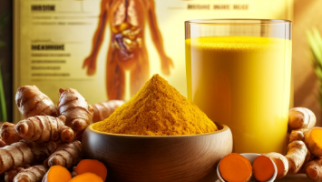
🌿 Turmeric is the golden spice that colours curry, and curcumin, its best-known compound, has become one of the most popular supplements in the world. Capsules promise help for joints, sugar, cholesterol and inflammation, and many buyers assume that anything sold next to herbs and vitamins must be harmless. That is the risky part: a turmeric spoon in a stew and a 1000 mg curcumin extract with black pepper are not the same thing for the body. 🔍 Concentrated extracts can add to the effect of blood thinners, push blood sugar lower in people on diabetes tablets, irritate the stomach, contract the gallbladder and, in rare cases, injure the liver. This guide explains how much curcumin you really get from food and from pills, which prescription medicines need care, who should avoid the supplement completely, and how to talk it over with a doctor or pharmacist before you start.
🍛 Spice in the kitchen, capsule in the cupboard
🍳 Turmeric is the dried, ground root of a plant from the ginger family. As a cooking spice it has been eaten for centuries, and normal food amounts are considered safe for almost everyone, including people on long-term medicines. A teaspoon of powder in a curry, a pinch in rice or a golden milk drink once in a while does not count as a supplement. The questions in this article apply to concentrated products: capsules, tablets, gummies, shots and powders sold for health, often standardised to 95% curcuminoids and boosted with black pepper extract or special carriers to raise absorption.
📦 RXshop.md does not sell turmeric supplements. This article is attached to warfarin because people on blood thinners are the group that most often asks pharmacists whether a turmeric capsule is safe, and because a raised INR is the interaction that can turn serious fastest.
🧪 How much curcumin is really in turmeric
⚖️ Curcumin makes up only a small share of the spice, usually around 3% of the dry powder, with wide differences between harvests and brands. A teaspoon of turmeric (about 3 grams) gives roughly 100 mg of curcumin, while one extract capsule can hold 500 mg or more. Food safety experts set an acceptable daily intake for curcumin used as a food colour of 3 mg per kilogram of body weight, which is about 210 mg for a 70 kg adult. Many supplement labels recommend several times that amount.
🔬 The absorption problem and why black pepper matters
🚪 Plain curcumin is absorbed very poorly. Most of it stays in the gut or is quickly changed by the liver into inactive forms, which is one reason why laboratory results so often fail to repeat in people. Manufacturers fix this by adding piperine from black pepper, or by packing curcumin into fat particles, phospholipids or micelles, and these can raise blood levels many times over. That makes the product more likely to do something, but also more likely to interact. Piperine itself slows down liver enzymes and gut pumps that clear many prescription drugs, so it can raise the level of a medicine even without the curcumin.
🧪 In practice, the “high absorption” formulas sold as the best ones are exactly the products that deserve the most caution in people who take regular medicines. Several of the liver injury reports collected by regulators involved such enhanced products.
📈 What the evidence supports, and what it does not
📚 Curcumin has been studied in thousands of laboratory and animal experiments, but far fewer good human trials. The honest summary is a small benefit at best for a few conditions, and no proof for most of the claims seen on labels. The old idea that turmeric is rich in vitamins and minerals also does not hold up: at spice amounts, the vitamin and mineral content is too small to matter.
📖 If ulcerative colitis is the reason you are looking at curcumin, the proven treatments are explained in ulcerative colitis: how to stop a flare and stay in remission. Do not swap any of them for a supplement without your gastroenterologist.
⚙️ Why a supplement can change how a medicine works
🧬 Interactions with turmeric happen in three main ways. Curcumin can add its own effect on top of the medicine, it can change how fast the medicine is cleared, or it can change how the medicine is absorbed. The size of each effect in real patients is often unknown, because most data come from the lab and from single case reports. Pharmacists therefore look at how dangerous a change would be: a small shift matters little for a vitamin, but a lot for warfarin, tacrolimus or a sulfonylurea.
🩸 Turmeric with warfarin (Coumadin)
📉 Warfarin thins the blood by blocking vitamin K dependent clotting factors, and its dose is tuned to keep the INR in a narrow range, usually 2 to 3 for atrial fibrillation or a blood clot. Curcumin has antiplatelet activity in laboratory studies, and there are published case reports of a sharp INR rise and bleeding after people on warfarin started turmeric products. Not every person reacts, and spice amounts in food have not been shown to cause trouble. The risk comes from starting, stopping or changing the dose of a concentrated extract without telling the clinic that monitors the INR.
📖 Vitamin K foods, alcohol and other diet questions on warfarin are covered in detail in warfarin and INR: diet, interactions and bleeding risk. People on warfarin for an irregular heartbeat should never stop it because of a supplement worry; stroke prevention comes first.
📋 If you take warfarin and still want turmeric
🤝 Many clinics advise simply avoiding turmeric and curcumin supplements while on warfarin, because the benefit is small and the risk is real. If you and your doctor decide to try it anyway, the safe way is a planned change with an extra INR check, never a quiet start.
🛡️ Clopidogrel, aspirin and other antiplatelet medicines
🩹 After a heart attack, a stent or a stroke, many people take clopidogrel, aspirin or both. These drugs stop platelets from sticking together. Because curcumin may weaken platelet clumping too, the combination can, in theory, add to bleeding, especially when two antiplatelets are already used together. Good human data are missing, so the cautious approach is the same as with warfarin: tell the cardiologist or pharmacist, avoid high-dose enhanced extracts, and watch for bleeding signs.
| 💊 Medicine | 🧬 How it thins the blood | ⚠️ Turmeric extract |
|---|---|---|
| Coumadin (Warfarin) | Blocks vitamin K clotting factors | Case reports of raised INR; avoid or monitor closely |
| Plavix (Clopidogrel) | Blocks platelet P2Y12 receptor | Possible added bleeding; ask first |
| Low-dose aspirin | Blocks platelet thromboxane | Possible added bleeding and stomach irritation |
| Newer anticoagulants (apixaban, rivaroxaban) | Block factor Xa | No INR to watch; piperine may raise drug levels |
📖 The first year after a stent and why antiplatelet medicines must not be stopped early are explained in after a heart attack or stent: the first year and the medicines.
💊 Painkillers, turmeric and the stomach
🔥 Many people buy turmeric for joint pain while also taking an anti-inflammatory painkiller. Oral NSAIDs such as diclofenac and celecoxib already raise the risk of stomach bleeding, and adding a blood thinner raises it further. Turmeric in high doses can cause nausea, heartburn and diarrhoea, which can hide or mimic early stomach trouble. The safest pain plan for people on warfarin or clopidogrel often relies on paracetamol and topical gels rather than tablets.
| 💊 Pain option | 🩸 Bleeding risk with a blood thinner | 📝 Comment |
|---|---|---|
| Emulgel (Diclofenac gel) | Low | Little reaches the blood; good for knees and hands |
| Paracetamol | Low at usual doses | Regular high doses can still nudge the INR up |
| Celebrex (Celecoxib) | Moderate | Gentler on the stomach than older NSAIDs, still needs care |
| Voltaren (Diclofenac tablets) | High | Usually avoided with warfarin unless a doctor decides otherwise |
| Turmeric extract on top | Unknown, possibly additive | Do not stack it with NSAIDs and a blood thinner |
🍬 Diabetes tablets and low blood sugar
📉 Small human studies suggest that curcumin may lower fasting glucose a little. On its own that is not dangerous. The concern is a person already on a sulfonylurea such as glimepiride or glipizide, or on insulin, where any extra drop can tip into hypoglycaemia. Metformin alone rarely causes low sugar, so the risk there is smaller, but people on metformin should still mention supplements, because high-dose turmeric can add stomach upset to the gut side effects metformin already causes.
📏 If you add turmeric while on a sulfonylurea or insulin, check your glucose more often for the first two weeks and keep a fast sugar source with you. The meaning of home glucose readings and HbA1c is covered in what your blood sugar numbers and HbA1c actually mean.
😵 Signs of low blood sugar to know
⏱️ Hypoglycaemia usually means a glucose level below 4 mmol/L (about 70 mg/dL). It can come on within minutes, and in older people or those with long-standing diabetes the warning signs may be weak. Treat it with 15 to 20 grams of fast sugar, recheck after 15 minutes, then eat a snack with starch.
🫀 Liver injury from high-dose extracts
🚩 For years turmeric was seen as kind to the liver. That view has changed. Health regulators in Italy and Australia have published warnings after a series of cases of liver injury linked to turmeric and curcumin supplements, and liver injury registries in the United States now list turmeric among the more frequently implicated herbal products. Most cases involved concentrated extracts, often with piperine or enhanced absorption, taken for weeks to months. Most people recovered after stopping, but some needed hospital care.
🧬 Who seems more at risk of liver problems
🔎 Researchers studying these cases found that people with a particular immune gene type were overrepresented, which supports the idea of an immune reaction. No one can know their own risk in advance, so the practical advice targets people whose liver is already under strain or who take other medicines processed by the liver.
- 📌 Existing liver disease: fatty liver, hepatitis B or C, cirrhosis, primary biliary cholangitis
- 📌 Regular alcohol use above recommended limits
- 📌 Long-term medicines that can strain the liver, such as methotrexate, some statins at high dose, isoniazid or certain epilepsy drugs
- 📌 Use of several herbal products at once, such as green tea extract, ashwagandha or kava, which are also linked to liver injury
- 📌 Enhanced absorption formulas taken at doses above the label
🧪 Anyone in these groups who still wants to try curcumin should ask for liver blood tests before starting and again after one to two months, and stop at the first sign of a problem.
🟡 Gallstones and bile duct problems
🧪 Curcumin makes the gallbladder contract and push out bile. In a healthy person that does no harm. In someone with gallstones, a sudden squeeze can drive a stone into the bile duct and trigger biliary colic, jaundice or pancreatitis. For this reason, product labels in several countries advise against turmeric supplements in people with gallstones or blocked bile ducts.
🟡 Avoid turmeric supplements if you have:
🔹 Known gallstones, with or without past attacks of pain.
🔹 A blocked bile duct, or jaundice of any cause.
🔹 Recent pancreatitis.
🔹 Pain under the right ribs after fatty meals that has not yet been investigated.
💊 Small cholesterol gallstones in a working gallbladder can sometimes be dissolved slowly with ursodiol, a bile acid taken for many months under medical follow-up, for example Urso (Ursodiol). It is also used for primary biliary cholangitis. It does not suit large, calcified or pigment stones, and surgery is still the main treatment for stones that cause repeated attacks.
💎 Kidney stones and oxalate
🧂 Turmeric is rich in soluble oxalate, the compound that forms the most common type of kidney stone. A study comparing turmeric and cinnamon supplements found that turmeric raised urine oxalate noticeably more, which matters for people who have already formed calcium oxalate stones. Food amounts are a small part of the total, but daily capsules of turmeric powder can add up.
📖 What to expect when a stone moves and which ones need treatment: kidney stones: what passes on its own and what does not.
🔥 Heartburn, reflux and stomach upset
🤢 The most common side effects of turmeric supplements are digestive: nausea, heartburn, a feeling of fullness, loose stools and, at high doses, diarrhoea. People with reflux disease or a history of stomach ulcers often find that the capsules make symptoms worse. This is one more reason not to combine turmeric with NSAIDs and blood thinners, since all three can affect the stomach lining in different ways.
💊 If heartburn appears after starting turmeric, the first step is to stop the supplement and see whether it settles. Persistent reflux is usually treated with a proton pump inhibitor such as Nexium (Esomeprazole), often 20 mg once daily before breakfast for a few weeks. Doctors also use these medicines to protect the stomach in people who must stay on an NSAID together with a blood thinner. Black stools, vomiting blood, trouble swallowing or weight loss need prompt medical review, not just an antacid.
🧲 Iron levels and anaemia
🩸 In laboratory studies curcumin binds iron, and a few reports describe iron deficiency anaemia in people taking high-dose turmeric for long periods. The effect in most healthy eaters is probably small, but it matters for people who already have low iron, heavy periods, or who take iron tablets. If you take an iron supplement, keep it at least two hours away from a turmeric capsule, and ask for a blood count if you feel unusually tired or breathless on exertion.
Separate from turmeric by 2 hours or more
Check ferritin before long-term use
Ask for a blood count
🏥 Transplant, cancer and other narrow-margin medicines
🔬 Some medicines work only in a tight window: a little too low and they fail, a little too high and they become toxic. Because curcumin and especially piperine can slow the enzymes and gut pumps that clear these drugs, any supplement use needs a specialist decision. There are case reports of raised tacrolimus levels in transplant patients who took turmeric, and laboratory data suggest effects on several cancer drugs.
| 💊 Medicine group | ⚠️ Possible problem | 🩺 Who decides |
|---|---|---|
| Tacrolimus, ciclosporin | Higher drug levels, kidney toxicity | Transplant team |
| Chemotherapy and targeted cancer drugs | Changed levels, possible interference with treatment | Oncologist |
| Digoxin | Gut pump effects could raise levels | Cardiologist or pharmacist |
| Some epilepsy medicines | Changed levels, seizure control | Neurologist |
| Sedatives and some antidepressants | Piperine may raise levels | Prescriber or pharmacist |
💡 If you are on any of these, the simplest rule is to treat turmeric capsules like a new prescription drug: no start without the specialist who manages your treatment.
🔪 Before surgery, dental work or a biopsy
🩸 Because of the possible effect on bleeding, anaesthetists and surgeons usually ask patients to stop herbal supplements that may thin the blood before planned procedures. For turmeric and curcumin a pause of about two weeks before surgery is common advice, and the supplement should appear on the medicine list you bring to the pre-operative visit. Never stop a prescribed blood thinner on your own; that decision belongs to the surgeon and the doctor who prescribed it.
List every supplement for the surgical team
Stop turmeric, fish oil, ginkgo, garlic pills
Follow the plan for warfarin or clopidogrel exactly
Restart only if the surgeon agrees
🤰 Pregnancy, breastfeeding and children
🍼 Turmeric in food is fine during pregnancy and breastfeeding. Concentrated supplements are a different matter: there are not enough safety data, so most guidance advises against them in pregnancy and while breastfeeding. Older texts describe turmeric in large amounts as a uterine stimulant, which adds to the caution. Children should not be given curcumin supplements unless a doctor recommends them for a specific reason.
Turmeric in cooking, golden milk now and then
Capsules, shots and high-dose powders
Any herbal product while trying to conceive
🦵 Turmeric for joint pain compared with standard options
🦴 Osteoarthritis of the knee is the most common reason adults buy curcumin. Some trials report a small reduction in pain compared with placebo, and a few found results close to an NSAID over several weeks, but the studies are short, small and often funded by manufacturers. Exercise, weight loss and topical NSAIDs have stronger evidence and fewer interactions. For people on a blood thinner, a diclofenac gel is usually a better first step than a turmeric capsule.
| 🦵 Option | 📊 Evidence for knee pain | ⚠️ Main concern |
|---|---|---|
| Exercise and strengthening | Strong | Needs weeks of regular effort |
| Weight loss if overweight | Strong | Hard to sustain |
| Topical NSAID gel | Good | Local skin irritation |
| Oral NSAID, short courses | Good | Stomach, kidneys, heart, bleeding with blood thinners |
| Curcumin extract | Weak to moderate | Interactions, gallbladder, rare liver injury |
📖 How osteoarthritis differs from rheumatoid arthritis, and why it matters for treatment: joint pain decoded: osteoarthritis vs rheumatoid arthritis.
🏷️ Reading a turmeric supplement label
🔍 Supplements are not checked like medicines before they reach the shelf. Independent tests have found products with far less curcumin than claimed, products with extra ingredients not on the label, and some turmeric powders contaminated with lead chromate, added to brighten the colour. A careful buyer, and especially one on prescription medicines, can lower the risk with a quick check.
🌳 Should you take it? A simple decision path
🗿 Myths and facts about turmeric
🚨 When to see a doctor
⛔ Stop the supplement and get medical help promptly if:
🔹 Your eyes or skin turn yellow, your urine turns dark or your stools turn pale.
🔹 You are on a blood thinner and notice black or bloody stools, blood in the urine, coughing or vomiting blood, or a nosebleed that will not stop.
🔹 You have severe pain under the right ribs or in the upper belly, especially with fever or vomiting.
🔹 You take diabetes medicine and have repeated low sugar readings, confusion or a fit.
🔹 You notice a sudden severe headache, weakness on one side or trouble speaking. Call emergency services at once.
💬 For everything else, the right moment to talk to a doctor or pharmacist is before you buy. Bring the bottle and your full medicine list, including over-the-counter painkillers and other herbs.
❓ Frequently asked questions
Can I take turmeric with warfarin?
Turmeric in food is fine. Concentrated supplements have been linked to raised INR and bleeding, so most clinics advise avoiding them, or starting only with an extra INR check within a week.
Is turmeric safe with clopidogrel or aspirin?
Curcumin may weaken platelet clumping, so it could add to bleeding. Ask your cardiologist or pharmacist first and avoid high-dose enhanced extracts.
Does turmeric lower blood sugar?
Small studies suggest a slight drop in fasting glucose. With glimepiride, glipizide or insulin this can add to the risk of low sugar, so test more often if you combine them.
Can turmeric supplements damage the liver?
Rarely, yes. Regulators have reported cases of liver injury, mostly with concentrated or enhanced extracts. Most people recover after stopping.
Should people with gallstones avoid turmeric?
Yes, for supplements. Curcumin makes the gallbladder contract, which can push a stone into the bile duct. Food amounts are generally fine.
Can turmeric cause kidney stones?
Turmeric is high in oxalate and supplements can raise urine oxalate. People who have had calcium oxalate stones should avoid turmeric powder capsules.
Why does black pepper make turmeric riskier with medicines?
Piperine raises curcumin absorption and also slows liver enzymes and gut pumps that clear many drugs, so medicine levels can rise.
How long before surgery should I stop turmeric?
About two weeks before a planned procedure is common advice. Tell the surgical team, and never stop a prescribed blood thinner without their plan.
Is turmeric safe in pregnancy?
Turmeric in cooking is fine. Supplements are not recommended in pregnancy or breastfeeding because safety data are lacking.
Does turmeric work as well as painkillers for knee arthritis?
Some small trials show modest pain relief, but evidence is weak. Exercise, weight loss and topical NSAID gels have stronger proof and fewer interactions.
📑 Sources and editorial
- 📘 Prescribing information for warfarin, clopidogrel, sulfonylureas and metformin, including interaction sections
- ⚠️ Regulatory safety reviews on liver injury linked to turmeric and curcumin supplements
- 🔬 Drug-induced liver injury registry reports and case series on herbal and dietary supplements
- ⚖️ Food safety expert evaluations of curcumin as a food additive and its acceptable daily intake
- 🩸 Published case reports of raised INR in patients on warfarin taking turmeric products
- 🧪 Pharmacokinetic studies of curcumin absorption and of piperine effects on drug-metabolising enzymes
- 💎 Studies of urinary oxalate after turmeric supplementation
- 🦵 Systematic reviews of curcumin trials in knee osteoarthritis
- 📖 Related reading: warfarin and INR diet interactions, after a heart attack or stent, blood sugar numbers and HbA1c, kidney stones, osteoarthritis vs rheumatoid arthritis
- 🛒 Related products: Coumadin (Warfarin), Plavix (Clopidogrel), Amaryl (Glimepiride), Glucophage (Metformin), Urso (Ursodiol), Nexium (Esomeprazole), Emulgel (Diclofenac gel)
- 🩺 RXshop Editorial Team — reviewed by Sarah Mitchell, PharmD — Clinical Pharmacist
Medical Disclaimer: The information in this article is for educational and informational purposes only and is not a substitute for professional medical advice, diagnosis, or treatment. Always seek guidance from a qualified healthcare provider with any questions you may have regarding a medical condition, and before starting, stopping or changing any medication.